曹東義:病竈思維與症候思維——中醫與現代醫學的對話
在醫學的殿堂裏,病竈與症候,如同兩條並行的河流,流淌着不同的思維與智慧。現代醫學,以其精準的診斷技術和對病竈的深入研究,成爲了人類對抗疾病的重要武器;而中醫學,則以其獨特的症候思維和整體觀念,詮釋了生命的複雜與微妙。當病竈思維與症候思維相遇,一場跨越時空的對話悄然展開。
病竈,是現代醫學的核心概念之一。它像是一個隱藏在身體深處的“敵人”,通過各種檢查手段被揭示出來,成爲醫生治療的目標。病竈的確定性,使得現代醫學在診斷上追求“確診”,在治療上力求“精準”。然而,臨牀上我們常常遇到這樣的現象:不同的患者,雖然存在同一種病竈,但伴隨的全身證候卻千差萬別。這是爲什麼?過去,我們總是用“體質不同”來解釋,但體質的差異又源自何處呢?
其實,體質的差異,正是微觀世界各種基本物質差異的外在表現。現代醫學所無法捕捉的那些飄忽不定、複雜多變的微觀變化,正是構成體質差異的重要因素。這些微觀變化,通過無數個神經體液做媒介,一次次把信號傳向中樞,人類的大腦皮層對這些微觀信號進行整合,形成了我們所感知的症狀。這些症狀,是微觀世界複雜變化的整體反映,是真實、可靠的臨牀現象。
而中醫學,正是以這些症狀爲基礎,構建了其獨特的症候思維。症候,是複雜微觀變化的整合,是人體在疾病狀態下所表現出的整體反應。中醫通過細緻入微的觀察,將這些症狀歸納爲不同的證型,每個證型都代表着一種特定的微觀變化模式。因此,中醫的病與證都是經常變化的,不存在“誤診”與“確診”的絕對界限。中醫的“病”與“證”是相對存在的,反映的大都是人體的狀態。
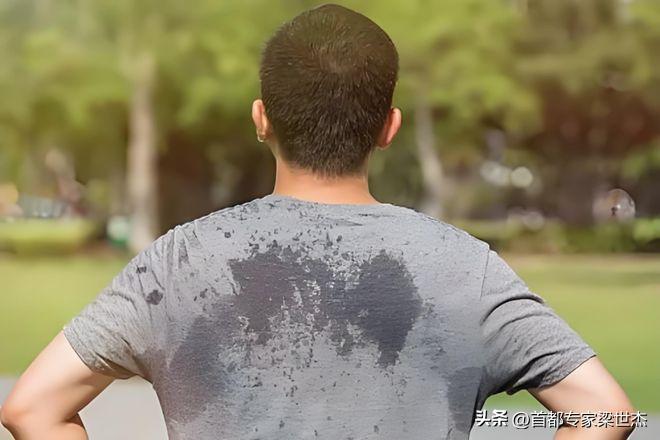
以出汗爲例,現代醫學可能只是將其視爲一種生理現象或病理表現,而中醫卻根據其不同的臨牀特點,劃分爲表虛有汗、裏熱汗出、戰汗、脫汗、絕汗、黃汗、自汗、盜汗、半身汗、頭汗等等。這些不同的汗出背後,對應着不同的微觀變化,需要不同的治療方法。這種對症狀的細緻觀察和分類,正是中醫症候思維的體現。
再來看病竈與症候的關係。病竈是相對固定不變的,而症候卻是變化多端的。現代醫學強調形態病竈的“永久性”,因此有診斷與鑑別診斷之分;而中醫學則突出形態病竈的“暫時性”,認爲病竈只是微觀變化的一種外在表現,通過改變微觀環境,可以影響甚至消除病竈。這種對病竈的不同看法,反映了中醫與西醫在疾病觀上的根本差異。
中醫學不僅觀察精細,而且有其獨特的治療方法。對於已經形成的積聚痞塊等有形病竈,中醫並不只是簡單地通過手術介入來消除,而是從改變微觀環境着眼,通過調整人體的陰陽平衡、氣血流通等來達到治療目的。這種治療方法,體現了中醫對生命整體的尊重和呵護。
有統計數據表明,中醫在治療某些慢性疾病、功能性疾病以及亞健康狀態方面,具有顯著的優勢。這正是因爲中醫注重的是人體的整體狀態和微觀變化,而不是僅僅侷限於病竈本身。這種整體觀念和症候思維,使得中醫在治療過程中能夠更加全面地考慮患者的身心狀況,制定更加個性化的治療方案。
病竈思維與症候思維,是兩種截然不同的醫學思維方式。現代醫學以其精準的病竈定位和先進的診斷技術見長;而中醫學則以其獨特的症候思維和整體觀念著稱。兩者各有千秋,相輔相成。在未來的醫學發展中,我們應該將兩者結合起來,既關注病竈的精確治療,又重視症候的整體調理,共同爲人類的健康事業貢獻力量。
中醫學的症候思維,不僅僅是一種醫學理論,更是一種生命智慧。它教會我們如何去觀察、去理解、去呵護這個複雜而微妙的生命體。讓我們懷揣着對生命的敬畏與熱愛,繼續探索中醫的奧祕,讓這份智慧在人類健康的道路上綻放光彩。
參考文獻:2005年9月15日《中國中醫藥報》,作者:曹東義,《中醫診察手段基於生物進化》
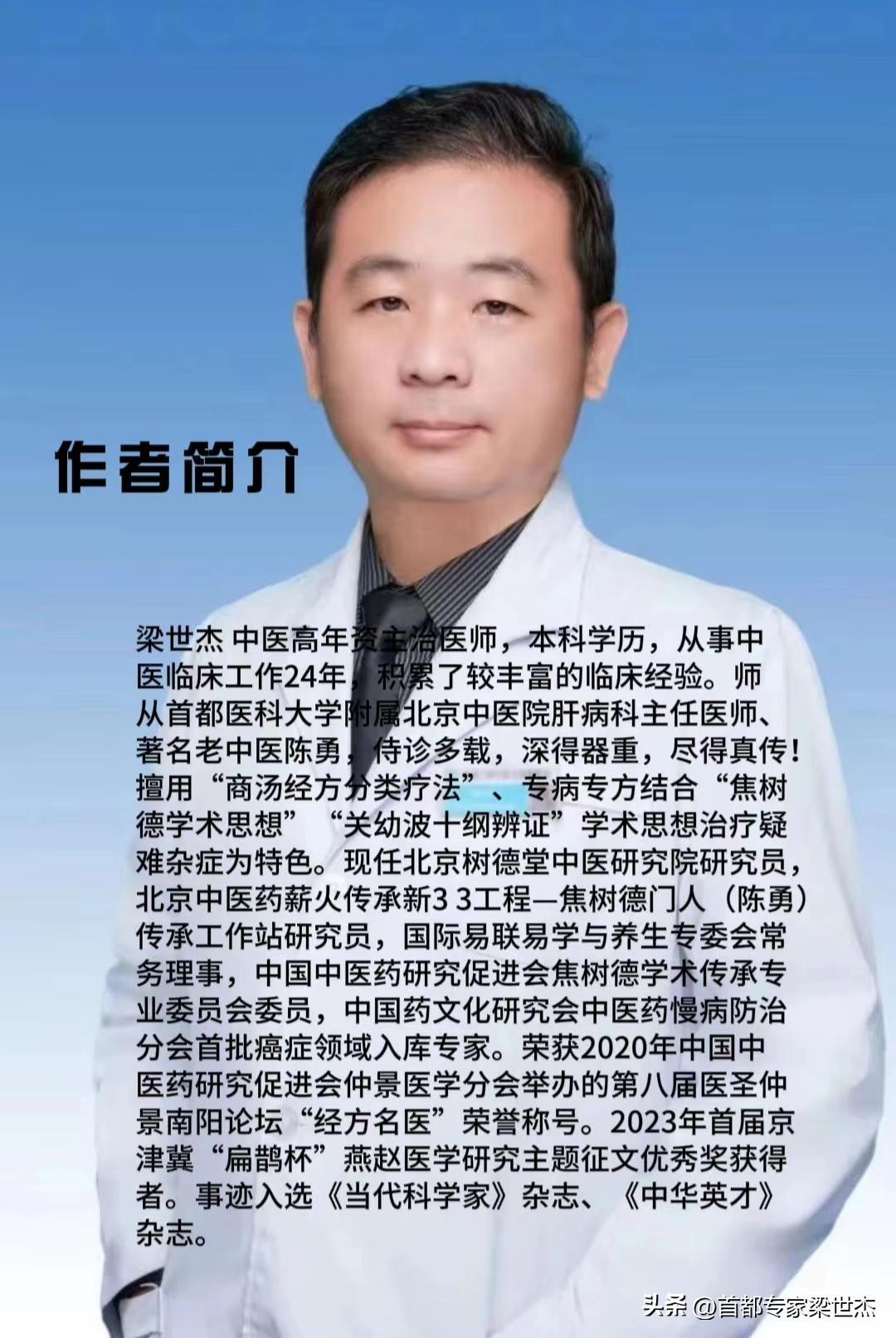
作者簡介:梁世傑 中醫高年資主治醫師,本科學歷,從事中醫臨牀工作24年,積累了較豐富的臨牀經驗。師從首都醫科大學附屬北京中醫院肝病科主任醫師、著名老中醫陳勇,侍診多載,深得器重,盡得真傳!擅用“商湯經方分類療法”、專病專方結合“焦樹德學術思想”“關幼波十綱辨證”學術思想治療疑難雜症爲特色。現任北京樹德堂中醫研究院研究員,北京中醫藥薪火傳承新3+3工程—焦樹德門人(陳勇)傳承工作站研究員,國際易聯易學與養生專委會常務理事,中國中醫藥研究促進會焦樹德學術傳承專業委員會委員,中國藥文化研究會中醫藥慢病防治分會首批癌症領域入庫專家。榮獲2020年中國中醫藥研究促進會仲景醫學分會舉辦的第八屆醫聖仲景南陽論壇“經方名醫”榮譽稱號。2023年首屆京津冀“扁鵲杯”燕趙醫學研究主題徵文優秀獎獲得者。事蹟入選《當代科學家》雜誌、《中華英才》雜誌。
Cao Dongyi: Focal Thinking and Symptom Thinking - A Dialogue between Chinese Medicine and Modern Medicine
In the temple of medicine, lesions and symptoms are like two parallel rivers flowing with different thoughts and wisdom. Modern medicine, with its precise diagnostic techniques and in-depth study of lesions, has become an important weapon against disease. However, Chinese medicine, with its unique symptom thinking and holistic concept, interprets the complexity and subtleties of life. When the diseased mind meets the symptomatic mind, a dialogue across time and space quietly unfolds.
Plague is one of the core concepts of modern medicine. It is like an "enemy" hidden deep in the body, revealed through various means of examination and becomes a target for doctors to treat. The certainty of lesions makes modern medicine seek "confirmation" in diagnosis and "precision" in treatment. However, clinically we often encounter this phenomenon: different patients, although they have the same lesion, the accompanying systemic symptoms are very different. Why is this? In the past, we used to explain it by "physical differences," but where did the differences come from?
In fact, differences in physical quality are the external manifestations of various basic material differences in the microscopic world. The fluctuating, complex and variable microscopic changes that modern medicine cannot capture are the important factors that make up differences in physical health. These microscopic changes, through the mediation of numerous nerve fluids, transmit signals to the central center time and time again, and the human cortex integrates these microscopic signals into the symptoms we perceive. These symptoms, which are the overall reflection of complex changes in the microscopic world, are real and reliable clinical phenomena.
It is on the basis of these symptoms that Chinese medicine builds its unique symptom thinking. The symptoms are the integration of complex microscopic changes and are the overall response of the human body in a state of disease. Through meticulous observation, traditional Chinese medicine classifies these symptoms into different manifestations, each representing a specific microscopic pattern of change. Therefore, the diseases and evidences of TCM are constantly changing, and there is no absolute boundary between "misdiagnosed" and "confirmed." The "illness" and "proof" of TCM are relatively present and reflect most of the state of the human body.
Take sweating as an example. Modern medicine may only consider it as a physiological phenomenon or pathological manifestation, while traditional Chinese medicine classifies it into superficial sweating, internal heat sweating, war sweating, de-perspiration, absolute sweating, yellow sweat, self-perspiration and stealing sweat, half-body sweating, head sweating, etc. according to its different clinical characteristics. Behind these different sweats, there are different microscopic changes that require different treatments. This detailed observation and classification of symptoms is the embodiment of symptom thinking in traditional Chinese medicine.
Look at the relationship between lesions and symptoms. The lesions are relatively fixed, while the symptoms vary widely. Modern medicine emphasizes the "permanence" of morphological lesions, so there are differences between diagnosis and differential diagnosis; However, Chinese medicine highlights the "temporary nature" of morphological lesions, believing that lesions are only an external manifestation of microscopic changes, and by changing the microenvironment, the lesions can be affected or even eliminated. This different view of the lesions reflects the fundamental difference between traditional Chinese medicine and Western medicine in their view of the disease.
Chinese medicine not only has fine observations, but also has its own unique treatment methods. For physical lesions such as accumulated lumps that have already formed, traditional Chinese medicine does not simply eliminate them through surgical intervention, but aims to achieve therapeutic purposes from the perspective of changing the microenvironment by adjusting the yin-yang balance of the human body, air and blood flow, etc. This treatment reflects traditional Chinese medicine''s respect and care for life as a whole.
Some statistical data show that Chinese medicine in the treatment of some chronic illness, functional illness and sub-state of health, has a significant advantage. This is precisely because TCM focuses on the overall state and microscopic changes of the human body, rather than being limited to the lesions themselves. This holistic concept and symptom thinking allows traditional Chinese medicine to consider the physical and mental condition of the patient more comprehensively during the treatment process and formulate a more personal treatment plan.
Focal thinking and symptom thinking are two very different ways of thinking in medicine. Modern medicine is distinguished by its precise location of lesions and advanced diagnostic techniques. Chinese medicine is known for its unique symptom thinking and holistic concept. Each has a thousand years and complements each other. In the future medical development, we should combine the two, pay attention to the precision treatment of lesions and the holistic management of symptoms, together contributing to the cause of human health.
The symptom thinking of traditional Chinese medicine is not only a medical theory, but also a life wisdom. It teaches us how to observe, understand, and care for this complex and delicate life. With the fear and love of life, let us continue to explore the mysteries of traditional Chinese medicine and let this wisdom blossom on the path to human health.
References: Chinese TCM Daily, September 15, 2005. Author: Cao Dongyi, TCM diagnostic methods based on biological evolution.
Author Bio: Liang Shijie is a senior medical practitioner in traditional Chinese medicine with an undergraduate degree. He has been engaged in traditional medicine clinical work for 24 years and has accumulated a wealth of clinical experience. Following Chen Yong, chief physician of liver disease at Beijing Traditional Medicine Hospital, affiliated with Capital Medical University, and renowned old Chinese medicine, he has been treated for many years and received great attention. He specializes in the treatment of difficult diseases using "conversational traditional therapy" and special treatments combined with the academic ideas of Jiao Shude and Guan Yubo''s ten-level diagnosis.He is currently a researcher at the Shude Tang TCM Research Institute in Beijing, a fellow at the new 3 + 3 project of traditional Chinese medicine flame inheritance in Beijing - a scholar at the inheritance workstation of Jiao Shude''s protégés (Chen Yong),He is a standing committee member of the International Expert Committee on E-learning and Health Care, a member of the Jiao Shude Academic Heritage Special Committee of the Chinese Association for the Advancement of Chinese Medicine Research, and the first cancer specialist to be included in the chapter of the Chinese Pharmaceutical Culture Research Association. Won the 2020 China Association for the Promotion of Traditional Chinese Medicine Zhongjing Medical Branch held the eighth session of the Medical Saint Zhongjing Nanyang Forum "Classic Prescription Famous Doctor" honorary title. The winner of the first Beijing-Tianjin-Hebei "Pingui Cup" Yanzhao Medical Research Essay Award in 2023. His work was featured in the journal Current Scientist and the journal Chinese Talent.