曹東義:皮膚進化與中醫汗法——人類智慧與自然法則的交融
在漫長的生物進化史中,人類的皮膚以其獨特的進化路徑,成爲了生命奇蹟中的一抹亮色。古人稱人類爲“裸蟲”,這一稱謂背後,蘊含着皮膚進化與人類文明、醫學發展的深刻聯繫。中醫,這一源自東方的醫學瑰寶,其診察與治療措施,無不緊緊依託於人類皮膚在進化過程中所取得的卓越成果。
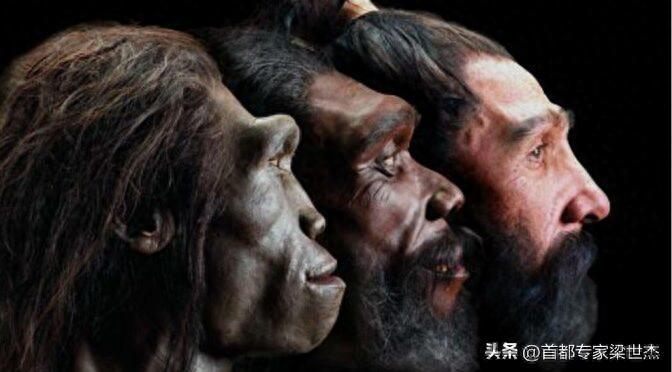
皮膚,作爲人體最大的器官,其進化之路充滿了智慧與必然。在猿人時期,我們的祖先身披密毛,角化層厚重,以適應惡劣的自然環境。然而,隨着直立行走和用手勞動的日漸增多,人類的身體結構開始發生翻天覆地的變化。汗腺的發達,是這一變化中的重要一環。在氣溫偏高或烈日炎炎之時,古人爲了生存而奔忙,出汗散熱成爲了保持健康的必要條件。汗腺因此得以發達,而皮脂腺也在人類學會穴居、烤火、穿獸皮樹葉的過程中逐漸興盛。密毛厚皮不再成爲保暖的主要依靠,人類的皮膚因此變薄,密毛大部退化,而汗腺、皮脂腺的發達程度,則是任何猿、猴都無法比擬的。正如吳汝康在《人類發展史》中所言:“一個人有二百到五百餘萬條汗腺,這是任何猿、猴所不及的。”
皮膚的進化,不僅改變了人類的生理結構,更爲中醫的望診、切診提供了堅實的基礎。中醫的望神、望色、切尺膚、切脈等診斷措施,都離不開對人類皮膚的細緻觀察。皮膚的潤澤、溫度、色彩、豐腴、乾溼,以及毛髮的多少、光澤、疏密、分佈,汗液的有無、多少、出汗的時間、程度等,都是中醫判斷病情的重要依據。這些“客觀”的診斷措施,在動物實驗中難以模擬,因爲它們的皮膚並未經歷如人類般的進化過程。
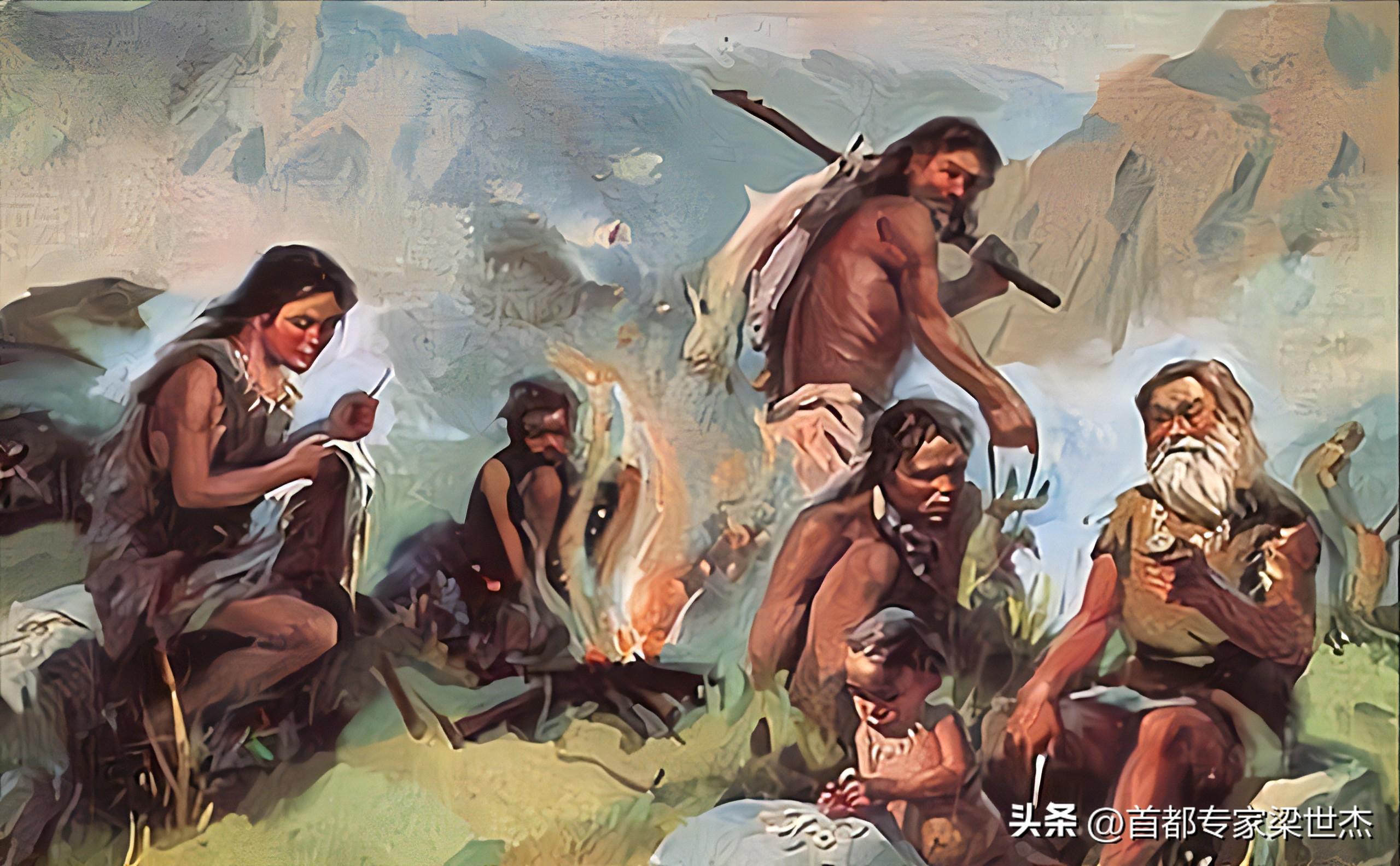
而中醫的治療過程中,更是將皮膚的特性發揮得淋漓盡致。其中,汗法作爲中醫治療外感熱病的首要和主要方法,其歷史之悠久,幾乎無法追溯。在傳染性和感染性疾病肆虐的古代,人們發現烤火可以減輕惡寒的痛苦,有的人在烤火過程中出汗,隨着汗出而發熱消退,身體自然輕鬆舒適。這就是《素問》中“體若燔炭,汗出而散”理論的形成過程。
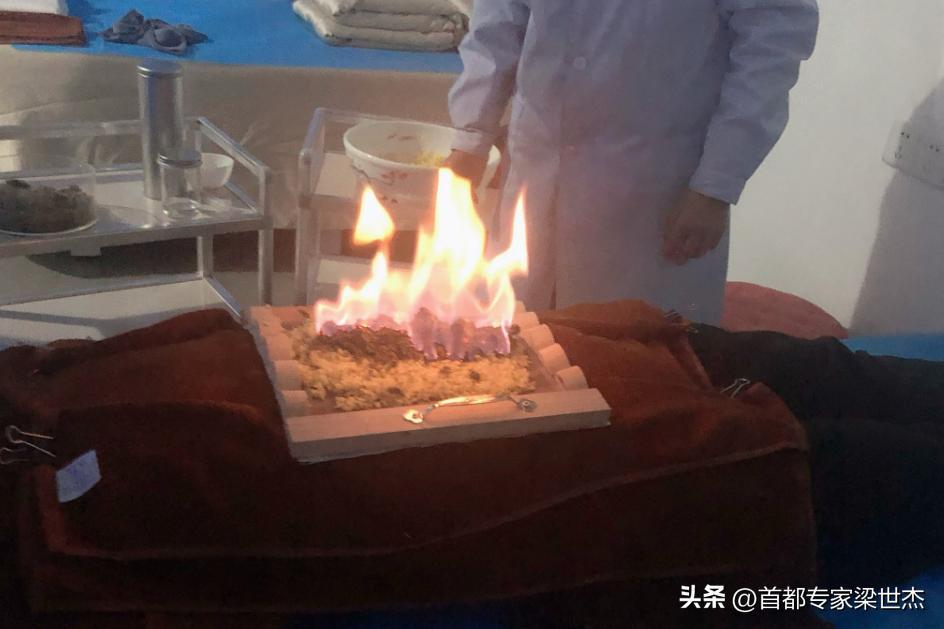
汗法的發展,是一個不斷演變、逐漸豐富、日趨安全方便的歷史過程。從烤火發汗、火灸取汗、火針致汗等外治方法,到服用溫熱藥解表、辛涼解表等內服藥物發汗解表,中醫發汗法經歷了數個階段。烤火發汗,可以追溯到舊石器時代的早期,雲南元謀猿人、北京猿人用火的遺蹟,都是這一歷史見證。火灸、火針發汗的現象,在張仲景的《傷寒論》中仍有提及,但已被更爲先進的湯藥發汗方法所取代。華佗的發汗治療方法中,還提到了摩膏、法針,這些都是汗法發展過程中的寶貴遺產。
服湯藥發汗,則是人類進入文明社會後,隨着陶器和青銅器的出現,以及人們普遍用器皿烹煮食物、將熬湯作爲日常飲食之後,才逐漸發明的。湯液治病的發明,被歸功於商朝的宰相伊尹,他著成了《湯液經》,發明了湯藥,這一推理合乎歷史情節。湯藥發汗,不僅安全方便,而且效果顯著,成爲了中醫治療外感熱病的重要手段。
中醫汗法的背後,蘊含着人類與自然法則的深刻交融。皮膚的進化,爲人類提供了獨特的生理結構,而中醫則在這一基礎上,發展出了獨具特色的診斷與治療方法。汗法作爲中醫治療外感熱病的首要方法,其歷史悠久,內容豐富,是現代醫學至今望塵莫及的。它不僅是人類智慧的結晶,更是自然法則在人類身上的深刻體現。
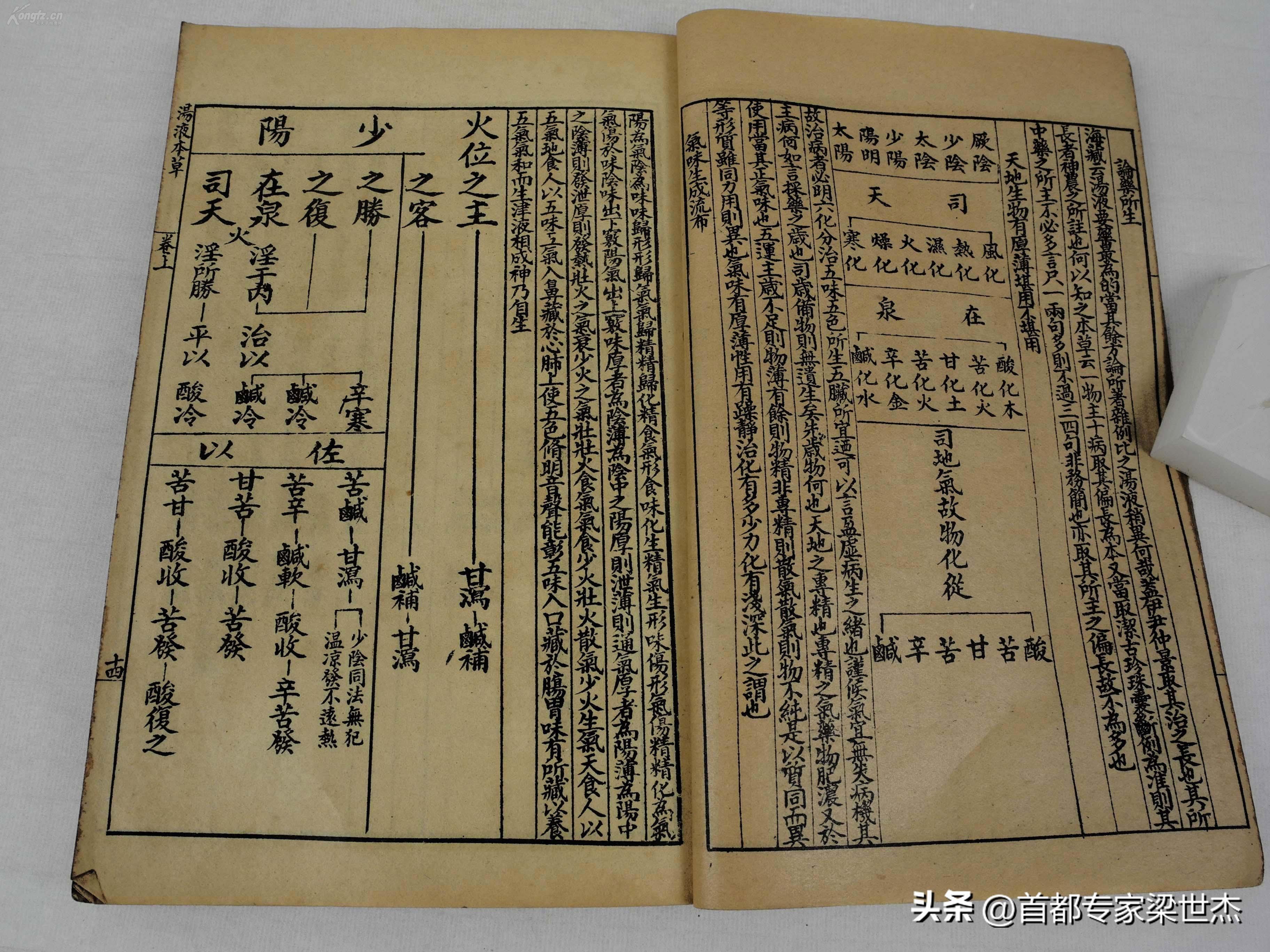
展望未來,隨着科技的進步和醫學的發展,我們對皮膚進化與中醫汗法的認識將更加深入。但無論時代如何變遷,人類與自然法則的交融、智慧與必然的碰撞,都將是推動醫學進步的不竭動力。讓我們懷揣着對生命的敬畏與熱愛,繼續探索這一神奇而美麗的醫學世界吧!
參考文獻:2005年9月15日《中國中醫藥報》,作者:曹東義,《中醫診察手段基於生物進化》
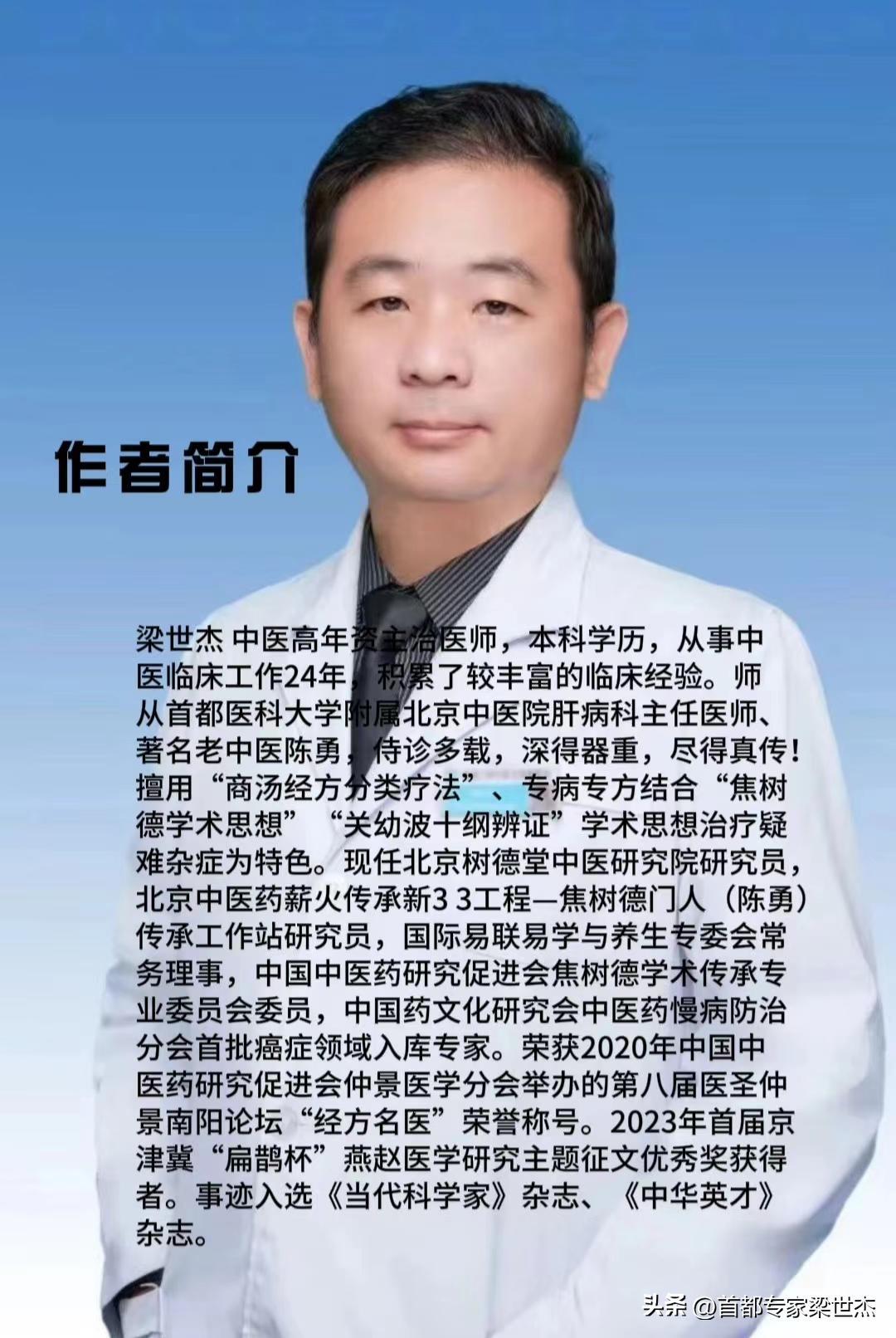
作者簡介:梁世傑 中醫高年資主治醫師,本科學歷,從事中醫臨牀工作24年,積累了較豐富的臨牀經驗。師從首都醫科大學附屬北京中醫院肝病科主任醫師、著名老中醫陳勇,侍診多載,深得器重,盡得真傳!擅用“商湯經方分類療法”、專病專方結合“焦樹德學術思想”“關幼波十綱辨證”學術思想治療疑難雜症爲特色。現任北京樹德堂中醫研究院研究員,北京中醫藥薪火傳承新3+3工程—焦樹德門人(陳勇)傳承工作站研究員,國際易聯易學與養生專委會常務理事,中國中醫藥研究促進會焦樹德學術傳承專業委員會委員,中國藥文化研究會中醫藥慢病防治分會首批癌症領域入庫專家。榮獲2020年中國中醫藥研究促進會仲景醫學分會舉辦的第八屆醫聖仲景南陽論壇“經方名醫”榮譽稱號。2023年首屆京津冀“扁鵲杯”燕趙醫學研究主題徵文優秀獎獲得者。事蹟入選《當代科學家》雜誌、《中華英才》雜誌。
Cao Dongyi: Skin Evolution and TCM - The Convergence of Human Wisdom and Natural Laws
In the long history of biological evolution, human skin has become a bright color in the miracle of life through its unique evolutionary path. The ancient people called humans "naked worms," and behind this title, there is a profound connection between skin evolution and the development of human civilization and medicine. Traditional Chinese medicine, a treasure of medicine originating in the East, relies closely on the remarkable results achieved by human skin in the course of evolution.
The skin, as the largest organ of the human body, has evolved on a path of wisdom and certainty. During the time of the apes, our ancestors wore thick coats and thick layers of hornification to adapt to the harsh natural environment. However, with the increasing use of upright walking and manual labor, the human body structure began to change dramatically. The development of sweat glands is an important part of this change. When the temperature is on the high side or the scorching sun, the ancients bustled about in order to survive. Sweating and heat dissipation became a necessary condition to keep fit. The sweat glands were thus developed, and the sebaceous glands grew as humans learned to live in caves, roast fires, and wear animal skins and leaves. The thick coat no longer becomes the main reliance on warmth, so human skin thins, the large part of the thick coat degrades, and the sweat glands and sebaceous glands are not developed like any apes or monkeys. As Wu Ruikang said in The History of Human Development: "A man has two to five million sweat glands, which is less than that of any ape or monkey."
The evolution of skin has not only changed the human physiological structure, but also provided a solid foundation for the observation and treatment of Chinese medicine. The diagnostic measures of traditional Chinese medicine, such as looking for the spirit, looking for color, cutting the skin, and cutting the vein, are inseparable from meticulous observation of the human skin. The moisture, temperature, color, plumpness, dryness and wetness of the skin, as well as the amount, gloss, tightness and distribution of hair, whether, how much sweat, the time and extent of sweating, are all important sources of judgment of the condition in traditional Chinese medicine. These "objective" diagnostic measures are difficult to simulate in animal experiments because their skin has not gone through the same evolutionary process as humans.
In the treatment process of traditional Chinese medicine, the properties of the skin are exerted to the fullest. Among them, sweating as the first and main method of traditional Chinese medicine for treating external fever, has a long history that is almost untraceable. In ancient times, when infectious and infectious diseases were prevalent, people found that burning fires could alleviate the pain of cold. Some people sweated during the burning of fires. With sweat, the heat subsided, and the body was naturally relaxed and comfortable. This is the process by which the theory of "the body is like burnt charcoal, and the sweat goes out and disperses" in the Quenturf theory was formed.
The development of the sweatshop is a historical process that is constantly evolving, gradually enriching, and becoming safer and more convenient. From external treatment methods such as burning fire to sweat, burning acupuncture to sweat, and burning acupressure to sweat, to internal medicines such as taking hot and cold remedies to sweat remedies, traditional Chinese sweating methods have gone through several stages. Burning fire and sweating can be traced back to the early Paleolithic era, and the remains of the Yuanmou ape people in Yunnan and Beijing ape people who used fire are witness to this history. The phenomenon of burning acupuncture and acupuncture sweating is still mentioned in Zhang Zhongjing''s Thesis of Typhoid, but has been replaced by more advanced methods of soup sweating. In Huaiu''s sweat treatment methods, there are also mentions of moistens and tongs, which are valuable legacies in the development of sweat therapy.
Taking soup and sweating was gradually invented after humans entered civilized society, with the advent of pottery and bronze tools, and people generally used vessels to cook food and made soups a daily diet. The invention of soup for healing diseases is attributed to Yi Yin, a steward of the Shang Dynasty who wrote the Book of soup and invented soup medicine, a reasoning that is historically appropriate. Turmeric sweating is not only safe and convenient, but also effective, and has become an important means of traditional Chinese medicine for treating external fever diseases.
Behind the traditional Chinese sweat method, there is a profound intersection between human beings and natural laws. Skin evolution has provided humans with unique physiological structures, and traditional Chinese medicine has developed unique diagnostic and therapeutic methods on this basis. As the primary method of traditional Chinese medicine for treating external fever, sweating has a long history and rich content, which is beyond the reach of modern medicine. It is not only the crystallization of human wisdom, but also the profound manifestation of the laws of nature in human beings.
Looking ahead, with the advancement of science and medicine, our understanding of skin evolution and traditional Chinese sweating methods will deepen. But no matter how the times change, the intersection of humans and the laws of nature, the collision of wisdom and inevitable, will continue to drive medical progress. Let us continue to explore this amazing and beautiful world of medicine with the awe and love of life!
References: Chinese TCM Daily, September 15, 2005. Author: Cao Dongyi, TCM diagnostic methods based on biological evolution.
Author Bio: Liang Shijie is a senior medical practitioner in traditional Chinese medicine with an undergraduate degree. He has been engaged in traditional medicine clinical work for 24 years and has accumulated a wealth of clinical experience. Following Chen Yong, chief physician of liver disease at Beijing Traditional Medicine Hospital, affiliated with Capital Medical University, and renowned old Chinese medicine, he has been treated for many years and received great attention. He specializes in the treatment of difficult diseases using "conversational traditional therapy" and special treatments combined with the academic ideas of Jiao Shude and Guan Yubo''s ten-level diagnosis.He is currently a researcher at the Shude Tang TCM Research Institute in Beijing, a fellow at the new 3 + 3 project of traditional Chinese medicine flame inheritance in Beijing - a scholar at the inheritance workstation of Jiao Shude''s protégés (Chen Yong),He is a standing committee member of the International Expert Committee on E-learning and Health Care, a member of the Jiao Shude Academic Heritage Special Committee of the Chinese Association for the Advancement of Chinese Medicine Research, and the first cancer specialist to be included in the chapter of the Chinese Pharmaceutical Culture Research Association. Won the 2020 China Association for the Promotion of Traditional Chinese Medicine Zhongjing Medical Branch held the eighth session of the Medical Saint Zhongjing Nanyang Forum "Classic Prescription Famous Doctor" honorary title. The winner of the first Beijing-Tianjin-Hebei "Pingui Cup" Yanzhao Medical Research Essay Award in 2023. His work was featured in the journal Current Scientist and the journal Chinese Talent.