曹東義:形態疾病觀式微,狀態疾病觀正興
在醫學的漫長征途中,我們對疾病的認知與治療理念不斷演進。曾幾何時,形態疾病觀佔據主導地位,醫生們通過肉眼或顯微鏡觀察病竈的形態變化,對疾病進行分類與診斷。然而,隨着現代科學的深入發展,我們逐漸意識到,這種基於形態的疾病觀已經陳舊,它無法全面反映疾病的複雜性與多樣性。
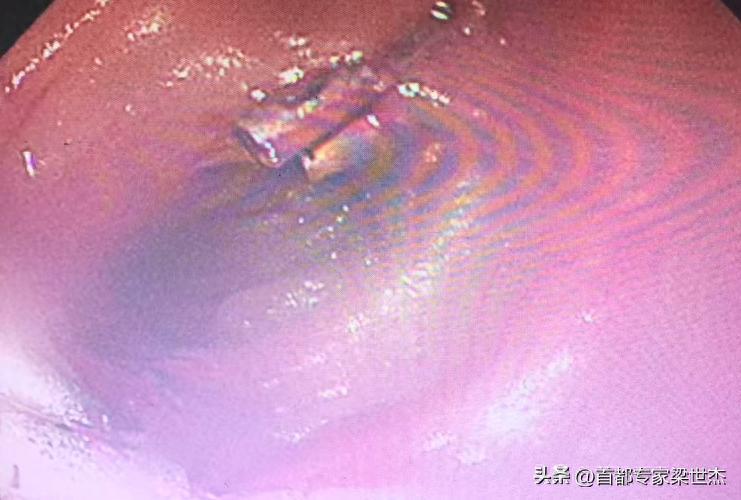
以冠狀動脈粥樣硬化型心臟病爲例,陳可冀院士指出,粥樣斑塊的易損性與非易損性,僅憑病理診斷難以完全揭示。易損斑塊如同身體裏的定時炸彈,隨時可能引發冠脈事件;而穩定的斑塊,則可能多年與患者和平共處,無礙健康。這一事實告訴我們,病竈的形態變化只是疾病表象的一部分,其背後的微觀領域變化纔是決定疾病發展與轉歸的關鍵。
炎症因子、氧自由基、血壓、血脂、血黏度,甚至病人的精神狀況、自然界的天氣,都會影響冠脈事件的發生。這些因素的錯綜複雜,使得疾病的治療變得異常複雜。傳統的形態疾病觀,顯然無法應對這種複雜性。而中醫學,卻以其獨特的狀態疾病觀,爲我們提供了新的思路。
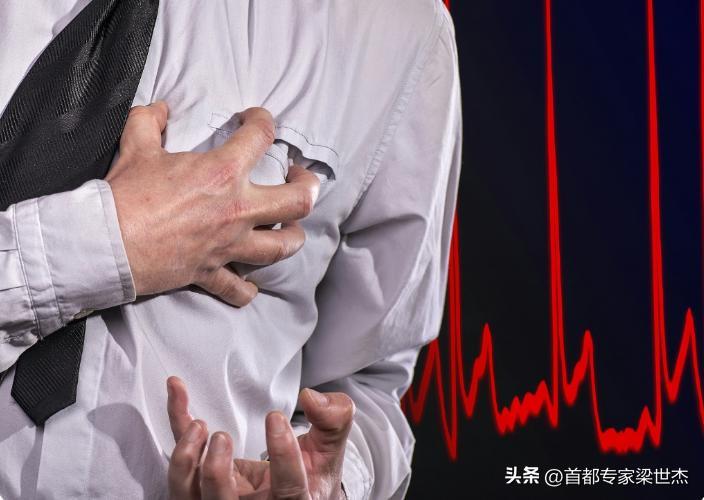
中醫學善於解決複雜的臨牀現象,它關注的不是單一的病竈形態,而是人體的整體狀態。飲食、睡眠、年齡、性別、居住環境、地理方位……這些因素都被納入中醫的辨證範疇。影響的因素越多,中醫越容易辨證,越容易取得療效。因爲中醫治病,是幫助病人恢復健康,而不是僅僅盯住病竈。
在斑塊消失之前,中醫可能已經消除了患者的胸悶,改善了睡眠,增加了體力,促進了食慾,穩定了情緒。這一切,都是爲了患者向健康的方面轉化。中藥在吸收時,已經不是簡單的草根樹皮,而是完全徹底的“分子水平”的藥物,它們在人體內發揮着複雜而微妙的作用。
再以腎炎和IgA腎病爲例,免疫複合物的沉積是早期的引發因素,但此後的發展卻是一系列的免疫損傷:致炎因子、炎症細胞、血管活性物質釋放、代謝產物與自由基損傷、血凝物質沉積、血流動力學改變、纖維化形成……這些變化此起彼伏、錯雜交互,使得腎炎、腎病這種病竈式的籠統名稱已經無法反映微觀世界的複雜變化。
然而,中醫腎病專家卻憑藉四診所見結合微觀檢查,辨證施治,不是隻守一方一藥對付病竈。他們關注的是患者的整體狀態,通過調整人體的陰陽平衡、氣血流通,來達到治療疾病的目的。
協和醫院郭賽珊教授的研究更是爲我們揭示了中藥在糖尿病治療中的獨特優勢。她總結了半個世紀以來,從整體、細胞、亞細胞及分子水平的治療糖尿病的情況,證實了許多中藥具有降低血糖的作用。這些中藥涉及多個類別,化學成分複雜多樣,可能的作用機制也多種多樣。
然而,正是這些複雜的藥物、複雜的成分、複雜的作用過程,卻有可能“畢其功於一役”,在一個處方里“兼容幷包”,樣樣具有。中藥的無數個“微作用”形成一個巨大合力,使病人逐漸回到健康狀態。
這種以狀態爲導向的疾病觀,不僅關注疾病的形態變化,更關注疾病背後的微觀領域變化以及人體的整體狀態。它使我們意識到,治療疾病不僅僅是消除病竈,更是幫助病人恢復健康、提高生活質量。
在這個充滿挑戰與機遇的時代,我們應該摒棄陳舊的形態疾病觀,擁抱新興的狀態疾病觀。我們應該充分發揮中醫學的優勢,將中醫與現代醫學相結合,共同探索疾病的本質與治療之道。因爲,只有當我們真正關注人體的整體狀態、關注疾病的複雜性與多樣性時,我們才能更好地治療疾病、守護健康。
參考文獻:
2005年8月3日《中國中醫藥報》《衝出西醫病名圍城中醫才能卓然自立》,作者:曹東義
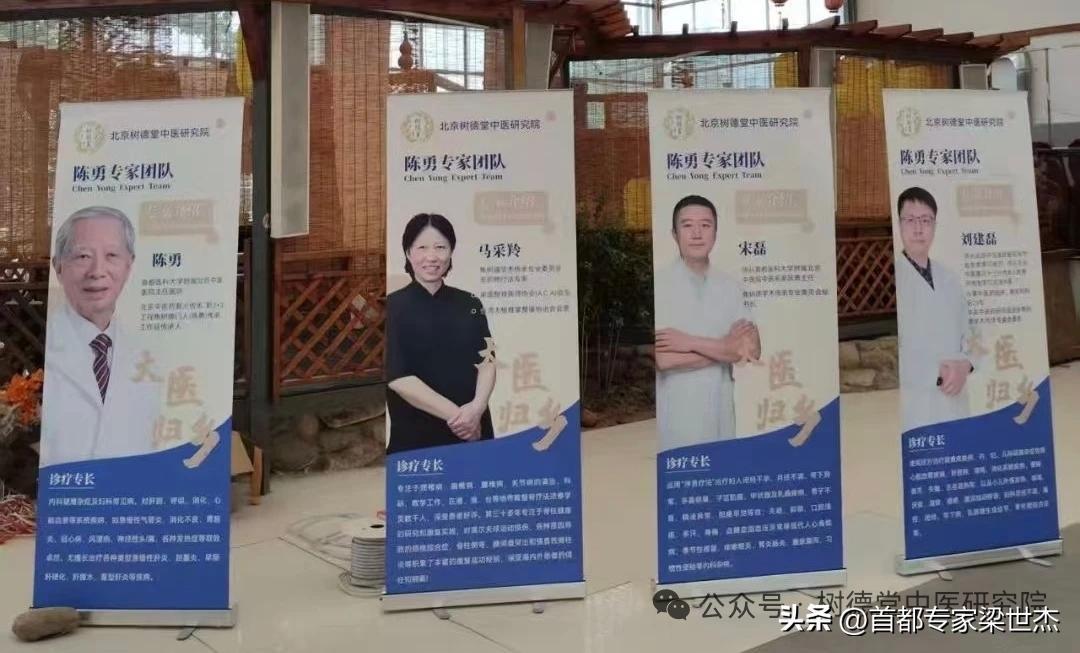
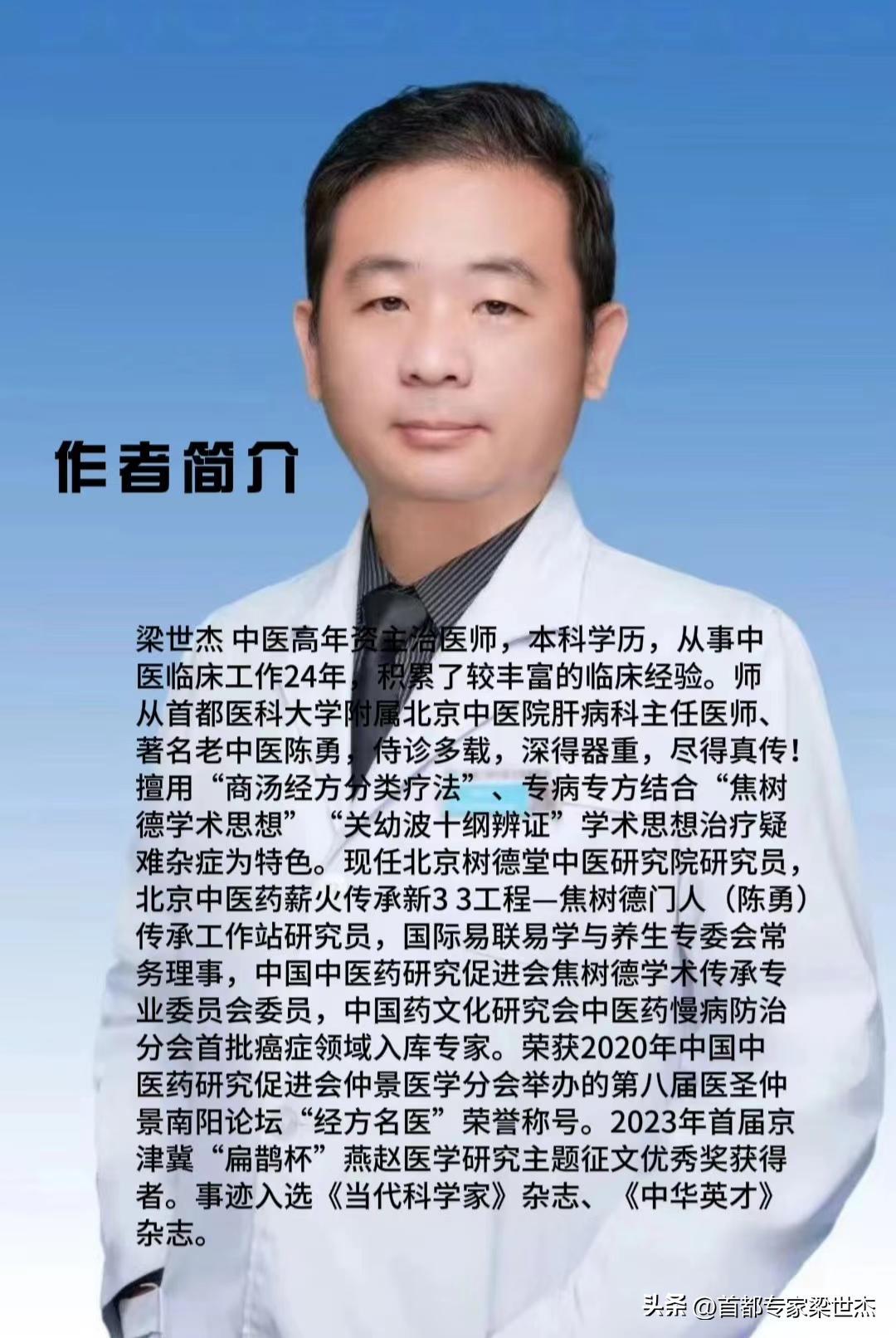
作者簡介:梁世傑 中醫高年資主治醫師,本科學歷,從事中醫臨牀工作24年,積累了較豐富的臨牀經驗。師從首都醫科大學附屬北京中醫院肝病科主任醫師、著名老中醫陳勇,侍診多載,深得器重,盡得真傳!擅用“商湯經方分類療法”、專病專方結合“焦樹德學術思想”“關幼波十綱辨證”學術思想治療疑難雜症爲特色。現任北京樹德堂中醫研究院研究員,北京中醫藥薪火傳承新3+3工程—焦樹德門人(陳勇)傳承工作站研究員,國際易聯易學與養生專委會常務理事,中國中醫藥研究促進會焦樹德學術傳承專業委員會委員,中國藥文化研究會中醫藥慢病防治分會首批癌症領域入庫專家。榮獲2020年中國中醫藥研究促進會仲景醫學分會舉辦的第八屆醫聖仲景南陽論壇“經方名醫”榮譽稱號。2023年首屆京津冀“扁鵲杯”燕趙醫學研究主題徵文優秀獎獲得者。事蹟入選《當代科學家》雜誌、《中華英才》雜誌。
Cao Dongyi: The view of morphological diseases is fading, the view of state diseases is rising
In the long march of medicine, our understanding of diseases and the concept of treatment have evolved constantly. Once upon a time, the morphological view of disease predominated, and doctors looked at the morphologic changes of lesions through the naked eye or microscope to classify and diagnose diseases. However, as modern science has advanced, we have come to realize that this form-based view of disease is obsolete and does not fully reflect the complexity and diversity of disease.
Taking coronary artery disease as an example, academician Chen Keji pointed out that the vulnerability and non-vulnerability of atherosclerotic plaques cannot be fully revealed by pathology alone. The damaged plaque is like a time bomb in the body, and can trigger coronary events at any time. Stable plaques, on the other hand, may live peacefully with the patient for many years without compromising health. This fact tells us that morphological changes in lesions are only part of the appearance of the disease, and that the micro-domain changes behind them are the key to determining disease development and regression.
Inflammatory factors, oxygen derived free radicals, blood pressure, blood lipids, blood viscosity, even the patient''s mental state, natural weather, can affect the occurrence of coronary events. The complexity of these factors makes the treatment of the disease extremely complex. The traditional view of morphological diseases clearly cannot cope with this complexity. However, Chinese medicine, with its unique view of state diseases, has provided us with new ideas.
Chinese medicine is adept at solving complex clinical phenomena. It focuses not on a single lesion form, but on the overall state of the human body. Diet, sleep, age, gender, living environment, geographic location... These factors are included in the examination of Chinese medicine. The more influential factors, the easier it is to identify the symptoms and the easiest to obtain the therapeutic effect of traditional Chinese medicine. Because traditional Chinese medicine treats diseases to help the patient restore health, rather than just focusing on the lesions.
Before the plaques disappear, traditional Chinese medicine may have eliminated chest tightness, improved sleep, increased strength, boosted appetite, and stabilized mood. All of this is aimed at the patient''s transition to a healthier aspect. When absorbed, Chinese medicines are no longer simple root bark, but completely thorough "molecular level" drugs, which play complex and delicate roles in the human body.
In the case of nephritis and IgA nephropathy, the deposition of immune complexes is an early trigger factor. But since then, there has been a series of immune damage: inflammatory factors, inflammatory cells, release of vascularly active substances, damage to metabolic products and free radicals, deposition of blood clotting substances, alteration of blood flow dynamics, fibrosis formation... These changes are so erratic and intertwined that the generic names of nephritis and kidney disease no longer reflect the complex changes in the micro-world.
However, traditional Chinese medicine kidney specialists use four clinics to combine micro-examination and dialectical treatment, not only to keep one side and one medicine to treat the lesions. They are concerned with the overall state of the patient, and they can achieve the purpose of treating the disease by adjusting the yin-yang balance and the qi-blood flow of the human body.
Professor Guo Saishan''s study also reveals the unique advantages of traditional Chinese medicine in the treatment of diabetes mellitus. She summarized the treatment of diabetes mellitus at the holistic, cellular, subcellular and molecular levels over the past half century, and confirmed the hypoglycemic effect of many traditional Chinese medicines. These Chinese medicines involve multiple classes, chemical compositions are complex and diverse, and the possible mechanisms of action are also diverse.
However, it is precisely these complex drugs, complex ingredients, complex processes of action that have the potential to "work together," be "inclusive" in a single prescription, and have everything. Chinese medicine countless "micro-effect" to form a huge force, so that the patient gradually return to a state of health.
This state-oriented view of disease focuses not only on the morphological changes of the disease, but also on the micro-domain changes behind the disease and the overall state of the human body. It makes us realize that treating diseases is not just about removing lesions, but also about helping patients restore their health and improve their quality of life.
In this time of challenges and opportunities, we should reject the old view of morphological disease and embrace the emerging view of state disease. We should make full use of the advantages of traditional Chinese medicine, combine traditional Chinese Medicine with modern medicine, and jointly explore the nature and treatment of diseases. Because only when we truly focus on the overall state of the human body and the complexity and diversity of diseases, can we better treat diseases and protect health.
References:
August 3, 2005 China Traditional Chinese Medicine Newspaper "Breaking out of Western medical illness and siege of a city, Traditional Chinese medicine can stand on its own" by Cao Dongyi
Author Bio: Liang Shijie is a senior medical practitioner in traditional Chinese medicine with an undergraduate degree. He has been engaged in traditional medicine clinical work for 24 years and has accumulated a wealth of clinical experience. Following Chen Yong, chief physician of liver disease at Beijing Traditional Medicine Hospital, affiliated with Capital Medical University, and renowned old Chinese medicine, he has been treated for many years and received great attention. He specializes in the treatment of difficult diseases using "conversational traditional therapy" and special treatments combined with the academic ideas of Jiao Shude and Guan Yubo''s ten-level diagnosis.He is currently a researcher at the Shude Tang TCM Research Institute in Beijing, a fellow at the new 3 + 3 project of traditional Chinese medicine flame inheritance in Beijing - a scholar at the inheritance workstation of Jiao Shude''s protégés (Chen Yong),He is a standing committee member of the International Expert Committee on E-learning and Health Care, a member of the Jiao Shude Academic Heritage Special Committee of the Chinese Association for the Advancement of Chinese Medicine Research, and the first cancer specialist to be included in the chapter of the Chinese Pharmaceutical Culture Research Association. Won the 2020 China Association for the Promotion of Traditional Chinese Medicine Zhongjing Medical Branch held the eighth session of the Medical Saint Zhongjing Nanyang Forum "Classic Prescription Famous Doctor" honorary title. The winner of the first Beijing-Tianjin-Hebei "Pingui Cup" Yanzhao Medical Research Essay Award in 2023. His work was featured in the journal Current Scientist and the journal Chinese Talent.