梁世傑:“辨證分型”與“辨證分侯”——從平面到立體的思維飛躍
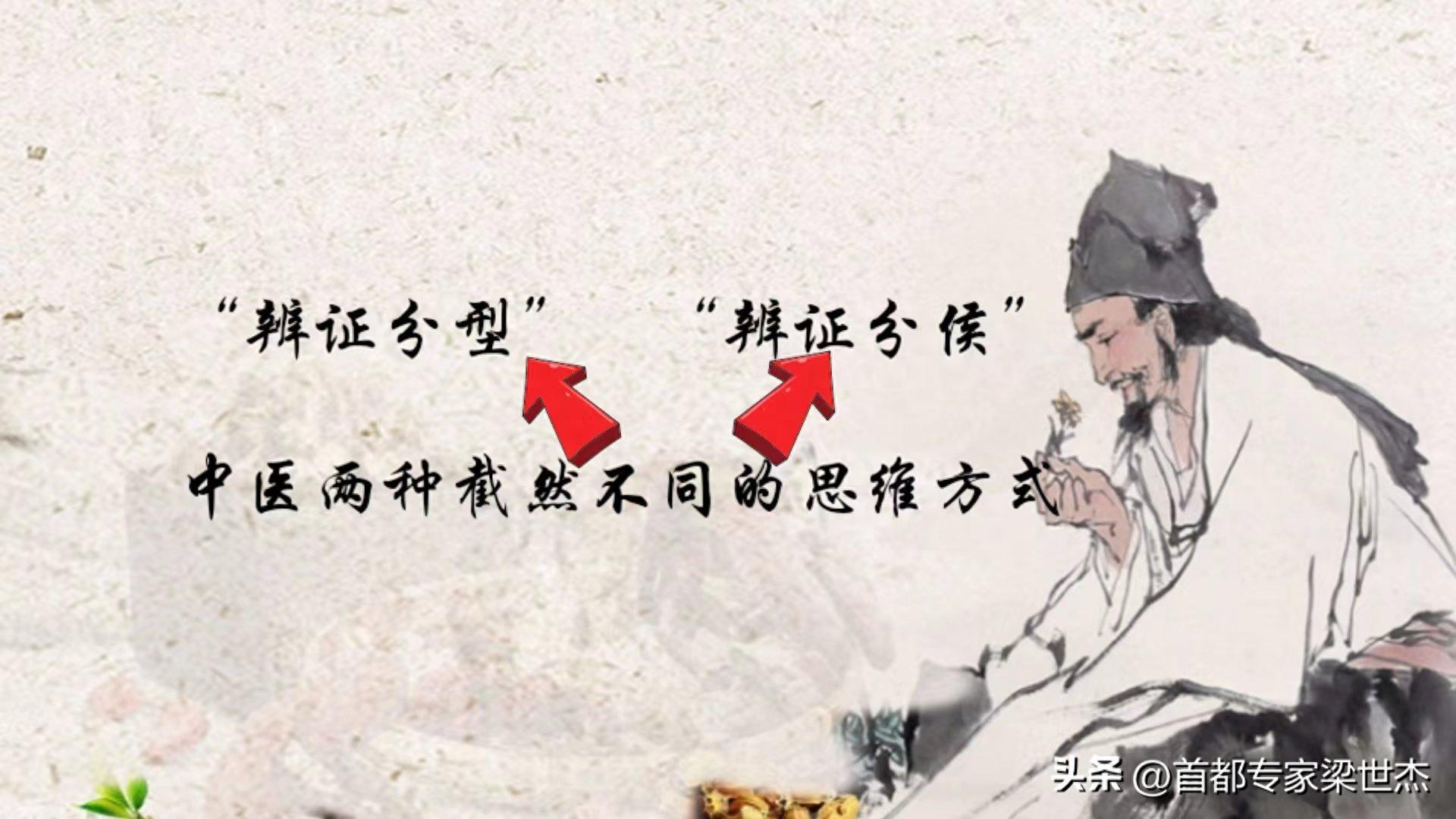
在中醫的浩瀚智慧海洋中,“辨證論治”如同一盞明燈,照亮了無數病患的康復之路。然而,在這盞明燈的照耀下,卻出現了“辨證分型”與“辨證分侯”兩種截然不同的思維方式,它們如同平面與立體的區別,展現了中醫理論從靜態到動態的深刻演變。
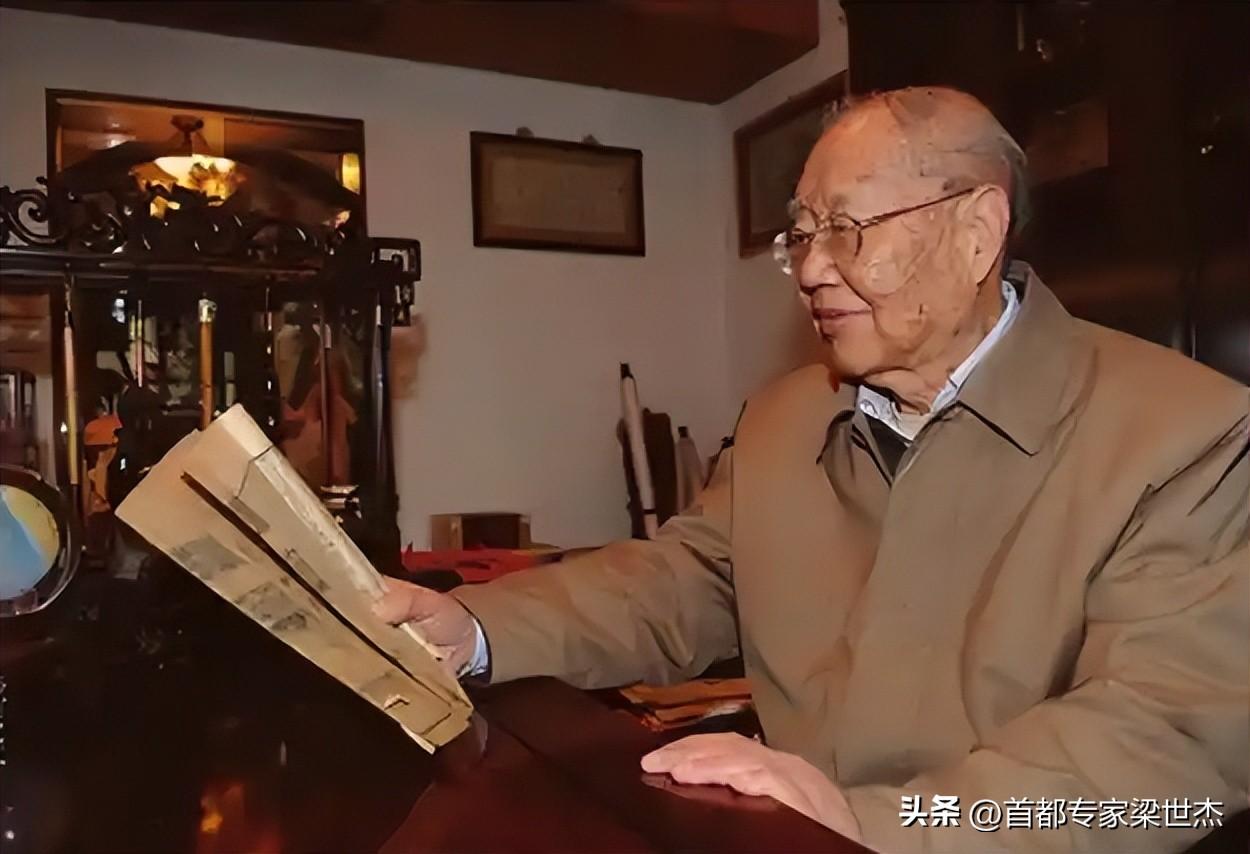
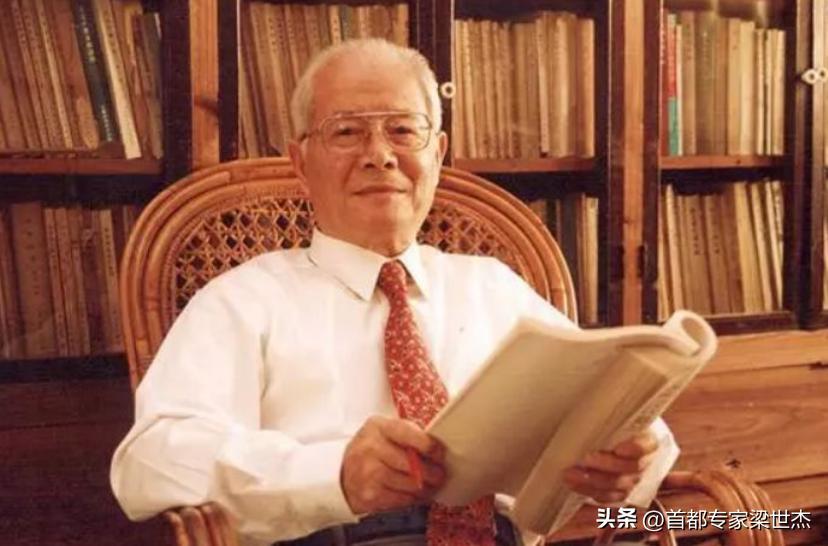
朱良春先生,這位中醫界的泰斗,早在50年前就高瞻遠矚地指出:“辨證是絕對的,辨病是相對的。”這一論斷,如同一聲驚雷,震醒了那些試圖將中醫僵化、教條化的人們。他深刻地認識到,僅辨病而不辨證,就會將中醫的活潑靈動變成僵死的教條,從而毀掉中醫的精髓。遺憾的是,朱先生的預言在某種程度上已經成爲了現實。如今,“辨證型”取代了“辨證候”,中醫的治病活法一變而成守型死招。一病之下分幾個證型,這種蔚然成風的做法,幾乎牢不可破,卻忽略了中醫“病和證都是隨時變化”的本質。
“一日太陽,二日陽明”,“一劑知,停後服”,這是中醫古籍中的經典論述,它們告訴我們,中醫的辨證是動態的,是隨着病情的變化而變化的。藥隨證變,這是中醫治病的靈魂,豈能“一盲到底”,固守某個證型不放?
鄧鐵濤教授,這位中醫界的另一位巨匠,曾撰文重申了“辨證論治是中醫學的精髓”。他明確指出,將“辨證論治”改爲“辨病論治”是不妥的,也是無此必要的。因爲“辨病論治”論者可能是想引進西醫之說以改進中醫,卻不知如此一來便把中醫之精華丟掉了。鄧教授的這一觀點,如同一股清流,沖刷了那些試圖將中醫西醫化的錯誤思潮。
鄧教授主張,中醫應該深入到微觀世界進行辨證論治,把西醫的某些內容納入進中醫的辨證論治的理論體系中來。這種“衷中納西、衷中容西”的思想,不僅超越了“衷中參西”的層次,更是辨證論治思想的發展和完善。他告訴我們,中醫並不排斥西醫,而是願意吸收西醫的長處,來豐富和發展自己的理論體系。
那麼,“辨證分型”與“辨證分侯”究竟有何區別呢?簡而言之,“辨證分型”是一種平面分析法,它將疾病分爲若干個固定的證型,每個證型都有相應的治療方法和方劑。這種方法的優點是簡單易行,便於推廣和普及。然而,它的缺點也是顯而易見的,那就是忽略了疾病的動態變化和個體差異。
而“辨證分侯”則是一種結合了時間軸的動態立體分析法。它不僅關注疾病的當前狀態,還關注疾病的發展過程和變化趨勢。它認爲,每個病人的病情都是獨一無二的,因此治療方法也應該因人而異、因時而異。這種方法的優點是能夠更準確地把握疾病的本質和規律,從而制定出更個性化的治療方案。
舉個例子來說明兩者的區別。比如一個感冒病人,按照“辨證分型”的方法,他可能被歸爲“風寒感冒”或“風熱感冒”等類型,然後給予相應的方劑治療。然而,在實際治療過程中,我們可能會發現,病人的病情並不是一成不變的。他可能開始是風寒感冒,但隨着時間的推移,病情發生了變化,變成了風寒感冒入裏化熱,或者夾雜了其他證候比如陰虛火旺、陽虛寒痰證、寒包火證等,這時,如果仍然按照原來的證型來治療,效果就會大打折扣。
而按照“辨證分侯”的方法,我們會時刻關注病人的病情變化,根據他的當前狀態和發展趨勢來制定治療方案。比如,當病人從風寒感冒轉變爲入裏化熱時,我們會及時調整方劑,給予相應的清內熱治療。如果繼而發展爲肺陰虛火旺證,則給予養陰潤肺治療這樣,就能更好地適應病情的動態變化,辨證分侯施治,提高治療效果。
因此,我認爲,“辨證分侯”是中醫理論的一種進步和發展。它摒棄了“辨證分型”的僵化和教條化傾向,強調了疾病的動態變化和個體差異。這種思維方式更符合中醫“辨證論治”的精髓和本質。
在未來的中醫發展中,我們應該大力推廣和普及“辨證分侯”的思維方式。同時,我們也應該吸收西醫的長處來豐富和發展中醫的理論體系。只有這樣,我們才能更好地傳承和發揚中醫的寶貴遺產,爲人類的健康事業做出更大的貢獻。
參考文獻:
2005年8月3日《中國中醫藥報》《衝出西醫病名圍城中醫才能卓然自立》,作者:曹東義
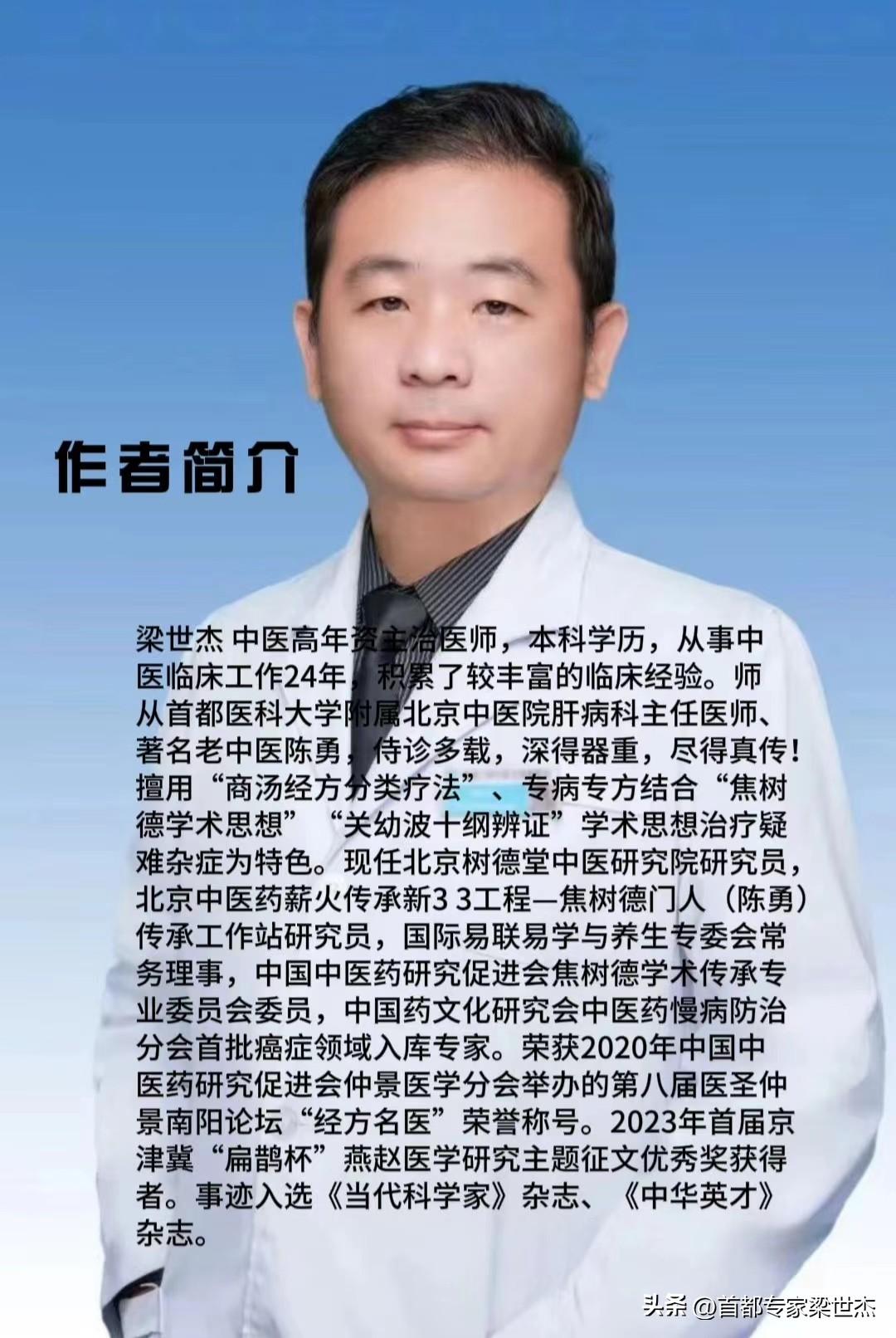
作者簡介:梁世傑 中醫高年資主治醫師,本科學歷,從事中醫臨牀工作24年,積累了較豐富的臨牀經驗。師從首都醫科大學附屬北京中醫院肝病科主任醫師、著名老中醫陳勇,侍診多載,深得器重,盡得真傳!擅用“商湯經方分類療法”、專病專方結合“焦樹德學術思想”“關幼波十綱辨證”學術思想治療疑難雜症爲特色。現任北京樹德堂中醫研究院研究員,北京中醫藥薪火傳承新3+3工程—焦樹德門人(陳勇)傳承工作站研究員,國際易聯易學與養生專委會常務理事,中國中醫藥研究促進會焦樹德學術傳承專業委員會委員,中國藥文化研究會中醫藥慢病防治分會首批癌症領域入庫專家。榮獲2020年中國中醫藥研究促進會仲景醫學分會舉辦的第八屆醫聖仲景南陽論壇“經方名醫”榮譽稱號。2023年首屆京津冀“扁鵲杯”燕趙醫學研究主題徵文優秀獎獲得者。事蹟入選《當代科學家》雜誌、《中華英才》雜誌。
Liang Shijie: "dialectical classification" and "dialectical division" - a leap in thinking from flat to stereoscopic
In the vast ocean of wisdom of traditional Chinese medicine, "dialectical healing" is like a bright light that has illuminated the path of rehabilitation for countless patients. However, under the illumination of this bright lamp, two distinct ways of thinking appeared, such as the difference between a plane and a stereotype, showing the profound evolution of traditional Chinese medicine from static to dynamic.
Mr. Zhu Liangchun, the great champion of Chinese medicine, pointed out with great vision as early as 50 years ago: "Diagnosis is absolute, diagnosis of disease is relative." This judgment, like a thunderbolt, woke up those who tried to stifle and codify traditional Chinese medicine. He was deeply aware that identifying diseases without identifying evidence would turn the active spirit of traditional Chinese medicine into a dead dogma, thereby destroying the essence of traditional medicine. Unfortunately, Mr. Zhu''s prediction has, to some extent, become a reality. Nowadays, "dialectical" replaces "dialectical symptoms," and the traditional Chinese medicine approach to healing diseases has changed to a traditional cure. The popular practice of dividing several symptoms under a disease is almost unbreakable, but it ignores the essence of traditional Chinese medicine that diseases and symptoms are constantly changing.
"One day of sun, two days of lucidity" and "one dose of knowledge, after discontinuation," are classical statements in ancient Chinese medicine books, and they tell us that Chinese medicine''s diagnosis is dynamic and changes as the condition changes. The medicine changes with the evidence. This is the soul of traditional Chinese medicine for healing diseases. Can you "remain blind to the end" and cling to a certain evidence pattern?
Professor Deng Tietao, another giant of Chinese medicine, has written to reiterate that "dialectical healing is the essence of Chinese medicine." He pointed out clearly that it would be inappropriate and unnecessary to change the term "dialectical treatment" to "diagnostic treatment." Because "diagnosis and treatment" believers may want to introduce Western medicine to improve Chinese medicine, but in doing so, they will lose the essence of Chinese medicine. Professor Deng''s view was like a tidal wave that washed away the wrong wave of ideas that tried to Westernize Chinese medicine.
Professor Deng maintains that traditional Chinese medicine should go deep into the micro-world for dialectical treatment and incorporate some elements of Western medicine into the theoretical system of dialectical therapy in traditional Chinese Medicine. This idea of "nanxia in heart and accommodate in heart" not only goes beyond the level of "convinced in heart" but also promotes the development and perfection of dialectical thinking. He told us that Chinese medicine does not reject Western medicine, but is willing to absorb the strengths of Western medicine to enrich and develop its own theoretical system.
So what is the difference between "dialectical classification" and "dialectical differentiation"? In short, "phenotyping" is a plane analysis that divides the disease into several fixed phenotypes, each with a corresponding treatment and formulation. The advantage of this method is that it is simple and easy to spread and popularize. However, its downside is also obvious, which is that it ignores the dynamics of the disease and individual differences.
The "dialectical separation" is a dynamic three-dimensional analysis method combined with a timeline. It focuses not only on the current state of the disease, but also on the development process and changing trends of the disease. It believes that each patient''s condition is unique, so treatment should also vary from person to person and from time to time. The advantage of this method is that it can more accurately grasp the nature and patterns of the disease, so as to develop a more individualized treatment plan.
Give an example of the difference between the two. For example, a cold patient, according to the "diagnostication" method, he may be classified as a type such as "cold cold" or "cold cold," and then given a corresponding remedy. However, in the actual course of treatment, we may find that the patient''s condition is not fixed. He may have started with a cold, but over time, When the condition changes, it becomes cold, cold, internalized fever, or is mixed with other signs such as a virulent fever, a virile phlegm, a fever, etc., if the treatment is still based on the original symptoms, the effect will be greatly reduced.
In accordance with the "dialectical separation" method, we will constantly pay attention to the changes of the patient''s condition and formulate treatment plans according to his current state and development trends. For example, when the patient changes from a cold to enteric fever, we will promptly adjust the formulation and give the corresponding treatment for internal fever. If it develops into deficiency of lung yin and hyperactivity of fire, it should be treated by nourishing yin and moistening lung.
Therefore, I believe that "dialectical differentiation" is an advancement and development of traditional Chinese medicine theory. It rejects the rigidity and dogmatic tendency of "dialectical classification" and emphasizes the dynamics of disease and individual differences. This way of thinking is more in line with the essence and essence of "dialectical healing" in Chinese medicine.
In the future development of traditional Chinese medicine, we should vigorously promote and popularize the "dialectical and separated" way of thinking. At the same time, we should also absorb the strengths of Western medicine to enrich and develop the theoretical system of traditional Chinese medicine. Only in this way can we better pass on and promote the valuable heritage of traditional Chinese medicine and make greater contributions to the cause of human health.
References:
August 3, 2005 China Traditional Chinese Medicine Newspaper "Breaking out of Western medical illness and siege of a city, Traditional Chinese medicine can stand on its own" by Cao Dongyi
Author Bio: Liang Shijie is a senior medical practitioner in traditional Chinese medicine with an undergraduate degree. He has been engaged in traditional medicine clinical work for 24 years and has accumulated a wealth of clinical experience. Following Chen Yong, chief physician of liver disease at Beijing Traditional Medicine Hospital, affiliated with Capital Medical University, and renowned old Chinese medicine, he has been treated for many years and received great attention. He specializes in the treatment of difficult diseases using "conversational traditional therapy" and special treatments combined with the academic ideas of Jiao Shude and Guan Yubo''s ten-level diagnosis.He is currently a researcher at the Shude Tang TCM Research Institute in Beijing, a fellow at the new 3 + 3 project of traditional Chinese medicine flame inheritance in Beijing - a scholar at the inheritance workstation of Jiao Shude''s protégés (Chen Yong),He is a standing committee member of the International Expert Committee on E-learning and Health Care, a member of the Jiao Shude Academic Heritage Special Committee of the Chinese Association for the Advancement of Chinese Medicine Research, and the first cancer specialist to be included in the chapter of the Chinese Pharmaceutical Culture Research Association. Won the 2020 China Association for the Promotion of Traditional Chinese Medicine Zhongjing Medical Branch held the eighth session of the Medical Saint Zhongjing Nanyang Forum "Classic Prescription Famous Doctor" honorary title. The winner of the first Beijing-Tianjin-Hebei "Pingui Cup" Yanzhao Medical Research Essay Award in 2023. His work was featured in the journal Current Scientist and the journal Chinese Talent.