“亞健康”:現代醫學的盲區與中醫的智慧之光
在醫學的浩瀚宇宙中,現代醫學如同一艘不斷探索的巨輪,從解剖實證的起點,一路破浪前行,深入微觀領域,從器官到組織,再到細胞,每一步都堅實而有力。然而,當這艘巨輪駛入分子水平的亞細胞領域時,卻遭遇了前所未有的迷霧。實證的病竈形狀在這裏變得模糊,取而代之的是紛繁複雜的分子、原子、離子,它們交織在一起,彼此依存、影響、交換、流動,既可能形成病竈,也可能消除病竈,既可能影響整體,也可能僅在局部聚集。
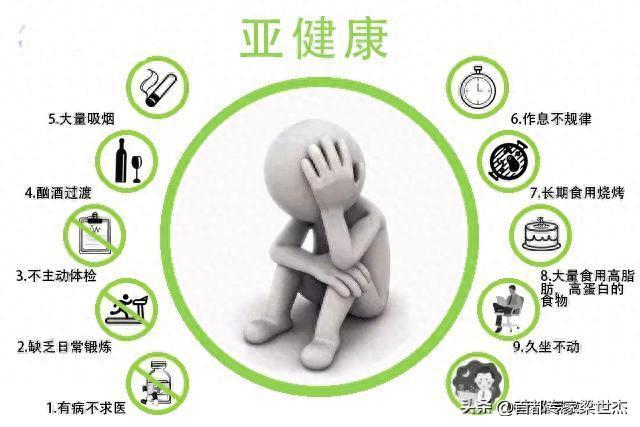
於是,“亞健康”這個含糊卻又廣泛存在的概念應運而生。世界衛生組織的數據揭示了一個令人震驚的事實:世界上有75%的人羣處於亞臨牀狀態,即“亞健康”。這是一個龐大的數字,幾十億人身心不適,甚至痛苦不堪,卻在現代醫學的“實證觀”下被當作“沒病”。他們體內一定發生了某種程度的化學或物理變化,只是這些變化細微而複雜,還沒有形成可見的“病竈”,無法達到現代醫學所追求的“實證”程度。
每年,全世界有1000多萬人死於亞健康、“過勞死”,這是一個觸目驚心的數字。這些人在現代醫學的眼中,或許只是“沒病”的亞健康人羣,但他們的痛苦和掙扎卻是真實存在的。現代醫學的“實證觀”在這裏顯露出了其認識論上的不足,病竈所能說明的疾病本質如此之少,以至於我們可以大膽地說,“病竈”的形態疾病觀已經陳舊不堪,無法適應現代醫學發展的需要。
然而,就在這時,中醫以其獨特的智慧之光,照亮了“亞健康”的迷霧。幾乎所有的亞健康人,他們的證候都可以被有經驗的中醫辨別出是患有什麼病證。中醫的四診合參,從一開始就建立在完全依靠患者的主觀感覺的基礎上,這是對人體意識的充分重視,是生物進化“最高成果”的體現。人們患病時的證候,就是複雜微觀領域失調之後,在總體、整體上的集中反映。
中醫不輕易將現象視爲假象,不把實證作爲自己追求的目標,而是認爲病人所表現的症狀就足以反映疾病的本質。這種對人體自我感覺的重視,使得中醫在“亞健康”的治療上具有得天獨厚的優勢。經過中醫的治療,亞健康人羣比“病人”更容易轉變爲健康狀態。這不僅是因爲中醫能夠準確地辨別出亞健康人羣的病證,更是因爲中醫的治療方法注重調理身體整體狀態,恢復臟腑功能,使氣血運行順暢,從而達到治療疾病的目的。
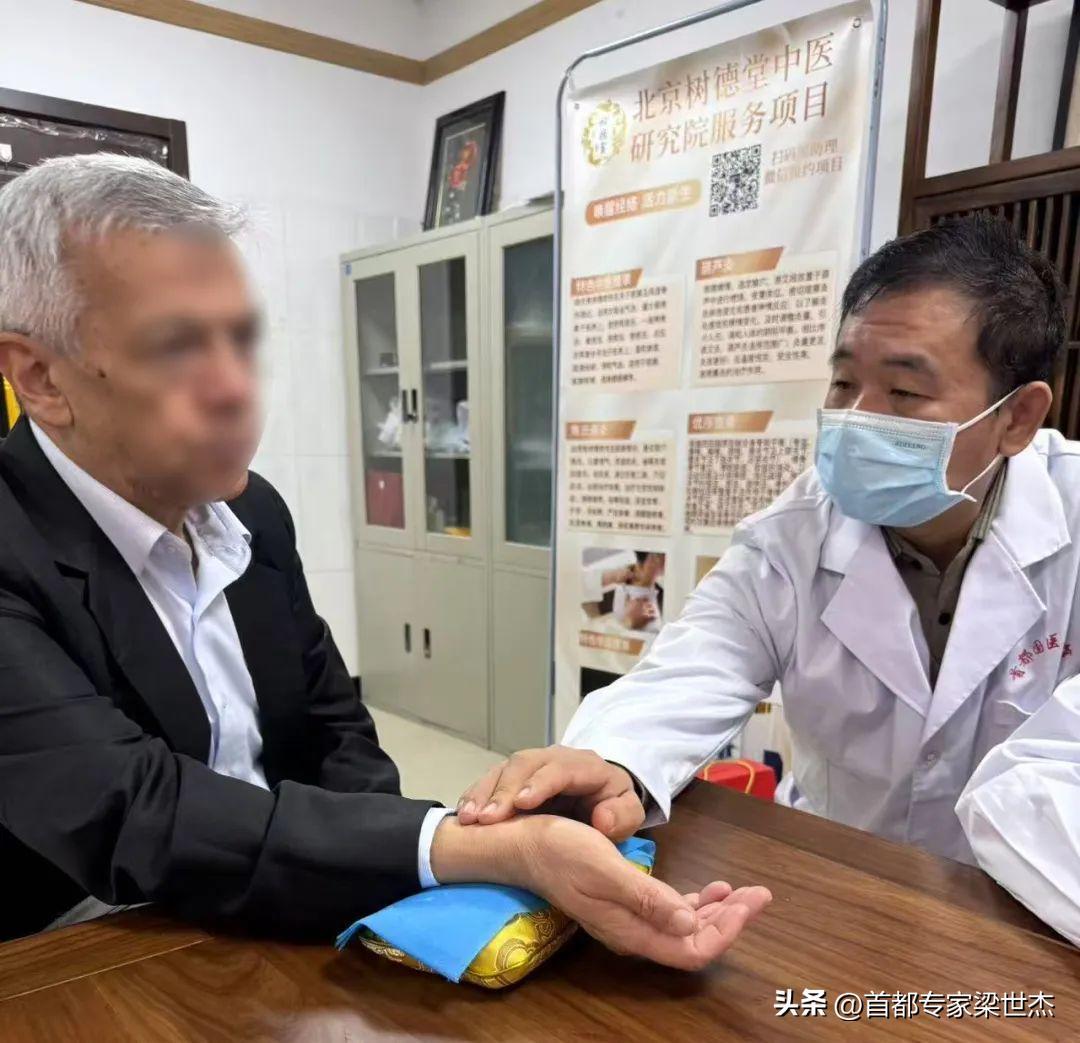
舉個例子來說,一個長期處於亞健康狀態的人,可能會感到疲乏無力、精神不振、失眠多夢等症狀。在現代醫學看來,這些症狀可能無法找到具體的病因和病竈,因此無法進行有效的治療。但中醫卻可以通過望、聞、問、切四診合參的方法,辨別出這個人的病證可能屬於脾虛氣弱或心腎不交等類型。然後,中醫會採用相應的中藥或鍼灸等治療方法,調理身體整體狀態,使臟腑功能恢復正常,氣血運行順暢,從而緩解或消除這些症狀。
中醫的這種治療理念和方法,不僅適用於亞健康人羣的治療,也適用於各種疾病的治療。中醫注重的是人體整體狀態的調理和恢復,而不是僅僅針對病竈進行對抗性的治療。這種治療理念和方法,使得中醫在治療一些慢性疾病、複雜疾病方面具有獨特的優勢。
因此,我們應該重新審視和認識中醫的價值和作用。在“亞健康”這個現代醫學的盲區裏,中醫以其獨特的智慧之光,爲我們指明瞭前進的方向。我們應該充分利用中醫的優勢和資源,爲亞健康人羣提供更多的治療選擇和幫助。同時,我們也應該加強中醫的研究和發展,推動中醫與現代醫學的融合發展,共同爲人類的健康事業做出更大的貢獻。
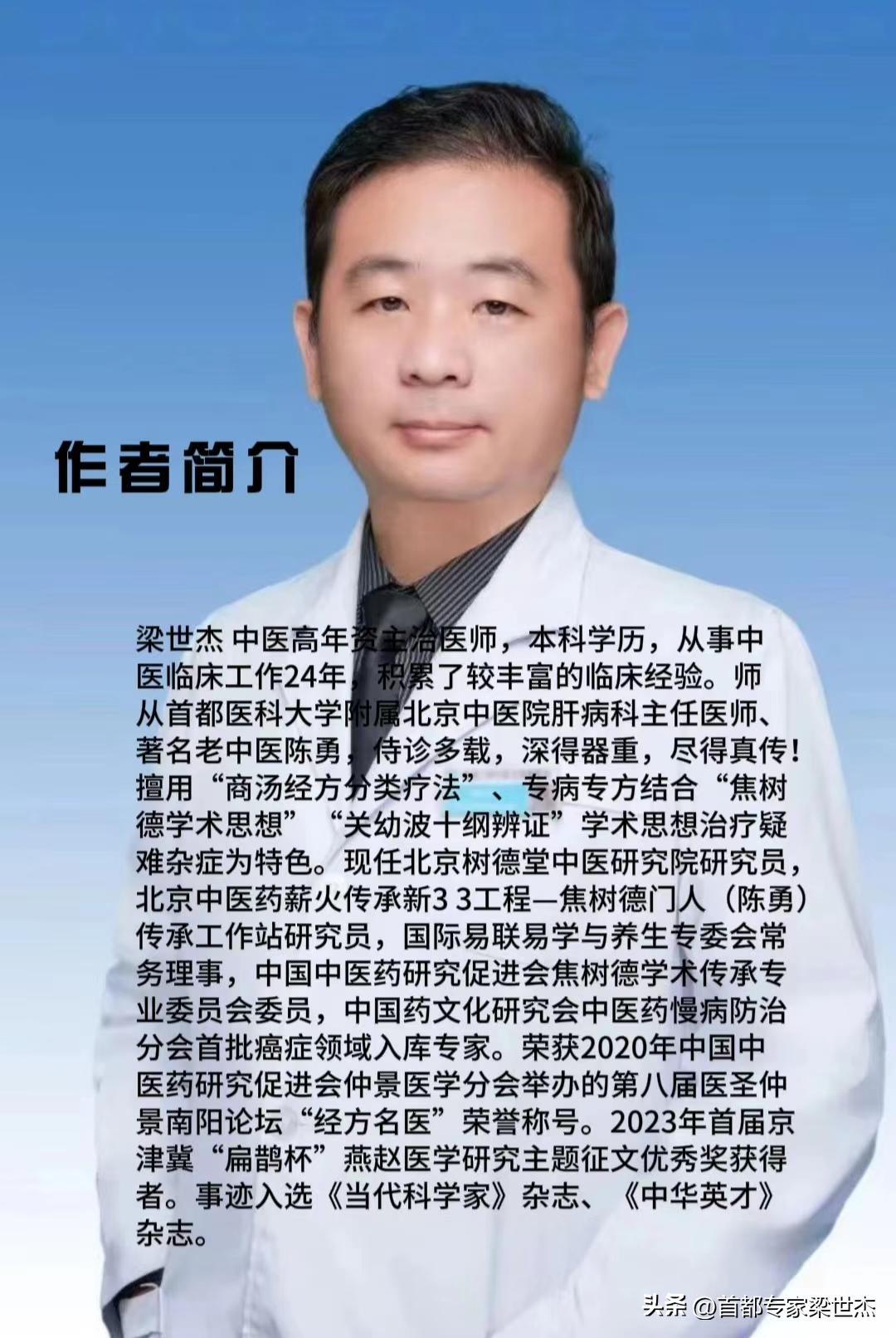
作者簡介:梁世傑 中醫高年資主治醫師,本科學歷,從事中醫臨牀工作24年,積累了較豐富的臨牀經驗。師從首都醫科大學附屬北京中醫院肝病科主任醫師、著名老中醫陳勇,侍診多載,深得器重,盡得真傳!擅用“商湯經方分類療法”、專病專方結合“焦樹德學術思想”“關幼波十綱辨證”學術思想治療疑難雜症爲特色。現任北京樹德堂中醫研究院研究員,北京中醫藥薪火傳承新3+3工程—焦樹德門人(陳勇)傳承工作站研究員,國際易聯易學與養生專委會常務理事,中國中醫藥研究促進會焦樹德學術傳承專業委員會委員,中國藥文化研究會中醫藥慢病防治分會首批癌症領域入庫專家。榮獲2020年中國中醫藥研究促進會仲景醫學分會舉辦的第八屆醫聖仲景南陽論壇“經方名醫”榮譽稱號。2023年首屆京津冀“扁鵲杯”燕趙醫學研究主題徵文優秀獎獲得者。事蹟入選《當代科學家》雜誌、《中華英才》雜誌。
"Sub-health": the blind spots of modern medicine and the wisdom of traditional Chinese medicine
In the vast cosmos of medicine, modern medicine is like a giant ship of constant exploration, breaking the waves from the beginning of anatomical evidence, deepening into the microsphere, from organs to tissues to cells, each step firm and powerful. However, when the giant ship sailed into the subcellular realm at the molecular level, it encountered an unprecedented fog. The evidentiary lesion shape becomes blurred here, In their place are complex molecules, atoms, and ions that are intertwined, interdependent, influenced, exchanged, and flowing, which can form and eliminate lesions, affect the whole or aggregate only locally.
Thus the vague but widespread concept of "sub-health" came into being. World Health Organization data reveals a shocking fact: 75 percent of the world''s population is in a subclinical state, or "sub-healthy." This is a huge number of people physical and mental discomfort, and even suffering, but in modern medicine "empirical view" as "no disease." Some degree of chemical or physical changes must have occurred in their bodies, but these changes are subtle and complex, and have not formed visible lesions, which cannot reach the "empirical" level of modern medicine.
Each year, more than 10 million people around the world die from sub-health and "death from overwork," a staggering number. These people may be "unsick" sub-healthy people in the eyes of modern medicine, but their pain and struggle are real. The "empirical view" of modern medicine reveals its epistemological deficiencies here. There are so few symptoms that can explain the nature of the disease that we can boldly say that the "symptomatic view" of morphological disease is old and cannot adapt to the needs of modern medicine.
However, at this time, traditional Chinese medicine illuminated the mist of "sub-health" with its unique intelligence. In almost all sub-healthy people, their symptoms can be identified by experienced traditional Chinese medicine to indicate what signs they have. From the very beginning, the four-clinic combination of traditional Chinese medicine is based on total reliance on the patient''s subjective feelings, which is a full emphasis on human consciousness and represents the "highest results" of biological evolution. The symptoms of people when they are sick are the central reflection of the whole and the whole after the complex micro-domain disorders.
Traditional Chinese medicine does not easily view phenomena as illusions, and does not consider evidence as its goal, but believes that the symptoms shown by the patient are sufficient to reflect the nature of the disease. This emphasis on the human body''s self-perception makes traditional Chinese medicine uniquely advantageous in the treatment of "sub-healthy" people. After the treatment of traditional Chinese medicine, sub-healthy people than the "patient" easier to change into a state of health. This is not only because traditional Chinese medicine can accurately identify the pathologies of sub-healthy people, but also because the traditional Chinese treatment focuses on regulating the overall state of the body, restoring the function of the meridians, and enabling the flow of qi and blood to achieve the purpose of treating diseases.
For example, a person who is in a sub-state of health for a long time may feel fatigued, depressed, sleepless and dreamy. In modern medicine, these symptoms may not be identified as specific causes and lesions, and therefore cannot be effectively treated. However, traditional Chinese medicine can use the four methods of looking, smelling, asking, and cutting to discern that the person''s symptoms may be of a type such as weak stomach or heart and kidney failure. TCM will then use appropriate therapeutic methods such as Chinese medicine or acupuncture to adjust the overall state of the body so that the function of the internal organs is restored to normal and the qi and blood flow is smoothed, thereby alleviating or eliminating these symptoms.
This therapeutic concept and method of traditional Chinese medicine is suitable not only for the treatment of sub-healthy people, but also for the treatments of various diseases. TCM focuses on the conditioning and restoration of the overall state of the human body, rather than simply fighting against the lesions. This therapeutic concept and method makes traditional Chinese medicine uniquely advantageous in treating some chronic diseases and complex diseases.
Therefore, we should re-examine and realize the value and role of traditional Chinese medicine. In the "sub-health" area of modern medicine, traditional Chinese medicine has shown us the way forward with its unique intelligence. We should make full use of the strengths and resources of traditional Chinese medicine to provide more treatment options and help to the sub-healthy population. At the same time, we should also strengthen the research and development of traditional Chinese medicine, promote the integration of traditional medicine and modern medicine, and jointly make greater contributions to human health.
Author Bio: Liang Shijie is a senior medical practitioner in traditional Chinese medicine with an undergraduate degree. He has been engaged in traditional medicine clinical work for 24 years and has accumulated a wealth of clinical experience. Following Chen Yong, chief physician of liver disease at Beijing Traditional Medicine Hospital, affiliated with Capital Medical University, and renowned old Chinese medicine, he has been treated for many years and received great attention. He specializes in the treatment of difficult diseases using "conversational traditional therapy" and special treatments combined with the academic ideas of Jiao Shude and Guan Yubo''s ten-level diagnosis.He is currently a researcher at the Shude Tang TCM Research Institute in Beijing, a fellow at the new 3 + 3 project of traditional Chinese medicine flame inheritance in Beijing - a scholar at the inheritance workstation of Jiao Shude''s protégés (Chen Yong),He is a standing committee member of the International Expert Committee on E-learning and Health Care, a member of the Jiao Shude Academic Heritage Special Committee of the Chinese Association for the Advancement of Chinese Medicine Research, and the first cancer specialist to be included in the chapter of the Chinese Pharmaceutical Culture Research Association. Won the 2020 China Association for the Promotion of Traditional Chinese Medicine Zhongjing Medical Branch held the eighth session of the Medical Saint Zhongjing Nanyang Forum "Classic Prescription Famous Doctor" honorary title. The winner of the first Beijing-Tianjin-Hebei "Pingui Cup" Yanzhao Medical Research Essay Award in 2023. His work was featured in the journal Current Scientist and the journal Chinese Talent.