曹東義:中西醫——生命流動之舞的不同演繹
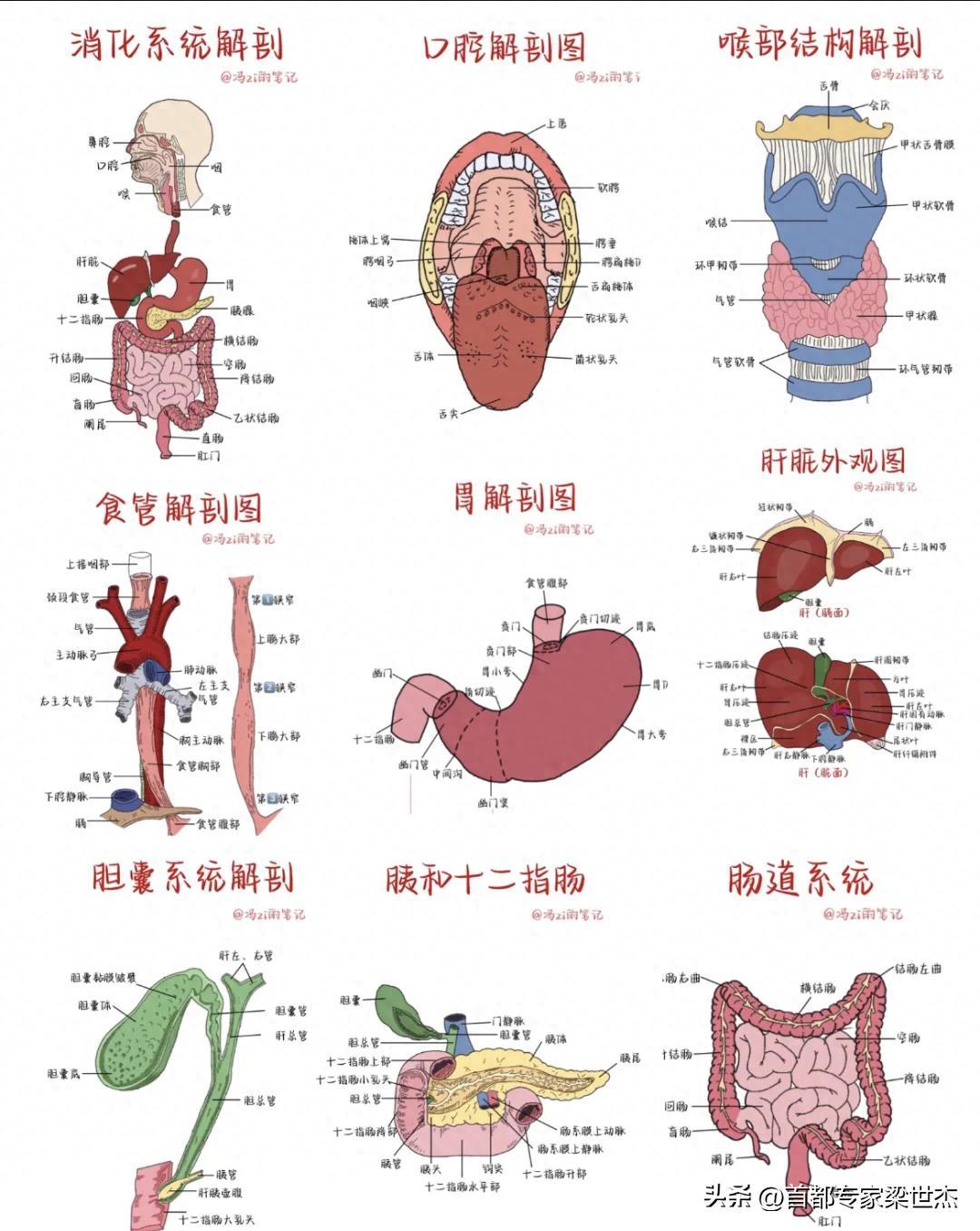
在浩瀚的生命宇宙中,人體如同一座精密而複雜的工廠,無數物質在其中流動、轉化,維繫着生命的律動。中醫與西醫,作爲探索這座工廠奧祕的兩大醫學體系,各自以獨特的視角和方法,揭示着生命的本質與規律。它們對人體的認識維度差異顯著,治療方法也各具特色,共同構成了人類醫學知識的多元畫卷。
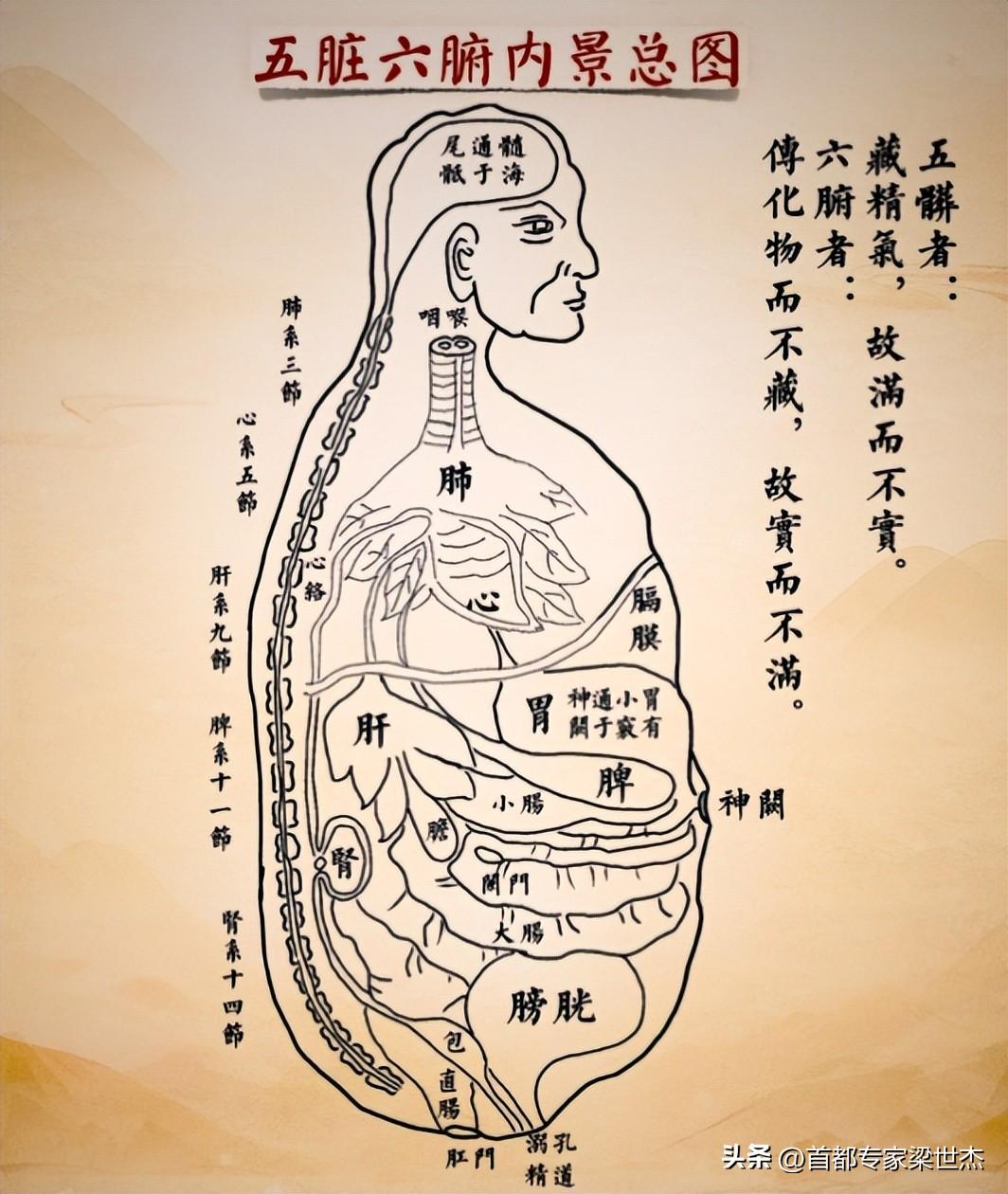
中醫學,這門源遠流長的醫學智慧,深知人與自然息息相關,不斷交換着物質與能量。《素問·五臟別論》有云:“所謂五臟者,藏精氣而不瀉也,故滿而不能實;六腑者,傳化物而不藏,故實而不能滿也。”中醫對人體的認識,超越了臟腑具體的形質,而是用流動的精微物質來揭示生命的本質。臟腑,在中醫看來,不過是物質流動與儲存的器皿,其氣血陰陽、營衛津液,都是對精微物質的概括與描述。
中醫的髒象學說,並非猜測體內臟腑的結構正常與否,而是關注其中的精氣是否充滿,臟腑之間的關係是否協調平衡。治療之時,中醫並非爲了影響或改變髒腑的內部結構,而是致力於恢復其所產生、儲存的精微物質,恢復臟腑之間陰陽氣血的平衡。這種治療理念,如同一位細心的園丁,用心澆灌着生命的花園,讓每一株草木都能茁壯成長。
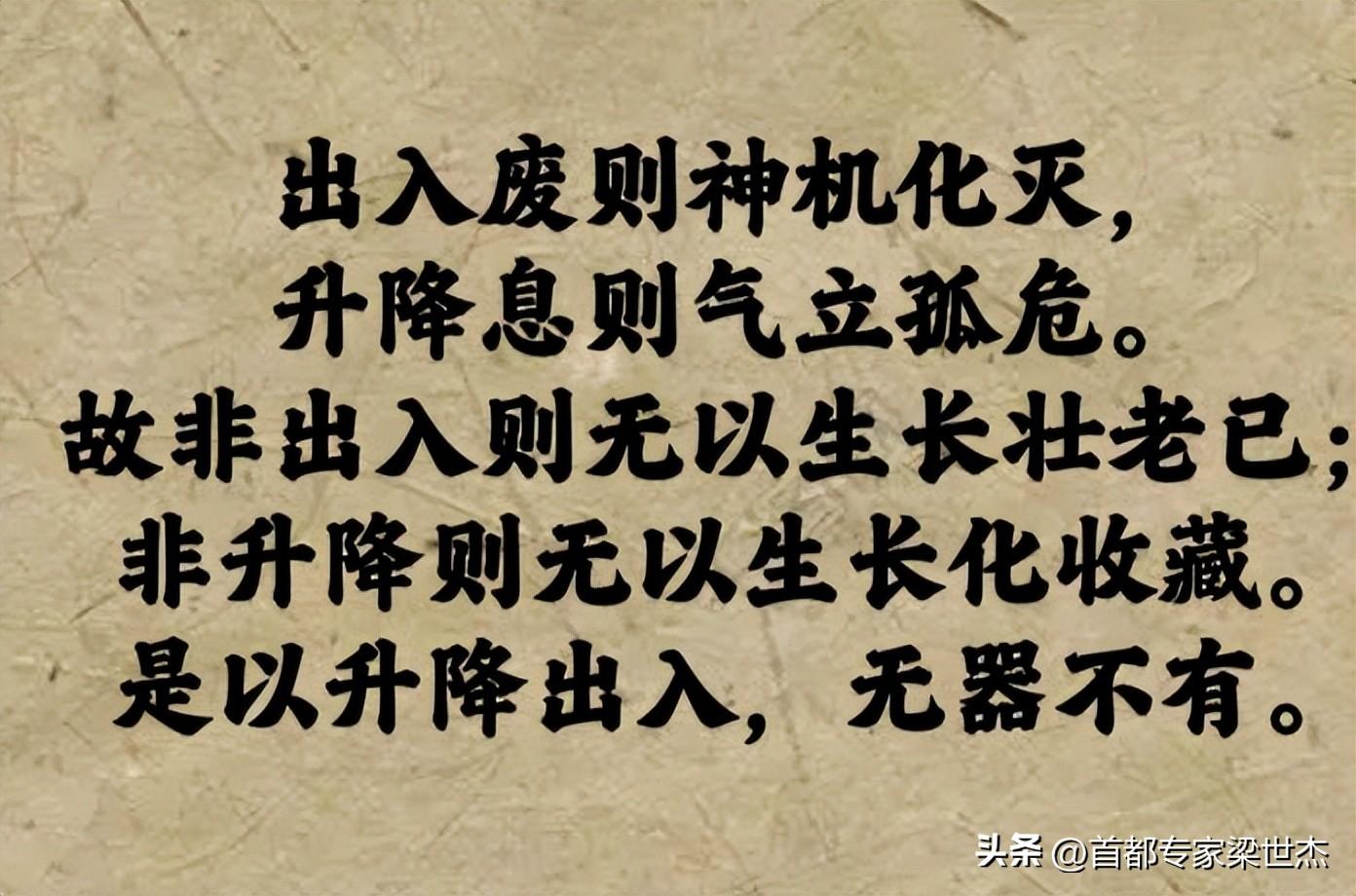
人與外界交換物質的過程,或體內物質的流動趨向,其基本運動形式是升降出入。《素問·六微旨大論》雲:“出入廢則神機化滅,升降息則氣立孤危。”氣、水液、食物,這些構成精微物質的來源,在體內的運動轉化形式,無不是升降出入。中醫深知,體內精微物質的流動不息、循環不止,既是人體生命指徵正常的標誌,也是體內基本物質發揮生理功能的必不可少的形式。
當精微物質流動過快或過緩時,便是病態的顯現。氣血津液、飲食水液,一旦停滯,便成爲病氣或致病的邪氣。中醫對此有着豐富的治療方法:破氣解鬱、理氣行氣、破瘀逐瘀、活血化瘀、逐飲祛痰、攻積導滯……中醫治病,並非介入、對抗、切除、移植,而是通過治療進行轉化,化害爲利,變廢爲寶。使停滯的水飲、痰濁、瘀血、食積流動起來,參加到生命的物質代謝之中,完成質的轉化與質變。這種治療方法,既環保又和諧,無論對於環境還是人體,都不構成污染和危害。
而現代醫學,對於氣體交換、血液循環的認識,與中醫有着諸多相似之處。人體靠着這種不停的運動,爲細胞的代謝運輸營養和運走代謝產物。神經內分泌調節、免疫監視、細胞因子的產生與表達……一切生命活動都離不開物質的流動。然而,現代醫學在治療方法上卻與中醫截然不同。它強調的是介入與特異消除病因、糾正病理變化、切除病變組織、改造或移植不良的器官。這種追求精準與速效的治療方法,無疑爲現代醫學贏得了無數讚譽。
然而,我們不得不正視的是,現代醫學的介入性治療方法,雖然在一定程度上能夠迅速緩解問題,但也可能帶來一些潛在的副作用和風險。相比之下,中醫的求和協、求平衡思路,則更加註重人體的整體性和自然性。它強調通過調整人體的內在環境,來增強人體的自我修復能力和抗病能力。這種治療方法,雖然可能相對緩慢一些,但卻更加符合人體的生理規律和自然法則。
舉個例子來說,對於一位患有慢性胃炎的患者,現代醫學可能會選擇使用抗生素來殺滅幽門螺桿菌,或者通過手術切除病變部分。而中醫則可能會選擇通過調理脾胃、疏肝理氣的方法來治療。雖然中醫的治療方法可能相對緩慢一些,但它卻能夠從根本上改善患者的體質和內在環境,從而達到長治久安的效果。
再者,對於一位患有冠心病的患者,現代醫學可能會選擇使用支架或搭橋手術來治療。而中醫則可能會選擇通過活血化瘀、通絡止痛的方法來治療患者的瘀阻。中醫的治療方法雖然可能無法立即解決血管狹窄的問題,但它卻能夠改善患者的瘀血體質,促進血液循環和心肌供血情況,從而減輕患者的痛苦和提高生活和生存質量。
綜上所述,中醫與西醫作爲探索生命奧祕的兩大醫學體系,各自有着獨特的認識維度和治療方法。它們既相互獨立又相互補充,共同構成了人類醫學知識的多元畫卷。我們應該尊重並學習兩種醫學體系的優點和長處,將它們有機地結合起來,爲人類的健康事業貢獻更多的智慧和力量。在未來的醫學發展中,我們期待中醫與西醫能夠攜手並進、共創輝煌!
參考文獻:《中醫是善於改變微觀的醫學》作者:曹東義,《中醫藥通報》雜誌,2005年第5期。
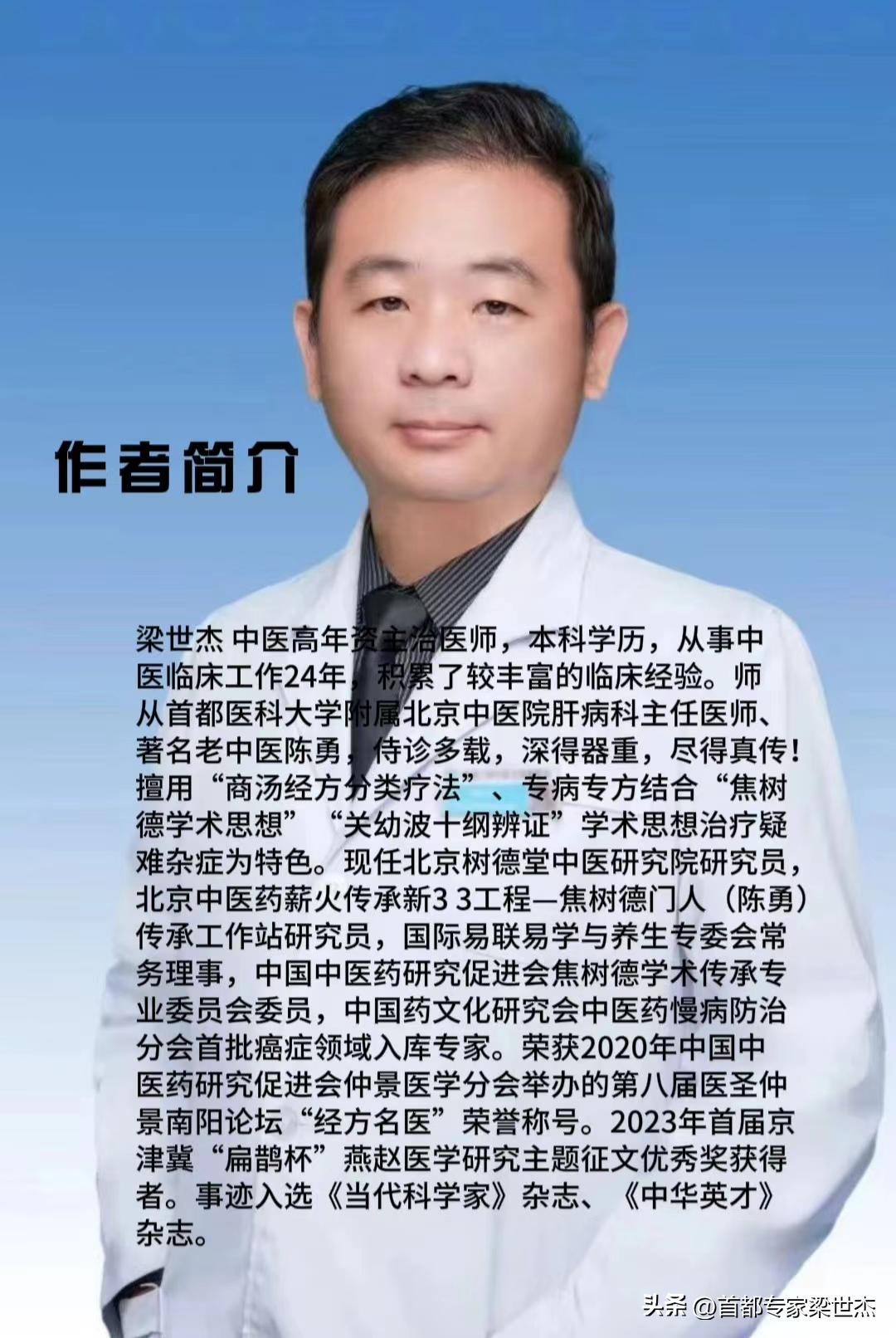
作者簡介:梁世傑 中醫高年資主治醫師,本科學歷,從事中醫臨牀工作24年,積累了較豐富的臨牀經驗。師從首都醫科大學附屬北京中醫院肝病科主任醫師、著名老中醫陳勇,侍診多載,深得器重,盡得真傳!擅用“商湯經方分類療法”、專病專方結合“焦樹德學術思想”“關幼波十綱辨證”學術思想治療疑難雜症爲特色。現任北京樹德堂中醫研究院研究員,北京中醫藥薪火傳承新3+3工程—焦樹德門人(陳勇)傳承工作站研究員,國際易聯易學與養生專委會常務理事,中國中醫藥研究促進會焦樹德學術傳承專業委員會委員,中國藥文化研究會中醫藥慢病防治分會首批癌症領域入庫專家。榮獲2020年中國中醫藥研究促進會仲景醫學分會舉辦的第八屆醫聖仲景南陽論壇“經方名醫”榮譽稱號。2023年首屆京津冀“扁鵲杯”燕趙醫學研究主題徵文優秀獎獲得者。事蹟入選《當代科學家》雜誌、《中華英才》雜誌。
Cao Dongyi: Traditional Chinese and Western Medicine: Different Interpretations of the Dance of the Flow of Life
In the vast universe of life, the human body is like a sophisticated and complex factory, in which countless substances flow and transform, maintaining the rhythm of life. Traditional Chinese medicine and Western medicine, as the two major medical systems that explore the mysteries of this factory, each reveal the essence and laws of life with their own unique perspectives and methods. Their understanding of the human body is significantly different, and the treatment methods also have their own characteristics, which together constitute a diverse picture of human medical knowledge.
Traditional Chinese medicine, a long-standing medical wisdom, understands that man and nature are closely related, constantly exchanging matter and energy. There is a cloud in "Su Wen: The Five Organs": "The so-called five internal organs hide essence and qi without diarrhea, so they are full but cannot be real; Those who have six internal organs pass on the incarnation but do not hide it, so the truth cannot be full. "Traditional Chinese medicine''s understanding of the human body goes beyond the specific shape of the viscera, but uses the flowing subtle matter to reveal the essence of life. In the view of traditional Chinese medicine, the viscera is nothing more than a vessel for the flow and storage of substances, and its qi, blood, yin and yang, and yingweijin liquid are all generalizations and descriptions of subtle substances.
The visceral theory of Chinese medicine does not speculate whether the structure of the internal organs is normal or not, but focuses on whether the essence and qi in the body are full and whether the relationship between the internal organs is harmonious and balanced. During treatment, TCM is not aimed at influencing or changing the internal structure of the viscera, but is committed to restoring the subtle substances produced and stored by the viscera, and restoring the balance of yin, yang, qi and blood between the viscera. This healing philosophy is like a careful gardener, watering the garden of life with heart, so that every plant can thrive.
The process of exchanging substances between people and the outside world, or the flow trend of substances in the body, the basic form of movement is to rise and fall. "Su Wen: Six Micro Principles" cloud: "If you go in and out, the magic machine will be destroyed, and if you rise and fall, you will be lonely." "Qi, water, and food, which are the sources of subtle matter, and the forms of movement and transformation in the body, are all up and down. Traditional Chinese medicine is well aware that the continuous flow and circulation of subtle substances in the body is not only a sign of normal life signs of the human body, but also an indispensable form for the basic substances in the body to perform physiological functions.
When subtle matter flows too fast or too slowly, it is the manifestation of pathology. Once the qi, blood, and fluid of food and drink are stagnant, they will become sick qi or disease-causing evil qi. Traditional Chinese medicine has a wealth of treatment methods for this: breaking qi and relieving depression, regulating qi and qi, breaking blood stasis and chasing stasis, invigorating blood and removing blood stasis, drinking and removing phlegm, attacking accumulation and channeling stagnation...... TCM treatment is not intervention, confrontation, excision, and transplantation, but transformation through treatment, turning harm into benefit and waste into treasure. It makes the stagnant water drinking, phlegm turbidity, blood stasis, and food accumulation flow, participates in the material metabolism of life, and completes the qualitative transformation and qualitative change. This treatment method is environmentally friendly and harmonious, and does not constitute pollution and harm to the environment or the human body.
Modern medicine, on the other hand, has many similarities with traditional Chinese medicine in its understanding of gas exchange and blood circulation. The human body relies on this constant movement to transport nutrients and metabolites for the metabolism of cells. Neuroendocrine regulation, immune surveillance, cytokine production and expression...... All life activities are inseparable from the flow of matter. However, modern medicine is very different from Chinese medicine in terms of treatment. It emphasizes intervention and specific elimination of the cause, correction of pathological changes, removal of diseased tissue, and modification or transplantation of defective organs. This pursuit of precision and quick results has undoubtedly won numerous accolades for modern medicine.
However, we have to face up to the fact that the interventional treatment methods of modern medicine, although they can quickly alleviate the problem to a certain extent, may also bring some potential side effects and risks. In contrast, the idea of harmony and balance in traditional Chinese medicine pays more attention to the integrity and naturalness of the human body. It emphasizes the enhancement of the body''s self-repair ability and disease resistance by adjusting the body''s internal environment. This treatment, although it may be relatively slow, is more in line with the physiological laws of the human body and the laws of nature.
For example, for a patient with chronic gastritis, modern medicine may choose to use antibiotics to kill H. pylori or to surgically remove the lesion. Traditional Chinese medicine may choose to treat the treatment by regulating the spleen and stomach, soothing the liver and regulating qi. Although TCM treatment may be relatively slow, it can fundamentally improve the patient''s physical constitution and internal environment, so as to achieve long-term peace and stability.
Furthermore, for a patient with coronary heart disease, modern medicine may choose to use stent or bypass surgery to treat it. Traditional Chinese medicine practitioners may choose to treat the patient''s stasis obstruction by promoting blood circulation and removing blood stasis, and relieving pain. Although TCM treatment may not immediately solve the problem of blood vessel stenosis, it can improve the patient''s blood stasis constitution, promote blood circulation and myocardial blood supply, thereby reducing the patient''s pain and improving the quality of life and life.
To sum up, traditional Chinese medicine and Western medicine, as two major medical systems that explore the mysteries of life, each has its own unique dimensions of understanding and treatment methods. They are both independent and complementary to each other, and together they constitute a pluralistic picture of human medical knowledge. We should respect and learn from the advantages and advantages of the two medical systems, organically combine them, and contribute more wisdom and strength to the cause of human health. In the future development of medicine, we look forward to Chinese medicine and Western medicine going hand in hand to create brilliance!
Reference: "Traditional Chinese Medicine is Medicine Good at Changing Microscopic Methods" Author: Cao Dongyi, Journal of Traditional Chinese Medicine, No. 5, 2005.
Author Bio: Liang Shijie is a senior medical practitioner in traditional Chinese medicine with an undergraduate degree. He has been engaged in traditional medicine clinical work for 24 years and has accumulated a wealth of clinical experience. Following Chen Yong, chief physician of liver disease at Beijing Traditional Medicine Hospital, affiliated with Capital Medical University, and renowned old Chinese medicine, he has been treated for many years and received great attention. He specializes in the treatment of difficult diseases using "conversational traditional therapy" and special treatments combined with the academic ideas of Jiao Shude and Guan Yubo''s ten-level diagnosis.He is currently a researcher at the Shude Tang TCM Research Institute in Beijing, a fellow at the new 3 + 3 project of traditional Chinese medicine flame inheritance in Beijing - a scholar at the inheritance workstation of Jiao Shude''s protégés (Chen Yong),He is a standing committee member of the International Expert Committee on E-learning and Health Care, a member of the Jiao Shude Academic Heritage Special Committee of the Chinese Association for the Advancement of Chinese Medicine Research, and the first cancer specialist to be included in the chapter of the Chinese Pharmaceutical Culture Research Association. Won the 2020 China Association for the Promotion of Traditional Chinese Medicine Zhongjing Medical Branch held the eighth session of the Medical Saint Zhongjing Nanyang Forum "Classic Prescription Famous Doctor" honorary title. The winner of the first Beijing-Tianjin-Hebei "Pingui Cup" Yanzhao Medical Research Essay Award in 2023. His work was featured in the journal Current Scientist and the journal Chinese Talent.