經方與時方之辨:辨病與辨證相結合,避免錯誤套用
在歷史的長河中,醫學如同一座燈塔,照亮了人類與疾病抗爭的航道。張仲景的《傷寒論》,作爲時隔2000年的醫學瑰寶,不僅是對特種病、急性傳染病“傷寒”的急救手冊,更是經方派用藥智慧的結晶。書中“中病即止”,“不必盡劑”的叮嚀,如同醫者的座右銘,提醒着後世用藥需謹慎,療程需適中。
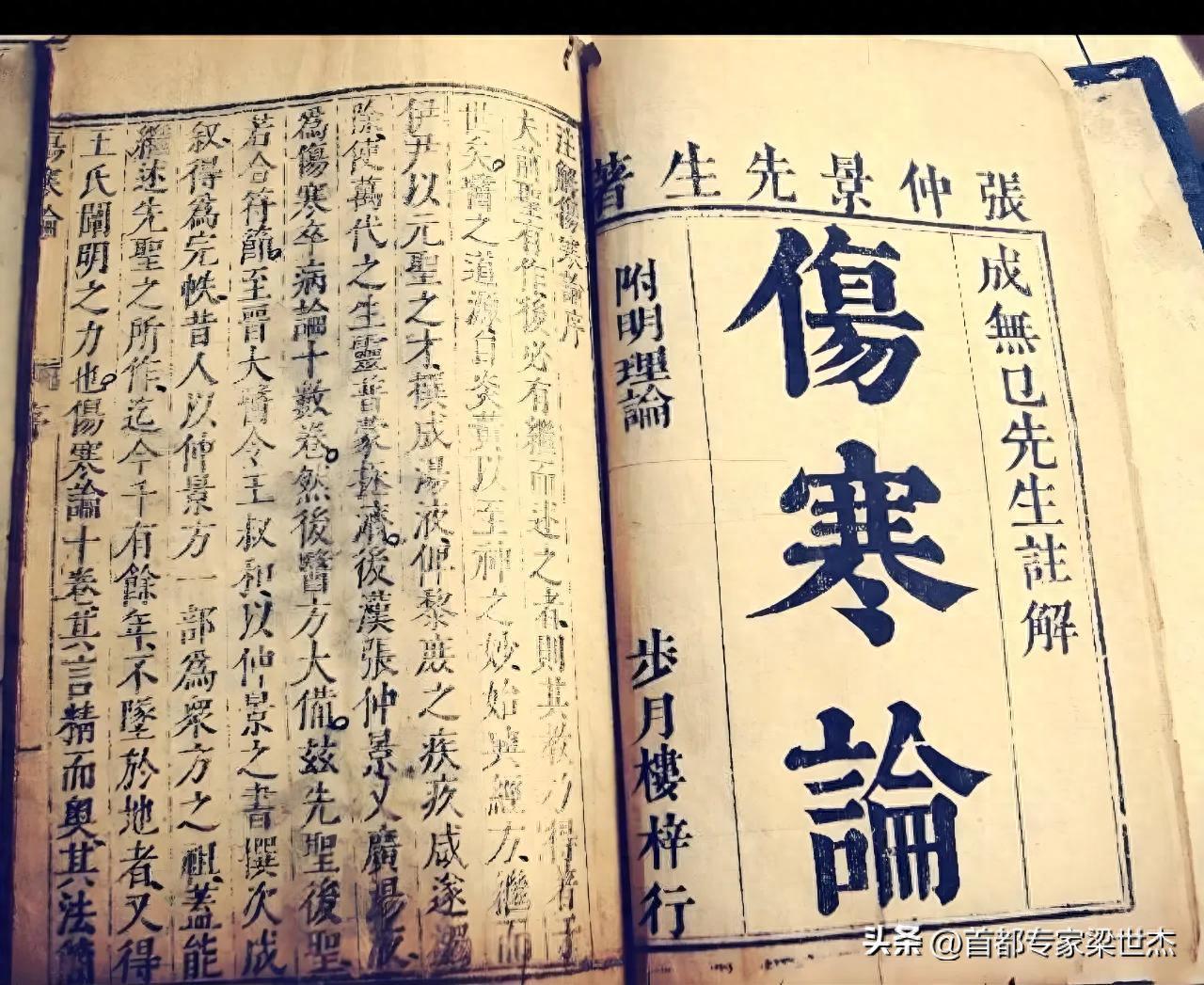
《傷寒論》中的經方,如同猛藥去痾,迅速而有力。麻黃湯、桂枝湯、葛根湯、小柴胡湯……這些方子,針對急性病邪,直擊要害,療程多爲3日、5日或7日。張仲景深知,一旦過量服藥,非但病不愈,反可能滋生新恙。這是經方派用藥的實效性與症狀關聯敏感度的體現,也是其忌諱藥不達病所、藥過病所或過時過量服藥的原因。
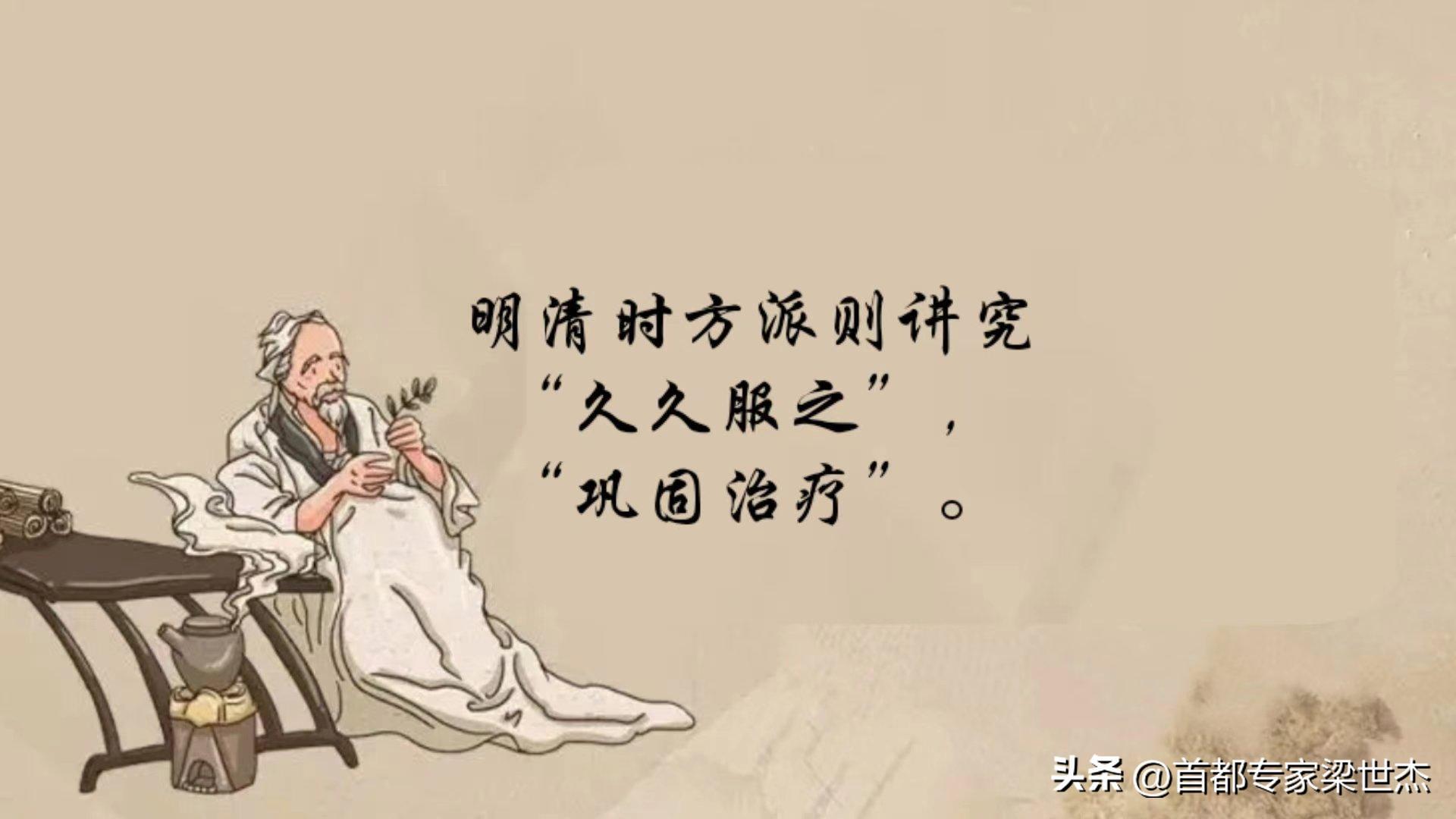
與經方派截然不同,明清時方派則講究“久久服之”,“鞏固治療”。如明清時方:六味地黃丸、壯腰健腎丸、人蔘歸脾丸、婦科壽胎丸等,這些方子溫和而持久,針對慢性病、老年病患者,療程數月或數年,長期服用亦無副作用。它們如同春風化雨,潤物無聲,慢慢調理着患者的身體。
然而,在醫學的實踐中,我們卻常常看到這樣的現象:急性病患者被誤用了慢性病方,慢性病患者又被誤用了急救方。這樣的誤用,不僅影響了治療效果,還可能產生副作用。這,無疑是對醫學智慧的漠視,也是對患者生命的輕視。
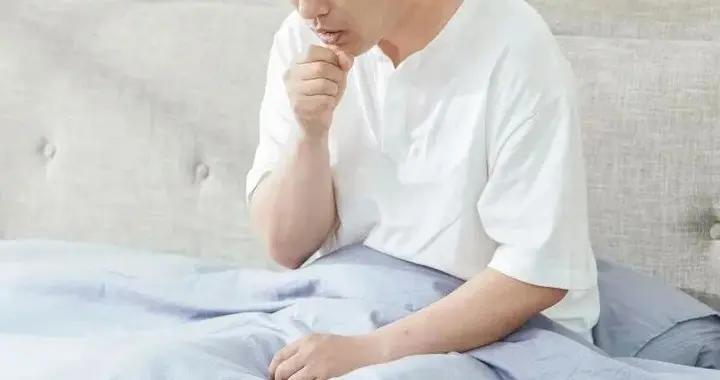
曾有一位老年患者,因長期咳嗽、咳痰被診斷爲慢性支氣管炎。醫生卻誤用了麻黃湯這一急性病方,結果患者症狀雖短時緩解,但病根未除,反覆發作,甚至病情加重。這就是因爲未分清急性病與慢性病,未辨證準確,選方不當所導致的。
又有一位年輕患者,因突發喘嗽,高熱、惡寒被診斷爲急性感冒。醫生卻給予蛤蚧定喘膠囊這一慢性病方,結果患者症狀遲遲未緩,甚至出現了新的病情。這同樣是因爲未分清外感病與內傷病,未選方適當所導致的。
據統計,這樣的誤用在臨牀中並不少見。一方面,醫生對經方與時方的理解不夠深入,對病程的長短、病情的輕重、病性的寒熱虛實等辨證不夠準確;另一方面,患者對醫學知識的缺乏,對醫生的盲目信任,也導致了誤用的發生。
因此,我們必須強調:因病選方,因病用藥,這是醫學的基本原則。無論是經方還是時方,都是用來治病的,但選方必須準確,用藥必須適當。不能簡單粗暴的強調“有是證必用是藥”因爲要分析辨病與辨證之間的關係、不能輕率講中醫藥沒有副作用等,因爲任何藥物都有其適應症和禁忌症。只有辨證準確,選方適當,才能確定治病療程的長短,才能明白療效出來的快慢,何時停藥合適,需不需要鞏固治療。
作爲醫者,我們必須深入學習經方與時方的智慧,掌握辨證施治的方法。在面對患者時,要仔細詢問病史,詳細檢查病情,要辨病與辨證相結合,分清是急性還是慢性?是新病還是久病?適當選方,準確辨證施治。作爲患者,我們也必須增強對醫學知識的瞭解,對醫生的建議要保持理性判斷,不盲目信任,不輕易嘗試未經證實的藥物或療法。
讓我們銘記《傷寒論》的教誨,謹守經方與時方的智慧。讓我們因病選方,因病用藥,辨證施治,避免根據症狀套用古方。讓我們共同努力,讓醫學的智慧照亮更多人的生命之路,讓健康與幸福伴隨每一個人。
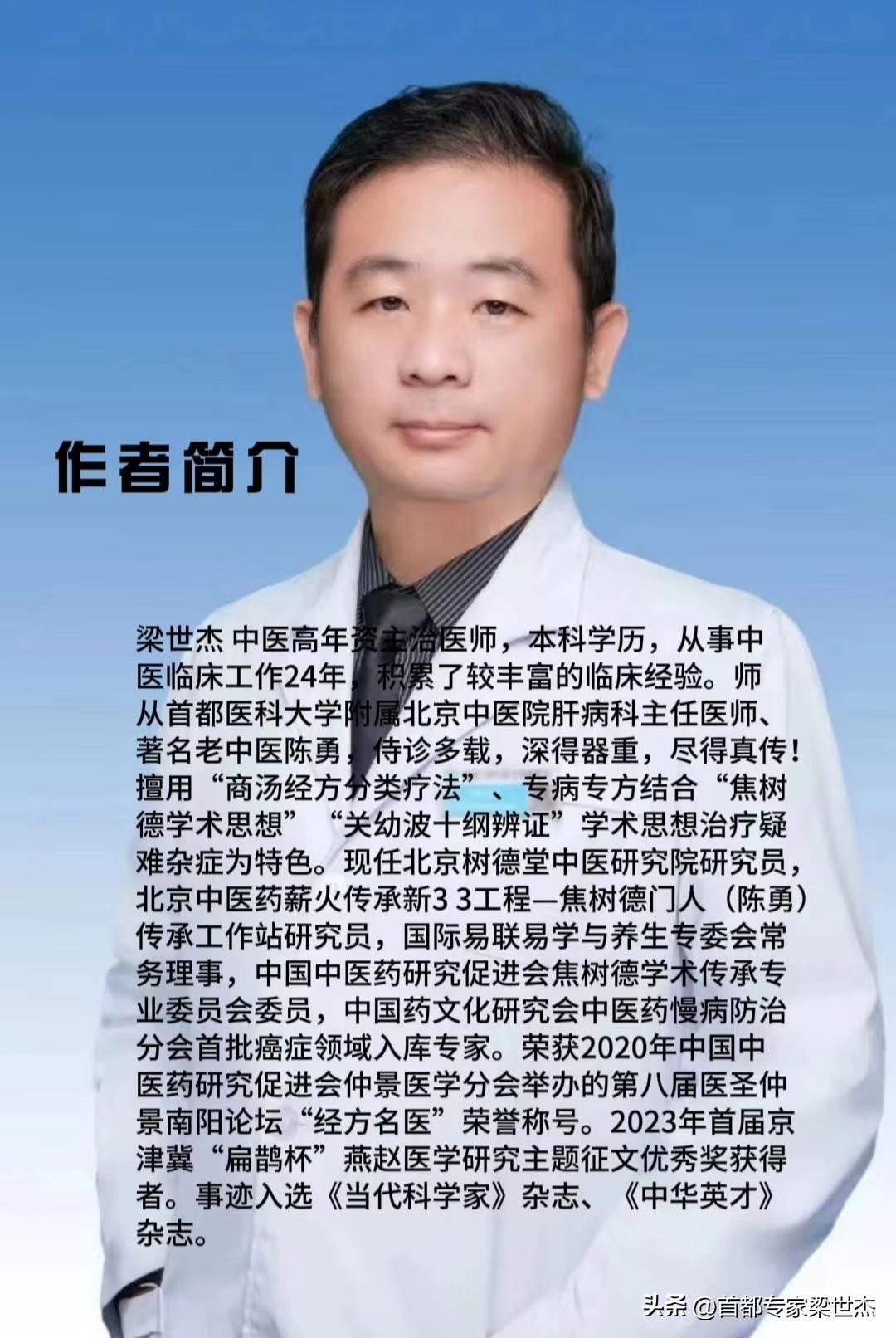
作者簡介:梁世傑 中醫高年資主治醫師,本科學歷,從事中醫臨牀工作24年,積累了較豐富的臨牀經驗。師從首都醫科大學附屬北京中醫院肝病科主任醫師、著名老中醫陳勇,侍診多載,深得器重,盡得真傳!擅用“商湯經方分類療法”、專病專方結合“焦樹德學術思想”“關幼波十綱辨證”學術思想治療疑難雜症爲特色。現任北京樹德堂中醫研究院研究員,北京中醫藥薪火傳承新3+3工程—焦樹德門人(陳勇)傳承工作站研究員,國際易聯易學與養生專委會常務理事,中國中醫藥研究促進會焦樹德學術傳承專業委員會委員,中國藥文化研究會中醫藥慢病防治分會首批癌症領域入庫專家。榮獲2020年中國中醫藥研究促進會仲景醫學分會舉辦的第八屆醫聖仲景南陽論壇“經方名醫”榮譽稱號。2023年首屆京津冀“扁鵲杯”燕趙醫學研究主題徵文優秀獎獲得者。事蹟入選《當代科學家》雜誌、《中華英才》雜誌。
Distinction between prescription and prescription: Combine diagnosis and diagnosis to avoid misuse
For a long time in history, medicine has served as a beacon, illuminating the way of mankind''s battle against disease. Zhang Zhongjing''s Theology of Typhoid, as a medical treasure spanning 2,000 years, is not only a first aid manual for the special diseases and acute infectious disease "typhoid," but also the crystallization of medicinal wisdom from traditional medicine. The warnings in the book that "if you are sick, stop" and "do not have to exhaust your medication" are like the doctor''s motto, reminding future generations to use medicine with caution and to take a moderate course of treatment.
The prescriptions in the theory of typhoid are like powerful medicine for healing ailments, quick and powerful. Leprosy Soup, Guizhou Leaf Soup, Geranium Soup, Xiao Chai Hu Soup... These remedies, which target acute diseases directly at the cause, are mostly given for three, five or seven days. Zhang Zhongjing knew well that once he took an excessive amount of medication, instead of getting sick, he could cause new problems. This is a reflection of the effectiveness and sensitivity associated with symptoms of prescription drugs, and it is also the reason for their abhorrence of under-availability, over-availability or overdoses.
In contrast to the Confucianism, in the Ming and Qing Dynasties, the Confucianists preferred to "take it for a long time" and "consolidate the treatment." Such as the Ming and Qing Dynasties when the side: Liuwei Dihuang Wan, Zhuangyao Jianshen Wan, Renshen Guipi Wan, gynecological Shou Tai Wan, etc., these gentle and lasting, for chronic diseases, elderly patients, a course of treatment for months or years, long-term use without side effect. They are like spring winds and rain, moisturizing silently, and slowly conditioning the patient''s body.
However, in the practice of medicine, we often see this phenomenon: patients with acute diseases are misused for chronic diseases, and patients with chronic illnesses are misused as first aid. Such misuse, not only affect the efficacy of treatment, but also may have side effects. This is undoubtedly a disregard for medical wisdom and a disdain for the lives of patients.
There was an elderly patient who was diagnosed with chronic bronchitis because of a long-term cough and coughing of sputum. Instead, doctors misused the prescription of ephedra soup for acute diseases. As a result, the patient''s symptoms eased for a short time, but the root cause of the disease remained, the attacks recurred, and even the condition worsened. This is due to the failure to distinguish between acute and chronic diseases, the failure of accurate diagnosis and the improper selection of prescriptions.
Another young patient was diagnosed with an acute influenza following a sudden wheezing, high fever and chills. Instead, the doctor gave a prescription for the chronic condition called a cyclone capsule, and the patient''s symptoms continued to slow down and even developed a new condition. This is also due to the failure to distinguish between exposure to diseases of the external infection and internal injury, and the failure of the appropriate formulation.
According to statistics, such misuse is not uncommon in clinical settings. On the one hand, the doctors did not understand the prescription and the time of the illness sufficiently in depth, and the diagnosis of the length of the disease, the severity of the disease and the truth of the fever or cold was not accurate. On the other hand, patients'' lack of medical knowledge and blind trust in doctors also lead to misuse.
Therefore, we must emphasize that the choice of prescriptions according to the illness and the use of medicine according to their illness are the basic principles of medicine. Both the prescription and the timely prescription are used to cure the disease, but the prescription must be accurate and the medication must be appropriate. Can not simply emphasize that "there is a card must be used is the medicine" because to analyze the relationship between disease and syndrome differentiation, can not be lightly said that Chinese medicine has no side effects, because any drug has its indications and contraindications. Only if the diagnosis is accurate and the prescription is appropriate, can we determine the length of treatment, understand how quickly or slowly the treatment will be effective, when it is appropriate to discontinue the drug, and whether it is necessary to consolidate the treatment.
As healers, we must deeply study the wisdom of scripture and time and master the method of dialectical healing. When faced with a patient, carefully ask about the medical history, examine the condition in detail, combine diagnosis with diagnosis, and distinguish whether it is acute or chronic. Is it a new illness or a chronic illness? Appropriate selection of prescriptions and accurate diagnosis of treatment. As patients, we must also increase our knowledge of medical knowledge, maintain rational judgment, do not blindly trust, and do not easily try unproven drugs or therapies.
Let us remember the teachings of the Theory of Typhoid and adhere to the wisdom of the scriptures and the times. Let us choose prescriptions according to the illness, use medications accordingly, and avoid applying ancient remedies according to symptoms. Let us work together so that the wisdom of medicine can illuminate the path of life for more people, so that health and well-being are with everyone.
Author Bio: Liang Shijie is a senior medical practitioner in traditional Chinese medicine with an undergraduate degree. He has been engaged in traditional medicine clinical work for 24 years and has accumulated a wealth of clinical experience. Following Chen Yong, chief physician of liver disease at Beijing Traditional Medicine Hospital, affiliated with Capital Medical University, and renowned old Chinese medicine, he has been treated for many years and received great attention. He specializes in the treatment of difficult diseases using "conversational traditional therapy" and special treatments combined with the academic ideas of Jiao Shude and Guan Yubo''s ten-level diagnosis.He is currently a researcher at the Shude Tang TCM Research Institute in Beijing, a fellow at the new 3 + 3 project of traditional Chinese medicine flame inheritance in Beijing - a scholar at the inheritance workstation of Jiao Shude''s protégés (Chen Yong),He is a standing committee member of the International Expert Committee on E-learning and Health Care, a member of the Jiao Shude Academic Heritage Special Committee of the Chinese Association for the Advancement of Chinese Medicine Research, and the first cancer specialist to be included in the chapter of the Chinese Pharmaceutical Culture Research Association. Won the 2020 China Association for the Promotion of Traditional Chinese Medicine Zhongjing Medical Branch held the eighth session of the Medical Saint Zhongjing Nanyang Forum "Classic Prescription Famous Doctor" honorary title. The winner of the first Beijing-Tianjin-Hebei "Pingui Cup" Yanzhao Medical Research Essay Award in 2023. His work was featured in the journal Current Scientist and the journal Chinese Talent.