中醫四大診療風格:帥、賣、怪、壞
在中醫的博大精深中,不僅蘊含着千年的智慧與經驗,更孕育出了各具特色的診療風格。倘若將中醫的診療風格比作相聲界的“帥、賣、怪、壞”,那麼這四種風格便如同四位性格迥異的名醫,各自以其獨特的魅力,演繹着中醫的千古傳奇。
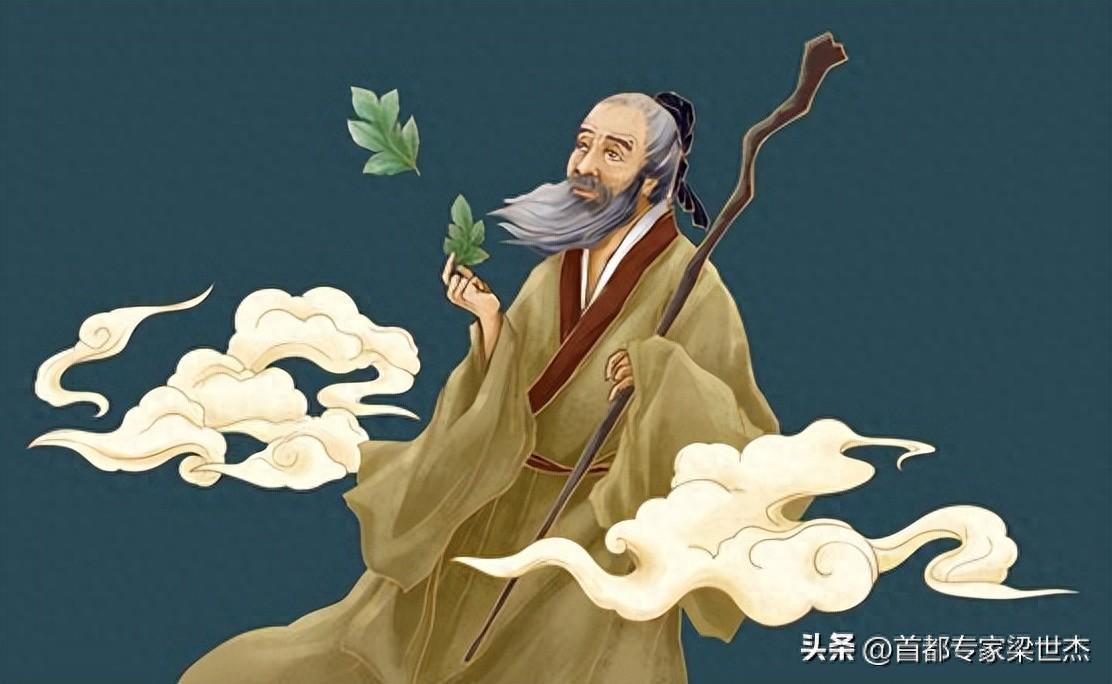
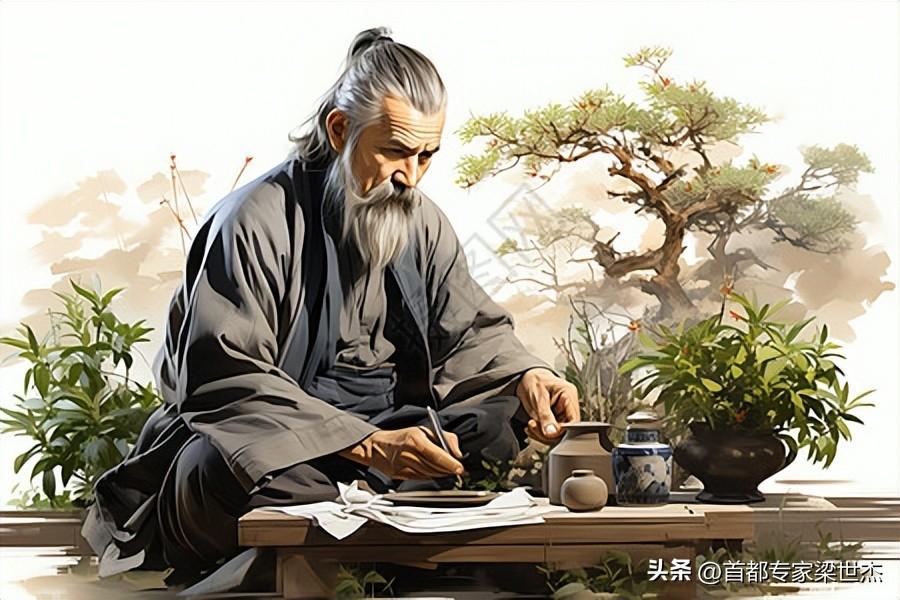
帥:翩翩風度,儒雅從容
“帥”,在中醫診療中,並非指醫生外貌英俊,而是形容其診療時風度翩翩,舉止儒雅,無論是望聞問切,還是開方用藥,都顯得從容不迫,胸有成竹。這類醫生,如同相聲界的陶陽陶雲聖,雖非以相聲爲生,但舞臺上的那份從容與自信,卻讓人印象深刻。
在中醫界,這樣的醫生往往有着深厚的醫學底蘊和豐富的臨牀經驗。他們診病時,眼神篤定,語氣平和,每一個動作都透露出對醫學的敬畏和對患者的關愛。他們的處方,如同精心雕琢的藝術品,既考慮病情的複雜多變,又兼顧患者的體質差異,力求做到藥到病除,又不失溫和。
舉例來說,有一位老中醫,年逾古稀,卻精神矍鑠。他診病時,總是先耐心傾聽患者的訴說,然後細細把脈,觀察舌象,最後才緩緩開出處方。他的處方,用藥精準,劑量恰到好處,患者服後,往往藥到病除,無不稱讚其醫術高超,風度翩翩。
賣:全力以赴,熱情洋溢
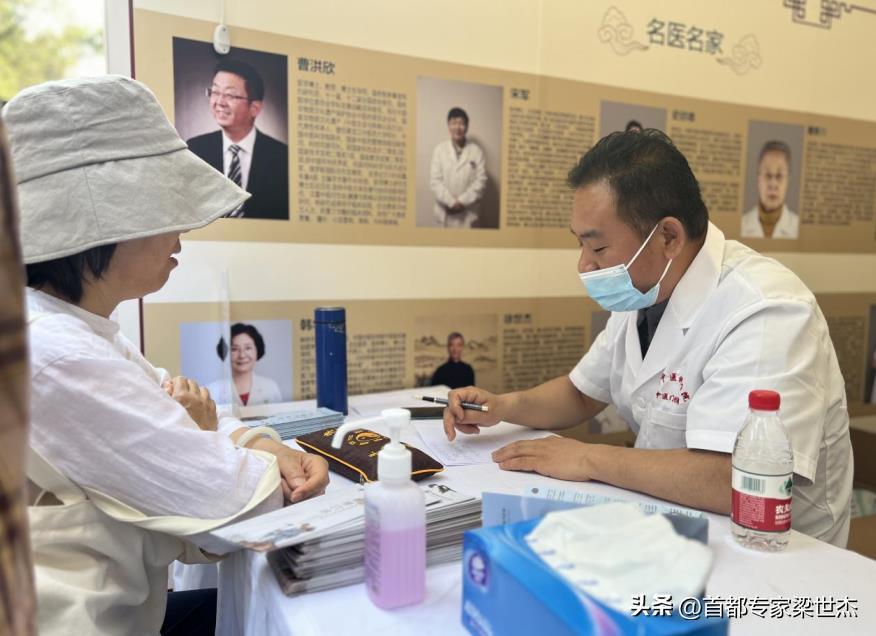
“賣”,在中醫診療中,指的是醫生全力以赴,對病情剖析入微,對治療傾盡全力。這類醫生,如同相聲界的欒雲平,表演時賣力氣,對藝術和觀衆負責,臺風穩健,讓人信賴。
在中醫界,這樣的醫生往往對醫學有着執着的追求和深厚的感情。他們診病時,總是全神貫注,不放過任何一個細節。他們的治療,既注重整體調理,又兼顧局部症狀,力求做到全面而細緻。他們的熱情,不僅體現在對醫學的熱愛上,更體現在對患者的關愛上。
比如,有一位年輕的中醫師,他對待每一位患者都如同親人一般。診病時,他總是耐心詢問患者的病史和現狀,仔細檢查患者的身體狀況。治療時,他更是傾盡全力,無論是中藥還是鍼灸,都力求做到最好。他的熱情和專業,贏得了患者的信任和好評。
怪:獨樹一幟,別具匠心
“怪”,在中醫診療中,並非指醫生行爲怪異,而是形容其診療風格獨樹一幟,有別於常人。這類醫生,如同相聲界的張鶴倫,表演獨具特色,讓人耳目一新。
在中醫界,這樣的醫生往往有着獨特的醫學見解和治療方法。他們診病時,不拘一格,善於從常規中發現異常,從異常中尋找規律。他們的治療,往往別出心裁,卻能取得意想不到的效果。他們的“怪”,並非爲了標新立異,而是爲了更好地服務於患者。
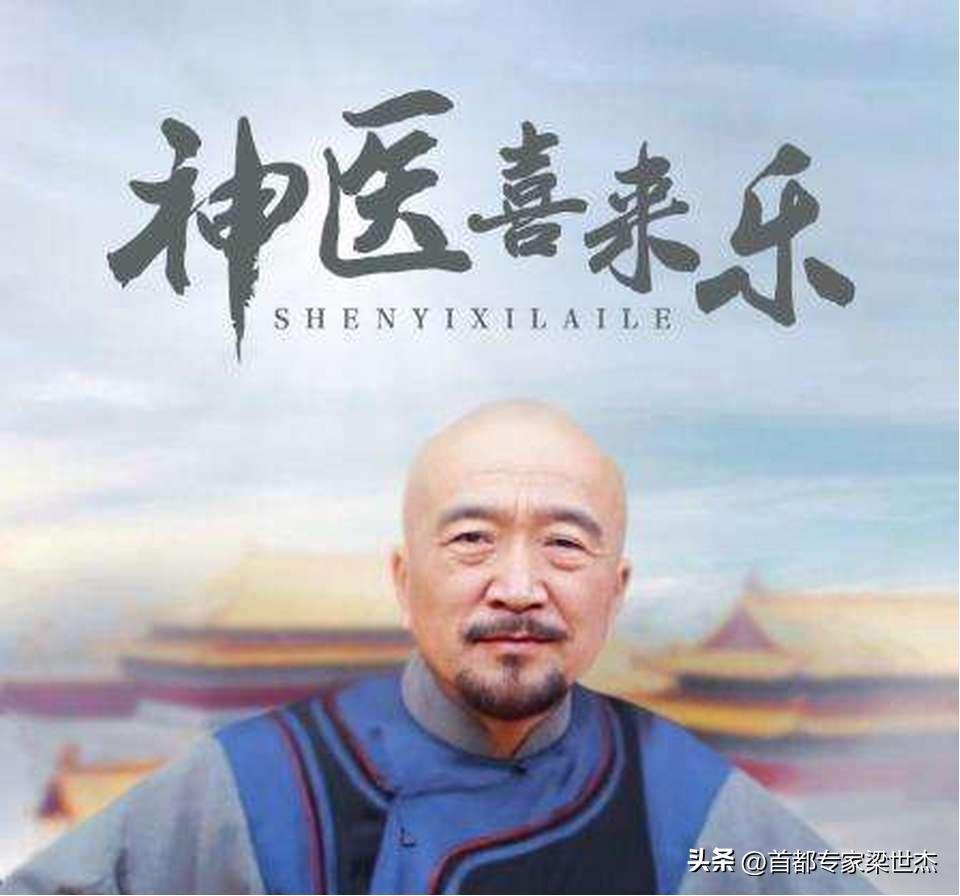
例如,《神醫喜來樂》中的喜來樂,他擅長用奇方怪藥治療疑難雜症。他的處方,往往讓人看不懂,但患者服後,卻能取得顯著療效。他的“怪”,源於他對醫學的深入研究和獨特見解,讓他的診療風格別具一格。
壞:機智幽默,寓教於樂
“壞”,在中醫診療中,並非指醫生品德敗壞,而是形容其診療時機智幽默,善於用輕鬆愉快的方式與患者溝通。這類醫生,如同相聲界的閆雲達,表演中常有戲耍搭檔或相互砸掛的環節,讓人捧腹大笑。
在中醫界,這樣的醫生往往有着良好的溝通能力和幽默感。他們診病時,總是能用幽默的語言緩解患者的緊張情緒,用生動的比喻解釋複雜的醫學問題。他們的治療,不僅注重療效,更注重患者的心理感受。
比如,有一位中醫師,他診病時總是笑眯眯的,喜歡用幽默的語言與患者交流。他解釋病情時,總是能用生動的比喻讓患者聽懂;開處方時,更是會用幽默的話語讓患者放鬆心情。他的“壞”,讓他的診療過程充滿了歡聲笑語,也讓患者感受到了醫學的溫暖和人文關懷。
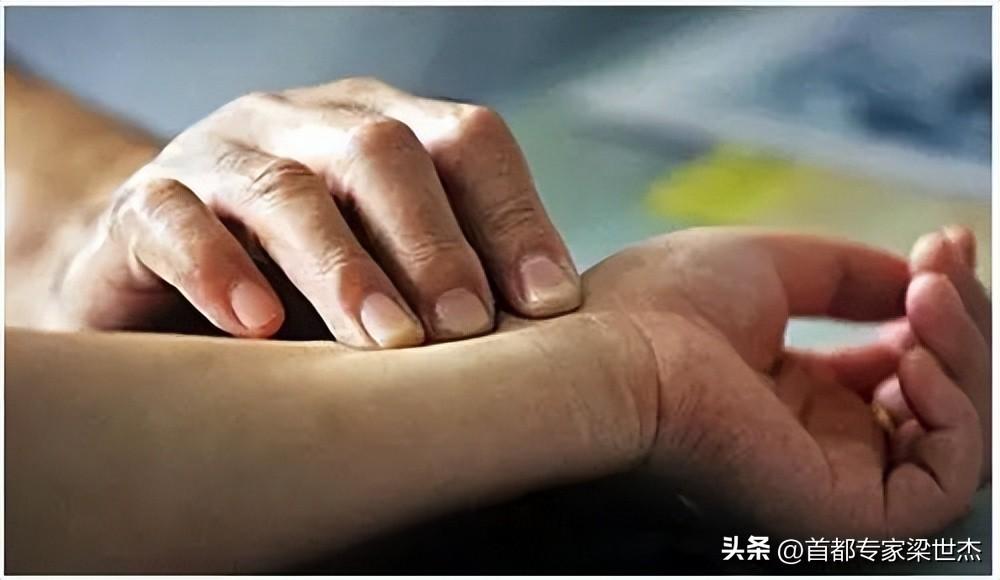
綜上所述,中醫的四大個人表現診療風格——帥、賣、怪、壞,各自以其獨特的魅力演繹着中醫的千古傳奇。這四種風格不僅代表了中醫醫生在診療過程中的不同表現方式,更反映了中醫藝術的多樣性和豐富性。無論是翩翩風度的“帥”、全力以赴的“賣”、獨樹一幟的“怪”還是機智幽默的“壞”,都是中醫醫生對醫學的熱愛和對患者的關愛的體現。讓我們一同領略這四種風格的魅力,感受中醫的博大精深和人文關懷吧!
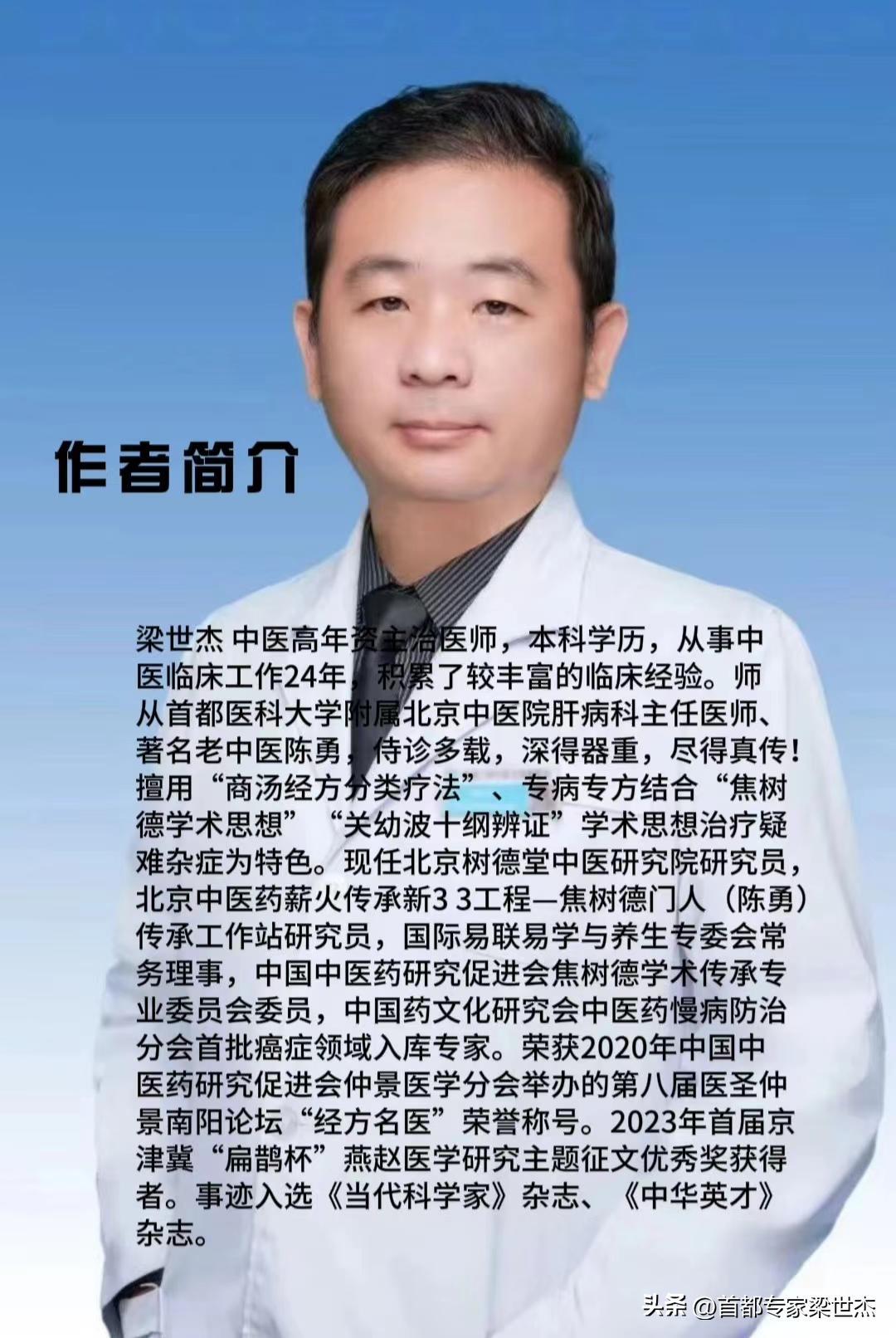
作者簡介:梁世傑 中醫高年資主治醫師,本科學歷,從事中醫臨牀工作24年,積累了較豐富的臨牀經驗。師從首都醫科大學附屬北京中醫院肝病科主任醫師、著名老中醫陳勇,侍診多載,深得器重,盡得真傳!擅用“商湯經方分類療法”、專病專方結合“焦樹德學術思想”“關幼波十綱辨證”學術思想治療疑難雜症爲特色。現任北京樹德堂中醫研究院研究員,北京中醫藥薪火傳承新3+3工程—焦樹德門人(陳勇)傳承工作站研究員,國際易聯易學與養生專委會常務理事,中國中醫藥研究促進會焦樹德學術傳承專業委員會委員,中國藥文化研究會中醫藥慢病防治分會首批癌症領域入庫專家。榮獲2020年中國中醫藥研究促進會仲景醫學分會舉辦的第八屆醫聖仲景南陽論壇“經方名醫”榮譽稱號。2023年首屆京津冀“扁鵲杯”燕趙醫學研究主題徵文優秀獎獲得者。事蹟入選《當代科學家》雜誌、《中華英才》雜誌。
Four styles of traditional Chinese medicine: handsome, sell, weird and bad
In the great depth of traditional Chinese medicine, not only contains thousands of years of wisdom and experience, but also spawned a unique style of diagnosis and treatment. If the style of traditional Chinese medicine is likened to the "beauty, sales, weirdness and badness" of the comedian world, then these four styles are like four famous doctors with very different personalities, each with their unique charm, depicting the ancient legend of traditional medicine.
Handsome: grace, elegance and serenity
"Handsome," in traditional Chinese medicine, does not mean that a doctor is handsome in appearance, but describes his manners and demeanor during his consultations. Whether he asks questions or prescribes medicine, he appears relaxed and confident. Such doctors, like Tao Yang Tao Yunsheng in the field of stand-up, although they do not make a living in stand-up but their ease and confidence on the stage are impressive.
In traditional Chinese medicine, such doctors often have deep medical knowledge and extensive clinical experience. When they diagnose a patient, their eyes are firm and their voice is calm, and every gesture reveals their awe of medicine and their love for the patient. Their prescriptions, like elaborate works of art, take into account the complexity of the condition and the differences in the patient''s physical condition, and strive to cure the disease without losing its gentleness.
For example, there was an old Chinese medicine practitioner who was more than old but had a strong spirit. When he diagnoses a patient, he always listens patiently to the patient''s complaints, then closely examines the pulse and observes the tongue, and then slowly prescribes a prescription. His prescriptions and medications were precise and the doses were just right. After taking them, patients often ended their illness, and he was praised for his skill and manners.
Sell: Give it all, be enthusiastic
"Selling," in TCM diagnosis and treatment, means that the doctor gives all his or her efforts, diligently dissects the condition, and gives all their energy to the treatment. Such doctors, like Li Yunping in the comedic world, work hard when performing, are responsible to the art and the audience, and are stable and trustworthy.
In the field of Chinese medicine, such doctors often have a dedicated pursuit and deep affection for medicine. When they diagnose a patient, they are always attentive and don''t miss a single detail. Their treatment, which focuses on the overall management and also takes into account local symptoms, seeks to be comprehensive and detailed. Their passion is not only reflected in their love of medicine, but also in their care for their patients.
For example, there is a young Chinese doctor who treats each patient as if they were loved ones. When diagnosing patients, he always patiently asks about the patient''s medical history and current situation, and carefully examines the patient''''s physical condition. When it comes to treatment, he goes to great lengths, whether it''s Chinese medicine or acupuncture, to try to do the best. His enthusiasm and professionalism have earned his patients'' trust and appreciation.
Weird: unique and unique.
"Weird," in traditional Chinese medicine, does not mean that doctors behave weird, but rather that their style of treatment is unique and different from ordinary people. Such doctors, like Zhang Heren in the comedic world, perform uniquely and refreshingly.
In traditional Chinese medicine, such doctors often have unique medical insights and treatments. When they diagnose diseases, they are not unusual, and are good at detecting abnormalities from the routine and finding patterns from the abnormalities. Their treatments are often ingenious and have unexpected results. Their "weirdness" is not about being new, but about better serving patients.
Take, for example, the character of "The Healer of Cheryl," who is adept at using strange medicines to treat difficult ailments. His prescriptions are often difficult to read, but patients can achieve significant results after taking them. His "weirdness" stems from his in-depth research and unique insights into medicine, which makes his diagnosis and treatment style unique.
Bad: witty humor, fun to teach
"Bad," in traditional Chinese medicine, does not mean that doctors have bad morals, but describes their wisdom and humor when diagnosing and treating patients and their ability to communicate with patients in a relaxed and pleasant way. Such doctors, like Yan Yunda in the comedic world, often have a part in their performances that makes people laugh.
In traditional Chinese medicine, such doctors often have good communication skills and a sense of humor. When they diagnose a patient, they can always use humorous language to ease the tension of the patient and explain complex medical problems with vivid metaphors. Their treatment focuses not only on the efficacy of the treatment, but also on the psychological feelings of the patient.
For example, there is a Chinese physician who always smiles when he treats a patient and likes to communicate with his patients in humorous language. When he explains the condition, he can always use vivid analogies to make the patient understand. When prescribing, humorous words are used to relax patients. His "badness" filled his diagnosis and treatment process with laughter, and also made patients feel the warmth and humane care of medicine.
In summary, the four personality styles of traditional Chinese medicine - handsome, sell, weird, and bad - each interpreted the ancient legend of traditional medicine with its unique charm. These four styles not only represent the different manifestations of traditional Chinese medicine practitioners in the course of diagnosis and treatment, but also reflect the diversity and richness of traditional medicine art. Whether it is "handsome," "selling" with all the effort, "strange" with uniqueness, or "bad" with witty humor, it is the expression of traditional Chinese medicine doctors'' love of medicine and love for patients. Let us all appreciate the charm of these four styles and feel the depth and human concern of traditional Chinese medicine.
Author Bio: Liang Shijie is a senior medical practitioner in traditional Chinese medicine with an undergraduate degree. He has been engaged in traditional medicine clinical work for 24 years and has accumulated a wealth of clinical experience. Following Chen Yong, chief physician of liver disease at Beijing Traditional Medicine Hospital, affiliated with Capital Medical University, and renowned old Chinese medicine, he has been treated for many years and received great attention. He specializes in the treatment of difficult diseases using "conversational traditional therapy" and special treatments combined with the academic ideas of Jiao Shude and Guan Yubo''s ten-level diagnosis.He is currently a researcher at the Shude Tang TCM Research Institute in Beijing, a fellow at the new 3 + 3 project of traditional Chinese medicine flame inheritance in Beijing - a scholar at the inheritance workstation of Jiao Shude''s protégés (Chen Yong),He is a standing committee member of the International Expert Committee on E-learning and Health Care, a member of the Jiao Shude Academic Heritage Special Committee of the Chinese Association for the Advancement of Chinese Medicine Research, and the first cancer specialist to be included in the chapter of the Chinese Pharmaceutical Culture Research Association. Won the 2020 China Association for the Promotion of Traditional Chinese Medicine Zhongjing Medical Branch held the eighth session of the Medical Saint Zhongjing Nanyang Forum "Classic Prescription Famous Doctor" honorary title. The winner of the first Beijing-Tianjin-Hebei "Pingui Cup" Yanzhao Medical Research Essay Award in 2023. His work was featured in the journal Current Scientist and the journal Chinese Talent.