梁世傑:補氣血的最高境界——補而不滯,通則爲貴
在浩瀚的中醫理論中,氣血被視爲人體生命的源泉,是維持生命活動的基礎。氣血津液只有正常流通,如環無端,才能內溉臟腑、外濡肌腠,以供生生不息。正如《靈樞·經脈》所言:“經脈者,所以決生死,處百病,調虛實,不可不通也。”這句話深刻揭示了“通”在人體生理病理中的重要地位。
從人體的解剖生理來看,生命活動的調節中樞是神經系統,生命活動的運輸線是血液循環,無處不在的供血與交換系統是微循環,營養供給與運輸依靠消化系統,完善的氣體通道是上下呼吸道。這些系統相互協調,共同維持着人體的生命活動。而這一切的協調與運行,都離不開氣血的通暢。
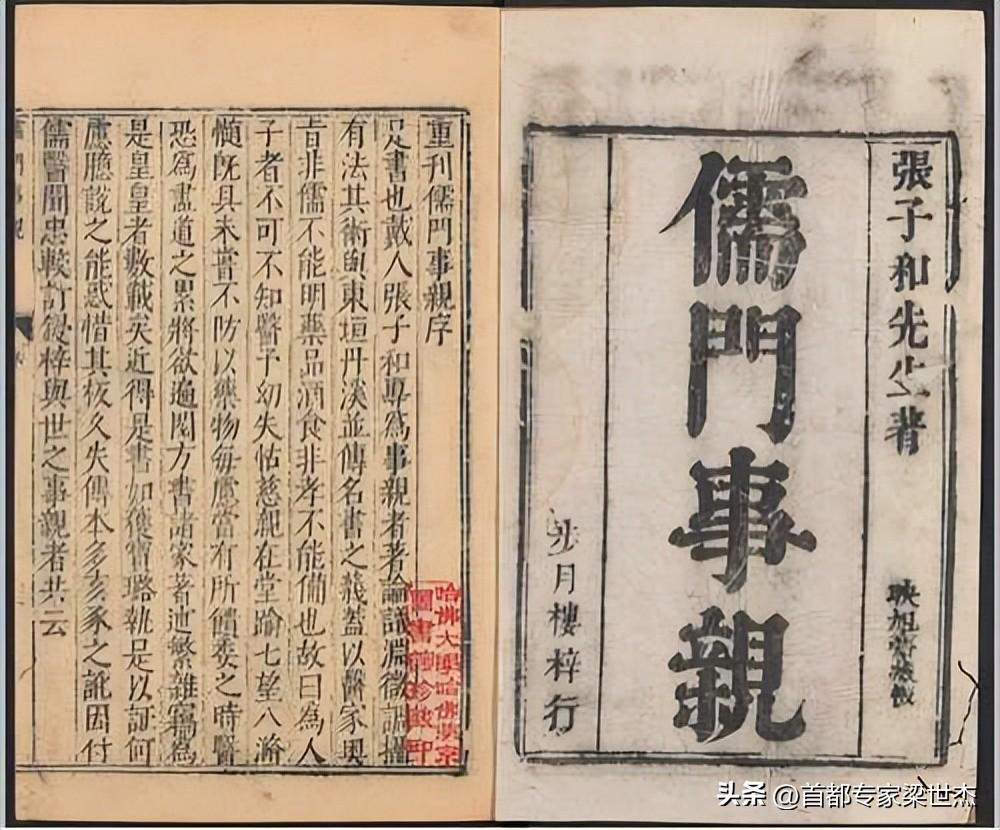
《靈樞·邪客》指出:“補其不足,瀉其有餘,調其虛實,以通其道,而去其邪。”這不僅是治療疾病的基本原則,也是中醫養生的核心思想。在《黃帝內經》中,更是提出了“五鬱”的治法:“木鬱達之,火鬱發之,土鬱奪之,金鬱泄之,水鬱折之。”歸納這五種治法的實質,不外一個“通”字。張從正在《儒門事親》中更是明確指出:“《內經》一書,惟以血氣流通爲貴。”
葉天士,這位清代著名的醫學家,在繼承和發展《黃帝內經》及張仲景思想的基礎上,提出了“凡病宜通”的治療學思想。他指出:“大凡經脈六腑之病,總以宣通爲是。”並將“凡病宜通”作爲治病的總綱。這一思想的提出,不僅是對中醫理論的深化和發展,更是對臨牀實踐的指導。
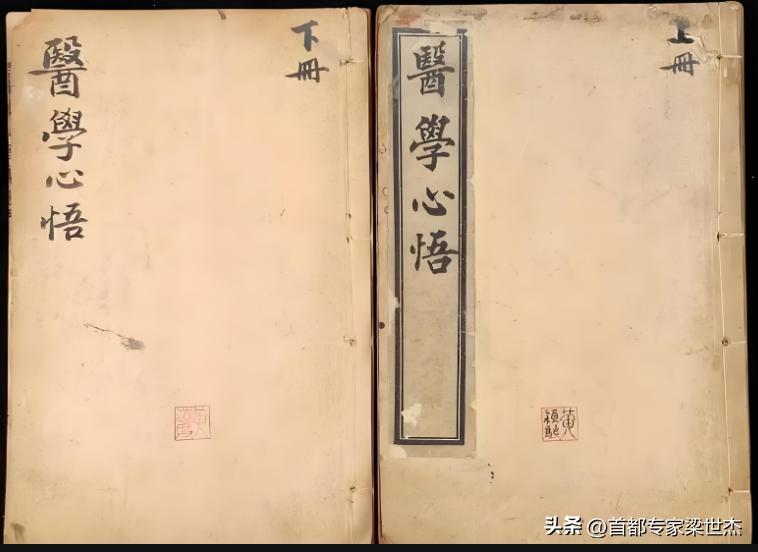
高士宗在《醫學真傳》中雲:“夫通則不痛,理也,但通之之法,各有不同。調氣以和血,調血以和氣,通也;下逆者使之上行,中結者使之旁達,亦通也;虛者助之使通,寒者溫之使通,無非通之之法也。若必以下泄爲通,則妄矣。”這段話深刻揭示了“通”的多樣性和靈活性。汗、吐、下、和、溫、清、消、補八法之中皆寓“通法”,正如《醫學心悟》中所說:“一法之中,八法備焉;八法之中,百法備焉。”
在臨牀實踐中,“補而不滯”是補氣血的最高境界。補,是爲了補充人體的氣血津液;而不滯,則是要保證這些補益之物能夠順暢地流通於全身,發揮其應有的作用。如果補益之物滯留於某處,不僅無法發揮其應有的作用,還可能導致局部的氣血瘀滯,引發新的疾病。
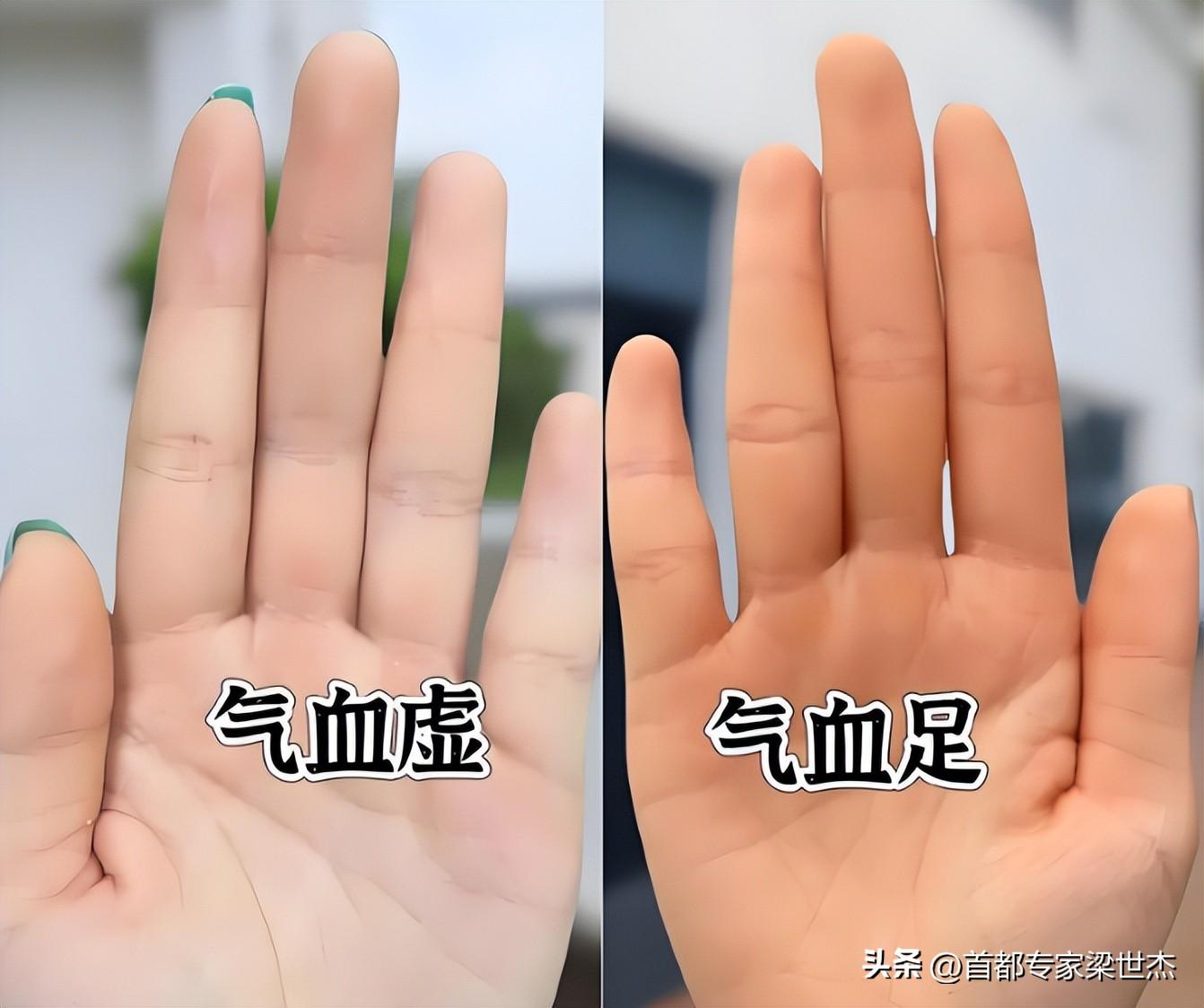
舉個例子來說,一位氣血兩虛的患者,面色蒼白,乏力懶言,心悸失眠。醫生給予補益氣血的方劑,如八珍湯等。然而,如果患者在服藥的同時,飲食過於油膩,或者情緒不暢,導致脾胃運化失常,氣血運行受阻,那麼補益之物就無法順暢地流通於全身。這時,患者可能會出現腹脹、便祕等症狀,甚至原本的氣血兩虛症狀也可能加重。
因此,在補氣血的同時,必須注重氣血的通暢。可以通過調理脾胃、疏肝理氣等方法,促進氣血的運行。同時,患者在日常生活中也要注意飲食調養和情緒調節,避免影響氣血的通暢。
統計數據也支持了這一觀點。在現代醫學研究中,發現許多慢性疾病都與氣血瘀滯有關。如心腦血管疾病、腫瘤等,這些疾病的發生發展與氣血瘀滯密切相關。而通過中醫的調理方法,如鍼灸、拔罐、推拿等,可以促進氣血的流通,改善疾病的症狀和預後。
總之,“補而不滯,通則爲貴”是中醫養生和治療的重要原則。在補氣血的同時,必須注重氣血的通暢,才能保證補益之物能夠順暢地流通於全身,發揮其應有的作用。而“凡病宜通”的治療學思想,更是爲這一原則提供了理論支持和實踐指導。讓我們在中醫的指引下,追求補氣血的最高境界,享受健康美好的生活。
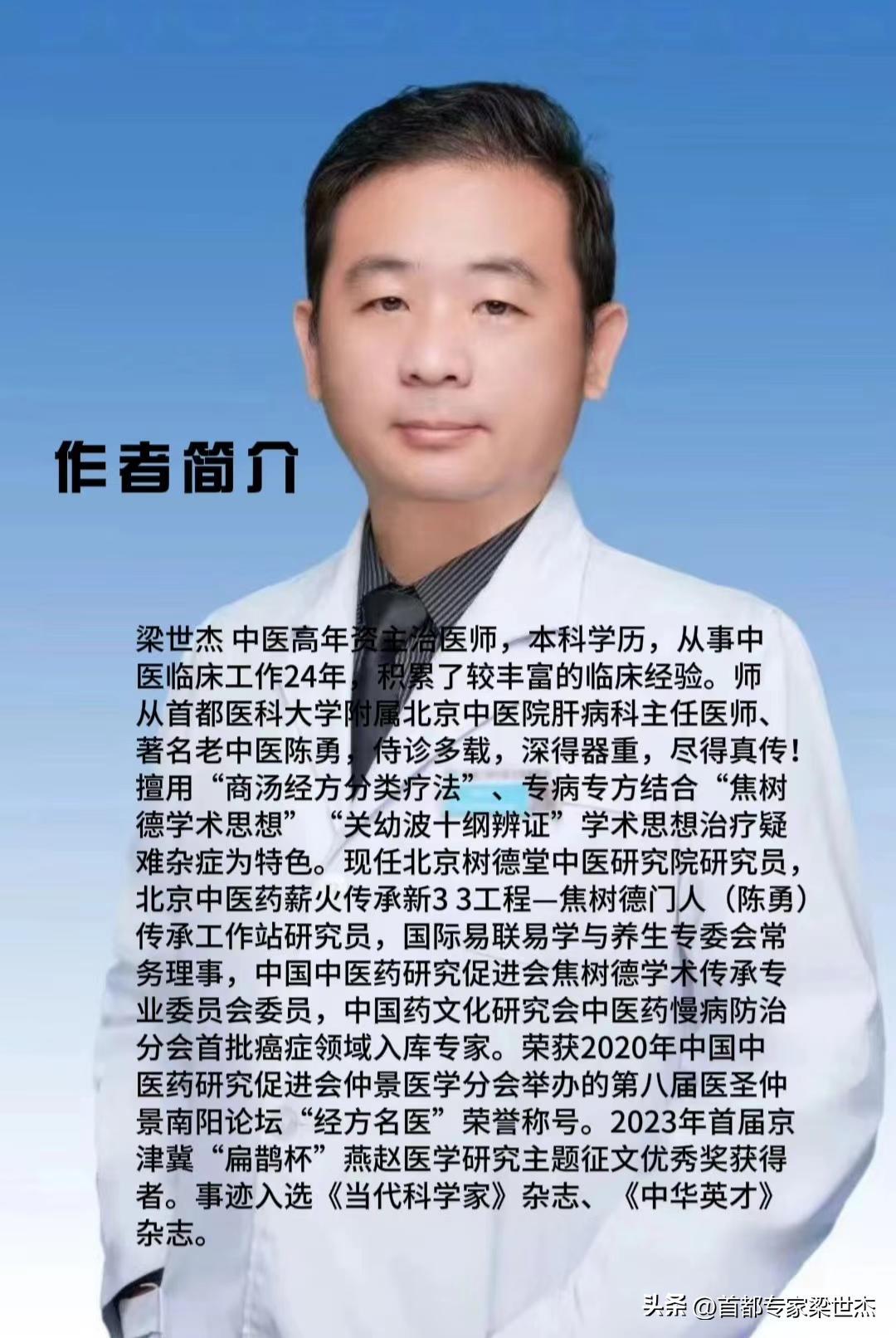
作者簡介:梁世傑 中醫高年資主治醫師,本科學歷,從事中醫臨牀工作24年,積累了較豐富的臨牀經驗。師從首都醫科大學附屬北京中醫院肝病科主任醫師、著名老中醫陳勇,侍診多載,深得器重,盡得真傳!擅用“商湯經方分類療法”、專病專方結合“焦樹德學術思想”“關幼波十綱辨證”學術思想治療疑難雜症爲特色。現任北京樹德堂中醫研究院研究員,北京中醫藥薪火傳承新3+3工程—焦樹德門人(陳勇)傳承工作站研究員,國際易聯易學與養生專委會常務理事,中國中醫藥研究促進會焦樹德學術傳承專業委員會委員,中國藥文化研究會中醫藥慢病防治分會首批癌症領域入庫專家。榮獲2020年中國中醫藥研究促進會仲景醫學分會舉辦的第八屆醫聖仲景南陽論壇“經方名醫”榮譽稱號。2023年首屆京津冀“扁鵲杯”燕趙醫學研究主題徵文優秀獎獲得者。事蹟入選《當代科學家》雜誌、《中華英才》雜誌。
Liang Shijie: The highest level of rehydration - rehydration, not stagnation, is always valuable
In the vast theory of Chinese medicine, qi and blood are regarded as the source of human life and the basis for maintaining life activities. Only the normal circulation of air and blood fluid, if there is no cause, can internally irrigate the internal organs and externally lubricate the muscles for continual life. As the Book of the Chakra says, "Those who have the meridians will live and die, and will be sick all over the world, and will not be unable to reconcile them." This sentence profoundly reveals the important position of "tong" in human physiological pathology.
From the anatomy and physiology of human body, the regulation center of vital activity is nervous system, the transport line of vital activity is blood circulation, the ubiquitous blood supply and exchange system is microcirculation, the nutrition supply and transport depend on digestive system, the perfect gas channel is upper and lower respiratory tract. These systems are coordinated with each other to maintain the life activities of the human body. The coordination and operation of all this is indispensable for the smooth flow of blood.
The Spirit of the Evil states: "Fill the deficiencies, drain the excesses, and reconcile the truth so as to understand the way and remove the evil." This is not only the basic principle of treating diseases, but also the core idea of traditional Chinese medicine. In the Huangdi Yin scripture, moreover, proposed the treatment of "five depressives": "Wood depressed, fire depressed, earth depressed, gold depressed, water depressed." To summarize the substance of these five types of regulation, there is no other word "general." Zhang Cong is "Rumen Shi Qin," it is clear that: "Nei Jing" a book, but the circulation of blood for your.
Ye Tianshi, the famous medical practitioner of the Qing Dynasty, based on the inheritance and development of the Huangdi Inner Teachings and the ideas of Zhang Zhongjing, proposed the therapeutic idea that "all diseases should be treated." He pointed out, "All diseases of the meridians and chakras are always based on dissecting them." Applying "all diseases should be treated" as the general principle for treating diseases. The formulation of this idea is not only to deepen and develop traditional Chinese medicine theory, but also to guide clinical practice.
In The True History of Medicine, Gao Shizong states:“It is reasonable that a common approach is not painful, but the common approach is different. To reconcile the breath with the blood, and to reconcile blood with the breath, is all. Those who fall against him cause him to go forward, and those who succeed in him enable him to do so; The empty man helps, and the cold man warms, and it is no other way of getting things done. To reveal the following is false.” This passage reveals profoundly the diversity and flexibility of the commons. All eight methods of sweating, swallowing, lowering, and warming, clearing, suppressing, and remediating are "general methods," as the "Medical Understanding" says: "In one method, eight methods are available; Among the eight laws, there are a hundred laws.”
In clinical practice, "rehydration without stagnation" is the highest level of rehydration. Supplementation is to supplement the body''s aspiration fluid; Instead of stagnation, it is necessary to ensure that these beneficial substances can flow smoothly throughout the body to perform their proper functions. If the beneficial substance stays somewhere, it not only fails to perform its proper function, but may also cause localized haemorrhoea and trigger new diseases.
For example, a patient with hypoxia was pale, tired and speechless, with heart palpitations and insomnia. The doctor gives prescriptions to help the blood supply, such as the eight miracle soup. However, if the patient takes the medication, the diet is too greasy, or the mood is unwell, causing the spleen and stomach to become dysfunctional and the air and blood to become blocked, then the benefits cannot flow smoothly throughout the body. At this time, the patient may experience symptoms such as bloating and constipation, and even the original hypoxia symptom may be aggravated.
Therefore, while replenishing the blood, we must pay attention to the smooth flow of the blood. It is possible to promote the operation of qi and blood through such methods as adjusting the spleen and stomach, liver and qi. At the same time, patients should also pay attention to diet and mood regulation in daily life to avoid affecting the flow of blood and air.
Statistics also support this view. In modern medical research, many chronic diseases have been found to be related to sphincteremia. For example, cardiovascular and cerebrovascular diseases, tumors, etc., the development of these diseases is closely related to haemorrhosis. Through Chinese medicine''s conditioning methods, such as acupuncture, pulling cans, and pushing, it can promote the circulation of qi and blood and improve the symptoms and prognosis of disease.
In conclusion, "Supplication does not stagnate, and generally is valuable" is an important principle of traditional Chinese medicine for healing and treatment. At the same time as replenishing the qi and blood, we must pay attention to the smooth flow of qi and blood in order to ensure that the beneficial substances can flow smoothly throughout the body and play their due role. The therapeutic thought of "all diseases should be treated" provides theoretical support and practical guidance for this principle. Let us, under the guidance of traditional Chinese medicine, pursue the highest level of qi and blood, and enjoy a healthy and beautiful life.
Author Bio: Liang Shijie is a senior medical practitioner in traditional Chinese medicine with an undergraduate degree. He has been engaged in traditional medicine clinical work for 24 years and has accumulated a wealth of clinical experience. Following Chen Yong, chief physician of liver disease at Beijing Traditional Medicine Hospital, affiliated with Capital Medical University, and renowned old Chinese medicine, he has been treated for many years and received great attention. He specializes in the treatment of difficult diseases using "conversational traditional therapy" and special treatments combined with the academic ideas of Jiao Shude and Guan Yubo''s ten-level diagnosis.He is currently a researcher at the Shude Tang TCM Research Institute in Beijing, a fellow at the new 3 + 3 project of traditional Chinese medicine flame inheritance in Beijing - a scholar at the inheritance workstation of Jiao Shude''s protégés (Chen Yong),He is a standing committee member of the International Expert Committee on E-learning and Health Care, a member of the Jiao Shude Academic Heritage Special Committee of the Chinese Association for the Advancement of Chinese Medicine Research, and the first cancer specialist to be included in the chapter of the Chinese Pharmaceutical Culture Research Association. Won the 2020 China Association for the Promotion of Traditional Chinese Medicine Zhongjing Medical Branch held the eighth session of the Medical Saint Zhongjing Nanyang Forum "Classic Prescription Famous Doctor" honorary title. The winner of the first Beijing-Tianjin-Hebei "Pingui Cup" Yanzhao Medical Research Essay Award in 2023. His work was featured in the journal Current Scientist and the journal Chinese Talent.