中醫鬥士:全方位的生命守護之戰
摘要:中醫,作爲中華民族傳統文化的瑰寶,不僅是一門醫學科學,更是一種哲學思想和生活態度的體現。在中醫的視野中,人與天地萬物息息相關,防病治病的過程就是一場與天鬥、與地鬥、與人鬥、與神鬥、與鬼鬥、與病斗的全方位生命守護之戰。本文將從這六個方面深入探討中醫的防病治病理念,結合統計數據、經典引述和實例分析,展現中醫鬥士的堅韌智慧與博大精深。
關鍵詞:中醫防病治病;天人合一;七情六慾;精氣神
一、與天鬥:順應天時,調和五運六氣
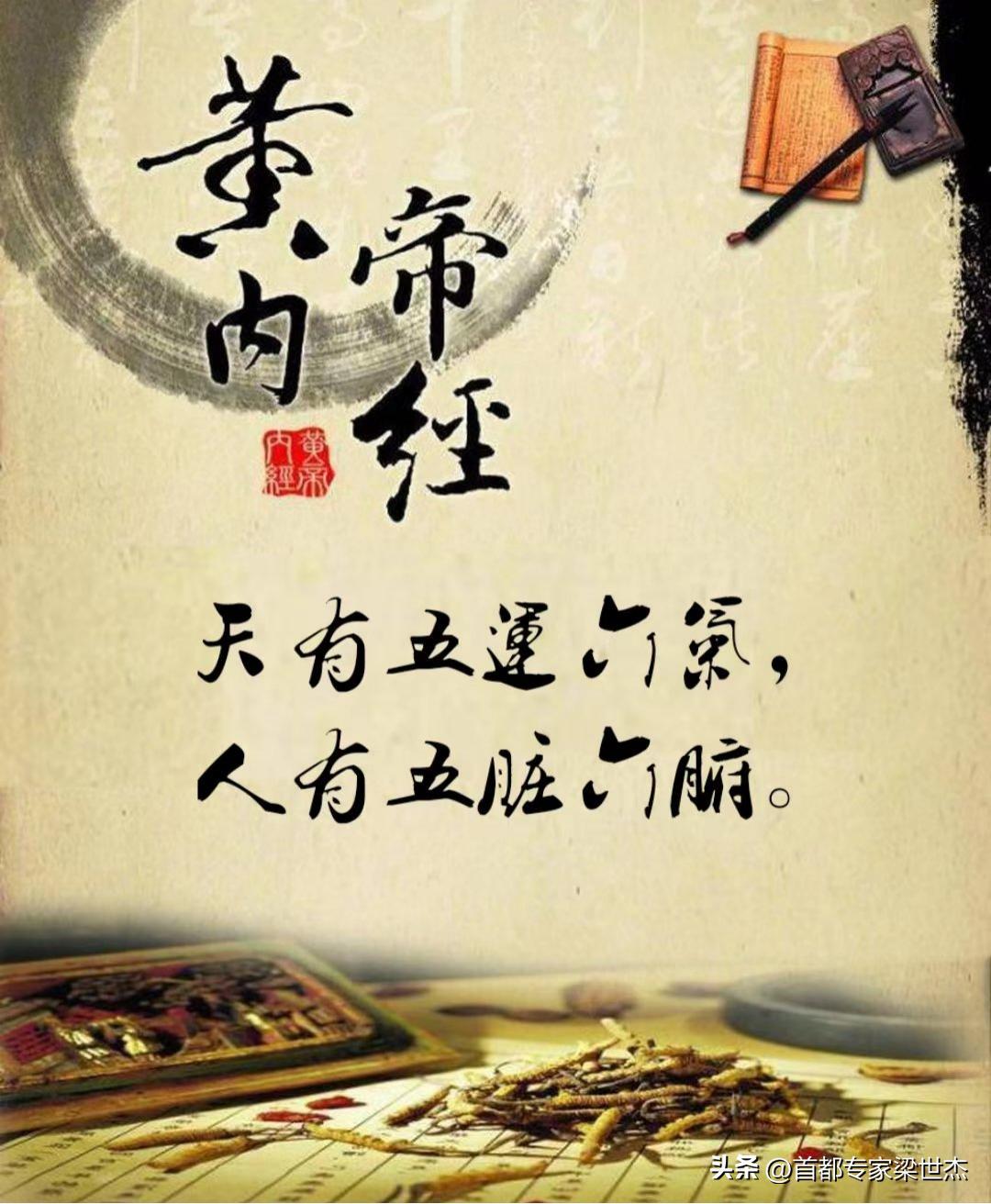
天有日月星,人有精氣神。中醫理論認爲,人體與自然界存在着密切的聯繫,天地的變化直接影響着人體的生理病理。《黃帝內經》雲:“天有五運六氣,人有五臟六腑。”五運即木、火、土、金、水五行之氣的運行,六氣即風、寒、暑、溼、燥、火六種氣候的變化。這些自然因素對人體健康產生着深遠的影響。
據統計,季節性疾病的發生率與五運六氣的變化密切相關。如春季多風,易發風疹、過敏性疾病;夏季炎熱,易中暑、熱射病等。中醫防病治病,首先要順應天時,根據季節變化調整飲食起居,如春季養肝、夏季養心、秋季養肺、冬季養腎,以達到天人合一的境界。
實例分析:某年春季,某地區風疹疫情爆發,中醫通過辨證施治,採用疏風解表、清熱解毒的方劑,結合鍼灸、拔罐等外治法,有效控制了疫情蔓延。這充分體現了中醫與天鬥,順應天時,調和五運六氣的智慧。
二、與地鬥:因地制宜,調和人體八卦
地有九宮八風,人有人體八卦。中醫認爲,地理環境對人體健康同樣有着重要影響。如北方寒冷乾燥,人體易受寒邪侵襲;南方溼熱多雨,人體易患溼熱病。此外,地形的高低、水土的性質等也會影響人體的體質和疾病的發生。
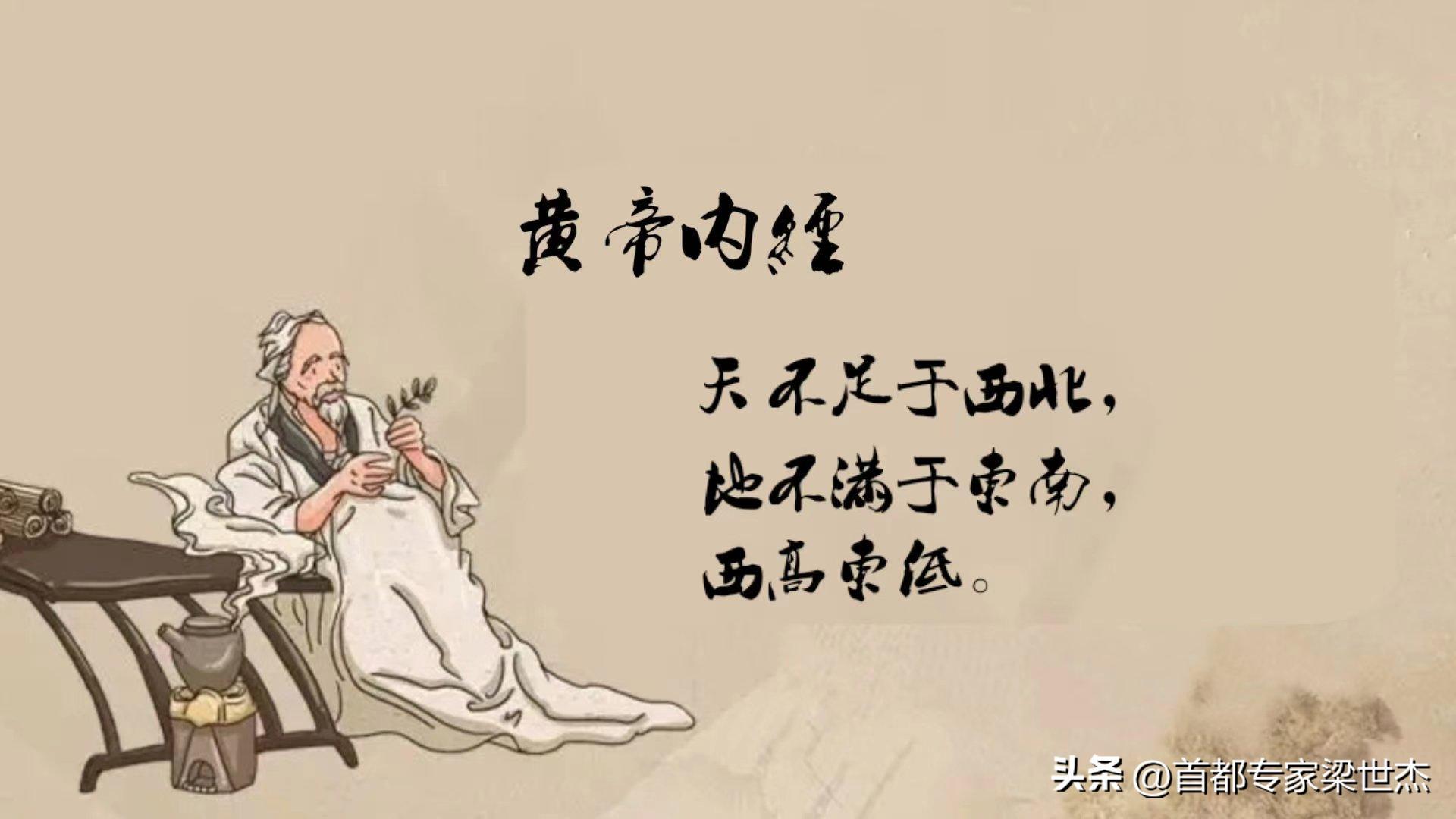
《黃帝內經》雲:“天不足於西北,地不滿於東南,西高東低。”這反映了地理環境對人體氣血盈虧的影響。中醫防病治病,需因地制宜,根據不同地區的地理環境特點,採取相應的防治措施。
實例分析:某地區位於山區,氣候溼冷,居民易患關節炎、風溼病等。中醫通過辨證施治,採用溫經散寒、祛溼止痛的方劑,結合艾灸、拔罐等外治法,有效緩解了患者的症狀。這體現了中醫與地鬥,因地制宜,調和人體八卦的精髓。
三、與人鬥:改變自我,戰勝七情六慾
人有七情六慾,得病多有喜怒憂思。中醫認爲,情志因素是導致疾病發生的重要原因之一。七情即喜、怒、憂、思、悲、恐、驚七種情志變化,六慾即色、聲、香、味、觸、法六種感官慾望。情志過激或壓抑,都會導致人體氣血紊亂,臟腑功能失調,從而引發疾病。
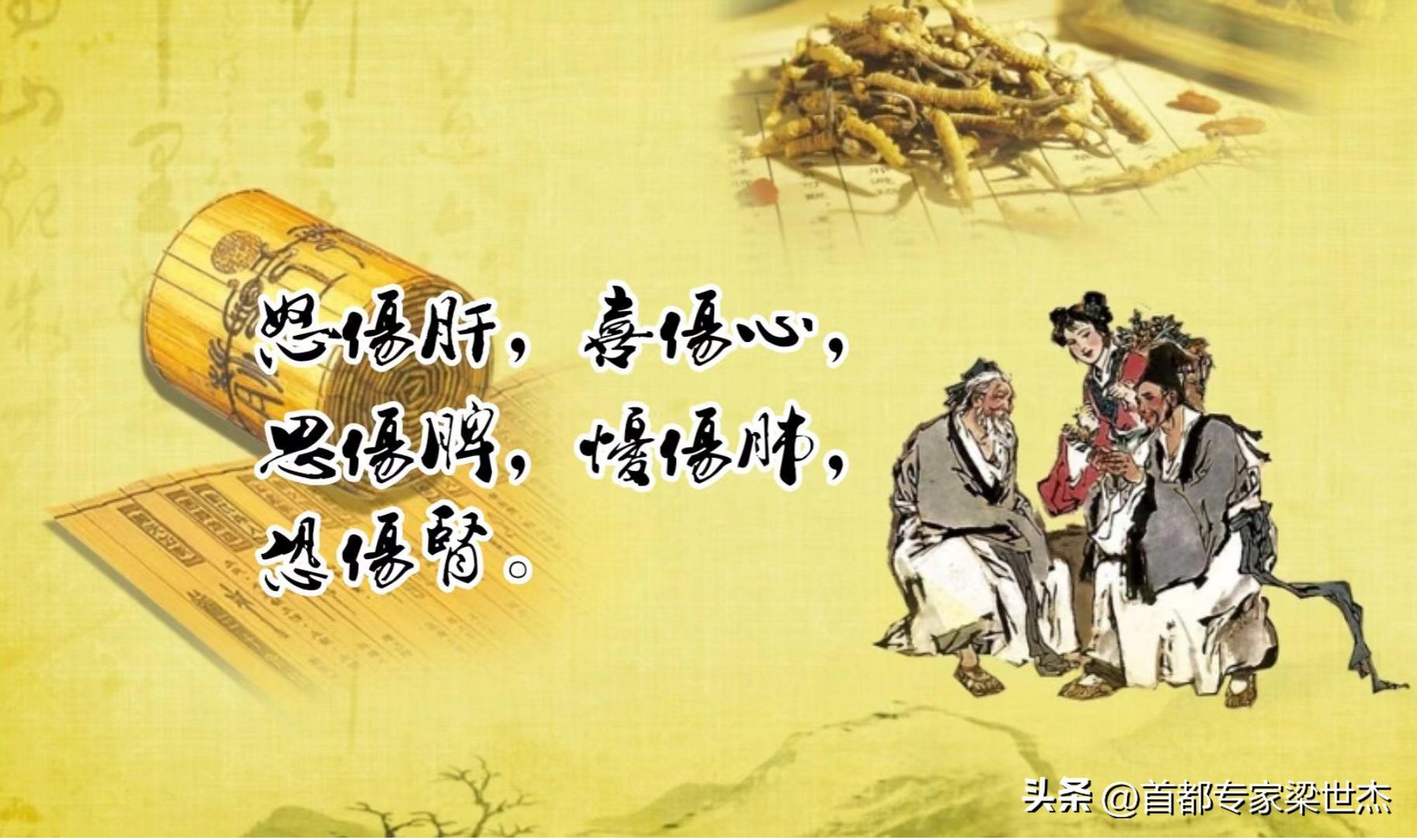
《黃帝內經》雲:“怒傷肝,喜傷心,思傷脾,憂傷肺,恐傷腎。”這揭示了情志因素與臟腑健康的密切關係。中醫防病治病,需與人鬥,改變自我,戰勝七情六慾的束縛。通過調節情志,保持心態平和,可以達到防病治病的目的。
實例分析:某患者因工作壓力大,長期焦慮不安,導致失眠、頭痛等症狀。中醫通過辨證施治,採用疏肝解鬱、安神定志的方劑,結合心理疏導、鍼灸等療法,有效緩解了患者的症狀。這體現了中醫與人鬥,改變自我,戰勝七情六慾的智慧。
四、與神鬥:保養精神,守護三寶精氣神
“得神者昌,失神者亡。”中醫理論認爲,人有三寶精氣神,其中神是主宰人體生命活動的關鍵。神魂魄意志,缺一不可。神主宰着人體的精神意識活動,魄主宰着人體的本能反應,魂主宰着人體的情感思維活動,意主宰着人體的意志行爲,志則主宰着人體的目標追求。
中醫防病治病,需與神鬥,保養精神,使身體精神飽滿,精力充沛。通過調節作息、飲食、情志等方面,可以達到養神的目的。如保持充足的睡眠、合理的飲食、愉悅的心情等,都是養神的重要方法。
實例分析:某患者因長期熬夜工作,導致精神萎靡、記憶力減退等症狀。中醫通過辨證施治,採用益氣養神、安神定志的方劑,結合鍼灸、推拿等療法,有效改善了患者的精神狀態。這體現了中醫與神鬥,保養精神,守護三寶精氣神的智慧。
五、與鬼鬥:驅邪避祟,調和三魂七魄
人有三魂七魄,則神志清醒,五臟功能正常協調。失其一魄,則神志不清,夢想顛倒,行爲怪誕,情感障礙,幻聽幻視,夜不能寐。中醫認爲,鬼邪之氣是導致某些精神疾病的重要原因之一。這些鬼邪之氣可能來源於外界環境的干擾,也可能來源於人體內部的病理變化。
中醫防病治病,需與鬼鬥,驅邪避祟,調和三魂七魄。通過鍼灸、拔罐、艾灸等外治法,以及祝由、祈福等精神療法(注:現代中醫主要以前者爲主,後者屬於封建迷信範疇,但在此爲全面闡述中醫歷史觀念而提及),可以達到驅邪避祟的目的。同時,調節情志、保持心態平和也是預防鬼邪之氣侵襲的重要方法。
實例分析:某患者因突受驚嚇,導致神志不清、夜不能寐等症狀。中醫通過辨證施治,採用安神定志、驅邪避祟的方劑,結合鍼灸、拔罐等外治法,有效緩解了患者的症狀。這體現了中醫與鬼鬥,驅邪避祟,調和三魂七魄的智慧。
(注:在現代醫學體系中,對於所謂“鬼邪之氣”導致的疾病,更傾向於從心理學、精神神經學等角度進行解釋和治療。中醫在發展過程中也應與時俱進,科學看待和處理這類問題。)
六、與病鬥:辨證施治,戰勝疾病百端
病來如山倒,病去如抽絲。中醫理論認爲,疾病的發生發展是一個複雜的過程,涉及外感六淫、內傷七情、飲食勞倦等多個方面。痰生百病食生災,七經八脈、經絡之間,皮肉筋脈骨、五臟六腑,皆是疾病所出所歸之處。
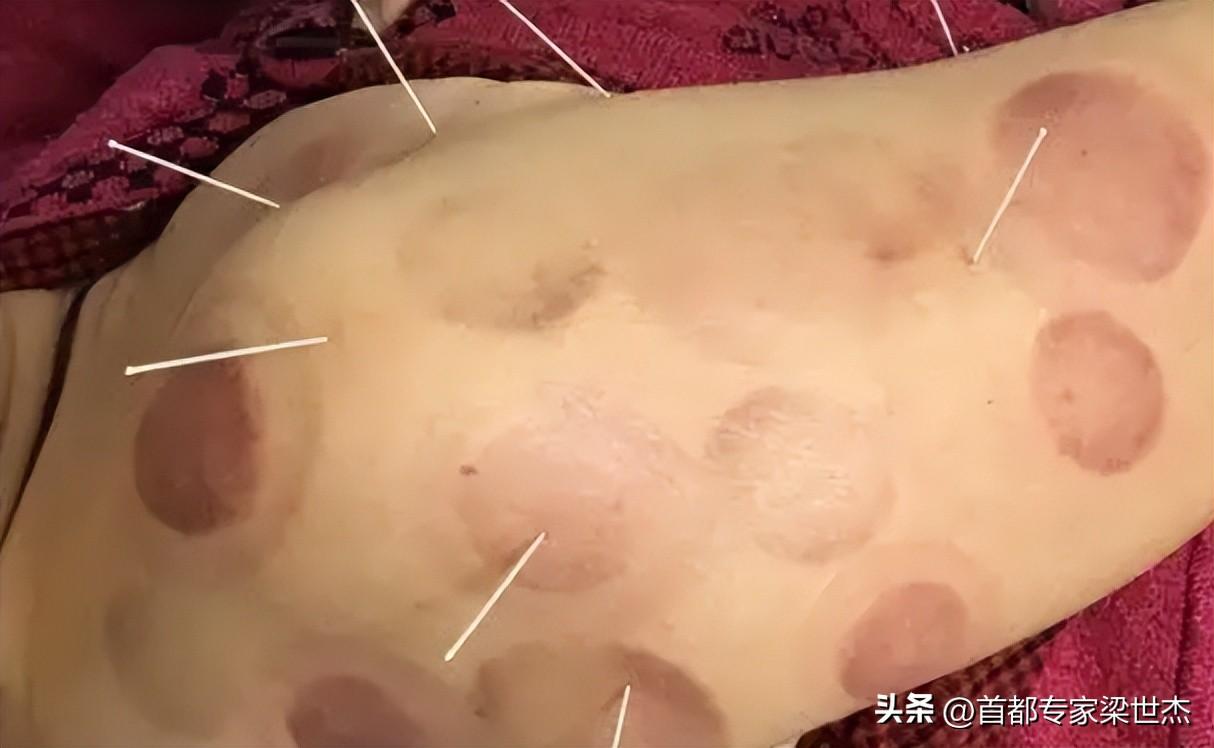
中醫防病治病,需與病鬥,辨證施治,戰勝疾病百端。通過望聞問切四診合參,瞭解患者的病情變化,根據病因病機採取相應的治療措施。如外感風寒者採用辛溫解表法,內傷溼熱者採用清熱利溼法,痰火瘀血者採用化痰活血法等。
實例分析:某患者因長期飲食不節,導致脾胃溼熱,出現腹脹、腹瀉等症狀。中醫通過辨證施治,採用清熱利溼、健脾和胃的方劑,結合鍼灸、推拿等療法,有效緩解了患者的症狀。這體現了中醫與病鬥,辨證施治,戰勝疾病百端的智慧。
此外,中醫還強調預防爲主的思想。如《黃帝內經》雲:“上醫治未病,中醫治欲病,下醫治已病。”這揭示了中醫防病治病的重要原則。通過調節飲食起居、情志等方面,可以達到預防疾病的目的。如保持合理的飲食結構、適度的運動量、愉悅的心情等,都是預防疾病的重要方法。
據統計,中醫在預防和治療慢性病方面具有顯著優勢。如中醫在治療糖尿病、高血壓、冠心病等慢性病方面,通過辨證施治、整體調理的方法,有效緩解了患者的症狀,提高了患者的生活質量。這充分證明了中醫與病鬥,辨證施治,戰勝疾病百端的實力和價值。
七、結論
中醫鬥士,與天鬥、與地鬥、與人鬥、與神鬥、與鬼鬥、與病鬥,全方位守護着人類的生命健康。中醫防病治病的理念和方法,充分體現了中華民族傳統文化的智慧和博大精深。在現代醫學體系中,中醫應與時俱進,科學發展和創新,爲人類健康事業做出更大的貢獻。
首先,中醫應加強與現代醫學的結合。通過現代科學技術手段,深入研究中醫的理論和實踐,揭示中醫的科學內涵和機制。同時,中醫應借鑑現代醫學的先進理念和技術,提高自身的診療水平和效果。
其次,中醫應加強對人才的培養和傳承。通過建立健全中醫教育體系,培養更多具有中醫思維和技能的人才。同時,加強對中醫經典著作的研究和傳承,使中醫的寶貴經驗和智慧得以延續和發揚。
最後,中醫應加強對社會的普及和推廣。通過開展中醫健康講座、義診等活動,提高公衆對中醫的認知和信任度。同時,加強對中醫文化的宣傳和推廣,使中醫成爲人類健康事業的重要組成部分。
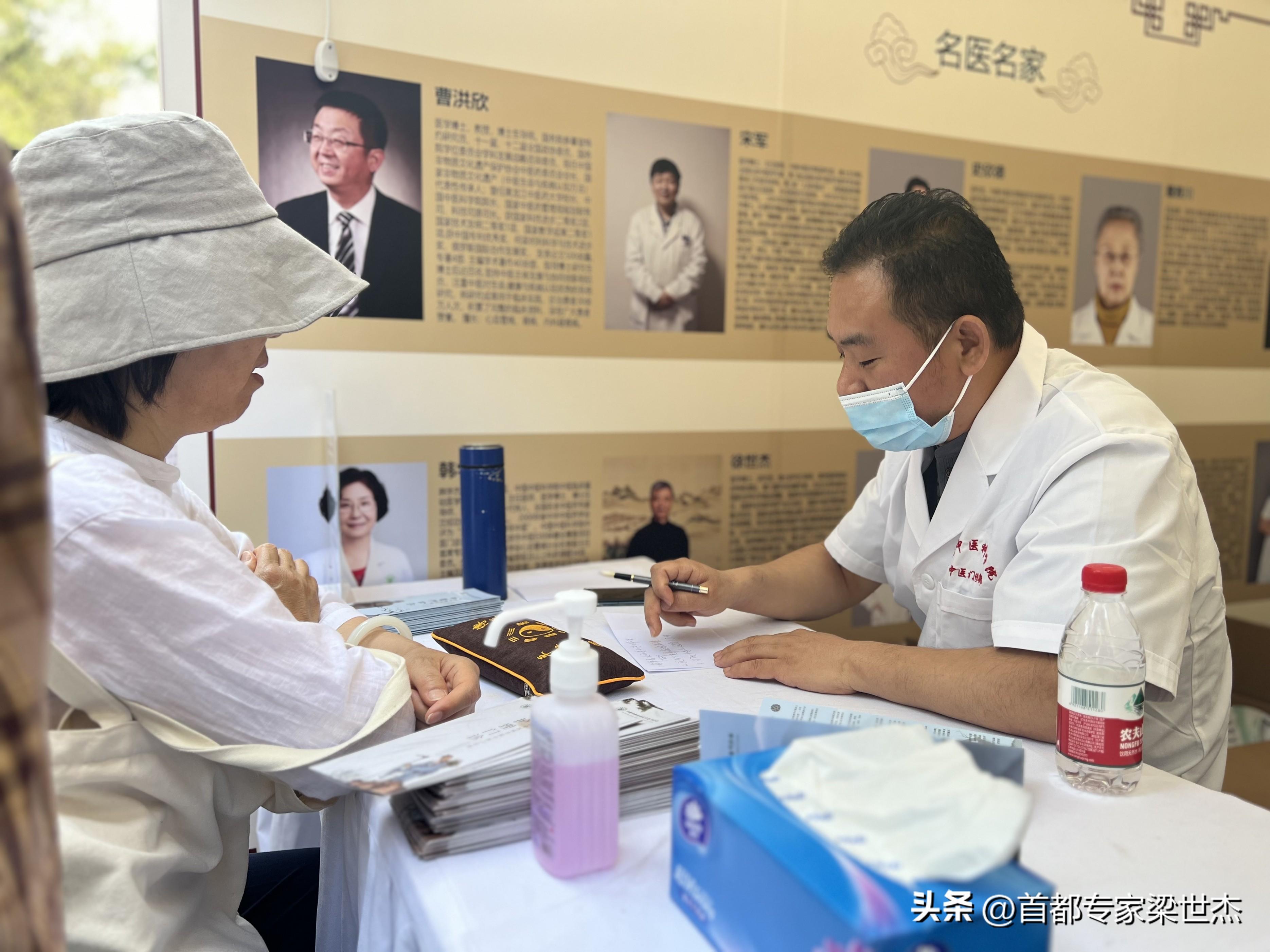
總之,中醫鬥士以堅韌的智慧和博大的胸懷,守護着人類的生命健康。在未來的發展中,中醫應繼續發揚光大其獨特優勢和價值,爲人類健康事業做出更大的貢獻。讓我們攜手共進,共同迎接中醫的美好未來!
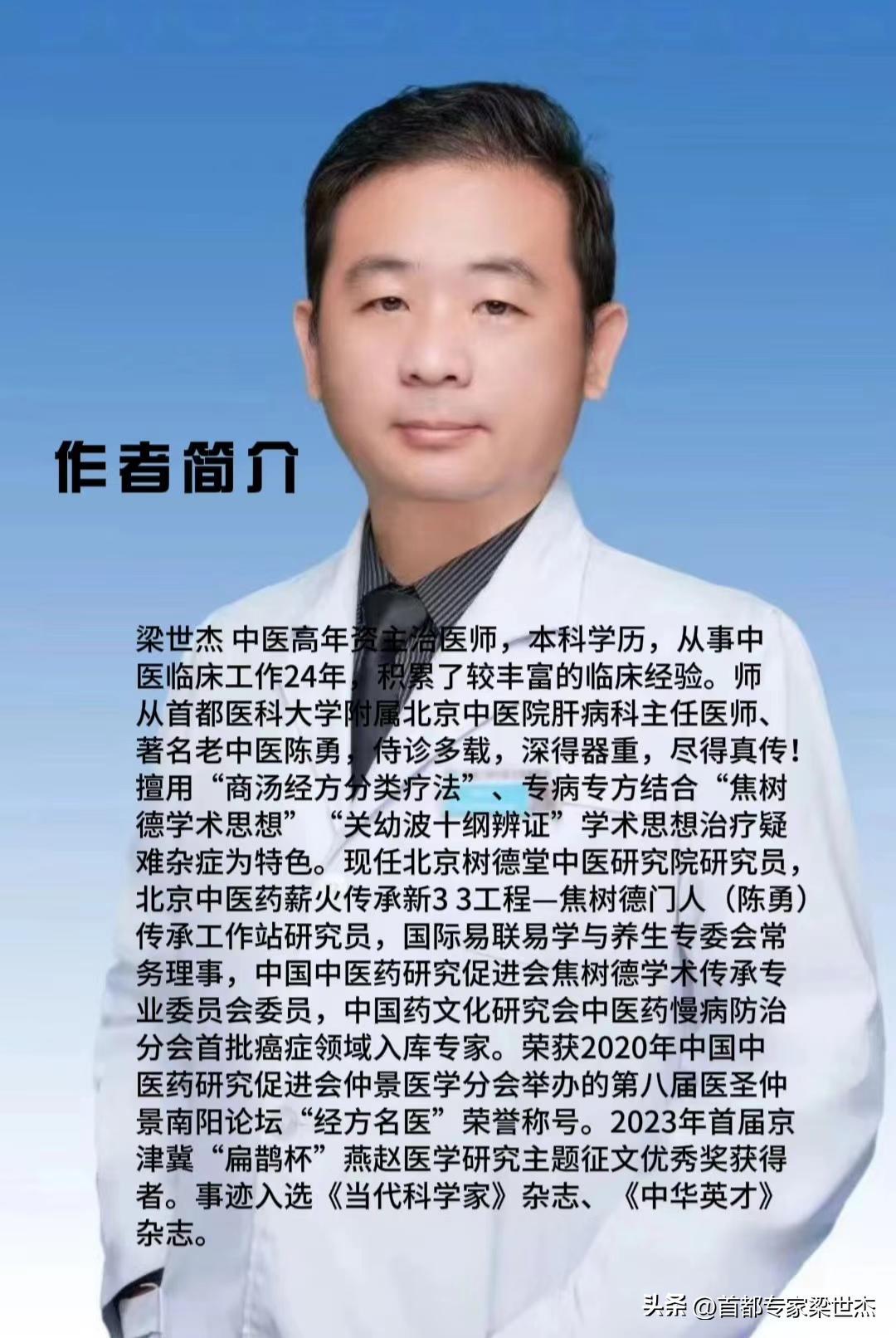
作者簡介:梁世傑 中醫高年資主治醫師,本科學歷,從事中醫臨牀工作24年,積累了較豐富的臨牀經驗。師從首都醫科大學附屬北京中醫院肝病科主任醫師、著名老中醫陳勇,侍診多載,深得器重,盡得真傳!擅用“商湯經方分類療法”、專病專方結合“焦樹德學術思想”“關幼波十綱辨證”學術思想治療疑難雜症爲特色。現任北京樹德堂中醫研究院研究員,北京中醫藥薪火傳承新3+3工程—焦樹德門人(陳勇)傳承工作站研究員,國際易聯易學與養生專委會常務理事,中國中醫藥研究促進會焦樹德學術傳承專業委員會委員,中國藥文化研究會中醫藥慢病防治分會首批癌症領域入庫專家。榮獲2020年中國中醫藥研究促進會仲景醫學分會舉辦的第八屆醫聖仲景南陽論壇“經方名醫”榮譽稱號。2023年首屆京津冀“扁鵲杯”燕趙醫學研究主題徵文優秀獎獲得者。事蹟入選《當代科學家》雜誌、《中華英才》雜誌。
TCM fighters: a full-scale battle to protect life
Abstract: Traditional Chinese Medicine (TCM), as the treasure of Chinese traditional culture, is not only a medical science, but also a reflection of philosophy and life attitude. In the view of traditional Chinese medicine, man and the earth and everything are closely related, and the process of preventing and treating diseases is a full-fledged battle against the sky, the earth, man, the gods, the ghost, and the disease. This article will explore in depth the concept of prevention and treatment of diseases in traditional Chinese medicine in these six areas, combining statistical data, classical quotes and examples to show the tenacity and depth of traditional Chinese fighters.
Keywords: prevention and treatment of diseases in Chinese medicine; Heaven and man are one; There are seven passions and six passions; The Spirit God
I. Fighting with the heavens: When obeying the heaven, reconcile five luck and six luck.
There are suns, moons, stars, and spirits in the sky. TCM theory holds that the human body is closely related to the natural world, and changes in the heavens and the earth directly affect the physiology of the human body. The Book of Huangdi says, "There are five types of fortune and six types of good fortune in heaven, and there are five inner and sixth types of man." The five zodiac is the movement of the five branches of the atmospheres of wood, fire, earth, gold, and water, and the six zodiac is climate change of wind, cold, heat, wet, dry, and fire. These natural factors have a profound impact on human health.
According to statistics, the incidence of seasonal diseases is closely related to changes in luck and luck. For example, the spring is windy and prone to rubella and allergic diseases; Summer is hot, and it is prone to heat stroke, heat exposure, etc. In traditional Chinese medicine to prevent and cure diseases, the first step is to conform to the heavenly times and adjust diet and living according to the changes of the seasons, such as maintaining the liver in spring, maintaining your heart in summer, maintain your lungs in autumn, and maintaining kidneys in winter, so as to achieve the unity of nature and man.
Case Study: In one spring, there was an outbreak of rubella in a certain region. Traditional Chinese Medicine (TCM) effectively prevented the outbreak of rubella by treating the disease according to differentiation of symptoms and signs, dispelling pathogenic wind and relieving superficies, clearing heat and removing toxicity, combined with acupuncture, cupping and other external therapies. This fully reflects the wisdom of traditional Chinese medicine to strive with the heavens, to conform to the heavenly times, and to reconcile five good fortune and six good fortune.
II. Fighting with the earth: adapting to the needs of the earth to reconcile human gossip
There are nine heavens and eight winds in the earth, and people have human gossip. TCM believes that geographical environment also has an important influence on human health. If the north is cold and dry, the human body is vulnerable to cold and evil. In the south, it is hot and humid, and the human body is prone to wet fever. In addition, the high and low terrain, the nature of water and soil, etc. will also affect the body''s physical condition and the occurrence of diseases.
The Inner Book of Huangdi states: "The sky is not enough for the northwest, the earth is not sufficient for the southeast, the west is high and the east is low." This reflects the influence of geography on human blood and cholesterol levels. In prevention and treatment of diseases, traditional Chinese medicine needs to be tailored to the local conditions, and according to the geographical and environmental characteristics of different regions, it is necessary to adopt corresponding preventive and curative measures.
Example analysis: An area is located in a mountainous area with a humid and cold climate, and the inhabitants are prone to arthritis and rheumatism. Through dialectical treatment, traditional Chinese medicine uses prescriptions for cold soothing, damp relief and pain, combined with acupuncture and canning, which effectively alleviates the symptoms of the patient. This reflects the essence of traditional Chinese medicine and the earth, adapting to the needs of the earth and reconciling human gossip.
III. Fighting with others: changing myself and defeating seven passions
People have all kinds of passions, and when they are sick, they have a lot of happiness, a lot a lot more thoughts. According to traditional Chinese medicine, emotional factors are one of the important causes of disease. The seven passions are joy, anger, worry, thought, sadness, fear and surprise, and the six passions are color, sound, fragrance, taste, touch and sensation. Excessive or depressed emotions will cause a disturbance of the body''s qi and blood and an imbalance of the internal organs, which can lead to diseases.
The Huangdi Yin scripture states: "Wrath hurts the liver, joy hurts the heart, thoughts hurt the spleen, sadness hurts the lungs, and fear hurts the kidney." This reveals a close relationship between emotional factors and visceral health. In traditional Chinese medicine to prevent and cure diseases, we need to fight with others, change ourselves, and overcome the bondage of seven passions. By regulating mood and maintaining peace of mind, we can achieve the goal of preventing and treating diseases.
Example analysis: A patient was stressed at work and had long-term anxiety, which led to symptoms such as insomnia and headaches. Through dialectical treatment, traditional Chinese medicine uses prescriptions for liver relief, depression and tranquilization, combined with psychological counseling and acupuncture, which effectively alleviates the symptoms of the patient. This embodies the wisdom of traditional Chinese medicine to fight with others, change oneself, and overcome seven passions and six desires.
IV. Fighting with the gods: maintaining the spirit and guarding the three treasures of spirit
"The one who gains God is blessed, and the one who loses God dies." According to Chinese medicine theory, people have three treasures of spirit and spirit, of which the spirit is the key to man''s life activities. God''s soul and soul will are indispensable. God dominates the human body''s mental consciousness activities, the soul dominates the body''s instinctive reactions, the spirit dominates the person''s emotional thinking activities, the will dominates the people''s will behavior, and the will dominate the people''''s goal pursuit.
In traditional Chinese medicine, prevention and treatment of diseases requires combating the spirit and maintaining the spirit so that the body is full of spirit and energy. By adjusting your routine, diet, mood, etc., you can achieve the purpose of healing your spirits. Maintaining adequate sleep, eating a proper diet, and having a pleasant mood are all important ways to cultivate the mind.
Example analysis: A patient stayed up late at work for a long time, resulting in symptoms such as mental atrophy and memory loss. Through dialectical treatment, traditional Chinese medicine uses prescriptions that promote qi, strengthen the spirit, calm the spirit and stabilize the spirit, combined with acupuncture, massage and other therapies, effectively improving the mental state of the patient. This reflects the wisdom of traditional Chinese medicine to fight with the gods, maintain the spirit, and protect the three treasures of spirit and spirit.
V. Fighting with Ghosts: Remove the evil spirits and reconcile the three souls and seven spirits
When a person has three souls and seven souls, the mind is clear and the functions of the five organs are normally coordinated. If you lose your mind, you lose clarity, your dreams are turned upside down, your behavior is grotesque, your emotions are impaired, you can''t hear or see, and you can''d not sleep at night. According to traditional Chinese medicine, ghost spirit is one of the important causes of certain mental illnesses. These evil spirits may be derived from external environmental disturbances or from pathological changes within the human body.
In traditional Chinese medicine, prevention and treatment of diseases requires combating ghosts, avoiding evil spirits, and reconciling the three spirits and seven spirits. The purpose of exorcising evil and avoiding evil can be achieved through acupuncture, canning, and spiritual therapies such as prayer and blessing (note: modern Chinese medicine is mainly former, and the latter is a category of feudal superstition, but is mentioned here to fully explain the historical concept of Chinese medicine). At the same time, adjusting mood and maintaining peace of mind are also important ways to prevent evil spirits from invading.
Example analysis: A patient was suddenly scared, which led to symptoms such as unconsciousness and inability to sleep at night. Through dialectical treatment, traditional Chinese medicine uses prescriptions for calming the mind, exorcising evil and avoiding evil, combined with acupuncture and canning, which effectively alleviates the symptoms of the patient. This reflects the wisdom of traditional Chinese medicine to fight with ghosts, to drive away evil spirits and avoid evil spirit, and to reconcile the three souls and seven spirits.
(Note: In the modern medical system, diseases caused by so-called "ghost spirits" are more likely to be explained and treated from psychology and psychoneuroscience.) In the process of development, traditional Chinese medicine should also evolve with the times and view and deal with such issues scientifically.)
VI. Fighting the disease: Diagnosis and treatment to overcome all diseases
Sickness comes as a fall, and sickness goes as a sweep of silk. According to traditional Chinese medicine, the occurrence and development of diseases is a complex process involving multiple aspects such as external feelings, internal injuries, and eating tiredness. Plaque causes a hundred diseases and food and diseases, and the seven meridians and eight meridians, the skin, the muscles, the bones, and the insides of the five hearts and minds are the places where the disease comes from.
In traditional Chinese medicine, prevention and treatment of diseases requires combating the diseases, diagnosing and treating them, so as to defeat all diseases. Through observation and questioning, we can understand the changes in the patient''s condition and take corresponding treatment measures according to the cause and mechanism of the disease. For example, the method of relieving superficies by hot and warm for exogenous wind-cold, the method of clearing heat and promoting diuresis for internal damp-heat, and the method of resolving phlegm and promoting blood circulation for phlegm-heat stasis are adopted.
Example analysis: A patient suffered from a long-term imbalanced diet, which caused stomach and stomach to become hot and wet, and developed bloating and diarrhea. Traditional Chinese Medicine (TCM) has been used for clearing heat and promoting diuresis, invigorating the spleen and harmonizing the stomach, combined with acupuncture and massage. This embodies the wisdom of traditional Chinese medicine to fight diseases, diagnose and treat them, and overcome all manner of diseases.
In addition, traditional Chinese medicine also emphasizes the idea of prevention as the mainstay. Such as the "Yellow Emperor''s Canon of Medicine" goes: "on the preventive treatment of disease, traditional Chinese medicine governance for disease, under the treatment of disease." This reveals the important principles of traditional Chinese medicine for prevention and treatment of diseases. By regulating diet, living, mood, etc., the goal of preventing disease can be achieved. Maintaining a reasonable diet, moderate amount of exercise, and a happy mood are all important ways to prevent disease.
According to statistics, traditional Chinese medicine has significant advantages in the prevention and treatment of chronic diseases. For example, in the treatment of chronic diseases such as diabetes mellitus, hypertensionand coronary heart disease, traditional Chinese medicine effectively relieves thesymptoms and improves the quality of life of the sufferers through dialectical treatment and holistic conditioning. This fully proves the strength and value of traditional Chinese medicine to fight diseases, diagnose and treat them, and overcome all diseases.
VII. CONCLUSIONS
Traditional Chinese medicine fighters fight against the sky, the earth, man, gods, ghosts, and diseases, protecting human life and health in all aspects. The concept and approach of disease prevention and treatment in TCM fully embodies the wisdom and extensive knowledge of the traditional culture of the Chinese nation. In the modern medical system, traditional Chinese medicine should keep pace with the times, develop scientifically and innovate to make greater contributions to the cause of human health.
First, traditional Chinese medicine should strengthen its integration with modern medicine. Through modern scientific and technological means, we can in-depth study the theory and practice of traditional Chinese medicine and reveal the scientific implications and mechanisms of traditional medicine. At the same time, traditional Chinese medicine should draw on the advanced concepts and techniques of modern medicine to improve its own diagnosis and treatment level and effectiveness.
Second, traditional Chinese medicine should strengthen the cultivation and inheritance of talents. By establishing a sound traditional Chinese medicine education system, more talents with traditional Chinese thinking and skills will be trained. At the same time, we should strengthen the research and inheritance of classical Chinese medicine writings so that the valuable experience and wisdom of Chinese medicine can be continued and developed.
Finally, traditional Chinese medicine should be strengthened in its popularity and promotion in society. We will increase public awareness and trust in traditional Chinese medicine through activities such as traditional Chinese health lectures and volunteer clinics. At the same time, we should strengthen the promotion and promotion of traditional Chinese medicine so that traditional Chinese Medicine becomes an important part of human health.
In short, traditional Chinese medicine fighters guard the life and health of human beings with tenacity of wisdom and a big heart. In the future development, traditional Chinese medicine should continue to enhance its unique advantages and value and make greater contributions to the cause of human health. Let us work together to usher in a bright future for traditional Chinese medicine!
Author Bio: Liang Shijie is a senior medical practitioner in traditional Chinese medicine with an undergraduate degree. He has been engaged in traditional medicine clinical work for 24 years and has accumulated a wealth of clinical experience. Following Chen Yong, chief physician of liver disease at Beijing Traditional Medicine Hospital, affiliated with Capital Medical University, and renowned old Chinese medicine, he has been treated for many years and received great attention. He specializes in the treatment of difficult diseases using "conversational traditional therapy" and special treatments combined with the academic ideas of Jiao Shude and Guan Yubo''s ten-level diagnosis.He is currently a researcher at the Shude Tang TCM Research Institute in Beijing, a fellow at the new 3 + 3 project of traditional Chinese medicine flame inheritance in Beijing - a scholar at the inheritance workstation of Jiao Shude''s protégés (Chen Yong),He is a standing committee member of the International Expert Committee on E-learning and Health Care, a member of the Jiao Shude Academic Heritage Special Committee of the Chinese Association for the Advancement of Chinese Medicine Research, and the first cancer specialist to be included in the chapter of the Chinese Pharmaceutical Culture Research Association. Won the 2020 China Association for the Promotion of Traditional Chinese Medicine Zhongjing Medical Branch held the eighth session of the Medical Saint Zhongjing Nanyang Forum "Classic Prescription Famous Doctor" honorary title. The winner of the first Beijing-Tianjin-Hebei "Pingui Cup" Yanzhao Medical Research Essay Award in 2023. His work was featured in the journal Current Scientist and the journal Chinese Talent.