梁世傑談戒酒:性情中人的自我省察與蛻變
在人生的長河中,每個人都是獨一無二的行者,帶着各自的性情與習慣,行走在紛繁複雜的人際交往中。梁世傑,這位自稱“性情中人”的朋友,近日一番關於戒酒的肺腑之言,不僅讓人深感其真誠與自省,更觸動了我們對人性、社交與自我控制的深刻思考。
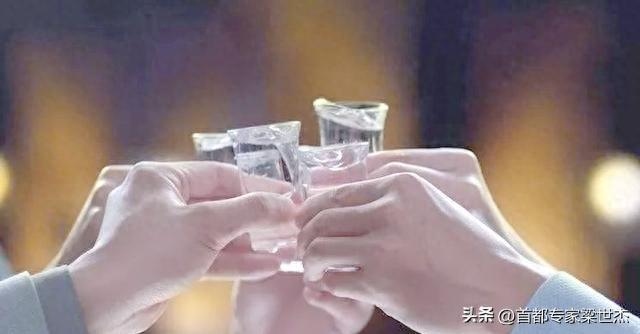
梁世傑坦言,曾幾何時,酒成了他社交場合中的“潤滑劑”,也是他性情中那份不羈與豪放的見證。每逢聚餐聚會,他總能以幾句幽默詼諧、甚至略帶尖銳的話語,逗得衆人捧腹大笑,氣氛一時無兩。然而,正如古語所云:“言多必失,行多必禍。”梁世傑在享受那份由酒精催化而來的快意恩仇時,卻也不知不覺中,爲自己埋下了不少“地雷”。
“在戒酒之前,我多因逞口舌之快,得罪了不少人。”梁世傑的話語中透露出一絲悔意,“自認爲也留下了很多把柄,沒事時還好,一旦有事,說不定會被取笑。”這不僅僅是梁世傑個人的遭遇,更是許多性情中人共有的困擾。在酒精的麻醉下,理智的閘門悄然開啓,那些平時壓抑在心底的情緒與想法,如決堤的洪水般洶湧而出,往往不顧場合,不計後果。
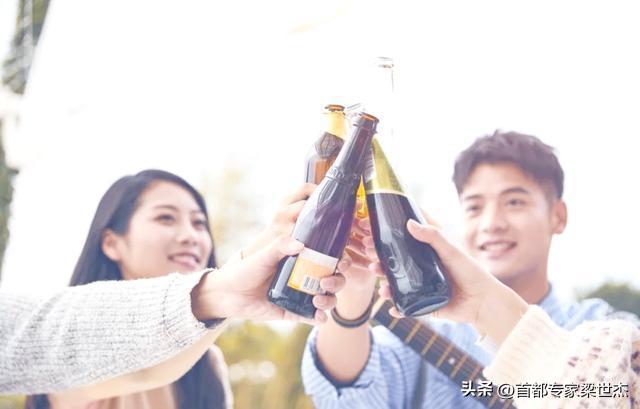
梁世傑深刻地意識到,這種“性情中人”的此弊病,不僅讓他在人際交往中屢屢碰壁,更在無形中消耗了他的人緣與信譽。他自嘲道:“相聚的越多,得罪的人越多,何苦呢?”這句話,既是對過往的無奈嘆息,也是對未來的警醒與期許。
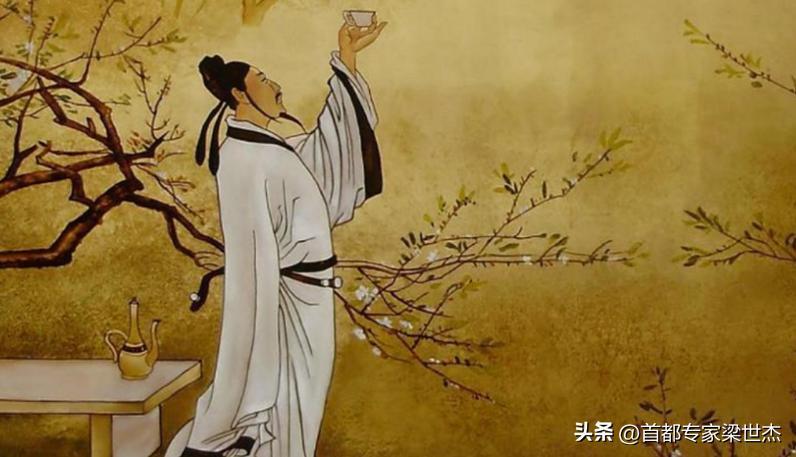
其實,梁世傑的困惑,並非個例。歷史上,多少英雄豪傑,因一時酒興,口出狂言,而招致禍端。古有李白“天子呼來不上船,自稱臣是酒中仙”,雖有詩仙之譽,卻也因酒誤事;今有諸多職場人士,因酒後失言,而錯失良機,甚至影響職業生涯。
那麼,性情中人該如何在保持真我與社交禮儀之間找到平衡呢?梁世傑的選擇是——戒酒。他深知,酒雖能一時解憂,卻也能長久釀禍。戒酒,不僅是對身體健康的負責,更是對人際交往的一種尊重與智慧。

戒酒之後,梁世傑發現,原來清醒狀態下的自己,同樣能以幽默風趣的話語贏得他人的喜愛。更重要的是,他學會了在言語之前先思考,懂得了在社交場合中保持適度的分寸與節制。這種變化,不僅讓他的人際關係更加和諧,也讓他的內心世界更加寧靜與充實。
當然,戒酒並非一蹴而就的事情,它需要堅定的決心與持續的毅力。但正如梁世傑所說:“習氣難改,但並非不可改。只要我們有足夠的勇氣與決心,就沒有什麼能夠阻擋我們向更好的自己邁進。”
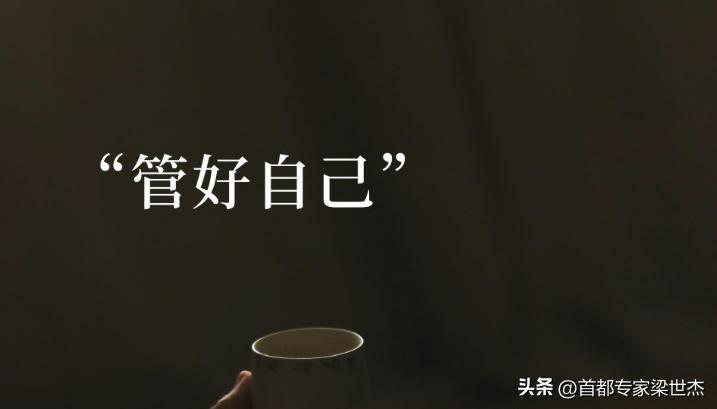
梁世傑的戒酒悟言,不僅是對他個人經歷的一種總結與反思,更是對廣大性情中人的一種提醒與啓示。在這個充滿挑戰與機遇的時代裏,讓我們都學會在保持真我的同時,也懂得尊重他人、珍惜緣分。因爲,真正的性情中人,不是那些在酒精催化下口無遮攔的人,而是那些在任何時候都能保持清醒與自律、以真誠與善良贏得他人尊重的人。
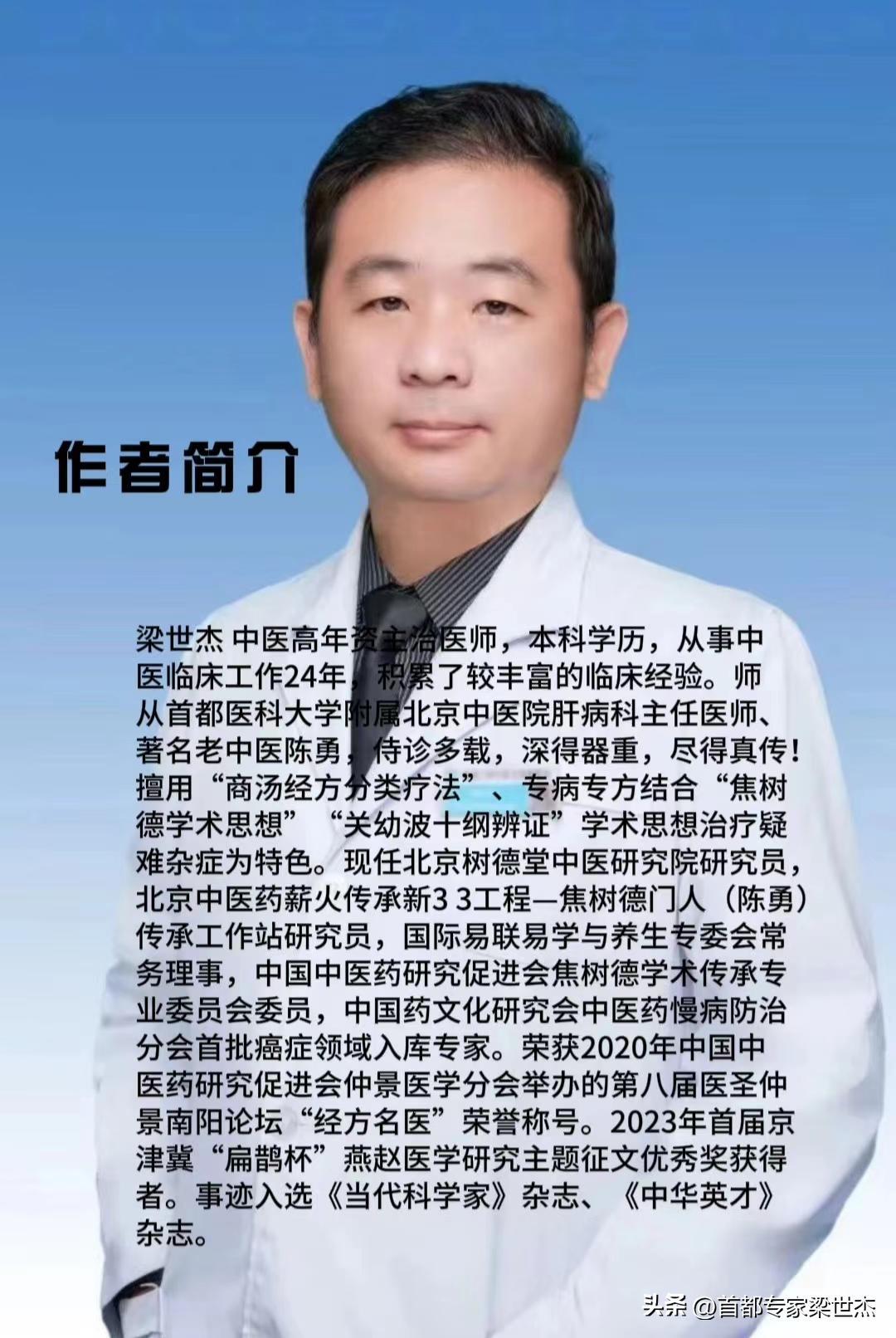
作者簡介:梁世傑 中醫高年資主治醫師,本科學歷,從事中醫臨牀工作24年,積累了較豐富的臨牀經驗。師從首都醫科大學附屬北京中醫院肝病科主任醫師、著名老中醫陳勇,侍診多載,深得器重,盡得真傳!擅用“商湯經方分類療法”、專病專方結合“焦樹德學術思想”“關幼波十綱辨證”學術思想治療疑難雜症爲特色。現任北京樹德堂中醫研究院研究員,北京中醫藥薪火傳承新3+3工程—焦樹德門人(陳勇)傳承工作站研究員,國際易聯易學與養生專委會常務理事,中國中醫藥研究促進會焦樹德學術傳承專業委員會委員,中國藥文化研究會中醫藥慢病防治分會首批癌症領域入庫專家。榮獲2020年中國中醫藥研究促進會仲景醫學分會舉辦的第八屆醫聖仲景南陽論壇“經方名醫”榮譽稱號。2023年首屆京津冀“扁鵲杯”燕趙醫學研究主題徵文優秀獎獲得者。事蹟入選《當代科學家》雜誌、《中華英才》雜誌。
Liang Shijie on Abstinence from Alcohol: Self-examination and Transformation of People with Temperament
In the long course of life, everyone is a unique traveler, with their own temperament and habits, walking in complex interpersonal relationships. Liang Shijie, this friend who calls himself "a person of character," recently spoke from his heart about giving up drinking, which not only made people deeply feel his sincerity and self-reflection, but also touched us to think deeply about human nature, social interaction, and self-control.
Liang Shijie admitted that once upon a time, alcohol became his "lubricant" in social situations and was also a testament to his unrestrained and boisterous temperament. Whenever there were gatherings or dinners, he could always make people laugh with a few humorous and even slightly sharp words, creating an atmosphere like no other. However, as the ancient saying goes, "too much talk will lead to loss, and too much action will lead to trouble." As Liang Shijie enjoyed the joy of revenge catalyzed by alcohol, he unknowingly laid many "landmines" for himself.
"Before I quit drinking, I offended many people because of my quick tongue." Liang Shijie''s words revealed a hint of regret. "I think I also left behind a lot of evidence. It''s fine when there''s nothing going on, but once something happens, it might be ridiculed." This is not only Liang Shijie''s personal experience, but also a common problem for many people with strong emotions. Under the anesthesia of alcohol, the gate of reason quietly opens, and those emotions and thoughts that are usually suppressed in the heart rush out like a flood, often regardless of the occasion or consequences.
Liang Shijie is deeply aware that this flaw of "people with temperament" not only makes him repeatedly hit walls in interpersonal communication, but also consumes his popularity and credibility invisibly. He self-mockingly said: "The more we get together, the more people we offend, why bother?" This sentence is both an expression of helplessness about the past and a warning and expectation for the future.
In fact, Liang''s confusion is not alone. In history, how many heroes and heroes, because of a moment of drunkenness, mouth out loud words, and cause disaster. Ancient has li bai "the emperor calls up does not get on the ship, call oneself minister is liquor in fairy", although there is poet saint reputation, but also because of liquor mistake thing; Now there are many people in the workplace, because of lost words after drinking, and missed good opportunities, even affect career.
So, how should people with temperaments find a balance between maintaining their true selves and social etiquette? Liang Shijie''s choice is to quit drinking. He knows that although alcohol can temporarily relieve worries, it can also cause trouble in the long run. Quitting drinking is not only responsible for physical health but also respect and wisdom for interpersonal communication.
After giving up alcohol, Liang found that he could also win others with humorous words with humorous words even when he was soberly more important is, he learned to think before speaking and knew how to keep moderate measure and restraint in social occasions. This change not only made his interpersonal relationship more harmonious, but also made his inner world more peaceful and fulfilling.
Of course, giving up alcohol is not something that can be done overnight; it requires firm determination and continuous perseverance. But as Liang Shijie said, "It is difficult to change habits, but it is not impossible. As long as we have enough courage and determination, nothing can stop us from moving towards a better self."
Liang Shijie''s words of sobriety not only summarize and reflect on his personal experience, but also serve as a reminder and inspiration to those who share similar temperaments. In this era full of challenges and opportunities, let us all learn to maintain our true selves while respecting others and cherishing fate. Because, the true temperament is not someone who speaks without restraint under the influence of alcohol, but someone who can remain clear-headed and self-disciplined at any time, earning respect from others with sincerity and kindness.
Author Bio: Liang Shijie is a senior medical practitioner in traditional Chinese medicine with an undergraduate degree. He has been engaged in traditional medicine clinical work for 24 years and has accumulated a wealth of clinical experience. Following Chen Yong, chief physician of liver disease at Beijing Traditional Medicine Hospital, affiliated with Capital Medical University, and renowned old Chinese medicine, he has been treated for many years and received great attention. He specializes in the treatment of difficult diseases using "conversational traditional therapy" and special treatments combined with the academic ideas of Jiao Shude and Guan Yubo''s ten-level diagnosis.He is currently a researcher at the Shude Tang TCM Research Institute in Beijing, a fellow at the new 3 + 3 project of traditional Chinese medicine flame inheritance in Beijing - a scholar at the inheritance workstation of Jiao Shude''s protégés (Chen Yong),He is a standing committee member of the International Expert Committee on E-learning and Health Care, a member of the Jiao Shude Academic Heritage Special Committee of the Chinese Association for the Advancement of Chinese Medicine Research, and the first cancer specialist to be included in the chapter of the Chinese Pharmaceutical Culture Research Association. Won the 2020 China Association for the Promotion of Traditional Chinese Medicine Zhongjing Medical Branch held the eighth session of the Medical Saint Zhongjing Nanyang Forum "Classic Prescription Famous Doctor" honorary title. The winner of the first Beijing-Tianjin-Hebei "Pingui Cup" Yanzhao Medical Research Essay Award in 2023. His work was featured in the journal Current Scientist and the journal Chinese Talent.