梁世傑:痰瘀互結話結節——探祕體質與結節的不解之緣
在浩瀚的醫學海洋中,結節如同一串串神祕的珠鏈,散落在人體的各個角落,時而靜默無聲,時而發出警示的信號。甲狀腺結節、乳腺結節、肺結節、淋巴結結節、皮膚結節……這些名詞,如同現代醫學的密碼,揭示着人體內部的微妙變化。而中醫學,則以其獨特的視角,探尋着結節背後的深層原因,其中,“痰瘀互結”便是一個重要的病理機制。
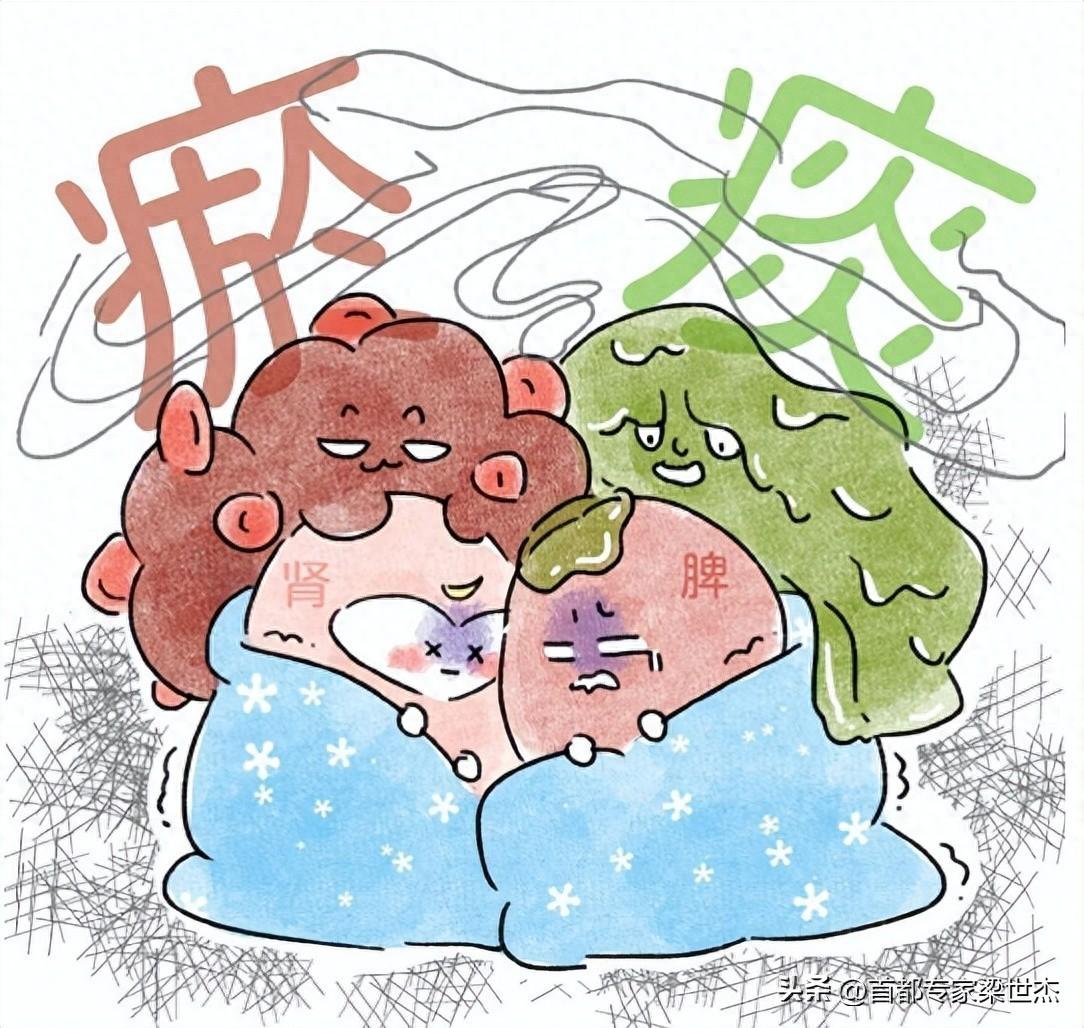
結節,這一看似簡單實則複雜的病症,其背後隱藏着怎樣的體質祕密?痰溼體質、氣鬱體質、瘀血體質,這三種體質的人羣,爲何成爲了結節病的主要“受衆”?這背後,是體質與疾病之間千絲萬縷的聯繫,是中醫“同病異治”、“異病同治”理念的生動體現。
甲狀腺結節,這個常常在體檢報告中悄然出現的“不速之客”,多數時候並無明顯症狀,只是靜靜地躺在頸部的某個角落,等待着被影像檢查發現。然而,當它大到足以壓迫氣管時,那份呼吸不暢的窘迫,才讓人意識到它的存在。這,就是痰溼與瘀血交織的結果,痰溼阻滯氣機,瘀血凝滯血脈,共同釀成了結節的誕生。
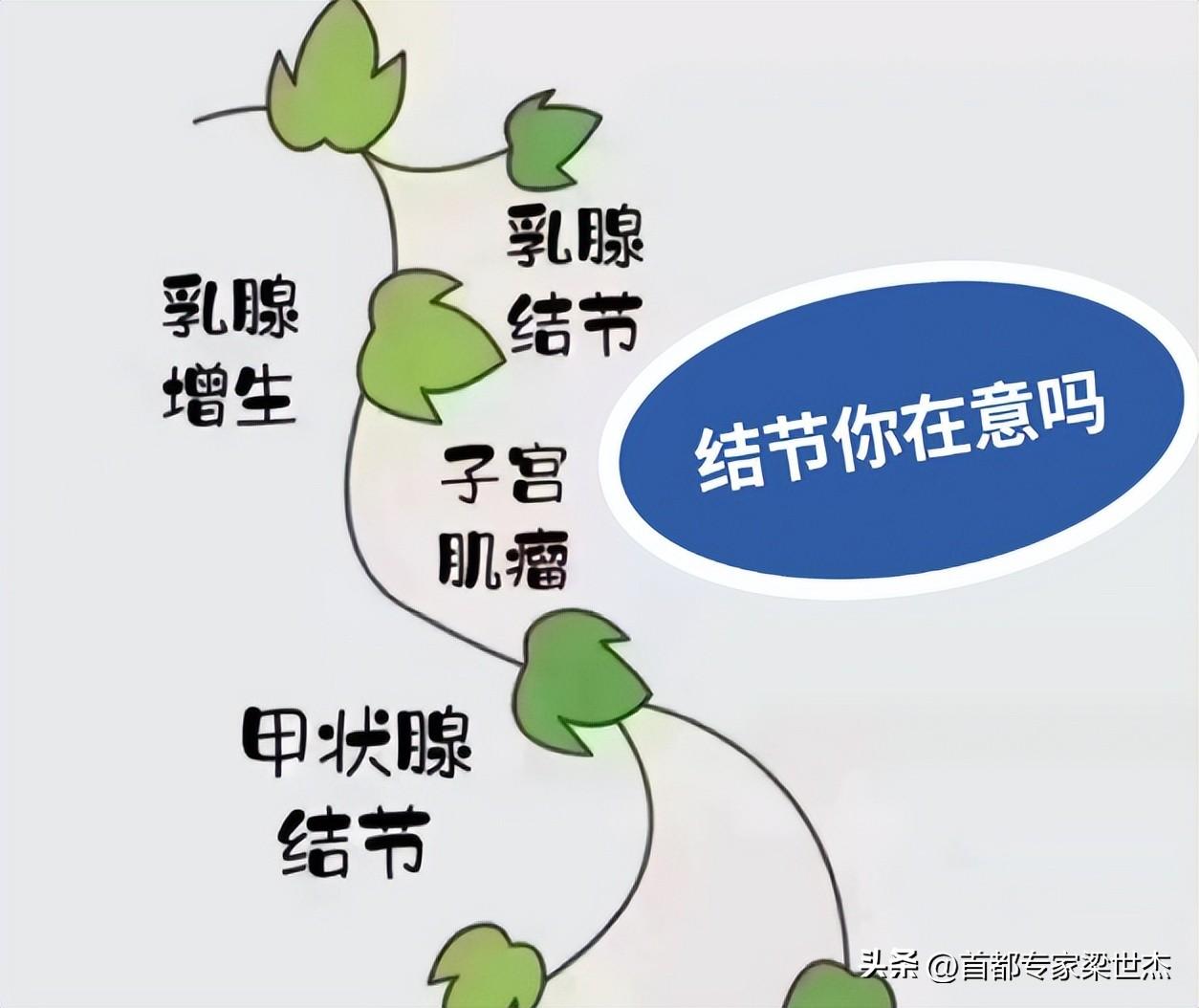
乳腺結節,更是女性健康的“隱形殺手”。單側或雙側乳房內的硬塊,如同潛伏的危機,良性者尚能與人和平共處,惡性者卻如猛虎下山,邊界不清、質硬、活動度差,與皮膚粘連,生長迅速,無聲無息中侵蝕着生命的防線。這背後,同樣是痰瘀互結作祟,痰溼凝聚成塊,瘀血阻滯經絡,共同編織出乳腺結節的噩夢。
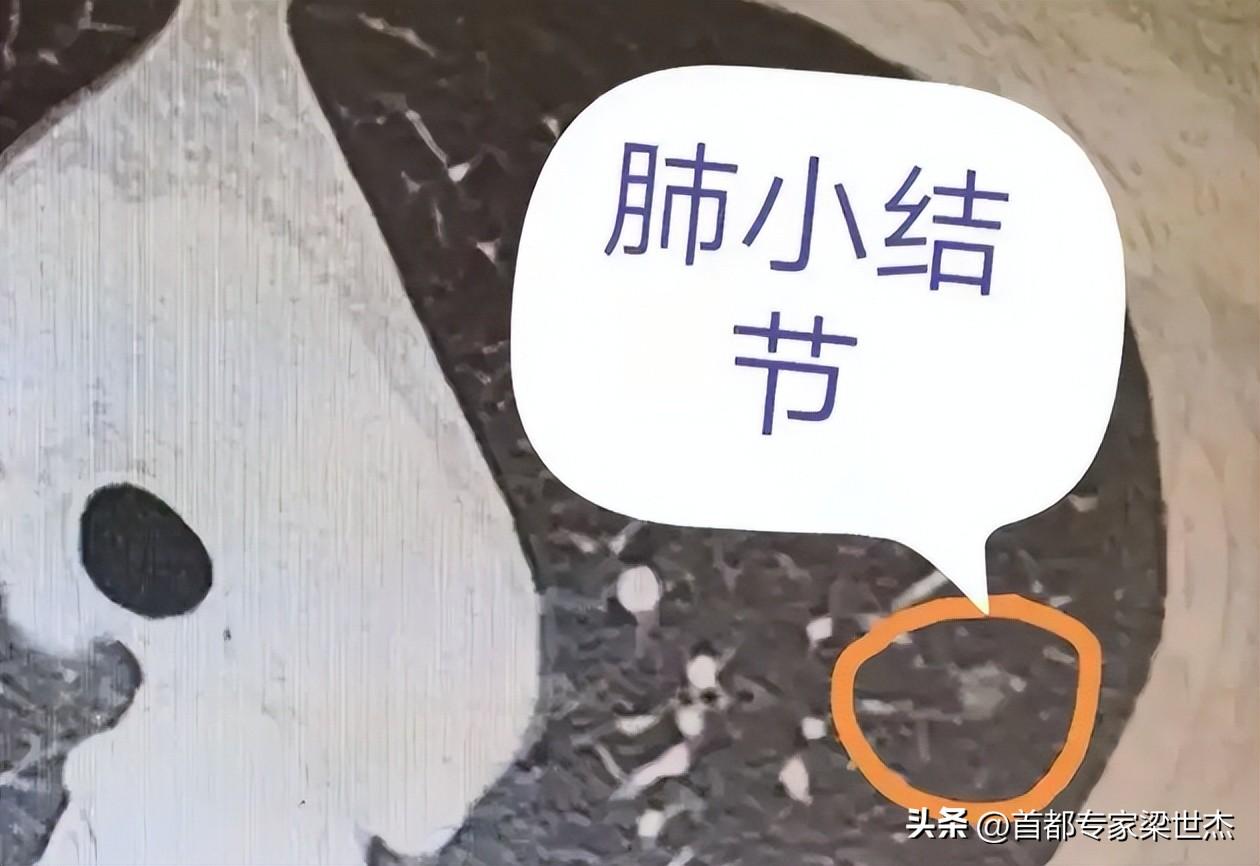
肺結節,這個常常與肺癌掛鉤的名詞,其實大多數時候也是靜默的。咳嗽、咯痰黏稠或帶血、胸悶或胸痛,這些症狀出現時,往往已經是對身體的嚴重警示。肺結節的形成,同樣離不開痰瘀的交織,痰溼阻肺,瘀血滯絡,日積月累,終成結節。
淋巴結結節,淺表部位的腫大、疼痛、質硬,伴隨着發熱的到來,如同身體發出的求救信號。這是痰溼與瘀血在淋巴系統的“傑作”,它們在這裏集結,形成了一道道難以逾越的屏障。
皮膚結節,那些突出於皮膚表面或隱沒於皮內的堅硬之物,形狀多樣,伴隨着瘙癢、紅腫,如同身體表面的“疤痕”,記錄着痰瘀互結的“罪行”。
中醫學中,關於“結”的記述源遠流長,從無形的鬱、痞、聚、瘕,到有形的腫塊如積、癥、巖、瘰癧、痰核等,無一不是痰瘀互結的產物。甲狀腺結節與癭病、癭瘤,乳腺結節與乳癖,肺結節與肺積,淋巴結結節與瘰癧,皮膚結節與痰核,這些現代醫學的名詞,在中醫學的典籍中找到了它們的“前世今生”。
據統計,痰溼體質、氣鬱體質、瘀血體質的人羣,患結節病的概率遠高於其他體質。這不僅僅是一個數字的遊戲,更是體質與疾病之間深刻聯繫的體現。這些體質的人羣,往往因爲生活習慣、飲食結構、情緒狀態等因素,導致體內痰溼、瘀血內生,日積月累,終成結節。
面對結節,我們不應恐懼,更不應忽視。中醫的智慧,在於辨證施治,因人而異。對於痰瘀互結所致的結節,我們應以化痰祛溼、活血化瘀爲治則,結合患者的具體體質和病情,制定個性化的治療方案。無論是中藥的湯劑、丸散膏丹,還是鍼灸、拔罐、刮痧等非藥物療法,都是中醫治療結節的寶貴武器。
讓我們走進中醫的世界,探尋結節背後的祕密,用中醫的智慧,化解痰瘀的糾葛,讓身體重歸和諧與平衡。因爲,每一個生命,都值得被溫柔以待,每一個結節,都值得被認真對待。在中醫的引領下,讓我們共同守護健康,遠離結節的困擾。
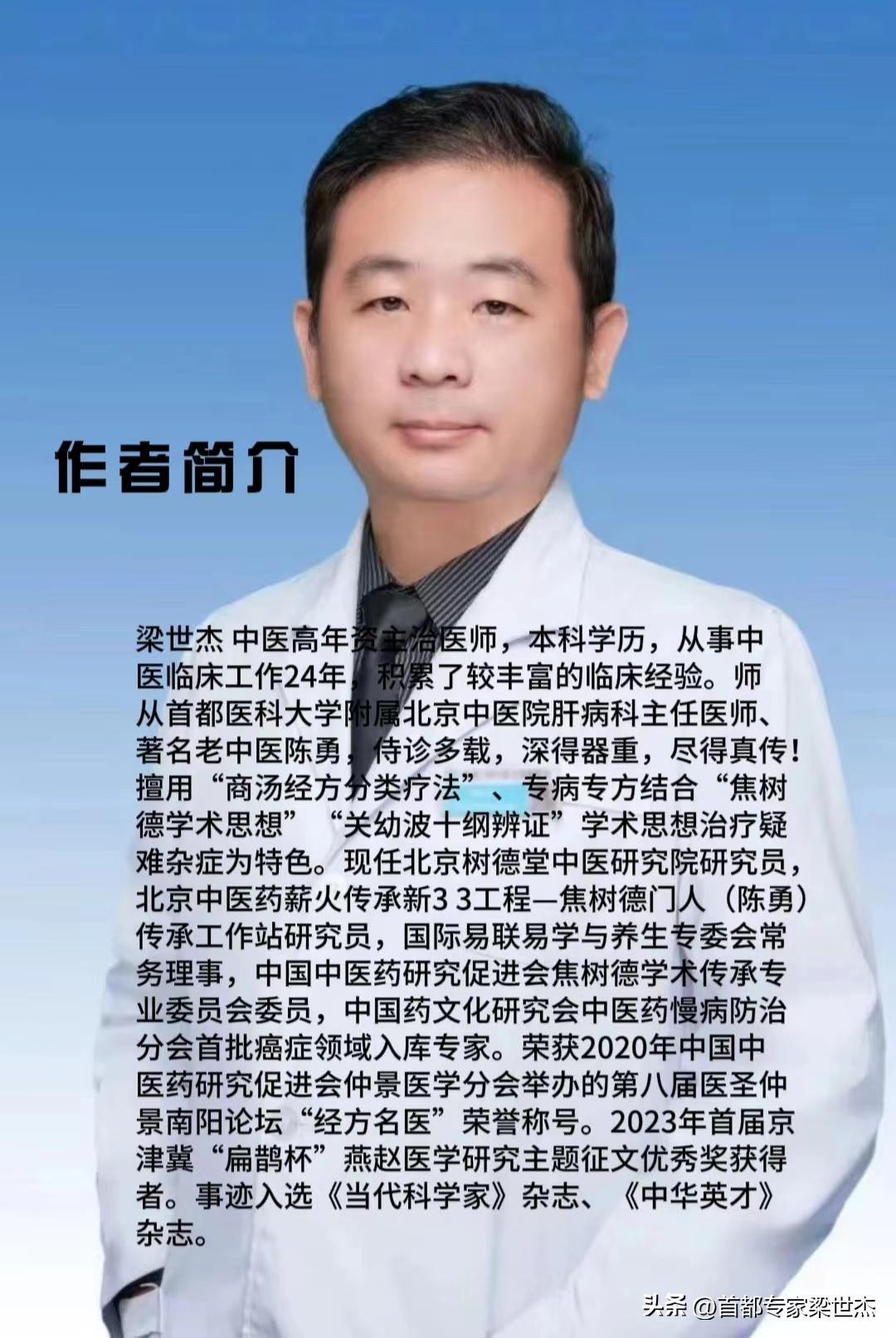
作者簡介:梁世傑 中醫高年資主治醫師,本科學歷,從事中醫臨牀工作24年,積累了較豐富的臨牀經驗。師從首都醫科大學附屬北京中醫院肝病科主任醫師、著名老中醫陳勇,侍診多載,深得器重,盡得真傳!擅用“商湯經方分類療法”、專病專方結合“焦樹德學術思想”“關幼波十綱辨證”學術思想治療疑難雜症爲特色。現任北京樹德堂中醫研究院研究員,北京中醫藥薪火傳承新3+3工程—焦樹德門人(陳勇)傳承工作站研究員,國際易聯易學與養生專委會常務理事,中國中醫藥研究促進會焦樹德學術傳承專業委員會委員,中國藥文化研究會中醫藥慢病防治分會首批癌症領域入庫專家。榮獲2020年中國中醫藥研究促進會仲景醫學分會舉辦的第八屆醫聖仲景南陽論壇“經方名醫”榮譽稱號。2023年首屆京津冀“扁鵲杯”燕趙醫學研究主題徵文優秀獎獲得者。事蹟入選《當代科學家》雜誌、《中華英才》雜誌。
Liang Shijie: Streptococcus and speech nodules - Exploring the mysterious relationship between physiology and nodules
In the vast ocean of medicine, nodules are like mysterious necklaces scattered around the body, sometimes silent and sometimes warning signs. Thyroid gland tubercle, mammary gland tubercle, pulmonary tubercle, lymph node tubercle, cutaneous tubercle... These terms, like the code of modern medicine, reveal subtle changes within the human body. Chinese medicine, with its unique perspective, seeks to find the deep cause behind nodules, among which "phallus coagulation" is an important pathological mechanism.
What are the physical secrets behind nodules, a seemingly simple but complex condition? Why do people with these three types of physiques become the main "recipients" of nodule disease? Behind this, there is an intricate connection between physical condition and disease, which is a vivid expression of the concept of "common diseases and different treatments" in Chinese medicine.
Thyroid gland nodules, which often appear in the physical examination of the "uninvited," most of the time no obvious symptoms, just lying quietly in the corner of the neck, waiting to be discovered by imaging. However, when it is large enough to pressure the trachea, the embarrassment of poor breathing makes one realize it exists. This is the result of the intermingling of sputum and bruising blood. The sputum blocks the air machinery, and the bruising blood coagulates the blood line, which together causes the birth of nodules.
Breast nodules are a "hidden killer" of women''s health. Crumples in one or both breasts are like a latent crisis. While the benign can still coexist peacefully with people, the vicious descends like a tiger, unclearly defined, hard, immobile, bound to the skin, grows rapidly, and silently eats away at life''s defenses. Behind this, it is also the phlegm junction, which condenses the phlegmy into blocks, and the blood coagulates the meridians, jointly woven the nightmare of breast nodules.
Pulmonary nodules, a term often associated with lung cancer, are actually mostly silent. Coughing, sputum that is thick or bloody, chest tightness or chest pain are often a serious warning to the body when they appear. The formation of pulmonary nodules is also indispensable for the intersection of sputum and bruising. The sputum obstructs the lungs, the bruising is blocked, and the blood accumulates over time and eventually becomes a nodule.
Lymph node nodules, superficial swelling, pain, hard, accompanied by the arrival of heat, like the body''s call for help. This is the phlegm and blood stasis in the lymphatic system "masterpiece," they gathered here, forming an insurmountable barrier.
Skin nodules, those hard things that protrude to the surface of the skin or hidden within the skin, are of various shapes, and accompanied by itchiness, redness and swelling, like "scars" on the surface of a body, recording the "crime" of spitting.
In Chinese medicine, the accounts of "knots" have long been written, from invisible depressions, puffs, clusters, and ruptures to tangible lumps such as accumulations, sores, rocks, ruptures, and sputum nuclei, none of which are the product of sputum conjunctures. Thyroid gland tubercle and gall disease, galactoma, mammary gland tubercle and milk sickness, pulmonary tubercle and pulmonary accumulation, lymph node tubercle and scrofula, cutaneous tubercle and phlegm nucleus, these modern medical terms can be found in the classics of traditional Chinese medicine.
According to statistics, the probability of developing nodule disease is much higher in people with sputum, anxiety, and bleeding disorders than in other conditions. This is not just a game of numbers, but a manifestation of the profound connection between physical fitness and disease. Those people with these physical conditions often cause phlegm and bruising to develop in the body because of such factors as lifestyle habits, diet structure, and emotional state, which accumulate over time and eventually become nodules.
Faced with nodules, we should not be afraid, let alone ignore them. The wisdom of Chinese medicine lies in dialectical treatment, which differs from person to person. For nodules caused by spastic and bruising interknots, we should use spastic and wet treatment and live blood and bruising as treatment guidelines, and formulate a personalized treatment plan in accordance with the patient''s specific physical condition and condition. Whether it is traditional Chinese medicine''s soups, pills and ointments, or non-medicinal therapies such as acupuncture, pulling cans, and shaving, are valuable weapons for treating nodules.
Let us enter the world of traditional Chinese medicine to discover the secret behind the nodules, use the wisdom of traditional medicine to resolve the entanglement of sputum and bruises, and return the body to harmony and balance. Because every life deserves to be treated with tenderness, every nodule deserves to take seriously. Under the guidance of traditional Chinese medicine, let us work together to protect our health and stay away from the problems of nodules.
Author Bio: Liang Shijie is a senior medical practitioner in traditional Chinese medicine with an undergraduate degree. He has been engaged in traditional medicine clinical work for 24 years and has accumulated a wealth of clinical experience. Following Chen Yong, chief physician of liver disease at Beijing Traditional Medicine Hospital, affiliated with Capital Medical University, and renowned old Chinese medicine, he has been treated for many years and received great attention. He specializes in the treatment of difficult diseases using "conversational traditional therapy" and special treatments combined with the academic ideas of Jiao Shude and Guan Yubo''s ten-level diagnosis.He is currently a researcher at the Shude Tang TCM Research Institute in Beijing, a fellow at the new 3 + 3 project of traditional Chinese medicine flame inheritance in Beijing - a scholar at the inheritance workstation of Jiao Shude''s protégés (Chen Yong),He is a standing committee member of the International Expert Committee on E-learning and Health Care, a member of the Jiao Shude Academic Heritage Special Committee of the Chinese Association for the Advancement of Chinese Medicine Research, and the first cancer specialist to be included in the chapter of the Chinese Pharmaceutical Culture Research Association. Won the 2020 China Association for the Promotion of Traditional Chinese Medicine Zhongjing Medical Branch held the eighth session of the Medical Saint Zhongjing Nanyang Forum "Classic Prescription Famous Doctor" honorary title. The winner of the first Beijing-Tianjin-Hebei "Pingui Cup" Yanzhao Medical Research Essay Award in 2023. His work was featured in the journal Current Scientist and the journal Chinese Talent.