以毒攻毒:中醫治病八法之外的隱祕篇章
在歷史悠久的中醫殿堂中,汗、吐、下、和、溫、清、補、消這八大治法如同八大金剛,守護着華夏兒女的健康。它們各自獨當一面,卻又相輔相成,共同構成了中醫治病的精妙體系。然而,在這八大治法之外,卻隱藏着一種更爲神祕而獨特的治法——以毒攻毒。它不像八大治法那樣廣爲人知,卻在中醫的歷史長河中留下了深刻的印記,成爲中醫治病不可或缺的一部分。
一、以毒攻毒之法的傳入與起源
“以毒攻毒”這一治法,並非中醫原創,其起源可追溯至古代人類對自然界的樸素觀察與經驗總結。在遠古時期,人們發現某些有毒的動植物或礦物,在適量使用的情況下,竟然能夠治療某些頑疾。這種發現,無疑是對人類醫學認知的一次巨大飛躍。
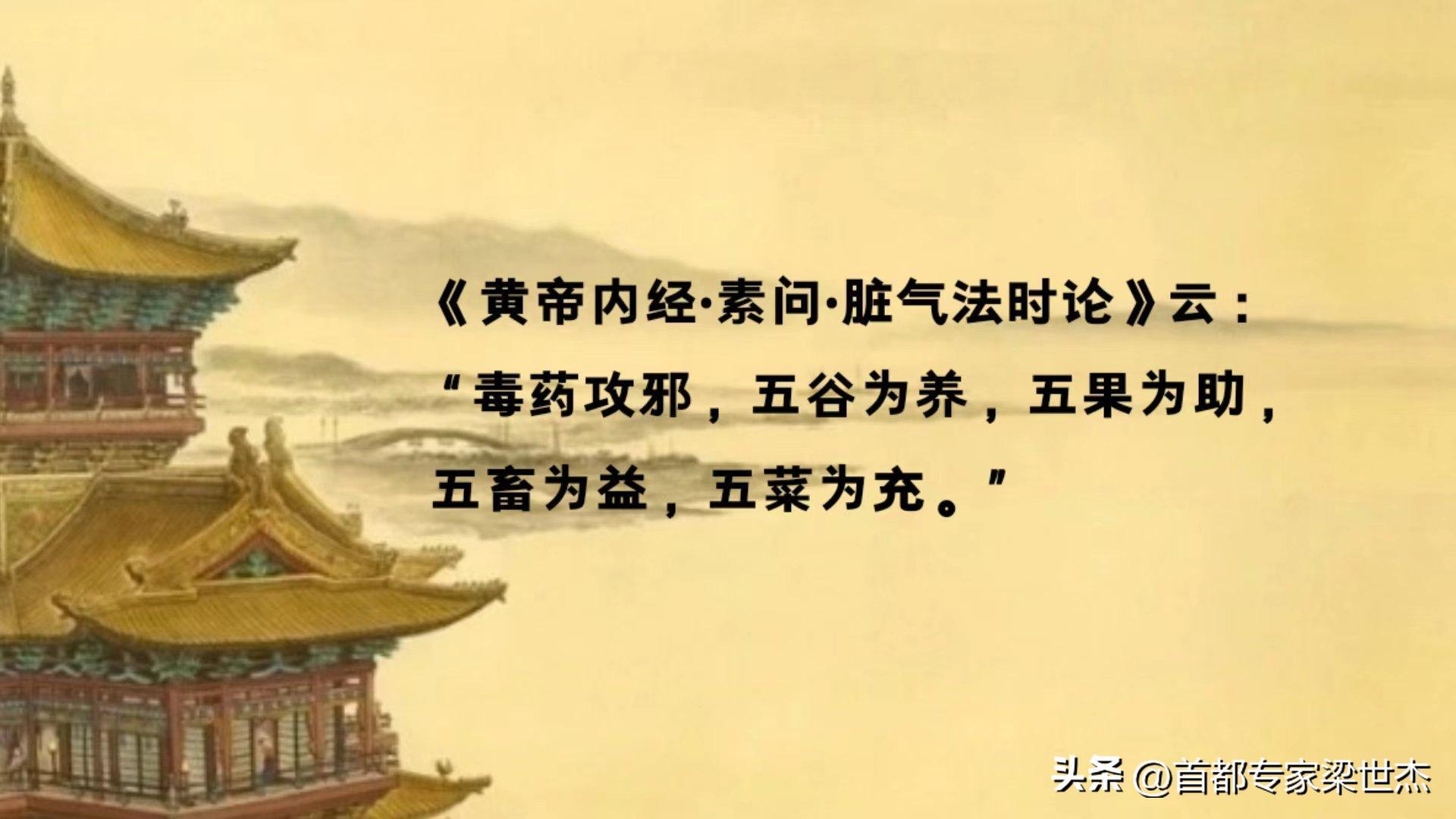
然而,將“以毒攻毒”這一理念正式引入中醫,並使其成爲中醫治病的一種獨特方法,卻是在歷史的長河中逐漸形成的。據史料記載,早在先秦時期,中醫經典著作《黃帝內經》中就已提及了“毒藥攻邪”的理念。《黃帝內經·素問·髒氣法時論》雲:“毒藥攻邪,五穀爲養,五果爲助,五畜爲益,五菜爲充。”這裏的“毒藥”,並非現代意義上的有毒藥物,而是指那些藥性強烈、能夠攻逐病邪的藥物。這一論述,爲“以毒攻毒”治法的形成奠定了理論基礎。
隨着時間的推移,中醫對“以毒攻毒”治法的認識逐漸深入。到了漢代,張仲景在其著作《傷寒雜病論》中,更是明確提出了“以毒攻毒”的治法,並列舉了大量使用有毒藥物治病的實例。如書中記載的烏頭湯、附子湯等方劑,均是以有毒的烏頭、附子等藥物爲主藥,用於治療寒痹、心痛等頑疾。這些方劑的出現,標誌着“以毒攻毒”治法在中醫臨牀中的正式確立。
二、以毒攻毒之法是否爲主流治法
在中醫的歷史長河中,“以毒攻毒”治法雖然獨具特色,但其地位卻並非始終如一。在中醫發展的早期階段,由於醫療條件有限,人們對疾病的認知也相對膚淺,因此“以毒攻毒”治法曾一度成爲治療頑疾的重要手段。然而,隨着中醫理論的不斷完善和醫療技術的進步,“以毒攻毒”治法的地位逐漸發生了變化。
在現代中醫臨牀中,“以毒攻毒”治法並非主流治法。這並不意味着它失去了價值,而是因爲在大多數情況下,中醫更傾向於使用溫和、安全的藥物和方法來治療疾病。畢竟,“是藥三分毒”,有毒藥物的使用需要極高的專業素養和嚴格的劑量控制,一旦使用不當,就可能給患者帶來嚴重的後果。
然而,在某些特殊情況下,“以毒攻毒”治法卻能夠發揮出其他治法無法替代的作用。比如,在治療某些惡性腫瘤、頑固性皮膚病、風溼痹症等頑疾時,“以毒攻毒”治法往往能夠取得顯著的療效。這些疾病的病因複雜、病情頑固,常規治療方法往往難以奏效,而“以毒攻毒”治法卻能夠以其獨特的藥性和作用機制,直擊病竈,達到治病救人的目的。
三、以毒攻毒治法的歷史應用
“以毒攻毒”治法在中醫的歷史長河中留下了深刻的印記。從先秦時期到現代,無數中醫先賢都曾在臨牀中運用這一治法取得了顯著的療效。下面,我們就來舉幾個例子,看看“以毒攻毒”治法在中醫歷史中的應用。
(一)古代醫案中的以毒攻毒
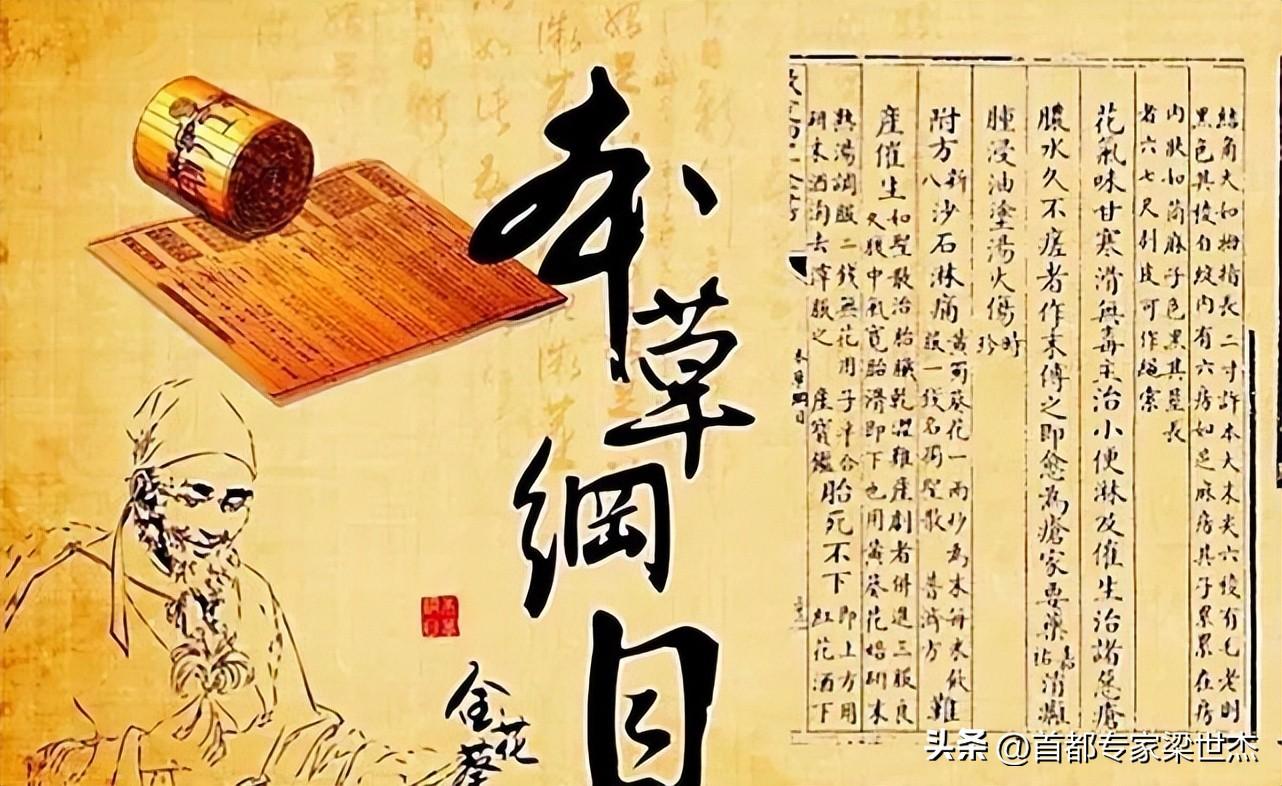
在古代醫案中,不乏使用“以毒攻毒”治法治療頑疾的實例。比如,在明代醫家李時珍的著作《本草綱目》中,就記載了大量使用有毒藥物治療疾病的案例。其中最爲著名的,莫過於使用砒霜治療瘧疾的案例。
瘧疾是一種由瘧原蟲引起的傳染病,在古代醫學條件下,治療瘧疾往往十分棘手。然而,李時珍卻發現,適量使用砒霜竟然能夠治療瘧疾。他在《本草綱目》中寫道:“砒,性大熱,有大毒,能蝕瘡去腐,殺蟲逐痰……治瘧疾有神效。”這一發現,無疑是對“以毒攻毒”治法的一次成功應用。
除了砒霜之外,李時珍還記載了許多其他有毒藥物的治療作用。比如,他提到使用雄黃治療蛇蟲咬傷、使用斑蝥治療頑癬等。這些醫案,都充分展示了“以毒攻毒”治法在中醫臨牀中的獨特魅力。
(二)現代臨牀中的以毒攻毒
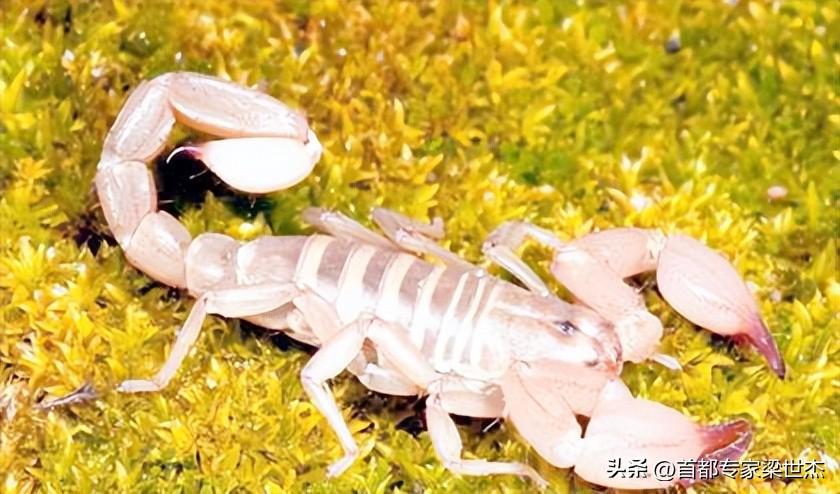
在現代中醫臨牀中,“以毒攻毒”治法同樣發揮着重要的作用。比如,在治療某些惡性腫瘤時,中醫醫生往往會使用一些有毒的中藥來抑制腫瘤的生長和擴散。這些中藥,如蟾酥、斑蝥、全蠍等,雖然毒性較大,但適量使用卻能夠發揮出顯著的抗癌作用。
以蟾酥爲例,它是一種從蟾蜍身上提取的有毒物質,具有極強的抗癌作用。現代研究表明,蟾酥中的有效成分能夠抑制腫瘤細胞的生長和分裂,誘導腫瘤細胞凋亡,從而達到抗癌的目的。在臨牀上,蟾酥常被用於治療肝癌、胃癌、肺癌等多種惡性腫瘤,並取得了顯著的療效。
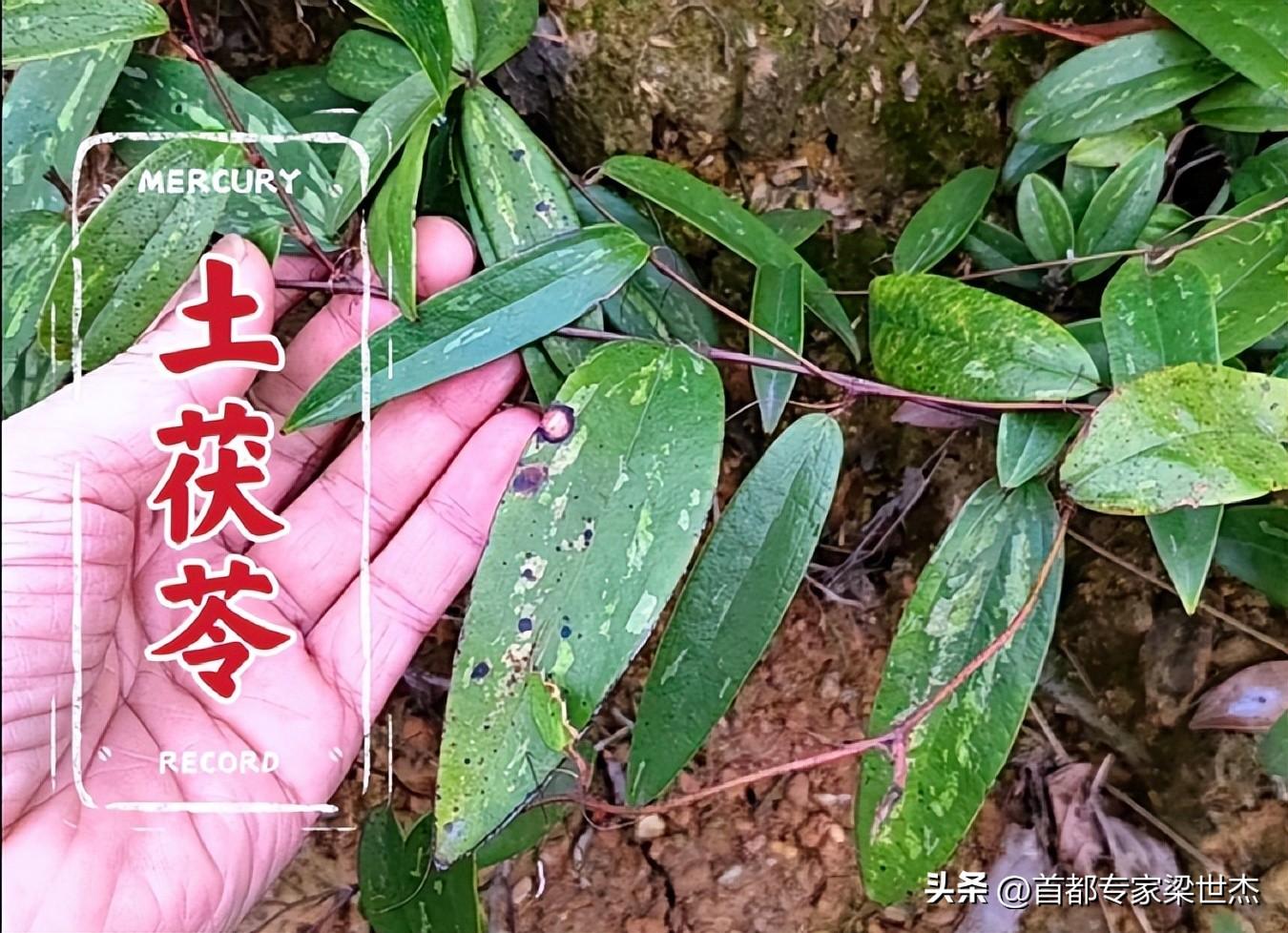
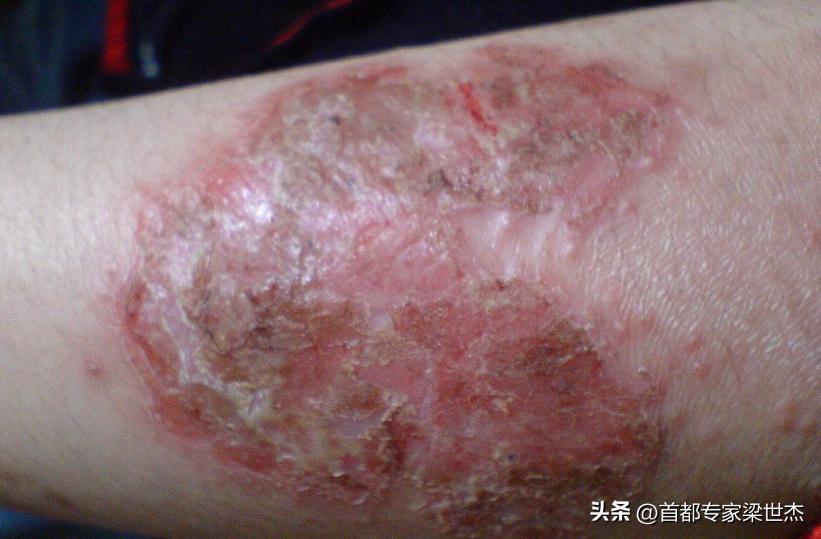
除了惡性腫瘤之外,“以毒攻毒”治法還被廣泛應用於治療頑固性皮膚病、風溼痹症等頑疾。比如,在治療銀屑病時,中醫醫生往往會使用一些有毒的中藥來清熱解毒、活血化瘀、祛風止癢。這些中藥,如土茯苓、雷公藤等,雖然毒性較大,但適量使用卻能夠顯著改善患者的症狀和生活質量。
四、以毒攻毒治法的效果與評價
“以毒攻毒”治法在中醫臨牀中的效果究竟如何?這是一個備受關注的問題。從古代醫案到現代臨牀研究,無數實例都證明了“以毒攻毒”治法在某些疾病治療中的獨特優勢。
(一)顯著療效
首先,“以毒攻毒”治法在某些疾病治療中能夠取得顯著的療效。比如,在治療惡性腫瘤時,使用有毒的中藥往往能夠抑制腫瘤的生長和擴散,延長患者的生存期。據統計,在某些類型的惡性腫瘤治療中,使用有毒中藥的患者生存期明顯長於未使用有毒中藥的患者。
此外,在治療頑固性皮膚病、風溼痹症等頑疾時,“以毒攻毒”治法也能夠顯著改善患者的症狀和生活質量。比如,在治療銀屑病時,使用有毒的中藥能夠清熱解毒、活血化瘀、祛風止癢,從而減輕患者的瘙癢、紅斑等症狀。
(二)風險與挑戰
然而,“以毒攻毒”治法也並非沒有風險和挑戰。由於有毒藥物的使用需要極高的專業素養和嚴格的劑量控制,一旦使用不當,就可能給患者帶來嚴重的後果。比如,過量使用有毒藥物可能導致中毒反應、肝腎功能損害等嚴重後果。
因此,在使用“以毒攻毒”治法時,中醫醫生必須具備紮實的專業知識和豐富的臨牀經驗。他們需要根據患者的具體病情和身體狀況,制定個性化的治療方案,並嚴格監控患者的病情變化和治療反應。同時,患者也需要積極配合醫生的治療方案,遵守醫囑,按時服藥,並注意觀察自身的病情變化。
五、結語
“以毒攻毒”治法作爲中醫治病八法之外的隱祕篇章,雖然不如八大治法那樣廣爲人知,卻在中醫的歷史長河中留下了深刻的印記。它以其獨特的藥性和作用機制,在治療某些頑疾時發揮出了其他治法無法替代的作用。
然而,“以毒攻毒”治法並非萬能之法,其使用需要極高的專業素養和嚴格的劑量控制。在現代中醫臨牀中,我們應該根據患者的具體病情和身體狀況,制定個性化的治療方案,並嚴格監控患者的病情變化和治療反應。同時,我們也應該加強對“以毒攻毒”治法的研究和探索,不斷挖掘其潛在的價值和意義,爲人類的健康事業做出更大的貢獻。
讓我們銘記那些在歷史長河中爲“以毒攻毒”治法付出辛勤努力的中醫先賢們,是他們的智慧和勇氣,讓這一獨特的治法得以傳承和發展。讓我們攜手共進,共同書寫中醫治病的新篇章!
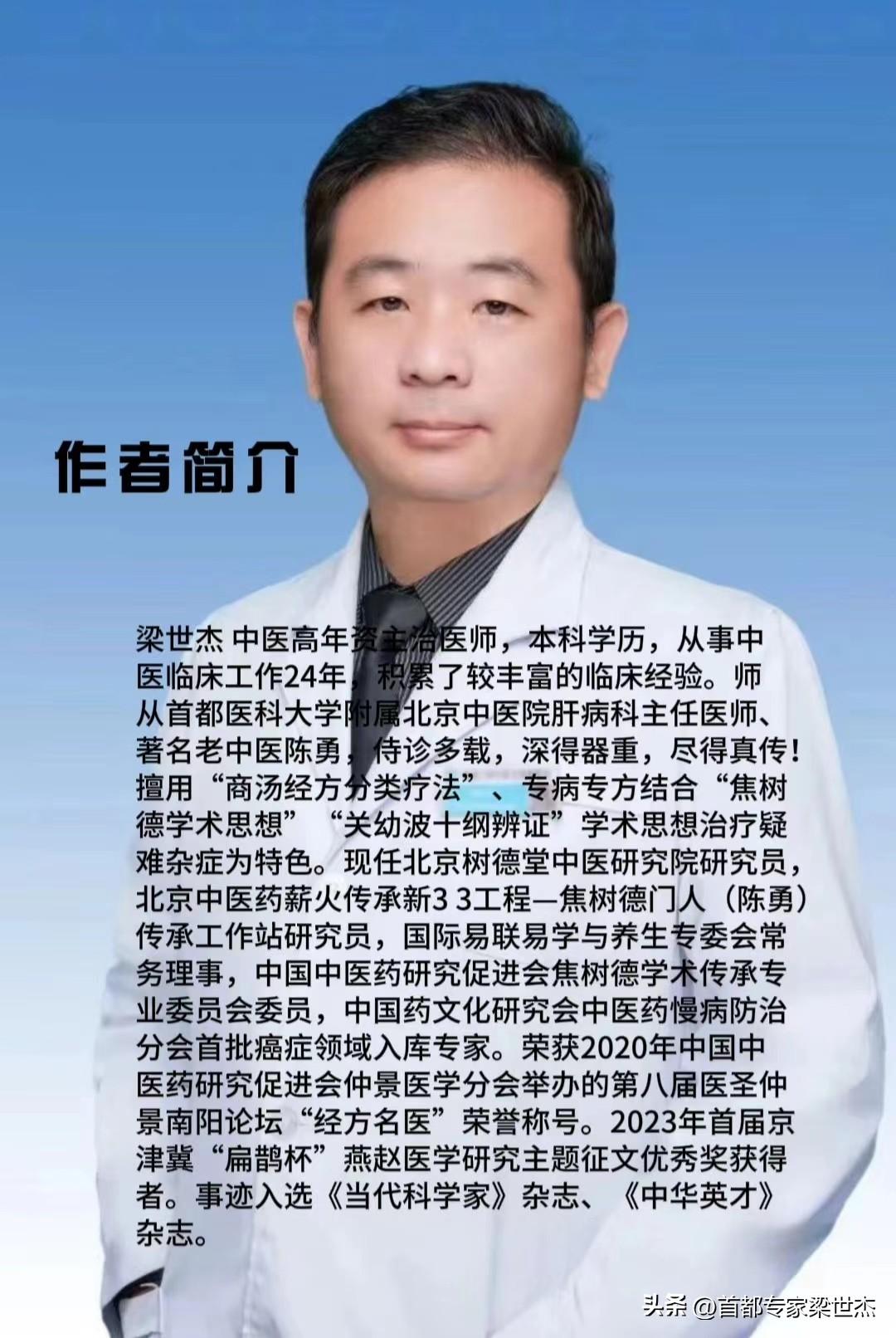
作者簡介:梁世傑 中醫高年資主治醫師,本科學歷,從事中醫臨牀工作24年,積累了較豐富的臨牀經驗。師從首都醫科大學附屬北京中醫院肝病科主任醫師、著名老中醫陳勇,侍診多載,深得器重,盡得真傳!擅用“商湯經方分類療法”、專病專方結合“焦樹德學術思想”“關幼波十綱辨證”學術思想治療疑難雜症爲特色。現任北京樹德堂中醫研究院研究員,北京中醫藥薪火傳承新3+3工程—焦樹德門人(陳勇)傳承工作站研究員,國際易聯易學與養生專委會常務理事,中國中醫藥研究促進會焦樹德學術傳承專業委員會委員,中國藥文化研究會中醫藥慢病防治分會首批癌症領域入庫專家。榮獲2020年中國中醫藥研究促進會仲景醫學分會舉辦的第八屆醫聖仲景南陽論壇“經方名醫”榮譽稱號。2023年首屆京津冀“扁鵲杯”燕趙醫學研究主題徵文優秀獎獲得者。事蹟入選《當代科學家》雜誌、《中華英才》雜誌。
Combating poison with poison: a secret chapter beyond the eight traditional Chinese medicine methods of healing
In the ancient Chinese medicine temple, the eight healing methods of sweat, swallow, lower, and warm, clear, supplement and eliminate are like the eight kings that protect the health of the Chinese children. They each have their own side, but they complement each other, and together they form an elaborate system for treating diseases in traditional Chinese medicine. However, beyond these eight healing methods, there is a more mysterious and unique healing method - poison against poison. It is not as widely known as the eight major healing methods, but it has left a profound mark in the long history of Chinese medicine and has become an indispensable part of Chinese medicine.
I. The introduction and origin of the method of poisoning
The treatment of poison with poison is not original in traditional Chinese medicine, and its origins can be traced back to ancient human observations and lessons learned from the natural world. In ancient times, it was discovered that certain poisonous plants, animals or minerals, when used in moderation, could cure certain diseases. This discovery is undoubtedly a huge leap forward in the understanding of medicine.
However, the concept of "using poison to fight against poison" was formally introduced into Chinese medicine and made it a unique method of healing diseases in Chinese medicine. According to historical records, as early as the pre- Qin period, the concept of "poison attacking evil" was mentioned in the classical work of Chinese medicine, the Huangdi Inner Teachings. The Huangdi Endowment, Suspect, and Chronology of the Law of Dirty Breath states: "When poison invades evil, five grains are to support, five fruits are to aid, five animals are to benefit, and five vegetables are to replenish." "Poisons" here are not toxic drugs in the modern sense, but those drugs that are powerful enough to destroy disease. This argument laid the theoretical foundation for the formation of a "poison-for-poison" regimen.
With the passage of time, the understanding of traditional Chinese medicine for the treatment of poison with poison gradually deepened. In the Han Dynasty, Zhang Zhongjing explicitly proposed the treatment of "poison against poison" in his work "The Aspects of Typhoid Disease," and cited a large number of examples of the use of toxic drugs to treat diseases. For example, the prescriptions of oyster soup and tonic soup contained in the book are based on toxic oyster and tonic drugs, used to treat persistent diseases such as paralysis and heartache. The emergence of these remedies marks the formal establishment of the "poison against poison" treatment in the clinical practice of traditional Chinese medicine.
II. Whether the drug-to-drug approach is the dominant method of law enforcement
In the long history of traditional Chinese medicine, the treatment of poison with poison has been unique, but its status has not always been consistent. In the early stages of the development of traditional Chinese medicine, due to limited medical conditions, people''s understanding of diseases was also relatively superficial, so "poison against poison" treatment was once an important means of treating persistent diseases. However, with the continuous refinement of traditional Chinese medicine theory and the advancement of medical technology, the status of "poison against poison" treatment has gradually changed.
In modern traditional Chinese medicine, the treatment of "poison against poison" is not a mainstream treatment. That doesn''t mean it has lost value, but because in most cases, traditional Chinese medicine is more inclined to use gentle, safe medications and methods to treat diseases. After all, "three poisons are poisons," and the use of toxic drugs requires extremely high professionalism and strict dose control, which can have serious consequences for patients when used improperly.
However, in certain special cases, the treatment of "poison to poison" can play a role that is not a substitute for other treatments. For example, when treating certain malignant tumors, persistent skin diseases, and persistent diseases such as rheumatic disease, the "poison-for-poison" treatment can often achieve significant therapeutic results. The causes of these diseases are complex and the condition is persistent, and conventional treatment methods are often difficult to work, but the "poison against poison" treatment can use its unique drug and mechanism of action to directly hit the lesion and achieve the purpose of treating the disease and saving people.
III. The Historical Use of Drugs to Combat Drugs
The treatment of poison with poison has left a profound mark in the long history of Chinese medicine. From the pre- Qin period to modern times, countless pioneers of traditional Chinese medicine have used this treatment in clinical practice and achieved remarkable therapeutic results. Below, we will give a few examples to look at the application of the "poison against poison" treatment in the history of Chinese medicine.
(1) The use of poison in ancient medical cases
In ancient medical cases, there are no short examples of the use of "poison against poison" to treat a persistent disease. For example, in the Ming Dynasty medical doctor Li Shizhen''s work "The Materia Medica," there are numerous cases of the use of toxic drugs to treat diseases. Nowhere is this more famous than in the case of the use of arsenic to treat malaria.
Malaria is an infectious disease caused by the parasite Plasmodium falciparum. In ancient medical conditions, the treatment of malaria was often very difficult. However, Li Shizhen found that arsenic could be used in a moderate amount to treat malaria. He wrote in "The Essential Essays":“Arsenic is hot and poisonous, can rot sores, kill insects and expel phlegm... The cure for malaria is miraculous.”This discovery is undoubtedly a successful application of the "drug-against-drug" approach.
In addition to arsenic, Li Shizhen documented the therapeutic effects of many other toxic drugs. For example, he mentioned the use of male yellow to treat snake bites and the use of a warthog to treat psoriasis. These medical cases have fully demonstrated the unique charm of "poison against poison" treatment in traditional Chinese medicine.
(ii) Modern clinical poisoning
In modern Chinese medicine, the treatment of poison by poison also plays an important role. For example, when treating certain malignant tumors, traditional Chinese medicine practitioners often use some toxic Chinese medicine to suppress the growth and spread of the tumor. These Chinese medicines, such as tofu, buckwheat, whole scorpion, etc., are highly toxic, but when used in moderation, they can play a significant anti-cancer effect.
Take toad paste, for example, which is a toxic substance extracted from toad and has a strong anti-cancer effect. Modern research has shown that the effective components in toad can inhibit the growth and division of tumor cells and induce tumor cell apoptosis, thereby achieving the purpose of anti-cancer. In the clinic, tofu is often used to treat liver cancer, stomach cancer, lung cancer and other malignant tumors, and has achieved significant therapeutic effect.
In addition to malignant tumors, the "poison-for-poison" treatment has also been widely used to treat persistent skin diseases, rheumatism and other persistent diseases. For example, in the treatment of psoriasis, TCM doctors tend to use some toxic herbs for clearing heat and removing toxicity, promoting blood circulation to remove blood stasis, dispelling wind and relieving itching.Although these Chinese medicines, such as ground 茯苓 and lily bulb, are more toxic, their use in moderation can significantly improve patients'' symptoms and quality of life.
IV. Effects and evaluation of the drug-based treatment
How effective is the treatment of "poison against poison" in traditional Chinese medicine? This is a matter of great concern. From ancient medical cases to modern clinical studies, countless examples have demonstrated the unique advantages of "poison against poison" in the treatment of certain diseases.
(i) Significant efficacy
First, the "poison-for-poison" treatment can achieve significant results in the treatment of certain diseases. For example, when treating malignant tumors, the use of toxic Chinese medicine can often inhibit the growth and spread of the tumor, extending the patient''s survival. According to statistics, in the treatment of some types of malignant tumors, patients who use toxic Chinese medicines have a significantly longer survival than those who do not use toxic Chinese drugs.
In addition, when treating persistent skin diseases, rheumatism and other persistent diseases, the "poison-for-poison" treatment can also significantly improve patients'' symptoms and quality of life. For example, in the treatment of psoriasis, the use of toxic traditional Chinese medicine can be clearing heat and removing toxicity, promoting blood circulation to remove blood stasis, wind and itching, so as to reduce itching, erythema and other symptoms.
(ii) Risks and challenges
However, the "drug-against-drug" approach is not without risks and challenges. Because the use of toxic drugs requires extremely high levels of professionalism and strict dose control, once used improperly, there can be serious consequences for patients. For example, the excessive use of toxic drugs may lead to serious consequences such as toxic reactions and liver and kidney damage.
Therefore, when using the "poison against poison" treatment method, traditional Chinese medicine doctors must have solid expertise and extensive clinical experience. They need to develop a personalized treatment plan based on the patient''s specific condition and physical condition, and strictly monitor patient changes and treatment response. At the same time, patients need to actively cooperate with the doctor''s treatment plan, adhere to the doctor''''s instructions, take medication on time, and pay attention to observing changes in their condition.
V. CONCLUSIONS
As a secret chapter outside the eight traditional Chinese medicine methods for healing diseases, the "poison against poison" treatment is not as widely known as the eight major traditional Chinese remedies, but it has left a profound mark in the long history of Chinese medicine. With its unique medicinal and action mechanism, it has played a role that cannot be replaced by other treatments in the treatment of certain persistent diseases.
However, the "poison-for-poison" approach is not a panacea, and its use requires a high level of professionalism and strict dose control. In modern TCM clinics, we should formulate personalized treatment plans based on the specific condition and physical condition of the patient, and strictly monitor the changes of the patient''s condition and treatment response. At the same time, we should also strengthen research and exploration of "drug against drug" therapy, continuously explore its potential value and significance, and make greater contribution to human health.
Let us remember the pioneers of traditional Chinese medicine who worked diligently for the treatment of poison against poison throughout history. It was their wisdom and courage that allowed this unique treatment to be passed down and developed. Let us work together to write a new chapter in the treatment of diseases in Chinese medicine!
Author Bio: Liang Shijie is a senior medical practitioner in traditional Chinese medicine with an undergraduate degree. He has been engaged in traditional medicine clinical work for 24 years and has accumulated a wealth of clinical experience. Following Chen Yong, chief physician of liver disease at Beijing Traditional Medicine Hospital, affiliated with Capital Medical University, and renowned old Chinese medicine, he has been treated for many years and received great attention. He specializes in the treatment of difficult diseases using "conversational traditional therapy" and special treatments combined with the academic ideas of Jiao Shude and Guan Yubo''s ten-level diagnosis.He is currently a researcher at the Shude Tang TCM Research Institute in Beijing, a fellow at the new 3 + 3 project of traditional Chinese medicine flame inheritance in Beijing - a scholar at the inheritance workstation of Jiao Shude''s protégés (Chen Yong),He is a standing committee member of the International Expert Committee on E-learning and Health Care, a member of the Jiao Shude Academic Heritage Special Committee of the Chinese Association for the Advancement of Chinese Medicine Research, and the first cancer specialist to be included in the chapter of the Chinese Pharmaceutical Culture Research Association. Won the 2020 China Association for the Promotion of Traditional Chinese Medicine Zhongjing Medical Branch held the eighth session of the Medical Saint Zhongjing Nanyang Forum "Classic Prescription Famous Doctor" honorary title. The winner of the first Beijing-Tianjin-Hebei "Pingui Cup" Yanzhao Medical Research Essay Award in 2023. His work was featured in the journal Current Scientist and the journal Chinese Talent.