順應生命節奏,智慧鍛鍊身心
在人生的長河中,每一個階段都有其獨特的韻律與節奏,如同四季更迭,春種秋收,皆有定時。我們常言“天時地利人和”,其實,這“天時”不僅關乎外界的變化,更與我們自身的生命階段息息相關。今天,讓我們深入探討一個至關重要卻常被忽視的話題:不要在出力長力的年齡去養精蓄銳,更不要在養精蓄銳的年齡去出力長力。
青春,是生命之春,是活力四溢、激情燃燒的歲月。這個時期,我們的身體如同初升的太陽,充滿了無限的可能與力量。這是出力長力的最佳時機,是揮灑汗水、拼搏奮鬥的季節。想象一下,一位年輕的運動員,在賽場上奮力奔跑,每一次衝刺都是對極限的挑戰,每一次跳躍都是對自我的超越。他的汗水,是青春的甘露,滋養着夢想的種子;他的努力,是未來的基石,鋪就了成功的道路。若是在這個本該奮力一搏的年紀選擇了安逸,選擇了養精蓄銳,那麼,當青春不再,那份本該璀璨的火花,或許就只能在記憶中閃爍了。
然而,人生並非只有青春的狂奔,更有中年的沉穩與老年的睿智。中年,是生命之夏,是收穫與積累的時刻。這時的我們,經歷了青春的洗禮,更加明白何爲堅持,何爲捨得。此時的身體,雖不再如青年時那般矯健,但那份由內而外散發的成熟與穩重,卻是歲月賦予的寶貴財富。在這個階段,適度的養精蓄銳,是爲了更好地應對生活的挑戰,是爲了在需要時能夠爆發出更強的力量。就像一棵大樹,在經歷了風雨的洗禮後,深知何時該深深紮根,何時該枝葉繁茂,以順應自然的規律,茁壯成長。
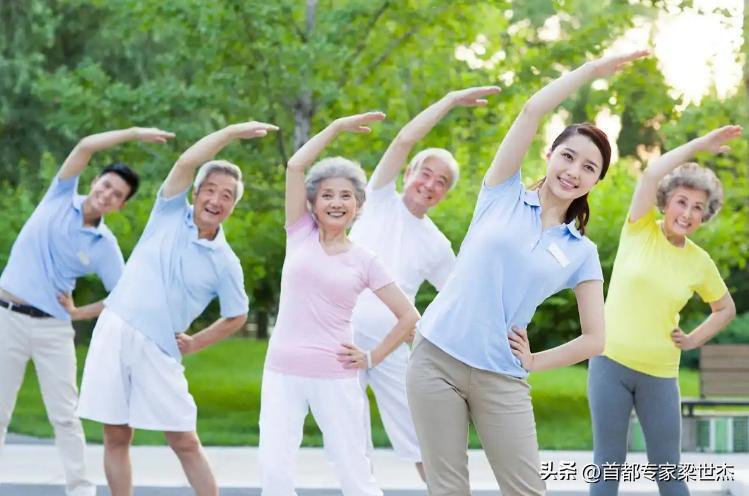
老年,則是生命之秋,是回顧與展望的時節。這時的我們,或許已不再追求速度與激情,但那份對生活的熱愛與對智慧的追求,卻從未停歇。老年人的鍛鍊,更多的是一種身心的修養,是一種對生活的態度。他們或許選擇慢走,或許選擇太極,每一種輕柔的動作中,都蘊含着對生命的敬畏與珍惜。在養精蓄銳中,他們享受着歲月的寧靜,也傳遞着生命的智慧。
然而,現實中,總有些人違背了這一自然法則。年輕時,他們貪圖安逸,拒絕了汗水與挑戰,錯失了鍛鍊與成長的最佳時機;而當年華老去,卻又盲目追求活力與激情,不顧身體的實際情況,結果適得其反,不僅未能達到預期的效果,反而給身體帶來了不必要的傷害。
記得有一位朋友,年輕時因爲工作繁忙,總是忽視鍛鍊,以爲年輕就是資本,可以肆意揮霍。然而,隨着年齡的增長,身體的各種問題逐漸顯現,這時他才恍然大悟,開始瘋狂地健身,試圖彌補過去的遺憾。但遺憾的是,由於長時間缺乏鍛鍊,他的身體已經難以承受高強度的運動,最終只能望而卻步,悔不當初。
因此,鍛鍊身體,必須根據自己的年齡段順應規律,量力而行。青春時,不妨大膽一些,去追逐那遙不可及的夢;中年時,學會沉穩,懂得在忙碌中尋找平衡;老年時,則要學會放下,享受那份寧靜與淡泊。每一個階段,都有其獨特的美麗與價值,只有順應生命的節奏,才能舞出最動人的旋律。
讓我們珍惜每一個當下,用智慧與勇氣,去書寫屬於自己的生命篇章。無論是出力長力,還是養精蓄銳,都請記得:順應規律,量力而行,讓生命之樹在歲月的長河中,茁壯成長,綻放出最絢爛的光彩。
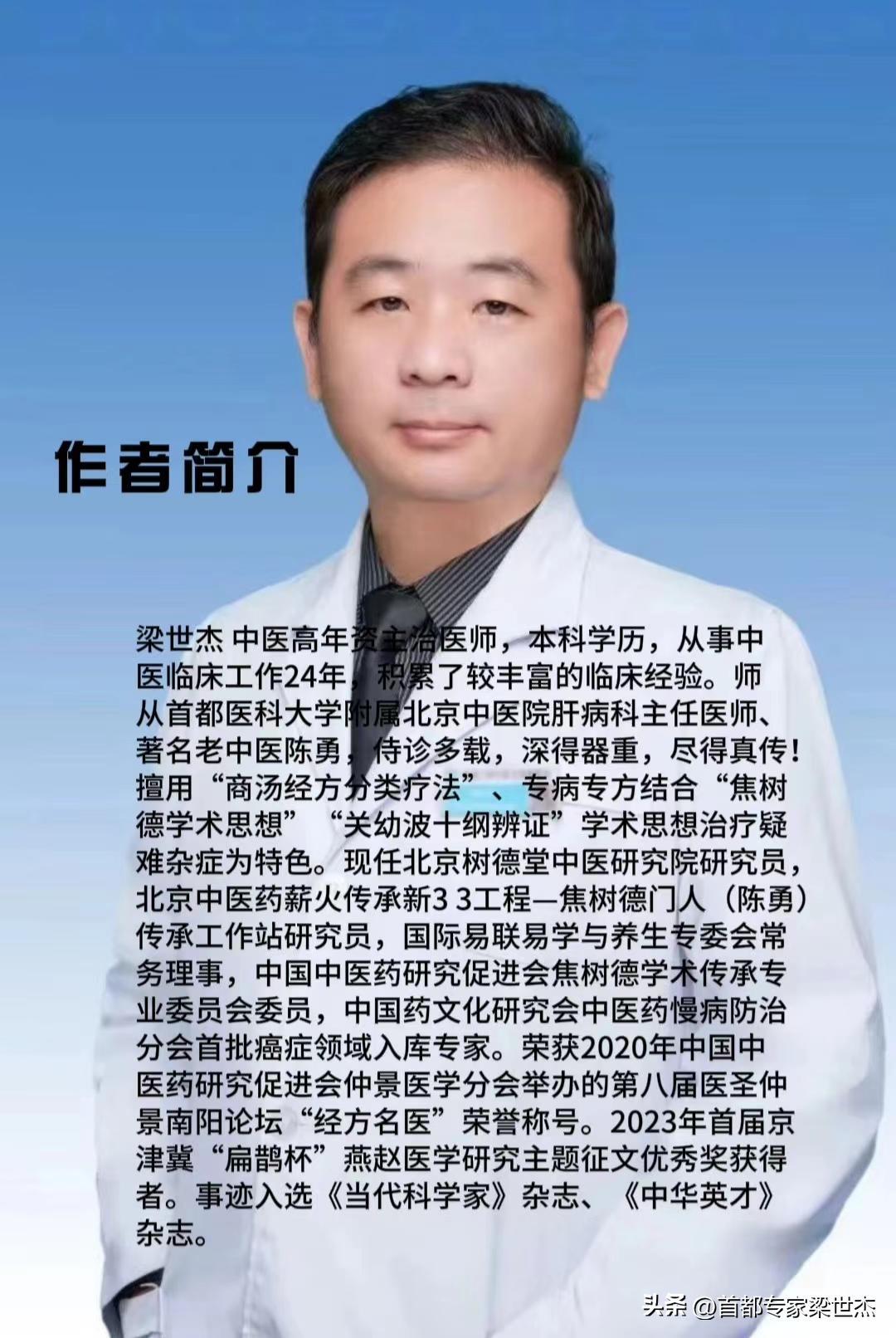
作者簡介:梁世傑 中醫高年資主治醫師,本科學歷,從事中醫臨牀工作24年,積累了較豐富的臨牀經驗。師從首都醫科大學附屬北京中醫院肝病科主任醫師、著名老中醫陳勇,侍診多載,深得器重,盡得真傳!擅用“商湯經方分類療法”、專病專方結合“焦樹德學術思想”“關幼波十綱辨證”學術思想治療疑難雜症爲特色。現任北京樹德堂中醫研究院研究員,北京中醫藥薪火傳承新3+3工程—焦樹德門人(陳勇)傳承工作站研究員,國際易聯易學與養生專委會常務理事,中國中醫藥研究促進會焦樹德學術傳承專業委員會委員,中國藥文化研究會中醫藥慢病防治分會首批癌症領域入庫專家。榮獲2020年中國中醫藥研究促進會仲景醫學分會舉辦的第八屆醫聖仲景南陽論壇“經方名醫”榮譽稱號。2023年首屆京津冀“扁鵲杯”燕趙醫學研究主題徵文優秀獎獲得者。事蹟入選《當代科學家》雜誌、《中華英才》雜誌。
Adjust to the natural rhythm of life and engage in mindful physical and mental exercises.
In the vast expanse of life, each stage unfolds with its own distinct rhythm and tempo, akin to the cyclical changes of the seasons—from sowing in spring to reaping in autumn, each phase follows a predetermined order. We often speak of the importance of "finding the right time and place," but this concept extends far beyond external circumstances; it is deeply connected to the phases of our own lives. Today, let us delve into a crucial yet frequently overlooked topic: it is crucial not to exhaust your energy at a time when you should be building your strength, and equally important not to try to build your strength at a time when you should be conserving your energy.
Youth is the springtime of life, a period marked by boundless energy and fervent passion. During this phase, our bodies are like rising suns, brimming with potential and strength. It is the perfect time to exert effort and grow in capability, a season for shedding sweat and striving relentlessly. Imagine a young athlete on the field, running with all his might, with each sprint a challenge to push beyond his limits, and each jump an act of self-transcendence. His sweat is the nourishment for the seeds of his dreams, and his hard work forms the foundation upon which success is built. If, in the prime of life, one chooses to settle for comfort and conserve their energy, the radiant spark that should illuminate their future might instead dim in the recesses of memory.
However, life is not merely about the boundless energy of youth but also encompasses the stability of middle age and the wisdom of old age. Middle age is a period of growth and harvest, a time to accumulate experiences and knowledge. At this stage, having weathered the challenges of youth, we have gained a deeper understanding of what it means to persevere and to know when to let go. While our physical abilities may not be as robust as they were in our youth, the maturity and composure that emanate from within us are invaluable gifts bestowed by the passage of time. During this phase, it is crucial to maintain a balance between rest and activity, as this will enable us to better navigate the challenges of life and to unleash our full potential when needed. Just as a tree, after enduring the trials of wind and rain, understands when to firmly anchor itself in the soil and when to allow its branches to flourish, embracing the natural rhythms to grow strong and resilient.
In old age, which is akin to the autumn of life, it is a season of reflection and anticipation. At this stage, we may no longer be driven by the desire for speed and excitement, but our passion for life and our pursuit of wisdom never truly fade. For the elderly, physical exercise serves more as a means of cultivating both the body and the mind, as well as a way of approaching life. They might opt for a leisurely walk or tai chi, each gentle movement imbued with a sense of reverence and appreciation for life. In the process of conserving their energy, they find tranquility in the passage of time and share the wisdom they have gained.
In reality, however, there are always individuals who defy this natural law. In their youth, they crave comfort and reject hard work and challenges, thereby missing out on the best opportunities for exercise and growth. When they grow older, they mistakenly pursue vitality and passion, disregarding their current physical condition. As a result, they not only fail to achieve their goals but also end up causing unnecessary harm to their bodies.
I remember a friend of mine who, during his younger years, was so busy with work that he neglected to engage in any form of exercise. He believed that since he was young, he had all the time in the world and didn''t need to worry about taking care of his health. However, as he grew older, he began to notice various health issues arising from his sedentary lifestyle. It was then that he realized his mistake and decided to make a complete turnaround by dedicating himself to a rigorous fitness regimen. Unfortunately, due to a prolonged period of inactivity, his body had become too weak to handle even moderate physical activity, leaving him at a loss and deeply regretful for not taking better care of himself earlier.
Therefore, when it comes to exercising, one must adhere to the natural progression appropriate for one''s age group and proceed at a pace that is commensurate with one''s abilities. In one''s youth, it might be beneficial to be bold and pursue those seemingly unattainable dreams. In middle age, it''s important to cultivate a sense of serenity and learn to find balance amidst the chaos of daily life. In old age, one should focus on letting go and savoring the peace and simplicity that come with it. Each stage of life has its own unique beauty and value, and by aligning oneself with the natural rhythm of life, one can create the most captivating of melodies.
Let us cherish every moment, using wisdom and courage to write our own chapters in life. Whether you are contributing your strength or taking time to rest and rejuvenate, remember: align with the natural order, proceed within your capacity, and allow your life''s tree to flourish and radiate its most splendid beauty amidst the passage of time.
Author Bio: Liang Shijie is a senior medical practitioner in traditional Chinese medicine with an undergraduate degree. He has been engaged in traditional medicine clinical work for 24 years and has accumulated a wealth of clinical experience. Following Chen Yong, chief physician of liver disease at Beijing Traditional Medicine Hospital, affiliated with Capital Medical University, and renowned old Chinese medicine, he has been treated for many years and received great attention. He specializes in the treatment of difficult diseases using "conversational traditional therapy" and special treatments combined with the academic ideas of Jiao Shude and Guan Yubo''s ten-level diagnosis.He is currently a researcher at the Shude Tang TCM Research Institute in Beijing, a fellow at the new 3 + 3 project of traditional Chinese medicine flame inheritance in Beijing - a scholar at the inheritance workstation of Jiao Shude''s protégés (Chen Yong),He is a standing committee member of the International Expert Committee on E-learning and Health Care, a member of the Jiao Shude Academic Heritage Special Committee of the Chinese Association for the Advancement of Chinese Medicine Research, and the first cancer specialist to be included in the chapter of the Chinese Pharmaceutical Culture Research Association. Won the 2020 China Association for the Promotion of Traditional Chinese Medicine Zhongjing Medical Branch held the eighth session of the Medical Saint Zhongjing Nanyang Forum "Classic Prescription Famous Doctor" honorary title. The winner of the first Beijing-Tianjin-Hebei "Pingui Cup" Yanzhao Medical Research Essay Award in 2023. His work was featured in the journal Current Scientist and the journal Chinese Talent.