只有中國強才能中醫強:中醫與西醫的共生與未來
在當今世界醫學的舞臺上,中醫與西醫的交鋒與融合,不僅是一場醫學理論的碰撞,更是文化自信與科學精神的交匯。中醫,這門承載着千年智慧的醫學體系,在新時代的浪潮中,既面臨着前所未有的機遇,也遭遇着前所未有的挑戰。而一個核心的觀點逐漸浮出水面:只有中國強,才能中醫強。
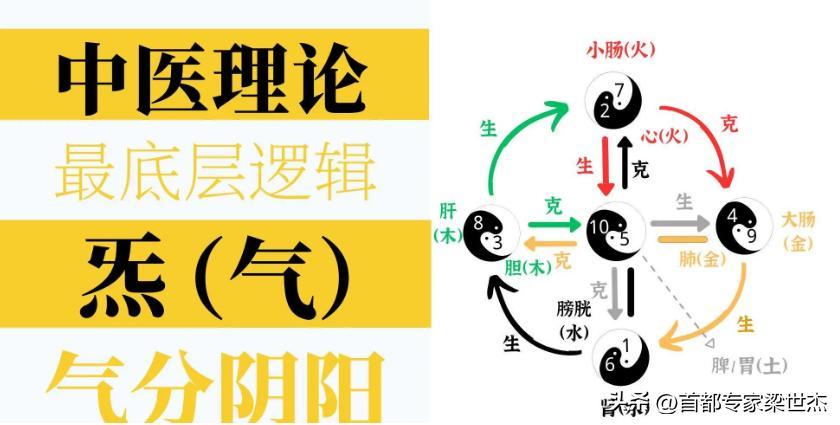
中醫的強大,並非僅僅在於其古老的典籍和獨特的療法,更在於其背後所蘊含的深厚哲學思想和文化底蘊。中醫講究陰陽平衡,五行相生相剋,認爲人體是一個與自然界緊密相連的整體。這種整體觀和系統論的思想,與現代科學所追求的宏觀與微觀相結合、系統與部分相統一的理念不謀而合。然而,長期以來,中醫卻因其“不可見、不可測”的特性,被部分西醫學者質疑爲“不科學”。
這種質疑,實質上是對科學第一性原理的片面理解。科學並非只關注實體粒子的層面,更應關注能量對於生命所起的作用。中醫中的“炁”,便是對這種能量的生動描述。它既不是簡單的物質,也不是純粹的能量,而是介於兩者之間的一種狀態,是生命活動的本質體現。中醫通過調節“炁”的平衡,來達到治療疾病的目的,這與現代醫學中通過調節生理指標來治療疾病有着異曲同工之妙。
然而,中醫的發展之路並非一帆風順。近代以來,隨着西醫的傳入和民國政府對中醫的限制,中醫一度陷入困境。新中國成立後,中醫才得以重獲新生,逐漸建立起自己的教育體系和研究機構。但即便如此,中醫在現代醫學體系中仍然處於邊緣地位,面臨着被西醫同化和邊緣化的風險。
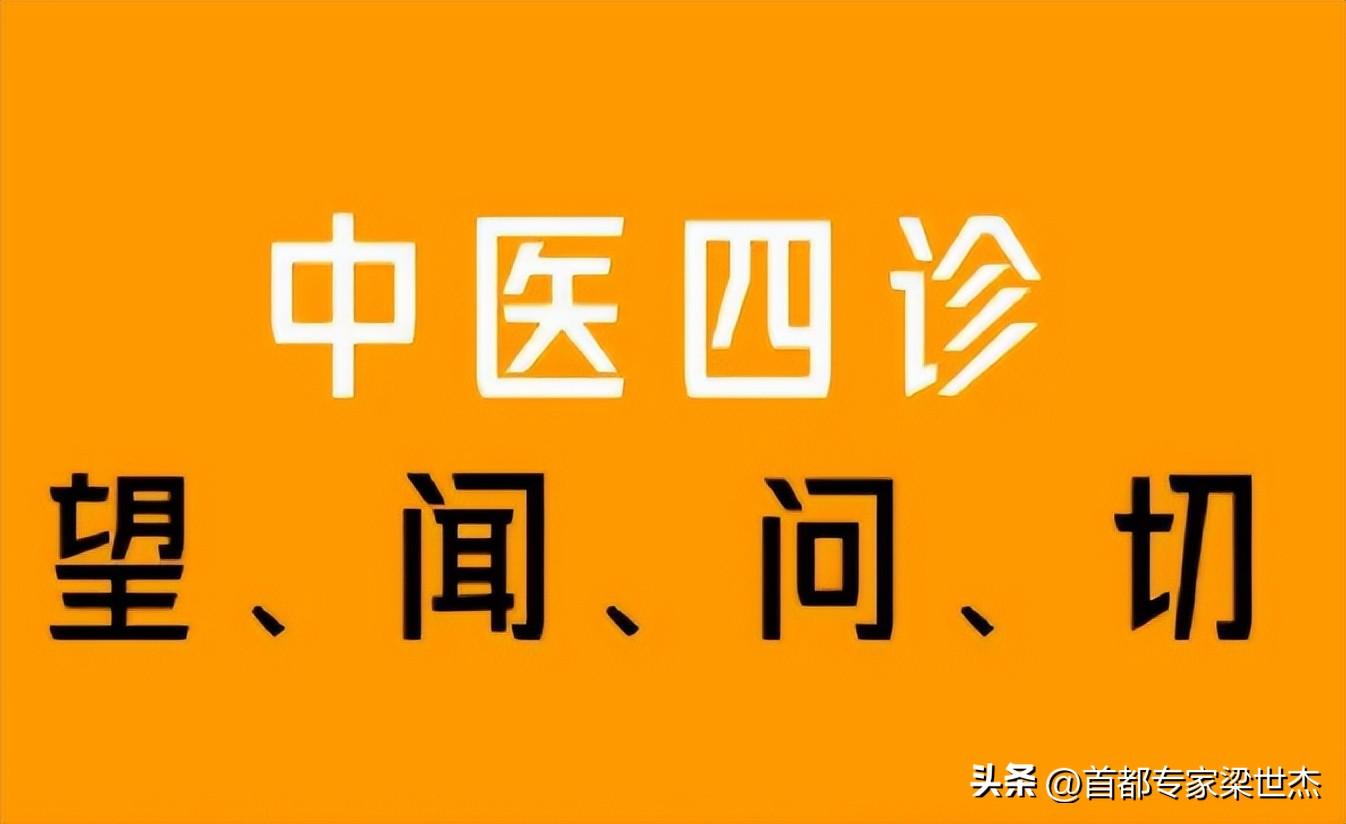
這並非是因爲中醫本身的問題,而是因爲中醫與西醫在認知生命和疾病的方式上存在着根本性的差異。西醫更注重實證和微觀分析,通過解剖、化驗等手段來探尋疾病的根源;而中醫則更注重整體和宏觀把握,通過望聞問切來診斷疾病。這兩種不同的醫學體系,各有千秋,也各有侷限。
因此,我們不能簡單地將中醫和西醫對立起來,而應該尋求兩者的融合與共生。正如一枚硬幣的兩面,實體與能量、西醫與中醫,都是生命不可或缺的部分。只有當我們充分認識到這一點,才能真正理解生命的本質,也才能找到治療疾病的最佳途徑。
事實上,中醫在抗擊新冠疫情中的表現,已經充分證明了其價值。中醫通過辨證施治、整體調節的方式,有效提高了治癒率,降低了死亡率。這不僅是對中醫的一次重大考驗,也是對中醫實力的一次有力證明。
未來,中醫的發展之路仍然任重而道遠。我們需要加強對中醫的研究和教育,培養更多具有創新精神和實踐能力的中醫人才;同時,我們也需要加強對中醫的宣傳和推廣,讓更多人瞭解和認識中醫的價值和魅力。只有這樣,中醫才能在新時代的浪潮中屹立不倒,成爲中華民族乃至全人類的寶貴財富。
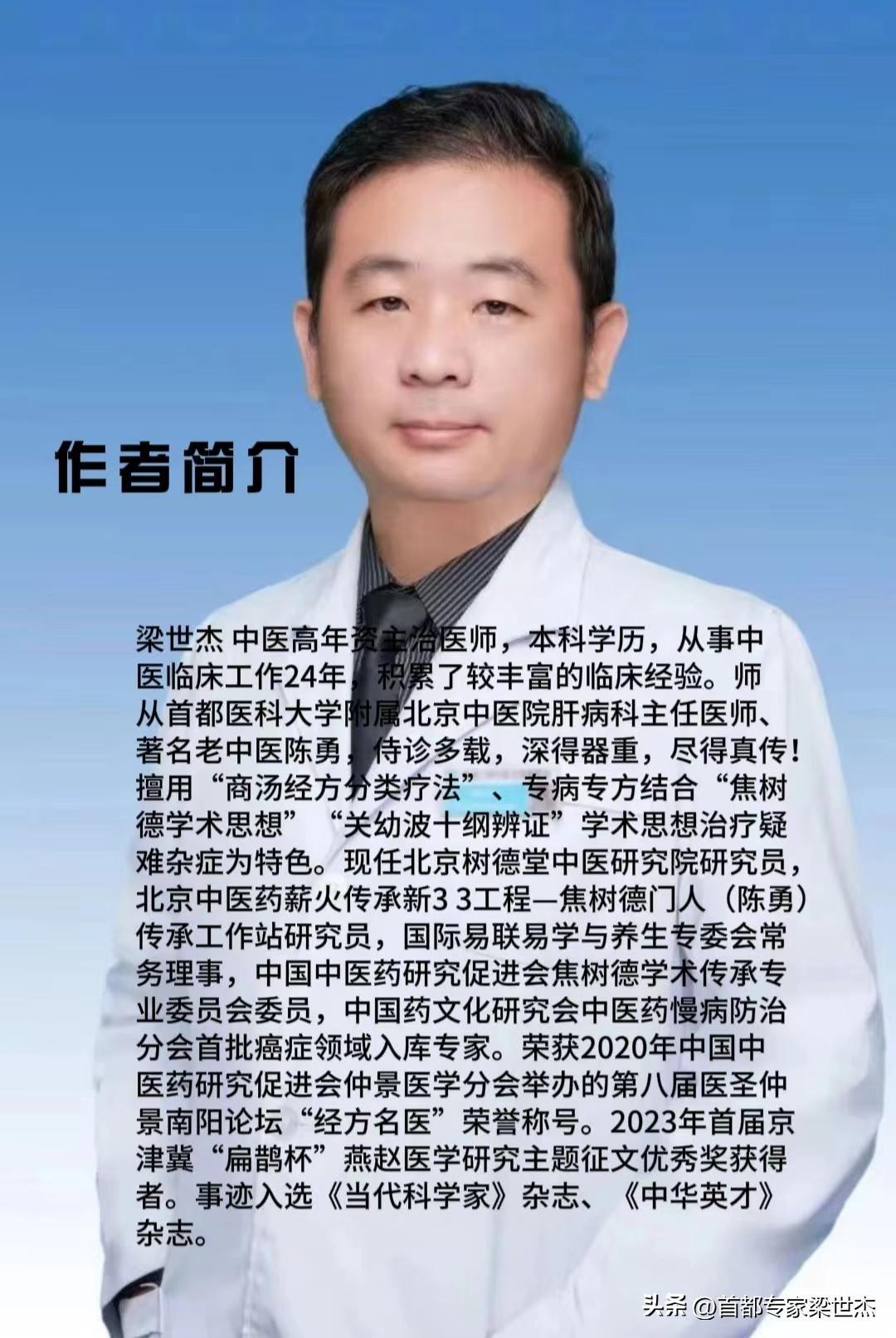
作者簡介:梁世傑 中醫高年資主治醫師,本科學歷,從事中醫臨牀工作24年,積累了較豐富的臨牀經驗。師從首都醫科大學附屬北京中醫院肝病科主任醫師、著名老中醫陳勇,侍診多載,深得器重,盡得真傳!擅用“商湯經方分類療法”、專病專方結合“焦樹德學術思想”“關幼波十綱辨證”學術思想治療疑難雜症爲特色。現任北京樹德堂中醫研究院研究員,北京中醫藥薪火傳承新3+3工程—焦樹德門人(陳勇)傳承工作站研究員,國際易聯易學與養生專委會常務理事,中國中醫藥研究促進會焦樹德學術傳承專業委員會委員,中國藥文化研究會中醫藥慢病防治分會首批癌症領域入庫專家。榮獲2020年中國中醫藥研究促進會仲景醫學分會舉辦的第八屆醫聖仲景南陽論壇“經方名醫”榮譽稱號。2023年首屆京津冀“扁鵲杯”燕趙醫學研究主題徵文優秀獎獲得者。事蹟入選《當代科學家》雜誌、《中華英才》雜誌。
Only China can make TCM strong: the symbiosis and future of TCM and Western medicine
In today''s world of medical science, the confrontation and integration of TCM and Western medicine is not only a collision of medical theories, but also the intersection of confidence in its culture and scientific spirit. Traditional Chinese medicine, a medical system that carries the wisdom of thousands of years, faces unprecedented opportunities and encounters unprecedentedly challenges in the wave of the new era. And a core idea has gradually emerged: Only if China is strong can traditional Chinese medicine be strong.
The strength of traditional Chinese medicine lies not only in its ancient texts and unique therapies, but also in the deep philosophical thought and cultural heritage behind it. TCM stresses the balance of yin and yang, the mutual generation of five phases and the restriction of each other. This holistic and systematic thinking coincides with the ideals of combining the macro and micro dimensions and of uniting the systems and parts of the sciences pursued by modern science. However, for a long time, traditional Chinese medicine has been questioned as "unscientific" by some Western medical practitioners due to its "invisible and unfathomable" nature.
This questioning is essentially a partial understanding of the principle of the primacy of science. Science is not only concerned with the dimensions of physical particles, but also with the role that energy plays in life. The term "yin" in Chinese medicine is a vivid description of this energy. It is neither simple matter nor pure energy, but a state in between, the essence of the activity of life. Traditional Chinese medicine achieves the purpose of treating diseases by regulating the balance of "yin," which is similar to how modern medicine treats diseases by adjusting physiological indicators.
However, the development of traditional Chinese medicine has not been easy. Since modern times, with the introduction of Western medicine and the restrictions imposed by the Nationalist government on traditional Chinese medicine, the latter has faced difficulties. After the founding of the People''s Republic of China, traditional Chinese medicine was able to regain its new life and gradually established its own education system and research institutions. But even so, traditional Chinese medicine remains marginalized in the modern medical system and is at risk of being assimilated and marginalized by Western medicine.
This is not because of a problem with traditional Chinese medicine itself, but because there is a fundamental difference between traditional Chinese and Western medicine in the way they perceive life and disease. Western medicine pays more attention to empirical and microscopic analysis, and uses anatomy and chemistry to find the root cause of disease. Traditional Chinese medicine, on the other hand, focuses more on holistic and macro-level understanding, and diagnoses diseases by looking at, hearing, and asking questions. These two different medical systems have their limitations and limitations.
Therefore, we cannot simply put traditional Chinese medicine and western medicine against each other, but should seek the fusion and symbiosis of the two. Just like the two sides of a coin, physical and energy, Western medicine and Chinese medicine, are indispensable parts of life. Only when we fully recognize this can we truly understand the nature of life and find the best way to treat disease.
In fact, the performance of traditional Chinese medicine in the fight against COVID-19 has fully demonstrated its value. Traditional Chinese medicine through dialectical treatment, the overall adjustment of the way, effectively improve the cure rate, reduce the mortality. This is not only a major test of traditional Chinese medicine, but also a strong proof of the strength of traditional medicine.
In the future, there is still a long way to go in the development of traditional Chinese medicine. We need to strengthen research and education in TCM and cultivate more TCM talents with innovative spirit and practical ability. At the same time, we also need to strengthen the promotion and promotion of traditional Chinese medicine so that more people understand and realize the value and charm of traditional medicine. Only in this way can traditional Chinese medicine stand firm in the wave of the new era and become a valuable asset of the Chinese nation and all mankind.
Author Bio: Liang Shijie is a senior medical practitioner in traditional Chinese medicine with an undergraduate degree. He has been engaged in traditional medicine clinical work for 24 years and has accumulated a wealth of clinical experience. Following Chen Yong, chief physician of liver disease at Beijing Traditional Medicine Hospital, affiliated with Capital Medical University, and renowned old Chinese medicine, he has been treated for many years and received great attention. He specializes in the treatment of difficult diseases using "conversational traditional therapy" and special treatments combined with the academic ideas of Jiao Shude and Guan Yubo''s ten-level diagnosis.He is currently a researcher at the Shude Tang TCM Research Institute in Beijing, a fellow at the new 3 + 3 project of traditional Chinese medicine flame inheritance in Beijing - a scholar at the inheritance workstation of Jiao Shude''s protégés (Chen Yong),He is a standing committee member of the International Expert Committee on E-learning and Health Care, a member of the Jiao Shude Academic Heritage Special Committee of the Chinese Association for the Advancement of Chinese Medicine Research, and the first cancer specialist to be included in the chapter of the Chinese Pharmaceutical Culture Research Association. Won the 2020 China Association for the Promotion of Traditional Chinese Medicine Zhongjing Medical Branch held the eighth session of the Medical Saint Zhongjing Nanyang Forum "Classic Prescription Famous Doctor" honorary title. The winner of the first Beijing-Tianjin-Hebei "Pingui Cup" Yanzhao Medical Research Essay Award in 2023. His work was featured in the journal Current Scientist and the journal Chinese Talent.