中醫與西醫:並行不悖的生命科學探索
在探討中醫與西醫的優劣之前,我們首先要明確一點:無論是中醫還是西醫,其最終目的都是治癒疾病,維護人類健康。然而,近年來關於中醫與西醫的爭論卻愈演愈烈,甚至有人將兩者對立起來,認爲一者必然優於另一者。這種非此即彼的思維模式不僅阻礙了醫學的發展,也誤導了公衆對醫療的認知。本文旨在客觀分析中醫與西醫的各自特點,探討兩者並行不悖的可能性,並呼籲社會各界以開放、包容的心態看待醫學的多元化發展。
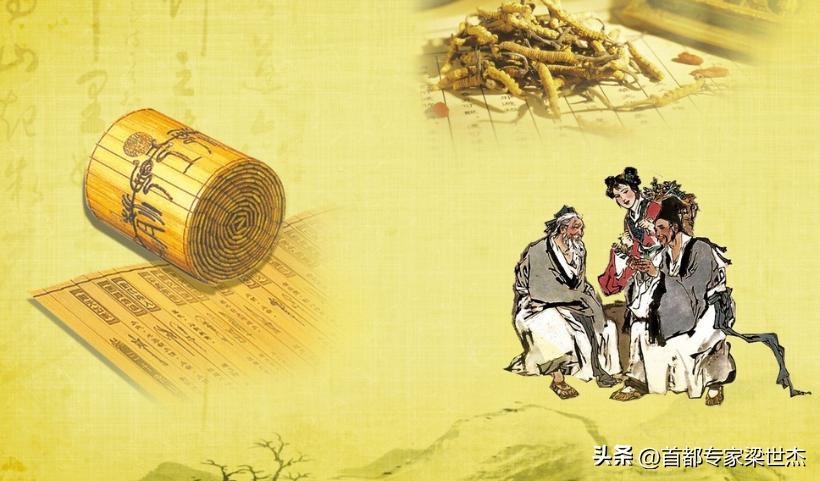
中醫,作爲中華民族的傳統醫學,擁有幾千年的歷史積澱。它強調天人合一,認爲人體是一個有機的整體,與自然界密切相連。中醫通過望、聞、問、切四診合參,來辨識人體的陰陽五行狀態,進而運用中藥、鍼灸、推拿等手段調和人體氣血,達到治病養生的目的。中醫的理論體系雖然看似玄妙,但其在實踐中的療效卻不容忽視。無數案例證明,中醫在治療慢性病、功能性疾病以及某些疑難雜症方面有着獨特的優勢。
然而,中醫的發展並非一帆風順。近代以來,隨着西方科學的傳入,中醫曾一度受到質疑和打壓。有人認爲中醫缺乏科學依據,是玄學而非科學。這種觀點忽略了中醫作爲經驗醫學的本質。中醫的理論和實踐是基於長期的臨牀觀察和經驗積累,其療效是經過歷史驗證的。正如一位老中醫所言:“中醫不需要解釋,中醫能展示療效就行了。”這種實效性的追求,正是中醫生命力的源泉。
相比之下,西醫作爲現代醫學的代表,以其嚴謹的科學體系和先進的診療技術贏得了廣泛認可。西醫注重實證研究,通過科學實驗和臨牀試驗來驗證藥物和療法的有效性。西醫在急性病、器質性疾病以及手術治療方面有着顯著的優勢。例如,抗生素的發現和應用極大地提高了感染性疾病的治癒率;外科手術的發展使得許多過去無法治療的疾病得到了有效治療。
然而,西醫也並非萬能。其治療往往針對症狀而非病因,有時只是控制了症狀而未能根本解決問題。此外,西醫藥物的副作用和手術的風險也是不容忽視的問題。更重要的是,西醫在面對某些慢性病和功能性疾病時,往往缺乏有效的治療手段。這時,中醫的介入往往能取得意想不到的效果。
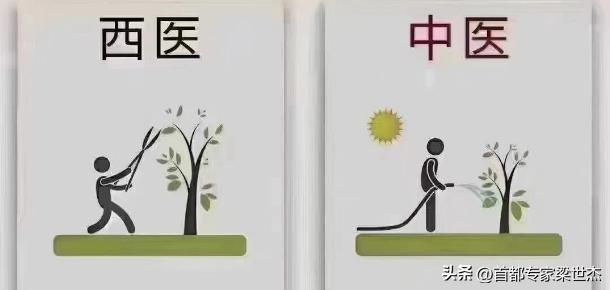
有人將中醫和西醫的對立歸咎於“中醫黑”和“西醫粉”的極端言論。事實上,這種對立並非不可調和。中醫和西醫作爲兩種不同的醫學體系,各有其優勢和侷限。它們之間並非零和博弈,而是可以相互補充、相互促進的。例如,在治療感冒時,中醫可以通過溫陽散寒的方法來治癒風寒感冒,而西醫則可以通過抗病毒藥物來治療病毒性感冒。兩者各有千秋,選擇哪種治療方法應取決於患者的具體情況和病情發展階段。
在現實生活中,許多患者已經意識到中醫和西醫的結合可以帶來更好的治療效果。他們會在西醫診斷明確後,尋求中醫的輔助治療;或者在中醫治療效果不佳時,轉而求助於西醫。這種靈活選擇醫療方式的行爲,正是對醫學多元化發展的最好詮釋。
然而,中醫和西醫的結合並非易事。兩者在理論體系、診療方法以及藥物使用上存在顯著差異。爲了實現兩者的有機結合,我們需要加強中醫和西醫之間的交流和合作。一方面,中醫需要借鑑西醫的科學研究方法和嚴謹態度,提高自身的科學性和可重複性;另一方面,西醫也需要學習中醫的整體觀念和辨證施治思想,拓寬自身的診療思路和方法。
同時,政府和社會各界也應加大對中醫的支持力度。中醫作爲中華民族的瑰寶,其傳承和發展對於提高國民健康水平、弘揚中華文化具有重要意義。政府應加大對中醫科研的投入,鼓勵中醫創新和發展;同時加強對中醫人才的培養和引進,提高中醫隊伍的整體素質和服務水平。社會各界也應加強對中醫的宣傳和推廣,提高公衆對中醫的認知度和信任度。
值得注意的是,中醫和西醫的結合並非一蹴而就的過程。它需要我們長期的努力和探索。在這個過程中,我們可能會遇到各種困難和挑戰,但只要我們保持開放、包容的心態,勇於創新和嘗試,就一定能夠找到中醫和西醫結合的最佳路徑。
此外,我們還應意識到醫學的多元化發展並不意味着要取代或否定任何一種醫學體系。中醫和西醫各有其獨特的價值和意義,它們都是人類探索生命奧祕、維護健康的重要手段。我們應該尊重患者的選擇權,讓他們根據自身情況和需求選擇最適合自己的治療方式。
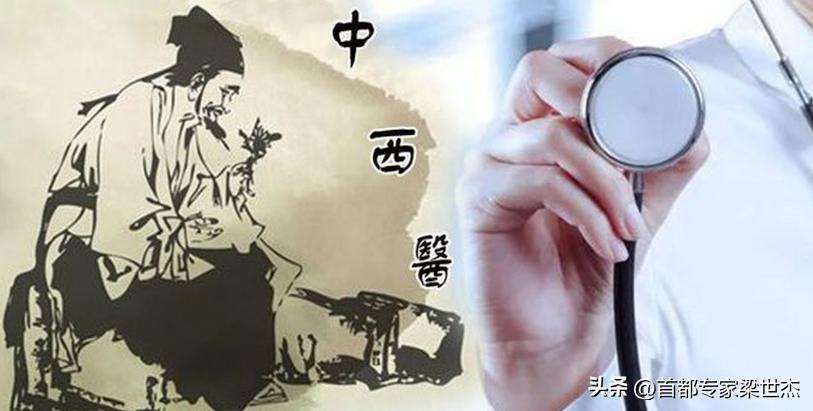
綜上所述,中醫與西醫並非對立的兩極,而是可以並行不悖、相互補充的生命科學探索。我們應該以開放、包容的心態看待醫學的多元化發展,加強中醫與西醫之間的交流和合作,共同推動醫學事業的進步和發展。只有這樣,我們才能更好地服務人類健康事業,爲構建人類命運共同體貢獻力量。在未來的日子裏,讓我們攜手並進,共同探索生命的奧祕和健康的真諦!
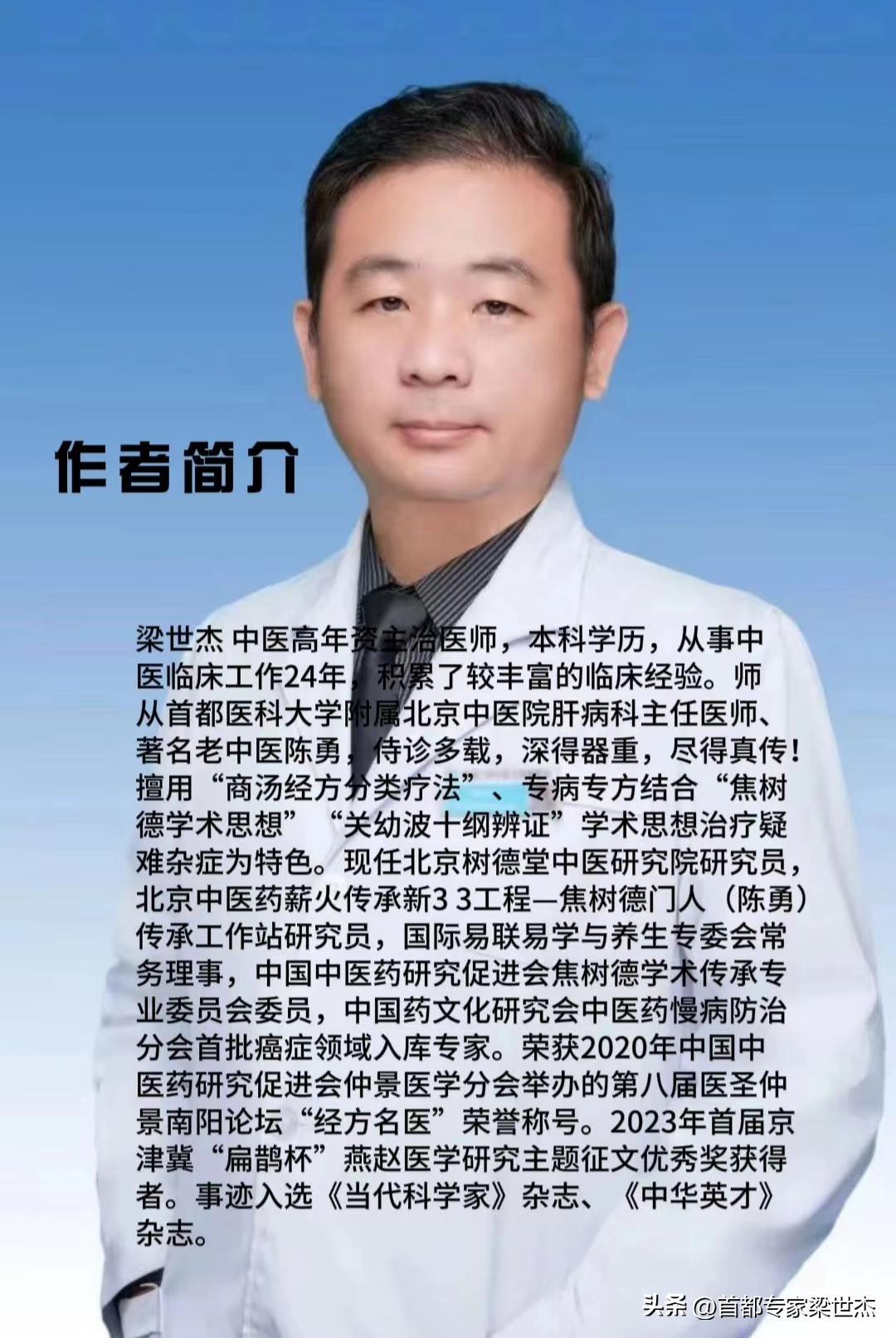
作者簡介:梁世傑 中醫高年資主治醫師,本科學歷,從事中醫臨牀工作24年,積累了較豐富的臨牀經驗。師從首都醫科大學附屬北京中醫院肝病科主任醫師、著名老中醫陳勇,侍診多載,深得器重,盡得真傳!擅用“商湯經方分類療法”、專病專方結合“焦樹德學術思想”“關幼波十綱辨證”學術思想治療疑難雜症爲特色。現任北京樹德堂中醫研究院研究員,北京中醫藥薪火傳承新3+3工程—焦樹德門人(陳勇)傳承工作站研究員,國際易聯易學與養生專委會常務理事,中國中醫藥研究促進會焦樹德學術傳承專業委員會委員,中國藥文化研究會中醫藥慢病防治分會首批癌症領域入庫專家。榮獲2020年中國中醫藥研究促進會仲景醫學分會舉辦的第八屆醫聖仲景南陽論壇“經方名醫”榮譽稱號。2023年首屆京津冀“扁鵲杯”燕趙醫學研究主題徵文優秀獎獲得者。事蹟入選《當代科學家》雜誌、《中華英才》雜誌。
Traditional Chinese Medicine and Western Medicine: Parallel Life Sciences Exploration
Before discussing the advantages and disadvantages of traditional Chinese medicine and Western medicine, let us first make it clear that the ultimate goal of both traditional Chinese and Western medicine is to cure diseases and maintain human health. However, in recent years, the debate over traditional Chinese medicine and Western medicine has intensified, and some have even pitted the two against each other, believing that one must be superior to the other. This binary mindset not only hinders the development of medicine, but also misleads the public''s perception of medicine. This paper aims to objectively analyze the characteristics of traditional Chinese medicine and Western medicine, explore the possibility of their parallelism, and call on all sectors of society to view the diverse development of medicine with an open and inclusive mindset.
As the traditional medicine of the Chinese nation, traditional Chinese medicine has a history of thousands of years. It emphasizes the unity of nature and man, believing that the human body is an organic whole that is closely connected to the natural world. Traditional Chinese medicine identifies the yin and yang state of the human body by looking, smelling, asking, and cutting together the four signs, and then uses Chinese medicine, acupuncture, and massage to reconcile the human qi and blood to achieve the purpose of medical treatment and health. Although the theoretical system of traditional Chinese medicine may seem wondrous, its effectiveness in practice cannot be ignored. Countless cases have proved that traditional Chinese medicine has unique advantages in the treatment of chronic diseases, functional diseases, and certain difficult diseases.
However, the development of traditional Chinese medicine has not been easy. In recent times, with the influx of Western science, traditional Chinese medicine was once questioned and suppressed. Some people believe that traditional Chinese medicine lacks scientific evidence and is esotericism rather than science. This view ignores the nature of traditional Chinese medicine as experiential medicine. The theory and practice of traditional Chinese medicine is based on long-term clinical observation and accumulation of experience, and its efficacy is historically proven. As one old Chinese medicine practitioner said, "Chinese medicine does not need to explain, it only shows the efficacy of the treatment." This quest for effectiveness is the source of the vitality of traditional Chinese medicine.
In contrast, Western medicine, as the representative of modern medicine, has won wide recognition for its rigorous scientific system and advanced diagnostic and therapeutic techniques. Western medicine focuses on empirical studies, through scientific and clinical trials to verify the effectiveness of drugs and therapies. Western medicine has significant advantages in the treatment of acute diseases, organ diseases and surgical procedures. For example, the discovery and application of antibiotics has greatly improved the cure rate of infectious diseases; Advances in surgery have brought effective treatment to many previously incurable diseases.
However, Western medicine is not a panacea. Treatment often targets symptoms rather than the cause, and sometimes simply controls symptoms without addressing the problem at its root. In addition, the side effect of western medicine and the danger of operation are also important. More importantly, Western medicine often lacks effective treatment when confronting certain chronic and functional diseases. At this time, the intervention of traditional Chinese medicine can often achieve unexpected results.
Some have blamed the rivalry between traditional Chinese medicine and Western medicine on the extreme rhetoric of "traditional Chinese black" and "Western medicine powder." In fact, such antagonism is not irreconcilable. As two different medical systems, traditional Chinese medicine and Western medicine have their advantages and limitations. They are not zero-sum games, but can complement and promote each other. For example, when treating colds, TCM can cure wind-cold by warming yang for dispelling cold, while Western medicine can treat viral cold by antiviral drugs. Both are different, and which treatment method to choose should depend on the specific situation of the patient and the stage of development of the condition.
In real life, many patients have realized that the combination of traditional Chinese medicine and Western medicine can lead to better treatment results. They will seek complementary treatment from traditional Chinese medicine after the diagnosis is clear. Or when the treatment of traditional Chinese medicine is not working well, turn to Western medicine. This flexible choice of medical treatment is the best illustration of the diversity of medicine.
However, the combination of traditional Chinese medicine and Western medicine is not an easy task. There are significant differences in the theoretical system, diagnosis and treatment methods, and drug use. In order to achieve the organic combination of the two, we need to strengthen communication and cooperation between traditional Chinese medicine and Western medicine. On the one hand, traditional Chinese medicine needs to learn from Western medicine''s scientific research methods and strict attitude to improve its own scientificity and reproducibility; On the other hand, Western medicine also needs to learn the holistic concepts and dialectical healing ideas of traditional Chinese medicine, and broaden its own thinking and methods of diagnosis and treatment.
At the same time, the government and all sectors of society should also step up support for traditional Chinese medicine. As the treasure of the Chinese nation, the inheritance and development of traditional Chinese medicine is of great significance to improve the national health level and carry forward the Chinese culture. The government should increase investment in scientific research of Traditional Chinese Medicine Department to encourage its innovation and development; At the same time, we will strengthen the training and introduction of traditional Chinese medicine talents to improve the overall quality and service level of the traditional Chinese medical team. All sectors of society should also strengthen the promotion and promotion of traditional Chinese medicine to increase public awareness and trust in traditional Chinese Medicine.
It is worth noting that the combination of traditional Chinese medicine and Western medicine is not an overnight process. It requires long-term effort and exploration. In this process, we may encounter various difficulties and challenges, but as long as we maintain an open, inclusive mindset, and are brave to innovate and try, we will surely find the best way to combine traditional Chinese medicine and Western medicine.
Furthermore, we should be aware that the diversity of medicine does not mean that one system of medicine should be replaced or rejected. Traditional Chinese medicine and Western medicine each have unique value and significance, and they are both important means for human beings to explore the mysteries of life and maintain health. We should respect the right of patients to choose the treatment that is best for them based on their circumstances and needs.
In summary, traditional Chinese medicine and Western medicine are not opposite poles, but life science investigations that can go hand in hand and complement each other. We should view the diverse development of medicine with an open and inclusive mindset, strengthen communication and cooperation between traditional Chinese medicine and Western medicine, and jointly promote the progress and development of medical causes. Only in this way can we better serve the cause of human health and contribute to building a community with a shared future for mankind. In the days ahead, let us join hands to explore the mysteries of life and the true meaning of health!
Author Bio: Liang Shijie is a senior medical practitioner in traditional Chinese medicine with an undergraduate degree. He has been engaged in traditional medicine clinical work for 24 years and has accumulated a wealth of clinical experience. Following Chen Yong, chief physician of liver disease at Beijing Traditional Medicine Hospital, affiliated with Capital Medical University, and renowned old Chinese medicine, he has been treated for many years and received great attention. He specializes in the treatment of difficult diseases using "conversational traditional therapy" and special treatments combined with the academic ideas of Jiao Shude and Guan Yubo''s ten-level diagnosis.He is currently a researcher at the Shude Tang TCM Research Institute in Beijing, a fellow at the new 3 + 3 project of traditional Chinese medicine flame inheritance in Beijing - a scholar at the inheritance workstation of Jiao Shude''s protégés (Chen Yong),He is a standing committee member of the International Expert Committee on E-learning and Health Care, a member of the Jiao Shude Academic Heritage Special Committee of the Chinese Association for the Advancement of Chinese Medicine Research, and the first cancer specialist to be included in the chapter of the Chinese Pharmaceutical Culture Research Association. Won the 2020 China Association for the Promotion of Traditional Chinese Medicine Zhongjing Medical Branch held the eighth session of the Medical Saint Zhongjing Nanyang Forum "Classic Prescription Famous Doctor" honorary title. The winner of the first Beijing-Tianjin-Hebei "Pingui Cup" Yanzhao Medical Research Essay Award in 2023. His work was featured in the journal Current Scientist and the journal Chinese Talent.