梁世傑:岐黃醫眼,患者如透明人
在醫療的廣袤天地中,中醫宛如一顆璀璨的明珠,散發着獨特而迷人的光芒。當患者踏入有經驗的中醫診室,一場關於身體與心靈的深度對話便悄然開啓。在中醫那敏銳如鷹的“醫眼”之下,患者彷彿瞬間化作透明人,毫無祕密可言,這正是中醫“望、聞、問、切”四診合參的神奇魔力所在。
“望”,是中醫與患者初次接觸時的第一眼洞察。它並非簡單的目光掃視,而是中醫對整體和細節的精準捕捉。記得有一位患者,面色萎黃,眼神黯淡無光,嘴脣乾裂起皮,整個人顯得疲憊不堪。有經驗的中醫一眼便看出,他可能存在脾胃虛弱、氣血不足的問題。脾胃爲後天之本,氣血生化之源,脾胃功能失調,氣血生化無源,自然會在面色、眼神和脣色上有所體現。中醫就像一位技藝高超的攝影師,用那雙“醫眼”將患者的外在表現定格,並從中解讀出身體內部的祕密。
“聞”,則是中醫通過聽覺和嗅覺,進一步探尋患者身體狀況的線索。一位患者走進診室,還未開口,中醫便已聞到他口中散發的酸腐氣味,再聽他說話聲音低微、氣短無力。中醫據此判斷,他可能存在食積內停、中氣不足的情況。食積內停,胃氣上逆,故口中異味;中氣不足,則說話無力、氣短。這如同中醫擁有了一雙靈敏的“順風耳”和“超級嗅覺器”,能從細微的聲音和氣味中,捕捉到身體發出的求救信號。
“問”,是中醫與患者深入交流、瞭解病情的重要環節。中醫會詳細詢問患者的症狀、飲食、睡眠、大小便等情況。曾經有一位患者,自述總是感到手腳冰涼、怕冷,還伴有頭暈、乏力等症狀。中醫進一步詢問得知,他平時喜歡喫生冷食物,作息也不規律。通過這些詢問,中醫判斷他是由於陽氣不足、寒邪內侵導致的。中醫就像一位耐心的傾聽者,不放過任何一個細節,從患者的言語中挖掘出病情的根源。
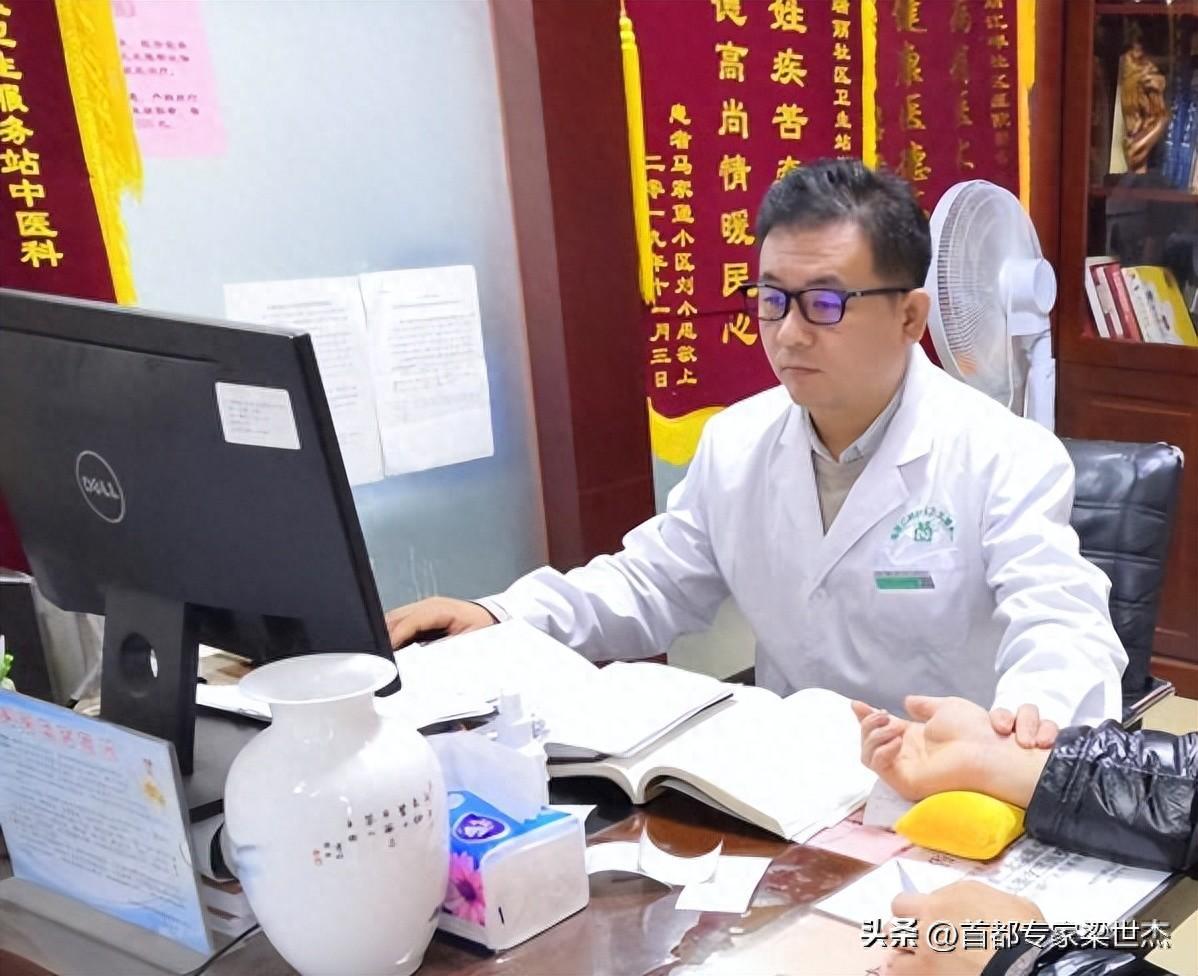
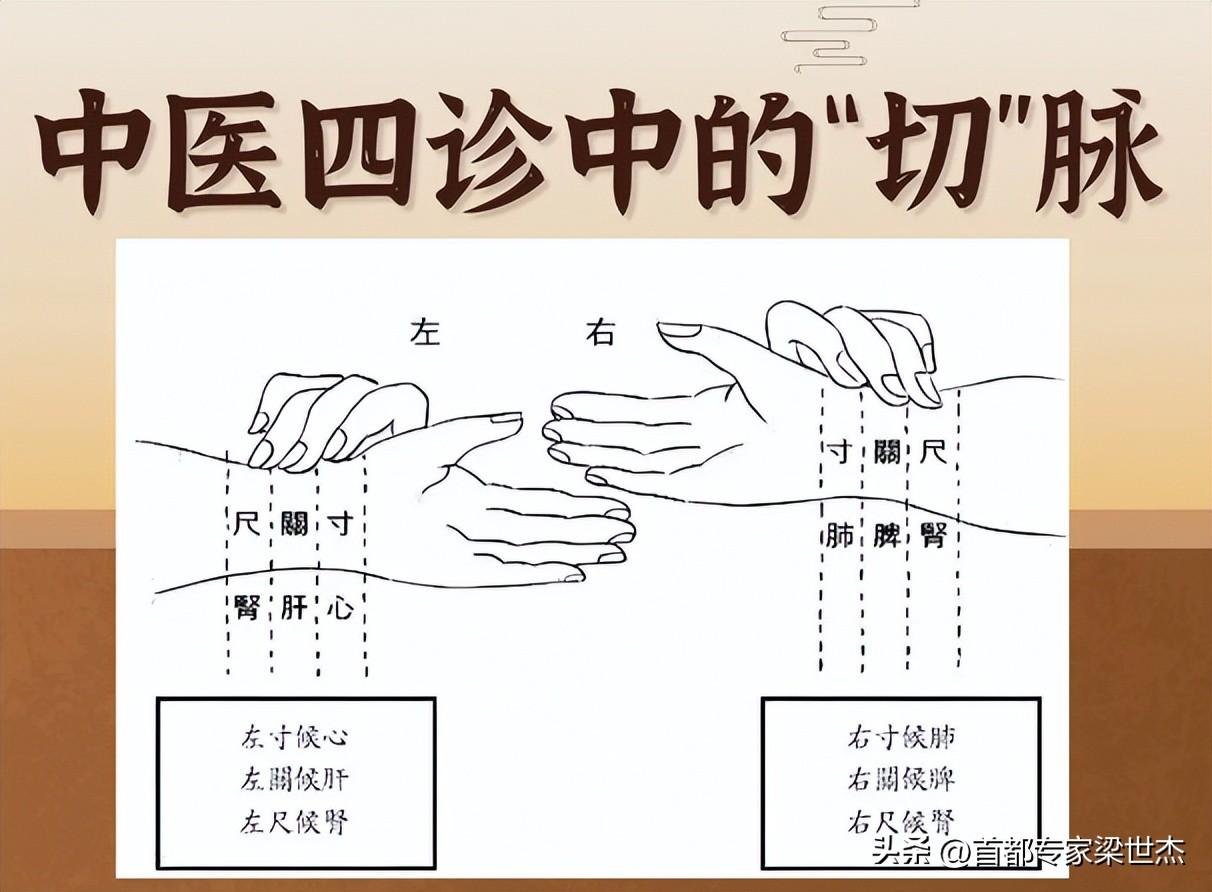
“切”,即切脈,是中醫四診中最爲神祕和關鍵的一環。中醫通過觸摸患者的脈象,感受脈搏的跳動頻率、力度、節律等,來判斷身體的陰陽盛衰、氣血運行情況。有一位患者,脈象沉細無力,中醫據此判斷他氣血兩虛。氣血是人體生命活動的物質基礎,氣血兩虛則脈象沉細無力。切脈就像中醫與患者身體進行的一場“親密對話”,通過脈象,中醫能直接感知到身體內部的動態變化。
在中醫的“望、聞、問、切”之下,患者不僅身體的生理狀況被洞察得一清二楚,就連情志性格也能被感知到。中醫認爲,情志與臟腑密切相關,不同的情志變化會影響臟腑的功能。比如,長期焦慮、抑鬱的人,可能會出現肝氣鬱結的症狀,表現爲胸悶、脅痛、月經不調等。有一位患者,中醫通過觀察他的面色、神情,以及詢問他的生活狀態,判斷出他存在肝氣鬱結、情志不暢的問題。原來,這位患者工作壓力大,經常情緒低落,導致肝氣不舒。中醫就像一位心靈導師,能從患者的身體和言語中,洞察到他們的內心世界。
中醫的這種神奇之處,正是爲羣衆所喜歡和讚歎學習的原因。它不像一些現代醫學檢查,需要藉助各種複雜的儀器設備,中醫僅憑自己的感官和經驗,就能對患者的病情做出準確的判斷。這種簡單而有效的方法,體現了中醫的博大精深和獨特魅力。
然而,在現代社會,中醫也面臨着一些挑戰和誤解。有人認爲中醫是“玄學”,缺乏科學依據。但事實上,中醫的理論和實踐是經過數千年臨牀驗證的,它蘊含着深刻的哲學思想和科學原理。中醫的“望、聞、問、切”四診合參,是一種全面、系統、個性化的診斷方法,它注重人體與自然的和諧統一,強調從整體上把握病情。
我們應該以更加客觀、理性的態度看待中醫,傳承和發揚中醫的優秀傳統。讓中醫的神奇魅力在現代社會中綻放更加耀眼的光芒,爲更多患者的健康保駕護航。當我們在有經驗的中醫面前,成爲那個毫無祕密的“透明人”時,我們應該感到慶幸,因爲這意味着我們找到了通往健康的正確道路。中醫,這顆古老的明珠,必將在新的時代煥發出更加璀璨的光彩,爲人類的健康事業做出更大的貢獻。
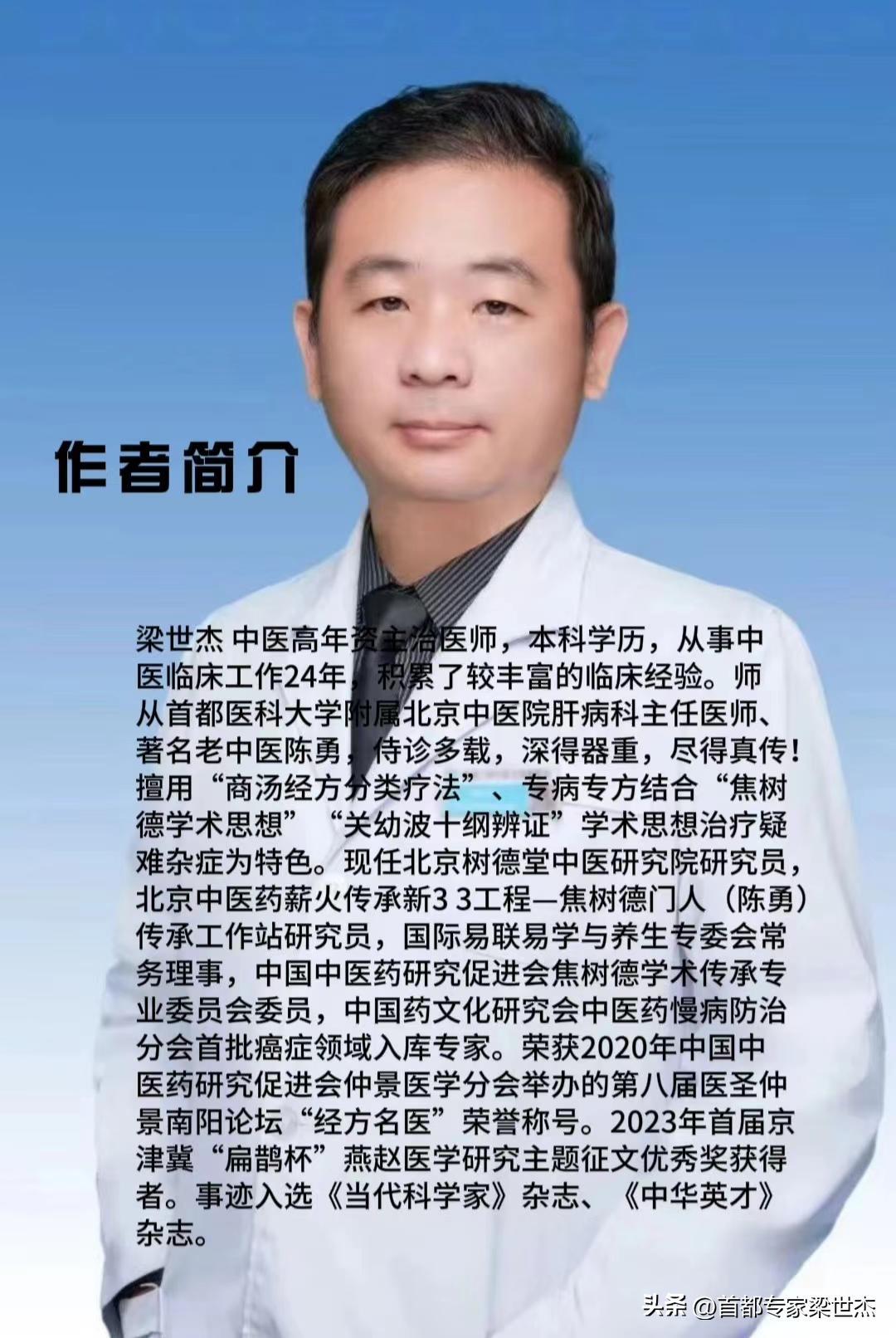
作者簡介:梁世傑 中醫高年資主治醫師,本科學歷,從事中醫臨牀工作24年,積累了較豐富的臨牀經驗。師從首都醫科大學附屬北京中醫院肝病科主任醫師、著名老中醫陳勇,侍診多載,深得器重,盡得真傳!擅用“商湯經方分類療法”、專病專方結合“焦樹德學術思想”“關幼波十綱辨證”學術思想治療疑難雜症爲特色。現任北京樹德堂中醫研究院研究員,北京中醫藥薪火傳承新3+3工程—焦樹德門人(陳勇)傳承工作站研究員,國際易聯易學與養生專委會常務理事,中國中醫藥研究促進會焦樹德學術傳承專業委員會委員,中國藥文化研究會中醫藥慢病防治分會首批癌症領域入庫專家。榮獲2020年中國中醫藥研究促進會仲景醫學分會舉辦的第八屆醫聖仲景南陽論壇“經方名醫”榮譽稱號。2023年首屆京津冀“扁鵲杯”燕趙醫學研究主題徵文優秀獎獲得者。事蹟入選《當代科學家》雜誌、《中華英才》雜誌。
Liang Shijie: Qi Huang''s medical eye is like a transparent person.
In the vast world of medical treatment, Chinese medicine is like a shining pearl that radiates a unique and charming light. When a patient enters an experienced traditional Chinese medicine clinic, a deep dialogue about the body and mind is quietly opened. Under the eagle-sharp "medical eye" of traditional Chinese medicine, the patient seems to instantly become a transparent person, with no secrets to speak of, which is the magical power of traditional medicine to "see, smell, ask, and cut" the four consultations.
"Vision" is the first insight when traditional Chinese medicine meets the patient for the first time. It is not a simple eye scanning, but a precise capture of the whole and the details of traditional Chinese medicine. I remember a patient whose face was yellow, his eyes were dull, his lips were cracked and peeling, and his whole body looked exhausted. At a glance, Chinese medicine practitioners can see that he may have deficiency of spleen and stomach, deficiency of qi and blood. The spleen is a natural source of qi and blood, and qi and blood are dysfunctional, and qi is not a source of biochemistry. It will naturally be reflected in the color of the face, eyes and lips. Traditional Chinese medicine is like a skilled photographer, using those "medical eyes" to frame the outer appearance of the patient and to decipher the inner secrets of the body.
"Smell" is how traditional Chinese medicine uses the sense of hearing and smell to further search for clues about the condition of the patient''s body. A patient walked into the clinic, and before he could open his mouth, traditional Chinese medicine could smell the sour odor emanating from his mouth, and listened to his voice, which was low and short. Based on this, traditional Chinese medicine judged that he may have a condition of internal cessation of eating and a lack of central breathing. Indigestion stopping, adverse rising of stomach qi, so the mouth odor; When there is not enough energy, there is weak speech and shortness of breath. It''s like traditional Chinese medicine has a pair of sensitive "wind ears" and "super-smellers" that can capture the body''s distress signals from subtle sounds and smells.
"Asking" is an important part of traditional Chinese medicine to in-depth communication with the patient and to understand the condition. Traditional Chinese medicine will ask the patient in detail about symptoms, diet, sleep, bowel movement, etc. One patient once reported that he always felt cold in his hands and feet and was afraid of the cold, along with dizziness and fatigue. Further inquiries from traditional Chinese medicine revealed that he usually liked to eat raw cold food and had an irregular routine. Through these inquiries, traditional Chinese medicine judged that he was caused by a lack of yang qi and an encroachment of cold diseases. Traditional Chinese medicine is like a patient listener who doesn''t miss any detail and digs out the root cause of the condition from the patient''s words.
"Cutting," or cutting the vein, is the most mysterious and crucial part of the Fourth Traditional Chinese Medicine. TCM uses touching the patient''s pulse, feeling the frequency, strength, and rhythm of the pulse to determine the strength and weakness of yin and yang, and the circulation of qi and blood. There was a patient whose pulse was thin and weak, and according to this, Chinese medicine judged that he had hypoxia. The qi and blood are the material basis of human life activities, and if the qi and blood is weak, the pulse is thin and weak. The cutting of the vein is like an "intimate dialogue" between traditional Chinese medicine and the patient''s body. Through the pulse signs, traditional Chinese Medicine can directly sense the dynamics within the body.
Under the "see, smell, ask, and cut" of traditional Chinese medicine, not only the patient''s physical condition is fully discerned, but even the emotional personality can be perceived. According to traditional Chinese medicine, emotions are closely related to the internal organs, and different emotion changes can affect the function of the internal organ. For example, long-term anxious, depressed people, may appear stagnation of liver qi symptoms, manifested as chest tightness, hypochondriac pain, irregular menstruation, etc. In one case, the doctor of traditional Chinese medicine judged that he had stagnation of liver qi and lack of emotion by observing his face and expression and asking him about his living conditions. It turned out that the patient had a lot of stress at work and was often depressed, which caused his liver to be unwell. Traditional Chinese medicine is like a spiritual teacher, and can give insight into the inner world of the patient from the body and the words.
This amazing aspect of Chinese medicine is exactly why the masses like and admire the study. Unlike some modern medical tests, which require the aid of various complex instruments and equipment, traditional Chinese medicine can make an accurate judgment on the patient''s condition based on its own senses and experience. This simple and effective method reflects the great depth and unique charm of traditional Chinese medicine.
However, in modern society, traditional Chinese medicine also faces some challenges and misconceptions. Some people think that traditional Chinese medicine is "esotericism" and lacks scientific evidence. But in fact, the theory and practice of traditional Chinese medicine has been clinically validated over thousands of years, and it contains deep philosophical ideas and scientific principles. The combination of "seeing, smelling, asking, and cutting" in traditional Chinese medicine is a comprehensive, systematic, and individualized diagnostic method, which focuses on the harmony and unity of the human body and nature, and emphasizes holistic management of the condition.
We should view traditional Chinese medicine in a more objective and rational manner and carry forward and promote the excellent traditions of traditional Chinese Medicine. Let the magical charm of traditional Chinese medicine shine more brightly in modern society, protecting the health of more patients. When we become the "transparent person" with no secrets in front of experienced Chinese medicine, we should be grateful, because it means that we have found the right path to health. TCM, this ancient pearl, will surely shine brighter in the new era and make greater contributions to the cause of human health.
Author Bio: Liang Shijie is a senior medical practitioner in traditional Chinese medicine with an undergraduate degree. He has been engaged in traditional medicine clinical work for 24 years and has accumulated a wealth of clinical experience. Following Chen Yong, chief physician of liver disease at Beijing Traditional Medicine Hospital, affiliated with Capital Medical University, and renowned old Chinese medicine, he has been treated for many years and received great attention. He specializes in the treatment of difficult diseases using "conversational traditional therapy" and special treatments combined with the academic ideas of Jiao Shude and Guan Yubo''s ten-level diagnosis.He is currently a researcher at the Shude Tang TCM Research Institute in Beijing, a fellow at the new 3 + 3 project of traditional Chinese medicine flame inheritance in Beijing - a scholar at the inheritance workstation of Jiao Shude''s protégés (Chen Yong),He is a standing committee member of the International Expert Committee on E-learning and Health Care, a member of the Jiao Shude Academic Heritage Special Committee of the Chinese Association for the Advancement of Chinese Medicine Research, and the first cancer specialist to be included in the chapter of the Chinese Pharmaceutical Culture Research Association. Won the 2020 China Association for the Promotion of Traditional Chinese Medicine Zhongjing Medical Branch held the eighth session of the Medical Saint Zhongjing Nanyang Forum "Classic Prescription Famous Doctor" honorary title. The winner of the first Beijing-Tianjin-Hebei "Pingui Cup" Yanzhao Medical Research Essay Award in 2023. His work was featured in the journal Current Scientist and the journal Chinese Talent.