梁世傑:直覺思維,隱祕而強大的中醫智慧“核能”
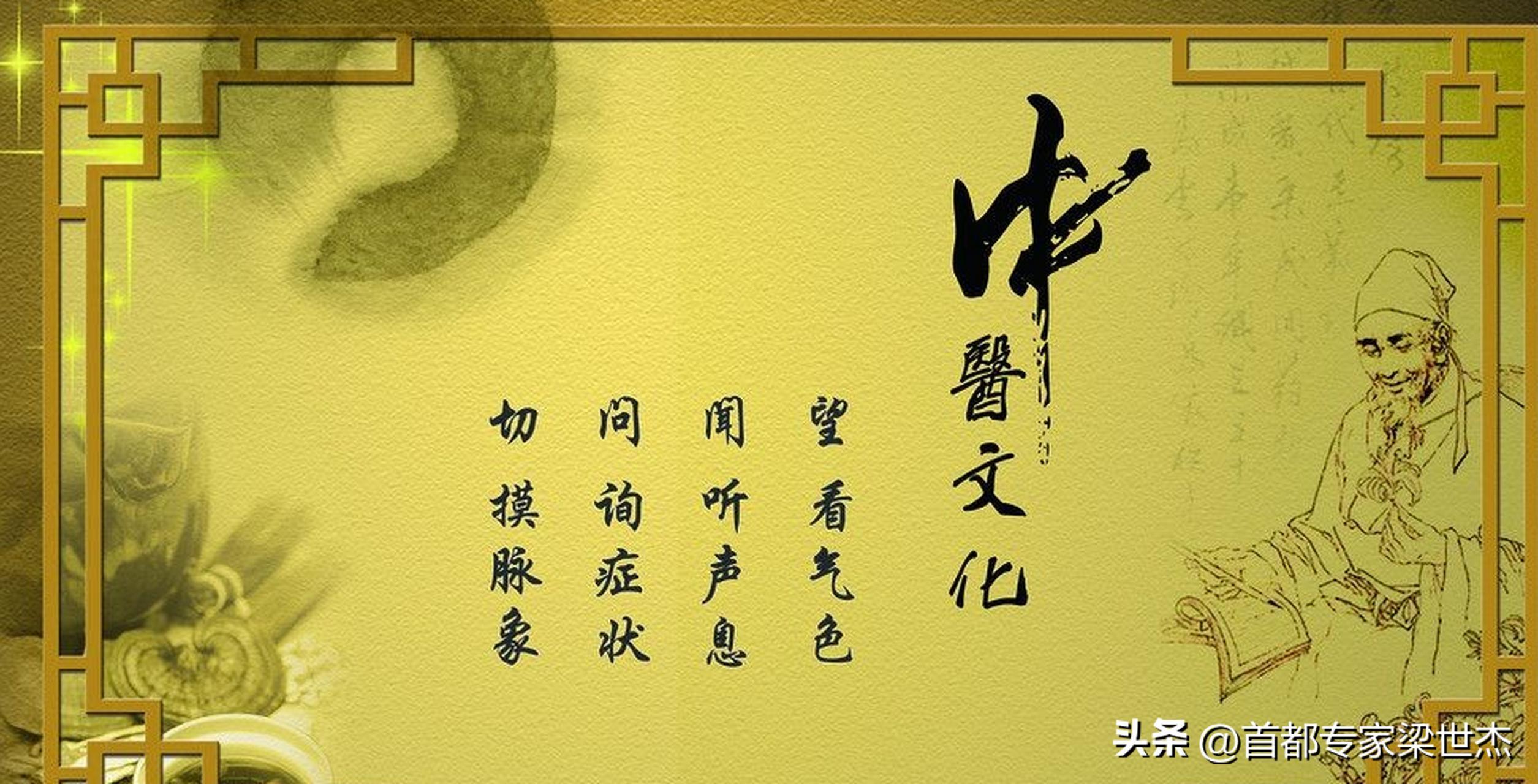
在醫學的宏大版圖裏,中醫宛如一座神祕而深邃的寶藏庫,其中“望、聞、問、切”的感官診斷能力早已爲人熟知,如同一把精巧的鑰匙,打開了人體健康奧祕的諸多門扉。然而,中醫那隱匿於表象之下、鮮少被全面認知的直覺思維,纔是真正令人驚歎且“可怕”的存在,它宛如深埋於地下的神祕能量源,一旦爆發,便能以雷霆之勢洞悉疾病本質,爲患者帶來生的希望。
中醫的直覺思維,並非毫無根據的臆想或主觀臆斷,而是基於中醫數千年臨牀實踐積累的深厚底蘊,是對人體生理、病理規律的高度提煉與昇華。它就像一位經驗老到的獵手,在長期與疾病“搏鬥”的過程中,練就了一種敏銳而精準的“嗅覺”,能在紛繁複雜的症狀表象中,迅速捕捉到疾病的本質和關鍵所在。
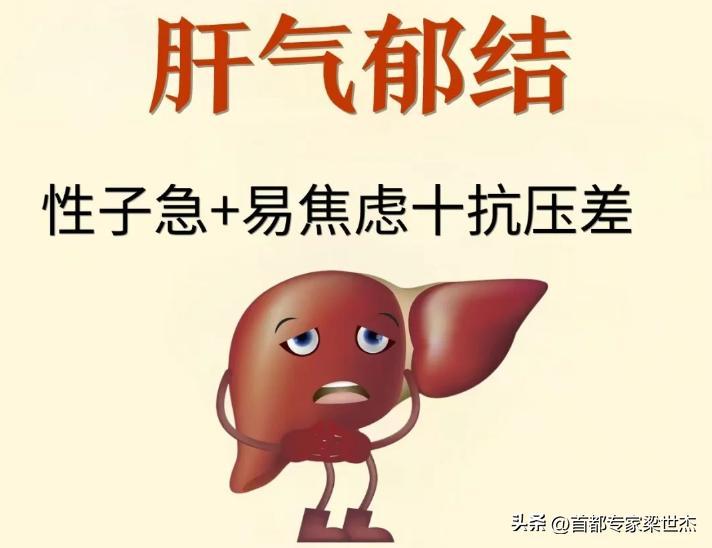
曾有一位患者,輾轉多家醫院,做了各種先進的檢查,卻始終無法明確病因。他面色晦暗,精神萎靡,時常感到胸悶、氣短,偶爾還會出現心悸的症狀。西醫按照常規思路,懷疑是心臟或肺部的問題,但各項檢查結果卻顯示並無明顯異常。患者抱着最後一絲希望,找到了一位德高望重的老中醫。老中醫只是靜靜地觀察患者的面色、神態,仔細聆聽他描述症狀時的語氣和節奏,又簡單詢問了一些生活起居和飲食情況,心中便隱隱有了判斷。隨後,老中醫爲他切脈,脈象弦澀,這更加堅定了他的想法。老中醫憑藉直覺思維,認爲患者的病情並非單純的臟腑器質性病變,而是由於長期的情志不舒,導致肝氣鬱結,進而影響了氣血的運行,形成了氣滯血瘀之證。這種病因隱藏在患者複雜的身心狀態之中,難以通過常規的檢查手段直接發現,但老中醫的直覺思維卻如同敏銳的探照燈,一下子照亮了黑暗的角落。於是,老中醫爲他開具了疏肝理氣、活血化瘀的方劑。經過一段時間的調理,患者的症狀逐漸緩解,面色也恢復了紅潤,最終得以康復。這個案例充分展示了中醫直覺思維的強大威力,它能在看似毫無頭緒的情況下,撥開迷霧,直擊疾病的要害。
中醫的直覺思維還體現在對疾病發展趨勢的精準預判上。一位年輕的中醫在跟診時,遇到一位感冒患者。患者發熱、咳嗽、流涕,症狀看似普通。帶教的老中醫在詳細詢問病情、觀察舌象和脈象後,憑藉直覺思維,判斷患者的病情可能會迅速加重,發展爲肺炎。年輕的中醫起初對此表示懷疑,因爲從患者的症狀來看,並沒有明顯的肺炎跡象。然而,僅僅過了兩天,患者再次前來就診,症狀果然急劇惡化,咳嗽加劇,伴有胸痛、呼吸困難,經檢查確診爲肺炎。年輕的中醫不禁對老中醫的直覺思維佩服得五體投地。原來,老中醫在長期的實踐中,積累了豐富的經驗,能夠從患者細微的症狀變化和整體的身體狀態中,敏銳地察覺到疾病潛在的演變趨勢。這種直覺思維就像一位高明的預言家,能夠提前洞察疾病的走向,爲及時有效的治療爭取寶貴的時間。
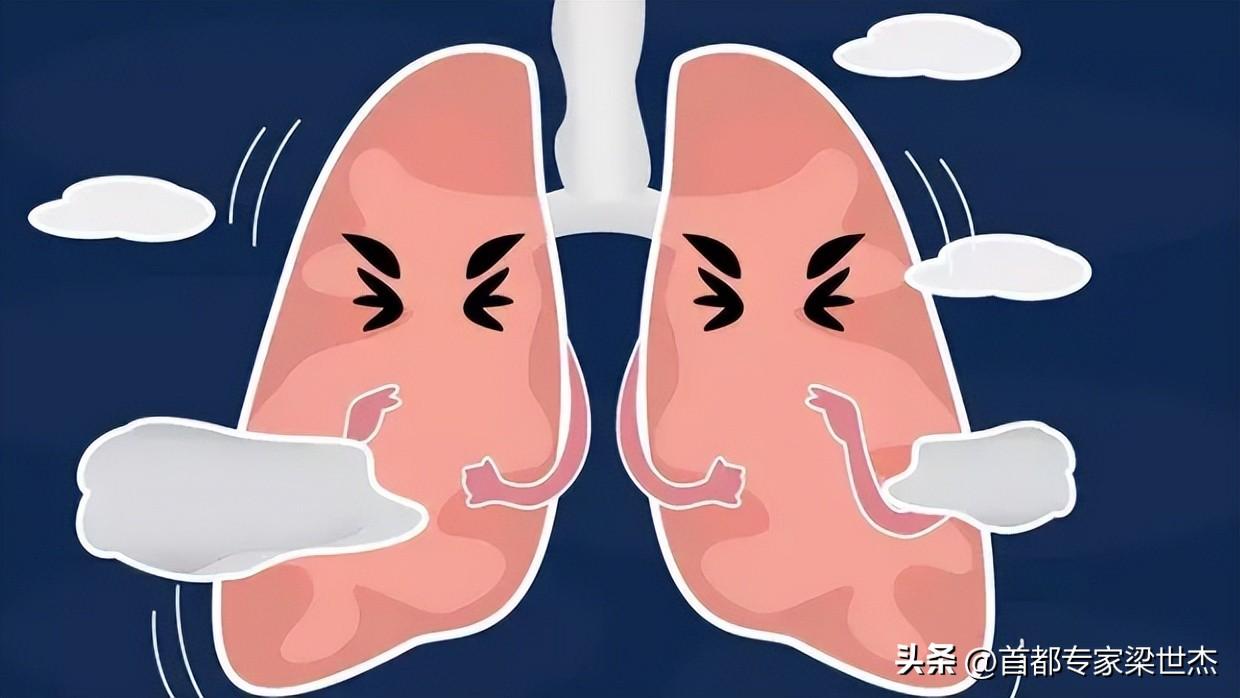
中醫直覺思維的“可怕”之處,還在於它能夠突破常規思維的束縛,在看似無關的症狀之間建立起內在的聯繫。有一位患者,除了常見的頭痛、頭暈症狀外,還伴有口苦、咽乾、目眩等症狀。西醫按照分科診斷的方式,分別對頭痛、頭暈和口苦、咽乾、目眩等症狀進行治療,但效果不佳。後來,患者求助於中醫。中醫運用直覺思維,將這些看似孤立的症狀綜合起來分析,認爲這些症狀並非各自獨立存在,而是相互關聯、互爲因果的。他判斷患者的病因在於肝膽溼熱,溼熱上擾清竅,導致頭痛、頭暈;溼熱蘊結於中焦,則出現口苦、咽乾、目眩等症狀。於是,中醫採用清肝利膽、清熱利溼的方法進行治療。經過一段時間的調理,患者的各種症狀逐漸消失,身體恢復了健康。中醫的直覺思維打破了西醫分科診斷的侷限,從整體上把握人體的健康狀況,找到了疾病的根源所在。
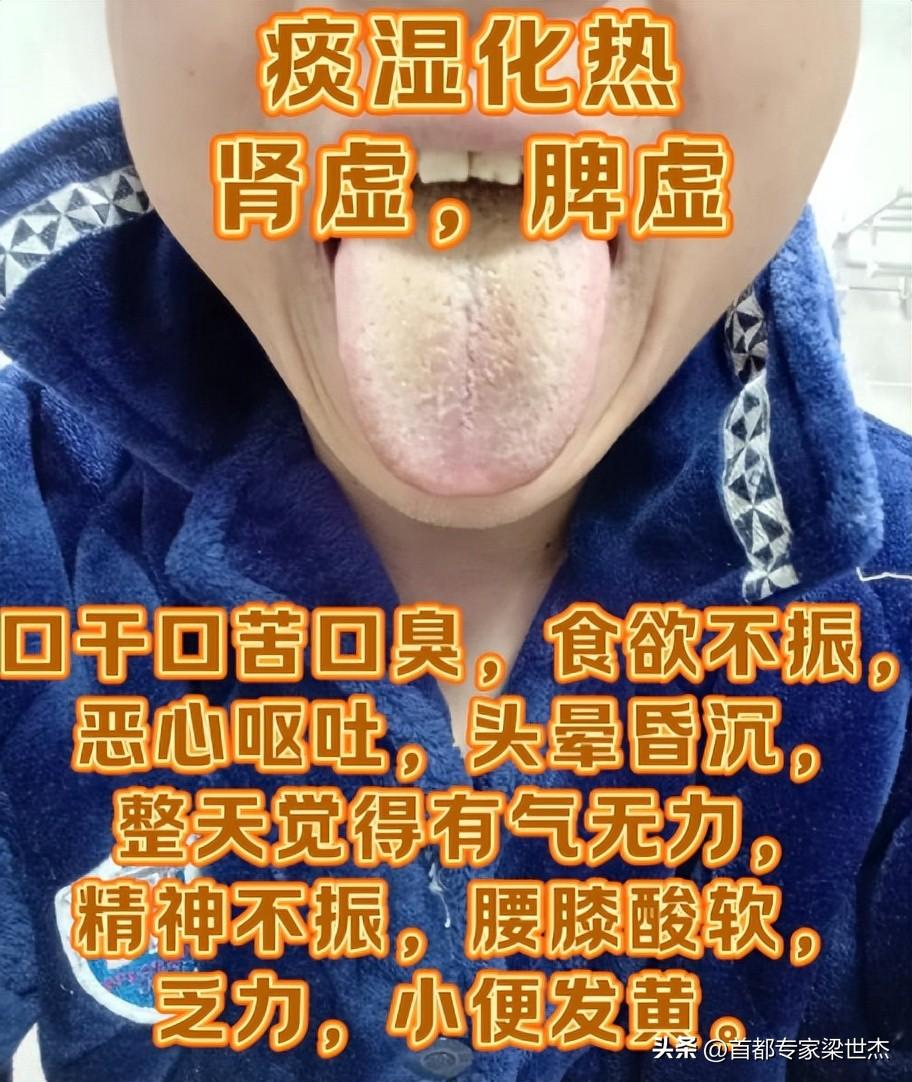
然而,在當今社會,中醫的直覺思維卻常常受到質疑和誤解。一些人認爲直覺思維缺乏科學依據,是主觀的、不可靠的。這種觀點是片面和短視的。中醫的直覺思維是建立在大量的臨牀實踐和深厚的理論基礎之上的,它是中醫智慧的結晶。我們應該以更加開放和包容的心態去認識和理解中醫的直覺思維,而不是輕易地否定和排斥它。
中醫的直覺思維是中醫寶庫中一顆璀璨的明珠,它以其獨特的魅力和強大的力量,在醫學領域中獨樹一幟。它能夠在複雜多變的病情中迅速找到突破口,爲患者帶來生的希望。我們應該珍視和傳承中醫的這一寶貴財富,讓中醫的直覺思維在現代醫學的舞臺上綻放出更加耀眼的光芒,爲人類的健康事業做出更大的貢獻。在面對疾病這個共同的敵人時,中醫的直覺思維無疑是我們手中一把無往不勝的利劍,它將以無畏的勇氣和精準的判斷,引領我們走向健康的彼岸。
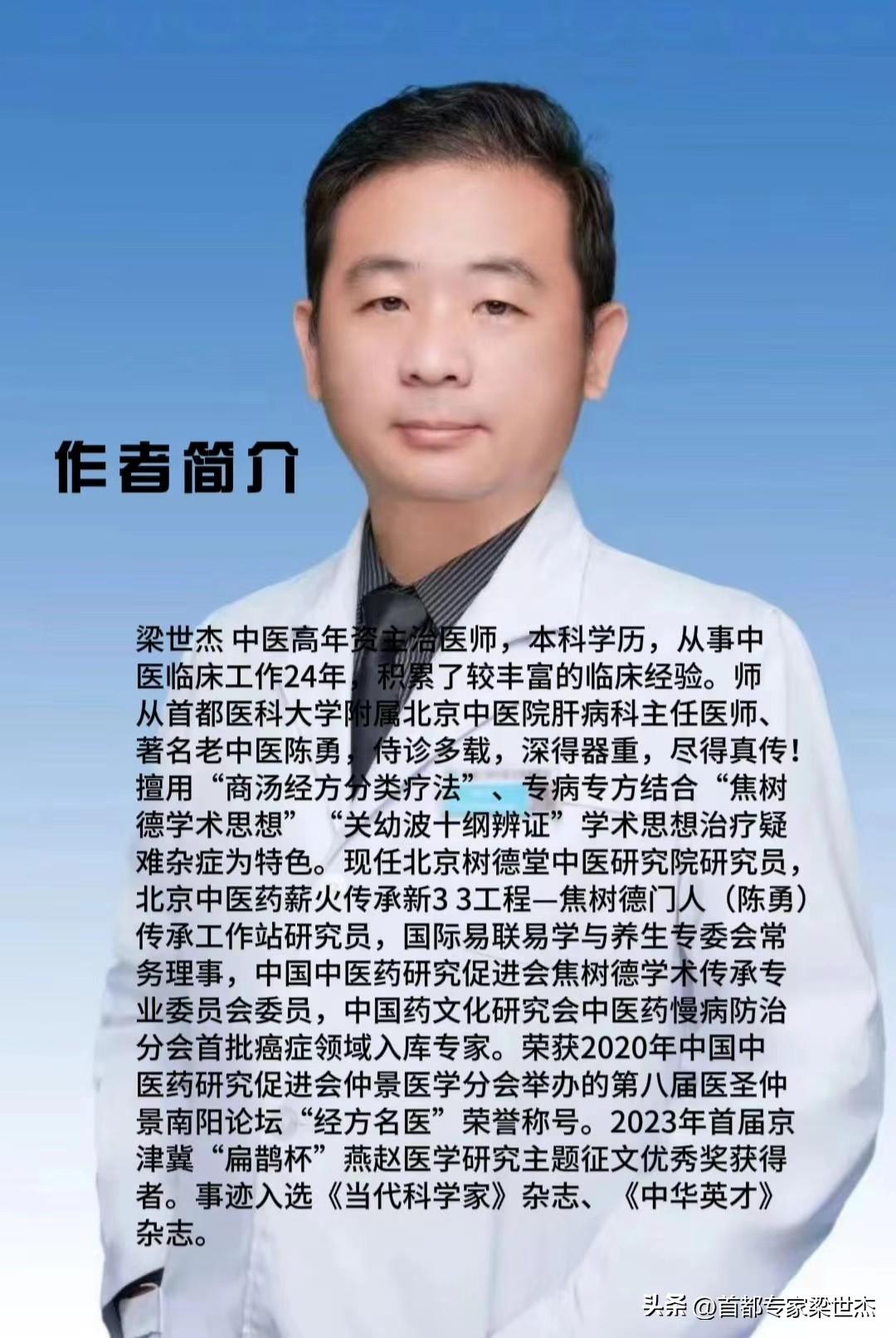
作者簡介:梁世傑 中醫高年資主治醫師,本科學歷,從事中醫臨牀工作24年,積累了較豐富的臨牀經驗。師從首都醫科大學附屬北京中醫院肝病科主任醫師、著名老中醫陳勇,侍診多載,深得器重,盡得真傳!擅用“商湯經方分類療法”、專病專方結合“焦樹德學術思想”“關幼波十綱辨證”學術思想治療疑難雜症爲特色。現任北京樹德堂中醫研究院研究員,北京中醫藥薪火傳承新3+3工程—焦樹德門人(陳勇)傳承工作站研究員,國際易聯易學與養生專委會常務理事,中國中醫藥研究促進會焦樹德學術傳承專業委員會委員,中國藥文化研究會中醫藥慢病防治分會首批癌症領域入庫專家。榮獲2020年中國中醫藥研究促進會仲景醫學分會舉辦的第八屆醫聖仲景南陽論壇“經方名醫”榮譽稱號。2023年首屆京津冀“扁鵲杯”燕趙醫學研究主題徵文優秀獎獲得者。事蹟入選《當代科學家》雜誌、《中華英才》雜誌。
Liang Shijie: Intuition, Hidden and Powerful Chinese Medicine Wisdom "Nuclear Energy"
In the grand landscape of medicine, Chinese medicine is like a mysterious and deep treasure trove, in which the ability to "see, smell, ask, and cut" sensory diagnosis has long been known, like a delicate key that has opened many doors of human health mysteries. However, the intuitive thinking of traditional Chinese medicine, hidden beneath the surface and seldom fully recognized, is the truly amazing and "terrible" existence, which is like a mysterious energy source buried deep underground, and when it erupts, it can reveal the nature of disease with a thunderous amount of energy and bring life hope to the patient.
The intuitive thinking of traditional Chinese medicine is not unfounded assumptions or subjective assumptions, but is based on the deep understanding accumulated over thousands of years of clinical practice of traditional medicine, and is highly refined and sublimated on the physical and pathological laws of the human body. Like an experienced hunter, in the long-term "warping" of disease, it has developed a keen and precise "smell," which can quickly capture the nature and key of the disease in the complex symptom appearance.
There was once a patient who went through various hospitals and had various advanced tests, but could never pinpoint the cause of the illness. He had a dark face and a lack of spirit. He often felt chest tight, shortness of breath, and occasionally developed symptoms of palpitations. Western doctors routinely suspected a heart or lung problem, but various tests showed no obvious abnormalities. With a last hope, the patient found an old Chinese medicine practitioner who was highly respected. Old Chinese medicine only quietly observes the patient''s face and manner, carefully listens to the tone and rhythm of his description of symptoms, and simply asks about some living, eating and drinking conditions, and has a vague judgment in mind. Then, the old Chinese medicine cut his pulse for him, and the pulse was stringy, which strengthened his idea even more. The old doctor of traditional Chinese medicine believed that the disease was not a simple organic disease of the viscera, but was caused by long-term emotional discomfort, leading to stagnation of liver qi, which affected the circulation of qi and blood, and formed the syndrome of qi stagnation and blood stasis. The cause of this disease is hidden in the complex physical and mental state of the patient, which is difficult to detect directly through conventional means of examination, but the intuitive thinking of old Chinese medicine is like a sharp searchlight, which suddenly illuminates the dark corners. So the old Chinese medicine gave him a prescription for liver healing, qiming, and bruising. After a period of treatment, the patient''s symptoms gradually relieve, the face has returned to rosy, and eventually he can recover. This case fully demonstrates the powerful power of intuitive thinking in traditional Chinese medicine, which can throw open the fog and hit the cause of the disease when there seems to be no clue.
The intuitive thinking of traditional Chinese medicine is also reflected in the accurate prognosis of disease development trends. A young Chinese medicine practitioner was following a patient with a cold. The patient had fever, cough and runny, and the symptoms seemed ordinary. After asking in detail about the condition, observing tongue and pulse signs, the taught old Chinese medicine used intuitive thinking to determine that the patient''s condition may rapidly worsen and develop into pneumonia. The young Chinese medicine practitioner was initially skeptical, because from the patient''s symptoms, there were no obvious signs of pneumonia. However, only two days later, the patient came to the doctor again, and the symptoms deteriorated sharply, with an increased cough accompanied by chest pain and breathing difficulties, and examination confirmed pneumonia. The young Chinese could not help but admire the intuitive thinking of the old Chinese medicine. It turns out that in the long term of practice, old Chinese medicine has accumulated a great deal of experience and can sharply detect the potential evolution of the disease from the subtle changes of symptoms and the overall body state of the patient. This intuitive thinking is like a wise prophet who can gain insight into the direction of a disease in advance and buy valuable time for timely and effective treatment.
What is "horrible" about intuitive thinking in Chinese medicine is its ability to break through the boundaries of conventional thinking and establish inner connections between seemingly unrelated symptoms. One patient, in addition to the common headache and dizziness symptoms, was accompanied by symptoms such as dizziness, dry swallowing and dizziousness. Western medicine treats symptoms such as headache, dizziness and dizziness, dry swallowing, and dizziousness according to the method of subspecial diagnosis, but the results are not good. Later, the patient turned to traditional Chinese medicine. Traditional Chinese medicine uses intuitive thinking to integrate these seemingly isolated symptoms, believing that these symptoms do not exist independently, but are interrelated and caused by each other. He judged that the cause of the patient was liver and bile fever, which interfered with the healing of the mind and caused headaches and dizziness. When moist fever is concentrated in middle arousal, there are symptoms such as dizziness, dry stomach, and dizziness. Therefore, the Chinese medicine uses the liver and cholagogue, clearing heat and promoting diuresis to carry on the treatment. After a period of conditioning, the various symptoms of the patient gradually disappeared and the body returned to health. The intuitive thinking of traditional Chinese medicine breaks the limitations of Western medical subspecialty diagnosis, grasps the health status of the human body in a holistic manner, and finds the root cause of the disease.
However, in today''s society, the intuitive thinking of Chinese medicine is often questioned and misunderstood. Some argue that intuitive thinking lacks scientific evidence and is subjective and unreliable. This view is one-sided and short-sighted. The intuitive thinking of Chinese medicine is based on a great deal of clinical practice and deep theoretical foundation. It is the crystallization of Chinese medicine wisdom. We should recognize and understand the intuitive thinking of Chinese medicine with a more open and inclusive mindset, rather than simply deny and reject it.
The intuitive thinking of Chinese medicine is a shining pearl in the treasure trove of Chinese medicine, which stands out in the field of medicine with its unique charm and powerful power. It is able to quickly find a breakthrough in complex and variable conditions and bring life hope to patients. We should cherish and inherit this valuable asset of TCM, so that the intuitive thinking of TCM can shine brighter on the stage of modern medicine and make greater contribution to human health. In the face of the common enemy of disease, the intuitive thinking of Chinese medicine is undoubtedly an invincible sword in our hands, which will lead us to the other side of health with fearless courage and precise judgment.
Author Bio: Liang Shijie is a senior medical practitioner in traditional Chinese medicine with an undergraduate degree. He has been engaged in traditional medicine clinical work for 24 years and has accumulated a wealth of clinical experience. Following Chen Yong, chief physician of liver disease at Beijing Traditional Medicine Hospital, affiliated with Capital Medical University, and renowned old Chinese medicine, he has been treated for many years and received great attention. He specializes in the treatment of difficult diseases using "conversational traditional therapy" and special treatments combined with the academic ideas of Jiao Shude and Guan Yubo''s ten-level diagnosis.He is currently a researcher at the Shude Tang TCM Research Institute in Beijing, a fellow at the new 3 + 3 project of traditional Chinese medicine flame inheritance in Beijing - a scholar at the inheritance workstation of Jiao Shude''s protégés (Chen Yong),He is a standing committee member of the International Expert Committee on E-learning and Health Care, a member of the Jiao Shude Academic Heritage Special Committee of the Chinese Association for the Advancement of Chinese Medicine Research, and the first cancer specialist to be included in the chapter of the Chinese Pharmaceutical Culture Research Association. Won the 2020 China Association for the Promotion of Traditional Chinese Medicine Zhongjing Medical Branch held the eighth session of the Medical Saint Zhongjing Nanyang Forum "Classic Prescription Famous Doctor" honorary title. The winner of the first Beijing-Tianjin-Hebei "Pingui Cup" Yanzhao Medical Research Essay Award in 2023. His work was featured in the journal Current Scientist and the journal Chinese Talent.