神智異常:神明之腑,陰陽有道
在浩瀚的宇宙哲學中,有一句話擲地有聲:“陰陽者,天地之道也,萬物之綱紀,變化之父母,生殺之本始,神明之府也,治病必求本也!”這不僅是對自然界運行規律的深刻揭示,更是對人體健康與疾病本質的精準把握。在當今社會,隨着生活節奏的加快和壓力的增大,越來越多的人被精神失常、失眠多夢、煩躁不安等現代“心病”所困擾。面對這些問題,我們是否應該重新審視傳統醫學的智慧,從陰陽平衡的角度去尋找根治之道呢?
易,作爲太陽之光,其象如日,主導着人的心神。當心神紊亂時,五臟六腑也會隨之失調,精神及行爲自然也就亂了套。這就像是一池原本清澈的湖水,被一陣狂風攪得渾濁不堪。現代人的精神世界,就如同這池被攪渾的湖水,充滿了焦慮、抑鬱、煩躁和不安。抗抑鬱藥物、安眠藥,這些現代醫學的“救火隊員”,雖然能暫時緩解症狀,但無異於揚湯止沸,無法從根本上解決問題。
那麼,如何才能從根源上解決這些現代“心病”呢?答案就藏在中醫的陰陽五行理論之中。陰陽和,五行和,太陽生陰陽,陰陽生萬物。人體作爲一個有機的整體,其健康與疾病都是陰陽失衡的結果。只有當陰陽達到平衡、協調、和諧的狀態時,人體才能保持正常的生理功能和精神狀態。
讓我們來看一個生動的例子。張先生是一位事業有成的企業家,但長期的高壓工作讓他逐漸出現了失眠、煩躁、焦慮等症狀。他嘗試了多種抗抑鬱藥物和安眠藥,但效果都不理想。後來,他求助於一位中醫大師。大師通過望聞問切,發現張先生的問題在於陰陽失衡,心火過旺。於是,他開了一副調和陰陽、清心瀉火的中藥方劑。張先生服用後,症狀逐漸緩解,最終完全康復。
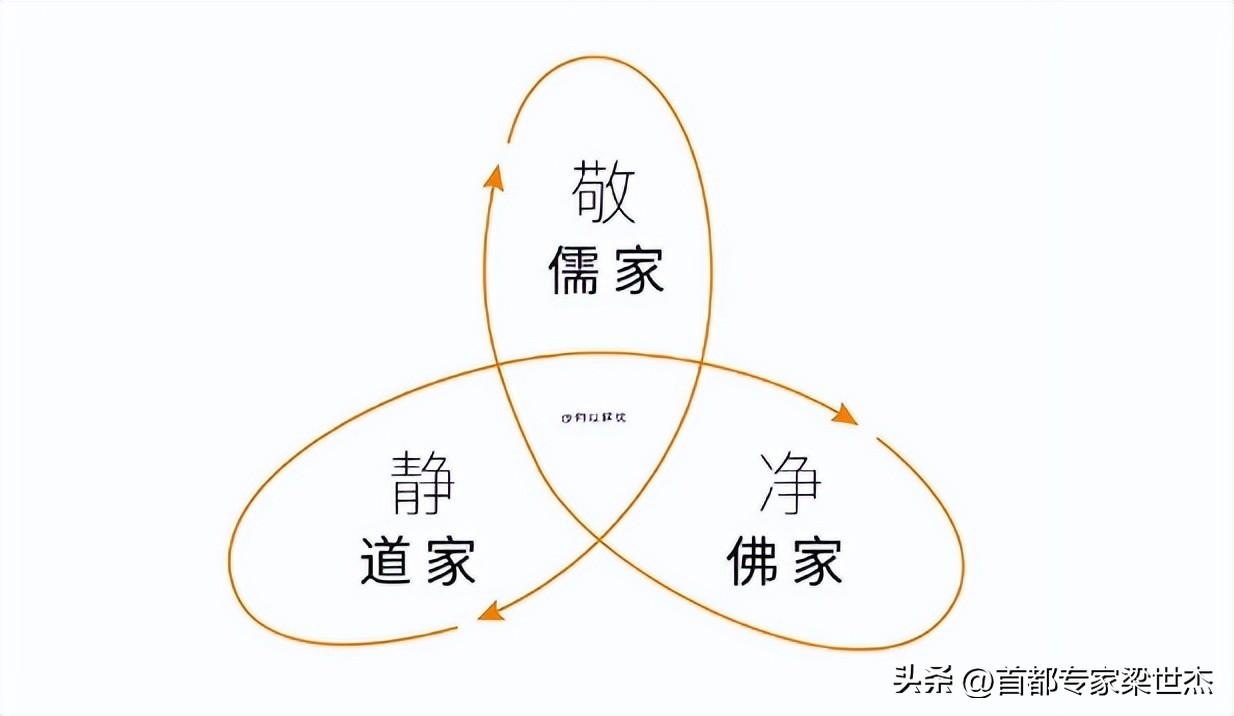
這個例子告訴我們,中醫的陰陽五行理論並不是虛無縹緲的哲學概念,而是能夠切實解決現代人身心問題的實用工具。除了中醫治療外,我們還應該結合佛儒道的規律來調和身心。佛家的慈悲爲懷、道家的順應自然、儒家的中庸之道,都是幫助我們達到內心平和、陰陽平衡的重要途徑。
當我們面對現代“心病”時,不應該僅僅依賴於藥物來緩解症狀。而應該深入挖掘中醫陰陽五行的智慧,結合佛儒道的規律,從根源上解決身心失衡的問題。只有這樣,我們才能真正擺脫精神的枷鎖,重獲內心的寧靜與和諧。
陰陽之道,乃天地之大道,亦是人體健康之根本。讓我們秉持這一理念,用傳統醫學的智慧去治癒現代人的“心病”,讓更多的人在忙碌的生活中找到內心的平靜與和諧。因爲,只有身心健康的人,才能真正享受生活的美好與幸福。
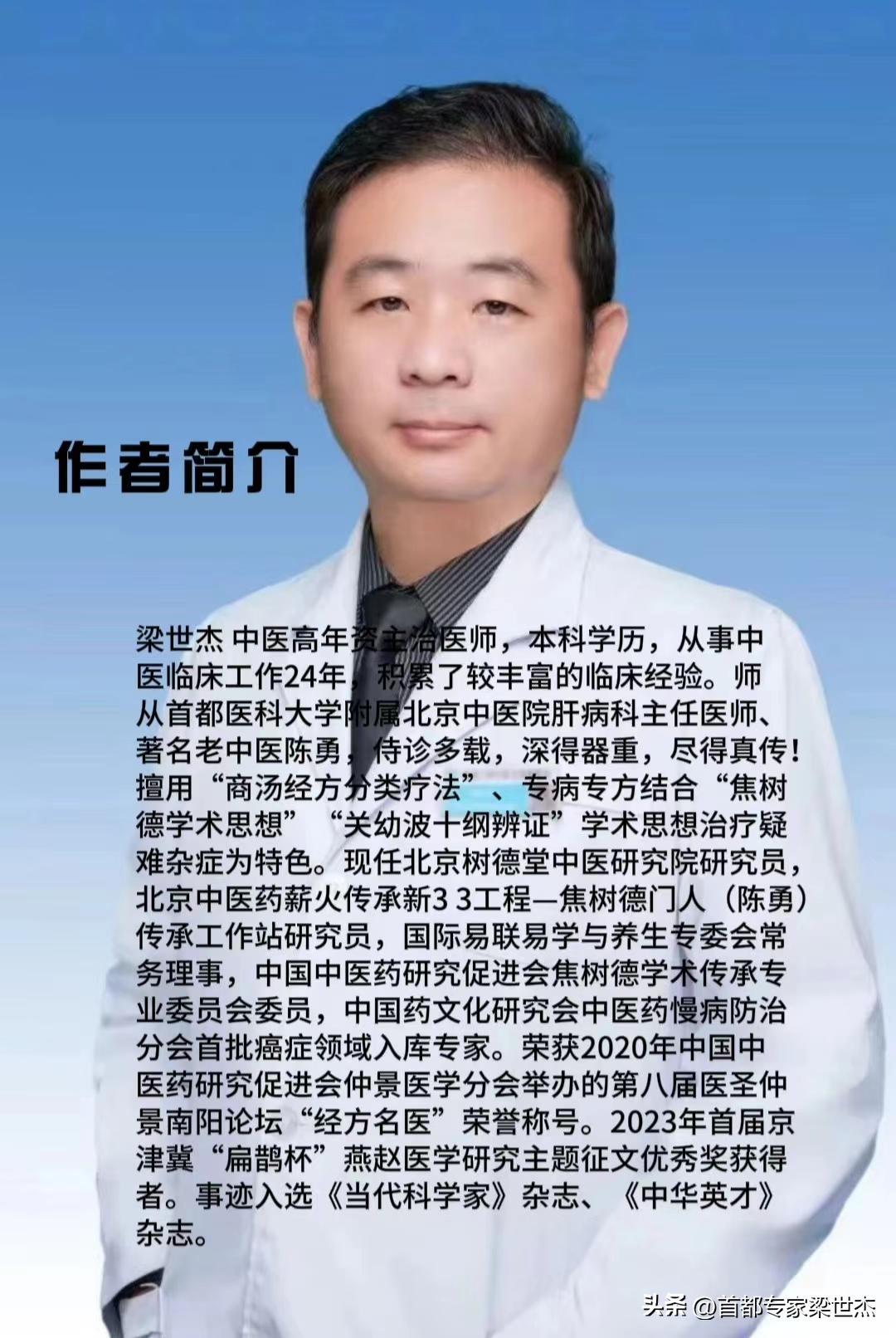
作者簡介:梁世傑 中醫高年資主治醫師,本科學歷,從事中醫臨牀工作24年,積累了較豐富的臨牀經驗。師從首都醫科大學附屬北京中醫院肝病科主任醫師、著名老中醫陳勇,侍診多載,深得器重,盡得真傳!擅用“商湯經方分類療法”、專病專方結合“焦樹德學術思想”“關幼波十綱辨證”學術思想治療疑難雜症爲特色。現任北京樹德堂中醫研究院研究員,北京中醫藥薪火傳承新3+3工程—焦樹德門人(陳勇)傳承工作站研究員,國際易聯易學與養生專委會常務理事,中國中醫藥研究促進會焦樹德學術傳承專業委員會委員,中國藥文化研究會中醫藥慢病防治分會首批癌症領域入庫專家。榮獲2020年中國中醫藥研究促進會仲景醫學分會舉辦的第八屆醫聖仲景南陽論壇“經方名醫”榮譽稱號。2023年首屆京津冀“扁鵲杯”燕趙醫學研究主題徵文優秀獎獲得者。事蹟入選《當代科學家》雜誌、《中華英才》雜誌。
Abnormal mental state: The divine organs maintain harmony between yin and yang.
In the vast realm of cosmological philosophy, there is a statement that resonates powerfully: "Yin and Yang are the principles governing heaven and earth, the framework within which all things exist, the parents of change, the origins of life and death, and the dwelling place of the divine. When treating illnesses, one must seek the root cause!" This statement not only provides a profound understanding of the natural world''s operating principles but also offers a precise grasp of the essence of human health and disease. In today''s society, as the pace of life accelerates and stress increases, more and more people are afflicted by modern "heart problems" such as mental disturbances, insomnia, vivid dreams, and restlessness. In the face of these issues, should we not reconsider the wisdom of traditional medicine and seek a cure by balancing Yin and Yang?
As the light of the sun, Yi, embodies the qualities of the sun and has a profound influence on the human mind and spirit. When the mind is in turmoil, it inevitably disrupts the balance of the body''s internal organs, leading to confusion in both mental state and behavior. This is akin to a pristine lake that, through the force of a fierce wind, becomes murky and uninviting. The mental landscape of modern individuals is much like this turbid lake, filled with feelings of anxiety, depression, restlessness, and unease. Medications for depression and sedatives, which serve as the "fire-fighting" measures in modern medicine, can alleviate these symptoms temporarily, but they do little to address the underlying issues, much like trying to put out a fire with hot soup.
So, how can we address these modern "ailments" at their root cause? The answer lies within the principles of yin and yang, and the five elements as outlined in traditional Chinese medicine. When yin and yang are in harmony, and the five elements are balanced, the sun generates yin and yang, which in turn give rise to all things. As a cohesive whole, the human body''s health and disease are outcomes of an imbalance between yin and yang. Only when yin and yang are in a state of equilibrium, harmony, and balance can the body maintain normal physiological functions and mental well-being.
Let''s look at a vivid example. Mr. Zhang is a successful entrepreneur, but the long-term pressure of his job has gradually led to symptoms such as insomnia, restlessness, and anxiety. He has tried various anti-depressant drugs and sedatives, but the results have not been satisfactory. Later, he turned to a renowned traditional Chinese medicine master for help. Through a combination of observation, smelling, questioning, and physical examination, the master discovered that Mr. Zhang''s problem was due to an imbalance of yin and yang and an excessive amount of fire in the heart. Therefore, he prescribed a traditional Chinese medicine formula that balanced yin and yang and cleared the heart and channeled the fire. After taking the medicine, Mr. Zhang''s symptoms gradually improved and eventually fully recovered.
This example demonstrates that the yin-yang and five-element theory in traditional Chinese medicine is not merely a vague philosophical concept, but rather a practical tool capable of effectively addressing the physical and mental issues faced by modern individuals. In addition to traditional Chinese medical treatments, we should also integrate principles from Buddhism, Confucianism, and Taoism to harmonize our bodies and minds. The compassion of Buddhism, the adaptability to nature of Taoism, and the doctrine of the mean of Confucianism are all crucial paths to achieving inner peace and balance between yin and yang.
When dealing with the modern "ailments of the mind," we should not rely solely on medication to alleviate symptoms. Instead, we should delve deeper into the wisdom of yin and yang and the five phases of traditional Chinese medicine, and integrate the principles of Buddhism, Confucianism, and Taoism to address the root causes of imbalances in both body and mind. Only in this way can we truly break free from the shackles of our minds and regain inner peace and harmony.
The principles of yin and yang represent the fundamental laws of both the universe and human health. Let us embrace this philosophy and utilize the wisdom of traditional medicine to heal the "heart ailments" of modern individuals, enabling more people to find inner peace and harmony amidst the chaos of their lives. After all, it is only through maintaining physical and mental well-being that one can truly experience the beauty and happiness of life.
Author Bio: Liang Shijie is a senior medical practitioner in traditional Chinese medicine with an undergraduate degree. He has been engaged in traditional medicine clinical work for 24 years and has accumulated a wealth of clinical experience. Following Chen Yong, chief physician of liver disease at Beijing Traditional Medicine Hospital, affiliated with Capital Medical University, and renowned old Chinese medicine, he has been treated for many years and received great attention. He specializes in the treatment of difficult diseases using "conversational traditional therapy" and special treatments combined with the academic ideas of Jiao Shude and Guan Yubo''s ten-level diagnosis.He is currently a researcher at the Shude Tang TCM Research Institute in Beijing, a fellow at the new 3 + 3 project of traditional Chinese medicine flame inheritance in Beijing - a scholar at the inheritance workstation of Jiao Shude''s protégés (Chen Yong),He is a standing committee member of the International Expert Committee on E-learning and Health Care, a member of the Jiao Shude Academic Heritage Special Committee of the Chinese Association for the Advancement of Chinese Medicine Research, and the first cancer specialist to be included in the chapter of the Chinese Pharmaceutical Culture Research Association. Won the 2020 China Association for the Promotion of Traditional Chinese Medicine Zhongjing Medical Branch held the eighth session of the Medical Saint Zhongjing Nanyang Forum "Classic Prescription Famous Doctor" honorary title. The winner of the first Beijing-Tianjin-Hebei "Pingui Cup" Yanzhao Medical Research Essay Award in 2023. His work was featured in the journal Current Scientist and the journal Chinese Talent.