梁世傑:多爲治病找出路,少爲患者斷生死
在醫療這個充滿未知與挑戰的領域裏,疾病如同千變萬化的迷宮,每一種病症都隱藏着其獨特的祕密與複雜性。醫院,作爲人類與病魔抗爭的前線陣地,醫生則是那手持明燈,引領患者穿越迷霧的引路人。然而,在這片希望的土地上,有時卻會響起一些不和諧的聲音——有的醫院或醫生,習慣於爲患者“斷生死”,輕易地判定患者的存活期限,甚至建議患者回家準備後事。這樣的做法,無疑是在患者本已脆弱的心靈上再添一刀,撲滅了他們生存的希望和救治的勇氣。
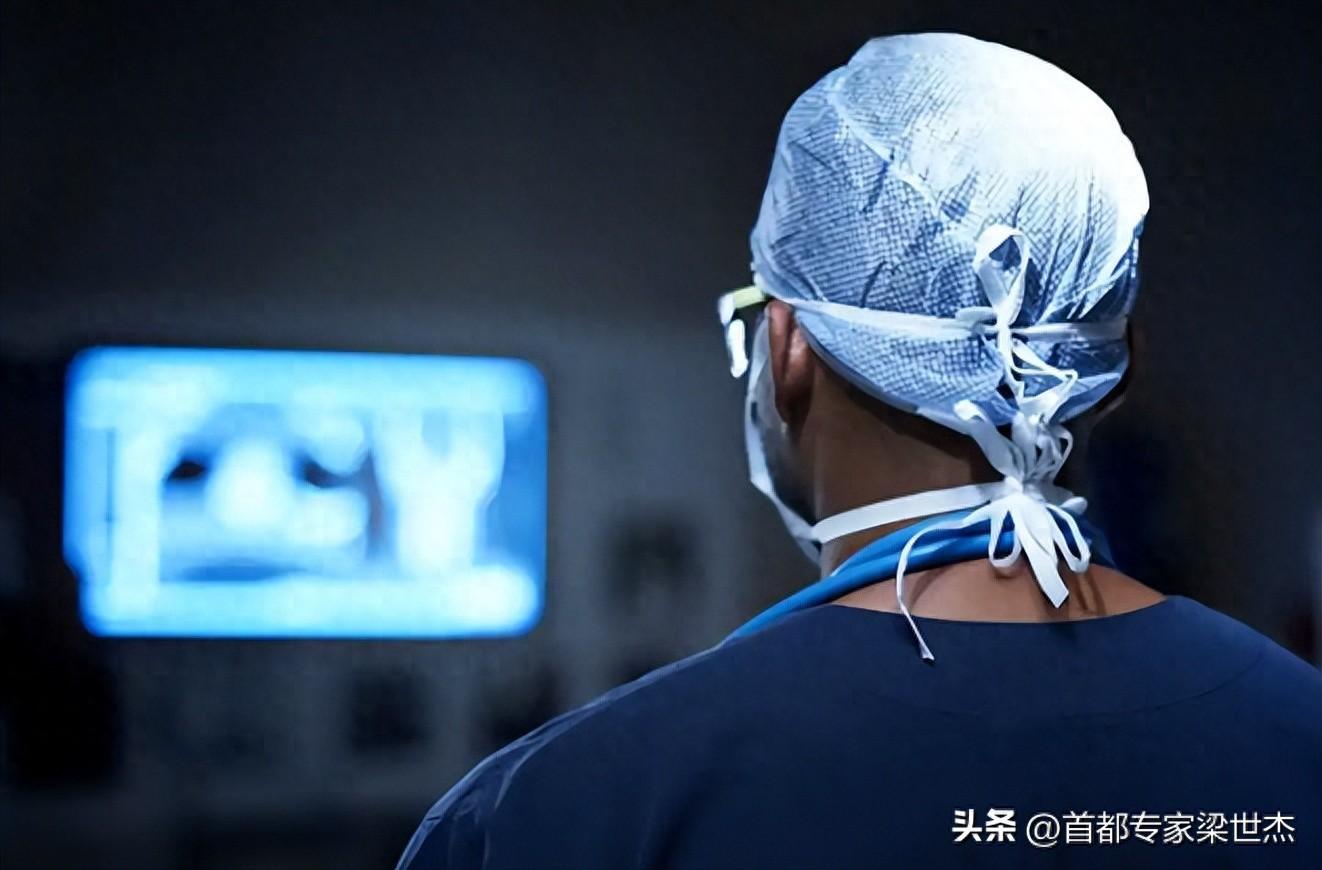
我們必須承認,醫療並非萬能。在疾病的面前,有時人類的力量顯得如此渺小,有些病人確實病入膏肓,搶救的價值微乎其微,繼續治療只會給家庭帶來沉重的經濟負擔,這是無法迴避的客觀現實。但問題在於,這樣的判斷是否總是準確?是否每一次“斷生死”都是基於無可挑剔的醫學依據?更重要的是,這樣的做法是否真的對患者及其家庭負責?
事實上,醫療的魅力正在於其不確定性和挑戰性。許多被醫院診斷爲絕症,或者被告知僅剩一兩個月生命的患者,在轉投中醫治療或其他非傳統療法後,竟然奇蹟般地活了下來。這些生動的例子,不僅是對醫學侷限性的有力反駁,更是對醫療工作者的一種提醒:不要輕易爲患者“斷生死”,因爲生命總是充滿着無限的可能。
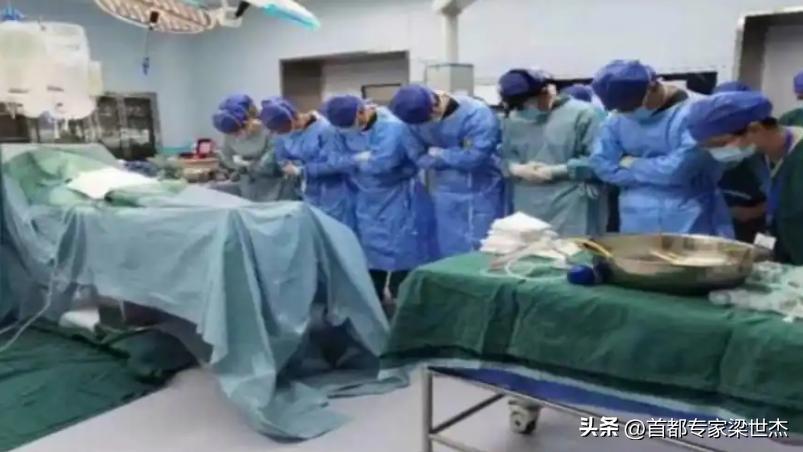
記得有一位肺癌晚期的患者,西醫醫院已經給出了明確的“判決”——最多還能活三個月。面對這樣的“死刑”,患者和家人幾乎絕望。然而,他們沒有放棄,選擇了中醫治療。中醫醫生沒有簡單地重複西醫的“判決”,而是根據患者的具體情況,制定了個性化的治療方案。幾個月後,當這位患者再次出現在西醫醫院複查時,結果讓所有人都驚呆了——腫瘤竟然明顯縮小,生命體徵也趨於穩定。這樣的奇蹟,難道不是對“多爲治病找出路,少爲患者斷生死”這一理念的最好詮釋嗎?
醫療工作的核心,應該是給予患者希望,而不是剝奪他們的希望。每一個生命都是寶貴的,都值得我們去盡全力拯救。當醫生輕易地爲患者“斷生死”時,他們可能忽略了一個重要的事實:希望本身就是一種治癒的力量。當患者失去了希望,他們的身體也會隨之崩潰,即使原本有救治的可能,也會因爲心態的崩潰而化爲泡影。
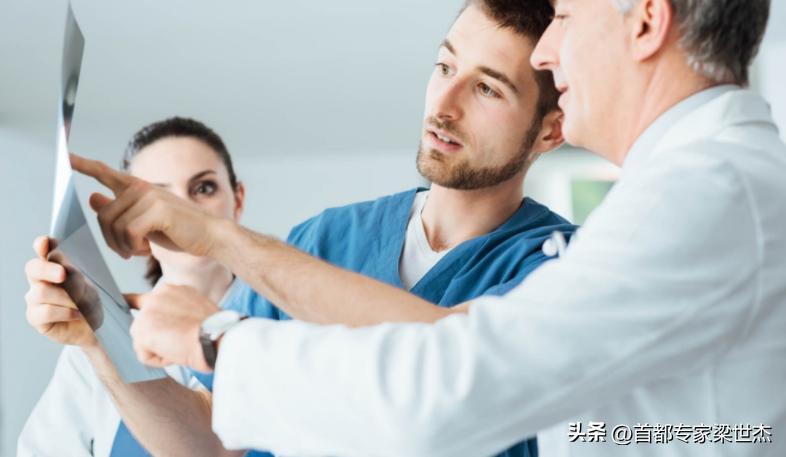
當然,我們並不是要求醫生對每一個患者都盲目樂觀,或者隱瞞病情。相反,我們應該倡導的是一種積極、負責、全面的醫療態度。醫生應該基於自己的專業知識和臨牀經驗,爲患者提供儘可能多的治療選擇,解釋清楚每種治療的利弊,讓患者和家屬能夠做出明智的決策。同時,醫生也應該鼓勵患者保持積極的心態,與病魔抗爭到底。
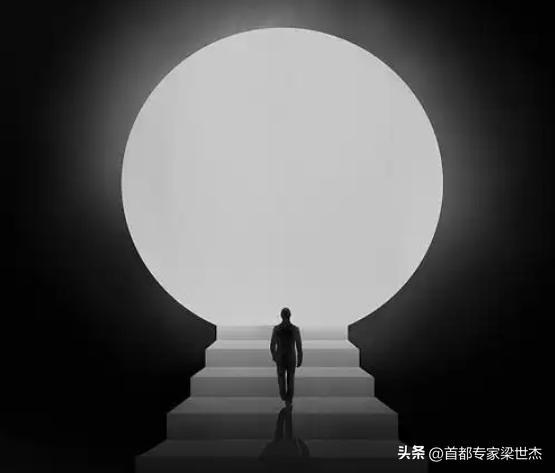
在這個充滿變數的醫療領域裏,我們需要的不僅僅是冷酷的“判官”,更需要的是溫暖的“引路人”。醫生應該用自己的專業知識和人文關懷,爲患者點亮一盞希望的明燈,讓他們在黑暗中看到光明,在絕望中找到力量。因爲,每一個生命都值得我們去尊重、去珍惜、去全力以赴地拯救。
所以,讓我們銘記這句話:“多爲治病找出路,少爲患者斷生死。”讓醫療成爲傳遞希望與力量的使者,而不是剝奪希望與生命的劊子手。讓我們攜手共進,爲每一個生命創造更多的可能,讓愛與希望照亮醫療的每一個角落。
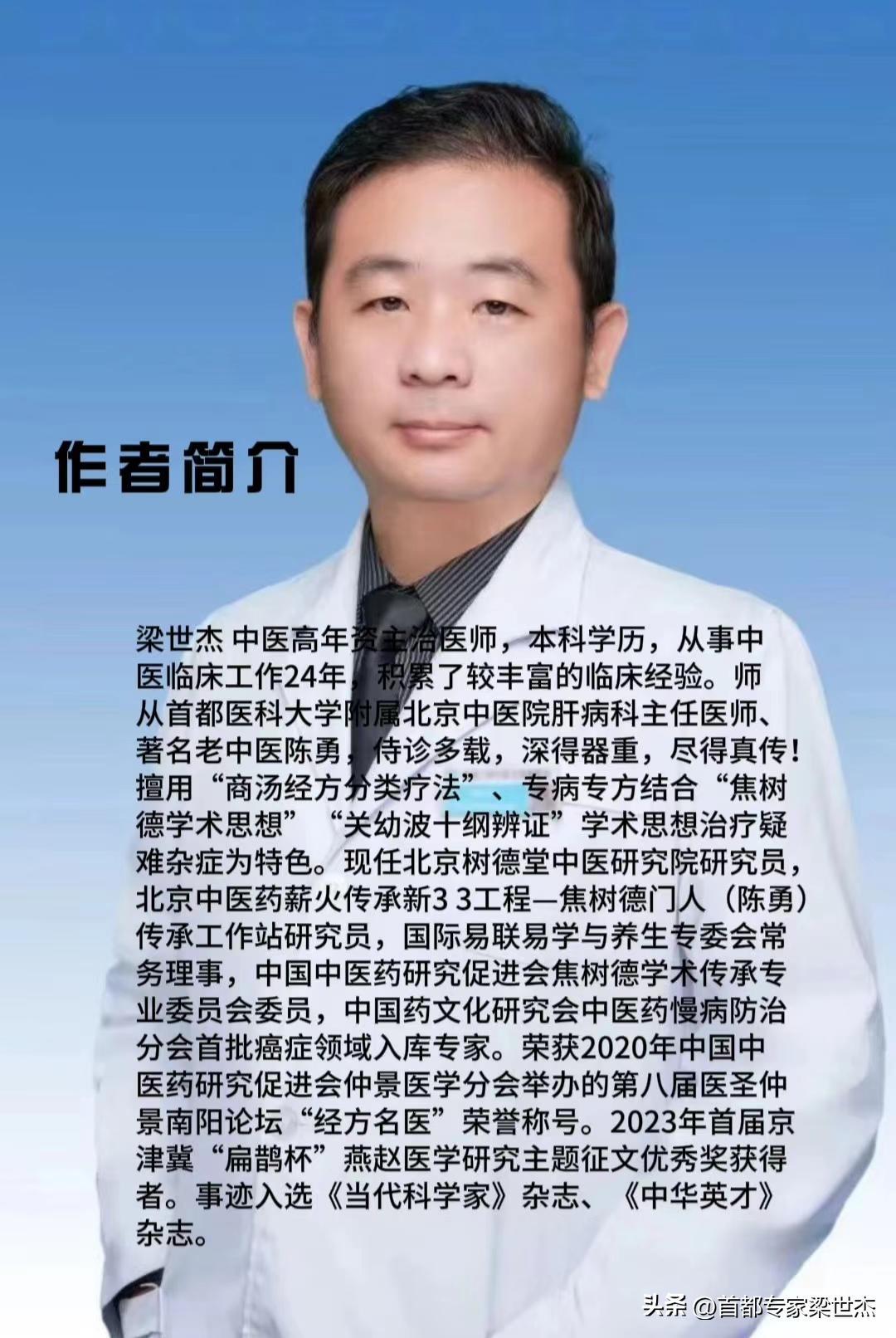
作者簡介:梁世傑 中醫高年資主治醫師,本科學歷,從事中醫臨牀工作24年,積累了較豐富的臨牀經驗。師從首都醫科大學附屬北京中醫院肝病科主任醫師、著名老中醫陳勇,侍診多載,深得器重,盡得真傳!擅用“商湯經方分類療法”、專病專方結合“焦樹德學術思想”“關幼波十綱辨證”學術思想治療疑難雜症爲特色。現任北京樹德堂中醫研究院研究員,北京中醫藥薪火傳承新3+3工程—焦樹德門人(陳勇)傳承工作站研究員,國際易聯易學與養生專委會常務理事,中國中醫藥研究促進會焦樹德學術傳承專業委員會委員,中國藥文化研究會中醫藥慢病防治分會首批癌症領域入庫專家。榮獲2020年中國中醫藥研究促進會仲景醫學分會舉辦的第八屆醫聖仲景南陽論壇“經方名醫”榮譽稱號。2023年首屆京津冀“扁鵲杯”燕趙醫學研究主題徵文優秀獎獲得者。事蹟入選《當代科學家》雜誌、《中華英才》雜誌。
Liang Shijie: Focus on finding ways to cure diseases, not on deciding whether patients will live or die
In the field of medicine, which is full of unknowns and challenges, diseases are like a maze with countless variations. Each disease hides its unique secrets and complexities. Hospitals, as the frontline in the fight against illness, and doctors, as the ones holding the light, guide patients through the fog. However, on this land of hope, there are sometimes discordant voices—some hospitals or doctors are accustomed to "determining life and death" for patients, easily judging the patient''s survival period, and even advising patients to go home and prepare for death. Such actions undoubtedly add another knife to the already fragile hearts of patients, extinguishing their hope for survival and the courage to seek treatment.
We must admit that medicine is not all-powerful. In the face of disease, human strength is sometimes so small that some patients are indeed in a critical condition, and the value of rescue is almost negligible. Continuing treatment will only bring heavy economic burdens to the family, which is an unavoidable objective reality. But the question is, is such judgment always accurate? Is every "life or death" decision based on impeccable medical evidence? More importantly, is such an approach truly responsible to patients and their families?
In fact, the charm of medicine lies in its uncertainty and challenge. Many patients who were diagnosed with terminal illnesses or told that they had only a few months to live miraculously survived after switching to traditional Chinese medicine treatment or other non-traditional therapies. These vivid examples not only serve as a powerful rebuttal to the limitations of medicine, but also serve as a reminder to medical workers: do not easily "determine life and death" for patients, because life is always full of endless possibilities.
I remember a patient with advanced lung cancer who was given a clear "verdict" by Western medicine hospitals that he could live for a maximum of three months. Faced with such a "death sentence," the patient and his family were almost desperate. However, they did not give up and chose traditional Chinese medicine treatment. The traditional Chinese medicine doctor did not simply repeat the "verdict" of Western medicine, but instead, based on the patient''s specific situation, formulated a personalized treatment plan. After a few months, when the patient reappeared at the Western medicine hospital for a check-up, the results stunned everyone - the tumor had significantly shrunk, and the patient''s vital signs were also stable. Isn''t this miracle the best interpretation of the concept of "finding ways to treat diseases and lessening the patient''s life and death"?
The core of medical work should be to give patients hope, not to deprive them of hope. Every life is precious and deserves our best efforts to save it. When doctors easily "decide the fate of patients," they may overlook an important fact: hope itself is a healing power. When patients lose hope, their bodies will also collapse, and even if there is a possibility of treatment, it will be lost due to the collapse of mentality.
Of course, we are not asking doctors to be blindly optimistic about every patient or to hide the disease. Instead, we should advocate for a positive, responsible, and comprehensive medical attitude. Doctors should provide patients with as many treatment options as possible based on their professional knowledge and clinical experience, explain the pros and cons of each treatment clearly, and allow patients and their families to make informed decisions. At the same time, doctors should encourage patients to maintain a positive attitude and fight the disease to the end.
In this medical field full of uncertainties, what we need is not only a cold "judge", but also a warm "guide". Doctors should use their professional knowledge and humanistic care to light a beacon of hope for patients, so that they can see the light in the darkness and find strength in despair. Because every life is worth respecting, cherishing, and saving to the best of our ability.
Therefore, let us remember this sentence: "Find more ways to cure diseases, and less ways to decide the fate of patients." Let medicine be an emissary of hope and strength, not a executioner who takes away hope and life. Let us work together to create more possibilities for every life, and let love and hope illuminate every corner of medicine.
Author Bio: Liang Shijie is a senior medical practitioner in traditional Chinese medicine with an undergraduate degree. He has been engaged in traditional medicine clinical work for 24 years and has accumulated a wealth of clinical experience. Following Chen Yong, chief physician of liver disease at Beijing Traditional Medicine Hospital, affiliated with Capital Medical University, and renowned old Chinese medicine, he has been treated for many years and received great attention. He specializes in the treatment of difficult diseases using "conversational traditional therapy" and special treatments combined with the academic ideas of Jiao Shude and Guan Yubo''s ten-level diagnosis.He is currently a researcher at the Shude Tang TCM Research Institute in Beijing, a fellow at the new 3 + 3 project of traditional Chinese medicine flame inheritance in Beijing - a scholar at the inheritance workstation of Jiao Shude''s protégés (Chen Yong),He is a standing committee member of the International Expert Committee on E-learning and Health Care, a member of the Jiao Shude Academic Heritage Special Committee of the Chinese Association for the Advancement of Chinese Medicine Research, and the first cancer specialist to be included in the chapter of the Chinese Pharmaceutical Culture Research Association. Won the 2020 China Association for the Promotion of Traditional Chinese Medicine Zhongjing Medical Branch held the eighth session of the Medical Saint Zhongjing Nanyang Forum "Classic Prescription Famous Doctor" honorary title. The winner of the first Beijing-Tianjin-Hebei "Pingui Cup" Yanzhao Medical Research Essay Award in 2023. His work was featured in the journal Current Scientist and the journal Chinese Talent.