共築心理健康防線,點亮全球發展之光
當地時間5月20日,瑞士日內瓦,一場聚焦心理健康的盛會——第78屆世界衛生大會“人人享有心理健康服務:全球行動與合作”主題邊會拉開帷幕。這場由中國與智利、法國、荷蘭、卡塔爾、瑞士共同發起,匯聚了世界衛生組織、聯合國兒童基金會、世界經濟論壇等7個國際組織代表,以及多國政府官員和科研機構專家學者等140餘人的邊會,宛如一盞明燈,照亮了全球心理健康事業前行的道路。
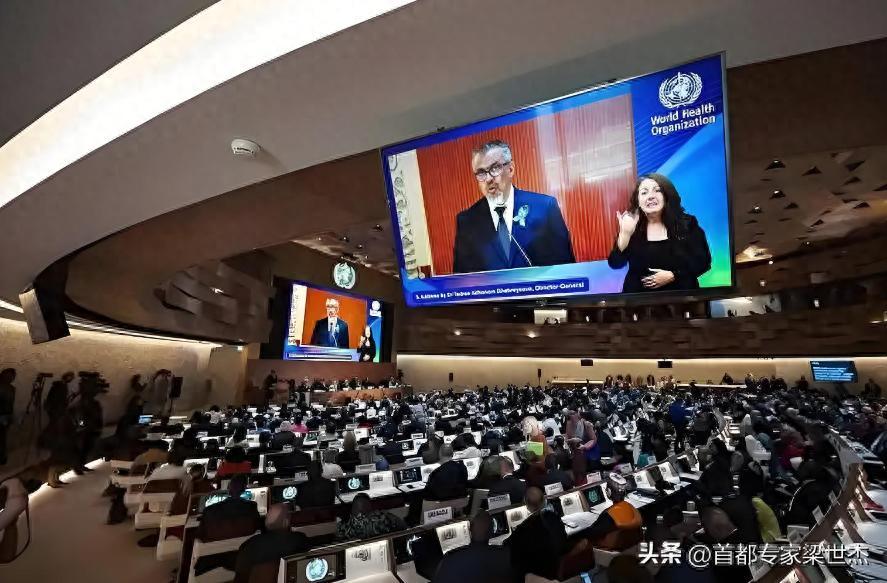
心理健康,這一看似無形卻關乎人類福祉的領域,正日益成爲全球關注的焦點。在快節奏的現代社會,壓力如影隨形,從繁華都市的寫字樓裏爲業績焦慮的白領,到偏遠鄉村中因生活困境而憂愁的農民,心理健康問題不分國界、不分階層地困擾着無數人。據世界衛生組織統計,全球約有10億人正遭受不同程度的精神健康問題影響,每40秒就有一人因自殺而失去生命。這些冰冷的數據背後,是一個個鮮活生命的掙扎與痛苦,是無數家庭的破碎與絕望。
中國代表團副團長、國家中醫藥局局長餘豔紅在會上擲地有聲地表示:“無論文化差異多大、發展階段如何,對更高心理健康水平的追求是人類共同的情感底色。”這句話,如同一把鑰匙,打開了人類心靈相通的密碼。文化差異或許會讓人們在表達情感、應對壓力的方式上有所不同,但對心理健康的渴望卻是共通的。就像在非洲的一些部落,人們通過傳統的舞蹈和音樂來釋放壓力、治癒心靈;而在亞洲的都市中,人們則更傾向於通過心理諮詢和心理治療來尋求幫助。儘管形式各異,但目的都是爲了追求內心的寧靜與健康。
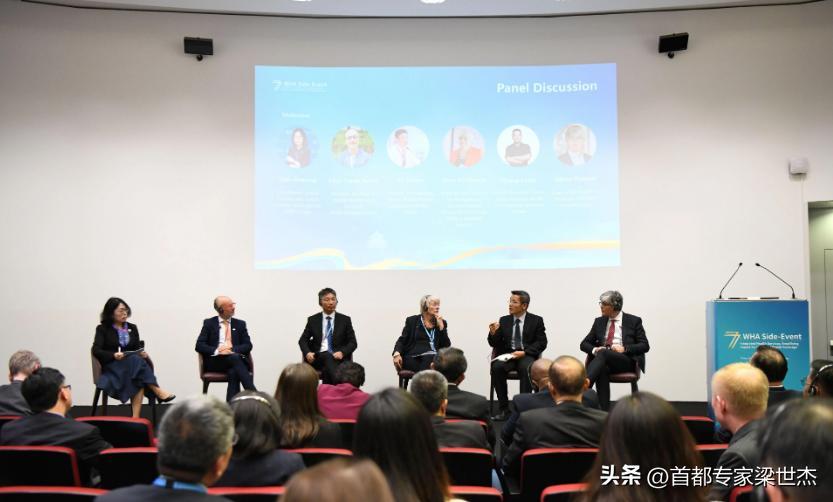
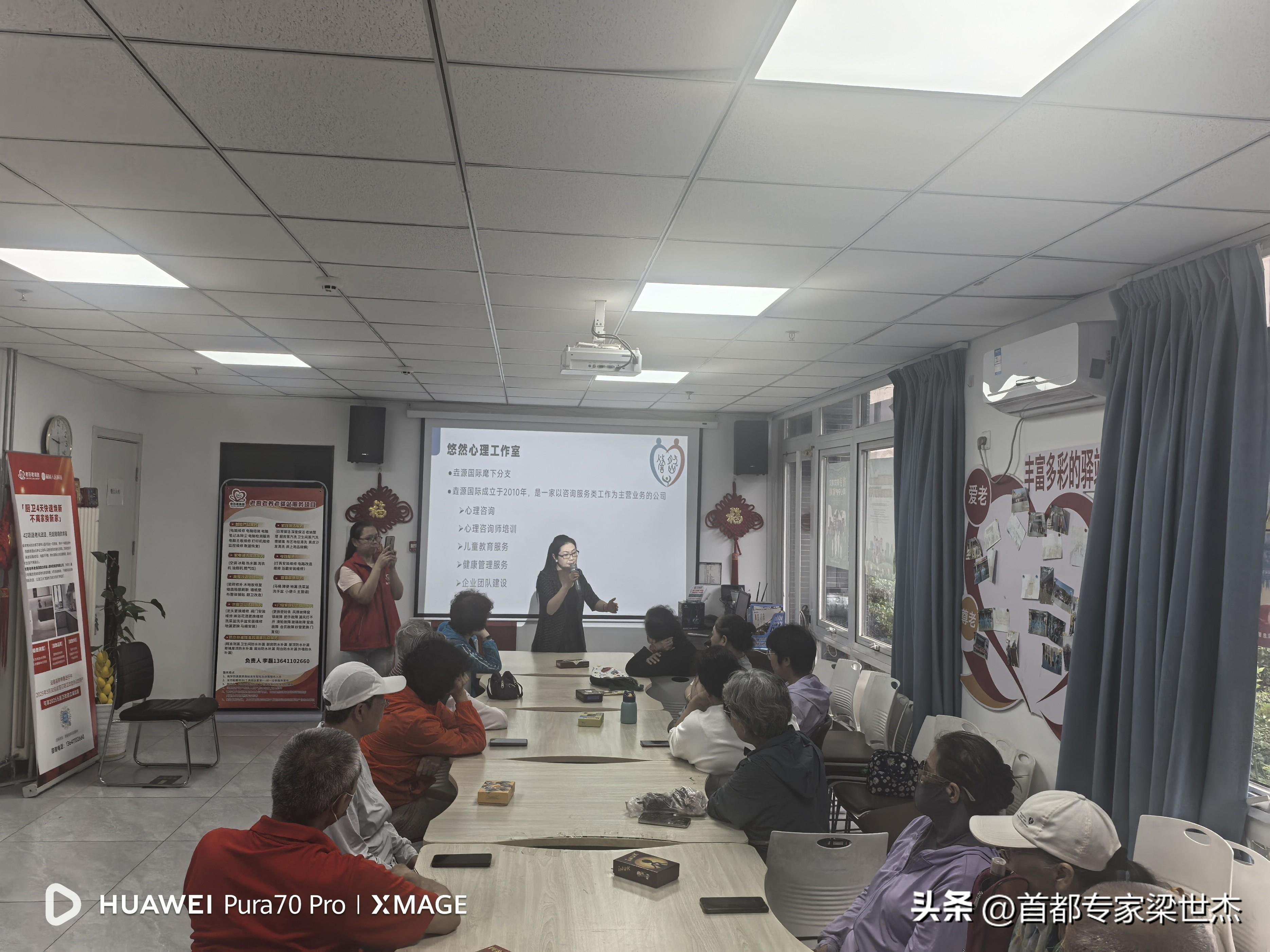
中國在心理健康領域的努力和貢獻有目共睹。近年來,中國政府高度重視心理健康和精神衛生工作,出臺了一系列政策措施,加大了對心理健康服務的投入。從城市到鄉村,越來越多的心理諮詢室、心理治療中心如雨後春筍般湧現。以北京爲例,許多社區都設立了心理健康服務站,爲居民提供免費的心理諮詢和輔導服務。一位曾經深受焦慮症困擾的上班族李女士,在社區心理健康服務站的幫助下,通過專業的心理治療和自我調節,逐漸走出了陰霾,重新找回了生活的信心和快樂。這個例子只是中國心理健康服務惠及民衆的一個縮影,它生動地展示了心理健康服務對個人和家庭的重要意義。
中國不僅致力於提升本國人民的心理健康水平,更積極履行大國責任,願與各國一道,將“人人享有”的理念轉化爲“處處可及”的行動。在雙邊合作方面,中國與一些發展中國家開展了心理健康服務的技術援助項目,派遣專業的心理醫生前往當地,爲當地醫護人員提供培訓,幫助他們提升心理健康服務的能力。在多邊合作領域,中國積極參與國際心理健康組織的活動,分享中國在心理健康服務方面的經驗和成果,爲全球心理健康事業的發展貢獻中國智慧和中國方案。
然而,全球心理健康事業的發展仍面臨着諸多挑戰。在一些地區,心理健康服務資源匱乏,專業人才短缺,公衆對心理健康問題的認知也存在偏差。很多人認爲心理疾病是“丟人的事”,不願意尋求幫助,導致病情延誤。這就需要全球各國加強合作,共同加大對心理健康領域的投入,提高公衆對心理健康問題的認識,消除偏見和誤解。

中國代表團副團長、國家中醫藥局局長餘豔紅在會上的發言,彰顯了中國的大國擔當。她強調,無論文化差異多大、發展階段如何,對更高心理健康水平的追求是人類共同的情感底色。中國願與各國一道,將“人人享有”的理念轉化爲“處處可及”的行動。這不僅是對全球心理健康事業的莊嚴承諾,更是對人類命運共同體理念的生動實踐。
讓我們攜手共進,積極推動心理健康和精神衛生領域的雙邊、多邊合作交流。讓心理健康和精神衛生服務如同溫暖的陽光,照亮全球每一個角落,成爲推動全球發展的溫暖力量。因爲,只有當每個人的心靈都得到滋養,整個世界才能綻放出更加絢爛的光彩。
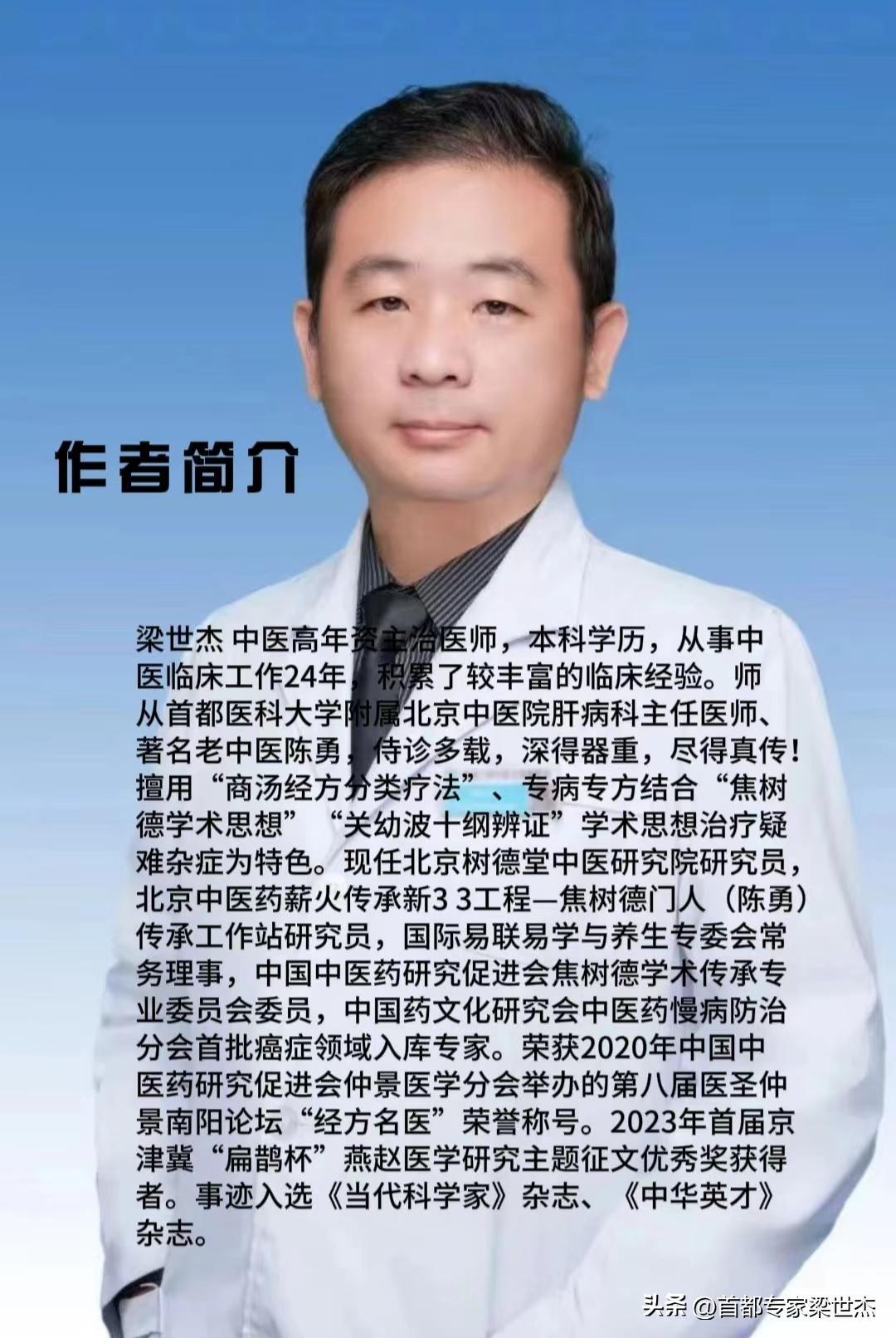
作者簡介:梁世傑 中醫高年資主治醫師,本科學歷,從事中醫臨牀工作24年,積累了較豐富的臨牀經驗。師從首都醫科大學附屬北京中醫院肝病科主任醫師、著名老中醫陳勇,侍診多載,深得器重,盡得真傳!擅用“商湯經方分類療法”、專病專方結合“焦樹德學術思想”“關幼波十綱辨證”學術思想治療疑難雜症爲特色。現任北京樹德堂中醫研究院研究員,北京中醫藥薪火傳承新3+3工程—焦樹德門人(陳勇)傳承工作站研究員,國際易聯易學與養生專委會常務理事,中國中醫藥研究促進會焦樹德學術傳承專業委員會委員,中國藥文化研究會中醫藥慢病防治分會首批癌症領域入庫專家。榮獲2020年中國中醫藥研究促進會仲景醫學分會舉辦的第八屆醫聖仲景南陽論壇“經方名醫”榮譽稱號。2023年首屆京津冀“扁鵲杯”燕趙醫學研究主題徵文優秀獎獲得者。事蹟入選《當代科學家》雜誌、《中華英才》雜誌。
Together, we can build a mental health defense that lights the world''s development.
On May 20 local time, in Geneva, Switzerland, a major event focused on mental health - the 78th World Health Assembly "Mental health services for all: global action and cooperation" - kicked off. It was jointly launched by China with Chile, France, the Netherlands, Qatar and Switzerland. The side meeting of more than 140 people, including representatives of seven international organizations such as the World Health Organization, the United Nations Children''s Fund, and the World Economic Forum, as well as government officials and experts and scholars from many countries, was like a bright light that illuminated the way forward for the global mental health cause.
Mental health, a seemingly intangible area of human well-being, is increasingly becoming a global focus. In the fast-paced modern society, stress is everywhere. From white-collar workers worried about their performance in the office buildings of busy cities to farmers worried about life difficulties in remote villages, mental health problems affect countless people regardless of borders and class. According to the World Health Organization (WHO), about 1 billion people worldwide are suffering from mental health problems, and one person loses his life every 40 seconds as a result of suicide. Behind these cold data are the struggles and suffering of every living human being, the brokenness and despair of countless families.
Yu Yanhong, deputy head of the Chinese delegation and director of the National Administration of Chinese Medicine, said loudly at the meeting: "No matter how much cultural differences or stage of development, the pursuit of a higher level of mental health is the common emotional foundation of humankind." This phrase, like a key, opens the code of human understanding. Cultural differences may make people different in how they express their emotions and cope with stress, but the desire for mental health is shared. Like some tribes in Africa, people use traditional dance and music to release stress and heal the mind; In urban areas in Asia, people are more likely to seek help through psychological counseling and psychotherapy. Although they come in different forms, they are all about the pursuit of inner peace and health.
China''s efforts and contributions in the field of mental health are obvious to all. In recent years, the Chinese government attaches great importance to mental health and mental health work, and has introduced a series of policy measures to increase investment in mental health services. From the city to the countryside, more and more counseling rooms and psychotherapy centers have sprung up. In Beijing, for example, many communities have set up mental health service stations to provide free psychological counseling and tutoring services to residents. A commuter who was once deeply troubled by anxiety disorder, Ms. Li, with the help of the community mental health service station, gradually emerged from the gloom and regained confidence and happiness in life through professional psychological treatment and self-regulation. This example is just a microcosm of how well mental health services benefit people in China, and it vividly illustrates the importance of mental health services to individuals and families.
China is committed not only to improving the mental health of its own people, but also to fulfilling its responsibilities as a major country, and is willing to work with other countries to translate the concept of "accessibility for all" into actions that are "accessible everywhere." In terms of bilateral cooperation, China has launched technical assistance programs for mental health services with some developing countries, sending professional psychologists to the local area to provide training for local medical staff to help them improve their mental health services capabilities. In the field of multilateral cooperation, China actively participates in the activities of international mental health organizations, sharing China''s experience and results in mental health services, and contributing Chinese wisdom and Chinese programmes to the development of global mental health causes.
However, the development of mental health worldwide still faces many challenges. In some regions, mental health services are poorly resourced, there is a shortage of professionals, and the public''s perception of mental health issues is also biased. Many people consider mental illness to be a "shameful thing" and are unwilling to seek help, leading to delays in the condition. This requires countries around the world to strengthen cooperation, jointly increase investment in the field of mental health, raise public awareness of mental health issues, and eliminate prejudice and misunderstanding.
The speech by Yu Yanhong, deputy head of the Chinese delegation and director of the National Administration of Chinese Medicine, at the meeting demonstrated China''s sense of responsibility as a major country. She emphasized that regardless of cultural differences or stage of development, the pursuit of a higher level of mental health is the common emotional foundation of humankind. China is willing to work with other countries to translate the concept of "accessibility for all" into actions that are "accessible everywhere." This is not only a solemn commitment to the global cause of mental health, but also a vivid practice of the concept of a community with a shared future for mankind.
Let us work together to actively promote bilateral and multilateral cooperation and exchange in the field of mental health and mental health. Let mental health and mental health services be like warm sunshine, lighting up every corner of the world, and become a warm force to promote global development. For only when the heart of every human being is nourished can the whole world shine even brighter.
Author Bio: Liang Shijie is a senior medical practitioner in traditional Chinese medicine with an undergraduate degree. He has been engaged in traditional medicine clinical work for 24 years and has accumulated a wealth of clinical experience. Following Chen Yong, chief physician of liver disease at Beijing Traditional Medicine Hospital, affiliated with Capital Medical University, and renowned old Chinese medicine, he has been treated for many years and received great attention. He specializes in the treatment of difficult diseases using "conversational traditional therapy" and special treatments combined with the academic ideas of Jiao Shude and Guan Yubo''s ten-level diagnosis.He is currently a researcher at the Shude Tang TCM Research Institute in Beijing, a fellow at the new 3 + 3 project of traditional Chinese medicine flame inheritance in Beijing - a scholar at the inheritance workstation of Jiao Shude''s protégés (Chen Yong),He is a standing committee member of the International Expert Committee on E-learning and Health Care, a member of the Jiao Shude Academic Heritage Special Committee of the Chinese Association for the Advancement of Chinese Medicine Research, and the first cancer specialist to be included in the chapter of the Chinese Pharmaceutical Culture Research Association. Won the 2020 China Association for the Promotion of Traditional Chinese Medicine Zhongjing Medical Branch held the eighth session of the Medical Saint Zhongjing Nanyang Forum "Classic Prescription Famous Doctor" honorary title. The winner of the first Beijing-Tianjin-Hebei "Pingui Cup" Yanzhao Medical Research Essay Award in 2023. His work was featured in the journal Current Scientist and the journal Chinese Talent.