梁世傑:以解除病痛爲創新之魂,莫讓中醫成迷網
在人類歷史的長河中,醫學始終如一盞明燈,照亮着世人前行的道路,它以其獨特的智慧與力量,解決着人類的病痛與煩惱。醫學的本質,應當是仁愛與奉獻的化身,它存在的唯一目的,便是爲人類解除痛苦,帶來健康與希望。然而,在當下這個信息爆炸、利益交織的時代,醫學的某些角落似乎被一層迷霧所籠罩,讓人看不清其本真的面貌。尤其是中醫這一博大精深的學科,在傳承與創新的過程中,更應堅守初心,以解除病痛爲創新之魂,而非“羅織天地,製造迷網”。
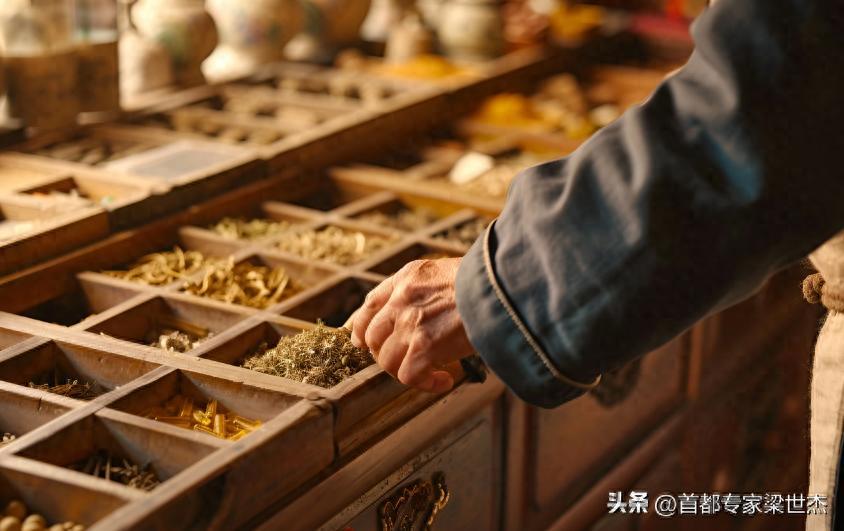
中醫,這一源自古老東方的醫學智慧,歷經千年的沉澱與洗禮,早已成爲中華民族寶貴的文化遺產。它以其獨特的理論體系、豐富的診療經驗和卓越的治療效果,贏得了無數患者的信賴與讚譽。然而,在中醫的傳承與創新過程中,我們也必須清醒地看到,一些不良現象正在悄然滋生。一些醫者,或是出於對經濟利益的追求,或是爲了彰顯自己的學識淵博,故意將中醫理論複雜化、神祕化,甚至製造出種種知識障礙,讓患者如墜雲霧之中,難以找到真正的治療方法。
這種做法,不僅違背了中醫“簡驗便廉”的特色,更背離了醫學的初心與使命。醫學,尤其是中醫,應當是貼近百姓、服務大衆的。它應當像一股清泉,滋潤着每一個渴望健康的心靈;它應當像一束陽光,穿透迷霧,照亮患者前行的道路。然而,當中醫被人爲地複雜化、神祕化時,它便失去了那份應有的親和力與實用性,成爲了一種高高在上的學問,讓普通人難以觸及。
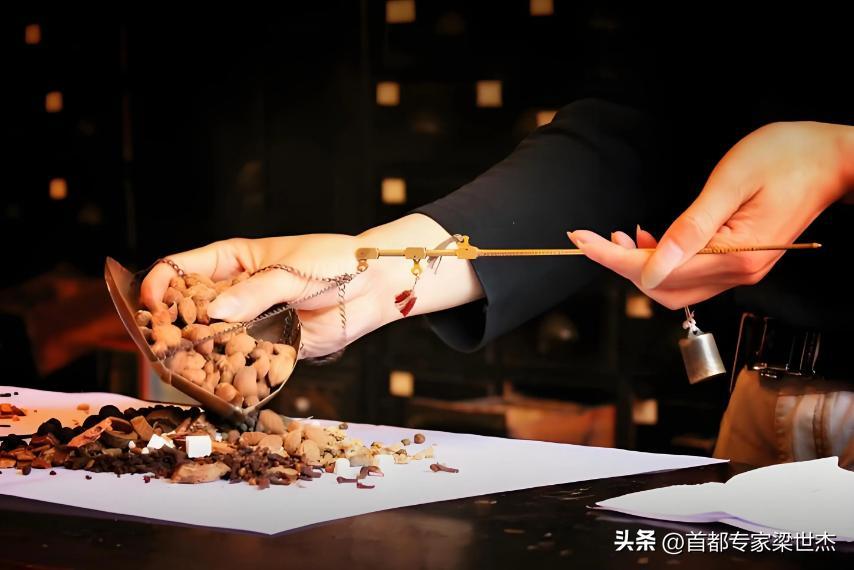
讓我們以一位普通的農村婦女爲例。她或許沒有受過高等教育,對深奧的中醫理論一無所知,但她卻深知自己身體的痛苦與不適。當她滿懷希望地走進一家中醫診所時,卻發現自己面對的是一堆晦澀難懂的專業術語和複雜的診療方案。她迷茫、無助,甚至開始懷疑中醫是否真的能夠爲自己解除病痛。這樣的場景,怎能不讓人痛心疾首?
中醫的魅力,在於其簡潔明瞭、實用有效的診療方法。它不需要華麗的辭藻來修飾,也不需要複雜的理論來支撐。它只需要用最樸實無華的語言和最直接有效的方法,爲患者帶來健康與希望。因此,在中醫的傳承與創新過程中,我們應當堅守“簡驗便廉”的特色,讓中醫成爲每一個普通人都能觸手可及的健康守護神。
當然,這並不意味着我們要否定中醫的博大精深和複雜性。相反,我們應當深入挖掘中醫的精髓與智慧,將其與現代科技相結合,創造出更加科學、有效、便捷的診療方法。但這一切的前提是,我們必須堅守醫學的初心與使命,以解除病痛爲創新之魂,讓中醫真正成爲人類健康的守護者。
讓我們攜手共進,爲中醫的傳承與創新貢獻自己的力量。讓我們以一顆仁愛之心,去照亮每一個渴望健康的心靈;讓我們以一份堅定的信念,去守護醫學的純潔與崇高。讓中醫之光,照亮人類前行的道路;讓醫學之愛,溫暖每一個需要幫助的靈魂。
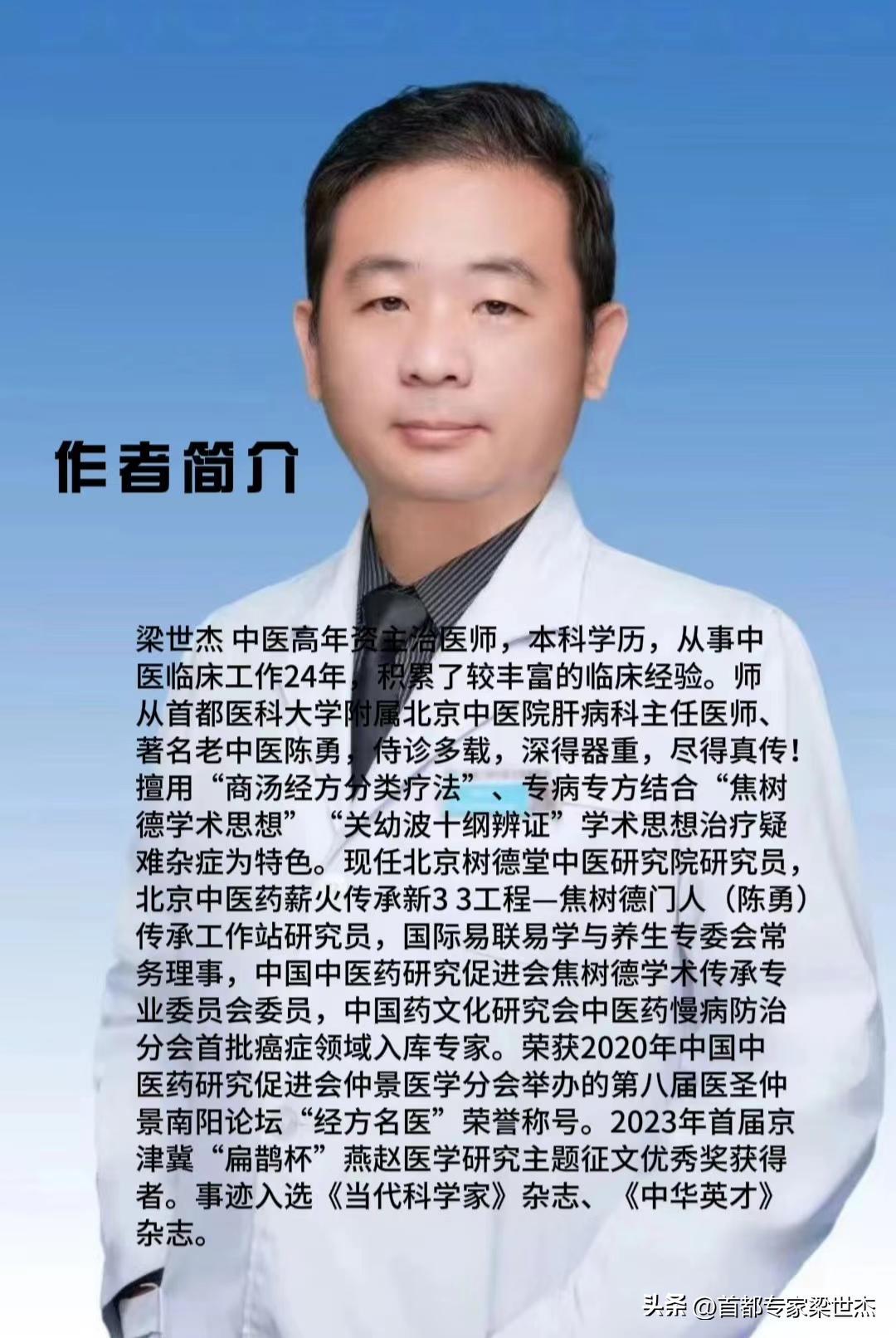
作者簡介:梁世傑 中醫高年資主治醫師,本科學歷,從事中醫臨牀工作24年,積累了較豐富的臨牀經驗。師從首都醫科大學附屬北京中醫院肝病科主任醫師、著名老中醫陳勇,侍診多載,深得器重,盡得真傳!擅用“商湯經方分類療法”、專病專方結合“焦樹德學術思想”“關幼波十綱辨證”學術思想治療疑難雜症爲特色。現任北京樹德堂中醫研究院研究員,北京中醫藥薪火傳承新3+3工程—焦樹德門人(陳勇)傳承工作站研究員,國際易聯易學與養生專委會常務理事,中國中醫藥研究促進會焦樹德學術傳承專業委員會委員,中國藥文化研究會中醫藥慢病防治分會首批癌症領域入庫專家。榮獲2020年中國中醫藥研究促進會仲景醫學分會舉辦的第八屆醫聖仲景南陽論壇“經方名醫”榮譽稱號。2023年首屆京津冀“扁鵲杯”燕趙醫學研究主題徵文優秀獎獲得者。事蹟入選《當代科學家》雜誌、《中華英才》雜誌。
Liang Shijie: Relieving illness as the spirit of innovation, not allowing traditional Chinese medicine to become a myth
In the long history of mankind, medicine has always been a bright light, illuminating the way forward, and it has solved mankind''s ailments and troubles with its unique wisdom and power. The essence of medicine should be the embodiment of compassion and devotion, which exists for the sole purpose of relieving human suffering and bringing health and hope. However, in this era of information explosion and intertwined interests, some corners of the medical seems to be shrouded in a fog, making it difficult to see its true face. In particular, this vast and deep discipline, in the process of inheritance and innovation, it is more important to adhere to the original principles, and use the relief of illness as the spirit of innovation, rather than "weave a landscape and create a hidden web."
Traditional Chinese medicine, a medical wisdom originating in the ancient East, has evolved over thousands of years through the sedimentation and baptism, and has become a valuable cultural heritage of the Chinese nation. It has won the trust and praise of countless patients with its unique theoretical system, rich diagnostic and therapeutic experience and excellent therapeutic results. However, in the process of inheriting and innovating traditional Chinese medicine, we must also be aware that some undesirable phenomena are quietly growing. Some practitioners, either out of the pursuit of economic gain or to demonstrate their knowledge, deliberately complicate, mystify, or even create various knowledge barriers, making it difficult for patients to find real treatments.
This practice not only violates the character of traditional Chinese medicine, which is simple to test and cheap, but also runs counter to the original intention and mission of medicine. Medicine, especially traditional Chinese medicine, should be close to the people and serve the Volkswagen. It should be like a spring that feeds every heart that desires health; It should be like a beam of sunlight, penetrating the fog and illuminating the path of the patient. However, when traditional Chinese medicine is artificially complicated and mystical, it loses its due affinity and practicality, and becomes a high-level knowledge that is difficult for the ordinary person to reach.
Let us take the example of an ordinary rural woman. She may not have had a higher education and know nothing about the esoteric theory of Chinese medicine, but she knows all about her body''s pain and discomfort. When she walked hopefully into a traditional Chinese medicine clinic, she found herself confronted with a thicket of esoteric jargon and complex treatment regimens. She was so lost and helpless that she even began to wonder whether traditional Chinese medicine could actually cure her illness. How can a scene like this not be painful?
The charm of traditional Chinese medicine lies in its concise, practical and effective methods of diagnosis and treatment. It does not need gorgeous rhetoric to polish it, nor does it need complex theories to support it. It only needs to bring health and hope to patients in the most plain language and in the most direct and effective way. Therefore, in the process of inheriting and innovating traditional Chinese medicine, we should firmly adhere to the character of "simple testing and cheap," so that traditional Chinese Medicine becomes the health patron saint within reach of every ordinary person.
Of course, this does not mean that we should deny the depth and complexity of traditional Chinese medicine. Instead, we should dig deep into the essence and wisdom of traditional Chinese medicine and combine it with modern technology to create more scientific, effective and convenient methods of diagnosis and treatment. However, the premise of all this is that we must adhere to the original and mission of medicine, and use the relief of illness as the spirit of innovation, so that traditional Chinese medicine can truly become the guardian of human health.
Let us work together to contribute our own strength to the inheritance and innovation of Chinese medicine. Let us shine a light on every heart that desires health with a heart of love; Let us guard the purity and dignity of medicine with a firm conviction. Let the light of traditional Chinese medicine illuminate the way forward for mankind; Let the love of medicine warm every soul in need.
Author Bio: Liang Shijie is a senior medical practitioner in traditional Chinese medicine with an undergraduate degree. He has been engaged in traditional medicine clinical work for 24 years and has accumulated a wealth of clinical experience. Following Chen Yong, chief physician of liver disease at Beijing Traditional Medicine Hospital, affiliated with Capital Medical University, and renowned old Chinese medicine, he has been treated for many years and received great attention. He specializes in the treatment of difficult diseases using "conversational traditional therapy" and special treatments combined with the academic ideas of Jiao Shude and Guan Yubo''s ten-level diagnosis.He is currently a researcher at the Shude Tang TCM Research Institute in Beijing, a fellow at the new 3 + 3 project of traditional Chinese medicine flame inheritance in Beijing - a scholar at the inheritance workstation of Jiao Shude''s protégés (Chen Yong),He is a standing committee member of the International Expert Committee on E-learning and Health Care, a member of the Jiao Shude Academic Heritage Special Committee of the Chinese Association for the Advancement of Chinese Medicine Research, and the first cancer specialist to be included in the chapter of the Chinese Pharmaceutical Culture Research Association. Won the 2020 China Association for the Promotion of Traditional Chinese Medicine Zhongjing Medical Branch held the eighth session of the Medical Saint Zhongjing Nanyang Forum "Classic Prescription Famous Doctor" honorary title. The winner of the first Beijing-Tianjin-Hebei "Pingui Cup" Yanzhao Medical Research Essay Award in 2023. His work was featured in the journal Current Scientist and the journal Chinese Talent.