“養老不養小”的中醫,如何在困境中振興?
在浩瀚的醫學海洋中,中醫如同一艘古老而神祕的航船,承載着中華民族數千年的智慧與經驗。然而,在當今這個快節奏、高效率的時代,中醫卻似乎陷入了“養老不養小”的尷尬境地。老一代中醫以其深厚的功底和豐富的經驗備受尊敬,而年輕一代中醫則面臨着就業難、信任危機等多重困境。這不禁讓人深思:中醫,這一瑰寶般的存在,究竟如何在困境中尋求振興之路?
一、中醫教育的反思與重構
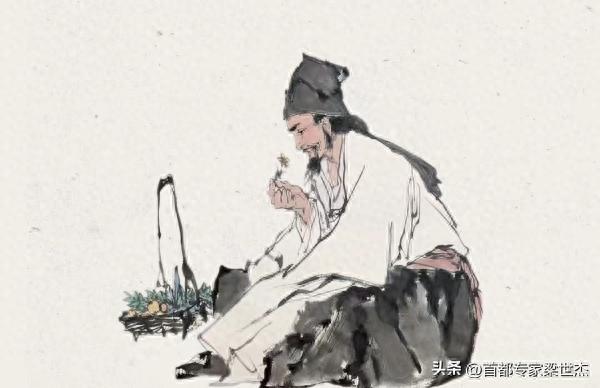
談及中醫的困境,教育問題首當其衝。中醫院校畢業的學生,是否真的學到了中醫的精髓?他們所學的,是否只是被西醫理論“閹割”過的中醫知識?答案恐怕不容樂觀。
在當下的中醫教育中,經方理論被肢解,四大經典被淺嘗輒止,學生們往往只能學到皮毛,而無法深入骨髓。這導致了許多中醫畢業生在臨牀上束手無策,甚至不會診斷、不會開方。試問,這樣的中醫,又怎能贏得患者的信任?
因此,中醫教育的重構迫在眉睫。我們需要回歸經典,深入研讀《黃帝內經》《傷寒雜病論》等中醫典籍,領悟其中的智慧與奧祕。同時,我們也要注重實踐,通過跟師學習、臨牀實習等方式,積累寶貴的臨牀經驗。只有這樣,才能培養出真正懂中醫、會中醫的年輕一代。
二、市場困境與出路探索
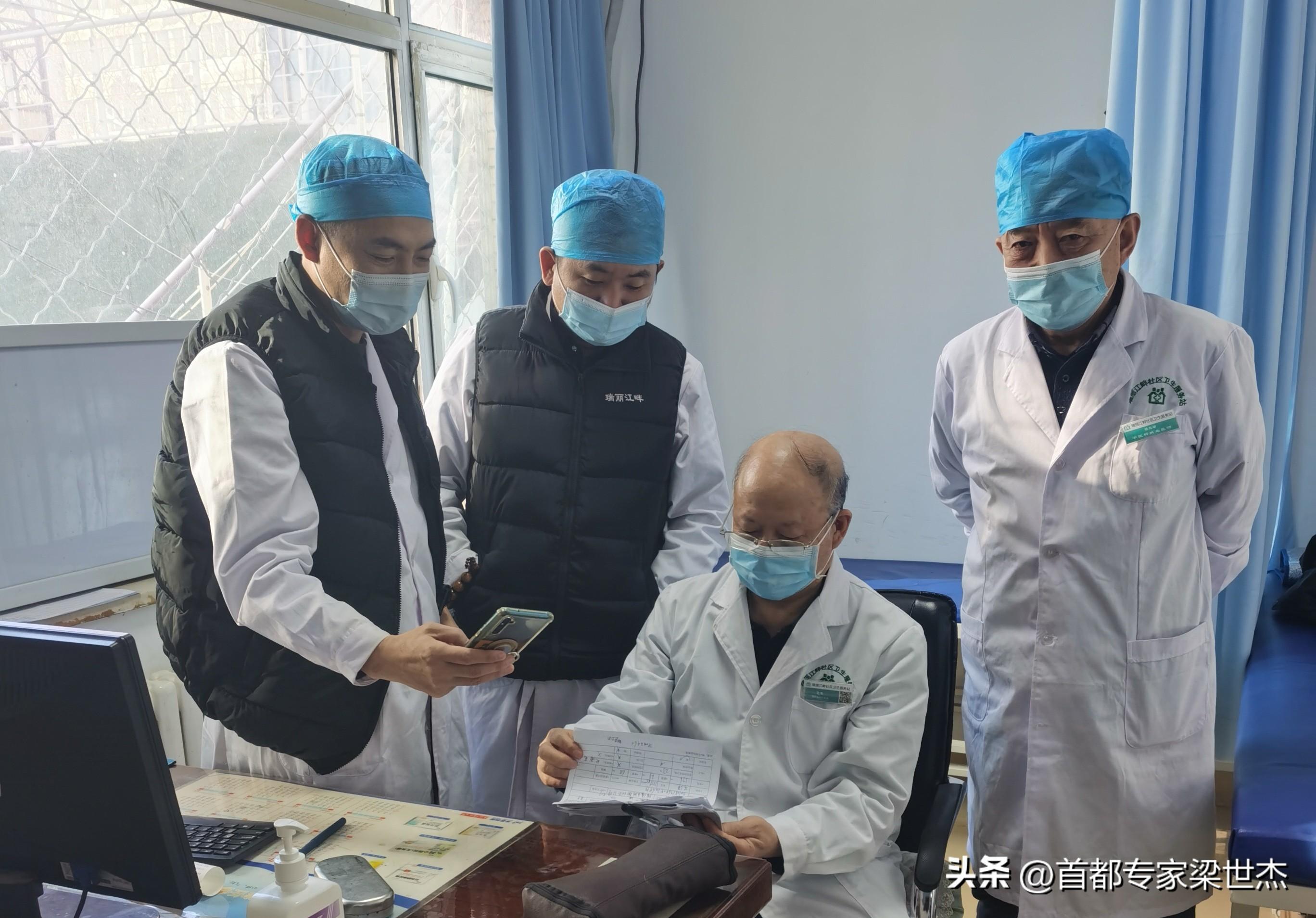
中醫市場的狹小與西醫的擠壓,是中醫面臨的又一重大困境。在老百姓的眼中,西醫往往意味着快速、有效,而中醫則被視爲“慢慢調理”的代名詞。這種認知偏差,導致了許多患者在選擇醫療方式時,更傾向於西醫。
然而,中醫並非沒有市場。在三四線城市和農村,中醫依然擁有廣泛的羣衆基礎。這些地方的人們更加註重傳統和養生,對中醫的認可度也更高。因此,中醫可以下沉市場,紮根基層,爲更多需要的人提供醫療服務。
此外,中醫還可以跨界求生,將中醫智慧融入養生、藥膳、健身等領域,打造多元化的服務模式。通過養生博主、藥膳研發、太極塑形課等方式,讓中醫成爲流量密碼,吸引更多人的關注和喜愛。
三、信任危機的破解與重塑
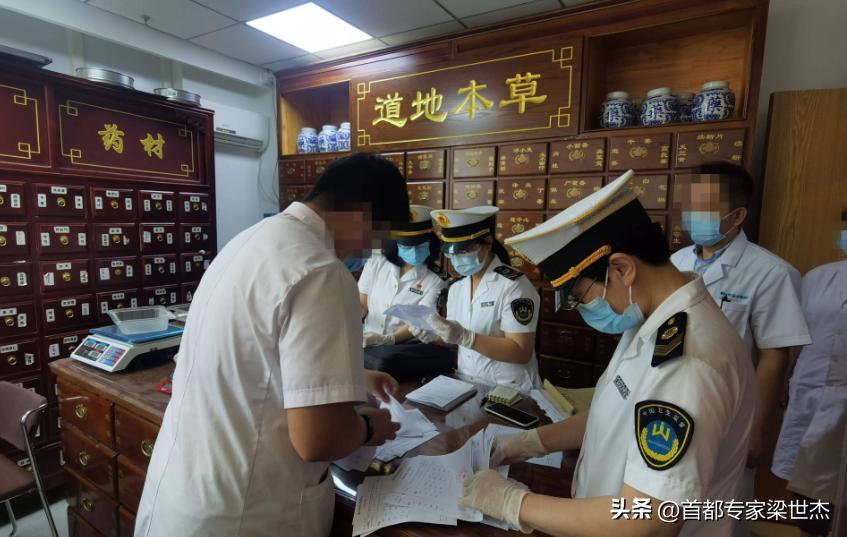
信任危機,是中醫面臨的又一嚴峻挑戰。江湖騙子打着“老中醫”的旗號招搖撞騙,導致正規中醫畢業生反被誤解和質疑。這種信任危機,不僅損害了中醫的形象,也阻礙了中醫的發展。
要破解信任危機,首先需要加強監管,嚴厲打擊非法行醫和假藥銷售行爲。同時,中醫界也要加強自律,提高服務質量和技術水平,用實際行動贏得患者的信任。
此外,我們還可以通過科普宣傳、媒體傳播等方式,提高公衆對中醫的認知度和認可度。讓更多人瞭解中醫的理念、方法和優勢,從而消除誤解和偏見。
四、海外市場的開拓與機遇
在海外市場,中醫卻備受追捧。歐美等地的鍼灸師時薪高昂,中醫養生理念也深受歡迎。這爲中醫的海外突圍提供了廣闊的空間和機遇。
中醫可以抓住這一機遇,積極開拓海外市場。通過輸出中醫人才、推廣中醫技術、建立中醫機構等方式,讓中醫在國際舞臺上綻放光彩。這不僅有助於提升中醫的國際影響力,也能爲中醫的國內發展注入新的動力和活力。
五、結語:振興中醫,任重而道遠
“養老不養小”的中醫,在困境中尋求振興之路並非易事。但只要我們堅定信念、勇於創新、紮實工作,就一定能夠走出一條符合中醫特色的發展道路。
振興中醫,需要全社會的共同努力。政府要加強政策引導和扶持力度;教育部門要改革中醫教育體系;醫療機構要提高中醫服務質量和技術水平;中醫從業者要加強自律和學習;廣大患者也要給予中醫更多的信任和支持。
讓我們攜手共進,爲振興中醫貢獻自己的力量!讓這一瑰寶般的醫學智慧,在新時代煥發出更加璀璨的光芒!
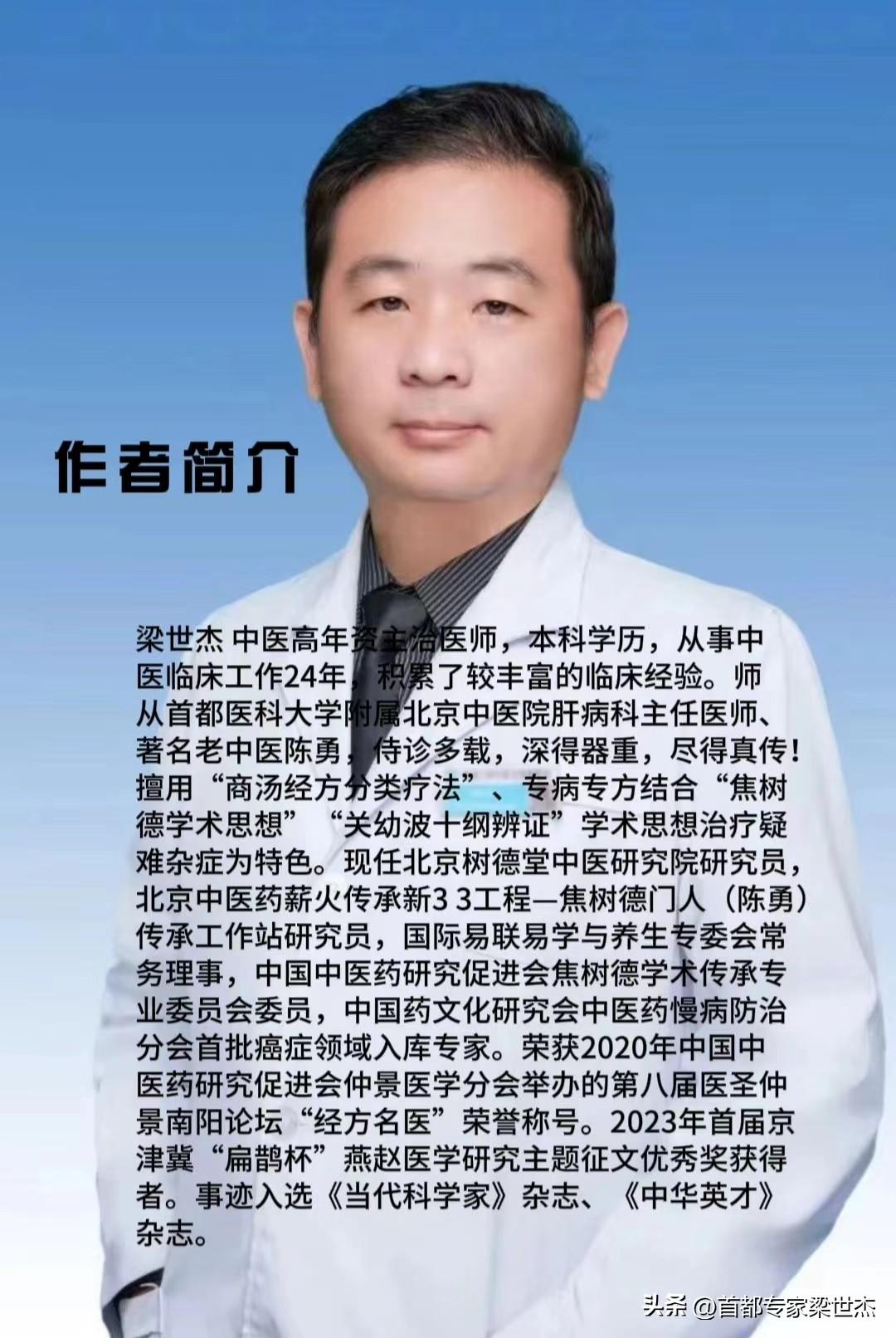
作者簡介:梁世傑 中醫高年資主治醫師,本科學歷,從事中醫臨牀工作24年,積累了較豐富的臨牀經驗。師從首都醫科大學附屬北京中醫院肝病科主任醫師、著名老中醫陳勇,侍診多載,深得器重,盡得真傳!擅用“商湯經方分類療法”、專病專方結合“焦樹德學術思想”“關幼波十綱辨證”學術思想治療疑難雜症爲特色。現任北京樹德堂中醫研究院研究員,北京中醫藥薪火傳承新3+3工程—焦樹德門人(陳勇)傳承工作站研究員,國際易聯易學與養生專委會常務理事,中國中醫藥研究促進會焦樹德學術傳承專業委員會委員,中國藥文化研究會中醫藥慢病防治分會首批癌症領域入庫專家。榮獲2020年中國中醫藥研究促進會仲景醫學分會舉辦的第八屆醫聖仲景南陽論壇“經方名醫”榮譽稱號。2023年首屆京津冀“扁鵲杯”燕趙醫學研究主題徵文優秀獎獲得者。事蹟入選《當代科學家》雜誌、《中華英才》雜誌。
How can traditional Chinese medicine, which "does not raise children in old age," be revived in difficult circumstances?
In the vast sea of medicine, Chinese medicine is like an ancient and mysterious ship that carries the wisdom and experience of the Chinese nation for thousands of years. However, in today''s fast-paced and high-efficiency era, traditional Chinese medicine seems to be in the awkward situation of "aging without raising children." The older generation of Chinese medicine is well respected for its deep foundation and rich experience, while the younger generation faces multiple difficulties such as difficulty in employment and a crisis of trust. This makes people think deeply: How on earth can traditional Chinese medicine, a jewel-like existence, seek the path of revitalization in the midst of difficulties?
I. Reflection and restructuring of traditional Chinese medicine education
When it comes to the plight of traditional Chinese medicine, education bears the brunt. Do students who graduate from traditional Chinese medicine schools really learn the essence of traditional Chinese Medicine? Are they learning only traditional Chinese medicine that has been "castrated" by Western medical theory? I''m afraid the answer isn''t encouraging.
In current traditional Chinese medicine education, the theory of traditional medicine has been dismembered, the four classics have been tasted a little, and students often can only learn the fur, not the bone marrow. This has led to many graduates of Chinese medicine being helpless in the clinic, not even diagnosing or prescribing a prescription. How can such traditional Chinese medicine win the trust of patients?
Therefore, the restructuring of traditional Chinese medicine education is urgent. We need to return to the classics and study in-depth Chinese medicine texts such as Huangdi''s Inner Theory and the Annals of Typhoid and other diseases to understand the wisdom and mysteries in them. At the same time, we should also pay attention to practice, and accumulate valuable clinical experience through peer learning and clinical internship. Only in this way can we cultivate a young generation that truly understands and knows Chinese medicine.
II. Market dilemma and exploration of a way out
The narrow market of traditional Chinese medicine and the squeeze of Western medicine are another major dilemma facing traditional Chinese Medicine. In the eyes of the common people, Western medicine often means fast and effective, while traditional Chinese medicine is seen as synonymous with "slow treatment." This cognitive bias has led many patients to prefer Western medicine when choosing a medical treatment.
However, traditional Chinese medicine is not without a market. In third- and fourth-tier cities and rural areas, traditional Chinese medicine still has a broad popular base. People in these places pay more attention to traditional and healthy living, and the recognition of traditional Chinese medicine is also higher. Therefore, traditional Chinese medicine can sink down the market and take root at the grassroots level to provide medical services to more people who need them.
In addition, traditional Chinese medicine can also seek survival across borders, integrating traditional Chinese wisdom into areas such as nursing, medicinal diet, and fitness, creating a diversified service model. Through health bloggers, herbal medicine research and development, tai chi plastic classes, and other means, let traditional Chinese medicine become a traffic code, attracting more people''s attention and affection.
III. Cracking and Restoring Confidence Crisis
The crisis of trust is another serious challenge facing Chinese medicine. Lujiazhuang scammers swindle under the banner of "old Chinese medicine," causing regular Chinese medicine graduates to be misunderstood and questioned. This crisis of trust not only damages the image of traditional Chinese medicine, but also hinders the development of traditional medicine.
To overcome the crisis of trust, we need to strengthen supervision and crack down on the illegal practice of medicine and the sale of counterfeit drugs. At the same time, the TCM profession should also strengthen self-discipline, improve the quality of service and technical level.
In addition, we can also improve public awareness and recognition of traditional Chinese medicine through popular science promotion and media dissemination. To make more people aware of the concepts, methods and advantages of traditional Chinese medicine, thereby eliminating misconceptions and prejudices.
IV. Opening up and opportunities in overseas markets
In overseas markets, Chinese medicine is highly sought after. Acupuncturists in Europe, the United States and other places have high hourly salaries, and the traditional Chinese philosophy of nursing is also popular. This provides vast space and opportunities for traditional Chinese medicine to break out overseas.
TCM can seize this opportunity and actively explore overseas markets. By exporting traditional Chinese medicine talents, promoting traditional Chinese medical technology, and establishing traditional medicine institutions, we can make traditional Chinese Medicine shine on the international stage. This not only helps to enhance the international influence of traditional Chinese medicine, but also injects new impetus and vitality into the domestic development of traditional medicine.
V. CONCLUSIONS: There is still a long way to go to revitalize Chinese medicine
The Chinese medicine practitioner, who "does not raise children in old age," has not sought the road to revitalization in difficult circumstances. But as long as we firmly believe in our convictions, courageously innovate and work solidly, we will certainly be able to find a development path that meets the characteristics of traditional Chinese medicine.
Reviving traditional Chinese medicine requires the joint efforts of the whole society. The government should strengthen policy guidance and support. The education sector should reform the traditional Chinese medicine education system; Medical institutions to improve the quality of service and technical level of TCM; Practitioners of traditional Chinese medicine should strengthen self-discipline and study; Patients should also give more trust and support to traditional Chinese medicine.
Let us work together to contribute our own strength to the revitalization of traditional Chinese medicine! Let this treasured medical wisdom shine even brighter in the new era!
Author Bio: Liang Shijie is a senior medical practitioner in traditional Chinese medicine with an undergraduate degree. He has been engaged in traditional medicine clinical work for 24 years and has accumulated a wealth of clinical experience. Following Chen Yong, chief physician of liver disease at Beijing Traditional Medicine Hospital, affiliated with Capital Medical University, and renowned old Chinese medicine, he has been treated for many years and received great attention. He specializes in the treatment of difficult diseases using "conversational traditional therapy" and special treatments combined with the academic ideas of Jiao Shude and Guan Yubo''s ten-level diagnosis.He is currently a researcher at the Shude Tang TCM Research Institute in Beijing, a fellow at the new 3 + 3 project of traditional Chinese medicine flame inheritance in Beijing - a scholar at the inheritance workstation of Jiao Shude''s protégés (Chen Yong),He is a standing committee member of the International Expert Committee on E-learning and Health Care, a member of the Jiao Shude Academic Heritage Special Committee of the Chinese Association for the Advancement of Chinese Medicine Research, and the first cancer specialist to be included in the chapter of the Chinese Pharmaceutical Culture Research Association. Won the 2020 China Association for the Promotion of Traditional Chinese Medicine Zhongjing Medical Branch held the eighth session of the Medical Saint Zhongjing Nanyang Forum "Classic Prescription Famous Doctor" honorary title. The winner of the first Beijing-Tianjin-Hebei "Pingui Cup" Yanzhao Medical Research Essay Award in 2023. His work was featured in the journal Current Scientist and the journal Chinese Talent.