張其成教授:儒釋道與中醫心理學的智慧交融
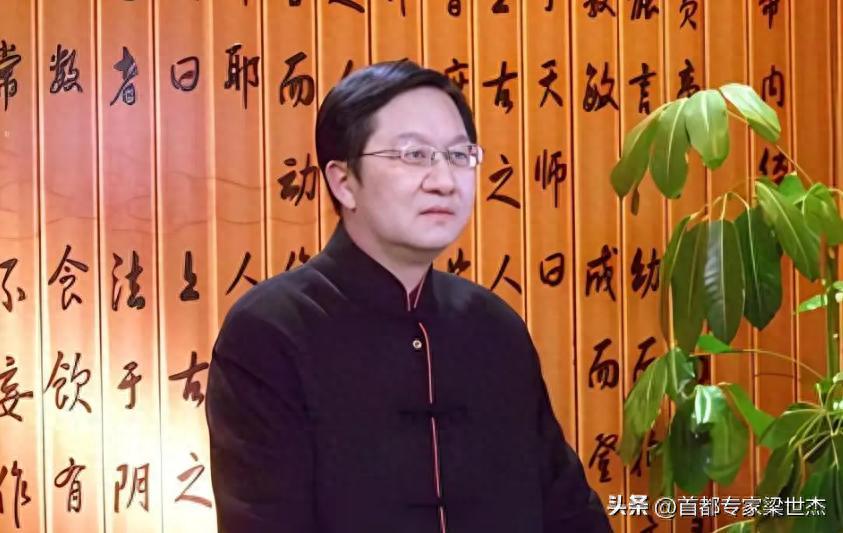
在浩瀚的中華文化長河中,儒釋道三家思想猶如三顆璀璨的明珠,交相輝映,共同塑造了中華民族的精神面貌。而中醫心理學,則如同一股清流,流淌在這三顆明珠之間,以其獨特的哲學基因,爲心理健康的探索提供了全新的視角。張其成教授,作爲中醫心理學領域的權威學者,以其深厚的學術底蘊和豐富的實踐經驗,爲我們揭示了儒釋道與中醫心理學之間的深刻聯繫。
整體合一,分層協調:中醫心理學的哲學根基
張其成教授指出,中醫心理學的哲學基因可概括爲“整體合一,分層協調”。這一理念不僅體現在人與自然界的和諧共生,更滲透於人的心理、生理與天地陰陽的不可分割性中。《黃帝內經》將人的心理活動置於“宇宙-自然-社會-人”合一的大背景下去認識,認爲人的情志、精神與天地陰陽變化相通。這種整體觀,正是先秦道家與儒家“天人相應”思想的體現,它強調了心理、生理與天地陰陽之間的動態平衡與協調。
在中醫心理學中,人的心理與天地自然這個整體是動態平衡的。當這種平衡被打破時,便會導致心理或生理上的疾病。心理健康的本質被理解爲陰陽平衡、五行相協的狀態,而情志失調則被視爲陰陽失衡或五行乘侮的結果。這種動態模型,不僅爲心理疾病的防治提供了理論依據,更揭示了人與自然和諧共生的重要性。
形神合一,心身協調:中醫心理學的核心理念
中醫心理學認爲,人本身是一個形神合一、心身合一的整體。其中,神爲陽,形爲陰,心神起主導作用,而臟腑精氣則是精神活動的基礎。這種形神合一、身心合一的理念,繼承了先秦精氣學說,並賦予了心統攝心理活動的核心地位。在中醫心理學中,情志與臟腑是相應的,融爲一體。通過五行歸類,將五志(怒、喜、思、悲、恐)與五臟(肝、心、脾、肺、腎)綁定,形成了情志-臟腑病理模型。這種對應並非機械的,而是通過氣機變化實現的,體現了中醫心理學對心理與生理之間複雜關係的深刻洞察。
儒釋道與中醫心理學的智慧交融
儒釋道三家思想,各具特色,卻都在探討“心”的奧祕。儒家強調心的道德自覺和理性判斷能力,通過修心達到“知行合一”的境界;道家追求與道合一,強調心靈的超脫和自由;佛家則對“心”的考察細密入微,認爲心的本質是空性,既非實體也非虛無。這些思想爲中醫心理學提供了豐富的哲學資源和實踐方法。
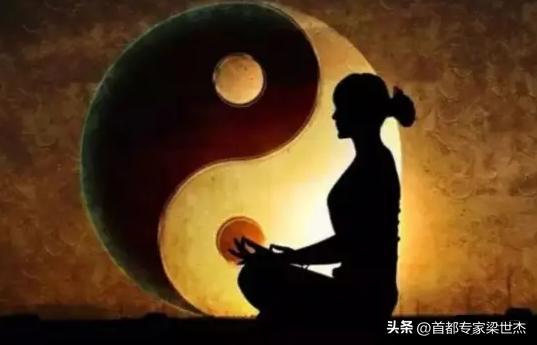
張其成教授提出的“易道調心法”,正是儒釋道三家修心方法的融合。這套功法以周易之道、陰陽之道爲哲學基礎,彙集了道家內丹功和密宗三脈七輪等修身養心的方法。通過調身、調息、調神等步驟,達到調心的目的。實踐證明,這套功法對乳腺癌術後患者的心理和生理康復都有顯著效果,體現了中醫心理學在心理健康領域的獨特價值。
中醫心理學面對現代挑戰的應對之策
面對現代社會青少年心理健康問題的嚴峻挑戰,中醫心理學應該發揮自身優勢,提出獨特的解決方案。張其成教授指出,中醫心理學不能完全按西方心理學的路徑走,要發揮來源於傳統文化、傳統醫藥的優勢和特色。比如,通過人格教育、心理課程等方式,建構青少年完善的人格;同時,也要關注老年人的心理健康問題,將其納入醫保體系,爲更多人提供心理健康服務。
結語:文化的力量,心靈的覺醒
張其成教授對儒釋道與中醫心理學的深度解讀,不僅讓我們領略了中華文化的博大精深,更讓我們看到了中醫心理學在現代社會中的獨特價值。在這個快節奏、高壓力的時代裏,我們需要更多的心靈慰藉和精神滋養。中醫心理學以其獨特的哲學理念和實踐方法,爲我們提供了一條通往內心平靜與和諧的道路。讓我們在儒釋道的智慧引領下,共同探索心靈的奧祕,實現身心的和諧與統一。
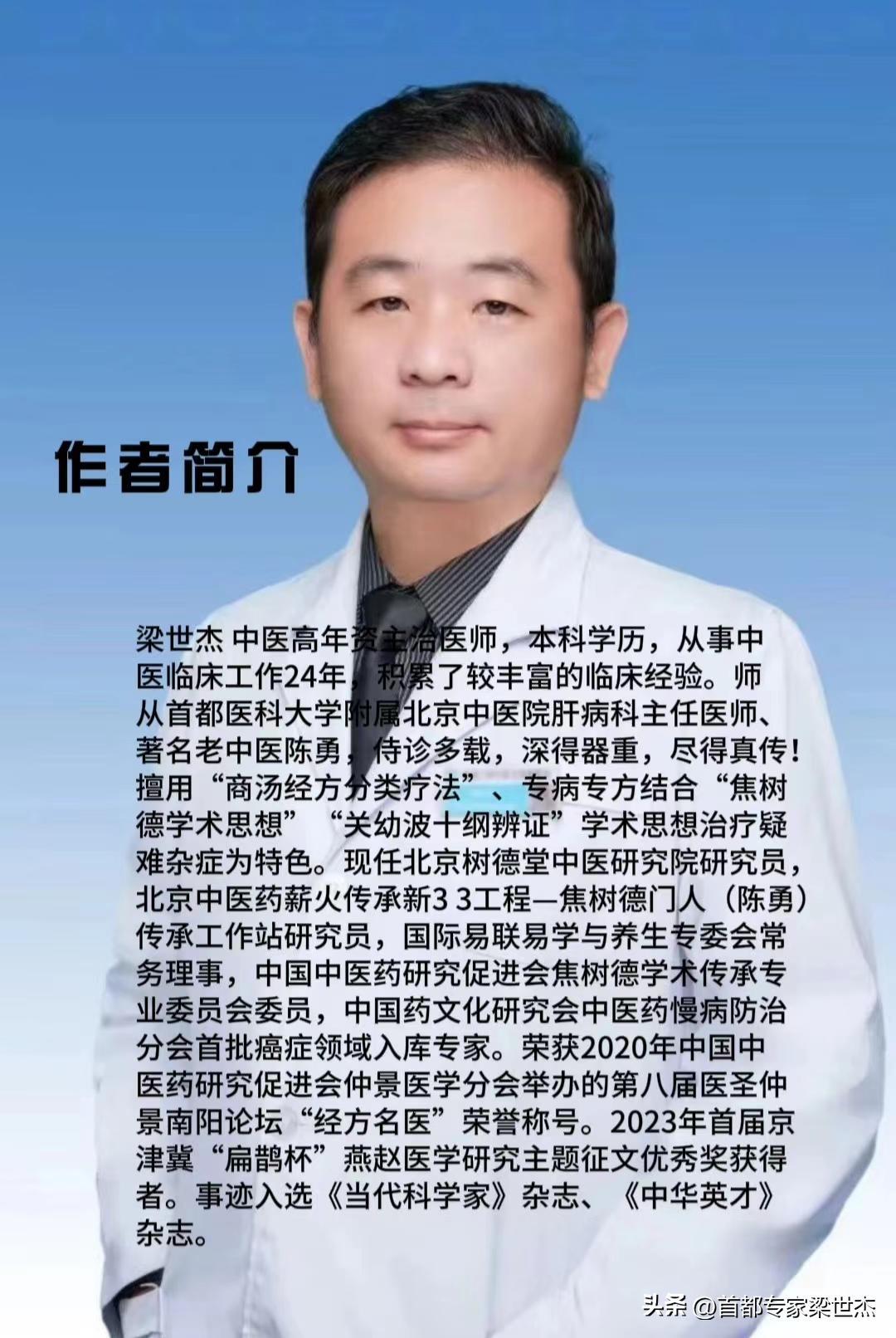
作者簡介:梁世傑 中醫高年資主治醫師,本科學歷,從事中醫臨牀工作24年,積累了較豐富的臨牀經驗。師從首都醫科大學附屬北京中醫院肝病科主任醫師、著名老中醫陳勇,侍診多載,深得器重,盡得真傳!擅用“商湯經方分類療法”、專病專方結合“焦樹德學術思想”“關幼波十綱辨證”學術思想治療疑難雜症爲特色。現任北京樹德堂中醫研究院研究員,北京中醫藥薪火傳承新3+3工程—焦樹德門人(陳勇)傳承工作站研究員,國際易聯易學與養生專委會常務理事,中國中醫藥研究促進會焦樹德學術傳承專業委員會委員,中國藥文化研究會中醫藥慢病防治分會首批癌症領域入庫專家。榮獲2020年中國中醫藥研究促進會仲景醫學分會舉辦的第八屆醫聖仲景南陽論壇“經方名醫”榮譽稱號。2023年首屆京津冀“扁鵲杯”燕趙醫學研究主題徵文優秀獎獲得者。事蹟入選《當代科學家》雜誌、《中華英才》雜誌。
Professor Zhang Qicheng: Confucian philosophy and the wisdom of traditional Chinese medicine psychology blend
In the long river of the vast Chinese culture, Confucianism, Buddhism and Taoism, like three bright pearl, complement each other, together shape the spirit of the Chinese nation. TCM psychology, like a stream that flows between these three pearls, provides a new perspective on the exploration of mental health with its unique philosophical gene. Professor Zhang Qicheng, as an authoritative scholar in the field of TCM psychology, has revealed to us the profound connection between Confucianism and TCM Psychology with his deep academic heritage and rich practical experience.
Holistic unity, hierarchical coordination: the philosophical foundations of traditional Chinese medicine
Professor Zhang Qicheng pointed out that the philosophical gene of traditional Chinese medicine psychology can be summarized as "integral unity and stratified coordination." This concept is not only reflected in the harmonious coexistence between man and nature, but also permeates the indivisibility of man''s mental, physical and heaven and earth, yin and yang. The Huangdi Yin scriptures place human psychological activities in the context of the unity of "universe, nature, society and man," and believe that human mood and spirit are connected to the changes of yin and yang in the heavens and the earth. This holistic view is the embodiment of the "heaven and man correspondence" thought of the Daoists and Confucians of the pre- Qin Dynasty, which emphasizes the dynamic balance and coordination between mental, physical and heaven and earth, yin and yang.
In TCM psychology, the human mind and the heaven and earth and nature as a whole are in dynamic balance. When this balance is broken, it can lead to mental or physical illness. The essence of mental health is understood as a state of yin-yang balance and the harmony of the five branches, while mood disorders are seen as the result of yin- yang imbalance or the multiplication of the five. This dynamic model not only provides a theoretical basis for the prevention and treatment of mental diseases, but also reveals the importance of harmonious coexistence between man and nature.
Form and spirit unity, mind and body coordination: core concepts of traditional Chinese medicine
According to traditional Chinese medicine psychology, the human being is a whole person whose form and spirit are integrated and whose mind and body are integrated. Among them, the spirit is the yang, the form is the yin, the heart plays the leading role, and the qi is the basis of spiritual activities. This concept of unity of form and deity and unity of mind and body inherited the pre- Qin philosophy of spirit and gave the core position of mental activities. In TCM psychology, feelings and inner beings are related to each other and are integrated. Through the five-line classification, the five minds (wrath, joy, thought, sadness, fear) are bound to the five organs (liver, heart, spleen, lung, kidney), forming a mood-citric pathological model. This correspondence is not mechanical, but is achieved through changes in the gas engine, reflecting the profound insight of traditional Chinese psychology into the complex relationship between psychology and physiology.
Confucian philosophy and the wisdom of traditional Chinese medicine
The three philosophies of Confucianism and Taoism, each with its own characteristics, are all exploring the mystery of the "heart." Confucianism emphasizes the moral awareness of the mind and the ability of rational judgment, and reaches the state of "oneness between knowledge and action" through the study of the mind. Taoism seeks unity with Taoism, emphasizing the transcendence and freedom of the mind; The Buddhists, for their part, examine the "mind" in detail, believing that the essence of the mind is empty, neither entity nor void. These ideas provide rich philosophical resources and practical methods for traditional Chinese medicine psychology.
Professor Zhang Qicheng proposed the "eudaio meditation method," which is precisely the integration of the three methods of spiritual healing of Confucianism and Taoism. This set of exercises is based on the philosophical principles of Zhouyin and Yin and Yang, and brings together Taoist methods such as Dangong and the three chakras and seven wheels of the secret religion. The purpose of mind-tuning is to be achieved through steps such as mind-tuning, mind-tuning and mind-tuning. Practice has proved that this set of exercises for breast carcinoma patients after the psychological and physiological rehabilitation have significant effect, reflecting the psychology of traditional Chinese medicine in the field of psychological health unique value.
Responses to Modern Challenges in TCM Psychology
Facing the severe challenges of adolescent mental health problems in modern society, traditional Chinese medicine psychology should utilize its own strengths and come up with unique solutions. Professor Zhang Qicheng pointed out that the psychology of TCM should not follow the path of western psychology, but should give full play to the advantages and characteristics of traditional culture and traditional medicine. For example, through personality education and psychological courses, teenagers can build a perfect personality. At the same time, we should also pay attention to the mental health problems of older people, incorporate them into the medical insurance system, and provide mental health services for more people.
Conclusion: The Power of Culture, the Awakening of the Mind
Professor Zhang Qicheng''s in-depth interpretation of Confucianism, Buddhism, Taoism and TCM psychology not only let us appreciate the profound Chinese culture, but also let us see the unique value of TCM psychology in modern society. In this fast-paced and stressful age, we need more spiritual comfort and spiritual nourishment. With its unique philosophical concepts and practical methods, TCM psychology provides us with a path to inner peace and harmony. Let us, under the wisdom of Confucianism and Taoism, explore together the mystery of the mind and realize harmony and unity of mind and body.
Author Bio: Liang Shijie is a senior medical practitioner in traditional Chinese medicine with an undergraduate degree. He has been engaged in traditional medicine clinical work for 24 years and has accumulated a wealth of clinical experience. Following Chen Yong, chief physician of liver disease at Beijing Traditional Medicine Hospital, affiliated with Capital Medical University, and renowned old Chinese medicine, he has been treated for many years and received great attention. He specializes in the treatment of difficult diseases using "conversational traditional therapy" and special treatments combined with the academic ideas of Jiao Shude and Guan Yubo''s ten-level diagnosis.He is currently a researcher at the Shude Tang TCM Research Institute in Beijing, a fellow at the new 3 + 3 project of traditional Chinese medicine flame inheritance in Beijing - a scholar at the inheritance workstation of Jiao Shude''s protégés (Chen Yong),He is a standing committee member of the International Expert Committee on E-learning and Health Care, a member of the Jiao Shude Academic Heritage Special Committee of the Chinese Association for the Advancement of Chinese Medicine Research, and the first cancer specialist to be included in the chapter of the Chinese Pharmaceutical Culture Research Association. Won the 2020 China Association for the Promotion of Traditional Chinese Medicine Zhongjing Medical Branch held the eighth session of the Medical Saint Zhongjing Nanyang Forum "Classic Prescription Famous Doctor" honorary title. The winner of the first Beijing-Tianjin-Hebei "Pingui Cup" Yanzhao Medical Research Essay Award in 2023. His work was featured in the journal Current Scientist and the journal Chinese Talent.