梁世傑主任論中醫脈法:天人合一的智慧與實踐
在浩瀚的中醫殿堂中,脈法如同一盞明燈,照亮了醫者探索人體奧祕的道路。梁世傑主任,作爲中醫領域的傑出代表,他對於中醫脈法的理解與運用,不僅體現了深厚的學術功底,更彰顯了天人合一的哲學思想。今天,讓我們一同走進梁世傑主任的中醫世界,探索中醫脈法背後的智慧與實踐。
一、五臟本脈相乘脈法:天人合一的微觀體現
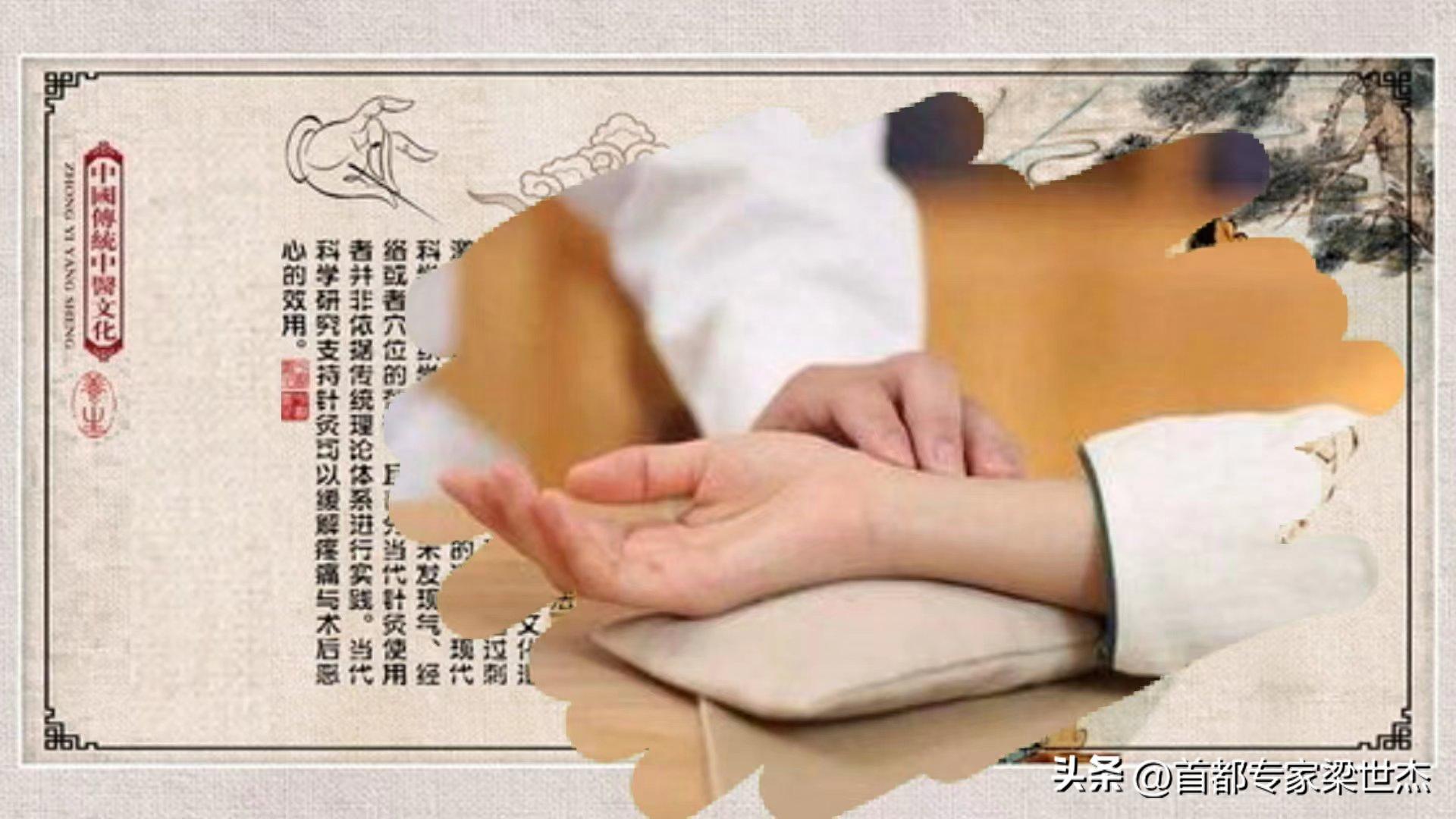
梁世傑主任的五臟本脈相乘脈法,是中醫脈法中的瑰寶。他強調寸口單取,三部九候,通過左寸(心、肝、腎)、右寸(肺、脾、命)的脈象變化,判斷人體氣血的運行狀態。五行五臟本脈的劃分,更是將中醫理論與自然界的五行相對應,肺金浮脈、腎水沉脈、脾土遲澀脈、心火滑數脈、肝膽弦脈,每一脈都蘊含着天地之間的奧祕。
在梁主任看來,脈象的變化不僅是人體內部生理病理的反映,更是人與自然相互作用的結果。當脈象出現非其位而現其脈時,即他髒來乘,這不僅是疾病的信號,更是人體與自然失衡的體現。因此,治療時不僅要針對病髒,更要追溯脈象的來源,隨髒治之,實現天人合一的和諧統一。

二、張璐脈法:五行臟腑與天地星宿的交響
清代醫家張璐的脈法,更是將天人合一的思想推向了一個新的高度。他根據五行理論,將臟腑與天地方位、星宿相對應,不僅深化了中醫臟腑理論,更賦予了脈法以宇宙觀的高度。在張璐的筆下,心居左寸如火旺於南,肝居左關如木旺於東,肺居右寸如金旺於西,脾胃居於右關如土旺於中而寄位西南,兩尺則主腎如水旺於北。這種將人體臟腑與自然界的五行、方位、星宿緊密相連的思維方式,不僅展現了中醫理論的博大精深,更體現了古人對於天人合一的深刻理解。

尤爲值得一提的是,張璐對於命門相火的闡述,更是將中醫脈法與天人合一的思想推向了一個新的境界。他認爲命門相火源於腎,寄於右尺,與兩腎之水火功能相輔相成,共同維持着人體的陰陽平衡。這種將人體內部臟腑功能與自然界的天文現象相結合的思維方式,不僅豐富了中醫脈法的內涵,更爲我們提供了一種全新的視角來審視和理解人體的生理病理變化。

三、心空爲宗:體悟脈中的天人合一
張璐提倡入手搭脈,“心空爲宗”,強調診脈時應心無雜念,掌握要領,對脈象加以認真體會。這種注重自身對脈象的體悟與思考的診療方式,不僅是對醫者醫術的考驗,更是對醫者心性的修煉。在梁世傑主任看來,診脈不僅是技術活,更是心性的體現。醫者只有做到心空無礙,才能真正領悟脈中的奧旨,觸類旁通,實現對人體生理病理變化的精準把握。
梁主任常常以自身爲例,講述他在診脈過程中的心得體會。他強調,每一次搭脈都是一次與患者的深度對話,通過脈象的變化,他能夠感受到患者的情緒波動、體質差異以及疾病的發展趨勢。這種將脈象與人體、自然緊密相連的診療方式,不僅提高了臨牀診療的準確性,更讓患者在治療過程中感受到了醫者的人文關懷和溫暖。

結語:天人合一的中醫智慧
梁世傑主任的中醫脈法,不僅是對中醫理論的深刻理解和靈活運用,更是天人合一哲學思想的生動體現。他通過五臟本脈相乘脈法、張璐脈法以及心空爲宗的診療方式,將人體與自然緊密相連,展現了中醫脈法的博大精深和獨特魅力。在當下這個快節奏、高壓力的社會環境中,梁世傑主任的中醫脈法爲我們提供了一種全新的視角和方式來審視和理解人體的健康與疾病,讓我們在忙碌的生活中找到了迴歸自然、和諧共生的智慧之路。
作者簡介:梁世傑 中醫高年資主治醫師,本科學歷,從事中醫臨牀工作24年,積累了較豐富的臨牀經驗。師從首都醫科大學附屬北京中醫院肝病科主任醫師、著名老中醫陳勇,侍診多載,深得器重,盡得真傳!擅用“商湯經方分類療法”、專病專方結合“焦樹德學術思想”“關幼波十綱辨證”學術思想治療疑難雜症爲特色。現任北京樹德堂中醫研究院研究員,北京中醫藥薪火傳承新3+3工程—焦樹德門人(陳勇)傳承工作站研究員,國際易聯易學與養生專委會常務理事,中國中醫藥研究促進會焦樹德學術傳承專業委員會委員,中國藥文化研究會中醫藥慢病防治分會首批癌症領域入庫專家。榮獲2020年中國中醫藥研究促進會仲景醫學分會舉辦的第八屆醫聖仲景南陽論壇“經方名醫”榮譽稱號。2023年首屆京津冀“扁鵲杯”燕趙醫學研究主題徵文優秀獎獲得者。事蹟入選《當代科學家》雜誌、《中華英才》雜誌。

Director Liang Shijie on Chinese traditional acupuncture: the wisdom and practice of unity between man and nature
In the vast Chinese medicine temple, pulse therapy is like a bright light that illuminates the path of the healer to explore the mysteries of the human body. Director Liang Shijie, as an outstanding representative in the field of Chinese medicine, his understanding and application of Chinese traditional meridians not only reflects deep academic foundation, but also demonstrates the philosophical idea of unity between man and nature. Today, let us step into the world of traditional Chinese medicine, led by Director Liang Shijie, and explore the wisdom and practice behind traditional Chinese traditional meridian healing.
I. The method of multiplying the meridians of the five organs: microrepresentation of the unity of nature and man
Dr. Liang Shijie''s method of combining the meridians of the five organs is a treasure in Chinese traditional meridians. He emphasized that the state in service of qi and blood in the body can be judged by the pulse condition of the left inch (heart, liver, kidney) and the right inch (lung, spleen, life). The division of the five branches of the five organs corresponds even more to Chinese medicine theory and the natural five branches. The pulse of the lungs is gold, the pulse of kidneys is water, the Pulse of spleen and earth is weak, the circulation of heart and fire is smooth, the liver and bilestrings are strings, each of which contains the mystery between the earth and the earth.
In the view of Director Liang, the change of pulse is not only a reflection of internal physiological pathology of the human body, but also the result of the interaction between man and nature. When the pulse appears instead of its position and presents its pulse, it is the transit of other sicknesses, which is not only a sign of disease, but also the manifestation of the imbalance between the human body and nature. Therefore, when treating, we must not only target the sick sliver, but also trace the source of the pulse, cure the sliver with it, and achieve the harmonious unity of the unity of nature and man.
II. Zhang Lu''s Pulse Method: The symphony of the five chakras and the heavens and the stars
The pulse method of Zhang Lu, a Qing Dynasty physician, pushed the idea of unity between man and nature to a new level. According to the theory of the five branches, he corresponded the inner lining with the heavenly places and the stars, not only deepening the theory on the inner rynx of Chinese medicine, but also giving the pulse a heightened cosmic view. In Zhang Lu''s writing, the heart occupies the left inch like fire is strong in the south, the liver occupies the right hand like wood is strong in east, the lung occupies the correct inch like gold is strong in west, the spleen occupies the proper chin like earth is strong in mid and sits in the southwest, and the two feet are the main kidneys like water are strong in the north. This way of thinking, which closely connects the human inner being with the five branches, positions, and stars and places of nature, not only demonstrates the great depth of traditional Chinese medicine theory, but also reflects the ancient people''s profound understanding of the unity of nature and man.
Especially worth mentioning is that Zhang Lu''s elaboration of the concept of yin and yang pushed the idea of traditional Chinese meridian therapy and the unity of nature and man into a new realm. He believes that the yin-yang fire originates from the kidney, is located in the right foot, and the water and fire functions of the two kidneys complement each other, jointly maintaining the yin- yang balance of the human body. This way of thinking, which combines the internal organ function of the human body with the astronomical phenomena of nature, not only enriches the meaning of traditional Chinese traditional meridians, but also provides a new perspective to examine and understand the physiological changes of the human being.
III. The Heart and Space Belong to God: The Oneness of Heaven and Man in the Understanding of the Mind
Zhang Lu advocates starting a pulse and "empty mind is the purpose," stressing that when diagnosing pulse, you should be mindless, master the gist, and carefully experience the pulse signs. This method of diagnosis and treatment, which focuses on the knowledge and reflection of the pulse, is not only a test of the medical skill of the doctor, but also a spiritual training of the doctor. In the view of Director Liang Shijie, acupuncture is not only a technical work, but also a manifestation of spirituality. Only if the practitioner is empty of mind can he truly grasp the essence of the pulse, reach out to all kinds of people, and achieve an accurate grasp of the pathological changes of human physiology.
Dr. Liang often uses himself as an example to share his lessons learned during the consultation process. He emphasized that each ping is a deep dialogue with the patient, and through changes in the pulse, he can feel the patient''s mood swings, physical differences, and the trends of the disease. This diagnostic and treatment method that closely connects pulse to the human body and nature not only improves the accuracy of clinical diagnosis and treatment, but also allows patients to feel the human care and warmth of the doctor during treatment.
Conclusion: The Wisdom of Traditional Chinese Medicine in the Oneness of Nature and Man
Director Liang Shijie''s traditional Chinese medicine meridian method is not only a profound understanding and flexible application of Chinese medicine theory, but also a vivid embodiment of the philosophy of unity between man and nature. He has connected the human body to nature through the method of acupuncture of the five basic meridians, Zhang Lu meridian, and heart and soul healing, demonstrating the depth and unique charm of traditional Chinese meridians. In today''s fast-paced, high-pressure social environment, Dr. Liang Shijie''s traditional Chinese medicine meridian method provides us with a new perspective and way to view and understand human health and diseases, and allows us to find the wisdom of returning to nature and harmonious coexistence in our busy lives.
Author Bio: Liang Shijie is a senior medical practitioner in traditional Chinese medicine with an undergraduate degree. He has been engaged in traditional medicine clinical work for 24 years and has accumulated a wealth of clinical experience. Following Chen Yong, chief physician of liver disease at Beijing Traditional Medicine Hospital, affiliated with Capital Medical University, and renowned old Chinese medicine, he has been treated for many years and received great attention. He specializes in the treatment of difficult diseases using "conversational traditional therapy" and special treatments combined with the academic ideas of Jiao Shude and Guan Yubo''s ten-level diagnosis.He is currently a researcher at the Shude Tang TCM Research Institute in Beijing, a fellow at the new 3 + 3 project of traditional Chinese medicine flame inheritance in Beijing - a scholar at the inheritance workstation of Jiao Shude''s protégés (Chen Yong),He is a standing committee member of the International Expert Committee on E-learning and Health Care, a member of the Jiao Shude Academic Heritage Special Committee of the Chinese Association for the Advancement of Chinese Medicine Research, and the first cancer specialist to be included in the chapter of the Chinese Pharmaceutical Culture Research Association. Won the 2020 China Association for the Promotion of Traditional Chinese Medicine Zhongjing Medical Branch held the eighth session of the Medical Saint Zhongjing Nanyang Forum "Classic Prescription Famous Doctor" honorary title. The winner of the first Beijing-Tianjin-Hebei "Pingui Cup" Yanzhao Medical Research Essay Award in 2023. His work was featured in the journal Current Scientist and the journal Chinese Talent.