陰陽學說,世界最早的辯證法
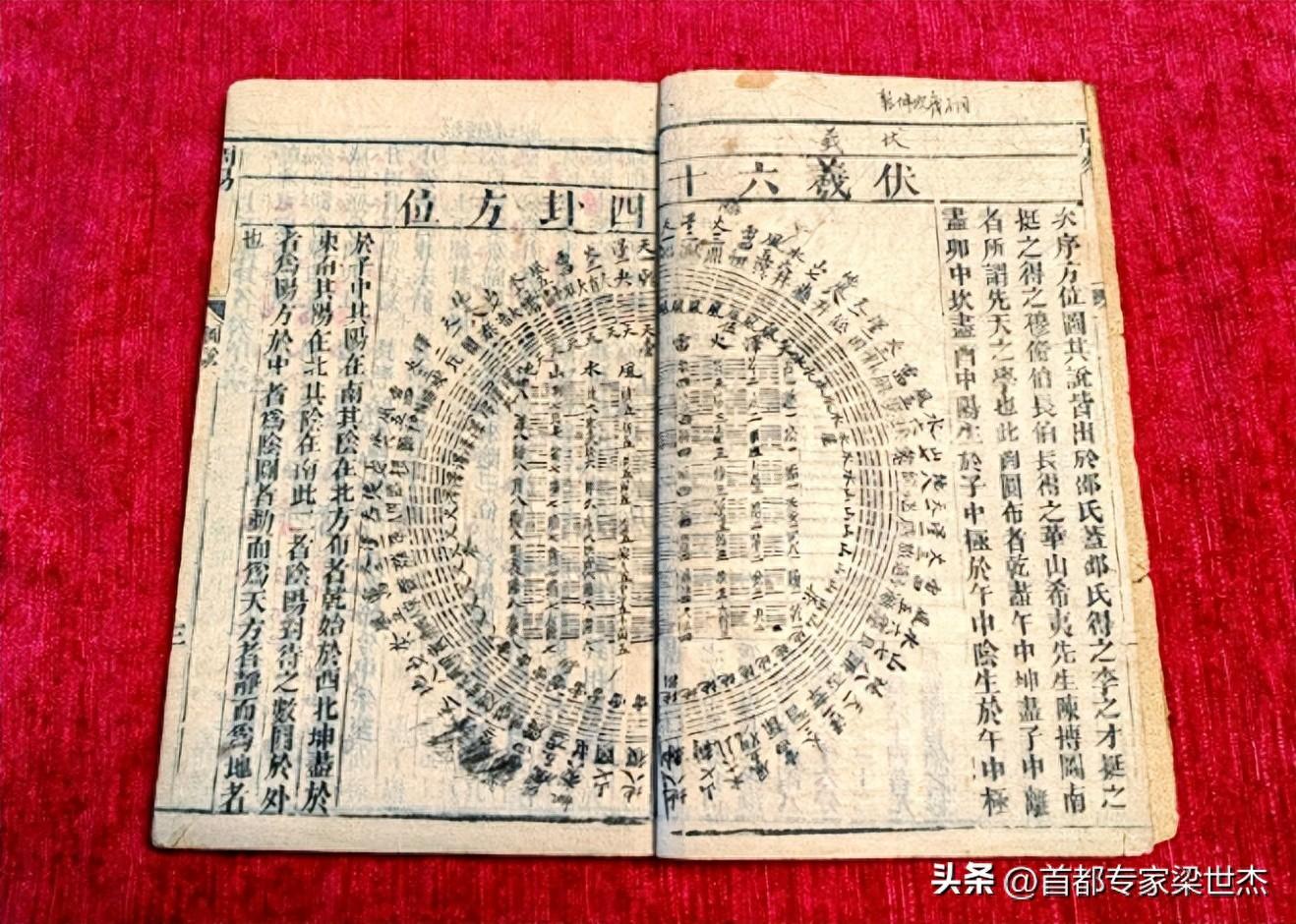
在人類文明的浩瀚星空中,每一種古老文化都如一顆獨特的星辰,散發着屬於自己的光芒。而中華文化,無疑是其中最爲璀璨奪目的一顆,它以深邃的智慧、悠久的歷史和獨特的魅力,吸引着世人的目光。在這璀璨的文化寶庫中,儒家的以《周易》爲代表的陰陽學說和五行學說,宛如兩顆熠熠生輝的明珠,閃耀着古老而神祕的光彩,它們不僅是世界上最早的辯證法,更是華夏先民對宇宙、自然和人生的深刻洞察與智慧結晶。
陰陽學說:辯證法的古老先聲
陰陽學說,猶如一把開啓宇宙奧祕的鑰匙,以其簡潔而深刻的內涵,揭示了世界萬物對立統一的規律。它宛如陰陽兩極,相互對立又相互依存,相互轉化又相互制約,共同構成了宇宙間一切事物變化發展的內在動力。在古代,陰陽學說就是辯證法的代名詞,它闡述了陰陽之間那種微妙而又深刻的關係,就像黑夜與白晝的交替,寒暑的更迭,生死的輪迴。
陰陽之間的對立統一,是宇宙萬物存在和發展的基礎。正如《周易》所言:“一陰一陽之謂道。”道,便是宇宙萬物的運行規律,而陰陽則是這一規律的具體體現。沒有陰,就沒有陽;沒有陽,也就沒有陰。二者相互依存,不可分割。就像男人和女人,共同構成了人類社會的兩極,缺一不可。在自然界中,山爲陽,水爲陰;日爲陽,月爲陰;天爲陽,地爲陰。陰陽的相互作用,使得世界呈現出千變萬化、豐富多彩的景象。
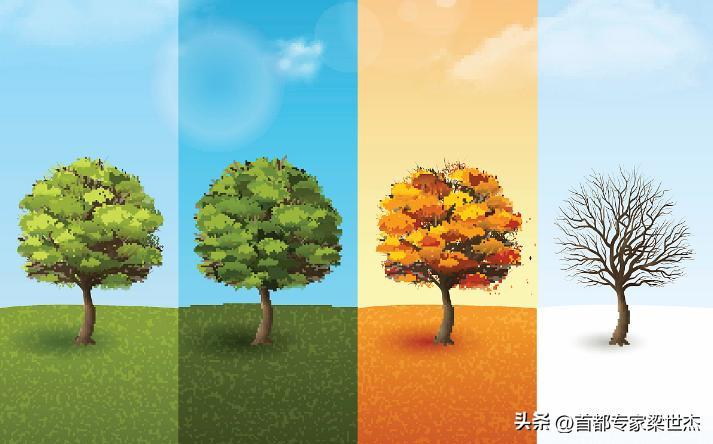
陰陽之間不僅相互依存,還相互轉化。就像四季的輪迴,春天陽氣漸生,萬物復甦;夏天陽氣鼎盛,萬物繁茂;秋天陰氣漸長,萬物凋零;冬天陰氣最盛,萬物蟄伏。陰陽的轉化,使得世界處於一種動態的平衡之中。這種平衡,不是靜止不變的,而是不斷變化、不斷調整的。正如人生,有順境也有逆境,有成功也有失敗。順境時,我們要居安思危,防止陽盛而衰;逆境時,我們要堅定信念,等待陰極而陽生。
陰陽學說,以其深刻的哲理和廣泛的適用性,指導着中國古代的哲學、醫學、天文、地理等各個領域的發展。它就像一座智慧的燈塔,照亮了華夏先民探索宇宙和人生的道路。
五行學說:複雜世界的辯證昇華
然而,陰陽學說雖然揭示了世界萬物對立統一的規律,但世界並非僅僅由對立的雙方構成。世界是一個萬物相互關聯、相互作用的複雜系統,萬物之間除了對立、依存、轉化之外,還有其他複雜的關係。而且,人類作爲萬物之靈,生活在自然界中,人類的勞動成果也是世界的重要組成部分,甚至是最重要的組成部分。因此,爲了更全面、更深入地理解世界,五行學說應運而生。
五行學說,是在陰陽學說的基礎上發展而來的,它以金、木、水、火、土五種基本物質爲元素,闡述了萬物之間的生剋制化關係。這五種元素,並非簡單的物質概念,而是代表了宇宙間五種基本的運動形式和能量狀態。它們相互制約、相互依存、相互轉化,共同構成了一個動態平衡的生態系統。
以金爲例,金在五行中代表着人類勞動的成果。“土生金”,金是人類通過冶煉土壤中的金屬礦物而得到的。在人類沒有掌握“土生金”“火克金”的技術之前,只能處於石器時代,生活條件極爲艱苦。而當人類掌握了金屬冶煉技術後,便進入了青銅時代、鐵器時代,生產力得到了極大的提高,社會也發生了翻天覆地的變化。“金曰從革”,一切革命性的措施,都是由人類來完成的。金屬工具的出現,使得人類能夠更好地改造自然,創造財富。
金爲何能克木?因爲金屬的工具被人掌握了。如果只有金屬工具,沒有人,金能克木嗎?顯然不能。金屬工具只是人類改造自然的手段,而人才是這一過程的主導者。同樣,如果沒有金屬工具,沒有人掌握金屬工具,人類又怎能開掘水源,挖井、修渠呢?金能生水,這一過程也是人類勞動的過程。人類利用金屬工具,改造自然,使得水資源得到合理的利用和開發,從而促進了人類社會的發展。
五行學說,不僅揭示了自然界萬物之間的關係,還體現了人類與自然和諧相處、互相依存的哲學思想。古人通過五行學說,很好地解決了人與自然的關係問題。他們認識到,人類不是自然的主宰,而是自然的一部分,人類應該尊重自然、順應自然,與自然和諧共生。這種思想,在當今社會依然具有重要的現實意義。據統計,全球每年因自然災害造成的經濟損失高達數千億美元,而這些災害的發生,很大程度上是由於人類對自然的過度開發和破壞所導致的。如果我們能夠汲取古人的智慧,遵循五行學說的原則,與自然和諧相處,那麼我們或許能夠減少自然災害的發生,保護我們的地球家園。
傳承智慧,照亮未來
陰陽學說和五行學說,作爲中華文化的瑰寶,承載着華夏先民的智慧和心血。它們不僅是中國古代哲學的重要組成部分,也是中國傳統文化的重要根基。在當今社會,雖然科學技術高度發達,但陰陽五行學說所蘊含的哲學思想和智慧,依然具有不可替代的價值。
在個人修養方面,陰陽五行學說可以引導我們樹立正確的世界觀、人生觀和價值觀。它讓我們明白,世界是一個複雜多樣的整體,我們應該以包容、開放的心態去面對生活中的一切。在面對困難和挫折時,我們要像陰陽轉化一樣,保持樂觀積極的心態,相信困難只是暫時的,只要我們堅持不懈,就一定能夠迎來轉機。
在社會治理方面,陰陽五行學說可以爲我們提供有益的借鑑。它強調萬物之間的相互依存和平衡,提醒我們在社會管理中要注重協調各方利益,促進社會的和諧穩定。就像五行之間的生剋制化一樣,社會中的各個階層、各個羣體之間也應該相互制約、相互促進,共同推動社會的發展進步。
在人與自然的關係方面,陰陽五行學說更是爲我們指明瞭方向。它倡導人與自然和諧相處、互相依存的理念,提醒我們要尊重自然、保護自然。在全球環境問題日益嚴峻的今天,這一理念顯得尤爲重要。我們應該汲取古人的智慧,轉變發展方式,走可持續發展之路,讓我們的地球家園更加美麗、更加宜居。
陰陽五行學說,是華夏智慧譜寫的宇宙與人生交響。讓我們傳承和弘揚這一寶貴的文化遺產,讓它在新的時代煥發出更加璀璨的光芒,照亮我們前行的道路,引領我們走向更加美好的未來。
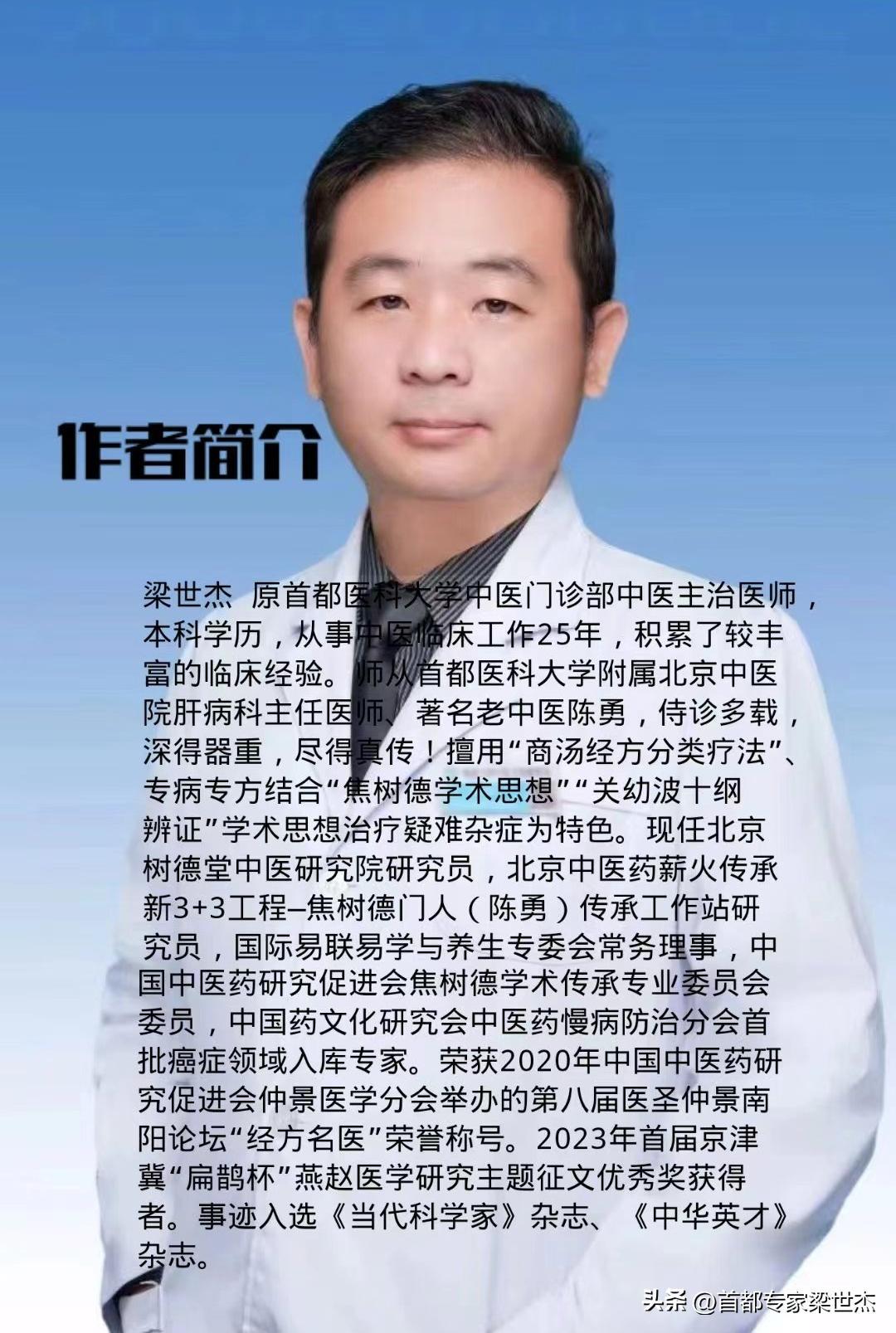
作者簡介:梁世傑 原首都醫科大學中醫門診部中醫主治醫師,本科學歷,從事中醫臨牀工作25年,積累了較豐富的臨牀經驗。師從首都醫科大學附屬北京中醫院肝病科主任醫師、著名老中醫陳勇,侍診多載,深得器重,盡得真傳!擅用“商湯經方分類療法”、專病專方結合“焦樹德學術思想”“關幼波十綱辨證”學術思想治療疑難雜症爲特色。現任北京樹德堂中醫研究院研究員,北京中醫藥薪火傳承新3+3工程—焦樹德門人(陳勇)傳承工作站研究員,國際易聯易學與養生專委會常務理事,中國中醫藥研究促進會焦樹德學術傳承專業委員會委員,中國藥文化研究會中醫藥慢病防治分會首批癌症領域入庫專家。榮獲2020年中國中醫藥研究促進會仲景醫學分會舉辦的第八屆醫聖仲景南陽論壇“經方名醫”榮譽稱號。2023年首屆京津冀“扁鵲杯”燕趙醫學研究主題徵文優秀獎獲得者。事蹟入選《當代科學家》雜誌、《中華英才》雜誌。
The theory of yin and yang, the world''s earliest dialectics
In the vast sky of human civilization, each ancient culture is like a unique star, radiating its own light. Chinese culture is undoubtedly one of the most prominent, attracting the eyes of the world with deep wisdom, long history and unique charm. In this splendid cultural treasure trove, Confucianism''s theory of yin and yang and the theory of the five branches represented by the Zhou Yi, Like two shining pearls, shining with an ancient and mysterious glow, they are not only the world''s earliest dialectics, but also the crystallization of the profound insight and wisdom of the Chinese peoples about the universe, nature and life.
The Theory of Yin and Yang: An Ancient Precursor to Dialectics
The theory of yin and yang, like a key to the mysteries of the universe, reveals in its simple and profound meaning the opposite and unified law of all things in the world. It is like the poles of yin and yang, opposed to and interdependent, transformed and constrained by each other, which together constitute the internal driving force for the change and development of all things in the universe. In ancient times, the theory of yin and yang was synonymous with dialectics, which explained the subtle and profound relationships between yin and yang, like the alternation of night and day, the change of summer and cold, and the reincarnation of life and death.
The opposing unity between yin and yang is the basis for the existence and development of all things in the universe. As Zhou Yi says, "What is the meaning of one yin and one yang?" Tao is the law of the operation of all things in the universe, and yin and yang are the concrete embodiment of this law. Without yin, there is no yang; Without yin, there is no yin. They are interdependent and indivisible. Just like men and women, together they form the poles of human society, and they need each other. In nature, the mountain is the yin and the water the yin. The sun is sun and the moon is lunar; The sky is the sun and the earth is the yin. The interaction of yin and yang makes the world a diverse and colorful landscape.
Yin and yang are not only interdependent, but also transformative. It is like the reincarnation of the four seasons, when the sun begins to rise in spring and everything recovers. Summer is full of sunshine and all things are abundant. In autumn the shadows grew and everything fell away. Winter is the most gloomy season, and everything is dormant. The transformation of yin and yang puts the world in a dynamic equilibrium. This balance is not static, but constantly changing and adjusting. As in life, there are good times and bad times, successes and failures. When times are good, we must stay safe and look out for danger, so as to prevent the sunshine from becoming negative. In times of adversity, we must firmly believe and wait for the yin and yang.
The theory of yin and yang, with its profound philosophy and broad applicability, guided the development of ancient Chinese philosophy, medicine, astronomy, geography and other fields. It is like a beacon of wisdom that illuminates the path of the Chinese peoples to explore the universe and life.
The Theory of Five: The Dialectical Uplift of a Complex World
However, although yin and yang theory reveals the opposite and unified law of all things in the world, the world is not only made up of opposing sides. The world is a complex system of interrelated and interacting things, and there are other complex relationships among things, in addition to opposition, interdependence and transformation. Moreover, as the spirit of all things, human beings live in nature, and the fruits of human labor are also an important part, even the most important part, of the world. Thus, in order to understand the world in a fuller and deeper way, the theory of the five rings came into being.
The theory of the Five Elements, which is based on the theory of yin and yang, uses five basic substances as elements: gold, wood, water, fire, and earth, and explains the relationship between life, repression, and transformation of all things. These five elements are not simple concepts of matter, but represent the five basic forms of motion and energy states in the universe. They constrain, depend on and transform each other, and together constitute a dynamic and balanced ecosystem.
Take gold as an example. In the five branches, gold represents the fruit of human labor. "Native gold," gold is obtained by man by smelting metallic minerals in the soil. Before mankind did not master the technology of "native gold" and "hot gold," it could only be in the Stone Age, and living conditions were extremely difficult. When man mastered metal smelting technology, he entered the Bronze Age and the Iron Age, and productivity was greatly improved, and society changed dramatically. According to Jin, all revolutionary measures were accomplished by man. The advent of metal tools allowed humans to better transform nature and create wealth.
Why does Kim work with wood? Because metal tools have been mastered. If there were only metal tools and no one, would gold destroy wood? Obviously not. Metal tools are just a means by which human beings transform nature, and human talent is the master of this process. Similarly, if there are no metal tools and no one has mastered metal tools, how can humans dig water sources, dig wells, and repair canals? Gold can produce water, and this process is also the process of human labor. Human beings use metal tools to transform nature, so that water resources can be rationally utilized and developed, thereby promoting the development of human society.
The theory of the five rays not only reveals the relationship between all things in nature, but also embodies the philosophical idea that human beings live in harmony with nature and are interdependent. The ancient people solved the problem of the relationship between man and nature well through the theory of the five branches. They recognized that human beings are not the masters of nature, but are part of nature, and human being should respect nature, conform to nature, and live in harmony with nature. This idea still has important practical significance in today''s society. According to statistics, the global economic losses caused by natural disasters are hundreds of billions of dollars each year, and these disasters occur largely due to human overexploitation and destruction of nature. If we can draw on the wisdom of the ancients, follow the principles of the Five-Point Theory and live in harmony with nature, then we may be able to reduce the occurrence of natural disasters and protect our planet.
Sharing wisdom and illuminating the future
The theory of yin and yang and the theory of the five elements, as treasures of Chinese culture, bear the wisdom and heartfelt wisdom of the Chinese people. They are not only an important part of ancient Chinese philosophy, but also an important foundation of Chinese traditional culture. In today''s society, although science and technology are highly developed, the philosophical ideas and wisdom embodied in the theory of yin and yang continue to have irreplaceable value.
In terms of personal cultivation, the yin and yang theory can guide us to establish a correct worldview, outlook on life and values. It makes us understand that the world is a complex and diverse whole and that we should approach everything in life with an inclusive and open mind. In the face of difficulties and setbacks, we should maintain an optimistic and positive mindset like yin and yang transition, believing that the difficulties are only temporary, and as long as we persist, we will surely be able to usher in a turnaround.
In terms of social governance, the theory of yin and yang can provide us with useful lessons. It emphasizes the interdependence and balance between all things and reminds us to focus on coordinating the interests of all parties in social management to promote social harmony and stability. Just like the restraint between the five branches, the various classes and groups in society should also check and promote each other to jointly promote the development and progress of society.
In the relationship between man and nature, the theory of yin and yang shows us the way. It advocates the idea of man and nature living in harmony and interdependence, and reminds us to respect nature and protect it. This concept is particularly important at a time when global environmental problems are getting worse. We should draw on the wisdom of the ancient people, change the mode of development, follow the path of sustainable development, and make our planet more beautiful and liveable.
The theory of yin and yang, the theory of five agents, is a symphony of the universe and life written by Chinese wisdom. Let us carry forward and promote this valuable cultural heritage so that it will shine brighter in the new era, illuminate our path forward, and lead us to a better future.
Author Profile: Liang Shi-jie was a chief physician of traditional Chinese medicine at the Traditional Chinese Medicine Outpatient Clinic of Capital Medical University. He holds a bachelor’s degree and has been involved in clinical work in traditional Chinese medicine for 25 years, accumulating extensive clinical experience. He studied under Chen Yong, a renowned senior traditional Chinese medicine practitioner at the Hepatology Department of Beijing Hospital Affiliated to Capital Medical University. Over the years, he gained great respect and acquired genuine expertise. He specializes in using the “Shang Tang Classic Classification Therapy” and combining specific treatments for specific diseases with the “Jiao Shu-de Academic Thought” and the “Guan You-bo Ten-Principle Diagnosis” approach to treat complex and rare conditions. Currently, he serves as a researcher at the Beijing Shu-de-Tang Traditional Chinese Medicine Research Institute and a researcher at the Jia Shu-de Disciples (Chen Yong) Heritage Workstation of the Beijing New 3+3 Project for the Succession of Traditional Chinese Medicine. He is a member of the Executive Committee of the International Yi-lian Yi-xue and Health Preservation Committee, a member of the Jia Shu-de Academic Heritage Committee of the China Research Promotion Association for Traditional Chinese Medicine, and a first-batch expert in the cancer field of the China Cultural Research Association for Traditional Chinese Medicine’s Prevention of Chronic Diseases. He was awarded the title of “Expert in Classic Prescriptions” at the Eighth Symposium of the Medicine Saint Zhang Zhongjing of Nanyang, organized by the China Research Promotion Association of Traditional Chinese Medicine in 2020. In 2023, he won the Excellence Award in the First Beijing-Tianjin-Hebei “Bian Que Cup” Symposium on Yan-Zhao Medical Research. His achievements have been featured in the magazines “Contemporary Scientists” and “China’s Elite”.