中醫的守正創新試驗場在臨牀上
在醫學的浩瀚星空中,西醫與中醫恰似兩顆風格迥異卻又各自閃耀的星辰。西醫,宛如一位嚴謹的工匠,在實驗室的精密儀器與繁複數據中雕琢着對疾病的理解與應對之策;而中醫,則似一位睿智的老者,在悠悠歲月裏,於無數患者的病痛呻吟與康復歡顏中沉澱出獨特而深邃的醫學智慧。然而,當下中醫的發展,卻似一隻被困於實驗室藩籬中的鳥兒,難以盡情舒展臨牀實踐的翅膀,這着實令人憂慮。
“中醫是臨牀醫學,是經驗醫學,而且是成熟的理論醫學。”河北省中醫藥研究院的主任醫師曹東義一語道破中醫的本質。中醫,從古老的《黃帝內經》到張仲景的《傷寒雜病論》,從孫思邈的《千金方》到李時珍的《本草綱目》,無一不是在長期的臨牀實踐中積累、總結、昇華而來。它就像一棵參天大樹,臨牀實踐是其紮根的深厚土壤,理論體系則是其枝繁葉茂的繁茂枝幹。每一味中藥的性味歸經,每一個方劑的配伍原理,每一種鍼灸手法的操作要領,都是在無數患者的治療過程中不斷摸索、驗證、完善的。
然而,時至今日,西方唯科學主義的實驗研究卻如同一股強勢的潮流,裹挾着中醫理論的發展方向。把盲目改造中醫傳統、簡單模仿西醫當成中醫的科研方向,這無疑是一場本末倒置的鬧劇。原河北醫科大學中醫學院院長董尚樸一針見血地指出:“僅從實驗室裏得不出任何中醫新理論、新方子。”中醫藥多是複方,藥物之間產生的是綜合反應,這種複雜的相互作用,豈是實驗室裏簡單的動物實驗所能模擬和開發的?
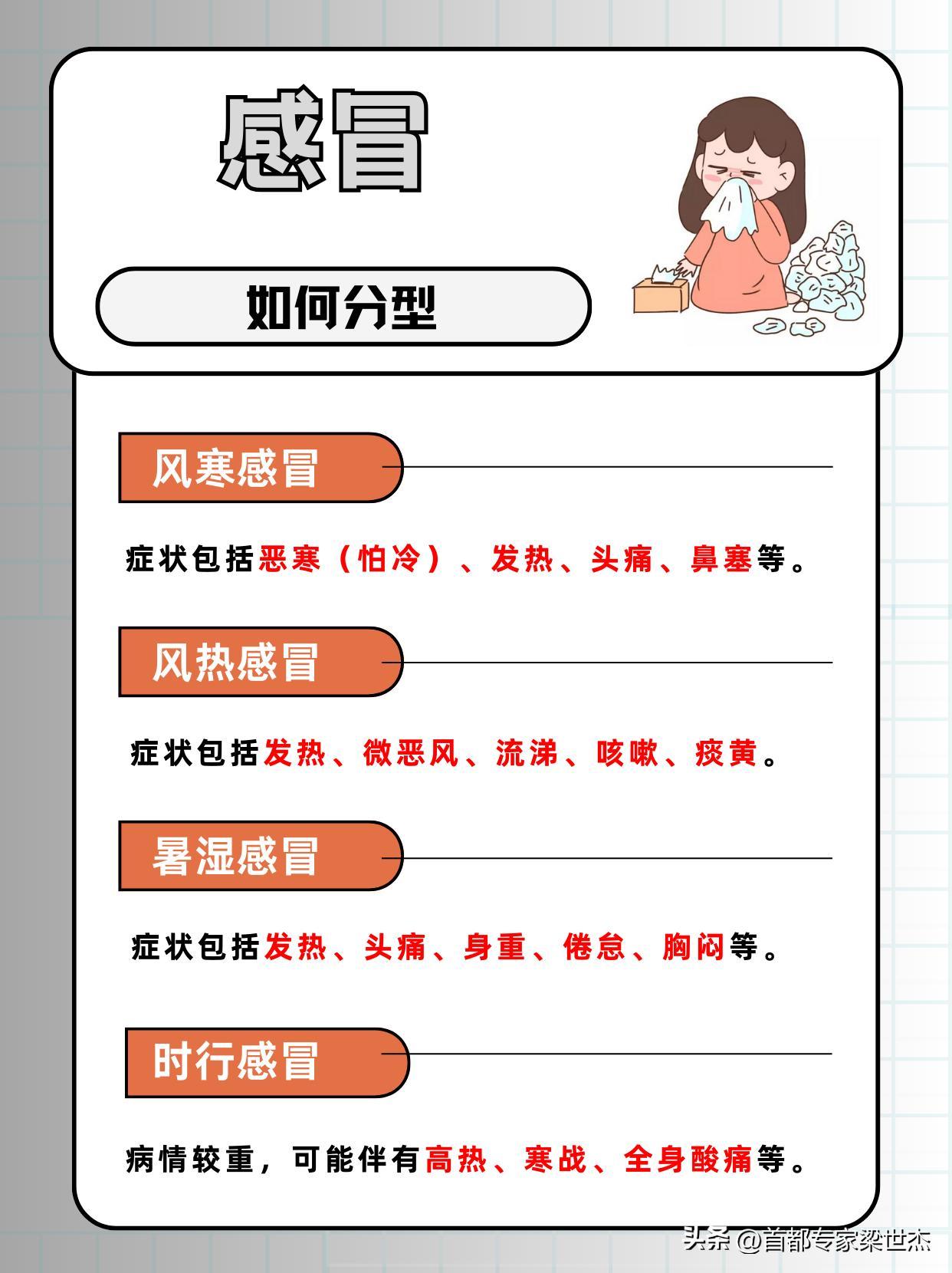
就拿治療感冒這一常見病症來說,西醫往往根據病原體的類型,選用相應的抗生素或抗病毒藥物進行治療。但在中醫看來,感冒分爲風寒感冒、風熱感冒、暑溼感冒等多種類型,治療時需根據不同的證型,選用不同的方劑。比如風寒感冒,常用麻黃湯來發散風寒;風熱感冒,則用銀翹散來清熱解毒。這些方劑,都是中醫先輩們在長期的臨牀實踐中總結出來的,經過無數患者的驗證,療效確切。如果僅僅依靠實驗室的動物實驗,又怎能開發出如此精準有效的方劑呢?
據相關統計數據顯示,在我國,中醫醫院的數量雖然不斷增加,但中醫臨牀療效的突出優勢卻並未得到充分發揮。一些中醫醫院爲了追求所謂的“現代化”“科學化”,過度依賴實驗室檢查和西醫治療手段,而忽視了中醫的辨證論治和整體觀念。這不僅導致中醫特色的淡化,也使得患者對中醫的信任度有所下降。有調查表明,部分患者反映,在一些中醫醫院就診時,醫生開出的方劑缺乏針對性,療效不佳,甚至不如民間的一些中醫診所。這不得不讓我們反思,中醫的發展究竟該何去何從?
中醫學家們大聲疾呼,讓中醫迴歸到臨牀上,用自己的科研體系和科研方法做中醫自己的研究和探索。這並非是對現代科學的排斥,而是對中醫自身發展規律的尊重。中醫有着獨特的理論體系和思維方法,如整體觀念、辨證論治、陰陽五行學說等,這些是中醫的靈魂所在,也是中醫區別於西醫的關鍵所在。只有迴歸臨牀,在實踐中不斷總結經驗,才能進一步完善中醫理論,開發出更多有效的方劑和治療方法。
“橘生淮南則爲橘,生於淮北則爲枳。”中醫的發展,也需要適宜的土壤和環境。我們應該給中醫以足夠的時間、空間,再加上人力、物力的支持,讓中醫在臨牀的廣闊天地中自由翱翔。就像古代的神農嘗百草,李時珍跋山涉水、嚐遍百草編寫《本草綱目》一樣,中醫的發展離不開臨牀實踐的滋養。只有讓中醫紮根於臨牀,才能汲取源源不斷的養分,綻放出更加絢爛的光彩。
讓我們共同努力,打破實驗室的藩籬,爲中醫的臨牀發展開闢一條光明大道。讓中醫這一中華民族的瑰寶,在新時代煥發出新的生機與活力,爲人類的健康事業做出更大的貢獻。
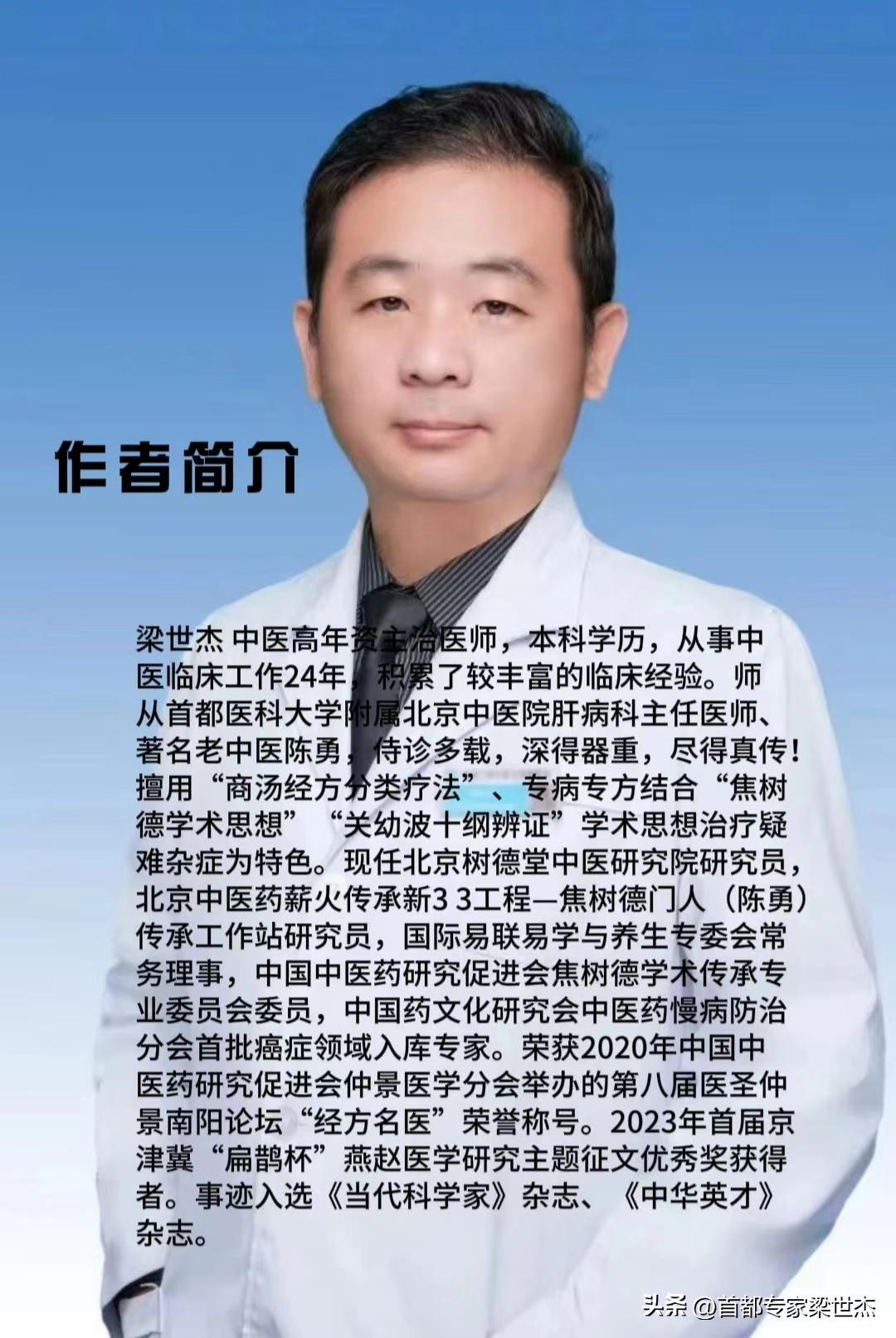
作者簡介:梁世傑 中醫高年資主治醫師,本科學歷,從事中醫臨牀工作24年,積累了較豐富的臨牀經驗。師從首都醫科大學附屬北京中醫院肝病科主任醫師、著名老中醫陳勇,侍診多載,深得器重,盡得真傳!擅用“商湯經方分類療法”、專病專方結合“焦樹德學術思想”“關幼波十綱辨證”學術思想治療疑難雜症爲特色。現任北京樹德堂中醫研究院研究員,北京中醫藥薪火傳承新3+3工程—焦樹德門人(陳勇)傳承工作站研究員,國際易聯易學與養生專委會常務理事,中國中醫藥研究促進會焦樹德學術傳承專業委員會委員,中國藥文化研究會中醫藥慢病防治分會首批癌症領域入庫專家。榮獲2020年中國中醫藥研究促進會仲景醫學分會舉辦的第八屆醫聖仲景南陽論壇“經方名醫”榮譽稱號。2023年首屆京津冀“扁鵲杯”燕趙醫學研究主題徵文優秀獎獲得者。事蹟入選《當代科學家》雜誌、《中華英才》雜誌。
The field for traditional Chinese medicine’s preservation of principles and innovation is being tested in clinical settings.
In the vast expanse of medicine, Western medicine and traditional Chinese medicine resemble two stars with distinct styles, yet each shines brightly on its own. Western medicine is akin to a meticulous craftsman, refining its understanding of diseases and strategies for treatment through the use of sophisticated laboratory instruments and complex data. In contrast, traditional Chinese medicine is like a wise elder, who, over the course of many years, has accumulated unique and profound medical wisdom through the experiences of countless patients’ suffering and recovery. However, the current development of traditional Chinese medicine seems like a bird trapped within the confines of a laboratory, unable to fully spread its wings and engage fully in clinical practice. This is indeed a cause for concern.
“Traditional Chinese medicine is clinical medicine, empirical medicine, and a well-established theoretical medicine.” Cao Dongyi, a chief physician at the Hebei Provincial Academy of Traditional Chinese Medicine, succinctly explained the essence of traditional Chinese medicine. From the ancient “Huangdi Neijing” to Zhang Zhongjing’s “Treatise on Febrile and Miscellaneous Diseases”, from Sun Simiao’s “Jin Sha Fang” to Li Shizhen’s “Compendium of Materia Medica”, each of these texts represents the accumulation, synthesis, and refinement of long-term clinical practice. It is akin to a towering tree, with clinical practice serving as the deep, fertile soil in which it grows, and its theoretical system comprising the lush branches and foliage. The properties, meridians associated with each herb, the principles underlying the composition of each formula, and the techniques for performing various acupuncture methods have all been continuously explored, validated, and refined during the treatment of countless patients.
However, up to the present day, experimental research within the Western scientific paradigm has become a dominant force, influencing the direction in which traditional Chinese medicine theory is evolving. To blindly revise traditional Chinese medicine practices and simply mimic Western medicine as the research direction for traditional Chinese medicine is undoubtedly a misguided farce. Dong Shangpu, former dean of the School of Traditional Chinese Medicine at Hebei Medical University, aptly pointed out, “Nothing new in traditional Chinese medicine can be derived solely from laboratory experiments.” Traditional Chinese medicine often consists of complex formulations, where the interactions between different drugs result in comprehensive reactions. Such intricate interactions cannot be simulated or developed through simple animal experiments conducted in a laboratory setting.
Take the treatment of the common ailment of a cold as an example. Western medicine often selects appropriate antibiotics or antiviral medications based on the type of pathogen involved. However, in traditional Chinese medicine, colds are categorized into various types such as wind-cold cold, wind-heat cold, and summer-damp cold, and treatment requires the selection of different formulas based on different syndromes. For instance, for a wind-cold cold, Ma Huang Tang is commonly used to disperse wind and cold; for a wind-heat cold, Yin Qiao Powder is used to clear heat and detoxify. These formulas have been developed through the collective experience of ancient Chinese practitioners over many years and have been proven effective through the treatment of countless patients. How could such precise and effective formulas be developed solely based on laboratory animal experiments?
According to relevant statistical data, while the number of traditional Chinese medicine hospitals in China has been increasing, the distinct advantages of traditional Chinese medicine in clinical efficacy have not been fully realized. Some traditional Chinese medicine hospitals, in their pursuit of what they consider “modernization” and “science,” have become overly reliant on laboratory tests and Western medical treatments, neglecting the principles of syndrome differentiation and holistic thinking in traditional Chinese medicine. This has not only led to the dilution of the distinctive characteristics of traditional Chinese medicine but has also resulted in a decline in patients’ trust in traditional Chinese medicine. Surveys have shown that some patients report that the prescriptions given by doctors at certain traditional Chinese medicine hospitals lack specificity, are ineffective, and are even inferior to those offered by some folk traditional Chinese medicine clinics. This prompts us to reflect on the future direction of the development of traditional Chinese medicine.
Chinese medicine experts are passionately advocating for the return of traditional Chinese medicine to clinical practice, where it can conduct its own research and explorations using its own scientific research systems and methods. This is not a rejection of modern science, but rather a respect for the inherent development principles of traditional Chinese medicine. Traditional Chinese medicine possesses unique theoretical frameworks and thinking methods, such as the concept of holism, syndrome differentiation, and the theories of yin and yang, five elements, which are the essence of traditional Chinese medicine and the key factors that distinguish it from Western medicine. Only by returning to clinical practice and continuously drawing lessons from experience can we further refine the theories of traditional Chinese medicine and develop more effective prescriptions and treatment methods.
“The mandarin orange grows well in the south of the Huai River but becomes the crabapple when grown in the north of the Huai River.” The development of traditional Chinese medicine also requires suitable soil and environment. We should provide sufficient time, space, as well as human and material support for traditional Chinese medicine to soar freely in the vast realm of clinical practice. Just as ancient Shennong tasted various herbs and Li Shizhen traveled through mountains and rivers to sample and compile the “Ben Cao Gang Mu,” the development of traditional Chinese medicine cannot be separated from the nourishment provided by clinical practice. Only by embedding traditional Chinese medicine in clinical practice can it draw upon an endless supply of nutrients and shine even more brightly.
Let us work together to break down the barriers of the laboratory and pave the way for the clinical development of traditional Chinese medicine. Let this treasure of the Chinese nation, traditional Chinese medicine, flourish with new vitality and vigor in the new era, and make greater contributions to the cause of human health.
Author Bio: Liang Shijie is a senior medical practitioner in traditional Chinese medicine with an undergraduate degree. He has been engaged in traditional medicine clinical work for 24 years and has accumulated a wealth of clinical experience. Following Chen Yong, chief physician of liver disease at Beijing Traditional Medicine Hospital, affiliated with Capital Medical University, and renowned old Chinese medicine, he has been treated for many years and received great attention. He specializes in the treatment of difficult diseases using "conversational traditional therapy" and special treatments combined with the academic ideas of Jiao Shude and Guan Yubo''s ten-level diagnosis.He is currently a researcher at the Shude Tang TCM Research Institute in Beijing, a fellow at the new 3 + 3 project of traditional Chinese medicine flame inheritance in Beijing - a scholar at the inheritance workstation of Jiao Shude''s protégés (Chen Yong),He is a standing committee member of the International Expert Committee on E-learning and Health Care, a member of the Jiao Shude Academic Heritage Special Committee of the Chinese Association for the Advancement of Chinese Medicine Research, and the first cancer specialist to be included in the chapter of the Chinese Pharmaceutical Culture Research Association. Won the 2020 China Association for the Promotion of Traditional Chinese Medicine Zhongjing Medical Branch held the eighth session of the Medical Saint Zhongjing Nanyang Forum "Classic Prescription Famous Doctor" honorary title. The winner of the first Beijing-Tianjin-Hebei "Pingui Cup" Yanzhao Medical Research Essay Award in 2023. His work was featured in the journal Current Scientist and the journal Chinese Talent.