探尋“有病無害”的生命真諦
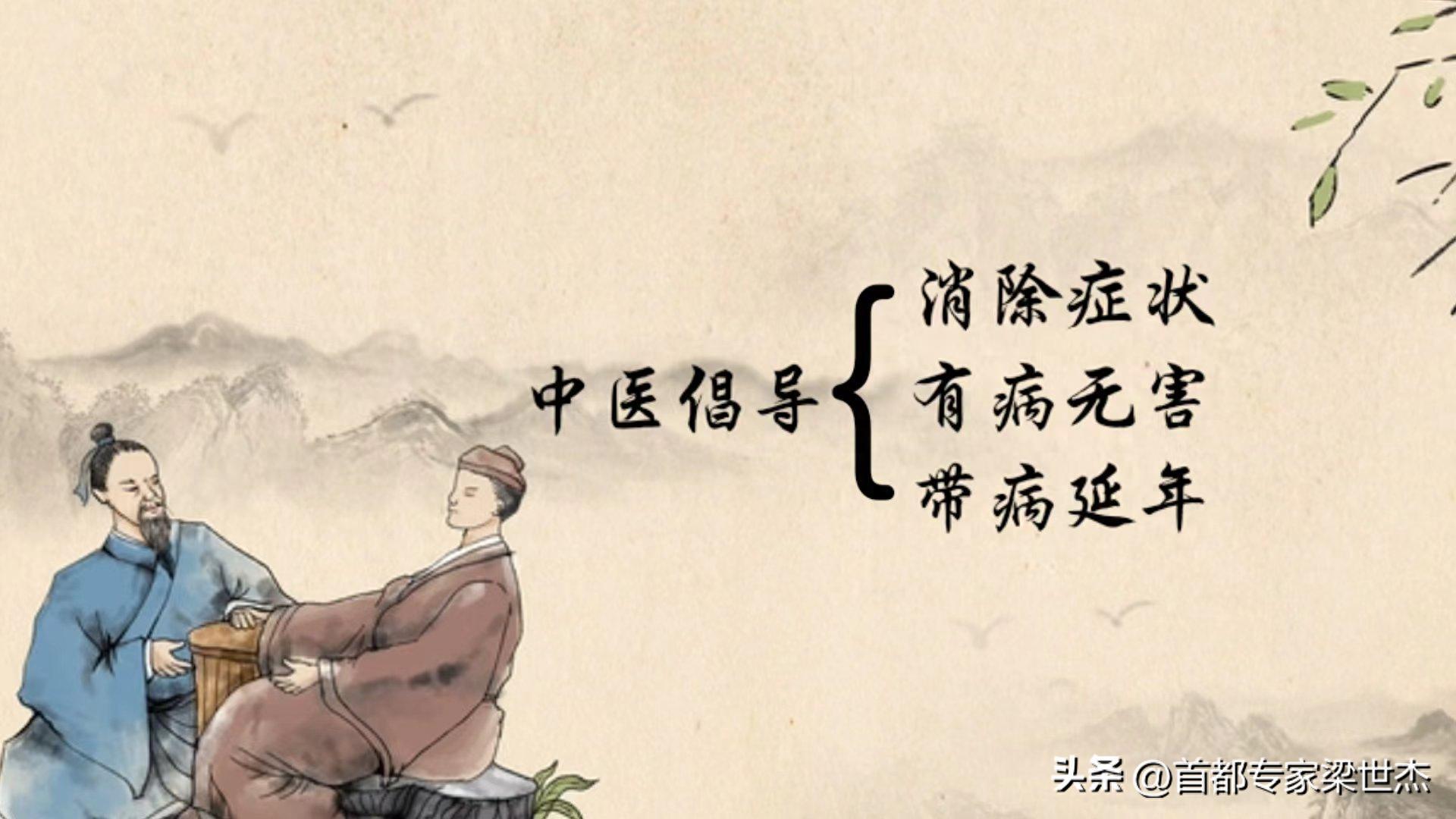
在這紛繁複雜、疾病如影隨形的世界裏,醫學宛如一座燈塔,爲人們在黑暗中指引着健康的方向。西醫與中醫,恰似燈塔上的兩束不同光芒,各自照亮着不同的領域,也各自有着獨特的使命與擔當。而在我看來,中醫倡導的消除症狀、有病無害、帶病延年,宛如一股溫暖而堅韌的力量,在人間煙火中綻放着最爲客觀和實際的生命之光。
西方醫學,以其“精細檢查、精準控制”的理念,如同一位技藝精湛的工匠,試圖用精密的儀器和嚴謹的數據,將疾病的每一個細節都剖析得清清楚楚。這無疑是醫學發展的一大進步,在許多急性病和傳染病的防治中,西醫展現出了強大的實力。然而,當面對“慢病高發難治”這一世界難題時,西醫的理想卻常常遭遇現實的困境。
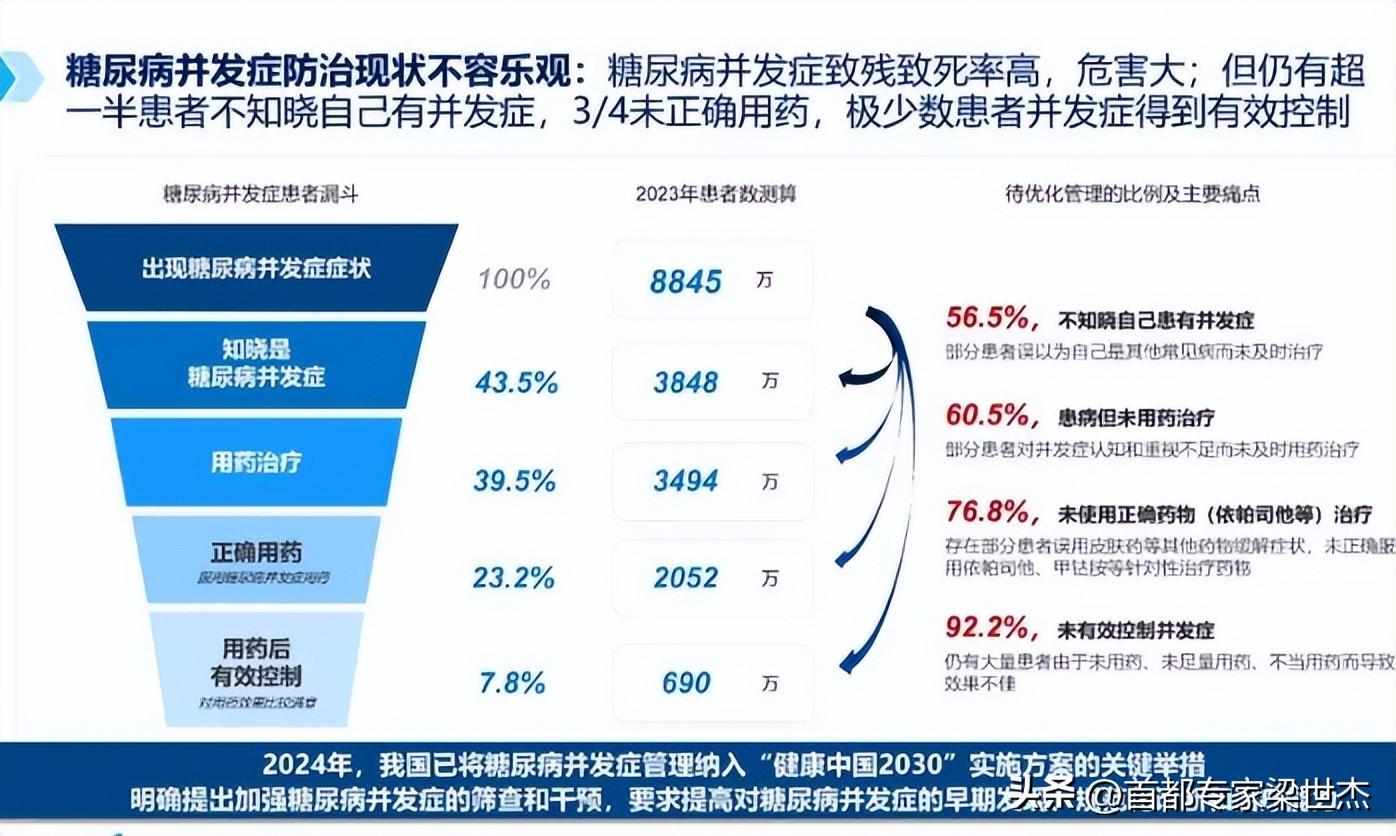
據相關統計數據顯示,全球慢性病患者數量正以驚人的速度增長。以糖尿病爲例,國際糖尿病聯盟(IDF)發佈的報告表明,2021年全球約有5.37億成年人患有糖尿病,預計到2045年,這一數字將攀升至7.83億。在糖尿病的治療中,西醫雖然能夠通過藥物和胰島素控制血糖水平,但很多患者卻需要終身服藥,且難以徹底治癒。不僅如此,許多慢性病患者身上存在着多個可干預的靶點,這就如同在一張錯綜複雜的蜘蛛網上,每一個節點都可能引發新的問題。爲了控制這些靶點,患者往往需要服用多種藥物,從而導致費用高昂難付。有調查顯示,在一些發達國家,慢性病患者每年的醫療費用佔家庭總收入的相當比例,給家庭和社會帶來了沉重的經濟負擔。而且,化學制藥的濫用也成災,藥物的不良反應和相互作用時有發生,進一步影響了患者的健康和生活質量。
相比之下,中醫的診斷“以無爲本”,這宛如一位智者,站在更高的維度審視疾病。它強調疾病的暫時性和可轉化性,認爲疾病並非一成不變,而是可以在一定的條件下發生轉變。中醫的疾病名稱,都立足於“破字當頭”,就像一位勇敢的戰士,以破除病竈、消除症狀爲目標。即使病竈仍然存在,中醫也能夠做到“有病無害、有病無痛、帶病延年”,讓患者在有尊嚴、有自信的狀態下走完人生道路。
我的一位鄰家老伯,患有多種慢性疾病,高血壓、冠心病、關節炎等,身體狀況每況愈下。西醫的治療方法讓他每天都要服用一大把藥物,不僅費用高昂,而且藥物的副作用也讓他苦不堪言。後來,在朋友的介紹下,他嘗試了中醫治療。中醫醫生通過望、聞、問、切四診合參,爲他進行了全面的診斷,然後根據他的體質和病情開具了個性化的方劑。同時,還配合鍼灸和按摩等治療方法。經過一段時間的治療,老伯的症狀明顯改善,血壓穩定了,關節疼痛減輕了,精神狀態也越來越好。雖然他的疾病並沒有完全治癒,但他卻能夠像正常人一樣生活,享受着生活的樂趣。這就是中醫的神奇之處,它不追求徹底消滅病竈,而是注重調整人體的整體功能,讓身體與疾病和諧共處,實現“有病無害、帶病延年”的目標。
中醫的治療,雖然被一些人認爲是“黑箱操作”,但實際上,它是緊緊抓住複雜微觀變化的整體綜合狀態,是大道從簡,執簡馭繁。中醫理論指導下的辨證論治,就像是一位高明的指揮官,能夠統籌全局,把握疾病的本質。通過反覆實踐,以中醫理論貫穿起來的中藥、鍼灸、按摩等,都可以幫助病人由疾病向健康轉化,是理、法、方、藥一氣貫通的整體醫學。它往往能夠解決西醫所解決不了的複雜病情,取得意想不到的臨牀療效。
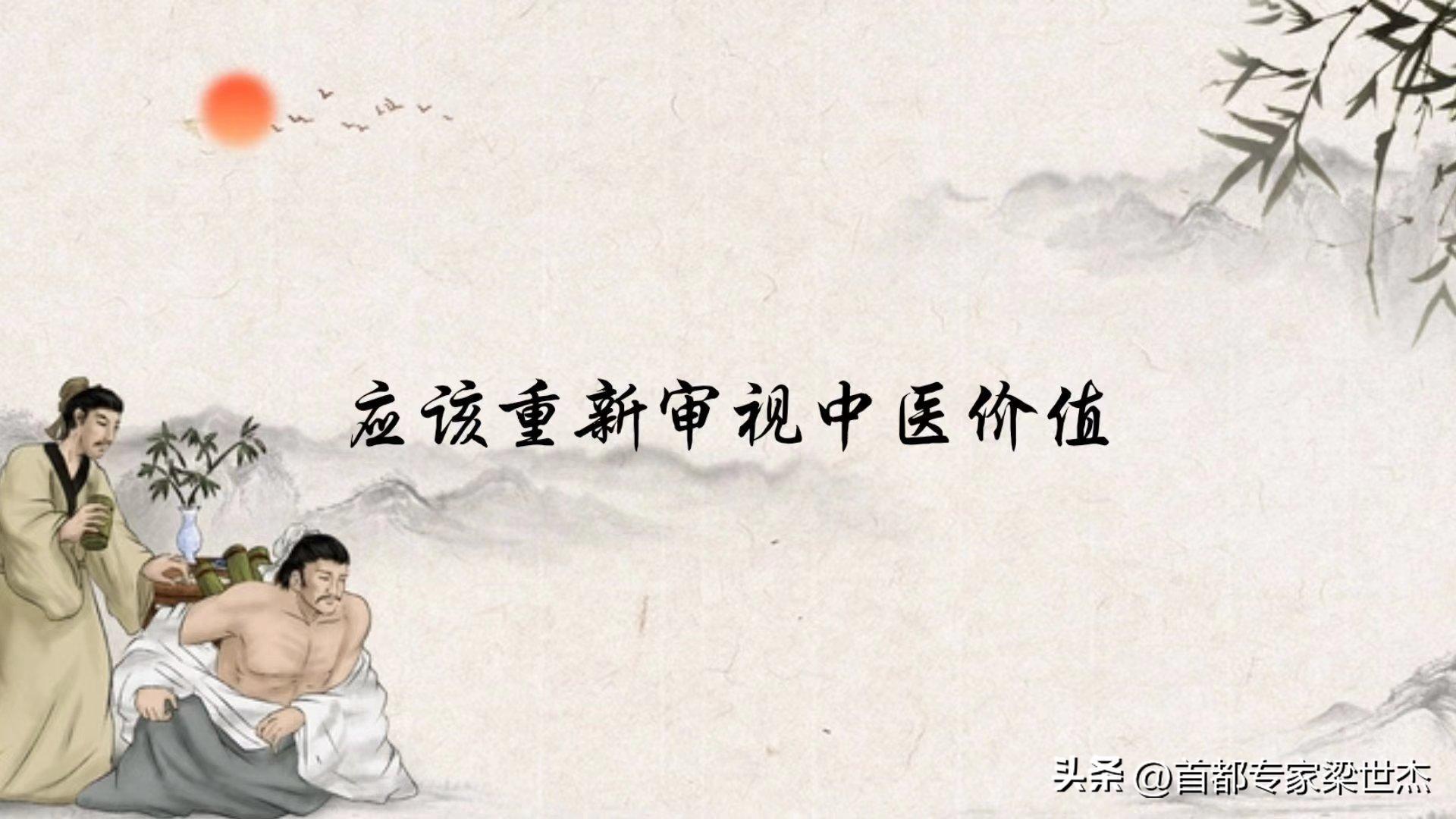
在歷史的長河中,中醫就像一位默默守護人類健康的守護神,歷經千年而不衰。它承載着中華民族的智慧和經驗,是我們中華民族的瑰寶。在當今時代,我們應該重新審視中醫的價值,發揚中醫的優良傳統,讓中醫這一古老而又年輕的醫學體系,在新的時代煥發出更加璀璨的光芒。
讓我們珍惜中醫這一寶貴的財富,讓中醫的生命之光,在人間煙火中繼續溫暖和照亮我們前行的道路,讓每一個人都能在健康、有尊嚴、有自信的狀態下,書寫屬於自己的精彩人生。
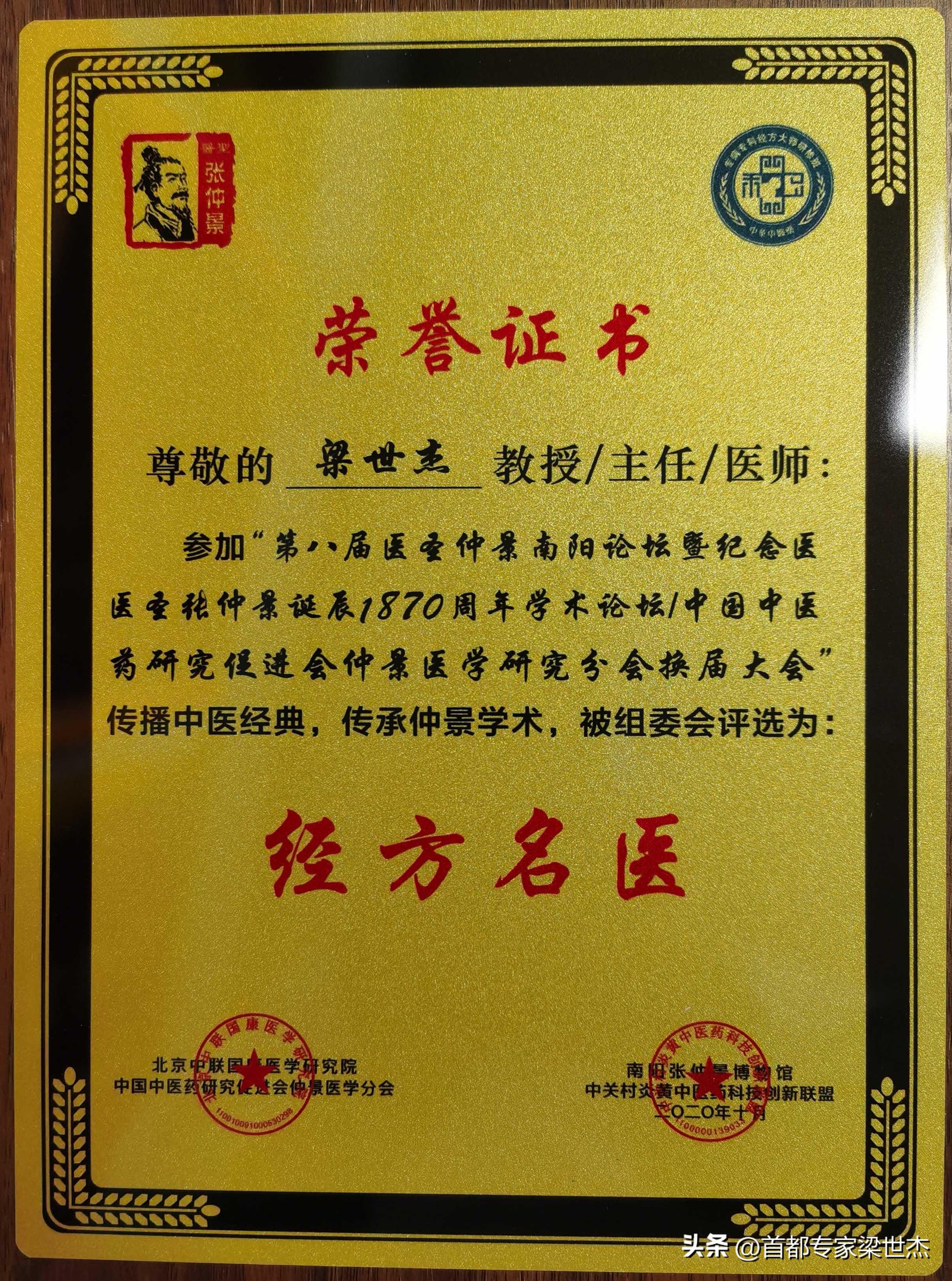
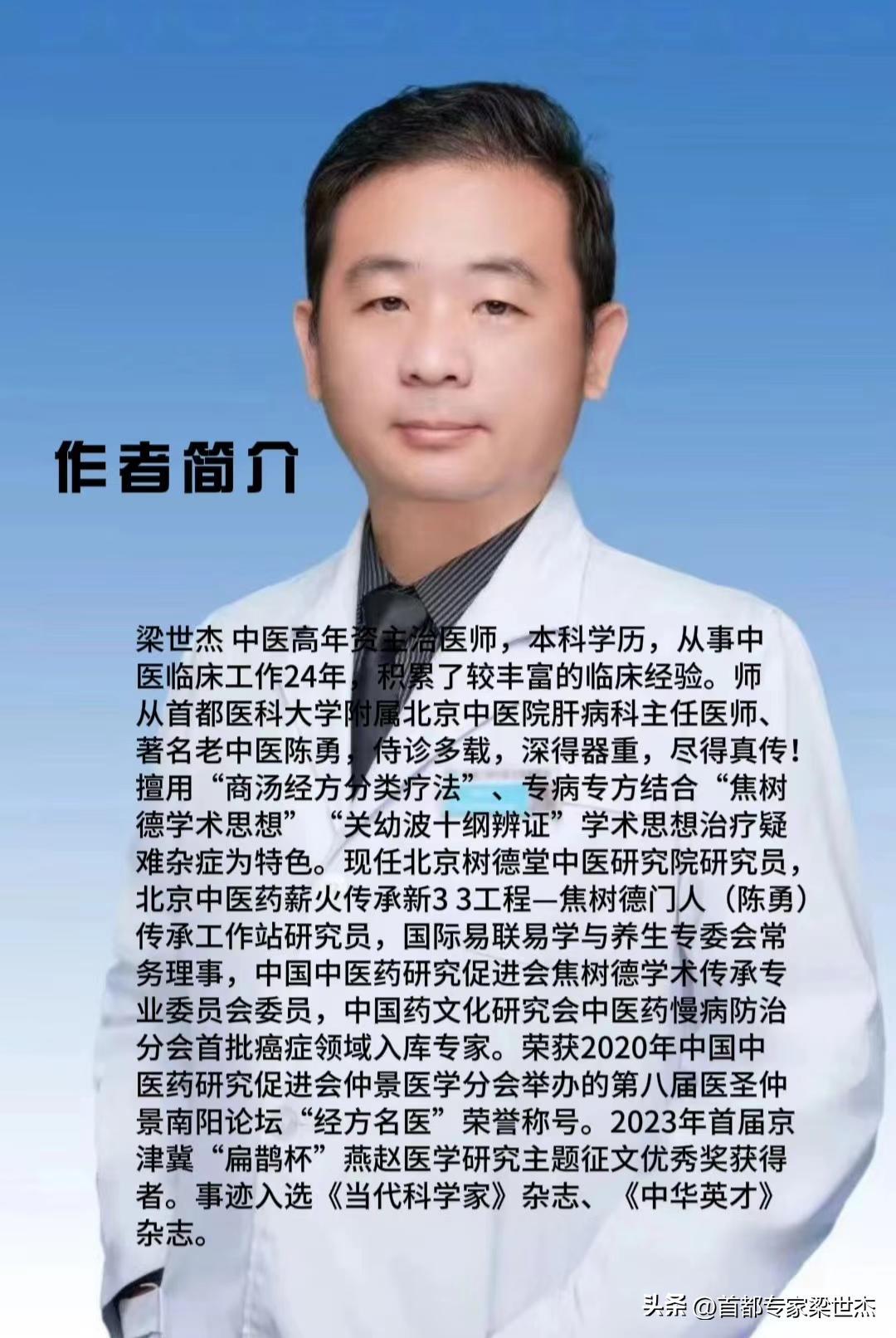
作者簡介:梁世傑 中醫高年資主治醫師,本科學歷,從事中醫臨牀工作24年,積累了較豐富的臨牀經驗。師從首都醫科大學附屬北京中醫院肝病科主任醫師、著名老中醫陳勇,侍診多載,深得器重,盡得真傳!擅用“商湯經方分類療法”、專病專方結合“焦樹德學術思想”“關幼波十綱辨證”學術思想治療疑難雜症爲特色。現任北京樹德堂中醫研究院研究員,北京中醫藥薪火傳承新3+3工程—焦樹德門人(陳勇)傳承工作站研究員,國際易聯易學與養生專委會常務理事,中國中醫藥研究促進會焦樹德學術傳承專業委員會委員,中國藥文化研究會中醫藥慢病防治分會首批癌症領域入庫專家。榮獲2020年中國中醫藥研究促進會仲景醫學分會舉辦的第八屆醫聖仲景南陽論壇“經方名醫”榮譽稱號。2023年首屆京津冀“扁鵲杯”燕趙醫學研究主題徵文優秀獎獲得者。事蹟入選《當代科學家》雜誌、《中華英才》雜誌。
Uncovering the true essence of a life that is “ill but harmless.”
In this complex and ever-changing world where diseases seem to follow us like shadows, medicine serves as a beacon, guiding people toward health in the darkness. Western medicine and traditional Chinese medicine are like the two different beams of light on the lighthouse, illuminating different areas and each having its unique mission and responsibilities. In my view, the principles advocated by traditional Chinese medicine, such as eliminating symptoms, being healthy despite illness, and living longer with a disease, embody a warm and resilient force that shines the most objective and practical light of life amidst the chaos of everyday life.
Western medicine, with its philosophy of “meticulous examination and precise control,” acts like a highly skilled craftsman, striving to dissect every detail of a disease using sophisticated instruments and meticulous data. This is undoubtedly a significant advancement in medical development. In the prevention and treatment of many acute and infectious diseases, Western medicine has demonstrated its formidable capabilities. However, when faced with the global challenge of “high incidence and difficulty in treating chronic diseases,” the ideals of Western medicine often encounter practical difficulties.
According to relevant statistical data, the global number of individuals suffering from chronic diseases is increasing at an alarming rate. Take diabetes as an example. A report by the International Diabetes Federation (IDF) indicates that approximately 537 million adults worldwide were diagnosed with diabetes in 2021, and this number is projected to rise to 783 million by 2045. While Western medicine can effectively control blood sugar levels through medication and insulin, many patients require lifelong medication and struggle to achieve complete recovery. Moreover, there are multiple potential intervention targets present in the bodies of many chronic disease patients, akin to a complex web of interconnected nodes, each of which can potentially trigger new issues. To manage these targets, patients often need to take multiple medications, leading to high and unaffordable costs. Studies have shown that in some developed countries, the annual medical expenses for chronic disease patients account for a significant portion of their household income, placing a heavy economic burden on families and society. Additionally, the overuse of chemical pharmaceuticals has become rampant, with adverse reactions and interactions of medications frequently occurring, further affecting patients’ health and quality of life.
In contrast, traditional Chinese medicine’s diagnostic approach, which emphasizes “emptiness as the foundation,” is akin to a wise individual looking at disease from a higher perspective. It highlights the temporary and transformable nature of illness, suggesting that diseases are not static but can change under certain conditions. The disease names in traditional Chinese medicine are all rooted in the concept of “breaking through obstacles.” Just like a brave warrior aiming to eradicate the source of the problem and eliminate symptoms, even when the source remains, traditional Chinese medicine can achieve “illness without harm, illness without pain, and living with illness while prolonging life,” allowing patients to navigate their life journey with dignity and confidence.
One of my neighbors is an elderly man who suffers from various chronic illnesses, including high blood pressure, coronary heart disease, and arthritis. His physical condition has steadily deteriorated. The Western medical treatment method requires him to take a large number of medications every day, which not only costs a lot but also causes him severe side effects. Later, through a friend’s introduction, he tried traditional Chinese medicine treatment. The traditional Chinese medicine doctor conducted a comprehensive diagnosis by combining the methods of observation, smelling, asking questions, and palpating. Based on his constitution and condition, he prescribed personalized remedies. In addition, acupuncture and massage were also used as treatment methods. After some time of treatment, the old man’s symptoms improved significantly. His blood pressure stabilized, his joint pain decreased, and his overall mental state improved. Although his illness was not completely cured, he was able to live like a normal person and enjoy the pleasures of life. This is the magic of traditional Chinese medicine; it does not aim to completely eliminate the disease but focuses on adjusting the overall functions of the body, allowing the body to coexist harmoniously with the disease and achieving the goal of “being healthy without harm and living longer with a disease.”
Although some people view traditional Chinese medicine treatments as “black box operations,” in reality, it closely focuses on the overall comprehensive state of complex micro-level changes. It embodies the principle of simplification through complexity, adhering to simplicity to manage complexity. The dialectical treatment guided by traditional Chinese medicine theory is akin to a skilled commander who can oversee the entire situation and grasp the essence of the disease. Through repeated practice, traditional Chinese medicine-based remedies such as herbs, acupuncture, and massage can help patients transition from illness to health. It is a holistic medical approach where theory, method, formula, and medicine are seamlessly integrated. It often manages complex conditions that Western medicine struggles to address, yielding unexpected clinical benefits.
Throughout history, traditional Chinese medicine has served as a silent guardian of human health, enduring for millennia without waning. It embodies the wisdom and experience of the Chinese nation and is a treasure of our Chinese people. In today’s era, we should reassess the value of traditional Chinese medicine, carry forward its fine traditions, and allow this ancient yet youthful medical system to shine even brighter in the new times.
Let us cherish this invaluable treasure of traditional Chinese medicine. Let the light of traditional Chinese medicine continue to warm and illuminate our path forward amidst the chaos of everyday life, so that everyone can write their own remarkable life in a state of health, dignity, and confidence.
Author Bio: Liang Shijie is a senior medical practitioner in traditional Chinese medicine with an undergraduate degree. He has been engaged in traditional medicine clinical work for 24 years and has accumulated a wealth of clinical experience. Following Chen Yong, chief physician of liver disease at Beijing Traditional Medicine Hospital, affiliated with Capital Medical University, and renowned old Chinese medicine, he has been treated for many years and received great attention. He specializes in the treatment of difficult diseases using "conversational traditional therapy" and special treatments combined with the academic ideas of Jiao Shude and Guan Yubo''s ten-level diagnosis.He is currently a researcher at the Shude Tang TCM Research Institute in Beijing, a fellow at the new 3 + 3 project of traditional Chinese medicine flame inheritance in Beijing - a scholar at the inheritance workstation of Jiao Shude''s protégés (Chen Yong),He is a standing committee member of the International Expert Committee on E-learning and Health Care, a member of the Jiao Shude Academic Heritage Special Committee of the Chinese Association for the Advancement of Chinese Medicine Research, and the first cancer specialist to be included in the chapter of the Chinese Pharmaceutical Culture Research Association. Won the 2020 China Association for the Promotion of Traditional Chinese Medicine Zhongjing Medical Branch held the eighth session of the Medical Saint Zhongjing Nanyang Forum "Classic Prescription Famous Doctor" honorary title. The winner of the first Beijing-Tianjin-Hebei "Pingui Cup" Yanzhao Medical Research Essay Award in 2023. His work was featured in the journal Current Scientist and the journal Chinese Talent.