莫被“毒論”迷了眼,且看中醫真容顏
在當今這信息如洪流般奔湧的時代,各種聲音喧囂塵上,西方醫學對中醫的某些指責,就如那突如其來的狂風,試圖掀起一場對中醫的質疑風暴。他們攻擊中醫濫用礦物,說中醫讓患者吞服大量的重金屬或其他有害成分,還強調中草藥裏也有重金屬,彷彿中醫是一座搖搖欲墜、滿是毒瘤的危樓。可事實真的如此嗎?咱今兒就好好嘮嘮這檔子事兒。
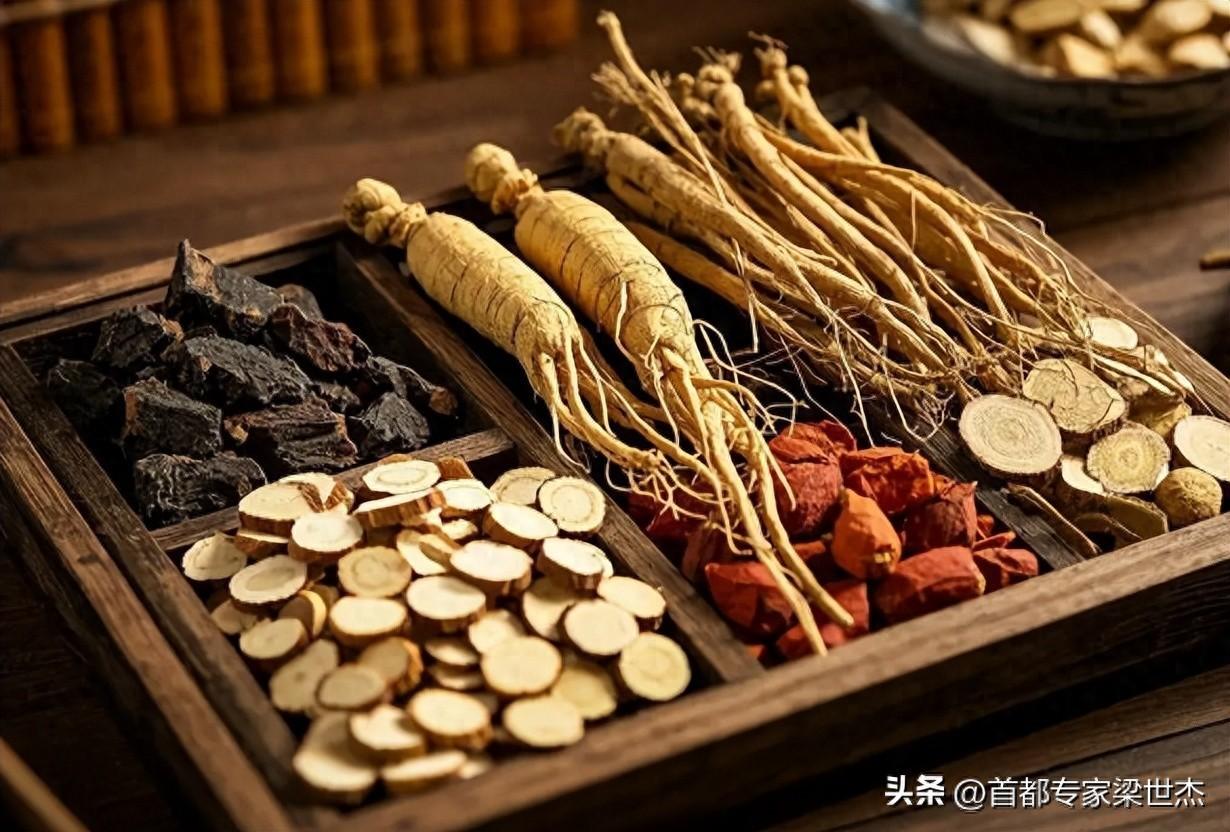
咱先說說這礦物藥。中國古人那智慧,就像夜空中最亮的星,璀璨而深邃。他們對礦物藥的毒副作用,早就有充分的認識,那可不是一朝一夕的事兒。就好比一位經驗豐富的老獵手,對獵物的習性瞭如指掌。在古代的醫書典籍裏,對礦物藥的使用禁忌、炮製方法,那記載得明明白白。就拿硃砂來說,它雖有一定的毒性,但古人知道要經過特殊的炮製,控制用量,才能用於治療一些特定的病症,像驚悸、失眠等。這就如同一位技藝高超的廚師,知道如何巧妙地運用調料,讓菜餚既美味又健康。
再看看現代的《中藥學》教材,用於內服的礦物藥已經寥寥無幾了。這就像是一場大浪淘沙,把那些有潛在風險的礦物藥逐漸篩選出去,只留下那些經過嚴格驗證、相對安全的。反倒是那些臨牀常用藥物中,引起急性或慢性中毒的,植物藥佔了多數。這就好比在一場選美比賽中,本以爲礦物藥是那個“危險分子”,結果發現植物藥裏也有不少“搗亂者”。比如說,某些含有生物鹼的植物藥,如果使用不當,也會對人體造成損害。
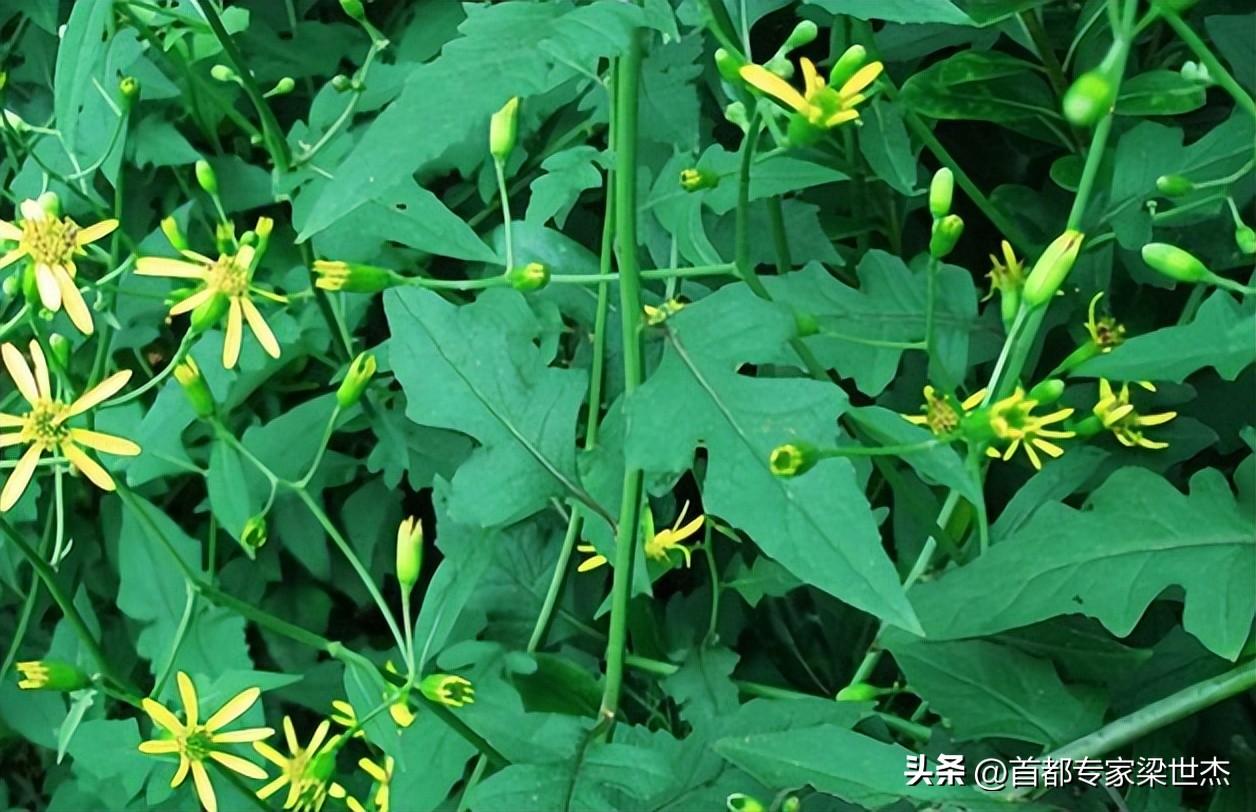
近幾十年來,不少學者就像一羣執着的探險家,對常用中藥進行了毒理學研究。他們就像拿着放大鏡,仔細地審視着每一味中藥,不放過任何一個可能存在風險的細節。這就像是一場科學的大冒險,雖然充滿了挑戰,但也收穫頗豐。不過,這方面的研究還得繼續加強,就像給一座大樓不斷地加固地基,讓它更加穩固。
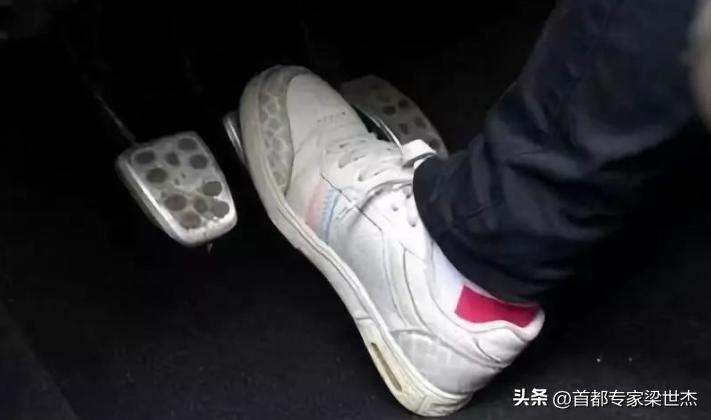
其實啊,任何藥物,不管是中醫還是西醫,都是一把雙刃劍。這就好比一把鋒利的寶劍,既能斬妖除魔,也可能不小心傷到自己。對所有人類個體都有益無害的藥物,那是不存在的。就像世界上沒有完美無缺的人一樣,藥物也有它的優點和缺點。我們不能因爲藥物有一點毒性,就把它一棍子打死。正確的態度應該是,像一位精明的偵探一樣,積極研究藥物的治療作用與毒副作用之間的關係,搞清楚藥物的量效關係,就像掌握好火候做飯一樣,研究減毒增效的配伍方法,嚴格掌握適應症和治療時程。這就好比開車,既要踩油門讓車跑起來,又要踩剎車控制速度,這樣才能在充分發揮藥物治療作用的同時,最大限度地減少藥物中毒事件的發生。
再來說說這土質成分的事兒。那些攻擊中藥的人說土生土長的植物難免含有礦物和土質成分,以此來指責中藥。這簡直就是無理取鬧嘛!這就好比說,因爲土地裏有礦物質,所以種出來的糧食也不能喫了。那咱們還活不活了?糧食是我們生存的基礎,就像中藥是我們傳統醫學的瑰寶一樣。我們不能因爲一點所謂的“雜質”,就否定整個事物的價值。就像不能因爲一顆老鼠屎,就壞了一鍋粥,但我們也不能因爲一鍋粥裏可能有老鼠屎,就再也不喝粥了呀!
中醫,是我們中華民族的瑰寶,是老祖宗留給我們的寶貴財富。它就像一棵參天大樹,歷經了數千年的風雨洗禮,依然枝繁葉茂。我們不能因爲一些無端的指責和誤解,就輕易地拋棄它。我們應該以客觀、嚴謹的態度去認識它、研究它,讓這棵大樹繼續爲我們遮風擋雨,爲人類的健康事業做出更大的貢獻。
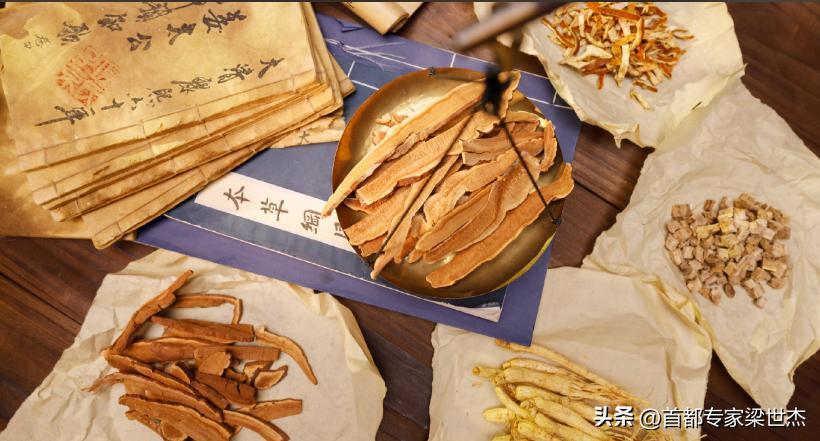
朋友們,讓我們擦亮眼睛,莫被那些“毒論”迷了眼,一起守護好中醫這一中華民族的瑰寶,讓它在新時代煥發出更加耀眼的光芒!
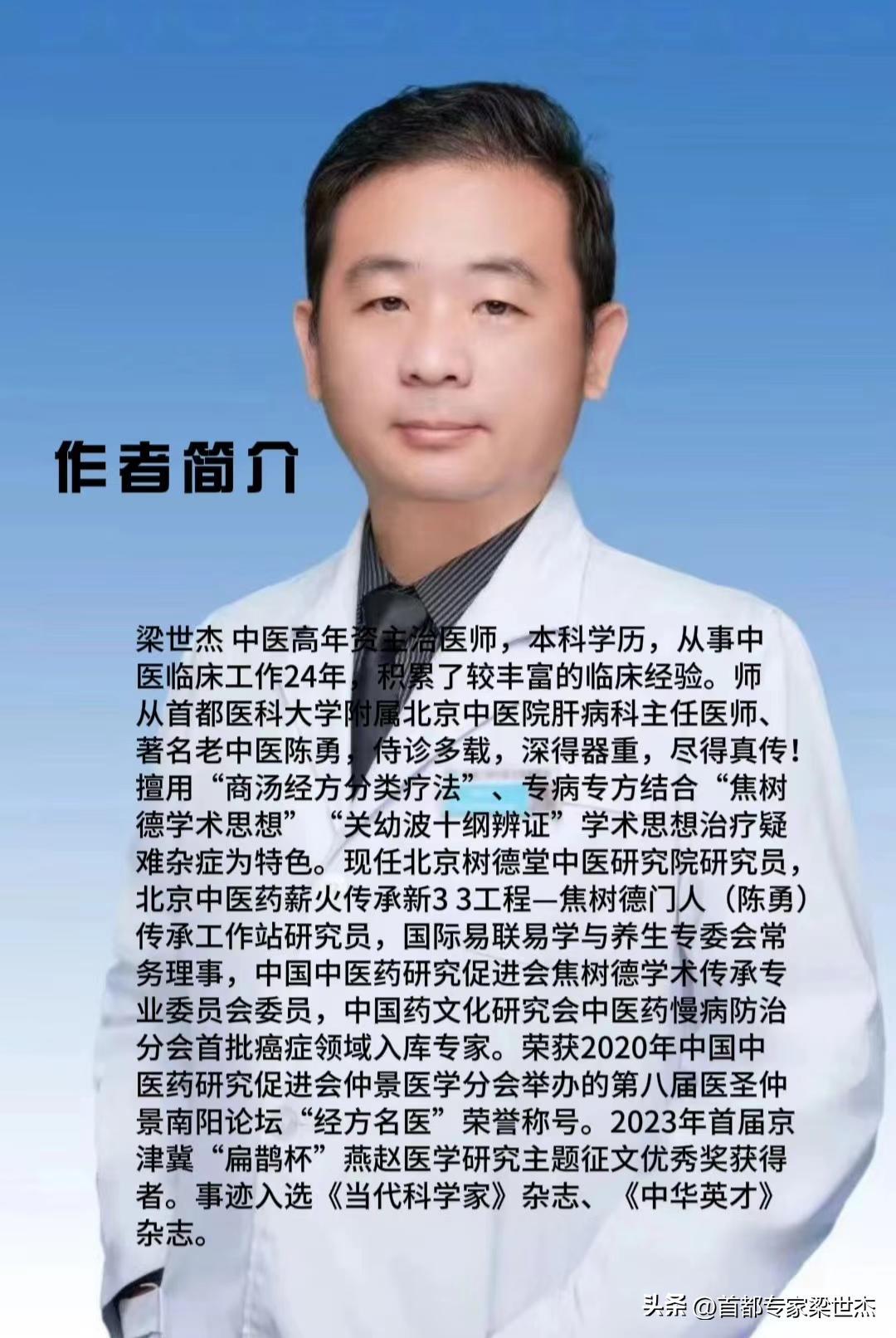
作者簡介:梁世傑 中醫高年資主治醫師,本科學歷,從事中醫臨牀工作24年,積累了較豐富的臨牀經驗。師從首都醫科大學附屬北京中醫院肝病科主任醫師、著名老中醫陳勇,侍診多載,深得器重,盡得真傳!擅用“商湯經方分類療法”、專病專方結合“焦樹德學術思想”“關幼波十綱辨證”學術思想治療疑難雜症爲特色。現任北京樹德堂中醫研究院研究員,北京中醫藥薪火傳承新3+3工程—焦樹德門人(陳勇)傳承工作站研究員,國際易聯易學與養生專委會常務理事,中國中醫藥研究促進會焦樹德學術傳承專業委員會委員,中國藥文化研究會中醫藥慢病防治分會首批癌症領域入庫專家。榮獲2020年中國中醫藥研究促進會仲景醫學分會舉辦的第八屆醫聖仲景南陽論壇“經方名醫”榮譽稱號。2023年首屆京津冀“扁鵲杯”燕趙醫學研究主題徵文優秀獎獲得者。事蹟入選《當代科學家》雜誌、《中華英才》雜誌。
Don’t be misled by “poison theories”; instead, look at the authentic beauty of traditional Chinese medicine.
In today’s era where information flows like a torrent, various voices are raised in a cacophony. The criticisms leveled by Western medicine against traditional Chinese medicine resemble a sudden gust of wind, attempting to unleash a storm of doubt about traditional Chinese medicine. They attack traditional Chinese medicine for its alleged misuse of minerals, claiming that practitioners have patients ingest large amounts of heavy metals or other harmful substances, and they emphasize that herbal remedies also contain heavy metals, as if traditional Chinese medicine is a crumbling structure riddled with tumors. But is this really the case? Let’s delve into this matter today.
------
Let’s start by discussing these mineral remedies. The wisdom of ancient Chinese people is like the brightest star in the night sky, brilliant and profound. They had a thorough understanding of the toxic side effects of mineral remedies, which was not something that could be achieved overnight. It was akin to an experienced old hunter who knows everything about the habits of his prey. In ancient medical texts, there are clear records of the usage restrictions and preparation methods for mineral remedies. Take vermilion, for example. Although it has some toxicity, the ancients knew that it needed to be specially prepared and the dosage controlled in order to be used for treating certain conditions such as fright, insomnia, and so on. This is similar to a highly skilled chef who knows how to skillfully use seasonings to create dishes that are both delicious and healthy.
Take a look at modern textbooks on Traditional Chinese Medicine (TCM). There are very few mineral drugs used internally. It’s akin to a massive sandstorm, where the potentially hazardous mineral drugs are gradually filtered out, leaving only those that have been rigorously verified and are relatively safe. Conversely, among the clinical medications commonly used, plant-based drugs are responsible for most cases of acute or chronic poisoning. It’s like a beauty pageant where one initially thought mineral drugs were the “dangerous elements,” only to discover that there are also plenty of “troublemakers” among the plant-based drugs. For instance, certain plant-based drugs containing alkaloids can cause harm to humans if used improperly.
In recent decades, numerous scholars have acted like dedicated explorers, conducting toxicological studies on commonly used Chinese medicines. They are akin to individuals wielding magnifying glasses, meticulously scrutinizing each herb without overlooking any potential risk factors. This endeavor is akin to a grand scientific adventure, fraught with challenges but also yielding significant rewards. However, research in this area must continue to be strengthened, much like continuously reinforcing the foundation of a building to make it more stable.
In fact, any medication, whether traditional Chinese medicine or Western medicine, is a double-edged sword. It’s like a sharp sword that can both vanquish evil spirits and potentially harm the user. There is no medication that is entirely beneficial and harmless to all individuals. Just as there are no perfect people in the world, medications also have their advantages and disadvantages. We should not simply dismiss a medication due to its slight toxicity. Instead, we should adopt a correct approach, akin to that of a shrewd detective, by actively studying the relationship between the therapeutic effects and toxic side effects of the medication, understanding the dose-response relationship, much like mastering the art of cooking by controlling the heat. We should also research methods to reduce toxicity and enhance efficacy, and strictly adhere to the indications and treatment duration. This is akin to driving a car; one must press the accelerator to keep the vehicle moving, while simultaneously pressing the brakes to control speed. Only in this way can one maximize the therapeutic effects of medication while minimizing the occurrence of drug-related incidents.
Let’s talk more about the composition of this soil. Those who attack traditional Chinese medicine claim that native plants inevitably contain minerals and soil components, which they use as an excuse to criticize traditional Chinese medicine. This is absolutely unreasonable! It’s like saying that since the land contains minerals, the food grown from it cannot be consumed. Would we still be able to survive? Food is the foundation of our existence, just like traditional Chinese medicine is the treasure of our traditional medicine. We cannot dismiss the value of an entire thing simply because of some so-called “impurities.” Just as we cannot throw away a pot of porridge because of a single piece of mouse droppings, but we also cannot refuse to drink porridge simply because there might be mouse droppings in it!
------
Traditional Chinese medicine is a treasure of our Chinese nation and a valuable inheritance from our ancestors. It is like a towering tree that has weathered thousands of years of storms and still remains lush and vibrant. We should not easily abandon it due to baseless accusations and misunderstandings. Instead, we should approach it with an objective and rigorous mindset to understand and study it, so that this great tree can continue to shield us from the elements and make greater contributions to the cause of human health.
Friends, let us keep our eyes sharp and avoid being misled by those “poisonous theories”. Together, we must safeguard traditional Chinese medicine, which is a treasure of the Chinese nation, and allow it to shine even brighter in the new era!
Author Bio: Liang Shijie is a senior medical practitioner in traditional Chinese medicine with an undergraduate degree. He has been engaged in traditional medicine clinical work for 24 years and has accumulated a wealth of clinical experience. Following Chen Yong, chief physician of liver disease at Beijing Traditional Medicine Hospital, affiliated with Capital Medical University, and renowned old Chinese medicine, he has been treated for many years and received great attention. He specializes in the treatment of difficult diseases using "conversational traditional therapy" and special treatments combined with the academic ideas of Jiao Shude and Guan Yubo''s ten-level diagnosis.He is currently a researcher at the Shude Tang TCM Research Institute in Beijing, a fellow at the new 3 + 3 project of traditional Chinese medicine flame inheritance in Beijing - a scholar at the inheritance workstation of Jiao Shude''s protégés (Chen Yong),He is a standing committee member of the International Expert Committee on E-learning and Health Care, a member of the Jiao Shude Academic Heritage Special Committee of the Chinese Association for the Advancement of Chinese Medicine Research, and the first cancer specialist to be included in the chapter of the Chinese Pharmaceutical Culture Research Association. Won the 2020 China Association for the Promotion of Traditional Chinese Medicine Zhongjing Medical Branch held the eighth session of the Medical Saint Zhongjing Nanyang Forum "Classic Prescription Famous Doctor" honorary title. The winner of the first Beijing-Tianjin-Hebei "Pingui Cup" Yanzhao Medical Research Essay Award in 2023. His work was featured in the journal Current Scientist and the journal Chinese Talent.