四大金剛,佛道儒醫:東方哲學四大智慧體系
在華夏這片古老而神奇的土地上,總有一些事物,如隱匿於歲月深處的珍寶,在時光的流轉中,漸漸顯露出其獨特而璀璨的光芒。四大金剛,便是這樣一組承載着深厚文化底蘊的存在。它們的原型,遠在印度佛教的護世四天王,最早於佛教經典《長阿含經》中留下蹤跡,宛如一顆文化的種子,在歷史的長河中,漂洋過海,落地生根。
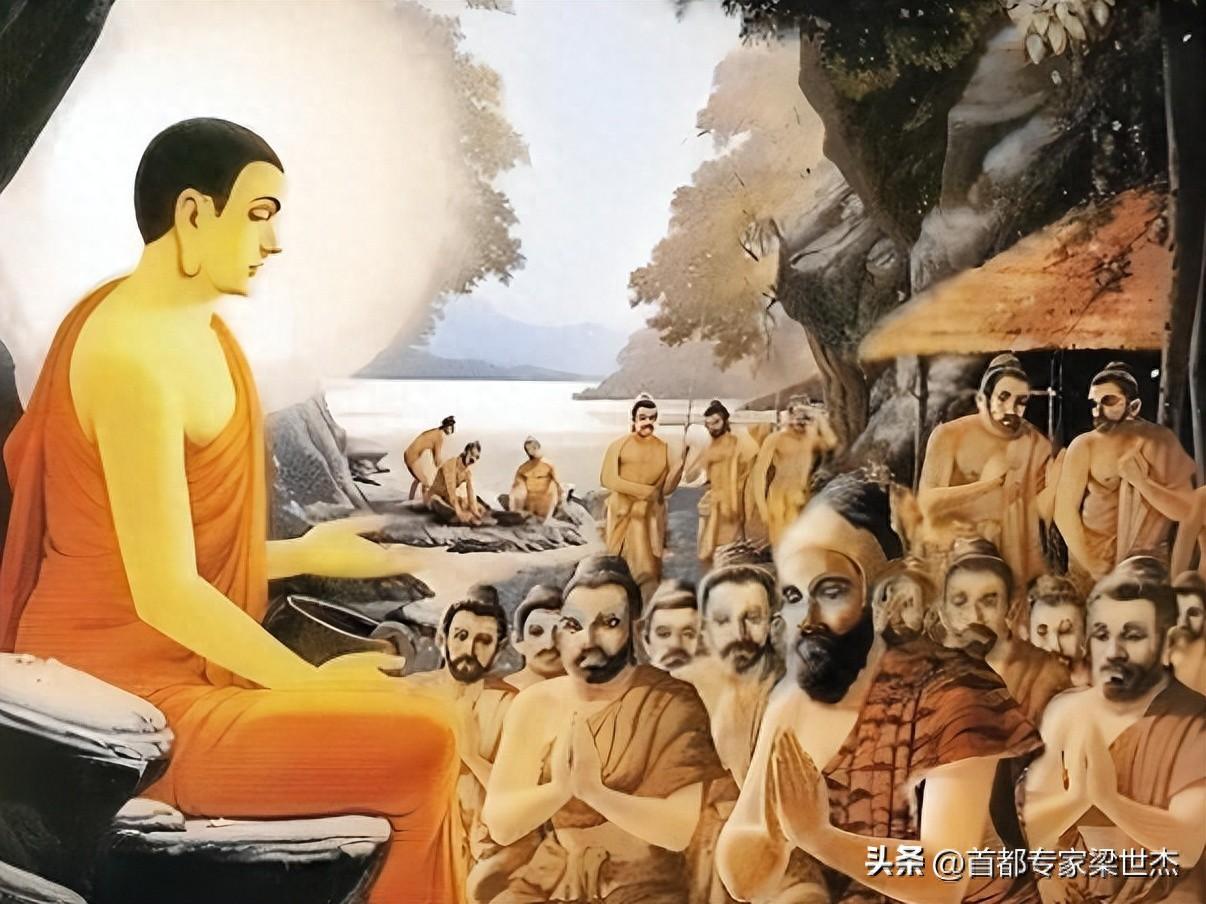
回溯往昔,在貴霜王朝統治下的犍陀羅地區,四大天王的信仰已悄然萌芽。毗沙門天王,這位北方多聞天王,更是搖身一變,成爲了于闐國的守護神,受到廣泛的尊崇。那時的他,或許就像一位威風凜凜的邊疆大將,守護着一方水土的安寧,讓百姓們在戰火紛飛的年代裏,尋得一絲心靈的慰藉。
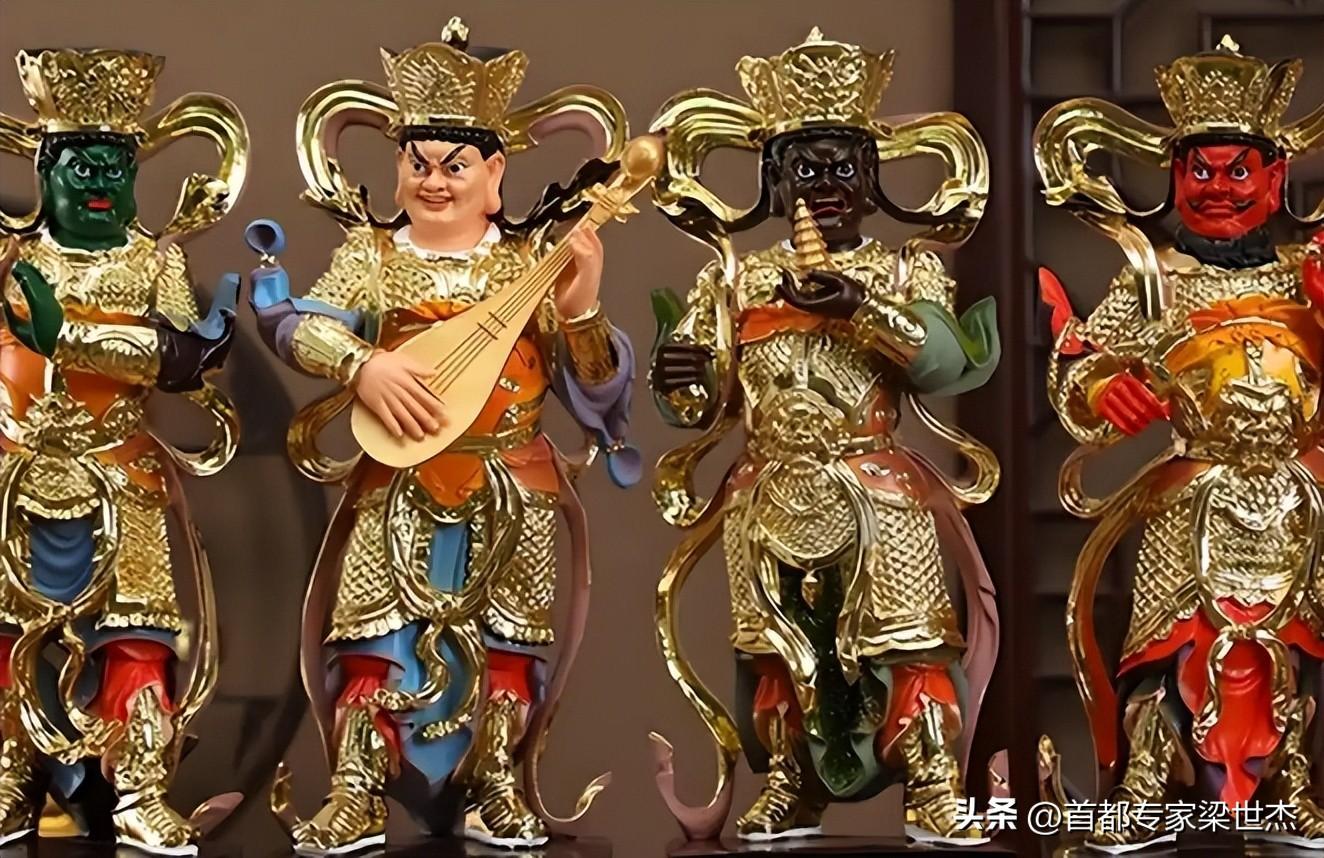
佛教如一陣春風,吹入了古老的中國大地。四大天王的形象,也在這片土地上開始了奇妙的本土化之旅。他們不再是印度神話中那遙不可及的神祇,而是化身爲古代武將的模樣,鎮守在須彌山四方,肩負起護持佛法與衆生的神聖職責。他們的名字“四大金剛”,也成爲了漢傳佛教特有的稱謂,如同一個個獨特的文化符號,鑲嵌在華夏文明的畫卷之中。
然而,四大金剛的故事,並未就此止步。中國社會科學院劉長林研究員的一番話,如同一束強光,照亮了我們認知的另一片天地。他說,中國哲學過去常常強調儒釋道,而羅希文先生提出應當再加上醫,成爲“四大金剛”。這一觀點,猶如一顆石子投入平靜的湖面,激起了層層漣漪。
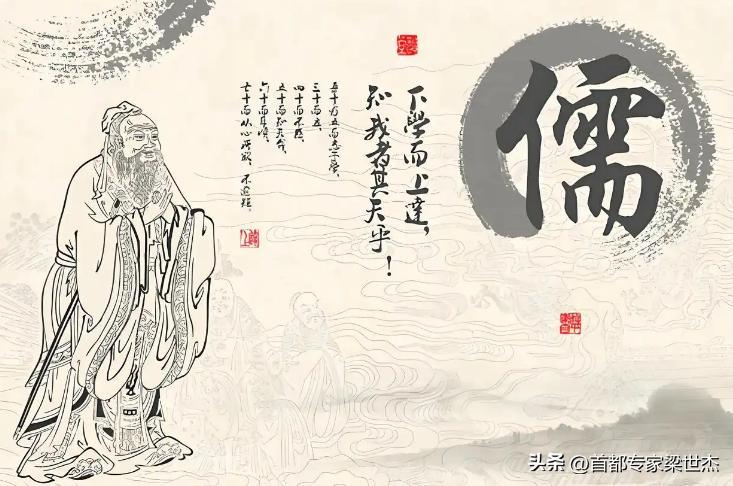
儒釋道,宛如三顆璀璨的星辰,在中國哲學的天空中交相輝映。儒家,倡導仁義禮智信,如一位溫文爾雅的君子,教導我們如何做人、如何處世;道家,追求自然無爲,似一位逍遙自在的隱士,引領我們探尋生命的本真;佛家,講究因果輪迴,像一位智慧深邃的長者,啓示我們看淡世間的繁華與紛擾。這三者,構成了中國人文哲學的主流,如同三根堅實的支柱,支撐起了華夏民族的精神大廈。
而中醫學,則如同一顆隱藏在深山中的明珠,散發着獨特而迷人的光芒。它不僅僅是一門醫學,更是一種認識論的科學哲學。唯物論的認識論,如同一位嚴謹的工匠,用理性和實證的工具,打開了科學殿堂的一扇門,讓我們看到了物質世界的奧祕。而中醫學的天人合一,則如同一位浪漫的詩人,以天地爲紙,以萬物爲墨,描繪出一幅生命科學的壯麗畫卷。它告訴我們,人與自然是一個有機的整體,只有順應自然規律,才能保持身心的健康。
西方科學,以其嚴謹的邏輯和實證的方法,在物質世界的探索中取得了輝煌的成就。然而,正如世界上沒有兩片完全相同的樹葉,科學的道路也並非只有一條。西方打開了科學殿堂的一扇門,而另一扇大門,則需要我們用中國智慧去開啓。中醫哲學的研究,便是這開啓大門的基礎工作,它如同一座橋樑,連接着東方與西方、傳統與現代,讓我們在探索生命科學的道路上,有了更多的可能。
就拿中醫的鍼灸療法來說吧。一根小小的銀針,在中醫的手中,彷彿被賦予了生命。它能夠精準地刺激人體的穴位,調節氣血的運行,從而達到治療疾病的目的。曾經有一位患有嚴重偏頭痛的患者,四處求醫無果,痛苦不堪。後來,在一位中醫的鍼灸治療下,經過幾個療程的調理,頭痛的症狀竟然奇蹟般地消失了。這看似神奇的治療效果,背後蘊含的正是中醫天人合一的哲學思想。中醫認爲,人體的穴位與自然界的陰陽五行相對應,通過刺激穴位,可以調節人體與自然的平衡,從而達到治療疾病的目的。
然而,中醫哲學的研究和普及宣傳工作,並非一帆風順。它就像一場漫長而艱辛的馬拉松,需要我們持之以恆地努力。在當今這個快節奏的時代,人們往往更傾向於追求眼前的利益和短期的效果,而忽視了中醫這種需要長期調理和耐心堅持的治療方法。同時,中醫的一些理論和概念,如陰陽五行、經絡氣血等,對於現代人來說,顯得有些晦澀難懂,這也給中醫的普及帶來了一定的困難。
但是,我們不能因此而放棄。正如金剛代表着智慧一樣,佛道儒醫作爲中國哲學的四大智慧體系,是我們中華民族的寶貴財富。它們就像四位忠誠的衛士,守護着我們的精神家園,讓我們在紛繁複雜的世界中,保持一顆清醒的頭腦和一顆善良的心。
讓我們以敬畏之心,去探索中醫哲學的奧祕;以傳承之志,去普及中醫的知識;以創新之思,去推動中醫的發展。相信在不久的將來,中醫這顆璀璨的明珠,必將在世界醫學的舞臺上綻放出更加耀眼的光芒,爲人類的健康事業做出更大的貢獻。讓我們攜手共進,爲了這偉大的目標而努力奮鬥吧!
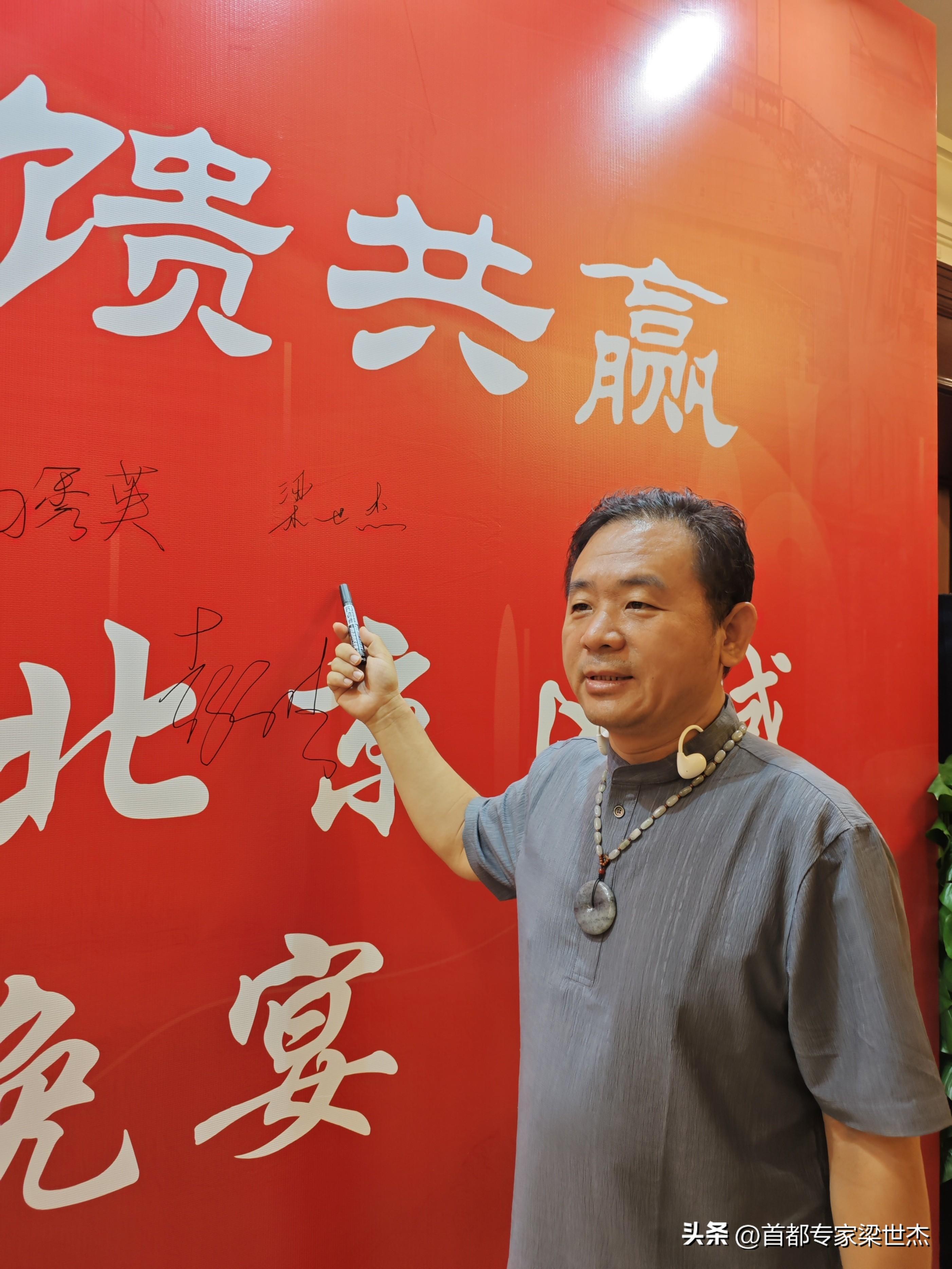
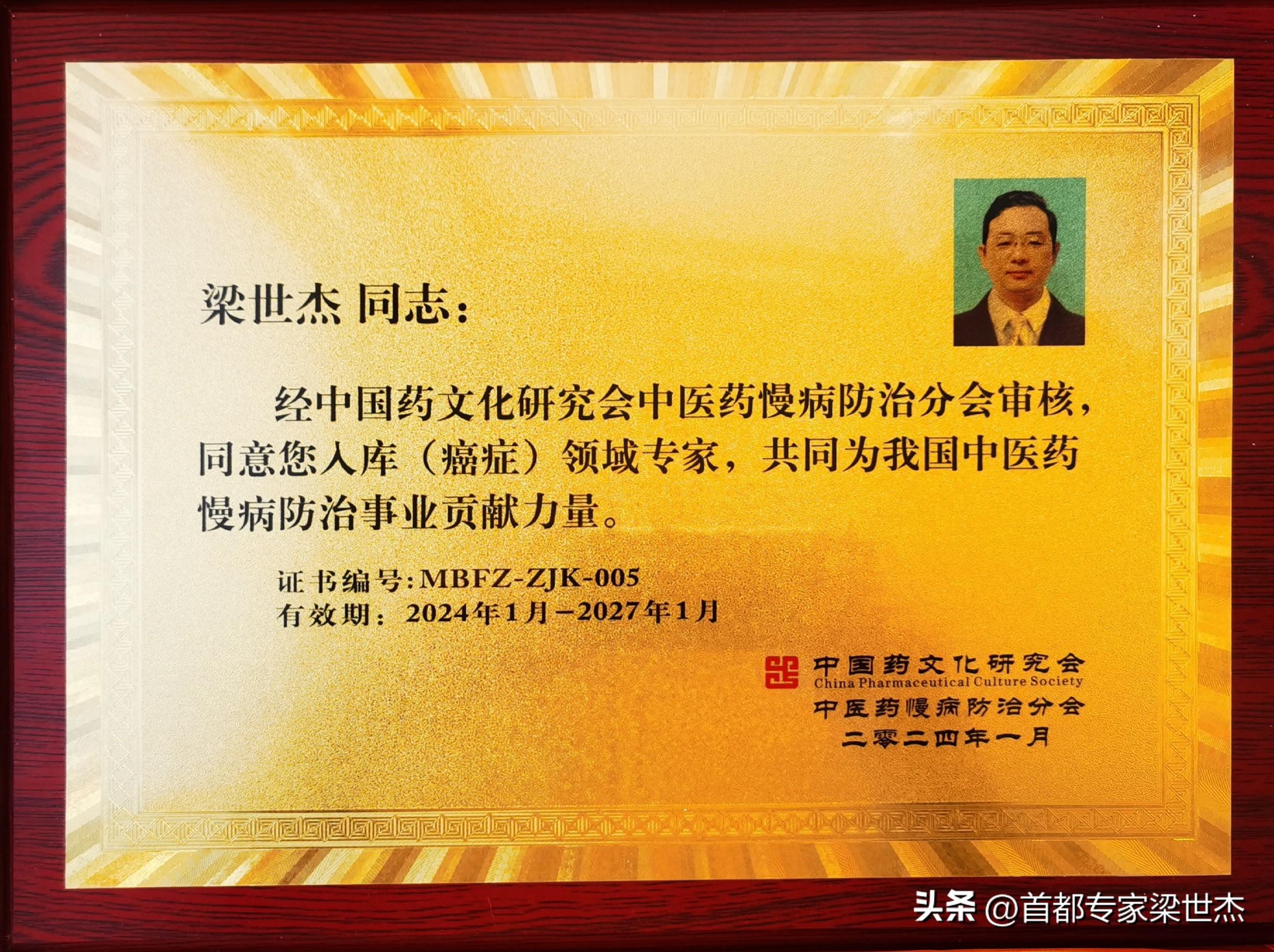
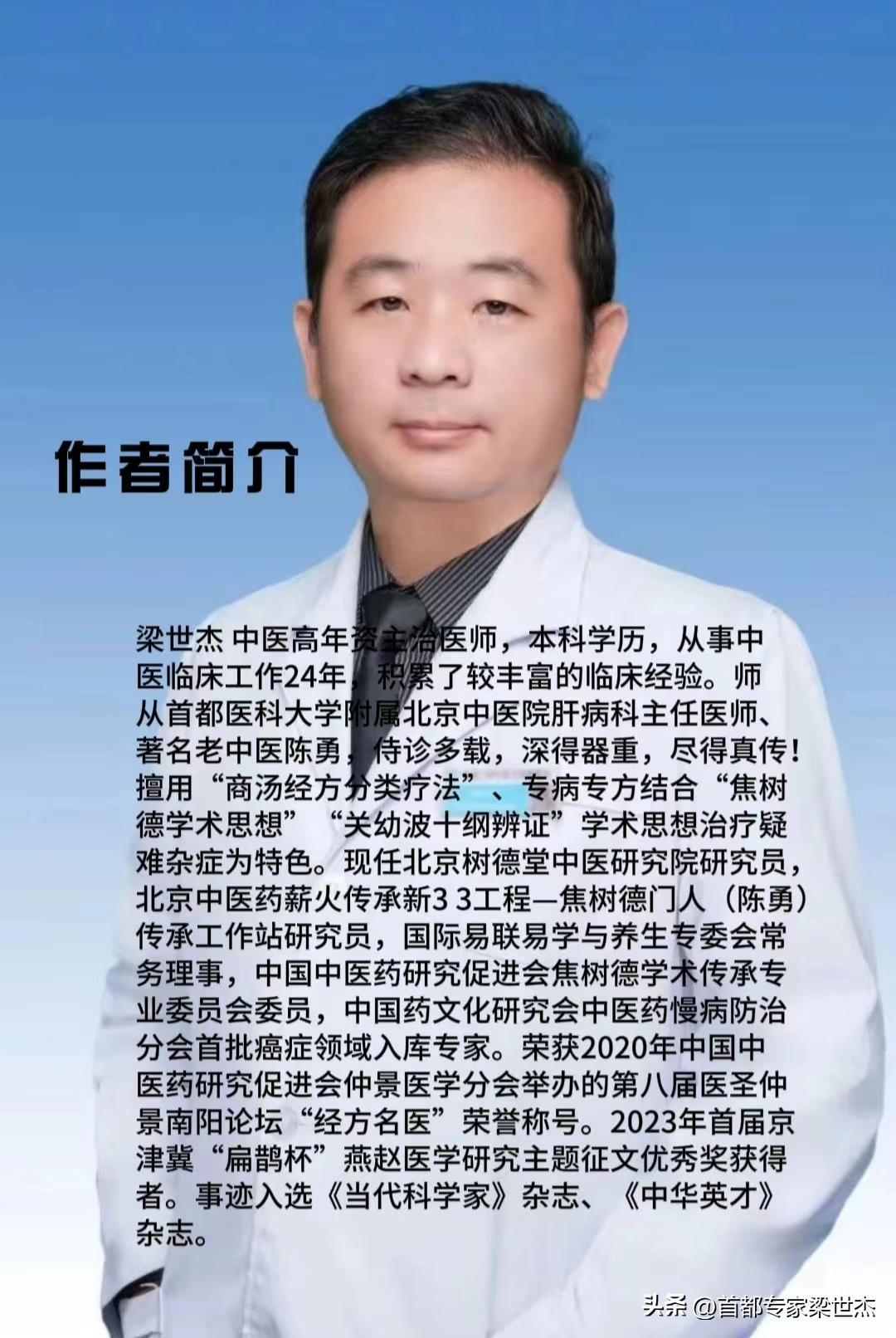
作者簡介:梁世傑 中醫高年資主治醫師,本科學歷,從事中醫臨牀工作24年,積累了較豐富的臨牀經驗。師從首都醫科大學附屬北京中醫院肝病科主任醫師、著名老中醫陳勇,侍診多載,深得器重,盡得真傳!擅用“商湯經方分類療法”、專病專方結合“焦樹德學術思想”“關幼波十綱辨證”學術思想治療疑難雜症爲特色。現任北京樹德堂中醫研究院研究員,北京中醫藥薪火傳承新3+3工程—焦樹德門人(陳勇)傳承工作站研究員,國際易聯易學與養生專委會常務理事,中國中醫藥研究促進會焦樹德學術傳承專業委員會委員,中國藥文化研究會中醫藥慢病防治分會首批癌症領域入庫專家。榮獲2020年中國中醫藥研究促進會仲景醫學分會舉辦的第八屆醫聖仲景南陽論壇“經方名醫”榮譽稱號。2023年首屆京津冀“扁鵲杯”燕趙醫學研究主題徵文優秀獎獲得者。事蹟入選《當代科學家》雜誌、《中華英才》雜誌。
The Four Giants, Confucian Medicine: The Four Wisdom Systems of Eastern Philosophy
In this ancient and magical land of China, there are always things, such as treasures hidden deep in the years, that gradually reveal their unique and bright glow in the passage of time. The Four Giants are such a group that carries a deep cultural heritage. Their prototypes, long known as the four guardians of the world in Hindu Buddhism, first left their trace in the Buddhist classical Lakhya Rinpoche, and resembled a cultural seed that took root across the sea in the long history.
Back in time, the faith of the four great emperors was quietly beginning to sprout in the region of Chontra under the reign of the Frost Dynasty. King Vishal, the northern eminent king, was transformed to become the patron saint of the kingdom of Hutus and was widely revered. At that time, he might have been like a mighty frontier general, guarding the peace of the land and seeking a slight comfort for the people during the years of war.
Buddhism has blown into ancient China like a spring wind. The image of the four great emperors also began a wonderful localization journey in this land. They were no longer the remote gods of Indian mythology, but instead formed ancient warriors who stood around Mount Everest and shouldered the sacred duty of protecting the Dharma and all living beings. Their name, "The Four Giants," has also become a characteristic term of Han Chinese Buddhism, like unique cultural symbols, embedded in the landscape of Chinese civilization.
However, the story of the four kings does not stop there. The words of Liu Changlin, a researcher at the Chinese Academy of Social Sciences, are like a strong light that illuminates another horizon of our understanding. Chinese philosophy used to emphasize Confucianism, he said, and Mr. Luo suggested that medicine should be added to make the "four kings." This view, like a rock thrown into a calm lake, creates ripples.
Confucianism is like three bright stars that twinkle in the sky of Chinese philosophy. Confucianism, which advocates compassion and ethics, teaches us how to be human and how to live in the world, like a gentle gentleman. Taoism, who pursues nature inaction, is like an easygoing hermit who leads us to search for the true nature of life. The Buddhists, who are concerned with cause and effect reincarnation, are like a wise elder who reveals us to look down on the wealth and chaos of the world. These three elements constitute the mainstream of Chinese humanistic philosophy, and are like three solid pillars that support the spiritual edifice of the Chinese nation.
And Chinese medicine, like a pearl hidden in a deep mountain, radiates a unique and enchanting light. It is not just a medical science, but a epistemological philosophy of science. Materialistic epistemology, like a rigorous craftsman, used the tools of reason and evidence to open a door in the temple of science and to show us the mysteries of the physical world. The unity of man and nature in Chinese medicine is like a romantic poet, using the heavens and the earth as paper and all things as ink, to paint a magnificent picture of life science. It tells us that man and nature are an organic whole, and only by following the laws of nature can we maintain physical and mental health.
Western science, with its rigorous logical and empirical methods, has achieved remarkable success in the exploration of the physical world. However, just as there are no two perfectly identical leaves in the world, there is no one path to science. The West has opened one door to the temple of science, while the other door needs to be opened with Chinese wisdom. The study of traditional Chinese medicine philosophy is the foundation of this opening, a bridge that connects East and West, tradition and modernity, giving us more possibilities on the path to the life sciences.
Take acupuncture in Chinese medicine. A small silver needle, in the hands of Chinese medicine, seems to have been given life. It can accurately stimulate the human body''s acupuncture points and regulate the operation of the qi and blood, thereby achieving the purpose of treating diseases. There was once a patient with severe migraines who sought medical care without success and suffered terribly. Later, under the treatment of acupuncture by a Chinese medicine practitioner, after several sessions of treatment, the symptoms of the headache miraculously disappeared. Behind this seemingly miraculous therapeutic effect is the philosophy of unity between man and nature in traditional Chinese medicine. According to traditional Chinese medicine, the human body''s acupuncture corresponds to the five branches of yin and yang in nature, and by stimulating the acupuncture, the balance between the human body and nature can be adjusted to achieve the purpose of treating diseases.
However, the research and popularization of traditional Chinese medicine philosophy has not been easy. It''s like a long, hard marathon that requires us to work consistently. In today''s fast-paced age, people tend to be more inclined to pursue immediate benefits and short-term results, and neglect traditional Chinese medicine as a treatment that requires long-term conditioning and patient adherence. At the same time, some theories and concepts of Chinese medicine, such as yin and yang, meridians, qi and blood, are somewhat obscure to modern people, which also creates certain difficulties for the popularization of Chinese medicine.
But we can''t give up on that. Just as king represents wisdom, Buddhism and Confucianism, as the four intellectual systems of Chinese philosophy, are a valuable asset of our nation. They are like four loyal guardians who guard our spiritual home and keep us a clear mind and a kind heart in a complex world.
Let us explore with awe the mystery of traditional Chinese medicine philosophy. With the intention of inheritance, we will disseminate knowledge of Chinese medicine; Use innovative ideas to promote the development of traditional Chinese medicine. I believe that in the near future, this bright pearl of traditional Chinese medicine will shine brighter on the stage of world medicine and make greater contributions to the cause of human health. Let us join hands and strive for this great goal!
Author Bio: Liang Shijie is a senior medical practitioner in traditional Chinese medicine with an undergraduate degree. He has been engaged in traditional medicine clinical work for 24 years and has accumulated a wealth of clinical experience. Following Chen Yong, chief physician of liver disease at Beijing Traditional Medicine Hospital, affiliated with Capital Medical University, and renowned old Chinese medicine, he has been treated for many years and received great attention. He specializes in the treatment of difficult diseases using "conversational traditional therapy" and special treatments combined with the academic ideas of Jiao Shude and Guan Yubo''s ten-level diagnosis.He is currently a researcher at the Shude Tang TCM Research Institute in Beijing, a fellow at the new 3 + 3 project of traditional Chinese medicine flame inheritance in Beijing - a scholar at the inheritance workstation of Jiao Shude''s protégés (Chen Yong),He is a standing committee member of the International Expert Committee on E-learning and Health Care, a member of the Jiao Shude Academic Heritage Special Committee of the Chinese Association for the Advancement of Chinese Medicine Research, and the first cancer specialist to be included in the chapter of the Chinese Pharmaceutical Culture Research Association. Won the 2020 China Association for the Promotion of Traditional Chinese Medicine Zhongjing Medical Branch held the eighth session of the Medical Saint Zhongjing Nanyang Forum "Classic Prescription Famous Doctor" honorary title. The winner of the first Beijing-Tianjin-Hebei "Pingui Cup" Yanzhao Medical Research Essay Award in 2023. His work was featured in the journal Current Scientist and the journal Chinese Talent.