醫巫之辨:於歷史長河中探尋醫學真理
在華夏古老而神祕的文明長卷中,醫學與巫術,恰似兩條交織卻又分明的絲線,各自演繹着獨特的篇章。即便醫術如扁鵲這般登峯造極、聞名遐邇的神醫,也需秉持“醫不叩門”的古訓,這一古訓背後,蘊含着對醫學尊嚴與職業操守的堅守,宛如一座巍峨的山峯,屹立在醫學的道德高地之上。
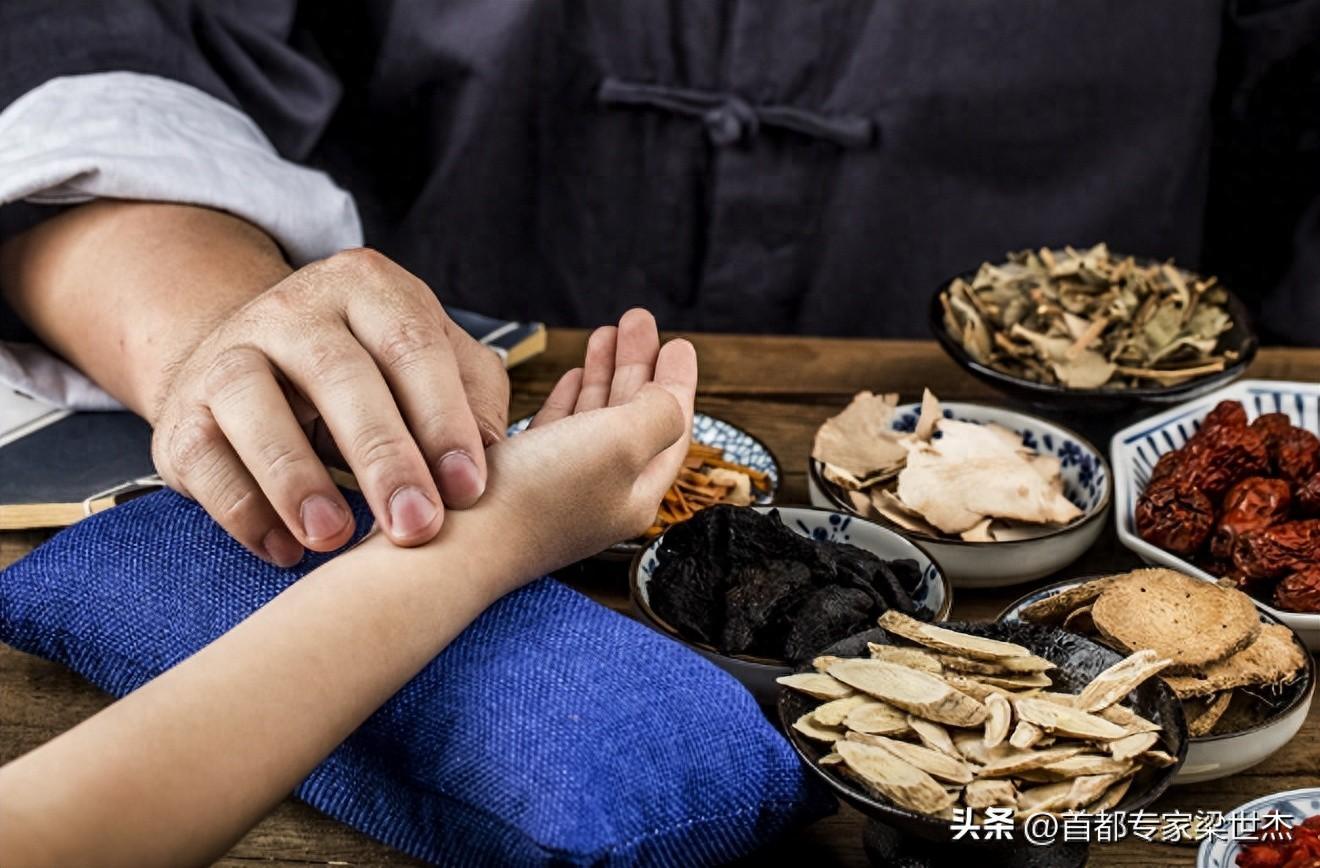
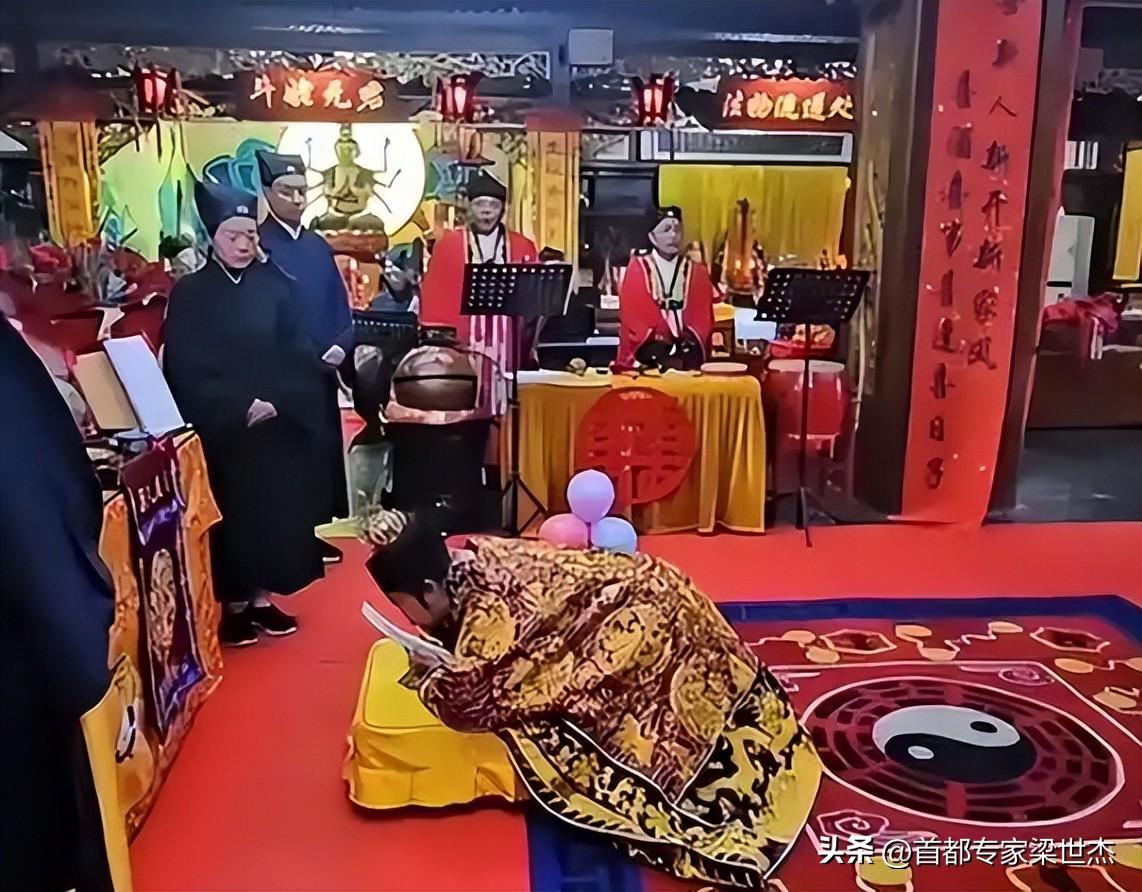
而巫術,從本質上來說,不過是一種類似於戲法、雜耍、魔術類的把戲罷了。它蒙着神祕的面紗,在愚昧與迷信的土壤中滋生蔓延,以虛幻的承諾和荒誕的儀式,蠱惑着人心。在西漢初年陸賈所著的《新語》中,就記載了這樣一段令人唏噓不已的故事,將醫與巫的碰撞展現得淋漓盡致。
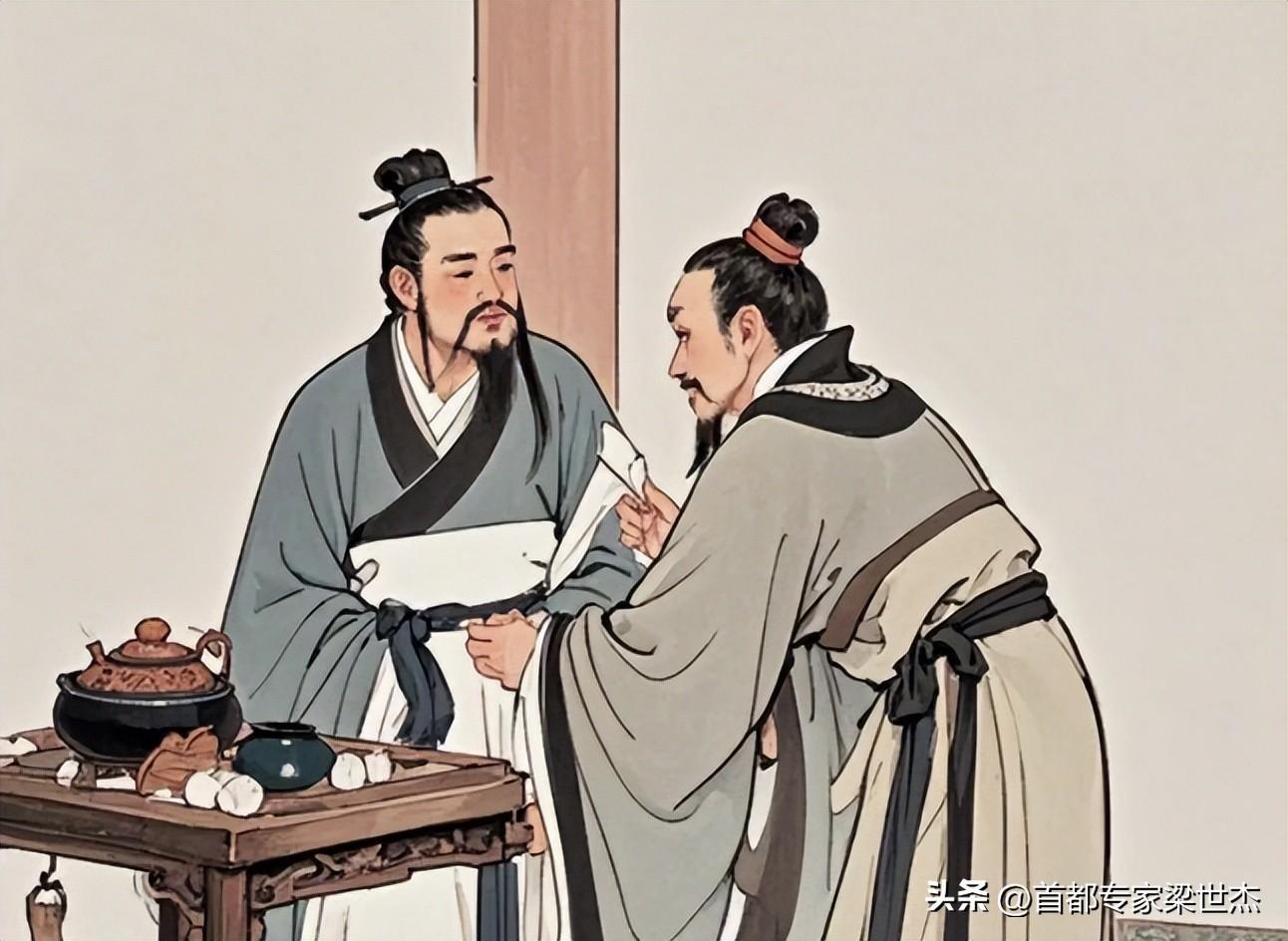
話說扁鵲雲遊四方,行至一處,恰遇一家患病的人家。那病人的病情已然十分嚴重,生命如風中殘燭,搖搖欲墜。扁鵲路過此處,目睹患者家中愁雲慘霧之景,心中那治病救人的神聖使命感如熊熊烈火般燃燒起來。他不顧自身安危,毅然主動要求爲患者治療。這便是醫者仁心,宛如黑暗中的一盞明燈,試圖照亮患者生命的希望之路。
然而,患者的父親卻只是輕蔑地看了一眼扁鵲,眼神中滿是不信任,冷冷地說道:“我兒子的病情很嚴重,我正打算爲他請好的醫生來治療,不是你所能夠治療的情況!”言罷,便請來了一位據說很有靈驗的巫師,名叫“靈巫”。這靈巫一到,便當着扁鵲的面,大施巫術,口中唸唸有詞,手舞足蹈地念咒施法,祈求上帝賜福祛病,保佑患者長有天命。那場面,看似神祕莫測,實則荒誕至極,就像一場拙劣的表演,在扁鵲這位真正的醫學大師面前,顯得如此滑稽可笑。
扁鵲在一旁,看着巫師的這番鬧劇,心急如焚卻又無計可施。他空有一身高超醫術,卻無法施展,只能眼睜睜地看着患者的病情逐漸加重。最終,在巫師的不斷折騰下,患者還是沒能逃脫死亡的命運,生命之花就此凋零。
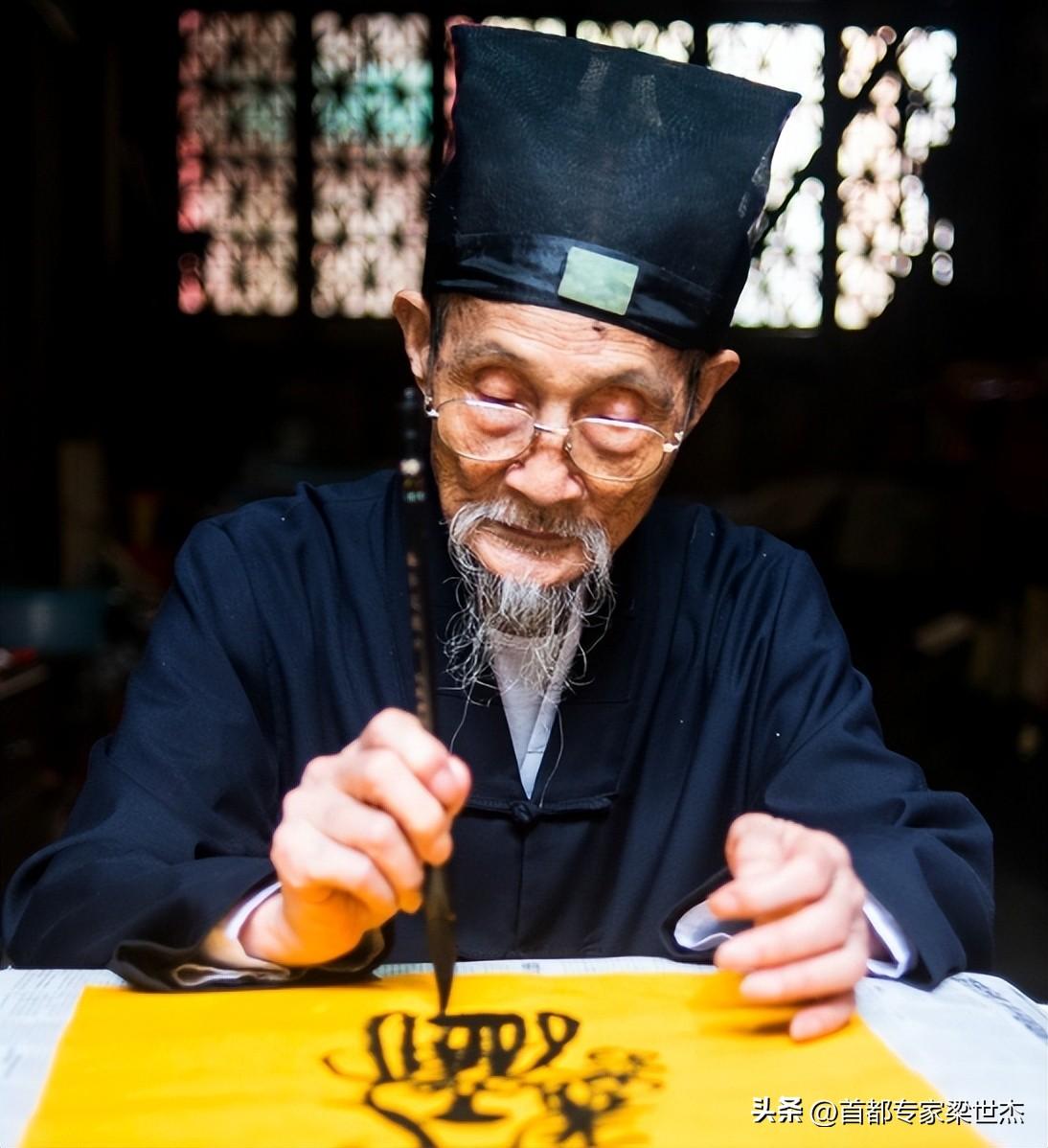
病者的父親,我們不能說他不愛自己的兒子。他在給兒子請人看病時,口中說的是“將請良醫治”,而非“將請巫師治”。這或許暗示着他內心深處其實明白“信巫不信醫”這種做法是不好的,也許他主觀上是想請好的醫生,只是在實際行動中,卻被迷信的迷霧遮蔽了雙眼,請來了巫師。又或許,在那時,巫師已經在冒用醫師的“名分”,以虛假的表象欺騙着善良的人們。
扁鵲,這位聞名於天下的名醫,在“信巫不信醫”的患者面前,他的高超醫術竟毫無用武之地。這讓他憤慨不已,於是憤而提出了一個著名的論斷:“信巫不信醫者,六不治也!”這一論斷,如同一把鋒利的寶劍,斬斷了巫術與醫學之間那若有若無的虛幻聯繫,劃清了科學與迷信的界限。
《內經》有云:“拘於鬼神者,不可與言至德。”這句話將中醫反對巫術的主張,鄭重地寫進了理論奠基的經典之中,其影響極爲深遠,宛如一顆璀璨的星辰,照亮了中醫發展的漫漫征途。它告訴後人,醫學是建立在科學基礎之上的,是對人體生命規律的探索與研究,而巫術則是基於迷信和幻想,與醫學的科學精神背道而馳。
扁鵲在診治虢太子屍厥的時候,也遭遇了類似的困境。中庶子刁難扁鵲,竟用傳說中“茅父”與扁鵲相比較。這“茅父”的所謂醫術,顯然屬於巫術範疇。扁鵲在衛國遇見靈巫時,所遭受的精神侮辱,更是痛苦莫名。但他並未因此而退縮,反而更加堅定地高舉起反對巫術的旗幟,明確地倡導“信巫不信醫者,六不治也!”這種堅定的立場和勇敢的精神,如同中流砥柱,在醫學發展的歷史長河中屹立不倒。
在當今社會,雖然科學技術高度發達,醫學也取得了巨大的進步,但巫術的陰影仍未完全消散。在一些偏遠地區,仍有人迷信巫術能治病,而忽視了現代醫學的力量。據相關統計數據顯示,在一些落後的國家和農村地區,仍有極少數的人在生病時會首先選擇尋求巫師的幫助,而不是及時就醫。這種現象不僅延誤了病情的治療,給患者帶來了不必要的痛苦和損失,也反映了科學普及和醫學教育的重要性。
我們應當從歷史中汲取教訓,深刻認識到醫學與巫術的本質區別。醫學是科學,是救死扶傷的神聖事業,它依靠嚴謹的理論、科學的方法和先進的技術,爲人類的健康保駕護航。而巫術則是迷信的產物,它無法真正解決疾病問題,只會讓人們陷入虛幻的幻想之中。
讓我們銘記扁鵲的故事,傳承中醫反對巫術的科學精神,讓醫學的光芒照亮每一個角落,讓更多的人擺脫迷信的束縛,擁抱科學、健康的生活。因爲,只有科學與醫學的攜手前行,才能爲人類的未來帶來真正的希望和福祉。
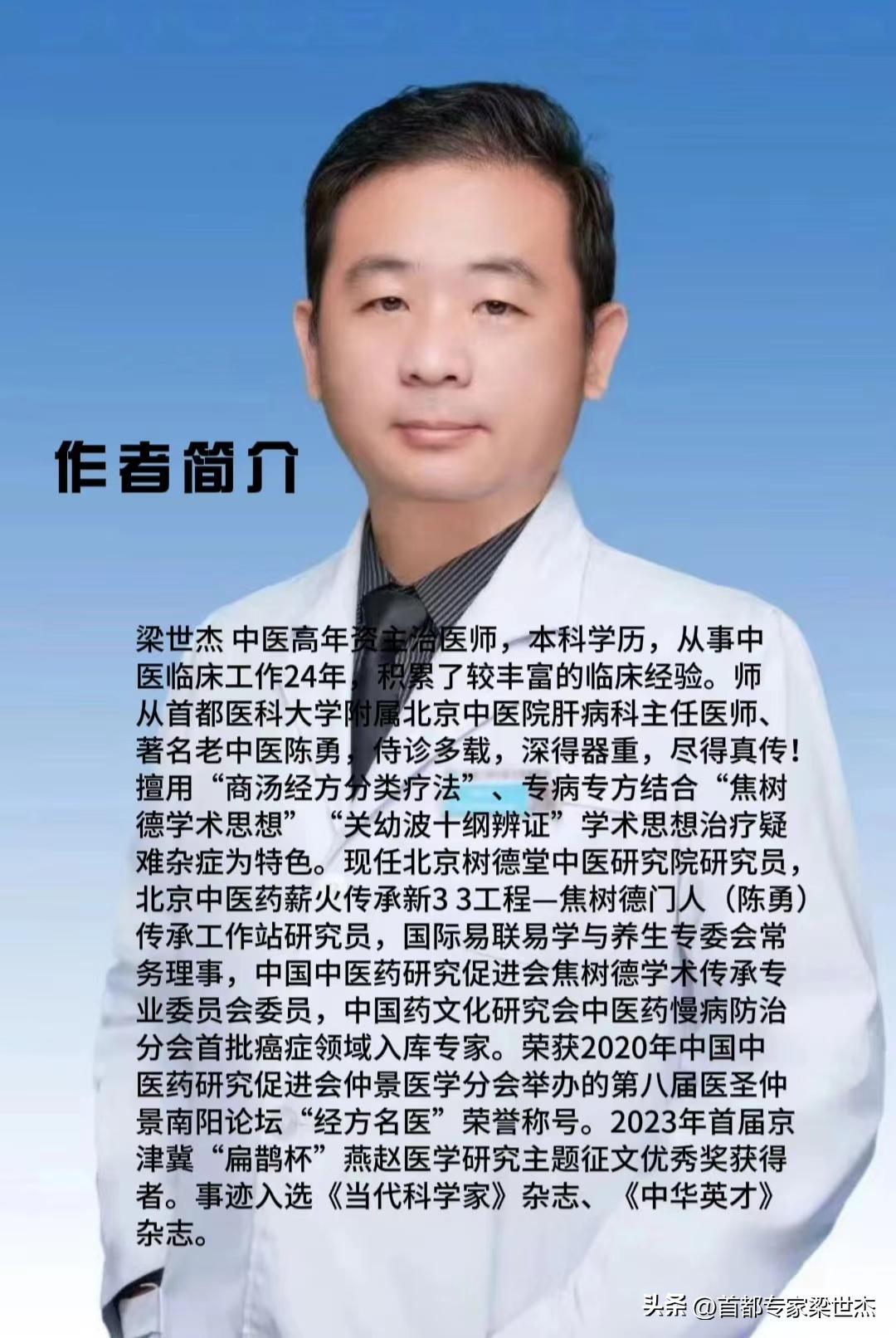
作者簡介:梁世傑 中醫高年資主治醫師,本科學歷,從事中醫臨牀工作24年,積累了較豐富的臨牀經驗。師從首都醫科大學附屬北京中醫院肝病科主任醫師、著名老中醫陳勇,侍診多載,深得器重,盡得真傳!擅用“商湯經方分類療法”、專病專方結合“焦樹德學術思想”“關幼波十綱辨證”學術思想治療疑難雜症爲特色。現任北京樹德堂中醫研究院研究員,北京中醫藥薪火傳承新3+3工程—焦樹德門人(陳勇)傳承工作站研究員,國際易聯易學與養生專委會常務理事,中國中醫藥研究促進會焦樹德學術傳承專業委員會委員,中國藥文化研究會中醫藥慢病防治分會首批癌症領域入庫專家。榮獲2020年中國中醫藥研究促進會仲景醫學分會舉辦的第八屆醫聖仲景南陽論壇“經方名醫”榮譽稱號。2023年首屆京津冀“扁鵲杯”燕趙醫學研究主題徵文優秀獎獲得者。事蹟入選《當代科學家》雜誌、《中華英才》雜誌。
The Difference Between Doctors and Witches: Searching for Medical Truth in the Long History
In the long scroll of China''s ancient and mysterious civilization, medicine and witchcraft are like two interwoven but distinct threads, each depicting a unique chapter. Even a renowned healer whose expertise has reached such a high level as that of the lentil, must adhere to the ancient teaching that "medicine does not knock on the door." Behind this ancient doctrine, there is a commitment to medical dignity and professional integrity, and it is like a huge mountain standing above the moral high ground of medicine.
Witchcraft, in essence, is nothing more than tricks, juggling, and magic. Hidden in a veil of mystery, it breeds and spreads in the soil of ignorance and superstition, deluding people with false promises and absurd rituals. In the New Language written by Lu Jia in the early years of Western Han Dynasty, such a harrowing story is recorded, showing the collision between a doctor and a witch in vivid detail.
Then the lentil traveled around the world, and when he reached one place, he came across a sick family. The patient was already in a very serious condition, and his life was crumbling like a candle in the wind. As the lentil passed by, he witnessed the sad clouds and fog in the patient''s home, and his heart''s sense of the sacred mission to heal and save people burned like a fiery fire. Despite his own safety, he took the initiative to ask for treatment for the patient. This is medical compassion, like a bright light in the darkness, which attempts to illuminate the path of hope for the life of the patient.
However, the patient''s father only glanced scornfully at the lentil, his eyes full of distrust, and said coldly, "My son''s illness is very serious. I''m going to get a good doctor to treat him. It''s not a situation you can treat!" With that, a wizard called a "witch" was brought in who was said to be very successful. Once this witch arrived, she performed witchcraft in front of the lentils, chanted words in her mouth, danced with her hands, and prayed for God''s blessing to cure the illness and preserve the patient''s natural destiny. The scene, which seemed mysterious, was utterly absurd, like a botched performance, and seemed so funny in front of the truly masters of medicine.
The lentil was by the side, watching the wizard''s farce, anxious but unable to do anything about it. He possessed great medical skills, but was unable to apply them, and had to watch as the patient''s condition gradually worsened. In the end, despite the constant torture of the wizard, the patient still failed to escape death, and the flower of life died.
The father of the sick man, we cannot say that he did not love his son. When he asked for a doctor''s appointment for his son, he said "a good doctor will be called for," not "a witch will be asked for." This might suggest that deep down he knew that "believing in witches and not in doctors" was not good. Perhaps he subjectively wanted to hire a good doctor, but in practice, he was blinded by the mist of superstition and brought in a witch. Or perhaps, at that time, witches were already using the "name" of a physician to deceive good people in a false guise.
Panjiu, a renowned healer known throughout the world, had no use for his brilliant medical skills in the face of patients who "believed in witches and did not believe in medicine." This made him so angry that he made a famous claim: "If you believe in witches, you won''t be healed." This judgment, like a sharp sword, severed the illusory link between witchcraft and medicine, and drew the line between science and superstition.
The Book of Scripture says, "Those who are detained by demons shall not be more virtuous than words." This sentence solemnly wrote the claim of traditional Chinese medicine against witchcraft into the theoretical foundation of the classics, and its impact is extremely far-reaching, like a bright star that illuminated the long journey of the development of traditional medicine. It tells future generations that medicine is based on science and is the exploration and study of the laws of human life, while witchcraft is based upon superstition and fantasy and runs counter to the scientific spirit of medicine.
The lentils encountered a similar predicament when they treated the corpse of the prince of虢.The son of the middle son had a hard time with the lentil, and he compared the legend of "Mao Father" to the lentil. This "father"''s so-called healing practices clearly fall under the category of witchcraft. When the Pingu encountered a witch in the defense state, the spiritual insult he suffered was even more painful. But instead of backing down, he raised the banner against witchcraft even more firmly, explicitly advocating that "believing in witches is not a cure, but believing in healers." This firm stance and courageous spirit have stood as a cornerstone in the long history of medical development.
In today''s society, although science and technology are highly developed and medicine has made great progress, the shadow of witchcraft has not fully dissipated. In some remote areas, there is still a belief that witchcraft can cure diseases, and the power of modern medicine is overlooked. According to relevant statistics, in some backward countries and rural areas, a very small number of people will seek the help of a witch first when they are sick rather than seek medical attention in time. This phenomenon not only delays the treatment of the condition and brings unnecessary suffering and loss to patients, but also reflects the importance of scientific popularization and medical education.
We should draw lessons from history and recognize the essential difference between medicine and witchcraft. Medicine is science, a sacred cause of saving lives, which relies on rigorous theories, scientific methods and advanced technology to safeguard human health. Witchcraft, on the other hand, is a product of superstition, which cannot really solve the problem of illness, but only causes people to fall into illusory fantasies.
Let us remember the story of the lentil, carry forward the scientific spirit of traditional Chinese medicine against witchcraft, let the light of medicine illuminate every corner, and let more people free themselves from the shackles of superstition and embrace science and healthy living. For only when science and medicine move forward together can we bring real hope and well-being to the future of humanity.
Author Bio: Liang Shijie is a senior medical practitioner in traditional Chinese medicine with an undergraduate degree. He has been engaged in traditional medicine clinical work for 24 years and has accumulated a wealth of clinical experience. Following Chen Yong, chief physician of liver disease at Beijing Traditional Medicine Hospital, affiliated with Capital Medical University, and renowned old Chinese medicine, he has been treated for many years and received great attention. He specializes in the treatment of difficult diseases using "conversational traditional therapy" and special treatments combined with the academic ideas of Jiao Shude and Guan Yubo''s ten-level diagnosis.He is currently a researcher at the Shude Tang TCM Research Institute in Beijing, a fellow at the new 3 + 3 project of traditional Chinese medicine flame inheritance in Beijing - a scholar at the inheritance workstation of Jiao Shude''s protégés (Chen Yong),He is a standing committee member of the International Expert Committee on E-learning and Health Care, a member of the Jiao Shude Academic Heritage Special Committee of the Chinese Association for the Advancement of Chinese Medicine Research, and the first cancer specialist to be included in the chapter of the Chinese Pharmaceutical Culture Research Association. Won the 2020 China Association for the Promotion of Traditional Chinese Medicine Zhongjing Medical Branch held the eighth session of the Medical Saint Zhongjing Nanyang Forum "Classic Prescription Famous Doctor" honorary title. The winner of the first Beijing-Tianjin-Hebei "Pingui Cup" Yanzhao Medical Research Essay Award in 2023. His work was featured in the journal Current Scientist and the journal Chinese Talent.