干支數學:解鎖中醫與自然和諧共生的密碼
在華夏文明的浩瀚星河中,干支計數與紀年宛如兩顆璀璨的星辰,熠熠生輝,它們不僅是中國古代數學與數字運用的傑出典範,更是中醫理論體系構建中不可或缺的基石。那看似神祕莫測的干支符號,實則蘊含着古人對自然、對生命深刻而獨到的洞察,猶如一把把精巧的鑰匙,開啓了一扇通往人與自然和諧共生的大門。
干支溯源:文明長河中的璀璨明珠
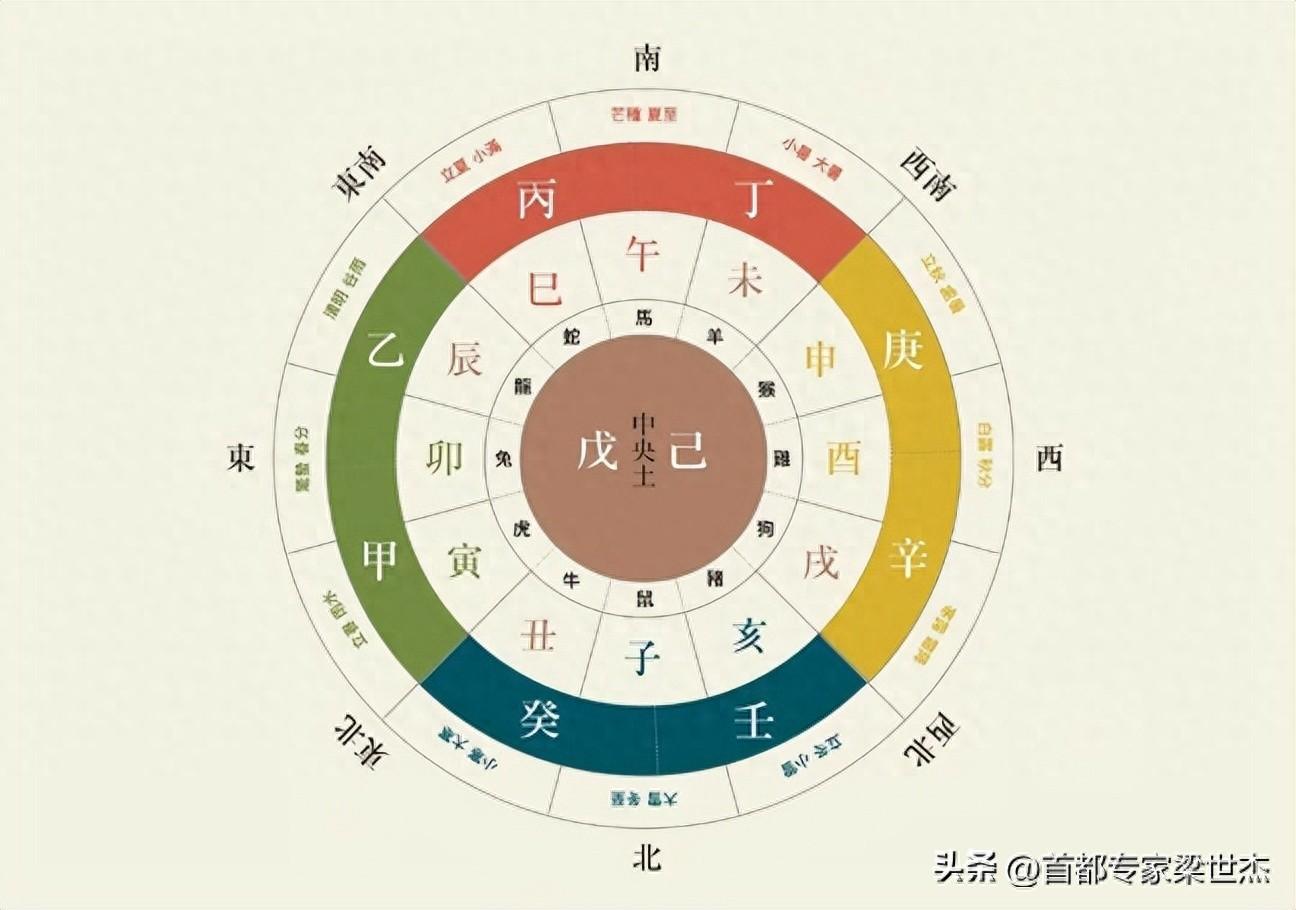
干支,這一古老而又神奇的數字符號系統,其歷史可追溯至遙遠的商代。彼時,智慧的古人便發明了用干支記述事物的方法,開啓了人類文明史上一段獨特而輝煌的篇章。“幹”,如參天大樹之主幹,剛健挺拔,共有十個,即甲、乙、丙、丁、戊、己、庚、辛、壬、癸;“支”,似繁茂枝葉之旁支,柔順靈動,計有十二個,乃子、醜、寅、卯、辰、巳、午、未、申、酉、戌、亥。這一干一支,相互搭配,循環往復,構成了一個龐大而有序的數字體系,猶如一部精密的天文曆法儀器,精準地記錄着時間的流轉與萬物的變化。
商代的帝王,以其獨特的命名方式,見證了干支在歷史記載中的重要地位。帝乙、帝太甲、帝辛等,這些威嚴而又神祕的名字,正是以天干來記載的,彷彿在訴說着那個時代的輝煌與滄桑。而在甲骨文中,干支更是被巧妙地結合起來,用於記錄每一天的瑣碎與重要。古人深知,只有細心地觀察,才能察覺到今天與昨天的細微差異;只有將一天天的不同如實記錄下來,才能形成對季節的準確劃分。於是,在甲骨文的斑駁痕跡中,我們看到了年與月的概念悄然浮現,每一天都被賦予了獨特的干支符號,如同歲月長河中的一個個座標,標記着中華文明五千年波瀾壯闊的歷程。
在干支記錄事物的方法發明之前,古人也曾用符號、結繩等方式來記錄歷史。然而,這些方法終究顯得笨拙而侷限,難以滿足日益複雜的記錄需求。而干支的出現,無疑是一場革命性的變革。它以簡潔而富有象徵意義的符號,將各種事物與數字緊密相連,形成了一套獨特而又嚴謹的“象數之學”。古人下了一番深思熟慮的功夫,約定俗成地將一定的形象用一定的數字來代替,從而構建起了“象與數的學問”。這一學問,不僅是對自然現象的抽象概括,更是對人類認知世界方式的一次重大突破。
干支與五臟:自然與生命的和諧共鳴
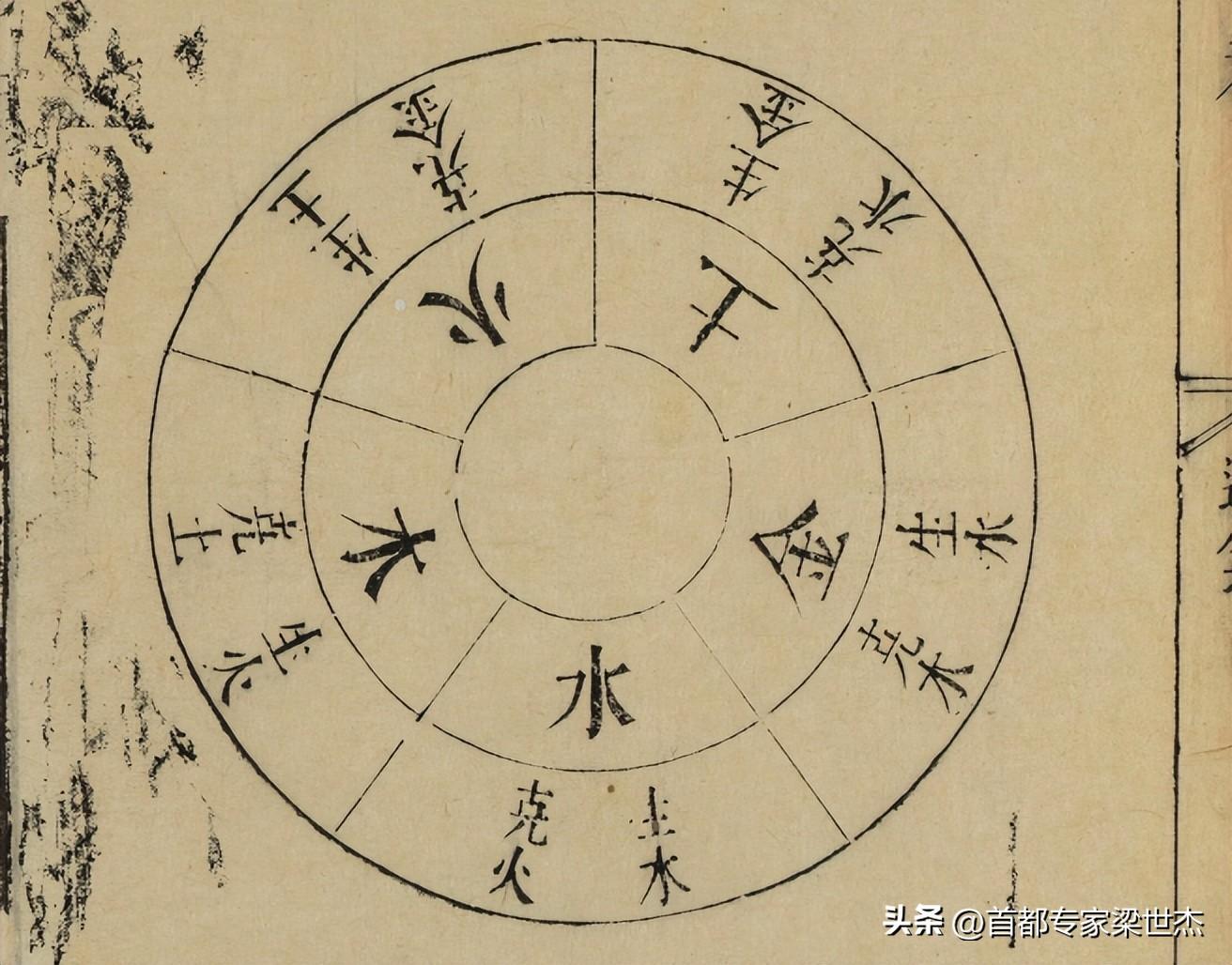
在中醫的浩瀚理論體系中,干支與五臟的對應關係,宛如一首優美而和諧的樂章,奏響了人與自然和諧共生的美妙旋律。古人認爲,人體的五臟與自然界的四季變化息息相關,它們之間存在着一種微妙而又深刻的聯繫。通過對這種聯繫的歸納比附,古人建立了一套獨特的人與自然和諧統一的體系模型,爲中醫理論的發展奠定了堅實的基礎。
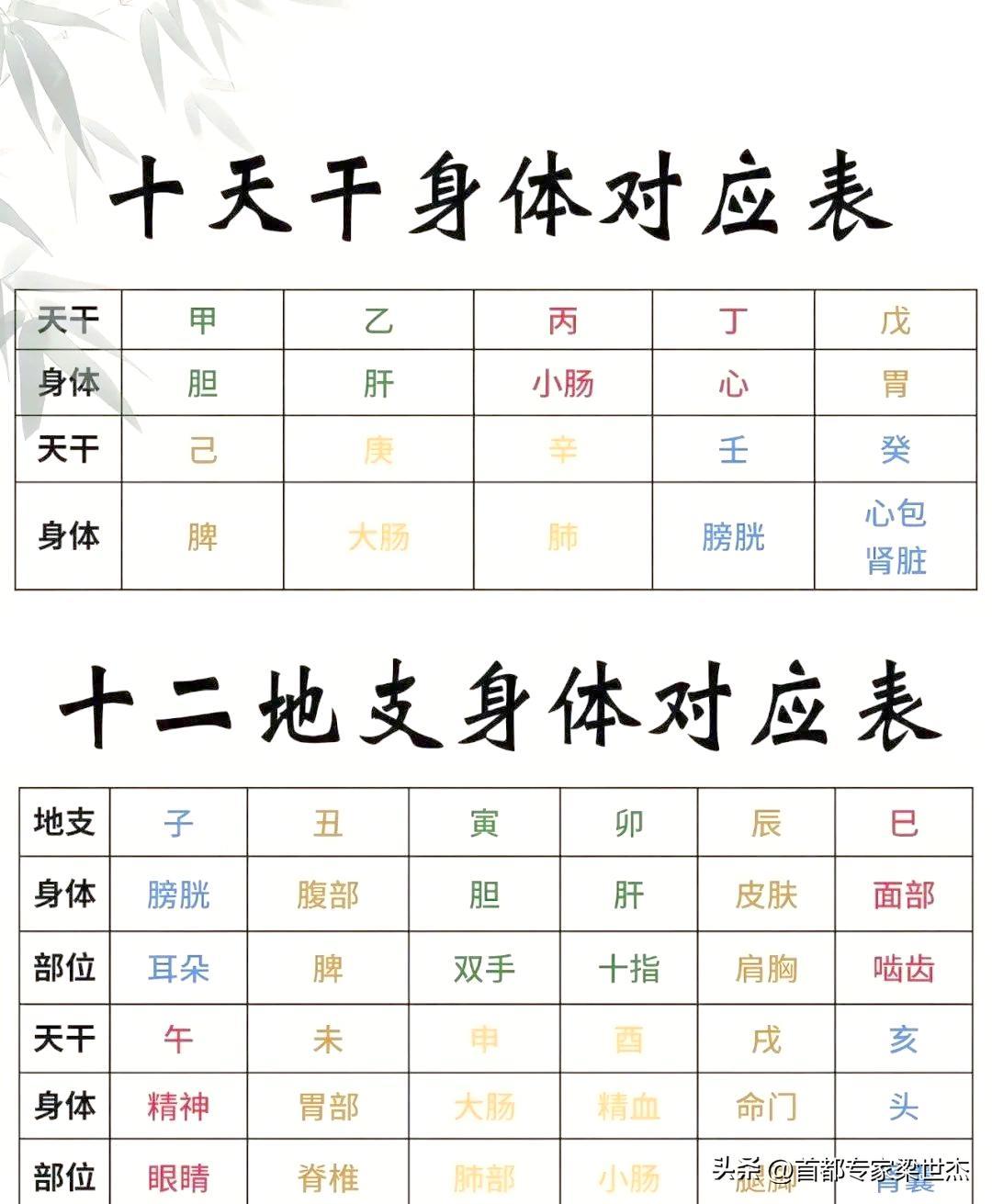
肝臟,在古人眼中,猶如春天般充滿生機與活力。它藏血,是一切活動的基礎,爲生命提供了源源不斷的動力。於是,古人將肝比擬爲春天的象徵,用甲和乙兩個數字來代表。甲,象徵着陽氣的初升,如同春日裏破土而出的幼苗,充滿了蓬勃的生機;乙,則代表着陰氣的滋養,宛如春雨般滋潤着萬物,使生命得以茁壯成長。心主火,主神明,如同夏天的氣候般熱烈而奔放。它掌控着人體的精神活動,使我們的思維敏捷、情感豐富。因此,古人把丙與丁兩個數字分配給了心,丙如同夏日的驕陽,光芒四射;丁則似夏夜的繁星,璀璨而神祕。脾主運化,主肌肉四肢,猶如夏末秋初那充滿生命活力的季節。它負責將食物轉化爲營養物質,輸送到全身各個部位,爲生命活動提供必要的能量。於是,戊與己兩個數字便與脾結下了不解之緣,戊象徵着大地的厚重與包容,己則代表着大地的滋養與孕育。肺主氣,司呼吸,主聲音,如同秋天般天高氣爽、澄澈明淨。它掌控着人體的呼吸系統,使我們的呼吸順暢、聲音洪亮。庚與辛兩個數字,便成爲了肺的象徵,庚如同秋日的金風,清爽而宜人;辛則似秋夜的明月,皎潔而明亮。腎主水,受五臟六腑的精氣而藏之,象徵着冬天的萬物歸藏。它如同一個巨大的倉庫,儲存着生命的精華,爲生命的延續提供了保障。壬癸兩個數字,便與腎緊密相連,壬象徵着江河的奔騰不息,癸則代表着雨露的滋潤萬物。
通過這種巧妙的對應關係,古人將人體的五臟與自然界的四季變化緊密地聯繫在一起,形成了一個有機的整體。這不僅體現了古人對自然與生命關係的深刻理解,更展示了中醫理論中“天人合一”的博大胸懷。例如,“乙癸同源”這一理論,便是干支與五臟對應關係的生動體現。肝血爲肝陰,用乙代表;腎精爲腎陰,用癸代表。血與精同源,就如同乙與癸同源一樣,它們相互依存、相互轉化,共同維持着人體的生命活動。這一理論,不僅在中醫臨牀實踐中具有重要的指導意義,更讓我們深刻感受到了古人智慧的深邃與神奇。
把握規律:開啓中醫智慧之門
干支與中醫的奧祕,猶如一座神祕而深邃的寶藏,等待着我們去探索、去發掘。然而,要真正領悟其中的精髓,並非易事。它需要我們具備敏銳的洞察力、嚴謹的邏輯思維和深厚的文化底蘊。只有把握了它的規律,深入到它的精髓裏邊,我們才能完全融會貫通,領略到中醫理論的博大精深。
在現實生活中,我們常常看到一些人,對中醫一知半解,卻盲目跟風,人云亦云。他們沒有真正理解中醫的理論體系,只是片面地追求一些所謂的“偏方”“祕方”,結果往往事與願違,不僅沒有治癒疾病,反而給身體帶來了更大的傷害。據一項調查顯示,在那些自行服用中藥的人羣中,有超過60%的人因爲用藥不當而出現了不良反應,其中不乏一些嚴重的病例。這充分說明,如果我們不能深入瞭解中醫的理論和方法,就很容易陷入誤區,無法真正受益於中醫的智慧。
相反,那些真正掌握了中醫規律的人,卻能夠在中醫的海洋中暢遊自如,運用中醫的理論和方法,爲人們的健康保駕護航。他們深知,中醫不僅僅是一種治療疾病的技術,更是一種對生命、對自然的深刻感悟。他們通過望、聞、問、切等診斷方法,準確地判斷患者的病情;根據患者的體質、病情和季節變化等因素,制定個性化的治療方案。他們運用中藥的性味歸經理論,合理搭配藥物,使藥物發揮最大的療效;結合鍼灸、推拿、拔罐等中醫適宜技術,疏通經絡、調和氣血,達到治療疾病、強身健體的目的。據統計,在中醫治療的一些常見疾病中,如感冒、咳嗽、失眠、頸椎病等,其有效率可達80%以上,充分顯示了中醫的獨特優勢和強大生命力。
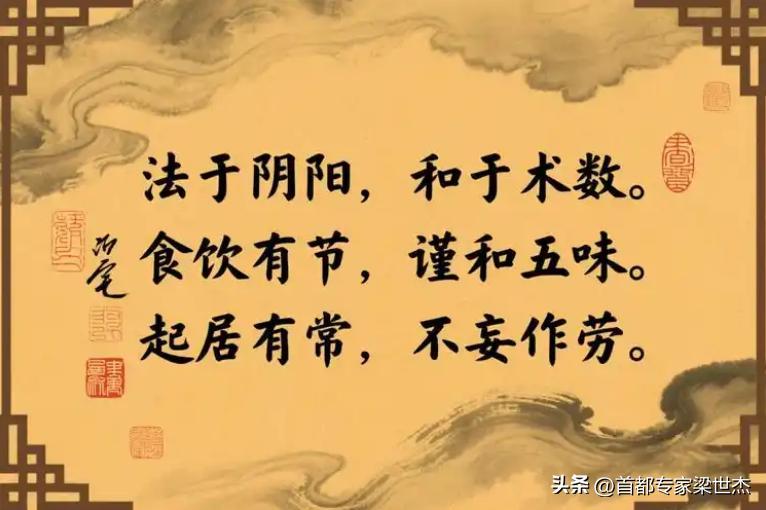
有人說不能用數學證明的科學全是僞科學!而《黃帝內經》早就提倡“法於陰陽,和於術數”。
干支與中醫,是中華文明寶庫中的兩顆璀璨明珠。它們承載着古人的智慧與心血,蘊含着人與自然和諧共生的深刻哲理。讓我們以敬畏之心去探索它們的奧祕,以嚴謹的態度去傳承它們的精髓,讓這一古老的智慧在現代社會中煥發出新的生機與活力,爲人類的健康事業做出更大的貢獻。因爲,只有真正掌握了干支與中醫的密碼,我們才能開啓一扇通往健康、和諧、美好的未來之門。
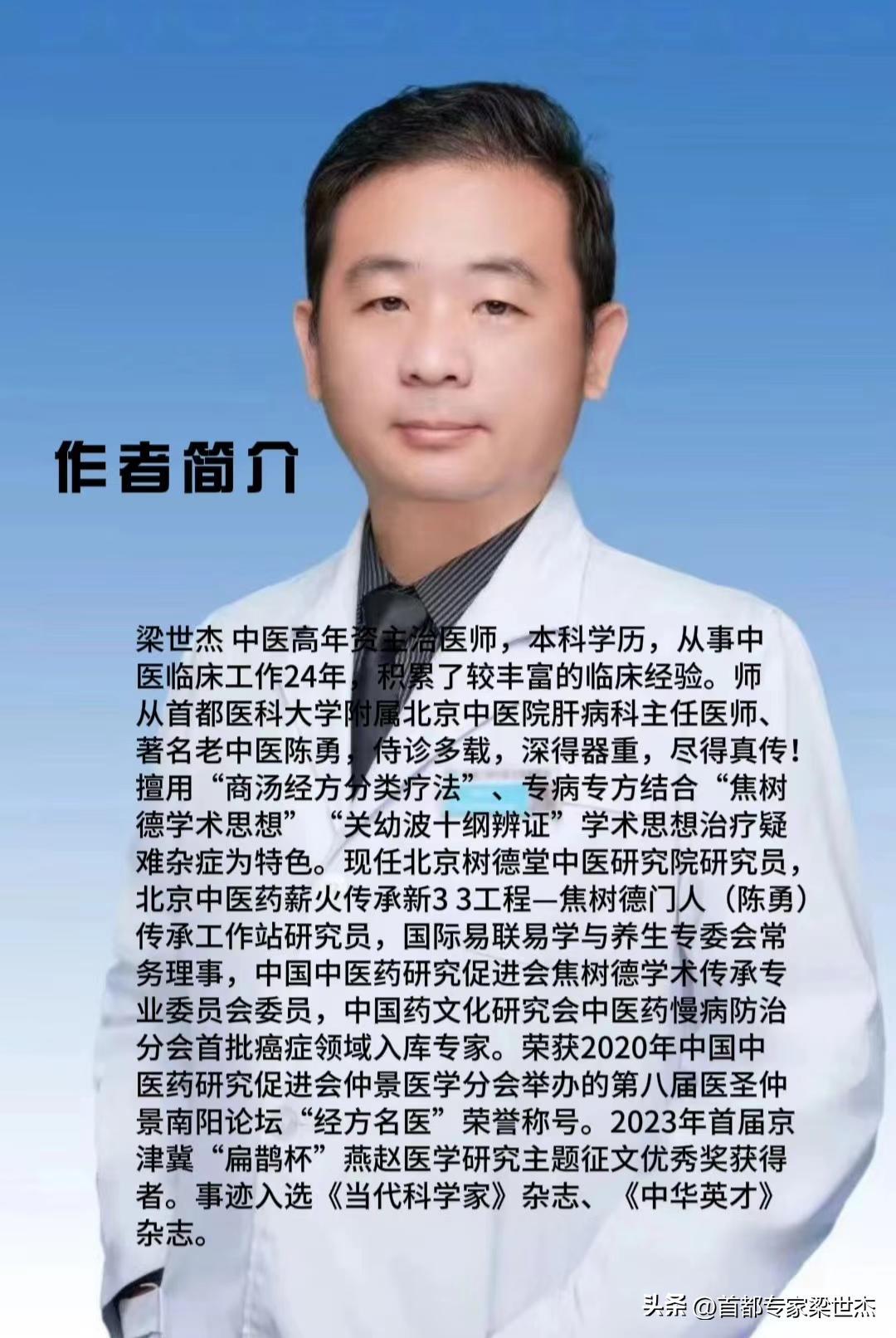
作者簡介:梁世傑 中醫高年資主治醫師,本科學歷,從事中醫臨牀工作24年,積累了較豐富的臨牀經驗。師從首都醫科大學附屬北京中醫院肝病科主任醫師、著名老中醫陳勇,侍診多載,深得器重,盡得真傳!擅用“商湯經方分類療法”、專病專方結合“焦樹德學術思想”“關幼波十綱辨證”學術思想治療疑難雜症爲特色。現任北京樹德堂中醫研究院研究員,北京中醫藥薪火傳承新3+3工程—焦樹德門人(陳勇)傳承工作站研究員,國際易聯易學與養生專委會常務理事,中國中醫藥研究促進會焦樹德學術傳承專業委員會委員,中國藥文化研究會中醫藥慢病防治分會首批癌症領域入庫專家。榮獲2020年中國中醫藥研究促進會仲景醫學分會舉辦的第八屆醫聖仲景南陽論壇“經方名醫”榮譽稱號。2023年首屆京津冀“扁鵲杯”燕趙醫學研究主題徵文優秀獎獲得者。事蹟入選《當代科學家》雜誌、《中華英才》雜誌。
Stem Mathematics: Unlocking the Code for Harmony between Chinese Medicine and Nature
In the vast river of Chinese civilization, the branching counting and the ageing are like two bright stars, shining not only as outstanding examples of the use of mathematics and numbers in ancient China, but also as indispensable cornerstones in the construction of the theoretical system of Chinese medicine. The seemingly mysterious branch symbols contain deep and unique insights from the ancient people about nature and life, and are like elaborate keys that open the door to harmonious coexistence between man and nature.
Tracing the origins of stem branches: shining pearls in the long line of civilization
The branching, an ancient and magical system of numerical symbols, dates back to the distant Shang Dynasty. At that time, the wise ancient people invented the method of writing things in stems, opening a unique and brilliant chapter in the history of human civilization. "Dry" is like the main stem of a giant tree, which is strong and upright, and has ten branches, namely, A, B, C, D, E, E, G, S, Y, Z, Y and Z;The "branchs," like the branches of a growing branch, are gentle and moving. There are twelve: son, oi, 寅, 卯, 辰, 巳, nm, wei, 申, 酉, 戌, and eh. These branches, paired with each other and repeated, form a large and orderly digital system, like a sophisticated astronomical calendar instrument, accurately recording the flow of time and the changes of everything.
The emperors of the Shang Dynasty, with their unique naming style, witnessed the important place of the branching in historical records. These majestic and mysterious names, Emperor Emperor Epsilon Emperor Ethan Emperor Eshin, etc., are written in the heavenly script, as if to tell the glories and the vicissitudes of that era. In the oracle bone inscription, Ganzhi is skillfully combined to record the trivial and important of every day. The ancients knew that only by careful observation could they discern the slight difference between today and yesterday. Only by truthfully documenting the differences from day to day can we form an accurate division of the seasons. Thus, in the mottled traces of the oracle bone inscription, we see the concept of year and month quietly emerge, every day is given a unique symbol of the Ganzhi, like the years of a coordinate, marking the five thousand years of Chinese civilization magnificent course.
Before the invention of the method of recording things by the forehead, the ancient people also used symbols, knots, and other means to record history. However, these methods ultimately appear to be clumsy and limited, making it difficult to meet the increasingly complex demands of recording. The emergence of the branching is undoubtedly a revolutionary change. It connects various things to numbers in simple and symbolic symbols, forming a unique and rigorous "school of numbers." The ancient people made a considerable effort to agree on the customary substitution of certain images for certain numbers, thus building the "xue of elephants and numbers." This scholarship is not only an abstract summary of natural phenomena, but also a major breakthrough in the way humans perceive the world.
The branches and the five organs: a harmonious symbiosis between nature and life
In the vast theoretical system of Chinese medicine, the correspondence between the branches and the five organs is like a beautiful and harmonious melody, which makes the wonderful melody of harmonious coexistence between man and nature. The ancient people believed that the human body''s five organs were closely related to the changes of the four seasons of nature, and there was a subtle and profound connection between them. Through the induction of this connection, the ancient people established a unique system model of harmony and unity between man and nature, laying a solid foundation for the development of traditional Chinese medicine theory.
The liver, in the eyes of the ancients, was full of life and vitality like spring. It harbors blood, is the basis of all activity, and provides a constant source of impetus for life. Therefore, the ancient people likened the liver to the symbol of spring, represented by the two digits A and B. A, which symbolizes the beginning of the rise of the sun, is like a seedling that breaks out of the ground in spring, full of thriving life; B, on the other hand, represents the nourishment of the negative spirit, which moisturizes everything like a spring rain, enabling life to thrive. The heart, Lord fire, Lord God, is as hot and passionate as the summer climate. It controls the mental activity of the human body, making our minds sharp and emotionally rich. Therefore, the ancient people allocated the two figures C and D to the heart; C is like the summer sun, and it is shining. Ding is like a star on a summer night, bright and mysterious. Spleen governing transportation and transformation, the main muscles and limbs, like the late summer and early autumn that full of vitality. It is responsible for converting food into nutrients that are delivered to all parts of the body to provide the necessary energy for life activities. Thus, the two figures E and E formed a mysterious connection with the spleen, E symbolizing the thickness and inclusion of the earth, and E representing the nourishment and nurturing of the earth. Lung governing qi, the Secretary for breathing, the main voice, as in autumn, clear and bright. It controls the body''s respiratory system, allowing us to breathe smoothly and loudly. The two digits of Ge and Sin became the symbol of the lung. Ge is like the golden wind of the autumn, refreshing and pleasant. Xin is like a bright moon on autumn nights, bright and bright. The kidney holds water, which is hidden by the spirit of the five internal organs, symbolizing the return of everything in winter. Huawei is like a huge warehouse, storing the essence of life, providing a guarantee for the continuation of life.The two figures, 壬 and癸, are closely related to the kidney. 壬 symbolizes the constant flow of rivers, and 癸 represents the moisture of rain and dew.
Through this clever correspondence, the ancient people tightly linked the human body''s five organs with the changes of the four seasons of nature to form an organic whole. This not only reflects the ancient people''s profound understanding of the relationship between nature and life, but also demonstrates the grand ambition of "heaven and man are one" in traditional Chinese medicine. For example, the theory of "the same origin of ethyl and sulfur" is a vivid expression of the correspondence between the branches and the five organs. Liver blood is liver negative and is represented by ethyl; The renal sperm is the renal yin and is represented by the qi. Blood and semen are the same source, just as ethyl and sulfur are the same origin, and they are interdependent and transformed, jointly maintaining the life activities of the human body. This theory not only has important guidance in the clinical practice of traditional Chinese medicine, but also gives us a deep sense of the deep and magical wisdom of the ancient people.
Keeping the Rules: Opening the Door to Traditional Chinese Wisdom
The mysteries of stem branches and traditional Chinese medicine are like a mysterious and deep treasure that awaits us to explore and discover. However, it is not easy to truly grasp the essence of this. It requires sharp insight, rigorous logical thinking and a deep cultural heritage. Only by mastering its laws and going deep into its essence can we fully integrate and grasp the enormous profoundness of traditional Chinese medicine theory.
In real life, we often see some people who know nothing about traditional Chinese medicine but blindly follow the trend, and so do others. They do not really understand the theoretical system of traditional Chinese medicine, but only one-sidedly pursue some so-called "potions" and "secret recipes," which often backfire, not only fail to cure the disease, but instead bring greater harm to the body. According to a survey, more than 60 percent of those who take Chinese medicine on their own have experienced adverse reactions due to improper use of the medication, with some serious cases. This fully shows that if we cannot understand the theory and methods of traditional Chinese medicine in depth, we will easily fall into a misunderstanding and cannot truly benefit from the wisdom of traditional medicine.
On the contrary, those who truly master the laws of TCM can wander freely in the sea of TCM, applying the theories and methods of TCM to protect people''s health. They know that traditional Chinese medicine is not only a technique for treating diseases, but also a profound understanding of life and nature. They accurately judge the patient''s condition through diagnostic methods such as looking, smelling, asking, and cutting. A personalized treatment plan is developed based on factors such as the patient''s physical condition, condition and seasonal changes. They apply the theory of sexual and taste regeneration in traditional Chinese medicine, and rationally match the drugs so that the drugs can exert maximum therapeutic effect. Combined with acupuncture, massage, cupping and other appropriate techniques of Chinese medicine, dredge the meridians, harmonizing qi and blood, to achieve the purpose of treatment, physical fitness. According to statistics, in the treatment of some common diseases, such as colds, cough, insomnia, cervical spondylosis, etc., the effective rate of up to 80%, fully demonstrated the unique advantages of traditional Chinese medicine and strong vitality.
Some say that all science that cannot be proved by mathematics is pseudoscience! The Huangdi Yin scripture has long advocated "law for yin and yang, and law for magic numbers."
The dried vegetables and traditional Chinese medicine are two bright pearls in the treasure trove of Chinese civilization. They bear the wisdom and heartfelt wisdom of the ancient people and contain the profound philosophy of harmonious coexistence between man and nature. Let us explore their mysteries with awe and pass on their essence with rigor, so that this ancient wisdom can breathe new life and vitality in modern society and make greater contributions to human health. Because only by truly mastering the codes of traditional Chinese medicine and traditional medicine can we open a door to a healthy, harmonious and beautiful future.
Author Bio: Liang Shijie is a senior medical practitioner in traditional Chinese medicine with an undergraduate degree. He has been engaged in traditional medicine clinical work for 24 years and has accumulated a wealth of clinical experience. Following Chen Yong, chief physician of liver disease at Beijing Traditional Medicine Hospital, affiliated with Capital Medical University, and renowned old Chinese medicine, he has been treated for many years and received great attention. He specializes in the treatment of difficult diseases using "conversational traditional therapy" and special treatments combined with the academic ideas of Jiao Shude and Guan Yubo''s ten-level diagnosis.He is currently a researcher at the Shude Tang TCM Research Institute in Beijing, a fellow at the new 3 + 3 project of traditional Chinese medicine flame inheritance in Beijing - a scholar at the inheritance workstation of Jiao Shude''s protégés (Chen Yong),He is a standing committee member of the International Expert Committee on E-learning and Health Care, a member of the Jiao Shude Academic Heritage Special Committee of the Chinese Association for the Advancement of Chinese Medicine Research, and the first cancer specialist to be included in the chapter of the Chinese Pharmaceutical Culture Research Association. Won the 2020 China Association for the Promotion of Traditional Chinese Medicine Zhongjing Medical Branch held the eighth session of the Medical Saint Zhongjing Nanyang Forum "Classic Prescription Famous Doctor" honorary title. The winner of the first Beijing-Tianjin-Hebei "Pingui Cup" Yanzhao Medical Research Essay Award in 2023. His work was featured in the journal Current Scientist and the journal Chinese Talent.