梁世傑:探西醫療法中醫屬性,開啓中西醫結合新航道
在醫學發展的漫漫征途中,中西醫結合宛如一座熠熠生輝的燈塔,爲攻克人類健康難題指引着方向。而深入研究西醫療法的中醫屬性,恰似在這座燈塔下挖掘出一條隱祕卻充滿潛力的通道,有利於在以中醫爲主導思想的診療框架下,更爲順暢且高效地開展中西醫結合工作。
西醫之術,暗藏中醫之韻
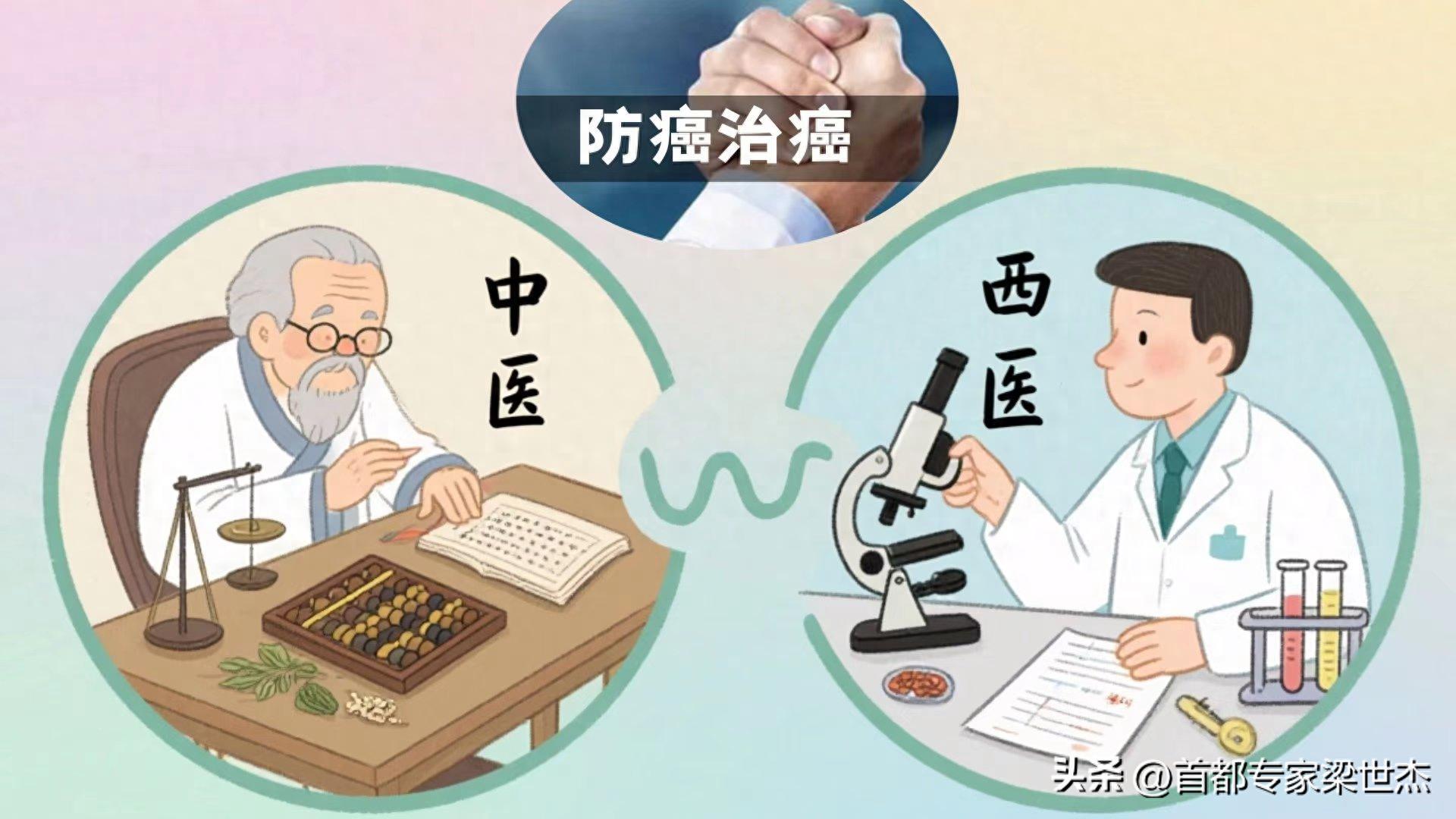
從表面看,西醫與中醫猶如兩條並行卻風格迥異的軌道,西醫以精準的解剖學、生理學爲基礎,藉助先進的儀器設備和化學藥物,直擊疾病病竈;中醫則秉持整體觀念和辨證論治,通過望、聞、問、切收集信息,運用中藥、鍼灸等手段調和人體陰陽平衡。然而,當我們撥開表象的迷霧,深入探究西醫療法,會發現其中暗藏着諸多與中醫屬性相契合的元素。
以抗生素治療爲例,在西醫體系中,抗生素是針對細菌感染的“利器”,通過抑制或殺滅細菌來消除炎症。從中醫角度看,這類似於中醫“祛邪”的治則。當人體受到外邪(細菌)侵襲,出現發熱、紅腫等炎症表現時,抗生素就如同中醫裏驅散外邪的方劑,幫助人體恢復正氣與邪氣的平衡。據相關統計,在常見的呼吸道感染治療中,合理使用抗生素可使患者的康復時間平均縮短 3 - 5 天,這與中醫及時祛邪以促進病情好轉的理念不謀而合。
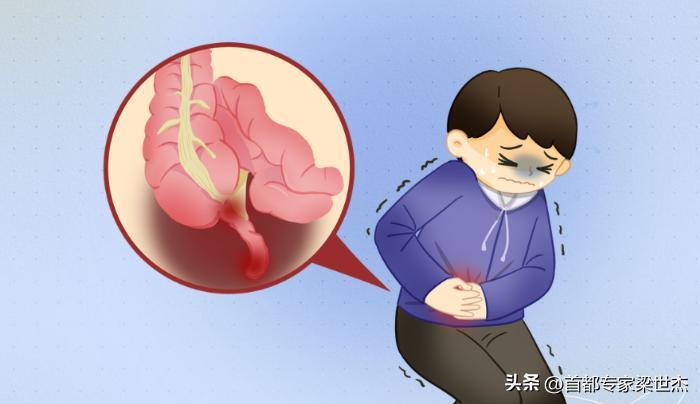
再如手術療法,西醫通過精確的手術操作去除病變組織。在一些情況下,這類似於中醫“急則治標”的策略。當人體出現嚴重的急症,如急性闌尾炎導致腹部劇痛、生命體徵不穩定時,手術切除病變的闌尾,迅速緩解症狀,防止病情進一步惡化,爲後續的調理和康復創造條件。這就如同中醫在面對危急重症時,先採取果斷措施解決眼前的緊急問題,再圖長遠的治療。
中醫主導,融合西醫之長
以中醫爲主導思想開展診療,強調的是整體觀念和個體化治療。中醫將人體視爲一個有機的整體,注重人與自然、社會的和諧統一,認爲疾病的發生是人體內部陰陽失衡、氣血不暢以及外邪侵襲等多種因素共同作用的結果。在這種理念下,深入研究西醫療法的中醫屬性,能夠更好地將西醫的優勢融入中醫診療體系。
在腫瘤治療領域,中醫主導的診療模式注重扶正祛邪。西醫的手術、化療、放療等手段在去除腫瘤病竈方面具有顯著效果,但同時也可能對人體正氣造成一定損傷。此時,若能從中醫屬性角度理解這些西醫療法,將其視爲“祛邪”的強力手段,同時在治療過程中配合中醫的扶正療法,如使用益氣養血的中藥方劑,可有效減輕西醫治療的副作用,提高患者的生存質量。有臨牀研究表明,在腫瘤患者接受化療期間,配合中醫扶正治療,患者的白細胞減少、噁心嘔吐等不良反應發生率可降低約 30%,且患者的身體恢復速度明顯加快。
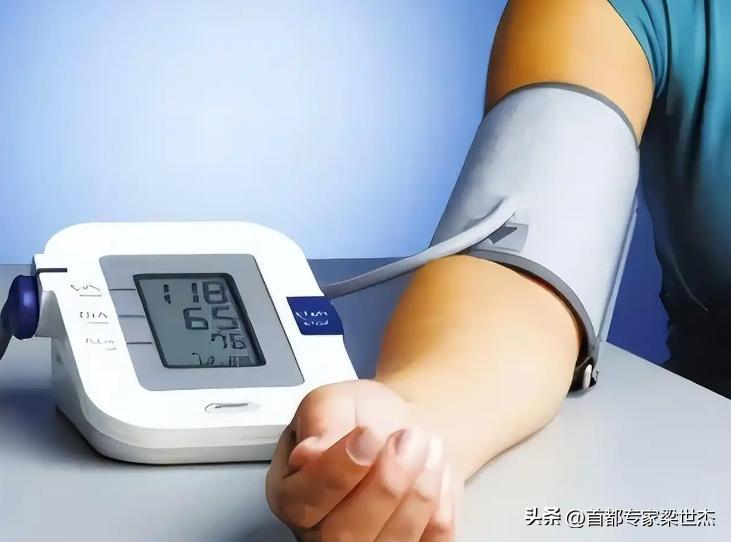
在慢性病管理方面,中醫主導的診療強調辨證論治和長期調理。西醫的一些慢性病治療方法,如降壓藥、降糖藥的使用,可看作是中醫“維持陰陽平衡”的一種方式。通過長期服用藥物控制血壓、血糖,使人體處於相對穩定的狀態。而中醫可以根據患者的具體體質和病情變化,調整用藥方案,同時結合鍼灸、推拿等中醫特色療法,進一步改善患者的身體機能。例如,對於高血壓患者,中醫在患者服用西藥降壓的同時,根據其肝陽上亢或肝腎陰虛等不同證型,開具相應的中藥方劑進行調理,可使患者的血壓控制更加平穩,減少併發症的發生。據統計,採用中西醫結合方式管理的高血壓患者,其心血管事件的發生率較單純使用西醫治療的患者降低了約 20%。
破壁壘之障,築融合之基
然而,要實現以中醫爲主導思想下西醫療法中醫屬性的深入研究以及中西醫結合的順利開展,並非一帆風順。當前,醫學領域存在着學科壁壘,西醫和中醫在理論體系、診斷方法、治療手段等方面存在較大差異,導致兩者之間的交流與合作不夠深入。一些西醫醫生對中醫理論缺乏瞭解,難以從中醫角度認識西醫療法;而部分中醫醫生對西醫的先進技術和理念掌握不足,無法有效整合西醫資源。
爲了打破這些壁壘,我們需要加強醫學教育中的中西醫結合內容,培養既精通中醫又熟悉西醫的複合型人才。同時,開展更多的中西醫結合科研項目,鼓勵西醫和中醫醫生共同參與,從臨牀實踐和基礎研究中探索西醫療法的中醫屬性。此外,建立完善的中西醫結合診療規範和評價體系,確保中西醫結合治療的安全性和有效性。
共築健康,譜中西醫結合新篇
研究西醫療法的中醫屬性,是以中醫爲主導思想開展中西醫結合的關鍵一步。它爲我們打開了一扇新的大門,讓我們能夠從不同的視角認識和治療疾病。在這個過程中,我們既要堅守中醫的核心理念和特色優勢,又要以開放包容的心態吸收西醫的精華。
讓我們攜手共進,跨越學科之間的鴻溝,在中醫與西醫的交融中尋找攻克疾病的最佳方案。因爲,無論是中醫還是西醫,我們的最終目標都是爲了人類的健康福祉。通過深入研究西醫療法的中醫屬性,推動中西醫結合向更深層次發展,我們必將爲醫學事業的發展開闢一片嶄新的天地,爲更多患者帶來希望和光明。在這條充滿挑戰與機遇的道路上,讓我們以堅定的信念和不懈的努力,共同譜寫中西醫結合的壯麗篇章。
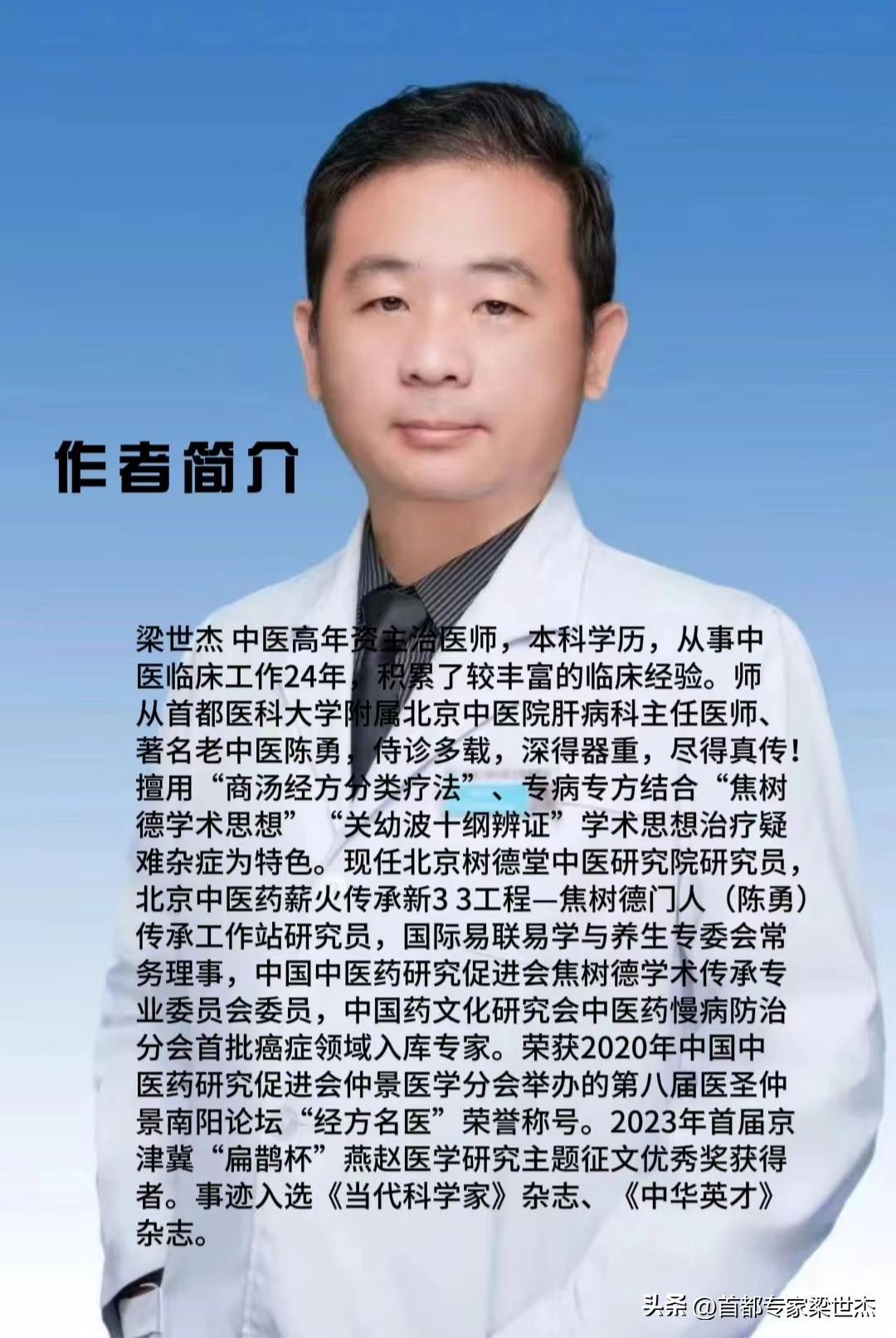
作者簡介:梁世傑 中醫高年資主治醫師,本科學歷,從事中醫臨牀工作24年,積累了較豐富的臨牀經驗。師從首都醫科大學附屬北京中醫院肝病科主任醫師、著名老中醫陳勇,侍診多載,深得器重,盡得真傳!擅用“商湯經方分類療法”、專病專方結合“焦樹德學術思想”“關幼波十綱辨證”學術思想治療疑難雜症爲特色。現任北京樹德堂中醫研究院研究員,北京中醫藥薪火傳承新3+3工程—焦樹德門人(陳勇)傳承工作站研究員,國際易聯易學與養生專委會常務理事,中國中醫藥研究促進會焦樹德學術傳承專業委員會委員,中國藥文化研究會中醫藥慢病防治分會首批癌症領域入庫專家。榮獲2020年中國中醫藥研究促進會仲景醫學分會舉辦的第八屆醫聖仲景南陽論壇“經方名醫”榮譽稱號。2023年首屆京津冀“扁鵲杯”燕趙醫學研究主題徵文優秀獎獲得者。事蹟入選《當代科學家》雜誌、《中華英才》雜誌。
Liang Shijie: Exploring the traditional Chinese medicine properties of Western medicine, opening a new channel for integrated Chinese and Western medicine
In the long march of medical development, the combination of Chinese and Western medicine is like a shining beacon, guiding the way to overcome human health challenges. Deeply studying the traditional Chinese character of Western medical methods is like excavating a hidden but full potential tunnel under this lighthouse, which is conducive to more smooth and efficient coordination of Chinese and Western medicine within the framework of traditional Chinese medicine-led clinical care.
The technique of Western medicine hides the charm of Chinese medicine
On the surface, Western medicine and traditional Chinese medicine are like two parallel but very different tracks. Western medicine is based on precise anatomy and physiology, and with the help of advanced instruments and chemical drugs, directly strikes the disease lesions. TCM, on the other hand, adheres to holistic concepts and dialectical healing, collects information by looking, smelling, asking, and cutting, and uses traditional Chinese medicine and acupuncture to reconcile yin and yang balance in the human body. However, when we dispel the apparent fog and delve deeper into Western medical practice, we find that there are many elements that align with the attributes of Chinese medicine.
Take antibiotic treatment, for example. In the Western medical system, antibiotics are "sharp instruments" for bacterial infections, eliminating inflammation by inhibiting or killing the bacteria. From the perspective of traditional Chinese medicine, this is similar to the traditional Chinese principle of "removing evil." When the human body is invaded by external evil (bacteria) and develops inflammatory manifestations such as fever, redness and swelling, antibiotics are like prescriptions in Chinese medicine to disperse external evil and help the body restore the balance between positive and evil spirits. According to relevant statistics, in the treatment of common respiratory infections, the rational use of antibiotics can shorten the recovery time of patients by an average of 3 to 5 days, which coincides with the concept of traditional Chinese medicine to cure evil in time to promote the betterment of the condition.
Like surgical therapy, Western medicine removes diseased tissue through precise surgical operations. In some cases, this is similar to the TCM "symptomatic treatment in acute condition" approach. When the human body develops severe acute diseases, such as acute appendicitis causing severe abdominal pain and unstable vital signs, surgery to remove the diseased appendix quickly relieves the symptoms, prevents further deterioration of the condition, and creates conditions for subsequent conditioning and rehabilitation. This is like when faced with a critical illness, traditional Chinese medicine first takes decisive measures to solve the immediate emergency problem before attempting long-term treatment.
Traditional Chinese Medicine dominates, integrating the benefits of Western medicine
Traditional Chinese medicine is the leading ideology for clinical treatment, which emphasizes holistic concepts and individualized treatment. TCM regards the human body as an organic whole, focuses on the harmony and unity of man and nature and society, and believes that the occurrence of diseases is the result of the combination of many factors such as yin and yang imbalance, imbalance of qi and blood, and external evil invasion. Under this concept, in-depth study of the traditional Chinese nature of Western medical law can better incorporate the advantages of Western medicine into the traditional therapeutic system.
In the field of cancer treatment, the therapeutic model led by traditional Chinese medicine focuses on correcting and eliminating evil. Western medicine''s surgery, chemotherapy, radiation and other means have a significant effect in removing tumor lesions, but at the same time, they may cause certain damage to the human qi. At this time, if we can understand these Western therapies from the perspective of Chinese medicine as a powerful means of "evil," and at the same time in the course of treatment with Chinese medicine, such as the use of Yiqi Yangxue Chinese medicine, can effectively reduce the side effects of Western treatment, improve the quality of life. Clinical studies have shown that during the period of cancer patients receiving chemotherapy, with traditional Chinese medicine treatment, patients with white blood cell reduction, nausea and vomiting and other adverse reactions can be reduced by about 30%, and the recovery rate of patients was significantly accelerated.
In the management of chronic diseases, the diagnosis and treatment led by traditional Chinese medicine emphasizes dialectical treatment and long-term conditioning. Some of the treatment methods of chronic diseases in Western medicine, such as the use of blood pressure and sugar lowering drugs, can be seen as a way of "maintaining yin and yang balance" in traditional Chinese medicine. By taking drugs for a long time to control blood pressure and blood sugar, the human body is in a relatively stable state. TCM can adjust the medication plan according to the specific physical condition and the changes of the patient, and combine acupuncture, massage and other special therapeutic methods of TCM to further improve the patient''s physical function. For example, for patients with hypertension, while the patient takes Western medicine to reduce blood pressure, the corresponding Chinese medicine formulation is prescribed for the treatment according to the different manifestations such as hyperthyroidism or liver and kidney weakness, which can make the patient''s blood pressure control more smooth and reduce the occurrence of complications. According to statistics, the incidence of cardiovascular events in patients with hypertension managed by a combination of Chinese and Western medicine is reduced by about 20% compared to patients who use Western medicine alone.
Break down barriers and build a foundation for integration
However, it is not easy to achieve the in-depth study of the characteristics of Western medical treatment under the traditional Chinese medicine as well as the smooth completion of the combination of Western medicine with Chinese medicine as the leading ideology. At present, there are disciplinary barriers in the field of medicine, and Western medicine and traditional Chinese medicine have great differences in theoretical systems, diagnostic methods, and treatment methods, which makes communication and cooperation between the two does not go far enough. Some Western doctors lack understanding of traditional Chinese medicine theory and have difficulty in understanding Western medical practice from a traditional Chinese perspective. Some traditional Chinese medicine practitioners do not have enough knowledge of Western medicine''s advanced technology and concepts to effectively integrate Western medicine resources.
To break down these barriers, we need to strengthen the integration of Chinese and Western medicine in medical education and cultivate composite talents who are both proficient in Chinese medicine and familiar with Western medicine. At the same time, more research projects to combine Chinese and Western medicine are carried out, and Western medicine and traditional Chinese medicine doctors are encouraged to participate in exploring the traditional Chinese properties of Western medicine from clinical practice and basic research. In addition, the establishment of integrated traditional Chinese and western medicine diagnosis and treatment standards and system of evaluation to ensure that the treatment of integrated traditional Chinese and western medicine safe and effective.
Building health together, a new chapter in combining Western medicine
Studying the traditional Chinese character of Western medicine is a crucial step in developing the combination of Chinese and Western medicine with traditional Chinese medicine as the leading idea. It has opened a new door for us to recognize and treat disease from a different perspective. In this process, we must not only adhere to the core concepts and characteristics of traditional Chinese medicine, but also absorb the essence of Western medicine with an open and inclusive mindset.
Let us work together to bridge the gap between disciplines and find the best way to cure diseases in the intersection of traditional Chinese medicine and Western medicine. Because, whether it is traditional Chinese medicine or Western medicine, our ultimate goal is for the health and well-being of mankind. By in-depth studying the traditional Chinese nature of Western medical law and promoting the development of integrated Chinese and Western medicine to a deeper level, we will surely open a new landscape for the development of medical science and bring hope and light to more patients. On this path full of challenges and opportunities, let us work together to write a splendid chapter in the combination of Chinese and Western medicine with firm conviction and unremitting efforts.
Author Bio: Liang Shijie is a senior medical practitioner in traditional Chinese medicine with an undergraduate degree. He has been engaged in traditional medicine clinical work for 24 years and has accumulated a wealth of clinical experience. Following Chen Yong, chief physician of liver disease at Beijing Traditional Medicine Hospital, affiliated with Capital Medical University, and renowned old Chinese medicine, he has been treated for many years and received great attention. He specializes in the treatment of difficult diseases using "conversational traditional therapy" and special treatments combined with the academic ideas of Jiao Shude and Guan Yubo''s ten-level diagnosis.He is currently a researcher at the Shude Tang TCM Research Institute in Beijing, a fellow at the new 3 + 3 project of traditional Chinese medicine flame inheritance in Beijing - a scholar at the inheritance workstation of Jiao Shude''s protégés (Chen Yong),He is a standing committee member of the International Expert Committee on E-learning and Health Care, a member of the Jiao Shude Academic Heritage Special Committee of the Chinese Association for the Advancement of Chinese Medicine Research, and the first cancer specialist to be included in the chapter of the Chinese Pharmaceutical Culture Research Association. Won the 2020 China Association for the Promotion of Traditional Chinese Medicine Zhongjing Medical Branch held the eighth session of the Medical Saint Zhongjing Nanyang Forum "Classic Prescription Famous Doctor" honorary title. The winner of the first Beijing-Tianjin-Hebei "Pingui Cup" Yanzhao Medical Research Essay Award in 2023. His work was featured in the journal Current Scientist and the journal Chinese Talent.