醫道尋真:破單一因果之繭,探複雜系統之祕
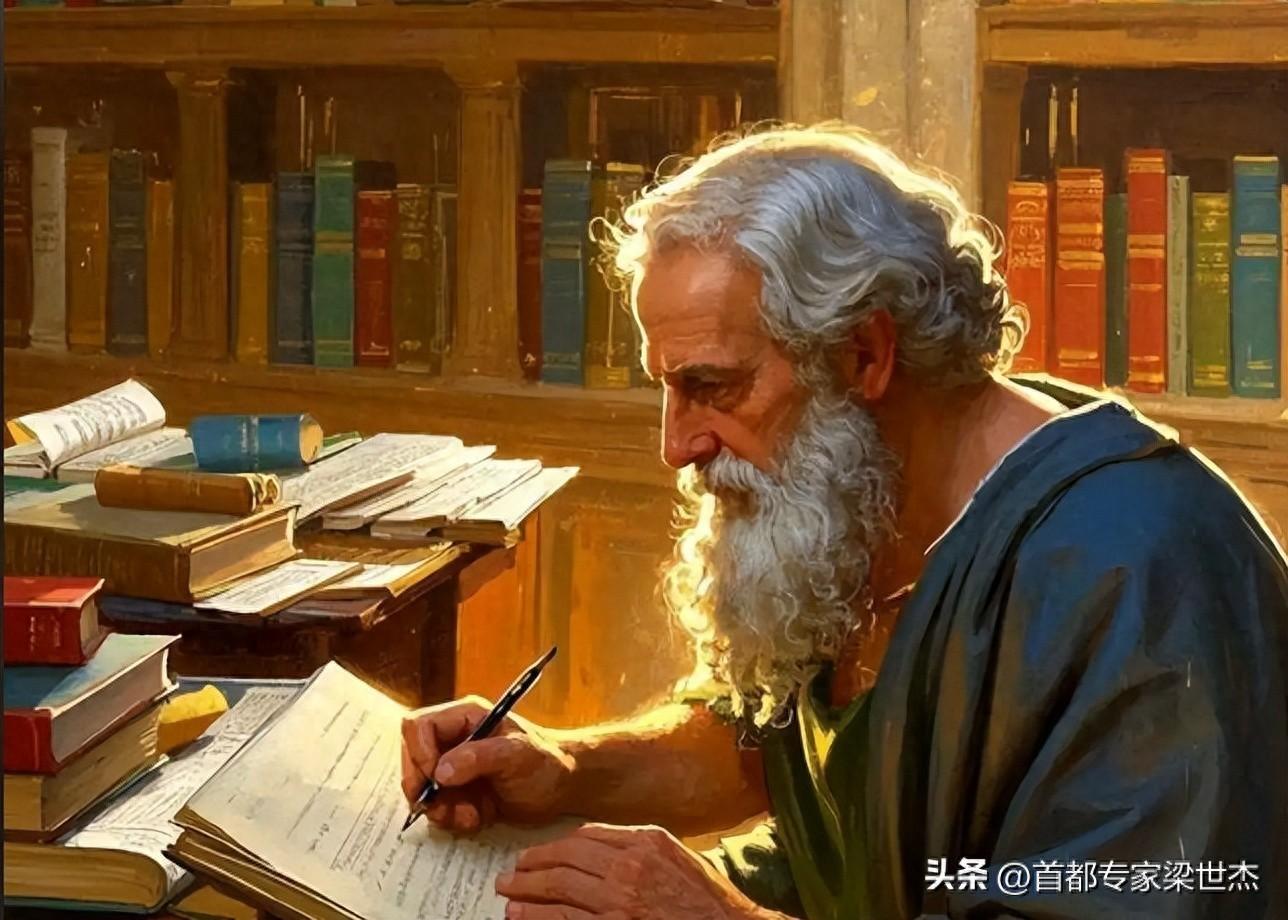
在人類探索醫道的漫漫征途中,亞里士多德那句“凡是科學的東西都應該揭示其因果關係或原理關係”,如同一座明亮的燈塔,長久以來指引着我們對醫學真理的不懈追尋。它宛如古老智慧的低語,在我們心中種下了對因果邏輯執着探尋的種子。然而,當我們真正踏入醫學這片廣袤而神祕的森林,卻驚覺,這世間疾病的因果關係,遠非單一的線條所能勾勒。
單一因果:理想化的夢幻泡影
在醫學的舞臺上,單一因果關係就像一場美好的童話,看似邏輯清晰、因果分明,實則與現實的複雜局面格格不入。就拿常見的感冒來說,在人們的傳統認知裏,感冒或許就是由受涼或者病毒感染這一單一因素引發的。可當我們深入探究,就會發現遠非如此簡單。據相關醫學研究統計,在感冒患者中,僅有不到三成能明確指出單一誘因。更多時候,是多種因素交織在一起,如身體疲勞導致免疫力下降,恰逢氣候變化、接觸病原體等,多種條件如同精密的齒輪相互咬合,才引發了感冒這一病症。
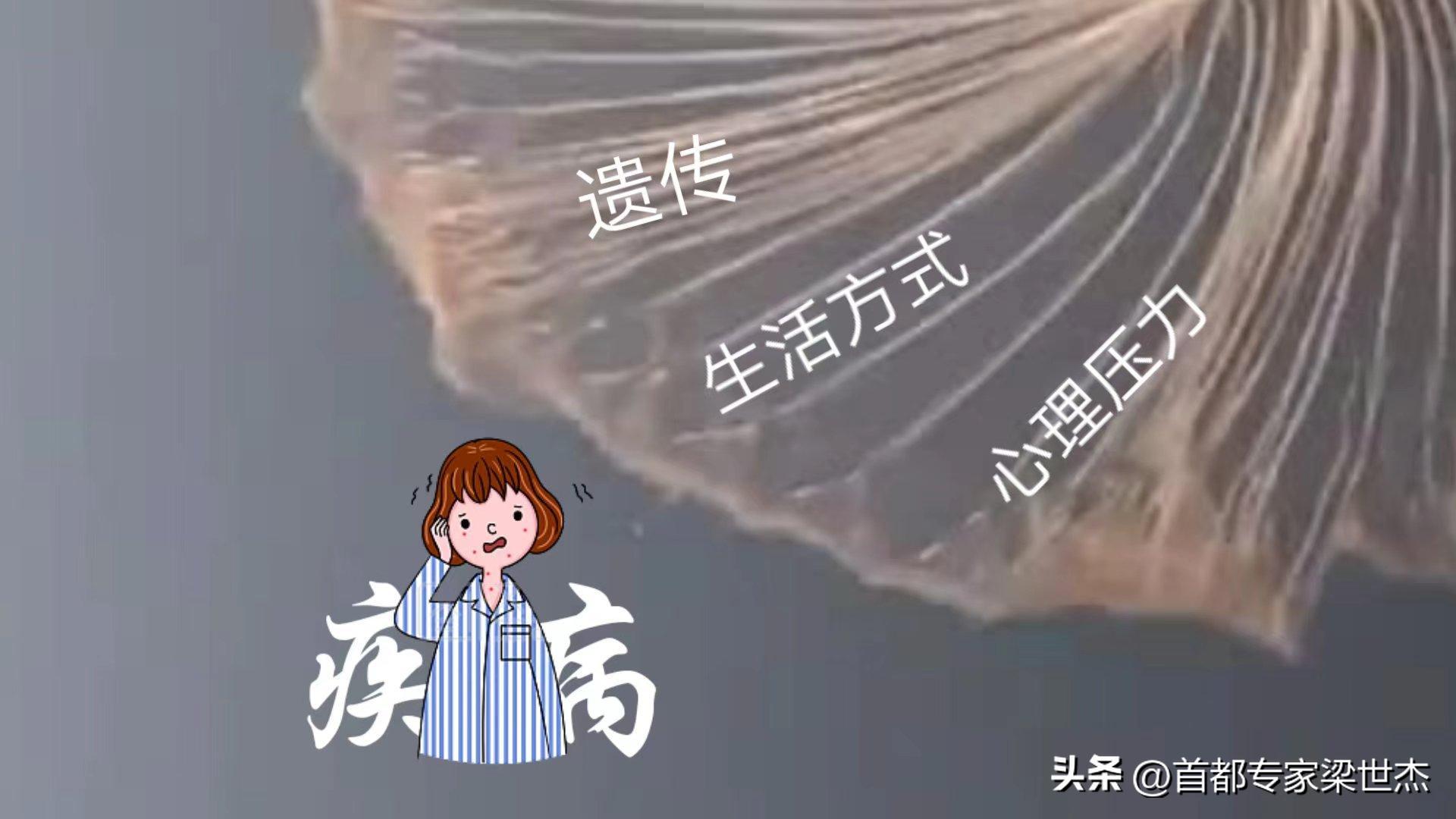
西醫在探尋病因和疾病發展邏輯時,雖然藉助先進的檢測技術和科學的研究方法,但面對複雜疾病,也常常陷入困境。以心血管疾病爲例,表面上看,高血壓、高血脂、吸菸等因素似乎各自獨立又相互關聯地影響着心血管健康。然而,深入研究發現,遺傳因素、生活方式、心理壓力等衆多因素,就像一張無形的大網,共同編織着心血管疾病的發生發展。單一地將某種因素歸結爲心血管疾病的病因,無疑是對疾病複雜性的極大簡化,如同用一把鈍刀去解剖精密的儀器,難以觸及本質。
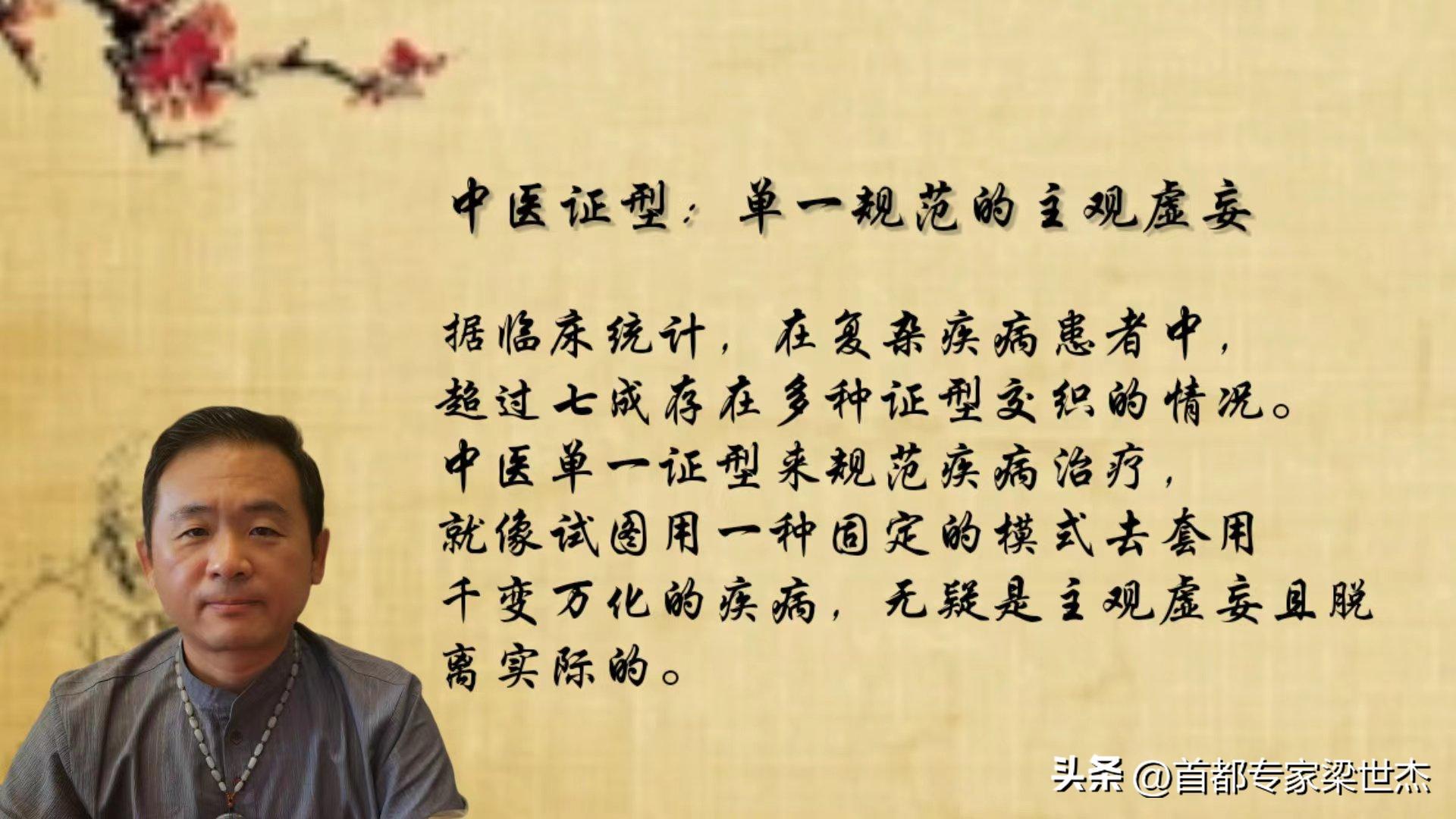
中醫證型:單一規範的主觀虛妄
中醫,這門承載着千年智慧的古老醫學,在病因、病機的探尋上同樣面臨着單一證型規範的挑戰。中醫講究辨證論治,將疾病分爲各種證型,試圖以此規範疾病的治療。然而,現實中的疾病卻常常不按“證型”出牌。
比如,一位患者同時患有失眠、胃痛和月經不調三種病症。從中醫角度看,失眠可能與心腎不交有關,胃痛或許是脾胃虛寒所致,月經不調則可能涉及肝鬱氣滯。若用單一的證型去規範治療,要麼只針對失眠,要麼只着眼於胃痛,要麼只調理月經不調,無疑會顧此失彼。據臨牀統計,在複雜疾病患者中,超過七成存在多種證型交織的情況。這就好比一場多聲部的交響樂,每個聲部都有其獨特的旋律,若只強調其中一個聲部,而忽略其他聲部的和諧,整首曲子必然變得雜亂無章。中醫單一證型來規範疾病治療,就像試圖用一種固定的模式去套用千變萬化的疾病,無疑是主觀虛妄且脫離實際的。
複雜模糊:世界的真實底色
世界上的事物,恰似一幅絢麗多彩又充滿神祕色彩的畫卷,既有着簡單的線條,又蘊含着複雜的紋理。複雜和模糊,纔是這個世界大部分事物的本來面目。真正的簡單或精確,往往只存在於人的意識之中,是我們爲了便於理解和把握世界而構建的理想模型。
醫學領域更是如此。疾病的發生發展,就像一場錯綜複雜的棋局,每一步都受到多種因素的影響。以癌症爲例,其發病機制涉及基因突變、環境因素、免疫系統失衡等多個層面。據研究,一種癌症的發生可能涉及數十個甚至上百個基因的改變,同時環境中的化學物質、輻射、病毒感染等因素也起着推波助瀾的作用。免疫系統就像身體的衛士,當它與癌細胞之間的平衡被打破,癌症便可能悄然滋生。如此複雜的因果關係,豈是單一的因果邏輯所能解釋清楚的?
醫道新途:接納複雜,擁抱系統
既然單一因果關係在醫學中難以立足,複雜和模糊纔是疾病的真實寫照,那麼我們該如何在醫學的道路上繼續前行呢?答案便是接納複雜,擁抱系統。
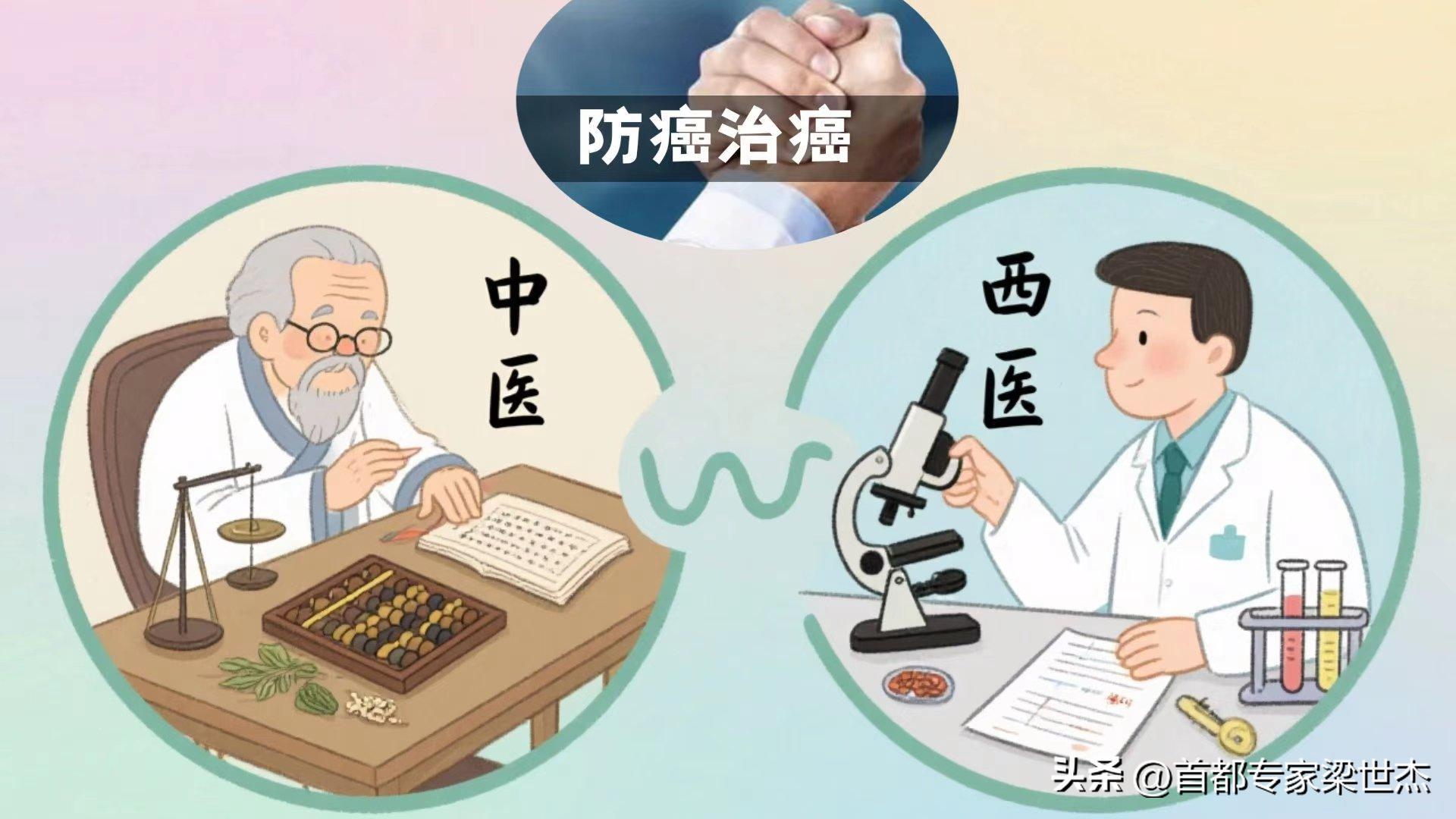
醫學研究應朝着系統醫學的方向發展,運用系統生物學、複雜網絡分析等先進方法,全面、動態地研究疾病的發生發展機制。就像構建一座宏偉的城市,不僅要關注每一棟建築的構造,更要考慮它們之間的交通、能源、環境等系統的相互關係。在治療疾病時,也應採用綜合治療的方法,比如西醫的聯合療法以及中醫多病機交織時的“合方”治療,而不是過分地強調簡單疾病處方藥物的君臣角色!又或者整合中醫和西醫的優勢,根據患者的具體情況,制定個性化的治療方案。
同時,我們作爲醫者或患者,都應調整對醫學的期望。不要奢望醫學能給出簡單而明確的因果關係,就像不要期望生活能永遠一帆風順一樣。要以開放、包容的心態,接納疾病治療過程中的不確定性和複雜性。
在醫道尋真的征程中,我們破除了單一因果關係的繭縛,看到了複雜系統背後的真相。讓我們以更加謙遜和智慧的姿態,在這充滿挑戰與機遇的醫學之路上繼續探索,爲人類的健康福祉貢獻我們的力量。因爲,只有真正理解了醫學的複雜本質,我們才能在這片神祕的醫學森林中,找到通往健康的光明之路。
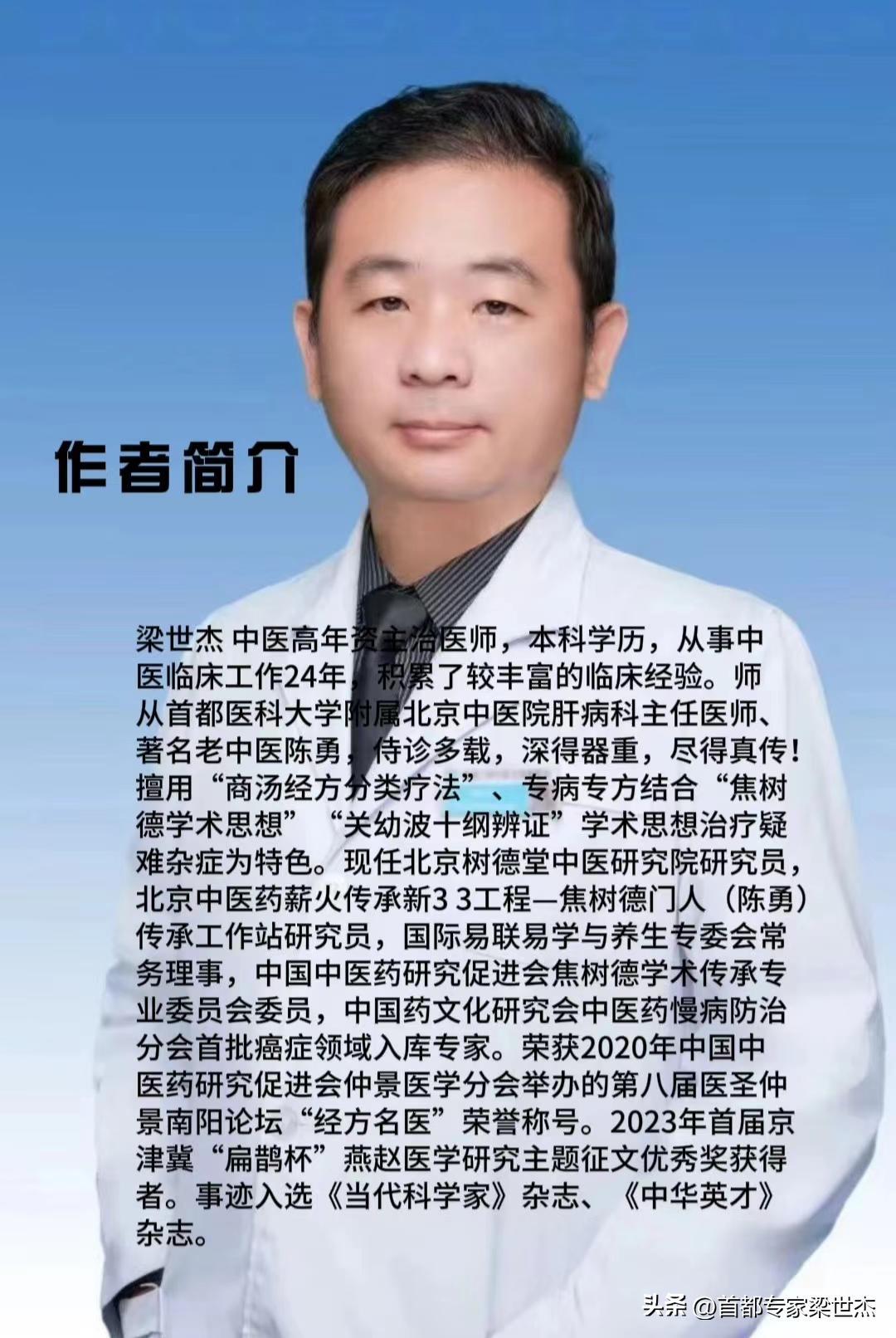
作者簡介:梁世傑 中醫高年資主治醫師,本科學歷,從事中醫臨牀工作24年,積累了較豐富的臨牀經驗。師從首都醫科大學附屬北京中醫院肝病科主任醫師、著名老中醫陳勇,侍診多載,深得器重,盡得真傳!擅用“商湯經方分類療法”、專病專方結合“焦樹德學術思想”“關幼波十綱辨證”學術思想治療疑難雜症爲特色。現任北京樹德堂中醫研究院研究員,北京中醫藥薪火傳承新3+3工程—焦樹德門人(陳勇)傳承工作站研究員,國際易聯易學與養生專委會常務理事,中國中醫藥研究促進會焦樹德學術傳承專業委員會委員,中國藥文化研究會中醫藥慢病防治分會首批癌症領域入庫專家。榮獲2020年中國中醫藥研究促進會仲景醫學分會舉辦的第八屆醫聖仲景南陽論壇“經方名醫”榮譽稱號。2023年首屆京津冀“扁鵲杯”燕趙醫學研究主題徵文優秀獎獲得者。事蹟入選《當代科學家》雜誌、《中華英才》雜誌。
Authenticity in Medicine: Breaking the veil of single cause and effect and discovering the secrets of complex systems
In the long journey of human exploration of medical science, Aristotelian statement that "all scientific things should reveal their cause and effect relationship," like a bright beacon, has long guided us in the pursuit of medical truth. It is like a whisper of ancient wisdom that plants the seeds in our minds for a persistent search for causal logic. However, when we step into the vast and mysterious forest, we are shocked to find that the cause and effect relationship in the world is far from a single line.
A single cause and effect: an idealized dream bubble
In the medical arena, single cause and effect relationship is just like a beautiful fairy tale. Take the common cold, which is conventionally believed to be caused by a single factor - cold or viral infection. But when we dig deeper, we find that it''s far from simple. According to relevant medical research statistics, less than 30% of cold patients can pinpoint a single trigger. More often, it''s a combination of factors, such as fatigue, climate change, exposure to pathogens, and so on. It''s a complex cog in the causative agent.
When searching for the causes and the logic of disease development, Western medicine, although using advanced detection technology and scientific research methods, is often stuck in the face of complex diseases. Taking cardiovascular disease as an example, on the surface, factors such as high blood pressure, high blood lipids, and smoking seem to influence cardiovascular health independently and interrelatedly. However, in-depth research has found that many factors such as genetic factors, lifestyle, and psychological stress are like an invisible web, co-woven together to weave the occurrence and development of cardiovascular disease. Simply attributing a certain factor to the cause of cardiovascular disease is undoubtedly a great simplification of the complexity of the disease, like dissecting a precision instrument with a blunt knife, which is difficult to reach the essence.
TCM phenotype: subjective falsehood of a single norm
Traditional Chinese medicine, an ancient medicine that carries thousands of years of wisdom, also faces the challenge of a single proof-of-fact norm in the search for causes and causes of diseases. TCM is concerned with dialectical treatment, dividing the disease into various manifestations and attempting to regulate the treatment of the disease. However, real-world diseases often do not play by "phenotype."
For example, one patient suffered from insomnia, stomach pain and menstrual irregularities at the same time. From the perspective of traditional Chinese medicine, insomnia may be related to lack of intercourse between the heart and kidney, stomach pain may be caused by coldness of the spleen and stomach, and menstrual irregularities may involve liver depression and stagnation. Using a single phenotype to regulate treatment, either for insomnia, stomach pain, or menstrual irregularities, would undoubtedly fail. According to clinical statistics, more than 70 percent of patients with complex diseases have multiple manifestations. This is like a multi-vocal symphony, each of which has its own unique melody, and if you emphasize only one of the voices and ignore the harmony of the others, the whole piece will become chaotic. The single manifestation of traditional Chinese medicine to regulate disease treatment is like trying to apply a fixed model to a wide variety of diseases, which is undoubtedly subjective and unrealistic.
Complexity and ambiguity: the true color of the world
Everything in the world is like a painting of colorful and mysterious colors, with simple lines and complex textures. Complexity and ambiguity are what most things in this world are. True simplicity or precision, which often exists only in human consciousness, is the ideal model we have built to make it easier to understand and grasp the world.
This is even more true in the field of medicine. The development of a disease is like an intricate chess game, and each step is affected by a variety of factors. Take cancer as an example, its pathogenesis involves gene mutation, environmental factors, immune system imbalance and so on. According to research, the development of a cancer may involve dozens or even hundreds of genetic changes, as well as environmental factors such as chemicals, radiation, and viral infections. When the balance between the immune system and cancer cells is broken, cancer can grow. How can such a complex cause and effect relationship be explained clearly by single cause and effect logics?
A new approach to medicine: embracing complexity and embracing systems
Since a single cause and effect relationship is difficult to establish in the medical field, complex and vague is the true portrayal of illness, then how can we continue to move forward in the medical road? The answer is to embrace complexity and embrace systems.
Medical research should move toward systems medicine, applying advanced methods such as systems biology and complex network analysis to study the mechanisms of disease development in a comprehensive and dynamic manner. Like building a grand city, you must not only pay attention to the construction of each building, but also consider the interrelationships between transportation, energy, and environmental systems. When treating diseases, comprehensive treatment methods should also be used, such as Western medicine''s combination therapy and traditional Chinese medicine''s "combination" treatment when multiple diseases and conditions are intertwined, rather than overemphasising the princely role of prescribing drugs for simple diseases! Or you can integrate the strengths of traditional Chinese medicine and Western medicine to develop a personalized treatment plan based on the specific conditions of the patient.
At the same time, we, as doctors and patients, should adjust our expectations of medicine. Do not expect medical science to give a simple and clear cause and effect relationship, just as do not expect life to always be smooth sailing. It is important to adopt an open and inclusive mindset and to accept the uncertainty and complexity of the disease treatment process.
In the journey of seeking truth in medicine, we have broken the cocoon of single cause and effect relationship and seen the truth behind the complex. Let us continue to explore with even greater humility and wisdom on this path of medicine, which is full of challenges and opportunities, and contribute our strength to the well-being of humanity. Because only by truly understanding the complex nature of medicine can we find a bright path to health in this mysterious forest of medicine.
Author Bio: Liang Shijie is a senior medical practitioner in traditional Chinese medicine with an undergraduate degree. He has been engaged in traditional medicine clinical work for 24 years and has accumulated a wealth of clinical experience. Following Chen Yong, chief physician of liver disease at Beijing Traditional Medicine Hospital, affiliated with Capital Medical University, and renowned old Chinese medicine, he has been treated for many years and received great attention. He specializes in the treatment of difficult diseases using "conversational traditional therapy" and special treatments combined with the academic ideas of Jiao Shude and Guan Yubo''s ten-level diagnosis.He is currently a researcher at the Shude Tang TCM Research Institute in Beijing, a fellow at the new 3 + 3 project of traditional Chinese medicine flame inheritance in Beijing - a scholar at the inheritance workstation of Jiao Shude''s protégés (Chen Yong),He is a standing committee member of the International Expert Committee on E-learning and Health Care, a member of the Jiao Shude Academic Heritage Special Committee of the Chinese Association for the Advancement of Chinese Medicine Research, and the first cancer specialist to be included in the chapter of the Chinese Pharmaceutical Culture Research Association. Won the 2020 China Association for the Promotion of Traditional Chinese Medicine Zhongjing Medical Branch held the eighth session of the Medical Saint Zhongjing Nanyang Forum "Classic Prescription Famous Doctor" honorary title. The winner of the first Beijing-Tianjin-Hebei "Pingui Cup" Yanzhao Medical Research Essay Award in 2023. His work was featured in the journal Current Scientist and the journal Chinese Talent.