擂臺之上:傳統武術與中醫的別樣境遇
最近,一段“傳統武術大師被一巴掌打倒”的視頻,如一顆重磅炸彈,在網絡世界裏炸開了鍋,掀起了一場關於傳統與現實碰撞的軒然大波。
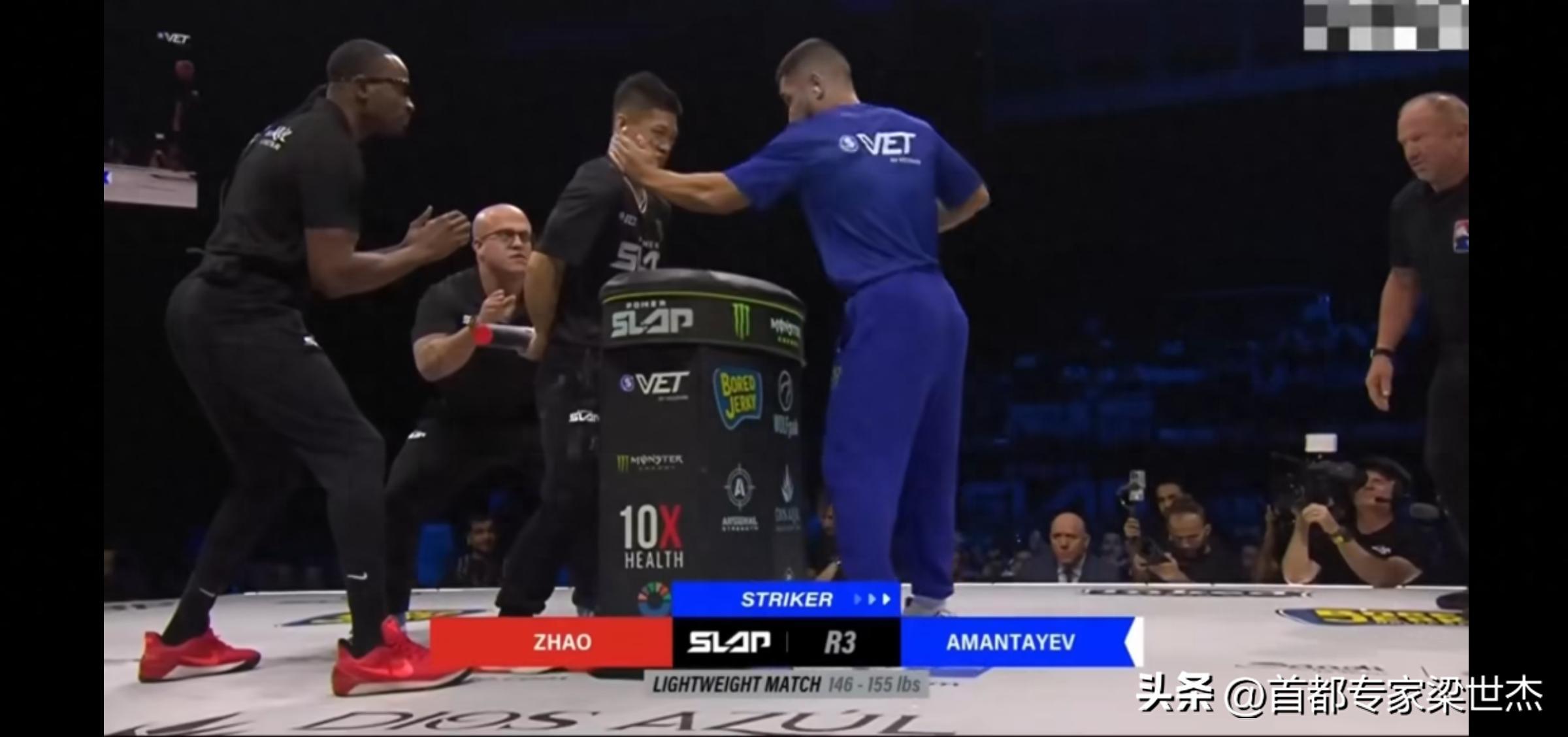
在那“國際扇耳光大賽”的擂臺上,“通背拳”選手趙洪剛,本應是身懷絕技、威風凜凜的“大師”,卻只撐了幾秒,便在對手一記耳光之下轟然倒地。那一刻,現場鴉雀無聲,彷彿時間都凝固了,緊接着評論區便如煮沸的開水,炸開了鍋。有人嘆息着:“傳統沒落了。”那聲音裏滿是落寞與無奈,彷彿看到了一個輝煌時代的落幕;有人則冷笑:“這纔是真實的武術。”這冷笑中帶着幾分嘲諷,似乎在揭開傳統武術那神祕的面紗,露出其並不那麼強大的真相。那一刻,被打倒的不只是趙洪剛一個人,更像是一種關於“傳統”的信仰,在衆人的心中搖搖欲墜。
看着這一幕,我不禁想起了另一種“傳統”——中醫。當中醫遭遇質疑,如同在風雨中飄搖的小船,面臨着驚濤駭浪的衝擊;當草藥被諷刺,好似珍貴的寶物被無情地踐踏;當鍼灸被要求“拿出證據”,就像一位無辜的老人被逼着證明自己的清白。此時,我們的反應是不是也有點像那些“武術宗師”:憤怒地揮舞着拳頭,抗拒着外界的質疑,甚至否認那些真實存在的問題。可問題是,科學的擂臺,就像一個公正無私的裁判,它不講神祕,不講氣場,只認事實和證據。靠信念,就像在沙漠中建城堡,是贏不了這場戰鬥的。
武術和中醫,這兩者雖同爲傳統,卻有着截然不同的命運軌跡。武術,在歷史的長河中,本是爲了“弄人”而生,那是一種力量的對抗,一種技巧的較量。在古代,它是戰士們保家衛國的利器,是江湖中俠客們行俠仗義的資本。然而,在當下的法律環境下,“弄人”不能給弄死,這便讓武術的實戰性受到了極大的限制。於是,武術更多地走向了表演的舞臺,就像一場華麗的戲劇,演員們在臺上展示着各種高難度的動作,引得觀衆陣陣喝彩。可這喝彩聲中,又有多少是對武術實戰能力的認可呢?據不完全統計,如今市面上大多數的武術表演,其觀賞性遠大於實戰性,更多的是爲了滿足觀衆對視覺盛宴的需求。
而中醫,它是用來救人的,這是一份沉甸甸的責任,容不得半點虛假。在當下這個快節奏、高壓力的社會里,中醫就像一位默默守護的醫者,用自己的智慧和經驗,爲人們的健康保駕護航。中醫是一門養家餬口的手藝,它不像武術表演那樣可以靠賣出票去衡量價值,它的存在是看能否活下去,能否真正地救治患者。一箇中醫診所,若沒有患者上門,若不能憑藉自己的醫術讓患者康復,那它便如同無根之木,難以長久生存。
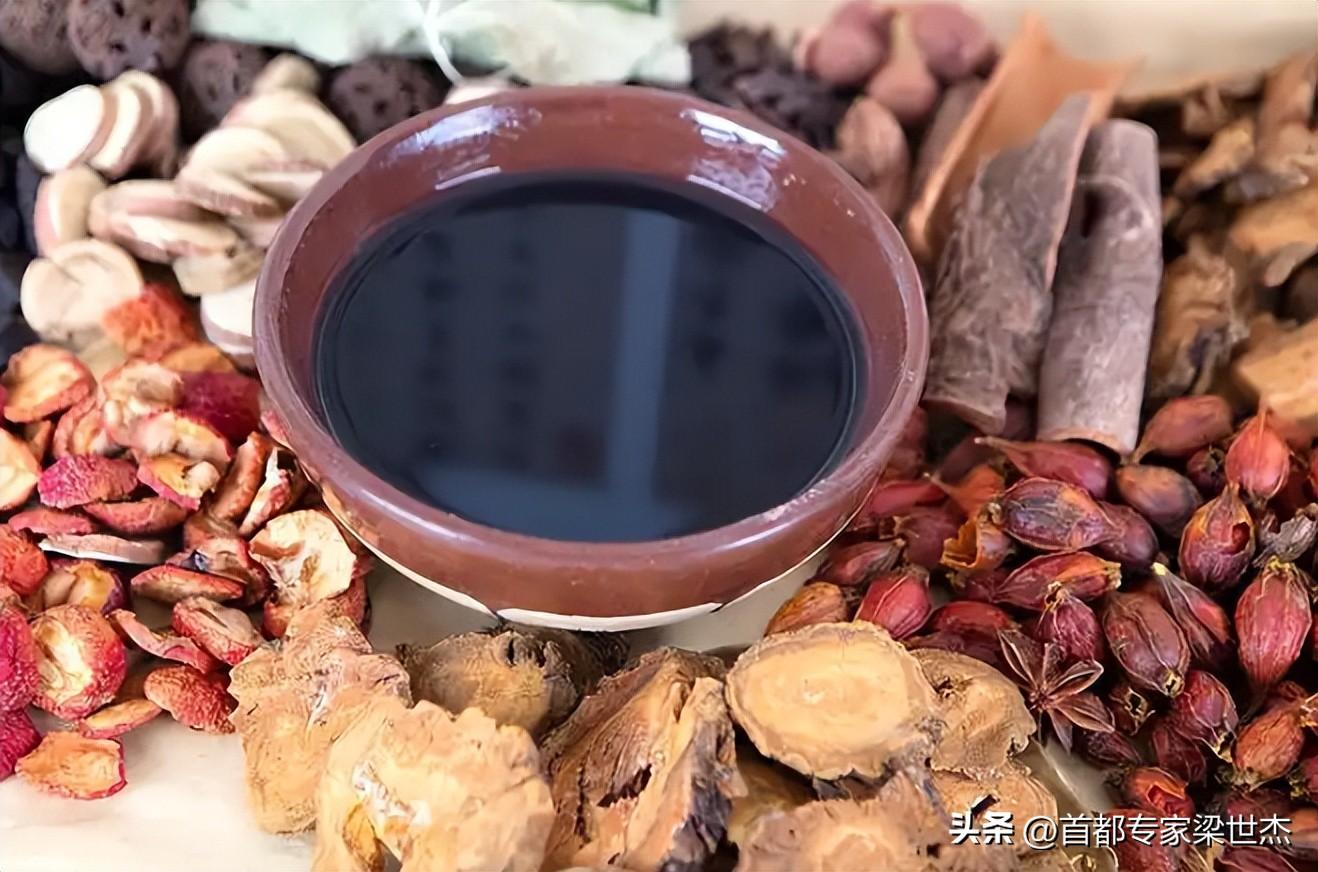
能夠養活自己,活下去的,就是真實的中醫。因爲羣衆的眼睛是雪亮的,他們就像最公正的評委,用自己的身體和健康來檢驗中醫的療效。這比任何現代的實驗室都靠譜。就拿我身邊的例子來說,我的一位鄰居,長期被失眠困擾,喫了各種西藥都不見好轉。後來,他抱着試一試的心態去看了一位中醫。那中醫仔細地爲他把脈、問診,然後開了一副中藥。鄰居喝了幾天後,睡眠質量便有了明顯的改善。如今,他逢人便誇中醫的神奇。這樣的例子在生活中並不少見,據一項調查顯示,有超過七成的患者在接受中醫治療後,病情得到了不同程度的緩解。
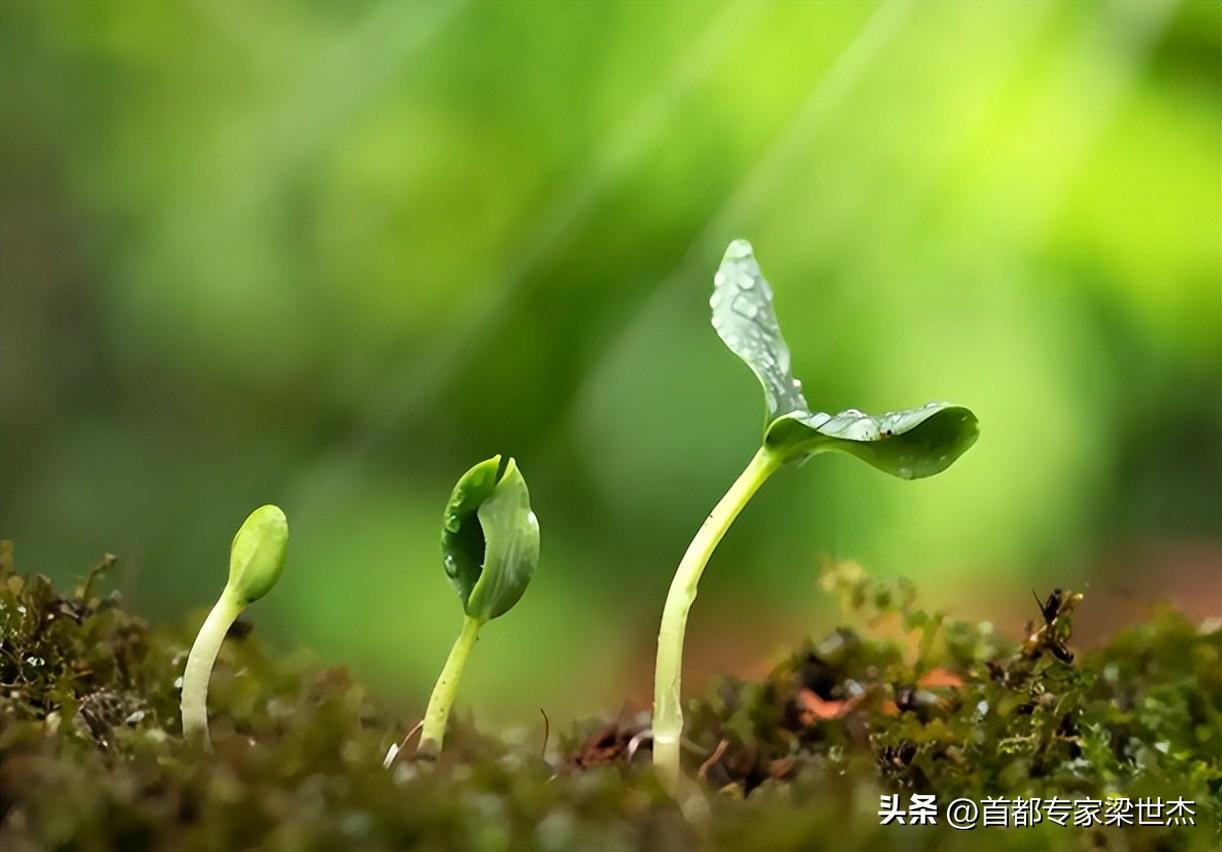
被質疑不可怕,就像一顆種子在泥土中,只有經歷風雨的洗禮,才能茁壯成長。被拒絕進化纔可怕,若中醫固步自封,不吸收現代的科學技術和理念,那它便如同一潭死水,最終會乾涸。武術亦是如此,若只沉迷於表演的形式,而不注重實戰能力的提升,那它便失去了原本的意義。
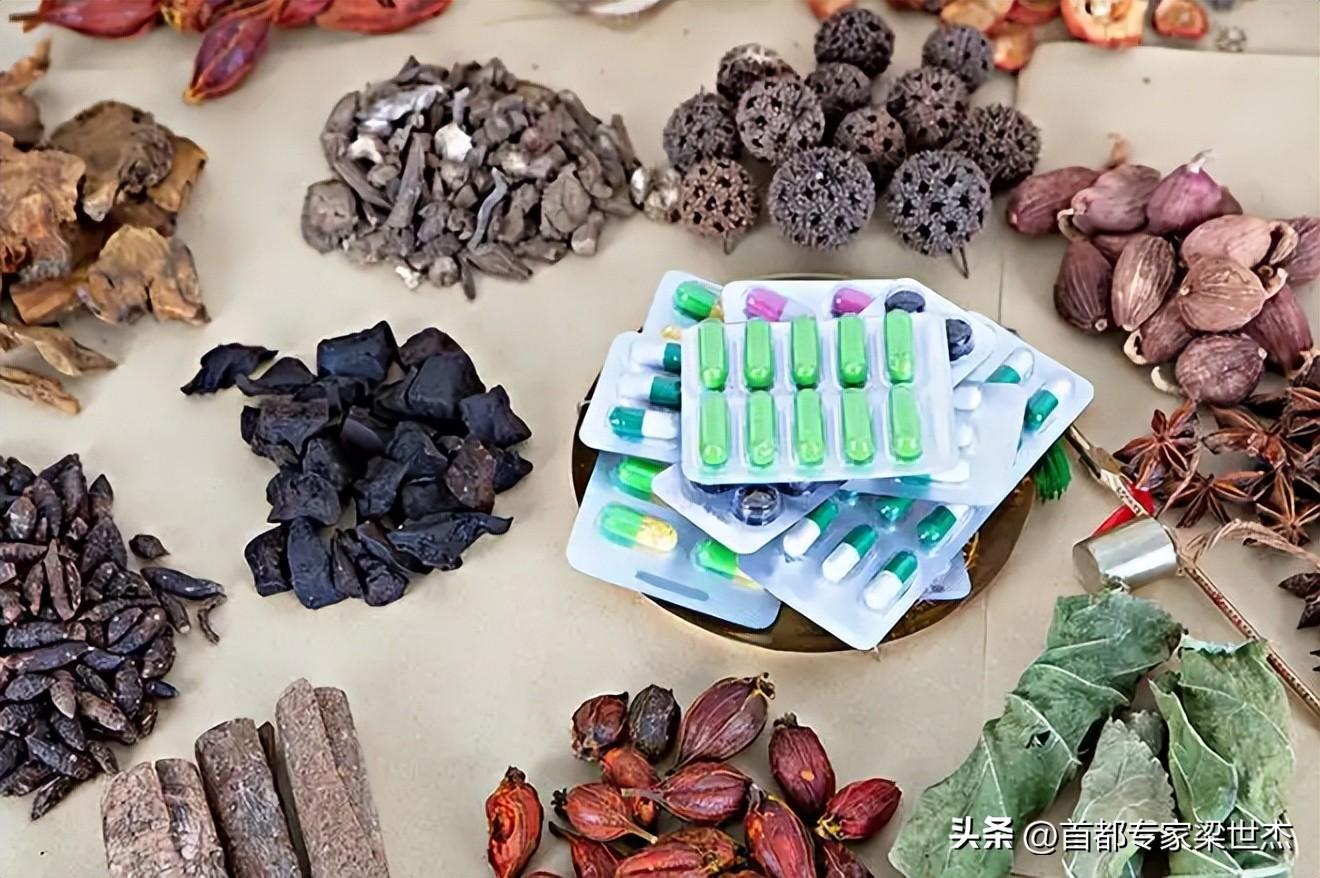
在這個充滿挑戰和機遇的時代,無論是武術還是中醫,都應該勇敢地面對質疑,積極地尋求進化。武術可以在表演中融入更多的實戰元素,讓觀衆在欣賞精彩動作的同時,也能感受到其內在的力量;中醫可以藉助現代的科學手段,深入研究草藥的藥理作用,提高鍼灸的精準度,讓更多的人受益於這門古老的醫學。
傳統並非一成不變的教條,它應該像一條奔騰不息的河流,在時代的浪潮中不斷前行,不斷吸收新的養分,才能保持其生機與活力。讓我們以開放的心態,迎接傳統的變革,讓武術和中醫這兩顆傳統文化的明珠,在新時代綻放出更加耀眼的光芒。
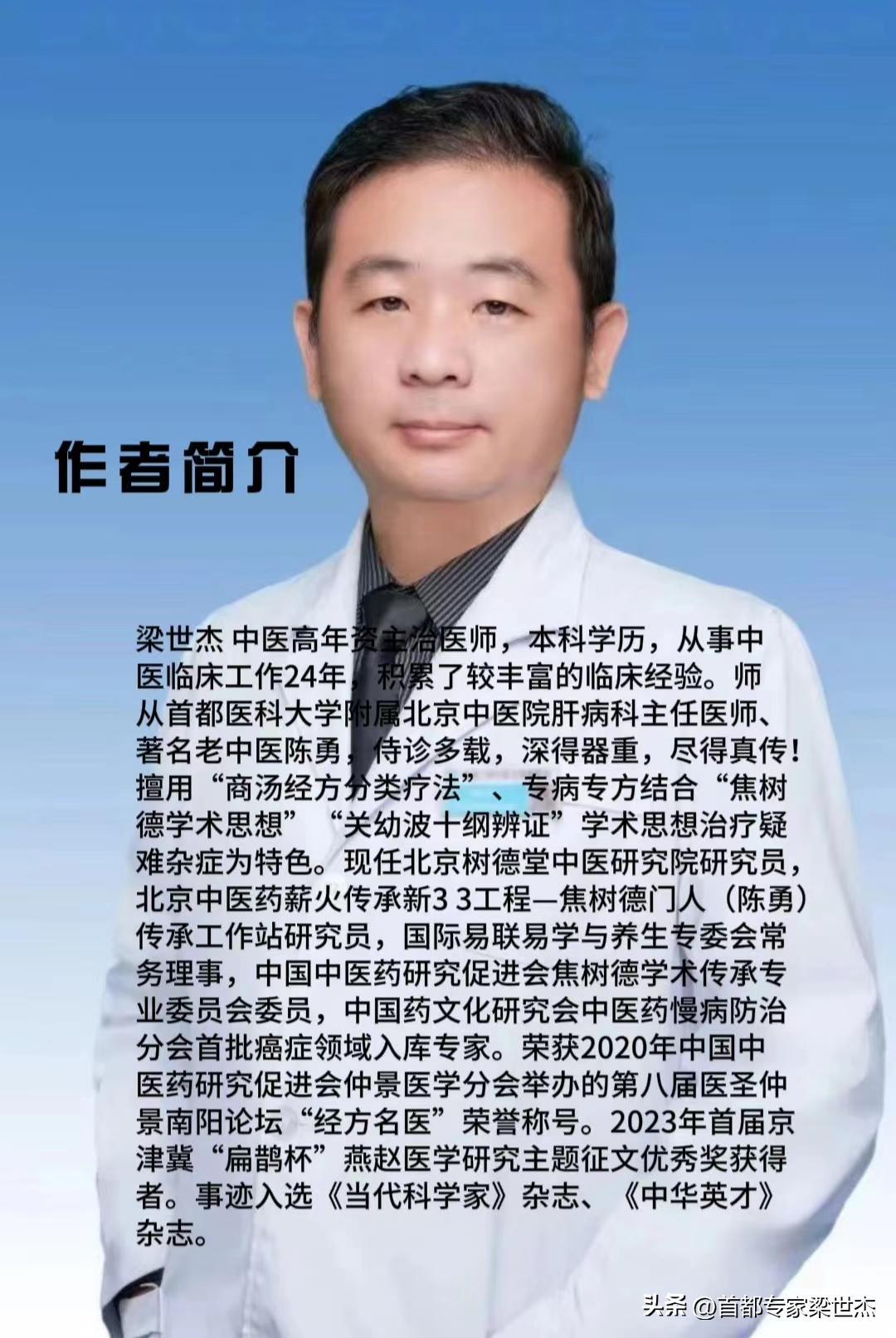
作者簡介:梁世傑 中醫高年資主治醫師,本科學歷,從事中醫臨牀工作24年,積累了較豐富的臨牀經驗。師從首都醫科大學附屬北京中醫院肝病科主任醫師、著名老中醫陳勇,侍診多載,深得器重,盡得真傳!擅用“商湯經方分類療法”、專病專方結合“焦樹德學術思想”“關幼波十綱辨證”學術思想治療疑難雜症爲特色。現任北京樹德堂中醫研究院研究員,北京中醫藥薪火傳承新3+3工程—焦樹德門人(陳勇)傳承工作站研究員,國際易聯易學與養生專委會常務理事,中國中醫藥研究促進會焦樹德學術傳承專業委員會委員,中國藥文化研究會中醫藥慢病防治分會首批癌症領域入庫專家。榮獲2020年中國中醫藥研究促進會仲景醫學分會舉辦的第八屆醫聖仲景南陽論壇“經方名醫”榮譽稱號。2023年首屆京津冀“扁鵲杯”燕趙醫學研究主題徵文優秀獎獲得者。事蹟入選《當代科學家》雜誌、《中華英才》雜誌。
Above the ring: Traditional martial arts and traditional Chinese medicine are different
Recently, a video showing a "traditional martial arts master being knocked down with a single slap" has caused a massive stir in the online world, sparking a heated discussion about the clash between tradition and reality.
At the podium of the "international slapping competition," Zhao Honggang, a "tong back boxing" player who was supposed to be a "master" with a great skill and prestige, only held on for a few seconds before he fell to the ground under a slap from his opponent. For a moment, the scene was silent, as if time had solidified, and the comment section exploded like boiling water. Someone sighed: "The tradition has fallen." The voice was full of loneliness and helplessness, as if to see the end of a glorious era; Someone sneered: "This is the real martial arts." This sneer, with a hint of sarcasm, seemed to unveil the mystery of traditional martial arts and reveal its less powerful truth. At that moment, it was not just Zhao Honggang who was knocked down, but more like a belief in "traditional" that was teetering in the hearts of everyone.
Looking at this scene, I can''t help but think of another "tradition" - Chinese medicine. When traditional Chinese medicine is challenged, it is like a small boat wandering in the wind and rain, facing the shock of waves and waves. When herbs are satirized, it is as if a precious treasure is ruthlessly trampled. When acupuncture is asked to "prove evidence," it''s like an innocent old man being forced to prove his innocence. At this point, do we react a little like those martial arts gurus: waving fists in anger, resisting outside questions, even denying real problems? The problem is that the scientific ring, like a fair and selfless referee, does not talk about mystery, doesn''t talk about air power, and believes only in facts and evidence. Faith, like building a castle in the desert, cannot win this battle.
Martial arts and Chinese medicine, although they are both traditions, have very different fate trajectories. Martial arts, in the long history, were created for the purpose of "making people," a battle of strength, a contest of skill. In ancient times, it was a powerful tool for warriors to defend their homeland, and a capital for warrior men in the streets to do justice. However, in the current legal environment, "manufacturers" cannot be killed, which greatly limits the practicality of martial arts. As a result, martial arts moved more to the stage of performance, like a gorgeous play, where the actors performed various difficult movements, drawing applause from the audience. But how much of this applause is acknowledgement of the practical capabilities of martial arts? According to incomplete statistics, most martial arts shows on the market today are far more spectator than combative, and more to meet the audience''s needs for a visual feast.
And traditional Chinese medicine, which is used to save people, is a heavy responsibility that brooks no falsehood. In today''s fast-paced, high-pressure society, traditional Chinese medicine is like a silent guardian, using its wisdom and experience to protect people''s health. TCM is a family breadwinner. It isn''t valued by selling tickets like martial arts shows. It exists to see if you can survive and truly treat your patients. If a TCM clinic does not have a patient door, and if it cannot rehabilitate patients with its own medical expertise, it is like a tree without roots, and it is difficult to survive for a long time.
Those who can support themselves and survive are true Chinese medicine. Because the eyes of the crowd are bright, they act like the fairest judges, using their own bodies and health to test the efficacy of TCM. This is more reliable than any modern laboratory. Take my own example. A neighbor of mine has been plagued by insomnia for a long time and has taken various Western medicines without any improvement. Then, with a willingness to try, he went to a Chinese medicine practitioner. The Chinese medicine practitioner carefully examined his pulse and asked him questions, and then prescribed a set of Chinese medicines. After a few days of drinking, the neighbor''s sleep quality improved significantly. Today, he brags about the magic of Chinese medicine whenever he sees people. Such examples are not uncommon in life, and according to a survey, more than 70% of patients experienced varying degrees of relief after receiving TCM treatment.
Being questioned is not scary, just like a seed in the dirt, which can only thrive if it undergoes the baptism of rain and wind. Rejection of evolution is terrible, and if traditional Chinese medicine remains rigid and does not absorb modern science and technology, it will eventually dry up. The same is true of martial arts, which loses its meaning if it is only obsessed with the form of performance and does not focus on the improvement of practical capabilities.
In these times of challenges and opportunities, both martial arts and traditional Chinese medicine should be brave enough to face questions and actively seek evolution. Martial arts can incorporate more combat elements into the performance, allowing the audience to enjoy the wonderful action while also feeling its inner strength. TCM can use modern scientific methods to study the pharmacological effects of herbal medicine in depth, improve the precision of acupuncture, and let more people benefit from this ancient medicine.
Tradition is not a fixed dogma; it should be like a running river, continuously moving through the waves of the times and absorbing new nutrients to maintain its vitality and vitality. Let''s welcome the traditional reform with an open mind, and let Wushu and traditional Chinese medicine, the two pearls of traditional culture, shine more brightly in the new era.
Author Bio: Liang Shijie is a senior medical practitioner in traditional Chinese medicine with an undergraduate degree. He has been engaged in traditional medicine clinical work for 24 years and has accumulated a wealth of clinical experience. Following Chen Yong, chief physician of liver disease at Beijing Traditional Medicine Hospital, affiliated with Capital Medical University, and renowned old Chinese medicine, he has been treated for many years and received great attention. He specializes in the treatment of difficult diseases using "conversational traditional therapy" and special treatments combined with the academic ideas of Jiao Shude and Guan Yubo''s ten-level diagnosis.He is currently a researcher at the Shude Tang TCM Research Institute in Beijing, a fellow at the new 3 + 3 project of traditional Chinese medicine flame inheritance in Beijing - a scholar at the inheritance workstation of Jiao Shude''s protégés (Chen Yong),He is a standing committee member of the International Expert Committee on E-learning and Health Care, a member of the Jiao Shude Academic Heritage Special Committee of the Chinese Association for the Advancement of Chinese Medicine Research, and the first cancer specialist to be included in the chapter of the Chinese Pharmaceutical Culture Research Association. Won the 2020 China Association for the Promotion of Traditional Chinese Medicine Zhongjing Medical Branch held the eighth session of the Medical Saint Zhongjing Nanyang Forum "Classic Prescription Famous Doctor" honorary title. The winner of the first Beijing-Tianjin-Hebei "Pingui Cup" Yanzhao Medical Research Essay Award in 2023. His work was featured in the journal Current Scientist and the journal Chinese Talent.