梁世傑:破科學主義之箍,綻傳統文化之花
在華夏大地的歷史長河中,傳統文化宛如一顆璀璨的明珠,散發着獨特而迷人的光芒。它承載着先人的智慧、情感與價值觀,是我們民族的根與魂。然而,如今卻有一種無形的力量,如緊箍咒一般,緊緊地箍在中國傳統文化的頭上,這便是科學主義。

科學主義:誤入歧途的“霸主”
科學主義,就像一位誤入文化殿堂的“霸主”,帶着一種唯我獨尊的氣勢,試圖用科學的標準來丈量傳統文化的每一寸土地。它高舉着“理性”“實證”的大旗,將傳統文化中那些無法用現有科學手段解釋的部分,一概視爲迷信、落後,無情地打入冷宮。
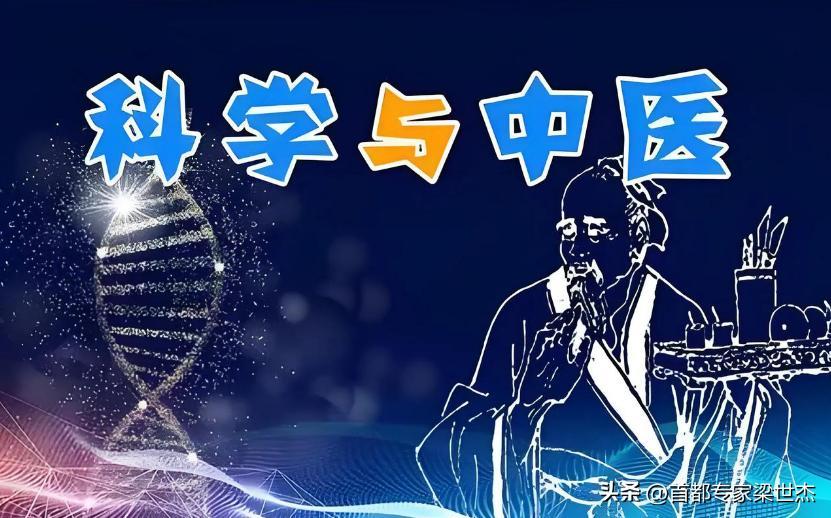
在科學主義的眼中,中醫彷彿是一個不合時宜的“怪胎”。中醫講究陰陽平衡、五行相生相剋,通過望、聞、問、切來診斷病情,用草藥、鍼灸等方法治療疾病。這些在科學主義者看來,缺乏精確的量化指標和可重複的實驗驗證,簡直就是“僞科學”。於是,他們呼籲取締中醫,讓西醫一統天下。據相關調查顯示,在一些大城市,西醫醫院的數量是中醫醫院的數倍,西醫的就診人數也遠遠超過中醫。這看似是市場選擇的結果,實則背後有着科學主義的推波助瀾。
再看傳統的風水學說,它研究人與自然環境的和諧關係,通過調整居住環境的佈局來改善人的運勢和健康。科學主義者卻嗤之以鼻,認爲這是毫無根據的迷信。他們只相信用儀器測量出來的數據,卻忽略了人與自然之間那種微妙的、難以用科學語言描述的聯繫。就像一座古老的庭院,按照風水原理佈局,居住者感覺舒適、順遂,但在科學主義者眼中,這不過是巧合罷了。
傳統文化:被誤解的“寶藏”
然而,傳統文化真的是如科學主義所批判的那樣一無是處嗎?答案顯然是否定的。傳統文化就像一座巨大的寶藏,裏面蘊含着無盡的智慧和價值。
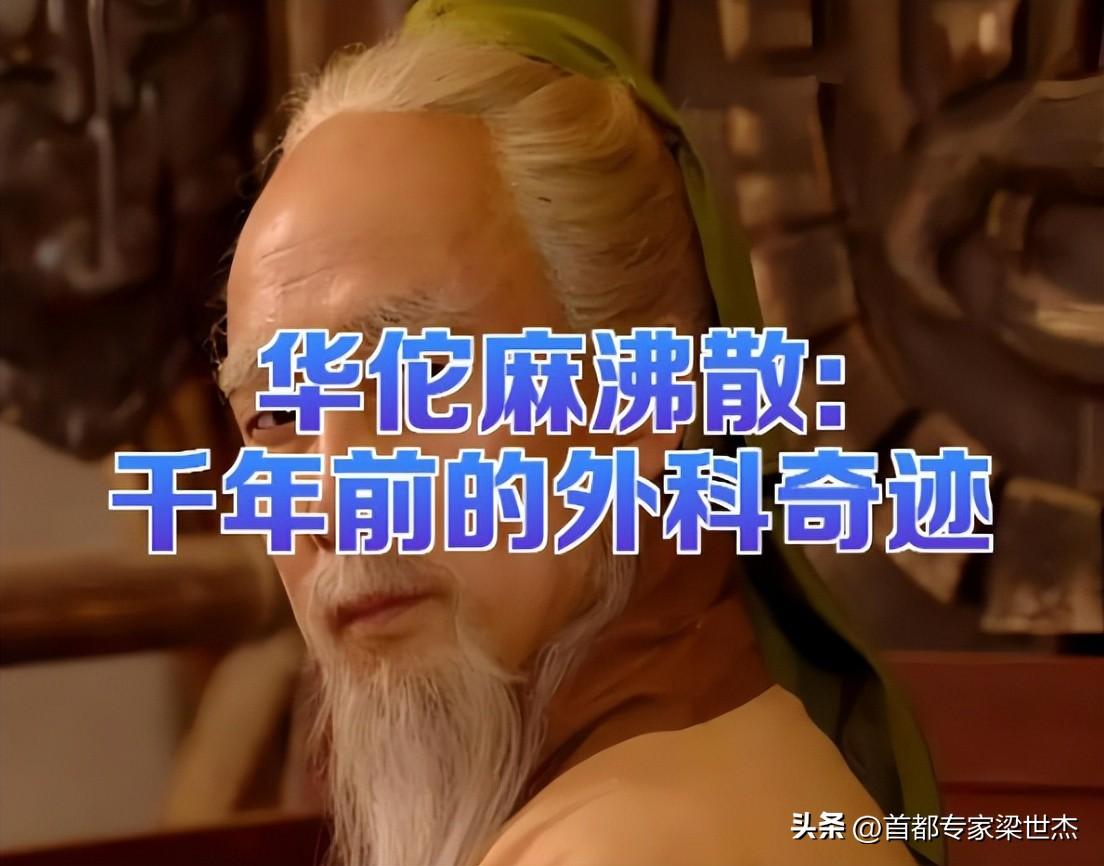
以中醫爲例,它有着數千年的歷史,拯救了無數人的生命。在古代,沒有先進的醫療設備,中醫憑藉着獨特的理論和方法,治癒了各種疑難雜症。華佗發明麻沸散,進行外科手術;張仲景撰寫《傷寒雜病論》,爲後世治療外感熱病提供了寶貴的經驗。即使在今天,中醫在治療一些慢性疾病、調理身體方面,也有着西醫無法比擬的優勢。有研究表明,對於一些功能性疾病,如失眠、焦慮等,中醫的鍼灸和中藥治療有效率可達 70%以上。而且,中醫強調整體觀念和辨證論治,注重預防和養生,這與現代醫學的發展趨勢不謀而合。
傳統風水學說也並非毫無道理。它體現了古人對自然環境的尊重和利用,追求人與自然的和諧共生。比如,傳統的四合院佈局,坐北朝南,既有利於採光,又能躲避寒風,體現了古人對自然規律的深刻理解。在現代建築設計中,越來越多的設計師開始借鑑傳統風水的理念,打造更加舒適、宜居的居住環境。
破箍之舉:讓傳統文化重煥生機
要破除科學主義這頂緊箍咒,讓傳統文化重煥生機,我們需要從多個方面入手。
首先,我們要樹立正確的科學觀和文化觀。科學並不是萬能的,它只是人類認識世界的一種方式。傳統文化中蘊含着豐富的哲學思想、道德觀念和藝術價值,這些都是科學無法替代的。我們應該以包容和開放的心態,看待傳統文化與科學的關係,讓它們相互補充、相互促進。
其次,要加強傳統文化的教育和傳承。在學校教育中,增加傳統文化課程的比重,讓學生從小就瞭解和學習傳統文化的精髓。同時,鼓勵社會力量參與傳統文化的傳承和發展,舉辦各種傳統文化活動,如書法展覽、中醫講座、風水文化研討會等,讓更多的人接觸和喜愛傳統文化。
最後,我們要用現代的視角和方法來解讀和創新傳統文化。將傳統文化與現代科技、藝術相結合,創造出具有時代特色的文化產品。比如,利用虛擬現實技術開發中醫體驗遊戲,讓人們在遊戲中瞭解中醫的知識和療法;將傳統風水理念融入現代建築設計中,打造出既美觀又實用的建築作品。
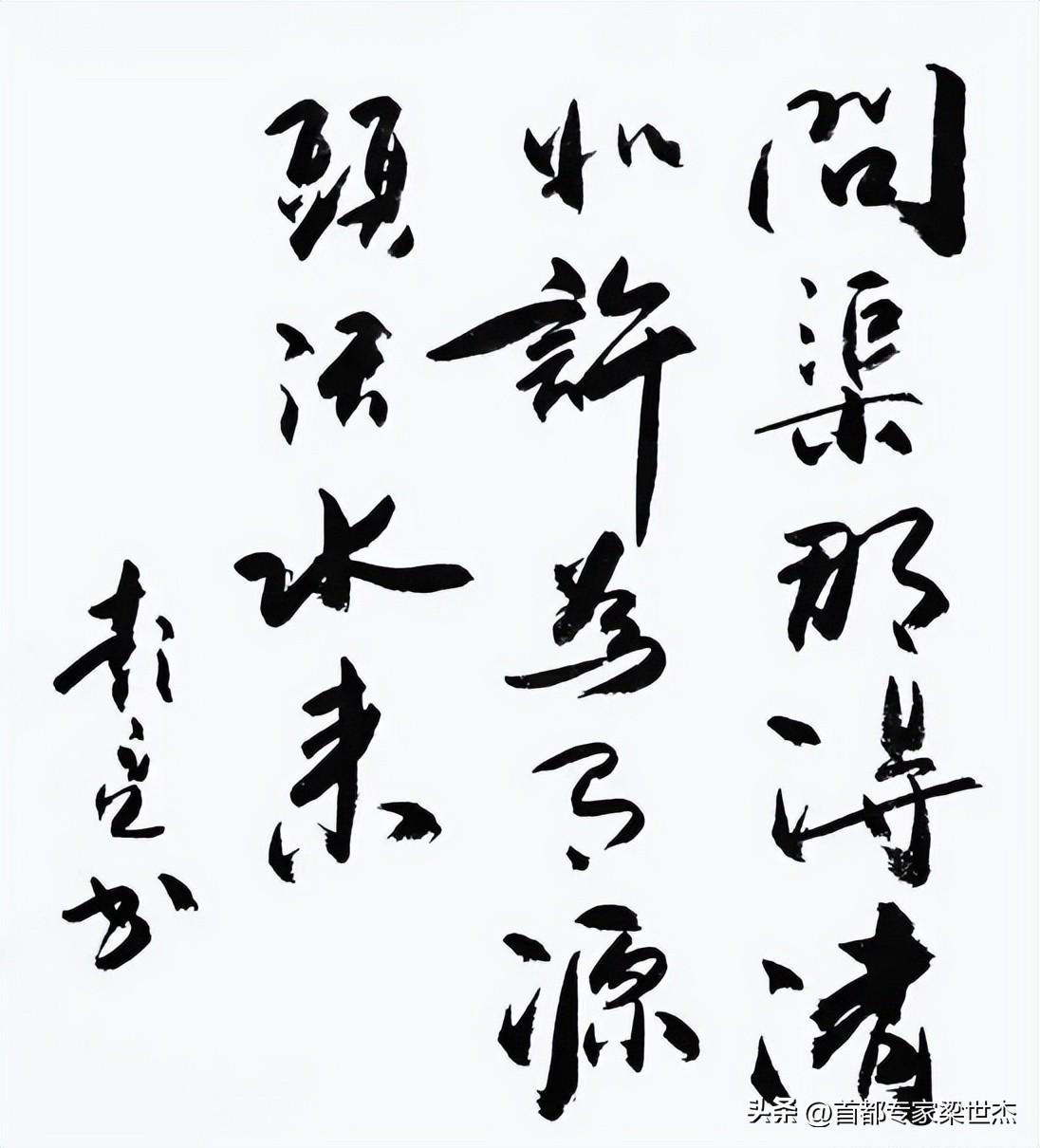
“問渠那得清如許?爲有源頭活水來。”中國傳統文化是我們民族的源頭活水,科學主義不應成爲束縛它發展的緊箍咒。讓我們破除這頂無形的枷鎖,讓傳統文化在新的時代背景下綻放出更加絢爛的光彩,爲我們的民族復興提供強大的精神動力。
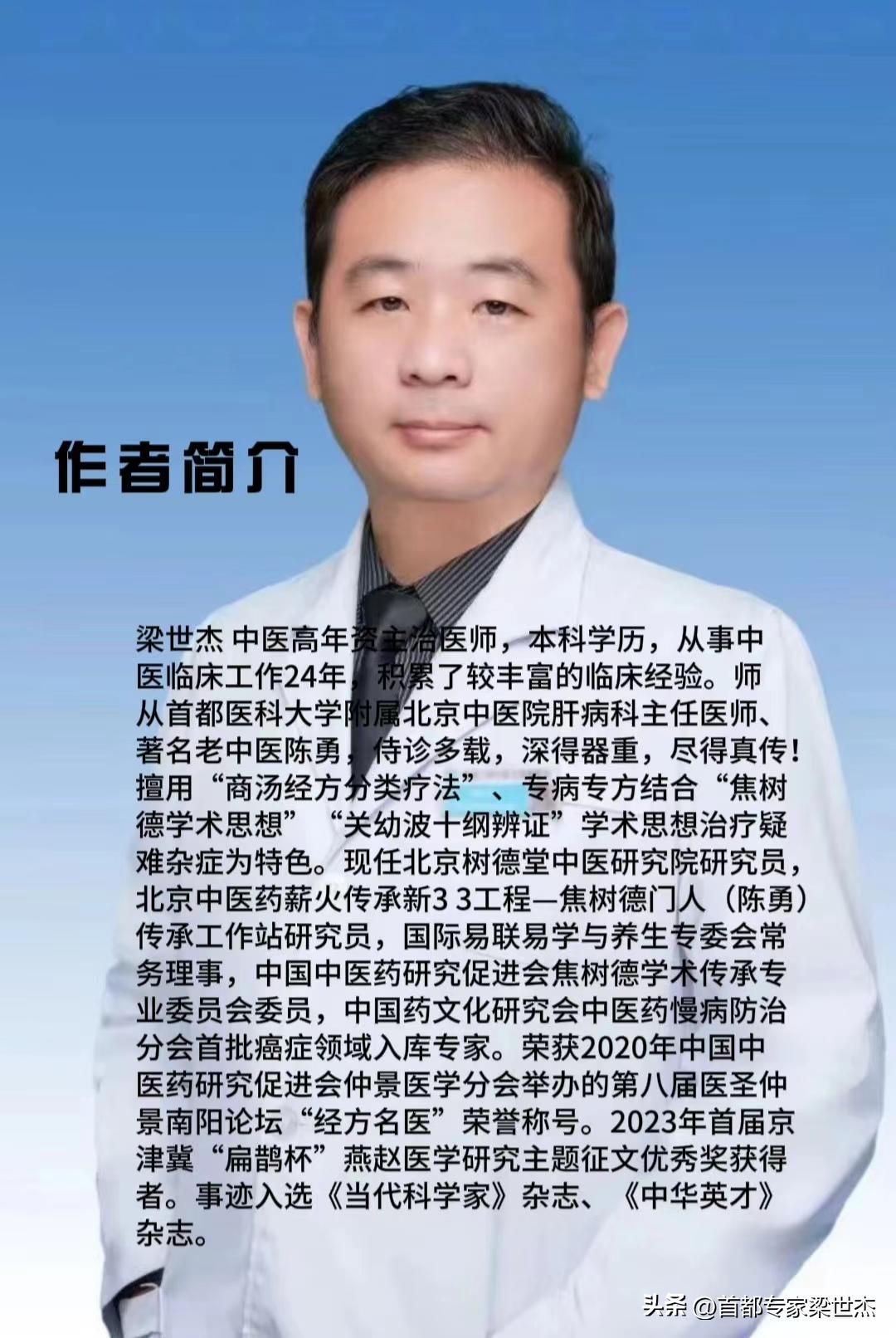
作者簡介:梁世傑 中醫高年資主治醫師,本科學歷,從事中醫臨牀工作24年,積累了較豐富的臨牀經驗。師從首都醫科大學附屬北京中醫院肝病科主任醫師、著名老中醫陳勇,侍診多載,深得器重,盡得真傳!擅用“商湯經方分類療法”、專病專方結合“焦樹德學術思想”“關幼波十綱辨證”學術思想治療疑難雜症爲特色。現任北京樹德堂中醫研究院研究員,北京中醫藥薪火傳承新3+3工程—焦樹德門人(陳勇)傳承工作站研究員,國際易聯易學與養生專委會常務理事,中國中醫藥研究促進會焦樹德學術傳承專業委員會委員,中國藥文化研究會中醫藥慢病防治分會首批癌症領域入庫專家。榮獲2020年中國中醫藥研究促進會仲景醫學分會舉辦的第八屆醫聖仲景南陽論壇“經方名醫”榮譽稱號。2023年首屆京津冀“扁鵲杯”燕趙醫學研究主題徵文優秀獎獲得者。事蹟入選《當代科學家》雜誌、《中華英才》雜誌。
Liang shi-jie: breaking the hoop of scientism, blooming the flower of traditional culture
In the long history of China, the traditional culture is like a bright pearl, emitting a unique and charming light. It carries the wisdom, feelings and values of our ancestors and is the root and soul of our nation. However, now there is an invisible force, such as the magic spell, tightly bound in the head of Chinese traditional culture, which is scientism.
Scienceism: a misguided "hegemon"
Scientism, just like a "hegemon" who enters the cultural palace by mistake, tries to measure every inch of traditional culture with the scientific standard with a kind of overweening momentum. It holds aloft the banner of "rationality" and "positivism," and treats all the parts of traditional culture that cannot be explained by existing scientific means as superstition and backwardness, mercilessly stepping into the cold palace.
In the eyes of science, traditional Chinese medicine seems to be an untimely "freak." TCM stresses the balance of yin and yang and the mutual generation of five phases. These, in the view of the scientificists, lack precise quantitative indicators and repeatable experimental validation, are simply "fake science." Therefore, they called for the elimination of traditional Chinese medicine and the rule of Western medicine. According to relevant surveys, in some large cities, the number of Western medical hospitals is several times that of traditional Chinese medicine, and the number of visits to Western medicine far exceeds that of Traditional Chinese medicine. This appears to be a result of market choice, but it is fueled by scientificism.
Consider the traditional feng shui doctrine, which studies the harmonious relationship between man and the natural environment, and improves man''s luck and health by adjusting the layout of the living environment. The scientists scoffed at this as an unfounded superstition. They believe only in data measured by instruments, ignoring the subtle, difficult-to-describe connection between man and nature in scientific terms. Like an ancient courtyard, it is arranged according to feng shui principles, and its occupants feel comfortable and successful, but in the eyes of the scientificists, this is mere coincidence.
Traditional culture: the misunderstood "treasure"
However, is the traditional culture really as good as what scientism criticizes? The answer is obviously no. Traditional culture is like a huge treasure, which contains endless wisdom and value.
Take the example of traditional Chinese medicine, which has a history of thousands of years and has saved countless lives. In ancient times, there were no advanced medical equipment, and traditional Chinese medicine cured various difficult diseases with unique theories and methods. Hua Tuo invented the powder for anesthesia and performed surgery. Zhang Zhongjing wrote "The Theory of Typhoid Allergy," which provided valuable experience for future generations in the treatment of exposure to fever. Even today, traditional Chinese medicine has advantages that Western medicine cannot match in treating some chronic diseases and managing the body. Studies have shown that for some functional diseases, such as insomnia and anxiety, acupuncture and traditional Chinese medicine can be more than 70% effective. Moreover, traditional Chinese medicine emphasizes holistic concepts and dialectical treatment, and focuses on prevention and maintenance, which aligns with the development trend of modern medicine.
The traditional feng shui doctrine is not without merit. It reflects the ancient people''s respect for and utilization of the natural environment, and the pursuit of harmonious coexistence between man and nature. For example, the traditional courtyard layout, which sits north to south, is conducive to light extraction and can avoid the cold wind, reflecting the ancient people''s deep understanding of the laws of nature. In modern architectural design, more and more designers are beginning to draw on the concept of traditional feng shui to create a more comfortable and livable living environment.
The move of breaking the hoop: let the traditional culture revive
In order to break the magic spell of scientism and revive the traditional culture, we need to start from many aspects.
First of all, we should establish a correct view of science and cultural values. Science is not a panacea, it is simply a way of understanding the world. Traditional culture contains rich philosophical ideas, moral values and artistic values, which can not be replaced by science. We should treat the relationship between traditional culture and science with an inclusive and open mind, so that they can complement and promote each other.
Secondly, we should strengthen the education and inheritance of traditional culture. In school education, increase the proportion of traditional culture courses, so that students understand and learn the essence of traditional culture. At the same time, social forces are encouraged to participate in the inheritance and development of traditional culture. Various traditional cultural activities, such as calligraphy exhibitions, lectures on traditional Chinese medicine and seminars on geomantic omen culture, are organized to make more people get in touch with and enjoy traditional culture.
Finally, we should use the modern perspective and methods to interpret and innovate traditional culture. We should combine traditional culture with modern science, technology and art to create cultural products with the characteristics of the times. For example, virtual reality technology is used to develop therapeutic Chinese medicine experience games, so that people can learn about traditional Chinese medicine and therapy in the game. Incorporate traditional feng shui concepts into modern architectural design to create architectural works that are both beautiful and practical.
“How could I tell you that? To have a source of live water.”Chinese traditional culture is the fountainhead of our nation. Scientism should not be the straitjacket of its development. Let us break the invisible shackles, so that the traditional culture in the new context of the times bloom out of a more brilliant glory, for our national rejuvenation to provide a strong spiritual power.
Author Bio: Liang Shijie is a senior medical practitioner in traditional Chinese medicine with an undergraduate degree. He has been engaged in traditional medicine clinical work for 24 years and has accumulated a wealth of clinical experience. Following Chen Yong, chief physician of liver disease at Beijing Traditional Medicine Hospital, affiliated with Capital Medical University, and renowned old Chinese medicine, he has been treated for many years and received great attention. He specializes in the treatment of difficult diseases using "conversational traditional therapy" and special treatments combined with the academic ideas of Jiao Shude and Guan Yubo''s ten-level diagnosis.He is currently a researcher at the Shude Tang TCM Research Institute in Beijing, a fellow at the new 3 + 3 project of traditional Chinese medicine flame inheritance in Beijing - a scholar at the inheritance workstation of Jiao Shude''s protégés (Chen Yong),He is a standing committee member of the International Expert Committee on E-learning and Health Care, a member of the Jiao Shude Academic Heritage Special Committee of the Chinese Association for the Advancement of Chinese Medicine Research, and the first cancer specialist to be included in the chapter of the Chinese Pharmaceutical Culture Research Association. Won the 2020 China Association for the Promotion of Traditional Chinese Medicine Zhongjing Medical Branch held the eighth session of the Medical Saint Zhongjing Nanyang Forum "Classic Prescription Famous Doctor" honorary title. The winner of the first Beijing-Tianjin-Hebei "Pingui Cup" Yanzhao Medical Research Essay Award in 2023. His work was featured in the journal Current Scientist and the journal Chinese Talent.