醫德之花:綻放在多元土壤
在當今這個信息如洪流般奔湧的時代,媒體宛如高懸的明鏡,映照着社會的百態,也塑造着大衆的認知。當鏡頭聚焦於醫療領域,醫生的形象常常被一些刻板的框架所束縛,其中醫德的展現,似乎就侷限在了免費義診和送醫送藥那狹小的舞臺上。可這醫德之花,當真只能在這片土壤中綻放嗎?
媒體“濾鏡”下的醫德單一幻象
媒體,本應是客觀記錄與多元傳播的使者,然而在醫德的宣傳上,卻不知不覺地戴上了一副“濾鏡”。打開電視、翻開報紙、瀏覽網頁,我們常常看到這樣的畫面:醫生們帶着醫療隊,深入偏遠山區,爲貧困的村民免費義診,送去藥品和溫暖。這些場景固然感人至深,如同冬日裏的暖陽,溫暖着人心。但久而久之,在大衆的心中,就形成了一種固定的認知——只有免費義診和送醫送藥,纔是醫德高尚的體現。
據一項針對大衆對醫生醫德認知的調查顯示,超過70%的受訪者認爲,醫生參與免費義診和送醫送藥活動是衡量其醫德的重要標準。這種單一的認知,就像給醫德套上了一個無形的枷鎖,讓那些沒有機會參與此類活動的醫生,陷入了被誤解的困境。
有一位基層醫生,他在自己的崗位上默默耕耘了幾十年。每天,他都早早地來到醫院,認真地爲每一位患者診斷病情、制定治療方案。遇到疑難病症,他會查閱大量的資料,請教專家,不放過任何一個治癒患者的機會。他對患者耐心細緻,就像對待自己的親人一樣。然而,由於他所在的醫院資源有限,沒有組織過大規模的免費義診和送醫送藥活動,在媒體的宣傳中,他就像一顆被遺忘在角落裏的星星,鮮少被人提及。這難道就能說明他的醫德不高尚嗎?顯然不能。
兢兢業業與任勞任怨:醫德的日常詩篇
其實,醫生的兢兢業業和任勞任怨,纔是醫德在日常工作中最真實的寫照。他們就像一羣默默耕耘的農夫,在自己的田地裏辛勤播種、澆水、施肥,期待着每一株莊稼都能茁壯成長。
在醫院的手術室裏,醫生們常常要連續工作十幾個小時。他們穿着厚重的手術服,戴着口罩和手套,全神貫注地進行着手術。每一刀、每一針都關係着患者的生命安危,容不得絲毫的馬虎。有一位外科醫生,曾經連續做了三臺高難度的手術。當他走出手術室時,已經是深夜,整個人疲憊不堪,雙腿像灌了鉛一樣沉重。但他顧不上休息,又匆匆趕到病房,查看患者的恢復情況。他的家人多次勸他注意休息,不要這麼拼命,但他總是說:“患者的病情不能等,我多辛苦一點,他們就能多一份康復的希望。”這種兢兢業業、任勞任怨的精神,難道不是醫德高尚的體現嗎?
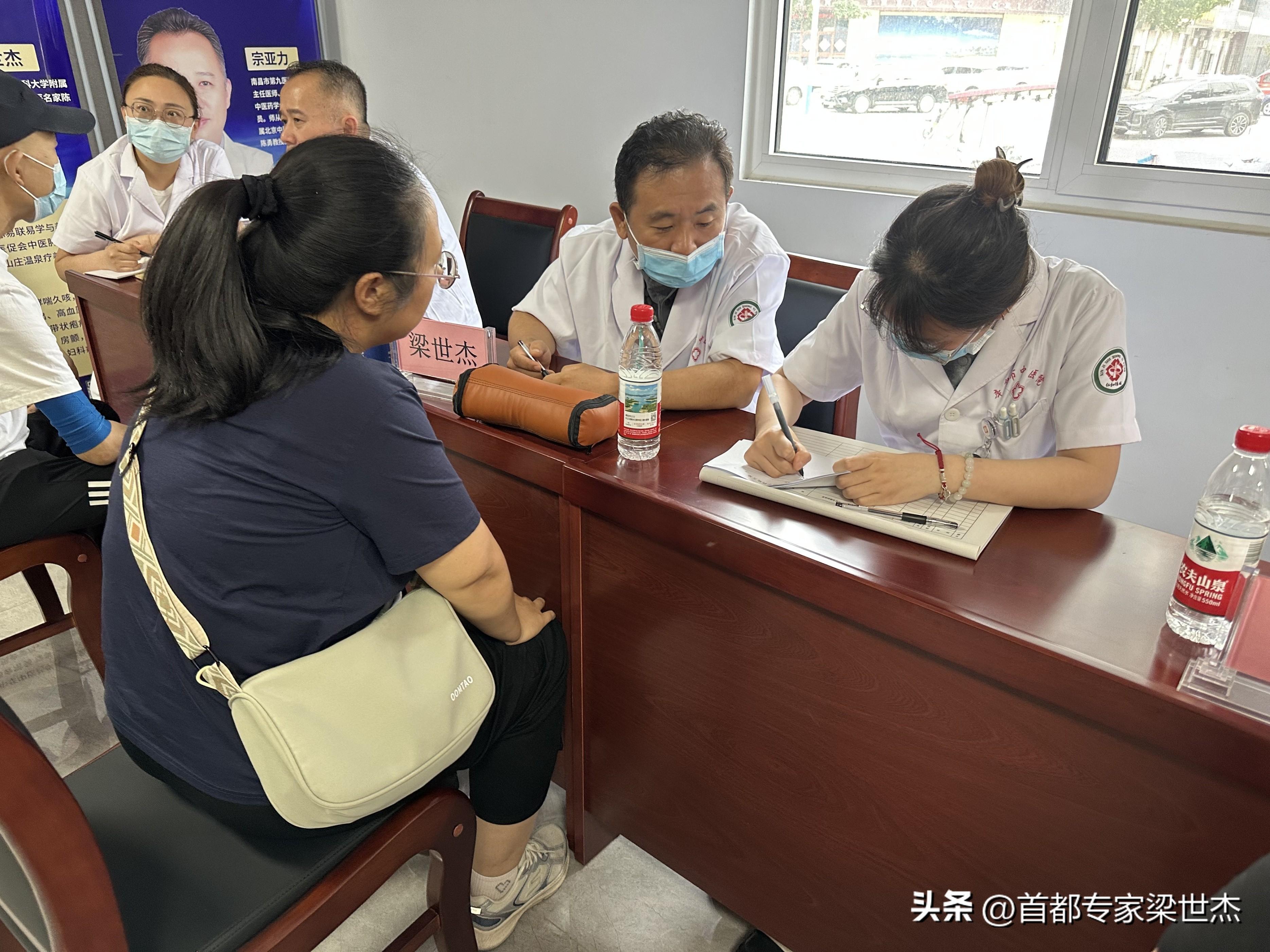
再看看門診室的醫生們,他們每天要面對大量的患者。從早到晚,診室裏總是排滿了長長的隊伍。醫生們要耐心地詢問每一位患者的病情,仔細地進行檢查,然後給出準確的診斷和治療建議。有時候,遇到情緒激動或者不理解的患者,他們還要承受患者的指責和抱怨,但他們依然保持着微笑,用溫和的語氣解釋病情。有一位內科醫生,在一次門診中,遇到了一位對治療方案不滿的患者。患者大聲地指責他,說他沒有認真看病。這位醫生沒有生氣,而是耐心地再次爲患者講解病情和治療方案,直到患者理解爲止。這種對患者認真負責的態度,不正是醫德的生動詮釋嗎?
團結同事:醫德的和諧樂章
在醫療團隊中,團結同事也是醫德高尚的重要體現。醫療工作就像一場接力賽,每一個環節都緊密相連,只有大家齊心協力,才能爲患者提供優質的醫療服務。
在一家大型醫院的心血管內科,有一位經驗豐富的主任醫師。他不僅自己醫術精湛,還非常注重培養年輕醫生。他經常組織病例討論會,和年輕醫生們一起分享自己的臨牀經驗,解答他們的疑問。當年輕醫生遇到難題時,他總是毫不猶豫地伸出援手,給予指導和幫助。在他的帶領下,整個科室形成了一種團結協作、積極向上的氛圍。有一次,科室裏收治了一位病情危急的患者,需要多科室聯合治療。這位主任醫師主動與其他科室的醫生溝通協調,制定了一個詳細的治療方案。在治療過程中,大家各司其職,密切配合,最終成功地挽救了患者的生命。這種團結同事、共同爲患者服務的精神,難道不是醫德的光輝閃耀嗎?
財力侷限:打破醫德的單一定義
不是所有醫生都能有足夠的財力去送醫送藥。對於一些基層醫生來說,他們的收入並不高,還要承擔家庭的開銷和生活的壓力。他們沒有能力組織大規模的免費義診活動,也沒有足夠的資金去購買大量的藥品送給患者。但這並不意味着他們的醫德就不高尚。
有一位鄉村醫生,他在一個小村莊裏行醫多年。他的診所條件簡陋,設備也很有限,但他用自己的醫術和愛心,守護着村民們的健康。他經常走村串戶,爲那些行動不便的患者上門看病。遇到家庭困難的患者,他會主動減免醫藥費,甚至自己掏錢爲患者買藥。他雖然沒有參與過媒體宣傳中的那些免費義診和送醫送藥活動,但他在自己的崗位上,默默地踐行着醫德的準則。他的事蹟雖然鮮少被媒體報道,但在村民們的心中,他就是一位醫德高尚的好醫生。
媒體在宣傳醫生的醫德時,應該打破那副單一的“濾鏡”,用更加多元、客觀的視角去展現醫生的形象。醫生的兢兢業業和任勞任怨,對患者認真負責,團結同事,同樣是醫德高尚的體現。讓我們爲每一位在醫療崗位上默默奉獻的醫生點贊,讓醫德之花在多元的土壤中綻放出更加絢爛的光彩。
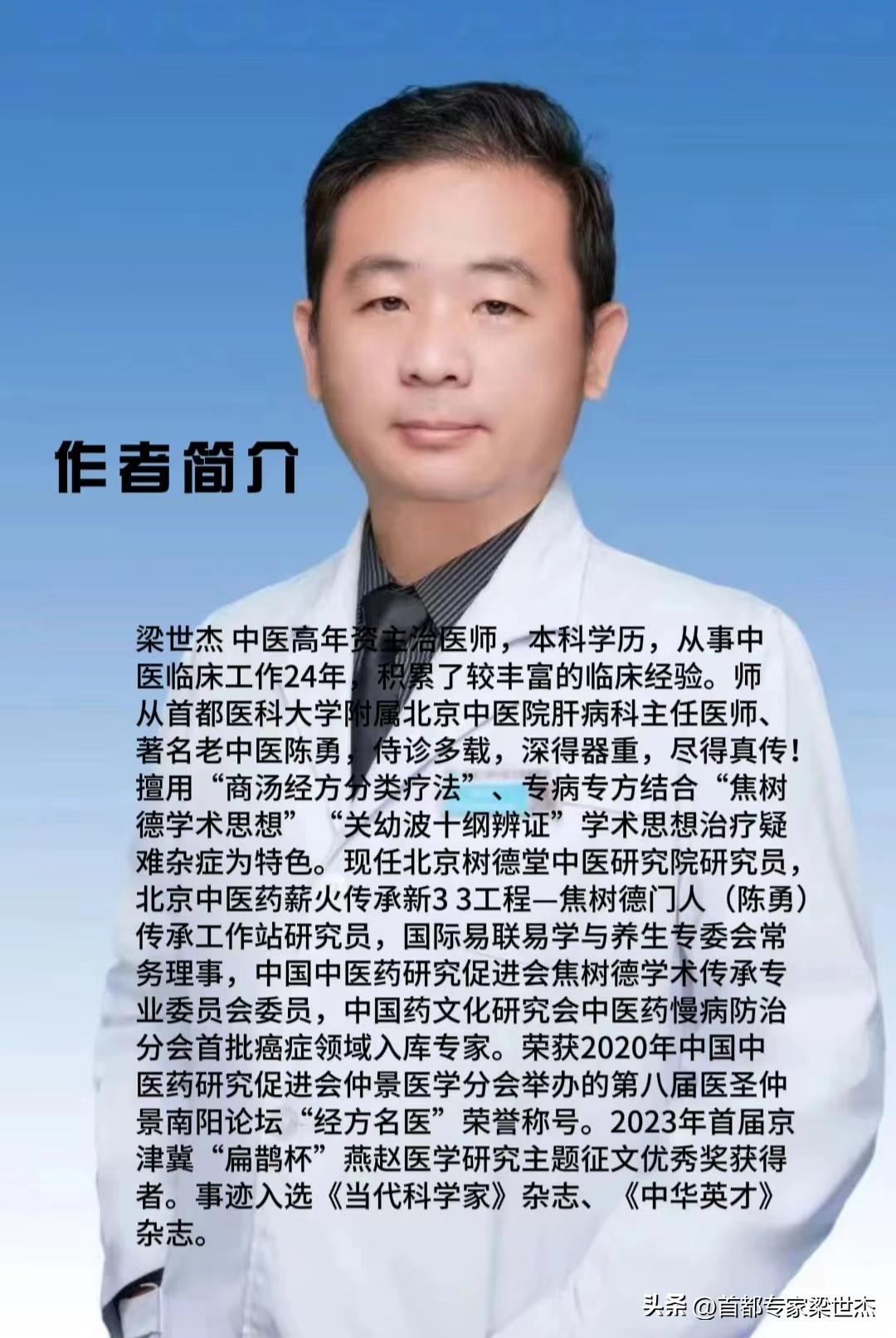
作者簡介:梁世傑 中醫高年資主治醫師,本科學歷,從事中醫臨牀工作24年,積累了較豐富的臨牀經驗。師從首都醫科大學附屬北京中醫院肝病科主任醫師、著名老中醫陳勇,侍診多載,深得器重,盡得真傳!擅用“商湯經方分類療法”、專病專方結合“焦樹德學術思想”“關幼波十綱辨證”學術思想治療疑難雜症爲特色。現任北京樹德堂中醫研究院研究員,北京中醫藥薪火傳承新3+3工程—焦樹德門人(陳勇)傳承工作站研究員,國際易聯易學與養生專委會常務理事,中國中醫藥研究促進會焦樹德學術傳承專業委員會委員,中國藥文化研究會中醫藥慢病防治分會首批癌症領域入庫專家。榮獲2020年中國中醫藥研究促進會仲景醫學分會舉辦的第八屆醫聖仲景南陽論壇“經方名醫”榮譽稱號。2023年首屆京津冀“扁鵲杯”燕趙醫學研究主題徵文優秀獎獲得者。事蹟入選《當代科學家》雜誌、《中華英才》雜誌。
Medicinal flowers: blossoming in diverse soil
In today''s information like torrents of the era, the media is like a mirror hanging, reflecting the state of society, but also shaping the perception of the Volkswagen. When the camera focuses on the medical field, the image of doctors is often bound by rigid frameworks, where the presentation of medical ethics seems to be confined to the narrow arena of free consultations and medical deliveries. But does this healing flower really only bloom in this soil?
A single illusion of medical ethics under the media "filters."
The media, which is supposed to be a messenger of objective records and pluralistic communication, has unwittingly put a "filter" on the promotion of medical ethics. Turning on the television, turning on the newspapers and browsing the web, we often see images of doctors with medical teams going into remote mountain areas to give free medical consultations, medicines and warmth to poor villagers. These scenes are deeply touching, like the warm sun in the winter, and warm the heart. But over time, in the hearts of the Volkswagen, formed a fixed cognition - only free free medical treatment and send medicine, is the embodiment of noble medical ethics.
According to a survey on Volkswagen doctors'' medical ethics, more than 70% of respondents believe that doctors'' participation in free free medical consultation and medicine delivery activities is an important measure of their medical ethics. This single perception is like putting an invisible yoke on medical ethics, leaving doctors who don''t have the opportunity to participate in such activities in the grip of misperception.
There was a grassroots doctor who had worked quietly in his job for decades. Every day, he comes to the hospital early and carefully diagnoses the condition and formulates a treatment plan for each patient. When faced with a difficult medical condition, he would consult a large amount of information, consult experts, and never miss a chance to cure a patient. He was patient and attentive to his patients as he was to his own loved ones. However, because his hospital has limited resources and has not organized large-scale free consultations and medical deliveries, he has been mentioned in media campaigns like a forgotten star in a corner, seldom mentioned. Does that mean his medical ethics are not noble? Obviously not.
Doing and Working: The Daily Poetry of Medical Ethics
In fact, the dedication and tirelessness of doctors is the most realistic reflection of medical ethics in their daily work. Like a group of silent farmers, they worked hard in their fields to sow, water and fertilize, expecting each crop to thrive.
In hospital operating rooms, doctors often have to work more than ten hours in a row. They wore heavy surgical clothes, masks and gloves, and performed the operation with full attention. Every knife and needle is related to the patient''s life and safety, and there can be no margin of error. There was a surgeon who had performed three difficult operations in a row. When he walked out of the operating room, it was late at night and he was exhausted and his legs were as heavy as lead. But he did not spare a break and hurried to the ward to check on the patient''s recovery. His family repeatedly urged him to take care of rest and not to be so desperate, but he always said: "Patients can''t wait for their condition. If I work harder, they''ll have more hope of recovery." Isn''t this spirit of dedication and perseverance an expression of the nobleness of medical ethics?
Look at the doctors in the outpatient rooms, who face a large number of patients every day. From morning to night, the clinic is always filled with long lines. Doctors need to patiently ask each patient about their condition, conduct careful examinations, and then give accurate diagnosis and treatment recommendations. Sometimes, when they encounter patients who are emotional or don''t understand, they also bear the accusations and complaints of the patient, but they still smile and explain the condition in a gentle tone. A physician was in an outpatient clinic when he met a patient who was dissatisfied with the treatment plan. The patient blamed him loudly, saying he wasn''t serious about seeing the doctor. Instead of getting angry, the doctor patiently explained the condition and the treatment plan to the patient again until the patient understood it. Isn''t this conscientious attitude toward the patient a vivid expression of medical ethics?
Uniting colleagues: a harmonious piece of medical ethics
In the medical team, uniting colleagues is also an important expression of medical ethics. Medical work is like a relay race, each step is closely connected, and only if everyone works together can we provide quality medical care to patients.
In cardiovascular medicine at a large hospital, there is an experienced chief physician. Not only is he skilled in his own medicine, he also pays great attention to the training of young doctors. He often organizes case discussions with young doctors to share his clinical experiences and answer their questions. When a young doctor encounters a difficult situation, he always does not hesitate to lend a helping hand, giving guidance and help. Under his leadership, the entire department formed a united, collaborative and positive atmosphere. On one occasion, the department admitted a patient who was in a critical condition and required a combination of treatments from multiple departments. The chief physician took the initiative to communicate and coordinate with doctors from other departments and developed a detailed treatment plan. During the treatment process, everyone performed their duties and worked closely together, and ultimately succeeded in saving the patient''s life. Isn''t this spirit of uniting colleagues and serving the patient together a shining glow of medical ethics?
Financial Limitations: Breaking the Single Definition of Medical Ethics
Not all doctors can afford to deliver medicines. For some primary-level doctors, their income is not high, and they also have to bear the expenses of their families and the pressure of living. They don''t have the ability to organize large-scale free clinics, nor do they have enough money to buy large quantities of drugs to deliver to patients. But that doesn''t mean their medical ethics aren''t noble.
There was a village doctor who practiced medicine in a small village for many years. The conditions of his clinic are poor and the equipment is limited, but he uses his medical skills and love to safeguard the health of the villagers. He often travels from village to village to visit patients with mobility problems. When patients encounter family difficulties, he will voluntarily reduce the medical costs and even pay for drugs for the patients himself. Although he has not participated in the free clinics and medical deliveries advertised in the media, he silently practices the principles of medical ethics in his position. Although his deeds rarely by the media coverage, but in the hearts of the villagers, he is a noble good doctor.
When promoting the medical ethics of doctors, the media should break down the single "filter" and present the image of doctors from a more diverse and objective perspective. Doctors'' dedication and dedication to their work, their conscientiousness to their patients and their solidarity with their colleagues are also expressions of noble medical ethics. Let us pay tribute to every physician who has dedicated his or her career in medicine, and let the flowers of medical ethics shine even brighter in the soil of diversity.
Author Bio: Liang Shijie is a senior medical practitioner in traditional Chinese medicine with an undergraduate degree. He has been engaged in traditional medicine clinical work for 24 years and has accumulated a wealth of clinical experience. Following Chen Yong, chief physician of liver disease at Beijing Traditional Medicine Hospital, affiliated with Capital Medical University, and renowned old Chinese medicine, he has been treated for many years and received great attention. He specializes in the treatment of difficult diseases using "conversational traditional therapy" and special treatments combined with the academic ideas of Jiao Shude and Guan Yubo''s ten-level diagnosis.He is currently a researcher at the Shude Tang TCM Research Institute in Beijing, a fellow at the new 3 + 3 project of traditional Chinese medicine flame inheritance in Beijing - a scholar at the inheritance workstation of Jiao Shude''s protégés (Chen Yong),He is a standing committee member of the International Expert Committee on E-learning and Health Care, a member of the Jiao Shude Academic Heritage Special Committee of the Chinese Association for the Advancement of Chinese Medicine Research, and the first cancer specialist to be included in the chapter of the Chinese Pharmaceutical Culture Research Association. Won the 2020 China Association for the Promotion of Traditional Chinese Medicine Zhongjing Medical Branch held the eighth session of the Medical Saint Zhongjing Nanyang Forum "Classic Prescription Famous Doctor" honorary title. The winner of the first Beijing-Tianjin-Hebei "Pingui Cup" Yanzhao Medical Research Essay Award in 2023. His work was featured in the journal Current Scientist and the journal Chinese Talent.