曹東義:中醫切診——古老智慧在現代醫學中的璀璨光芒
在現代醫學的殿堂裏,高科技的檢查設備如日中天,對有形病竈的診斷已達到了分子極細微的程度。然而,在這股科技浪潮中,中醫的理法方藥診療邏輯,卻如一股清流,堅守着其獨特的診斷方式——四診合參,尤其是切診,這一古老的客觀檢查方法,仍然閃耀着不可替代的光芒。
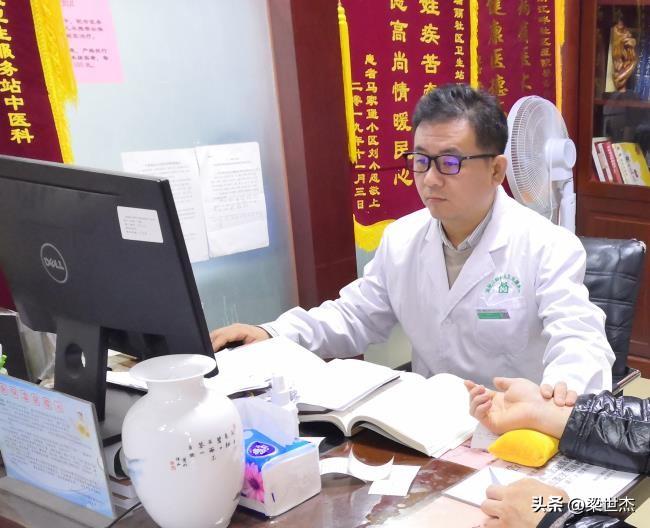
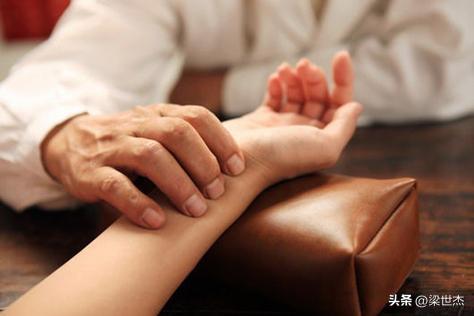
切診,作爲中醫四診之一,是中醫診斷疾病的重要手段。它不僅僅是一種簡單的觸摸,更是中醫對人體生命狀態的一種深刻感知和理解。脈診,作爲切診的核心,更是被譽爲最早的客觀檢查方法。古人爲了推求脈象反映的疾病狀態,探索了幾千年之久,留下了寶貴的經驗和智慧。然而,遺憾的是,如今大部分脈診技藝已失傳,或者被當作“漫無憑據”而主動放棄,成爲了不少中醫的擺設。
但筆者堅信,中醫的脈診仍然有其不可替代的價值。尤其是在缺少實驗設備的基層,脈診更是中醫辨證論治、指導臨牀用藥的不可或缺之法寶。現代醫學的實驗室檢查結果,儘管客觀細緻,但在指導中醫辨證施治方面,仍然沒有成熟的經驗。臨牀上,中醫仍然需要根據脈象來判斷病情,指導使用中藥。如果脫離中醫四診的診療邏輯,尤其是脈診,去套病開方,就失去了中醫診療的精準和規範,失之毫釐,謬之千里!
讓我們回溯歷史,看看那些脈診的璀璨瞬間。春秋末期的醫學家扁鵲,就是脈診的高手。他在診斷昏迷了5天的趙簡子時,主要使用了切脈的診斷方法。他經過切脈後,很有把握地說趙簡子的脈象是正常的,反映全身的氣血平衡、運行狀況良好,所以雖然昏迷了5天,一定會在三天之內清醒過來。果然,扁鵲的預言應驗了,趙簡子如期醒來。這一歷史事件,被司馬遷深信不疑,並在《史記》中兩次採用,足見其對脈診的敬重和推崇。
在扁鵲之前,關於脈學的記載雖然稀少,但古人對心臟與血管的認識已經相當深入。甲骨文、金文等關於“心”字的寫法,都是象形的,是一個心臟的外形上邊划着四條大血管,這說明古人在文字形成的時候,就已經對心臟與血管有了深入的認識。再如《左傳》中記載的楚醫診斷申叔豫病情的虛實,也是依靠脈診來判斷的。申叔豫爲了裝病,臥冰絕食,骨瘦如材,但楚醫經過診察後,卻報告說他的“血氣未動”,這個診斷靠的就是脈診。因爲面色、形肉、表情可以作假,但脈搏調勻和緩有神的脈象是裝不出來的客觀證據。
然而,如今我們對脈象形態的描述、對脈氣運行的推導計算、對脈象與疾病關係的論述,已經丟失得很多了。這不禁讓人扼腕嘆息,如此寶貴的醫學遺產,怎能就這樣輕易遺失呢?
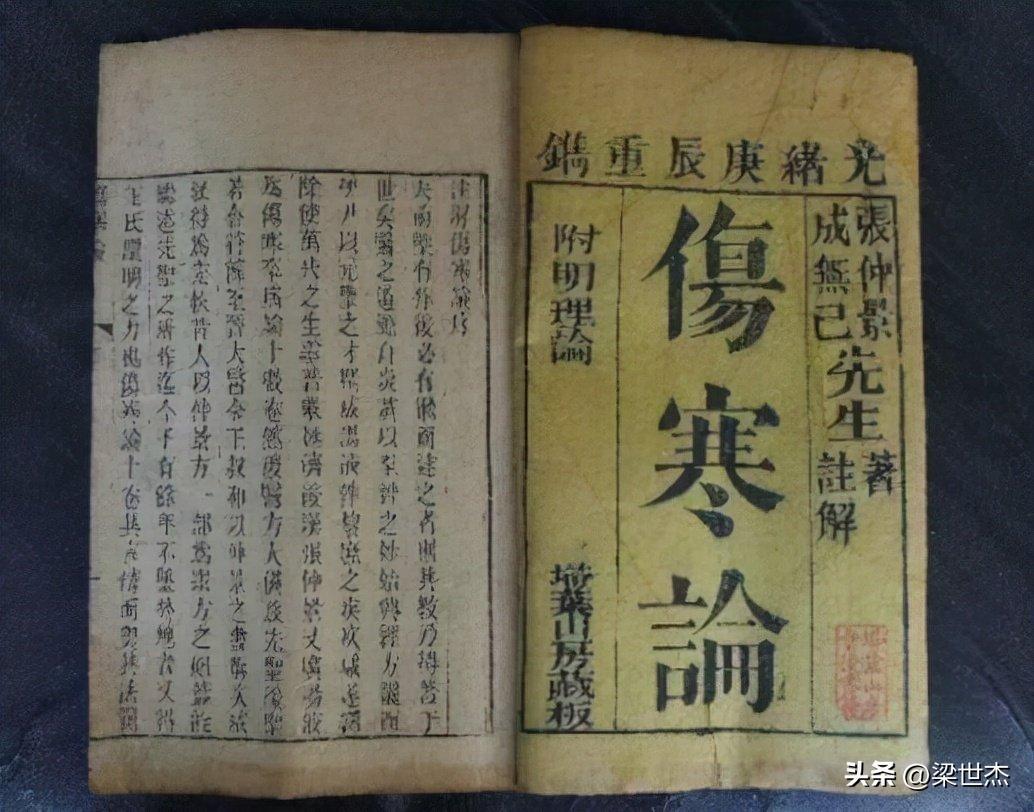
腹部切診在仲景的《傷寒論》裏也佔有十分重要的地位。它決定了“結胸證”病情的輕重,以及與“痞證”的鑑別。中醫對於有形病竈,強調的是氣血痰飲的聚散,是狀態而不是病竈內部具體的形態結構。這種對疾病狀態的整體把握,正是中醫的獨特之處。
在現代醫學高度發達的今天,我們不應該忽視或否定中醫切診的價值。相反,我們應該更加珍惜和發揚這一古老的醫學智慧。因爲,無論科技如何進步,人體生命的複雜性和微妙性都是無法完全用機器來替代的。中醫切診,作爲對人體生命狀態的一種深刻感知和理解,正是我們探索人體奧祕、治療疾病的重要工具。
讓我們舉一個現代的例子來說明中醫切診的價值。有一位患者,長期受到胃痛的困擾,經過多次現代醫學檢查,都未能找到明確的病因。最後,他找到了一位經驗豐富的中醫。中醫通過切診,發現患者的脈象弦細,舌質淡紅,苔薄白,判斷患者爲肝胃不和所致的胃痛。於是,中醫開具了疏肝和胃的中藥方劑,患者服用後,胃痛逐漸緩解,最終完全治癒。這個例子充分說明了中醫切診在診斷疾病方面的獨特優勢和價值。
因此,我們應該重新審視和認識中醫切診的價值和意義。它不僅僅是一種古老的醫學技藝,更是一種對人體生命狀態的深刻理解和感知。在現代醫學高度發達的今天,我們更應該珍惜和發揚這一寶貴的醫學遺產,讓它在現代醫學的殿堂裏繼續閃耀璀璨的光芒。
參考文獻:2005年9月15日《中國中醫藥報》,作者:曹東義,《中醫診察手段基於生物進化》
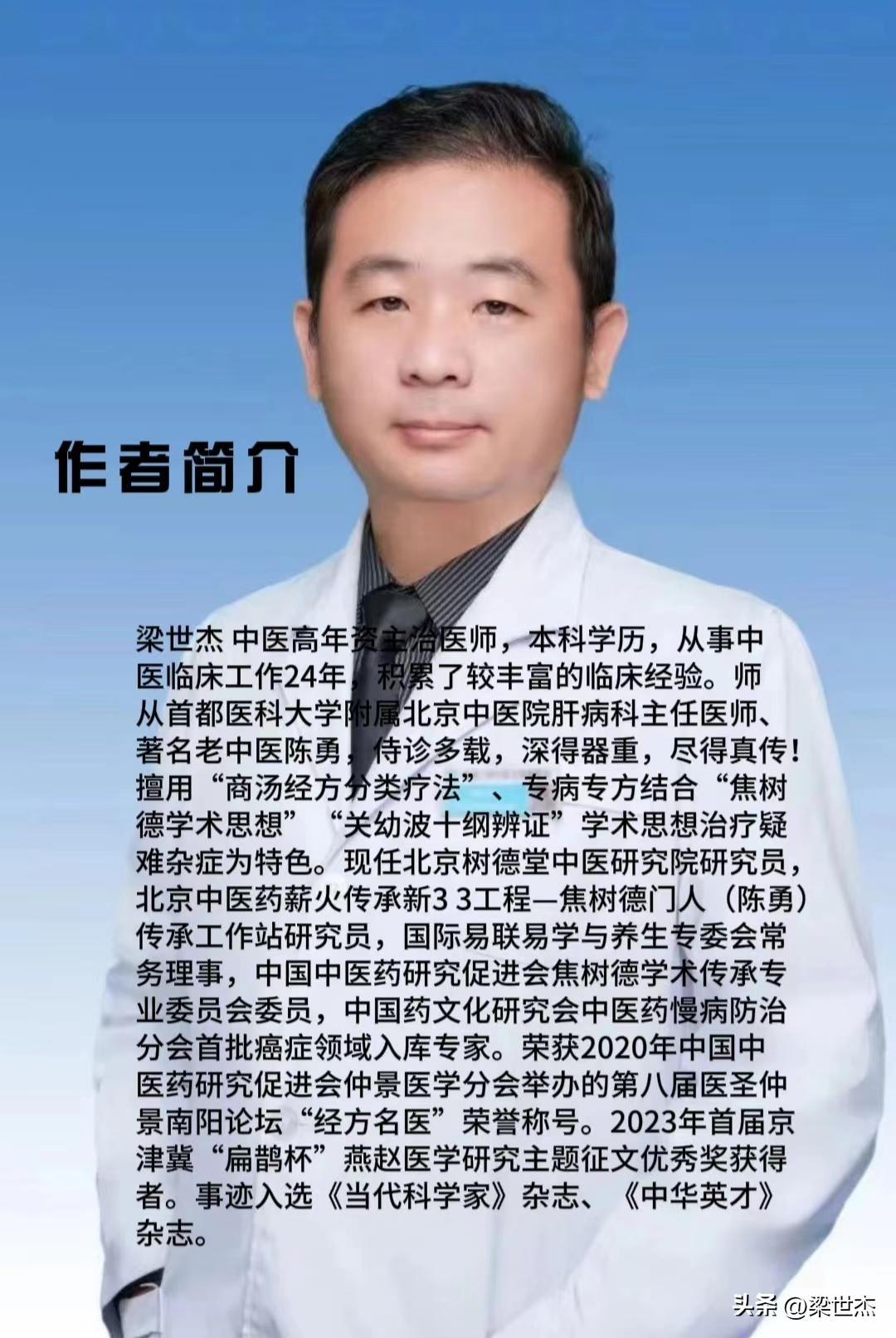
作者簡介:梁世傑 中醫高年資主治醫師,本科學歷,從事中醫臨牀工作24年,積累了較豐富的臨牀經驗。師從首都醫科大學附屬北京中醫院肝病科主任醫師、著名老中醫陳勇,侍診多載,深得器重,盡得真傳!擅用“商湯經方分類療法”、專病專方結合“焦樹德學術思想”“關幼波十綱辨證”學術思想治療疑難雜症爲特色。現任北京樹德堂中醫研究院研究員,北京中醫藥薪火傳承新3+3工程—焦樹德門人(陳勇)傳承工作站研究員,國際易聯易學與養生專委會常務理事,中國中醫藥研究促進會焦樹德學術傳承專業委員會委員,中國藥文化研究會中醫藥慢病防治分會首批癌症領域入庫專家。榮獲2020年中國中醫藥研究促進會仲景醫學分會舉辦的第八屆醫聖仲景南陽論壇“經方名醫”榮譽稱號。2023年首屆京津冀“扁鵲杯”燕趙醫學研究主題徵文優秀獎獲得者。事蹟入選《當代科學家》雜誌、《中華英才》雜誌。
Cao Dongyi: Traditional Chinese Medicine Practice - The Bright Light of Ancient Wisdom in Modern Medicine
In the temple of modern medicine, high-tech inspection equipment is in vogue, and the diagnosis of tangible lesions has reached a molecular level. However, during this wave of technology, the logic of traditional Chinese medicine, traditional remedies and prescriptions, has stuck to its unique diagnostic method - four consultations, especially acupuncture, an ancient objective examination method that still shines irreplaceable.
As one of the four types of traditional Chinese medicine, acupuncture is an important means of diagnosing diseases in Chinese medicine. It is not only a simple touch, but also a profound sense and understanding of the human life state in traditional Chinese medicine. Pulse diagnosis, as the core of medical care, is also known as the earliest method of objective examination. The ancient people explored for thousands of years in order to infer the state of disease reflected by the pulse, leaving behind valuable experience and wisdom. Unfortunately, however, most acupuncture techniques are now lost or abandoned as "unsupported" and have become a feature of many Chinese medicine.
However, I firmly believe that traditional Chinese medicine''s acupuncture still has its irreplaceable value. Especially in primary schools where experimental equipment is lacking, acupuncture is an indispensable tool for dialectical treatment and guiding clinical medication. The laboratory results of modern medicine, although objective and meticulous, still have no mature experience in guiding the dialectical treatment of Chinese medicine. Clinically, traditional Chinese medicine still needs to judge the condition based on pulse signs and guide the use of traditional Chinese medications. If you deviate from the logic of traditional Chinese medicine''s four consultations, especially acupuncture and prescriptions for diseases, you will lose the precision and standard of traditional medicine''s consultations and treatments.
Let''s go back in time and look at those stunning moments of acupuncture. In the late spring and autumn, the medical scholar Panyu was a master of acupuncture. When he diagnosed Zhao Jianzi, who had been in a coma for five days, he mainly used the diagnostic method of angiography. After cutting his vein, he was confident that Zhao Jianzi''s pulse was normal, reflecting the balance of blood and air throughout his body and good operating condition, so although he had been in a coma for five days, he would certainly wake up within three days. Indeed, the prediction of the flatumbrella was fulfilled, and Zhao Jianzi woke up as scheduled. This historical event was deeply believed by Sima Qian and adopted it twice in The History of History, which shows his reverence and admiration for acupuncture.
Before the lentils, there were few records of pulse science, but the ancient people had a fairly deep understanding of the heart and blood vessels. Oracle bone inscription, bronze inscriptions and so on about "heart" character writing, are pictographic, is a heart shape on the side of the four large blood vessels, this shows that the ancients in the text formed, already have a deep understanding of the heart and blood vessels. Furthermore, as recorded in the Left Hand Book, the falseness of the Chu doctor''s diagnosis of Shen Zuyu''s condition relied on a pulse diagnosis. Shen Zunyi went on an ice hunger strike in order to pretend that he was ill, and his bones were thin, but after examination by Chu doctor, he reported that his blood and spirits were still unchanged. This diagnosis relied on a pulse diagnosis. Because the color, shape, and expression of the face can be falsified, a well-balanced and gentle pulse is objective evidence that cannot be presented.
Today, however, we have lost much of our description of pulse patterns, our derivation of pulse movement, and our understanding of the relationship between pulse and disease. It makes one sigh with a wrist. How can such a valuable medical legacy be lost so easily?
Abdominal surgery also played a very important role in Zhong Jing''s Theology of Typhoid. It determines the severity of a "chest examination" and distinguishes it from a "peptic examination." For tangible lesions, traditional Chinese medicine emphasizes the dispersion of aspiration, blood, sputum and drink as a state rather than the specific morphological structure within the lesions. This holistic grasp of disease states is what makes traditional Chinese medicine unique.
In today''s highly developed modern medicine, we should not ignore or deny the value of traditional Chinese medicine for diagnosis. Instead, we should cherish and promote this ancient medical wisdom even more. Because, no matter how much technology advances, the complexity and subtleness of human life cannot be completely replaced by machines. As a profound perception and understanding of the human life state, traditional Chinese medicine is an important tool for exploring human mysteries and treating diseases.
Let us give a modern example to illustrate the value of traditional Chinese medicine consultations. One patient, who had been plagued by stomach pain for a long time, could not find a clear cause after several modern medical tests. Finally, he found an experienced Chinese medicine practitioner. Through the palpation, TCM found that the patient''s pulse string thin, pale red tongue, thin white fur, judging the patient for liver-stomach discomfort in stomach caused. Therefore, TCM prescribes a Chinese herbal remedy for the liver and stomach, and after the patient takes it, the stomach pain gradually relieves and eventually is completely cured. This example fully illustrates the unique advantages and value of traditional Chinese medicine in diagnosing diseases.
Therefore, we should re-examine and realize the value and significance of traditional Chinese medicine diagnosis. It is not only an ancient medical technique, but also a profound understanding and perception of the state of human life. At a time when modern medicine is highly developed, we should cherish and promote this valuable medical heritage and let it continue to shine brightly in the temple of modern medicine.
References: Chinese TCM Daily, September 15, 2005. Author: Cao Dongyi, TCM diagnostic methods based on biological evolution.
Author Bio: Liang Shijie is a senior medical practitioner in traditional Chinese medicine with an undergraduate degree. He has been engaged in traditional medicine clinical work for 24 years and has accumulated a wealth of clinical experience. Following Chen Yong, chief physician of liver disease at Beijing Traditional Medicine Hospital, affiliated with Capital Medical University, and renowned old Chinese medicine, he has been treated for many years and received great attention. He specializes in the treatment of difficult diseases using "conversational traditional therapy" and special treatments combined with the academic ideas of Jiao Shude and Guan Yubo''s ten-level diagnosis.He is currently a researcher at the Shude Tang TCM Research Institute in Beijing, a fellow at the new 3 + 3 project of traditional Chinese medicine flame inheritance in Beijing - a scholar at the inheritance workstation of Jiao Shude''s protégés (Chen Yong),He is a standing committee member of the International Expert Committee on E-learning and Health Care, a member of the Jiao Shude Academic Heritage Special Committee of the Chinese Association for the Advancement of Chinese Medicine Research, and the first cancer specialist to be included in the chapter of the Chinese Pharmaceutical Culture Research Association. Won the 2020 China Association for the Promotion of Traditional Chinese Medicine Zhongjing Medical Branch held the eighth session of the Medical Saint Zhongjing Nanyang Forum "Classic Prescription Famous Doctor" honorary title. The winner of the first Beijing-Tianjin-Hebei "Pingui Cup" Yanzhao Medical Research Essay Award in 2023. His work was featured in the journal Current Scientist and the journal Chinese Talent.