疾病非對抗療法唯一,中醫“內生五邪”感召調理之道
在浩瀚的醫學海洋中,人類對於疾病的治療探索從未停歇。傳統觀念中,疾病常常被視爲外來之敵,需以對抗之法將其驅逐。然而,隨着醫學科學的深入發展,我們逐漸意識到,疾病並非簡單的“敵我”對抗,而是身體內部環境失衡、細胞功能失調的複雜表現。在此背景下,中醫的“內生五邪”理論,如同一盞明燈,照亮了疾病調理的新路徑。
所謂“內生五邪”,即風、寒、暑、溼、燥,這並非外界氣候的直接入侵,而是身體內部因臟腑功能失調、氣血運行不暢所產生的病理變化。它們如同身體內部的“陳舊疤痕”,雖不顯眼,卻潛藏着引發疾病的危機。這些“內生五邪”不僅影響了細胞的正常代謝,還破壞了身體內部的平衡狀態,使得細胞在生存狀態不佳時,不得不啓動自我摧毀機制,形成凋亡小體,最終被巨噬細胞清除。
這一過程,看似是身體的自我修復,實則卻是細胞在無奈之下的“壯士斷腕”。而當傷害因素過於嚴重時,細胞變性壞死,細胞膜破裂,細胞內容物溢出,就會引發一系列炎症反應。白細胞趨化、致炎物質釋放,如白介素、溶菌酶、腫瘤壞死因子等,這些化學分子物質的大量釋放,雖然在清除外來微生物感染方面發揮了重要作用,但同時也可能加重組織損害,如SARS的病理過程、外傷導致的急性肺損傷、腎損害等,無不是這一機制的體現。
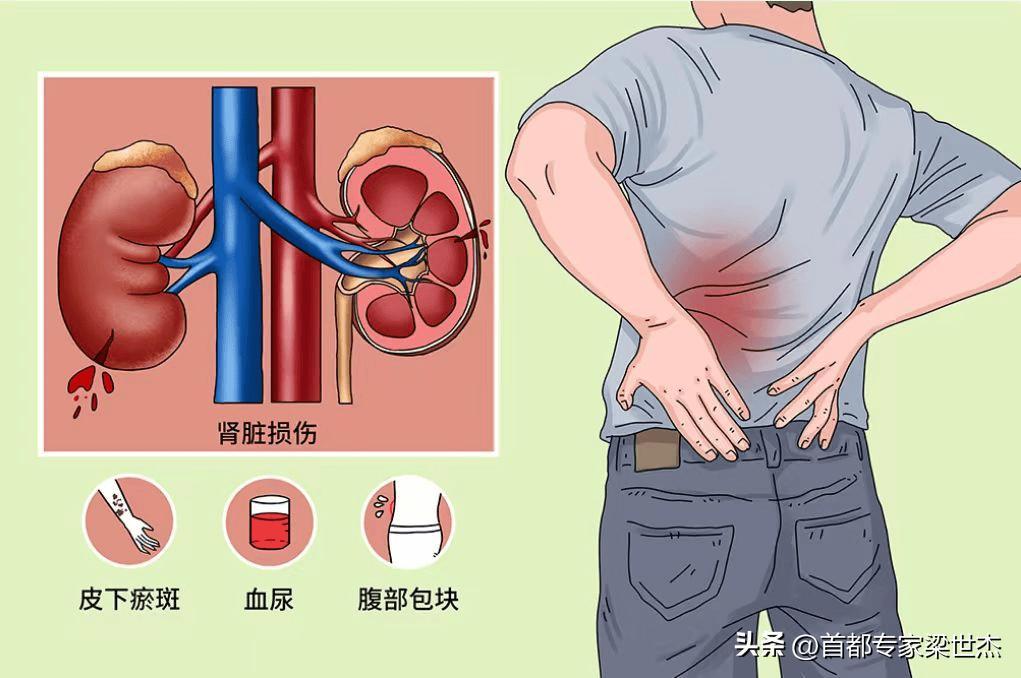
值得注意的是,並非只有微生物的直接侵害才能傷肺。給動物注射脂多糖、內毒素等,同樣可以形成急性肺損傷。這正如中醫所言,“五臟六腑皆能令肺傷,非獨肺也”。身體的每一個細胞、每一個器官,都是相互關聯、相互影響的。細胞的各種功能、基因的轉錄、蛋白質的合成,都是衆多因素調控的結果,而非單一因素的作用。
面對如此複雜的疾病機制,我們是否只能束手無策?顯然不是。中醫的“內生五邪”理論,爲我們提供了另一種思考方式。它強調調理身體內部環境,恢復臟腑功能,使氣血運行順暢,從而達到治療疾病的目的。這並非簡單的對症治療,而是從根本上改善身體的整體狀態,增強身體的自我修復能力。
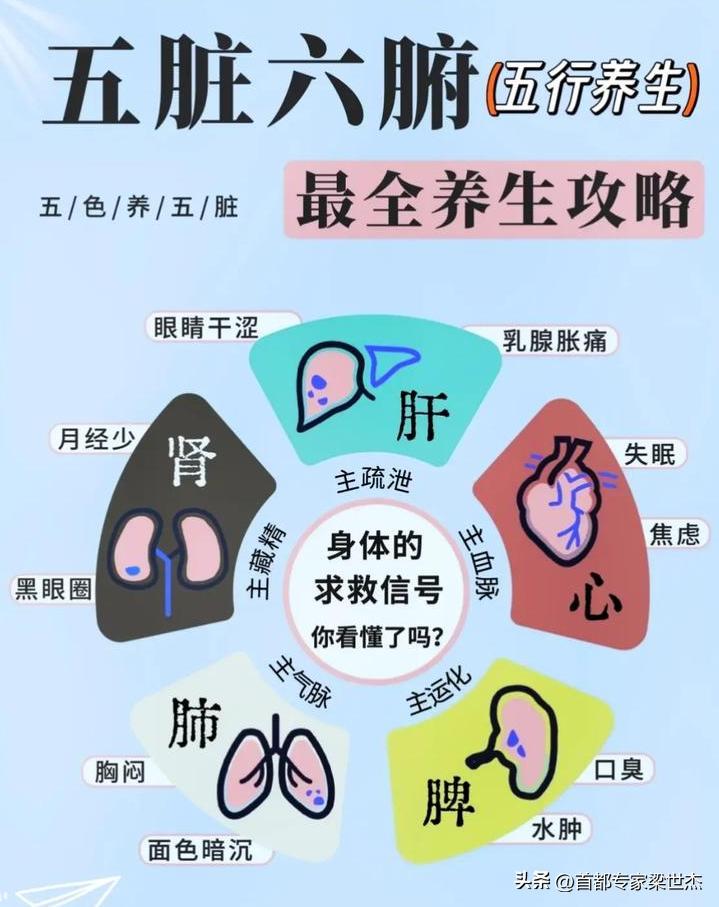
舉例來說,對於因寒溼內侵而引起的關節疼痛,中醫並非只是簡單地止痛消炎,而是通過溫陽散寒、祛溼通絡的方法,調理身體內部環境,使寒溼之邪得以祛除,關節疼痛自然緩解。這種方法,不僅治療了疾病,還改善了身體的整體狀態,提高了生活質量。
再看現代醫學,雖然取得了舉世矚目的成就,但在面對一些慢性疾病、複雜疾病時,往往顯得力不從心。這正是因爲現代醫學過於注重疾病的對症治療,而忽視了身體內部環境的調理。而中醫的“內生五邪”理論,正是彌補了這一不足,爲我們提供了更爲全面、更爲深入的疾病治療思路。
據統計,近年來,越來越多的慢性疾病患者開始尋求中醫治療,並取得了顯著的效果。這不僅是因爲中醫的療效得到了認可,更是因爲中醫的調理之道符合了人們對於健康生活的追求。在快節奏的現代生活中,人們越來越意識到,健康並非只是沒有疾病,而是身體、心理、社會的全面和諧。而中醫的調理之道,正是實現這一目標的最佳途徑。
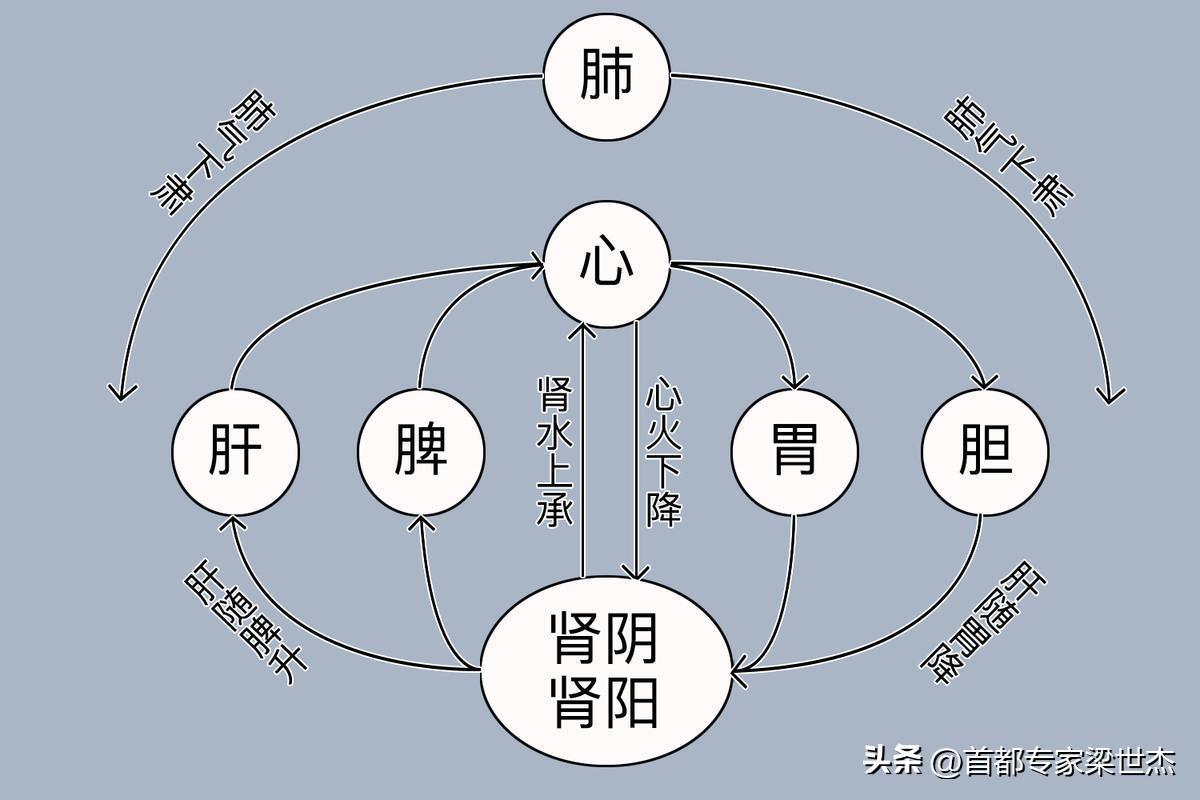
因此,我們應該摒棄傳統的對抗療法思維,轉而擁抱中醫的調理之道。通過調理身體內部環境,恢復臟腑功能,使氣血運行順暢,我們不僅可以治療疾病,還可以預防疾病的發生,提高生活質量,實現真正的健康長壽。中醫的“內生五邪”理論,正是我們走向這一目標的指路明燈。讓我們攜手共進,探索中醫的奧祕,爲人類的健康事業貢獻我們的力量!
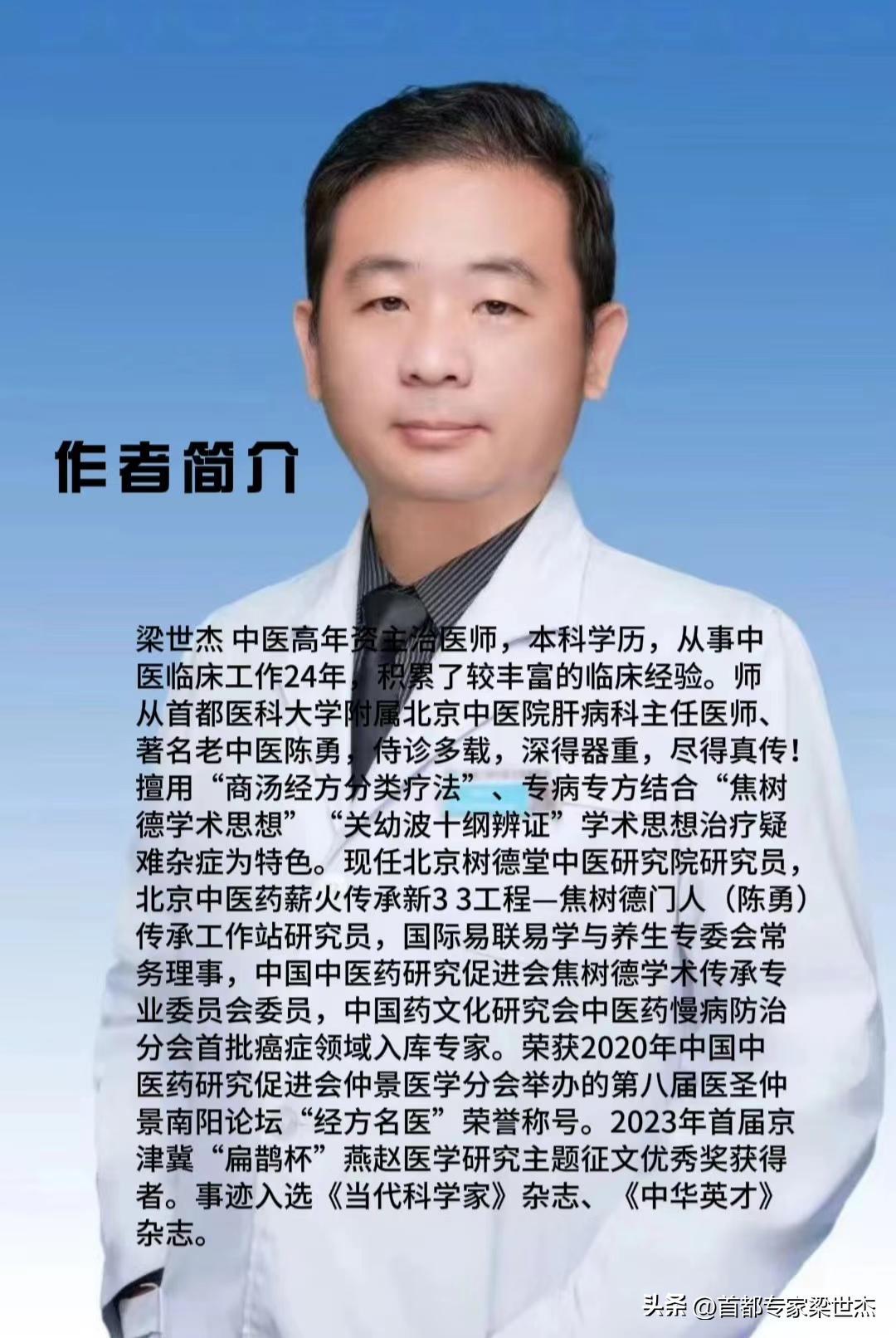
作者簡介:梁世傑 中醫高年資主治醫師,本科學歷,從事中醫臨牀工作24年,積累了較豐富的臨牀經驗。師從首都醫科大學附屬北京中醫院肝病科主任醫師、著名老中醫陳勇,侍診多載,深得器重,盡得真傳!擅用“商湯經方分類療法”、專病專方結合“焦樹德學術思想”“關幼波十綱辨證”學術思想治療疑難雜症爲特色。現任北京樹德堂中醫研究院研究員,北京中醫藥薪火傳承新3+3工程—焦樹德門人(陳勇)傳承工作站研究員,國際易聯易學與養生專委會常務理事,中國中醫藥研究促進會焦樹德學術傳承專業委員會委員,中國藥文化研究會中醫藥慢病防治分會首批癌症領域入庫專家。榮獲2020年中國中醫藥研究促進會仲景醫學分會舉辦的第八屆醫聖仲景南陽論壇“經方名醫”榮譽稱號。2023年首屆京津冀“扁鵲杯”燕趙醫學研究主題徵文優秀獎獲得者。事蹟入選《當代科學家》雜誌、《中華英才》雜誌。
Disease is not the only anti-confrontation therapy, and the "inner evils" of Chinese medicine call for a cure
In the vast sea of medicine, human exploration for the treatment of diseases has never stopped. Traditionally, diseases are often seen as alien enemies that need to be expelled by means of confrontation. However, with the deep development of medical science, we gradually realize that disease is not a simple "enemy" confrontation, but a complex manifestation of the internal environmental imbalance and cellular dysfunction of the body. In this context, traditional Chinese medicine''s theory of "inner-born five evils" is like a bright light that illuminates a new path for disease management.
The so-called "internal five evils," namely wind, cold, heat, wet, and dry, are not direct invasions of external climate, but pathological changes within the body caused by dysfunction of the internal organs and improper functioning of the qi and blood. They are like "old scars" inside the body, although they are not visible, but they hide the danger of causing disease. These "endogenous five evils" not only affect the normal metabolism of cells, but also disrupt the internal balance state of the body, making cells have to initiate self-destruction mechanisms when they are not living well, forming apoptosis, and eventually being cleared by macrophages.
This process, which appears to be a self-repair of the body, is actually a "strength breaking of the wrist" of the cells in frustration. When the injury factor is too severe, cell degeneration necrosis, cell membrane rupture, cell contents overflow, and a series of inflammatory responses will be triggered. White blood cell chemotaxis and release of inflammatory substances, such as interleukin, lysozyme, TNF, etc. Although the large release of these chemical and molecular substances plays an important role in the removal of foreign microbial infections, it may also aggravate tissue damage, such as the pathological process of SARS, acute lung injury caused by trauma, and kidney damage, which is not an embodiment of this mechanism.
It is important to note that it is not only the direct invasion of microorganisms that can injure the lungs. Injecting lipids, endotoxins, etc. into animals can also form acute lung damage. This is as traditional Chinese medicine says, "All the five organs and ines can injure the lung, not the lung alone." Every cell and every organ of the body is connected and affects each other. The various functions of cells, the transcription of genes, and the synthesis of proteins are the result of the regulation of many factors, not the role of a single factor.
Are we left with nothing to do in the face of such a complex disease mechanism? Obviously not. The theory of "innerly evil" in Chinese medicine provides us with another way of thinking. It emphasizes conditioning the internal environment of the body, restoring the function of the meridians, and making the qi and blood run smoothly, thereby achieving the purpose of treating diseases. This is not simply a cure, but rather a fundamental improvement of the overall state of the body and enhancement of the body''s ability to repair itself.
For example, for joint pain caused by cold and damp invasion, TCM is not just a simple pain and anti-inflammatory, but by warming yang for dispelling cold and dispelling dampness and dredging collaterals, regulate the internal environment of the body, so that the evil of cold and damp can be dispelled and the joint pain can be relieved naturally. This method not only treats the disease, but also improves the overall state of the body and improves the quality of life.
Looking at modern medicine, although it has made remarkable achievements, it often seems inadequate in the face of some chronic and complex diseases. This is precisely because modern medicine focuses too much on the treatment of the disease and neglects the regulation of the internal environment of the body. The theory of the "inner evils" of traditional Chinese medicine makes up for this shortcoming and provides us with a more comprehensive and in-depth approach to disease treatment.
According to statistics, in recent years, more and more patients with chronic diseases have begun to seek traditional Chinese medicine treatment and have achieved remarkable results. This is not only because the efficacy of traditional Chinese medicine has been recognized, but also because the traditional Chinese way of conditioning meets people''s pursuit of a healthy life. In the fast-paced modern life, people are increasingly aware that health is not just the absence of disease, but the full harmony of body, mind and society. The traditional Chinese medicine approach is the best way to achieve this goal.
Therefore, we should abandon the traditional thinking of counter-therapy and instead embrace the traditional Chinese medicine of healing. By regulating the internal environment of the body, restoring the function of the meridians and the qi and blood, we can not only treat diseases, but also prevent the occurrence of diseases, improve the quality of life, and achieve true health and longevity. The theory of the "inner evils" of Chinese medicine is the guiding light for us to move towards this goal. Let us join hands to explore the mysteries of traditional Chinese medicine and contribute our strength to the cause of human health!
Author Bio: Liang Shijie is a senior medical practitioner in traditional Chinese medicine with an undergraduate degree. He has been engaged in traditional medicine clinical work for 24 years and has accumulated a wealth of clinical experience. Following Chen Yong, chief physician of liver disease at Beijing Traditional Medicine Hospital, affiliated with Capital Medical University, and renowned old Chinese medicine, he has been treated for many years and received great attention. He specializes in the treatment of difficult diseases using "conversational traditional therapy" and special treatments combined with the academic ideas of Jiao Shude and Guan Yubo''s ten-level diagnosis.He is currently a researcher at the Shude Tang TCM Research Institute in Beijing, a fellow at the new 3 + 3 project of traditional Chinese medicine flame inheritance in Beijing - a scholar at the inheritance workstation of Jiao Shude''s protégés (Chen Yong),He is a standing committee member of the International Expert Committee on E-learning and Health Care, a member of the Jiao Shude Academic Heritage Special Committee of the Chinese Association for the Advancement of Chinese Medicine Research, and the first cancer specialist to be included in the chapter of the Chinese Pharmaceutical Culture Research Association. Won the 2020 China Association for the Promotion of Traditional Chinese Medicine Zhongjing Medical Branch held the eighth session of the Medical Saint Zhongjing Nanyang Forum "Classic Prescription Famous Doctor" honorary title. The winner of the first Beijing-Tianjin-Hebei "Pingui Cup" Yanzhao Medical Research Essay Award in 2023. His work was featured in the journal Current Scientist and the journal Chinese Talent.