實現中華文化自信和復興:允許一部分國學文化大師先富起來
在當今這個全球化的時代,文化的交流與碰撞比以往任何時候都要頻繁和激烈。中華文化,作爲世界上歷史最悠久的文化之一,如何在這樣的背景下保持自信,實現復興,是我們每一個炎黃子孫都必須認真思考的問題。而在這個過程中,“允許一部分國學文化大師先富起來”的策略,無疑是一條值得探索的路徑。
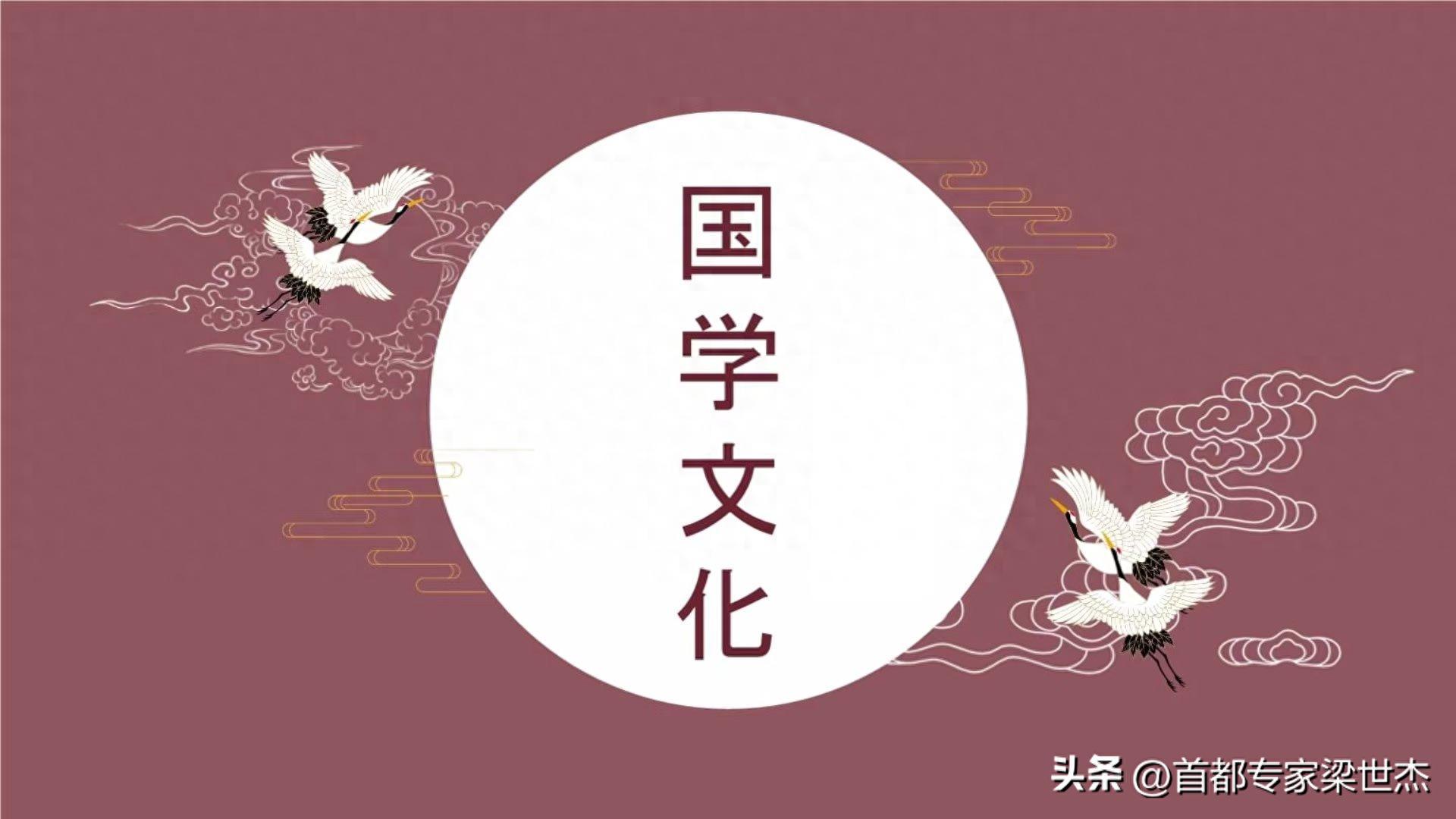
我們爲何要強調中華文化自信和復興?這不僅僅是因爲文化是一個民族的精神家園,更因爲文化軟實力在當今國際競爭中扮演着越來越重要的角色。當我們談論中國的經濟崛起時,往往忽視了文化崛起的重要性。一個沒有深厚文化底蘊的國家,即便經濟再強大,也難以在世界舞臺上贏得真正的尊重。
那麼,如何實現中華文化的自信和復興呢?這絕非一朝一夕之功,需要我們從多個方面入手。而“允許一部分國學文化大師先富起來”,正是其中的關鍵一環。
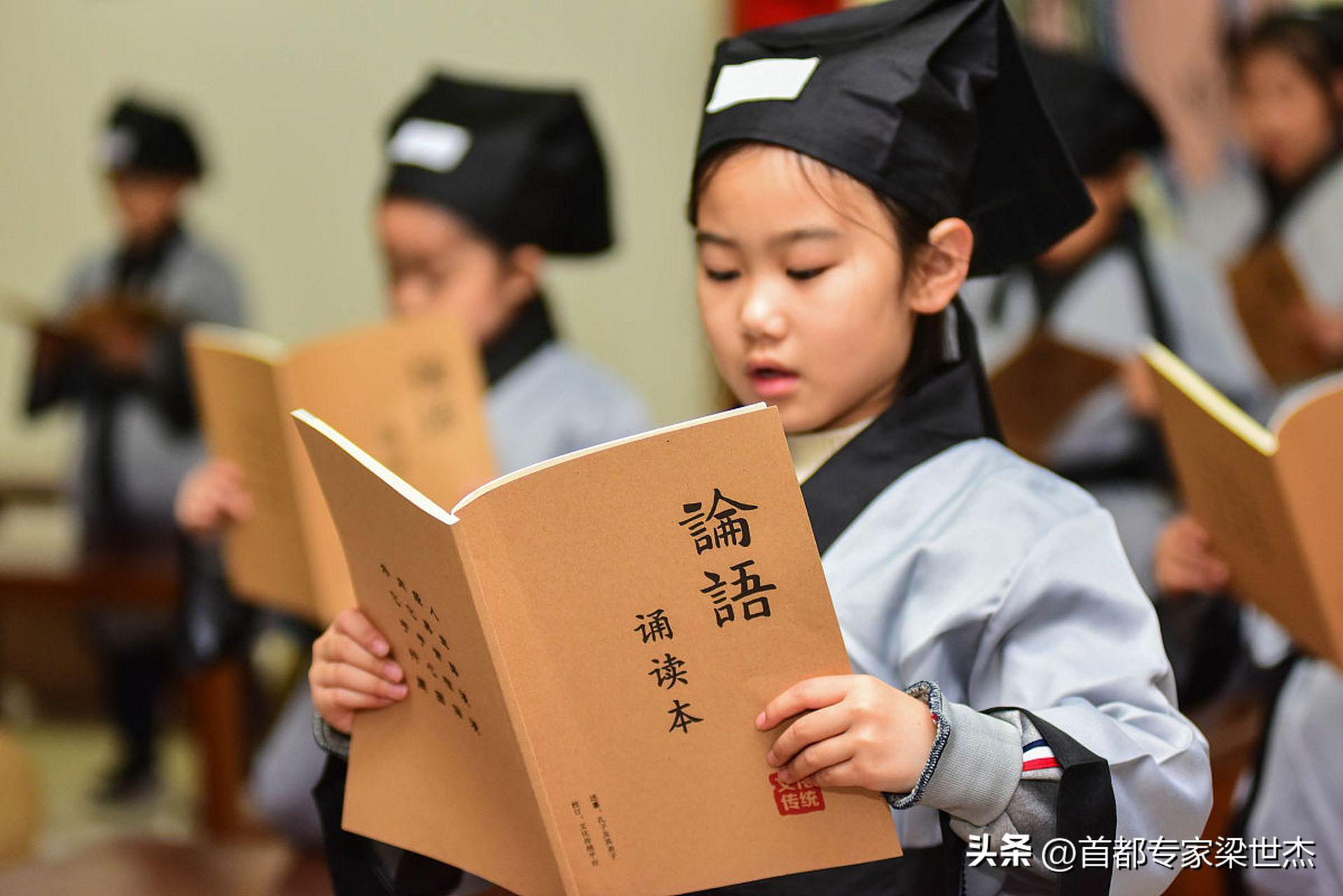
國學文化大師,是中華文化的傳承者和創新者。他們深諳中華文化的精髓,能夠將其以現代人易於接受的方式傳播出去。然而,在過去的一段時間裏,由於各種運動:破四舊、四清、打倒孔家店、文化*命、破除封建迷信運動……這些大師們往往面臨着文化傳承斷代、生活拮据、研究經費不足的困境。這樣的狀況,無疑嚴重製約了他們在文化傳承和創新上的發揮。
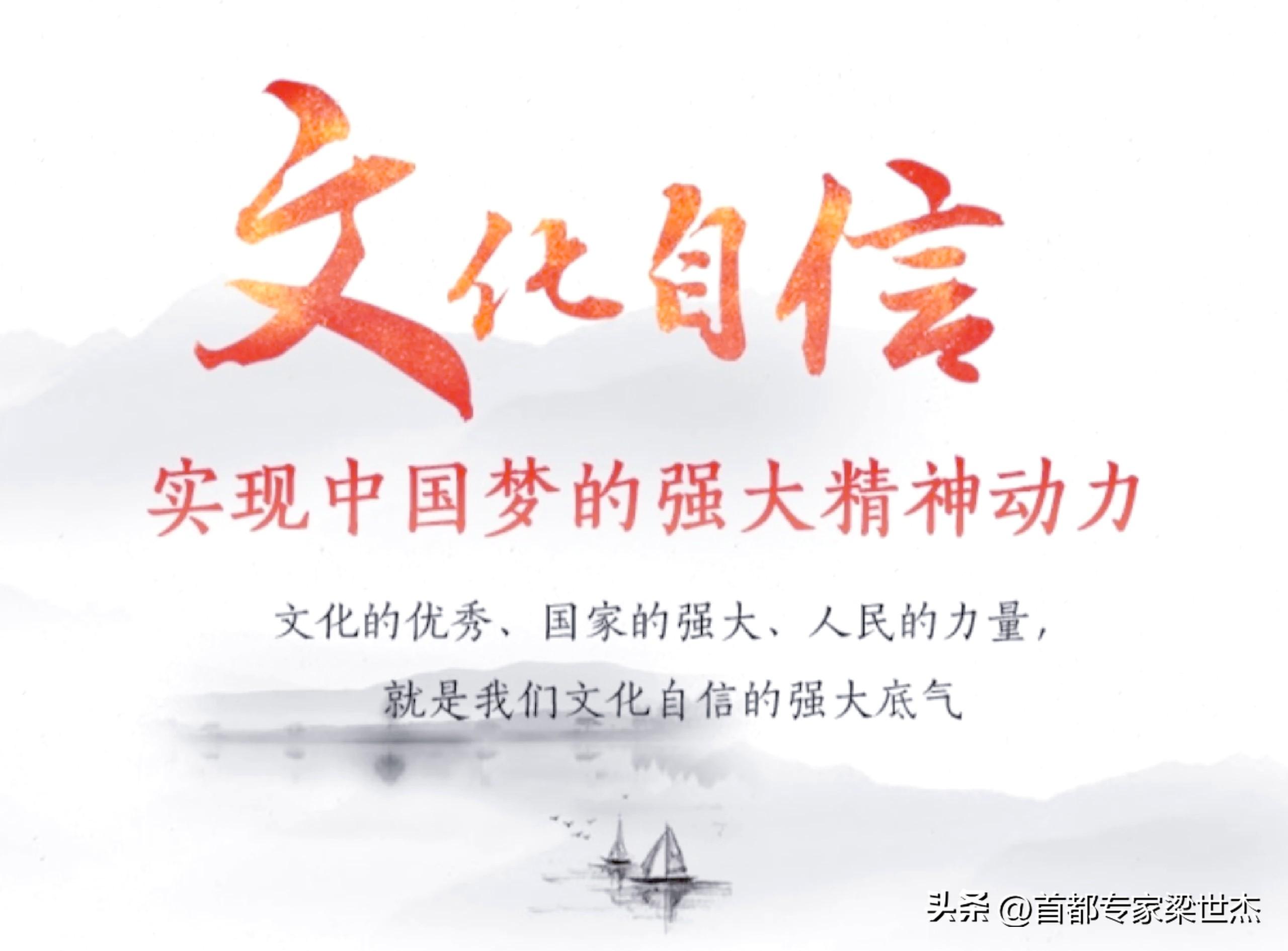
因此,我們應該大膽提出“允許一部分國學文化大師先富起來”的口號。這並不是說我們要搞文化領域的“兩極分化”,而是要通過政策扶持、資金支持、文化變現等方式,讓那些真正有才華、有貢獻的國學文化大師得到應有的回報。只有這樣,才能激發他們更大的創作、傳播熱情,爲中華文化的傳承和創新注入更多的活力。
舉例來說,我們可以設立國學文化基金,爲那些在研究、創作、傳播國學文化方面做出突出貢獻的大師們提供資金獎勵和支持。同時,我們還可以通過與高校、研究機構等合作,爲這些大師們提供更好的研究環境和條件。通過開設新媒體運營傳播傳統文化……這樣,不僅能夠讓他們安心於國學文化的研究和傳播,還能夠吸引更多的年輕人投身到這個領域中來。
當然,有人可能會擔心,這樣的政策會不會導致文化領域的“功利化”傾向?這種擔憂是可以理解的,但我們應該看到,真正的國學文化大師並不是爲了金錢而從事這項事業的。他們之所以能夠成爲大師,是因爲他們對中華文化有着深厚的感情和執着的追求。因此,只要我們能夠建立起一個公平、公正、透明的評價機制,確保那些真正有才華、有貢獻的大師們能夠得到應有的回報,就能夠避免文化領域的“功利化”傾向。
除了政策扶持和資金支持外,我們還需要在全社會營造一種尊重國學、崇尚文化的氛圍。這需要我們每一個人都從自己做起,從點滴小事做起。比如,我們可以多讀一些國學經典著作,參加一些國學文化活動,向身邊的人傳播國學文化的魅力和價值。
實現中華文化自信和復興是一項長期而艱鉅的任務。但只要我們堅定信念、勇往直前,就一定能夠讓中華文化在世界舞臺上綻放出更加絢麗的光彩。而“允許一部分國學文化大師先富起來”的策略,無疑將爲我們在這條道路上提供有力的支持和保障。讓我們攜手共進,爲中華文化的傳承和創新貢獻自己的力量吧!
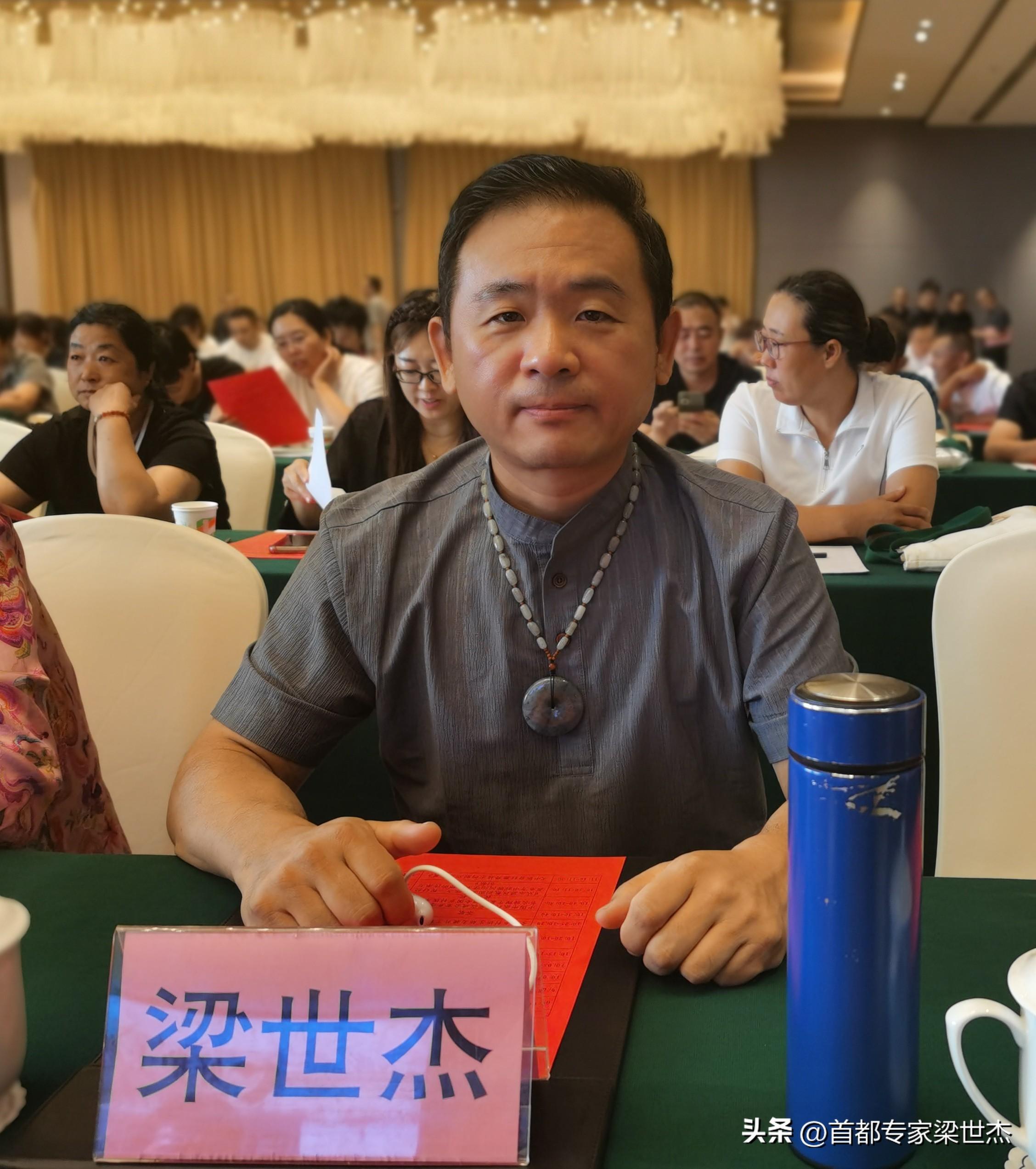
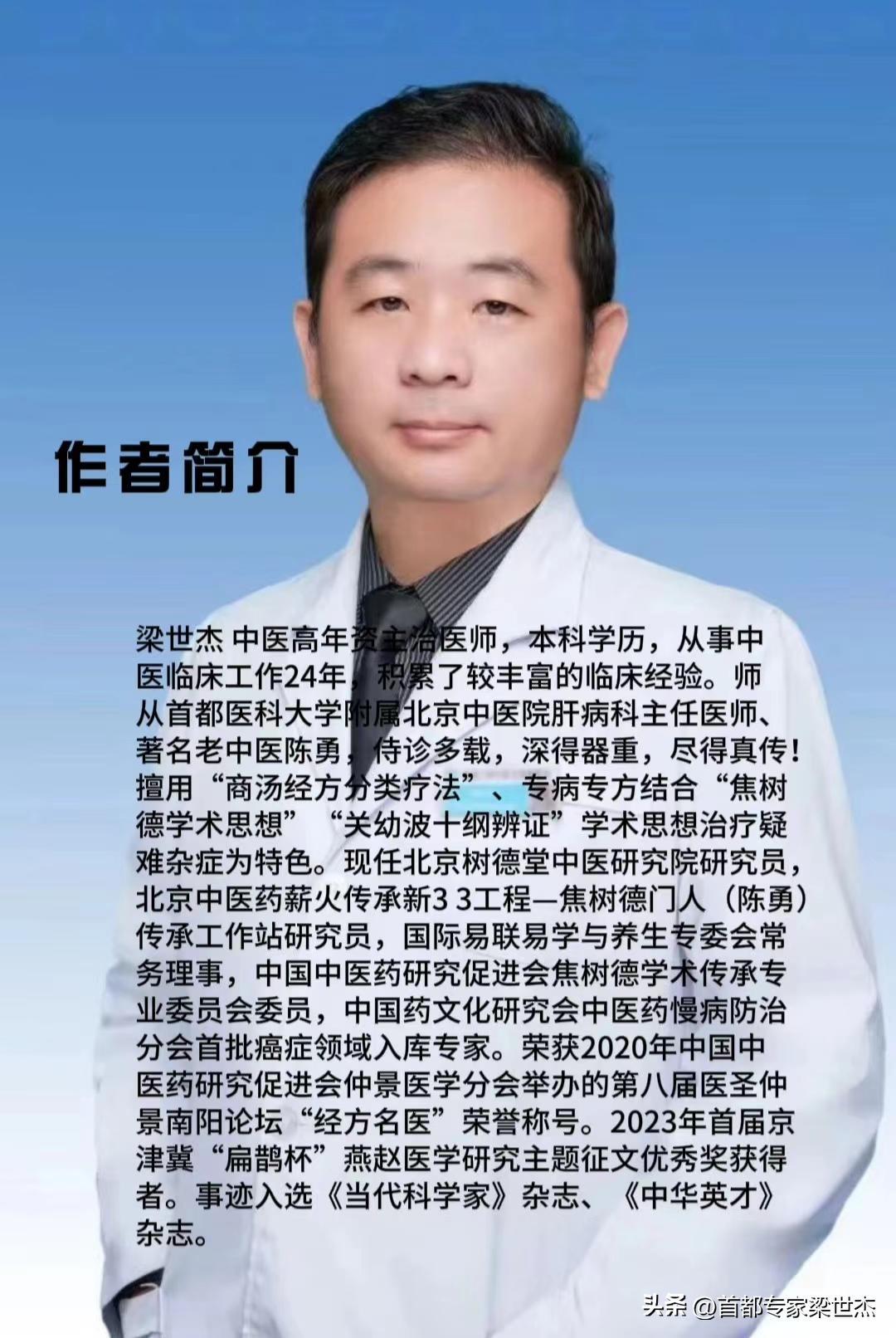
作者簡介:梁世傑 中醫高年資主治醫師,本科學歷,從事中醫臨牀工作24年,積累了較豐富的臨牀經驗。師從首都醫科大學附屬北京中醫院肝病科主任醫師、著名老中醫陳勇,侍診多載,深得器重,盡得真傳!擅用“商湯經方分類療法”、專病專方結合“焦樹德學術思想”“關幼波十綱辨證”學術思想治療疑難雜症爲特色。現任北京樹德堂中醫研究院研究員,北京中醫藥薪火傳承新3+3工程—焦樹德門人(陳勇)傳承工作站研究員,國際易聯易學與養生專委會常務理事,中國中醫藥研究促進會焦樹德學術傳承專業委員會委員,中國藥文化研究會中醫藥慢病防治分會首批癌症領域入庫專家。榮獲2020年中國中醫藥研究促進會仲景醫學分會舉辦的第八屆醫聖仲景南陽論壇“經方名醫”榮譽稱號。2023年首屆京津冀“扁鵲杯”燕趙醫學研究主題徵文優秀獎獲得者。事蹟入選《當代科學家》雜誌、《中華英才》雜誌。
Achieve self-confidence and rejuvenation of Chinese culture: Allow some masters of Chinese culture to get rich first
In this era of globalization, cultural exchanges and collisions are more frequent and intense than ever before. Chinese culture, as one of the world''s oldest culture, how to maintain confidence in such a background, to achieve rejuvenation, every Chinese must seriously think about the problem. In the process, the strategy of "allowing some masters of Chinese culture to get rich first" is undoubtedly a path worth exploring.
Why should we emphasize the self-confidence and rejuvenation of Chinese culture? This is not only because culture is the spiritual home of a nation, but also because cultural soft power plays an increasingly important role in today''s international competition. When we talk about China''s economic rise, we often overlook the importance of the cultural rise. A country without a deep cultural heritage, even if its economy is strong, will struggle to win real respect on the world stage.
So, how to achieve the self-confidence and rejuvenation of Chinese culture? This is by no means a one-shot endeavor and requires us to start from a number of fronts. "Allowing some of the masters of Chinese culture to get rich first" is a crucial part of this.
The master of Chinese culture is the inheritor and innovator of Chinese culture. They have a good grasp of the essence of Chinese culture and are able to spread it in a way that is easily accepted by modern people. However, in the past few years, due to various movements: the cracking of the Four Old and Four Qing, the defeat of Confucius, the cultural life, the dismantling of the feudal superstition movement... These masters often face the difficulty of losing the inheritance of culture, living very poorly, and not having enough funds for research. This situation undoubtedly seriously restricts their ability to carry on their cultural heritage and innovation.
Therefore, we should boldly raise the slogan "Let some of the masters of Chinese culture get rich first." This is not to say that we should engage in "bifurcation" in the field of culture, but to let those truly talented and contributed masters of Chinese culture get their fair share through policy support, financial support, and cultural monetization. Only in this way can they be inspired to create and spread more enthusiasm for the inheritance and innovation of Chinese culture.
For example, we could establish a national scholarship fund to provide financial incentives and support to masters who have made outstanding contributions in researching, creating and disseminating national scholarship. At the same time, we can also provide better research environment and conditions for these masters through cooperation with universities and research institutions. Through the opening of new media operations to spread traditional culture. In this way, they can not only reassure them about the study and dissemination of Chinese culture, but also attract more young people to enter this field.
Of course, one might worry whether such a policy would lead to a "utilitarianization" tendency in the cultural sphere. Such concerns are understandable, but we should see that true masters of Chinese culture do not pursue the cause for money. They can become masters, because they have deep feelings and persistent pursuit of Chinese culture. Thus, we can avoid the tendency towards "utilitization" in culture if we can establish a fair, impartial and transparent evaluation mechanism that ensures that truly talented and contributing masters get the rewards they deserve.
In addition to policy support and financial support, we also need to create an atmosphere of respect for national learning and culture throughout society. It requires each of us to start by ourselves, by small things. For example, we can read more Chinese classics, participate in some Chinese cultural activities, and spread the charm and value of Chinese culture to the people around us.
To achieve self-confidence and rejuvenation of Chinese culture is a long-term and arduous task. But as long as we are firm in our conviction and courageously march forward, we will certainly be able to make Chinese culture shine even more brilliantly on the world stage. The strategy of "allowing some masters of Chinese culture to get rich first" will undoubtedly provide strong support and guarantee for us on this path. Let''s join hands and contribute to the inheritance and innovation of Chinese culture!
Author Bio: Liang Shijie is a senior medical practitioner in traditional Chinese medicine with an undergraduate degree. He has been engaged in traditional medicine clinical work for 24 years and has accumulated a wealth of clinical experience. Following Chen Yong, chief physician of liver disease at Beijing Traditional Medicine Hospital, affiliated with Capital Medical University, and renowned old Chinese medicine, he has been treated for many years and received great attention. He specializes in the treatment of difficult diseases using "conversational traditional therapy" and special treatments combined with the academic ideas of Jiao Shude and Guan Yubo''s ten-level diagnosis.He is currently a researcher at the Shude Tang TCM Research Institute in Beijing, a fellow at the new 3 + 3 project of traditional Chinese medicine flame inheritance in Beijing - a scholar at the inheritance workstation of Jiao Shude''s protégés (Chen Yong),He is a standing committee member of the International Expert Committee on E-learning and Health Care, a member of the Jiao Shude Academic Heritage Special Committee of the Chinese Association for the Advancement of Chinese Medicine Research, and the first cancer specialist to be included in the chapter of the Chinese Pharmaceutical Culture Research Association. Won the 2020 China Association for the Promotion of Traditional Chinese Medicine Zhongjing Medical Branch held the eighth session of the Medical Saint Zhongjing Nanyang Forum "Classic Prescription Famous Doctor" honorary title. The winner of the first Beijing-Tianjin-Hebei "Pingui Cup" Yanzhao Medical Research Essay Award in 2023. His work was featured in the journal Current Scientist and the journal Chinese Talent.