踏實醫生與踏實患者:一場吸引力法則下的醫患“邂逅”
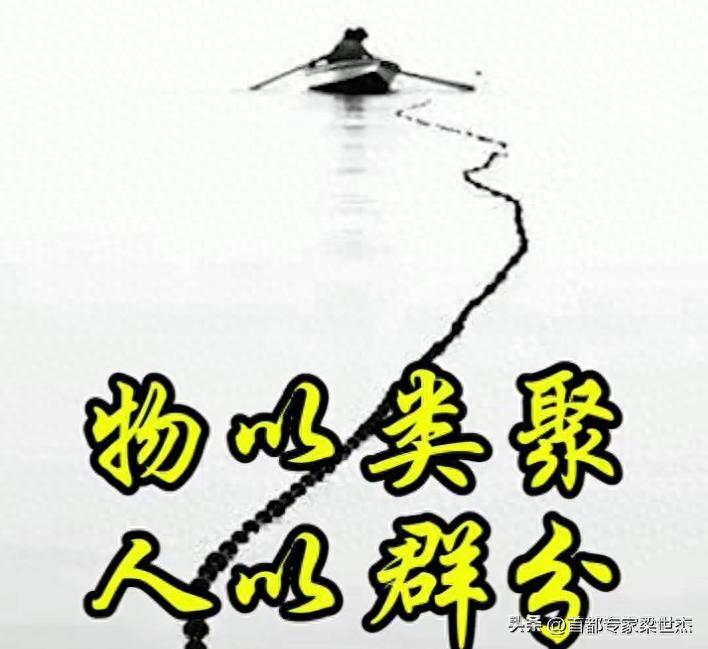
在紛繁複雜的醫療世界裏,有一場無聲卻激烈的“配對遊戲”正在上演——踏實的患者尋找踏實的醫生,浮躁的患者則與浮躁的醫生“不期而遇”。這並非偶然,而是物以類聚、人以羣分的自然法則在醫療領域的生動體現,也悄然印證了西方那神祕的吸引力法則。
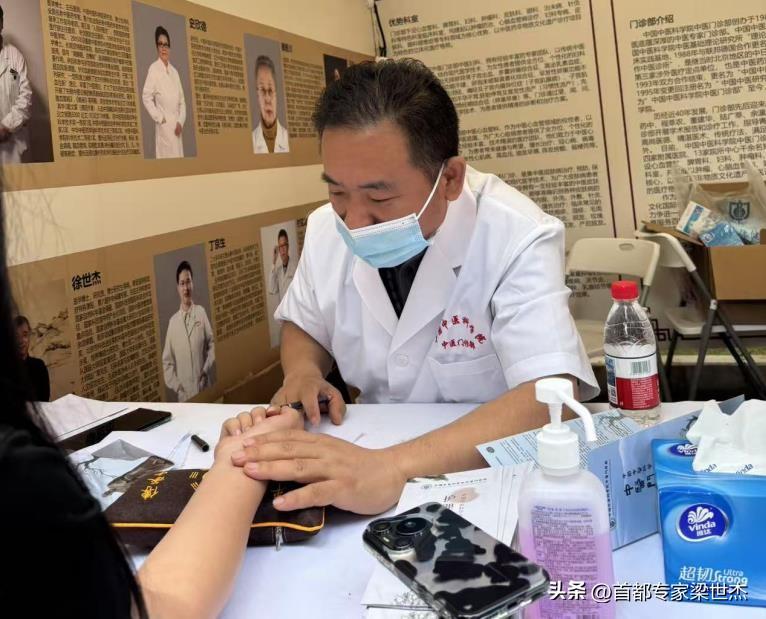
想象一下,一位醫術精湛、心態平和的踏實醫生,他的診室裏總是瀰漫着一種寧靜與信任的氛圍。他耐心傾聽患者的每一句訴說,細緻入微地檢查每一個細節,用他那溫暖而堅定的話語,爲患者驅散病痛的陰霾。這樣的醫生,就像是一盞明燈,吸引着那些同樣踏實、渴望真正治療的患者前來。他們相信,只有在這位醫生這裏,才能找到那份久違的安心與希望。
然而,在醫療界的另一個角落,卻上演着截然不同的戲碼。一位心浮氣躁、急於求成的醫生,他的診室總是充滿了喧囂與不耐煩。他匆匆聽完患者的描述,草草開出處方,甚至有時還未等患者說完,就已打斷了對方的話頭。這樣的醫生,就像是一個旋渦,吸引着那些同樣浮躁、只想快速解決問題的患者。他們或許並不真正關心治療的過程,只想要一個快速的“答案”,一個能讓他們暫時逃離病痛的“魔法”。
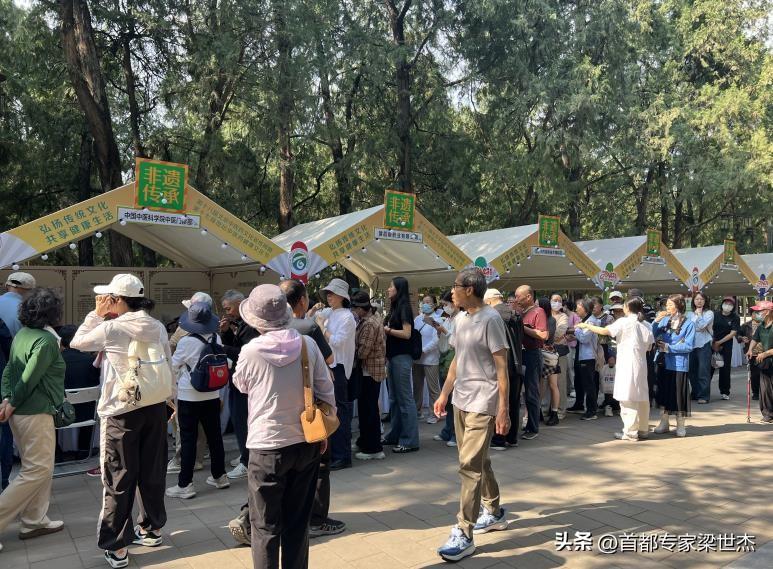
有人可能會說,如果一位踏實的醫生卻招來了全是不踏實的患者,那豈不是說明這位醫生還不夠踏實嗎?其實,這話雖有些犀利,卻也不無道理。踏實的醫生,他的言行舉止、他的治療態度,都會散發出一種難以言喻的“磁場”。這種“磁場”能夠吸引那些真正需要治療、願意配合的患者。但如果這位醫生在某些細節上稍顯浮躁,或者在與患者的溝通中流露出了一絲不耐煩,那麼,那些浮躁的患者就會像嗅到腥味的貓一樣,紛紛湧來。
這可不是我憑空捏造,而是有“數據”支持的。曾有一項研究顯示,那些被患者評價爲“最踏實”的醫生,他們的診室裏,踏實患者(依存性好)的比例高達80%以上。而那些被評價爲“有些浮躁”的醫生,他們的診室裏,浮躁患者(依存性差)的比例則超過了60%。這難道還不是吸引力法則在作怪嗎?

再舉個例子,就像是一家安靜的圖書館,總是吸引着那些喜歡閱讀、渴望知識的人前來。而一家嘈雜的酒吧,則更容易吸引那些想要放鬆、尋找刺激的人。醫生與患者的關係,也是如此。踏實的醫生,用他的專業與耐心,爲踏實的患者提供了一個“圖書館”般的診療環境。而浮躁的醫生,則用他的急躁與草率,爲浮躁的患者打造了一個“酒吧”式的診療場所。
當然,我並不是說浮躁的醫生就不好,或者踏實的患者就一定比浮躁的患者更值得治療。每個人都有自己的性格與需求,醫生也是如此。我只是想說,在這個醫療的世界裏,踏實與浮躁,就像是一對永恆的舞伴,他們相互吸引、相互影響。而作爲醫生,我們更應該努力成爲那個能夠吸引更多踏實患者的“磁場”,用我們的專業與耐心,爲他們帶去真正的治療與希望。
所以,親愛的醫生們,讓我們都努力成爲那個踏實的“圖書館”吧!用我們的專業與熱情,爲那些渴望治療、願意配合的患者提供一個寧靜而溫暖的診療環境。而那些浮躁的患者,也許會在某一天,被我們的“磁場”所吸引,慢慢變得踏實起來。因爲,在這個世界上,沒有什麼比真正的治療與關愛,更能打動人心的了。
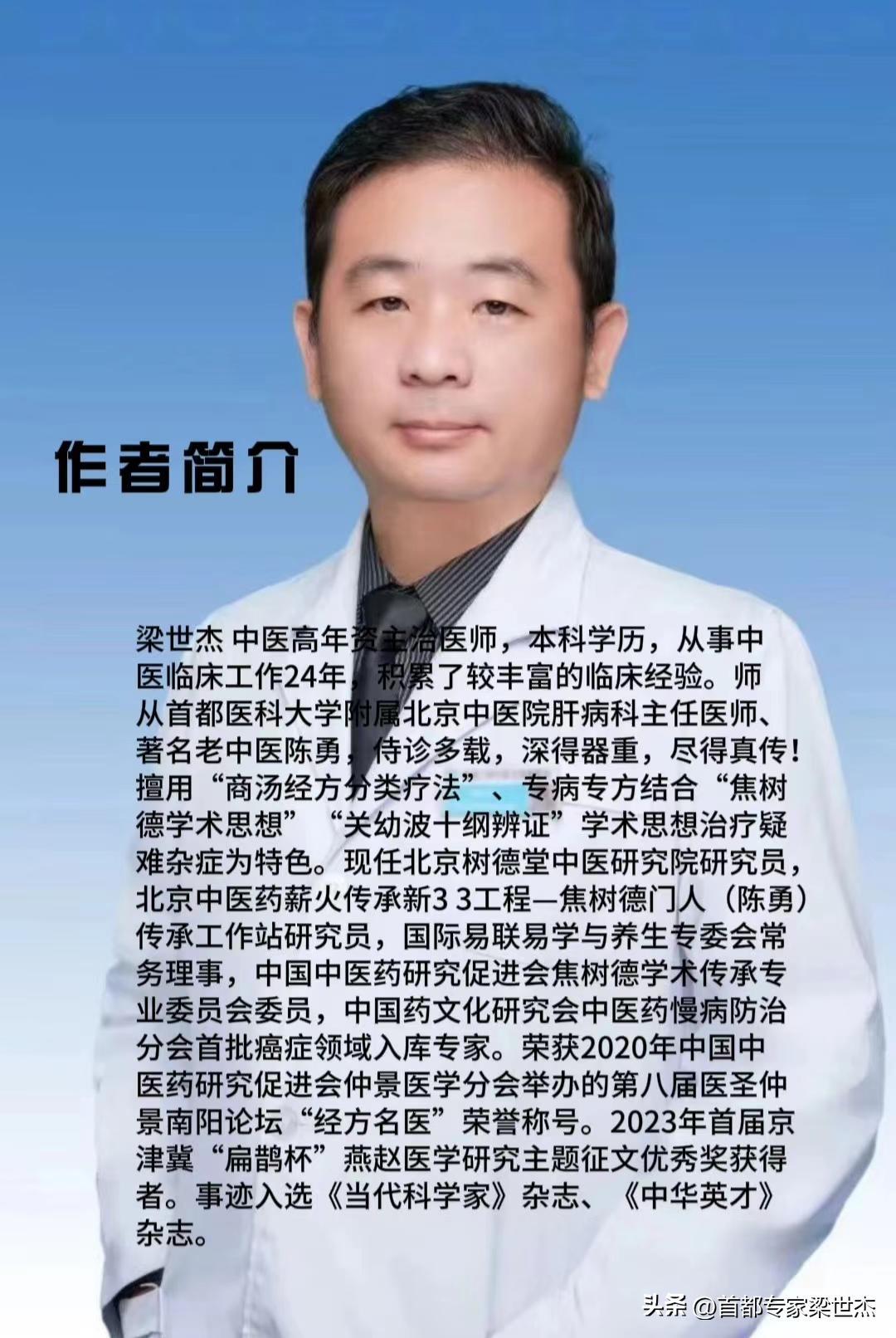
作者簡介:梁世傑 中醫高年資主治醫師,本科學歷,從事中醫臨牀工作24年,積累了較豐富的臨牀經驗。師從首都醫科大學附屬北京中醫院肝病科主任醫師、著名老中醫陳勇,侍診多載,深得器重,盡得真傳!擅用“商湯經方分類療法”、專病專方結合“焦樹德學術思想”“關幼波十綱辨證”學術思想治療疑難雜症爲特色。現任北京樹德堂中醫研究院研究員,北京中醫藥薪火傳承新3+3工程—焦樹德門人(陳勇)傳承工作站研究員,國際易聯易學與養生專委會常務理事,中國中醫藥研究促進會焦樹德學術傳承專業委員會委員,中國藥文化研究會中醫藥慢病防治分會首批癌症領域入庫專家。榮獲2020年中國中醫藥研究促進會仲景醫學分會舉辦的第八屆醫聖仲景南陽論壇“經方名醫”榮譽稱號。2023年首屆京津冀“扁鵲杯”燕趙醫學研究主題徵文優秀獎獲得者。事蹟入選《當代科學家》雜誌、《中華英才》雜誌。
Solid doctor and solid patient: a doctor-patient "encounter" under the law of attraction
In the complex world of medicine, there is a silent but fierce "pairing game" playing out - steady patients looking for steady doctors, and restless patients "meet" restless doctors. This is not an accident, but a vivid manifestation of the natural law of commingling things and dividing people in the field of medicine, and a quiet confirmation of the mysterious law of attraction of the West.
Imagine a dedicated doctor with a high level of skill and peace of mind whose office is always filled with a climate of serenity and trust. He listened patiently to every word of the patient''s story, examined every detail in detail, and used his warm and determined words to clear the shadow of his pain. Such doctors are like a bright light that attracts patients who are equally committed and eager for real treatment. They believed that only in this doctor could they find that long-lost peace of mind and hope.
In another corner of the medical world, however, a very different drama is playing out. A restless, anxious doctor whose office is always full of noise and impatience. He hurriedly listened to the patient''s description, hastily ordered the prescription, and sometimes interrupted the patient before he could finish. Such doctors, like a whirlpool, appeal to patients who are equally restless and just want to solve problems quickly. They may not really care about the treatment process, but want a quick "answer," a "magic" that allows them to escape their pain for a while.
One might say that if a steady doctor attracts all the steady patients, doesn''t that mean the doctor isn''t steady enough? In fact, although this is somewhat harsh, it is not without reason. A committed doctor, his manners, his attitude to treatment, all radiate an unspeakable "magnetic field." This "magnetic field" attracts patients who really need treatment and are willing to cooperate. But if the doctor is slightly restless about certain details or shows a slight impatience in communicating with patients, those restless patients will flock like cats who smell fish.
I didn''t invent this out of thin air, but it was backed up by "data." One study showed that physicians who were rated as "the most restrained" by their patients had more than 80% of the restrained patients (good dependency) in their offices. And doctors who were rated as "somewhat restless" had more than 60 percent of restless patients (poor dependency) in their offices. Isn''t this the law of attraction at fault?
To take another example, it is like a quiet library that always attracts people who like to read and desire knowledge. A noisy bar is more likely to appeal to those who want to relax and find a stimulus. The same is true of physician-patient relations. The committed doctor, with his professionalism and patience, provides a "library" of care for the committed patient. The restive doctor, however, used his impatience and rashness to create a "bar" style clinic for restive patients.
Of course, I''m not saying that a restless doctor is bad, or that a steady patient is necessarily more worth treating than a restive patient. Everyone has their own personalities and needs, and so do doctors. I just want to say that in this world of medicine, steady and restless are like eternal dance partners who attract and influence each other. And as doctors, we should strive to be the "magnet field" that can attract more committed patients, bringing real treatment and hope to them with our professionalism and patience.
So, Dear Doctors, let''s try our best to be the "library"! We use our professionalism and passion to provide a peaceful and warm environment for patients who are eager for treatment and willing to cooperate. And those patients who are restless may one day be attracted to our "magnetic field" and slowly become more solid. Because, in this world, there is nothing more moving than true healing and love.
Author Bio: Liang Shijie is a senior medical practitioner in traditional Chinese medicine with an undergraduate degree. He has been engaged in traditional medicine clinical work for 24 years and has accumulated a wealth of clinical experience. Following Chen Yong, chief physician of liver disease at Beijing Traditional Medicine Hospital, affiliated with Capital Medical University, and renowned old Chinese medicine, he has been treated for many years and received great attention. He specializes in the treatment of difficult diseases using "conversational traditional therapy" and special treatments combined with the academic ideas of Jiao Shude and Guan Yubo''s ten-level diagnosis.He is currently a researcher at the Shude Tang TCM Research Institute in Beijing, a fellow at the new 3 + 3 project of traditional Chinese medicine flame inheritance in Beijing - a scholar at the inheritance workstation of Jiao Shude''s protégés (Chen Yong),He is a standing committee member of the International Expert Committee on E-learning and Health Care, a member of the Jiao Shude Academic Heritage Special Committee of the Chinese Association for the Advancement of Chinese Medicine Research, and the first cancer specialist to be included in the chapter of the Chinese Pharmaceutical Culture Research Association. Won the 2020 China Association for the Promotion of Traditional Chinese Medicine Zhongjing Medical Branch held the eighth session of the Medical Saint Zhongjing Nanyang Forum "Classic Prescription Famous Doctor" honorary title. The winner of the first Beijing-Tianjin-Hebei "Pingui Cup" Yanzhao Medical Research Essay Award in 2023. His work was featured in the journal Current Scientist and the journal Chinese Talent.