曹東義:器官病理與中醫思維——探索人體複雜性的雙重路徑
在醫學的浩瀚宇宙中,器官病理學與中醫思維如同兩顆璀璨的星辰,各自照亮着人類探索健康的征途。器官病理學,作爲現代醫學的基石,以其精準的解剖和微觀分析,爲疾病的診斷和治療提供了堅實的科學依據。而中醫思維,則以其獨特的整體觀和辨證施治,展現了對人體複雜性的深刻理解和掌控。兩者看似截然不同,實則相輔相成,共同構成了人類醫學知識的寶庫。
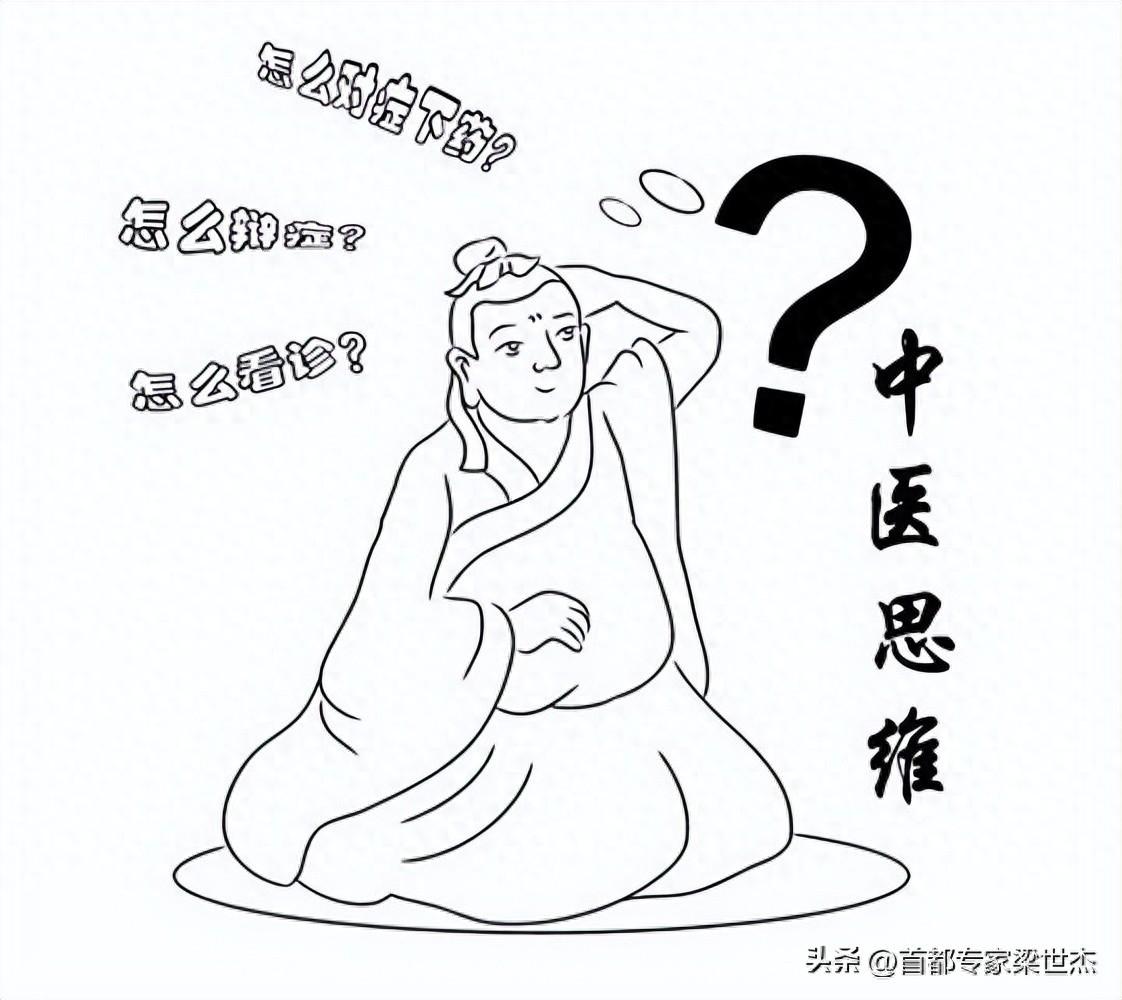
我們堅決反對將器官形態的解剖作爲評價中醫價值的唯一標準。中醫的價值,不僅僅體現在對器官形態的描述上,更在於其對人體生理、病理狀態的全面把握和動態調整。然而,這並不意味着我們可以忽視器官病理學在臨牀診治中的重要作用。事實上,無論是肺炎、齲齒還是頭痛、發熱,這些疾病的診斷和治療,都離不開對器官病理變化的深入瞭解和分析。器官病理學爲我們提供了疾病發生的客觀依據,是臨牀醫學不可或缺的基礎。
人,作爲一個具有極大緩衝能力的開放系統,其各器官組織間存在着種種複雜而密切的關係。這種複雜性,既爲疾病的治療提供了多種可能,也對醫學的精準性提出了更高要求。現代醫學雖然對各種感染的病原微生物有了相當明確的瞭解,但在疾病的早期進行病因診斷,仍然面臨着巨大的挑戰。急迫的病情往往不允許醫生等到病原微生物完全確定後才進行治療,因此,臨牀醫學在很多時候只能憑經驗推測。而對於其他慢性複雜病情,能夠精確測定內外因素的更是寥寥無幾。這更加凸顯了器官病理學在中西醫臨牀醫學中的基本着眼點地位。
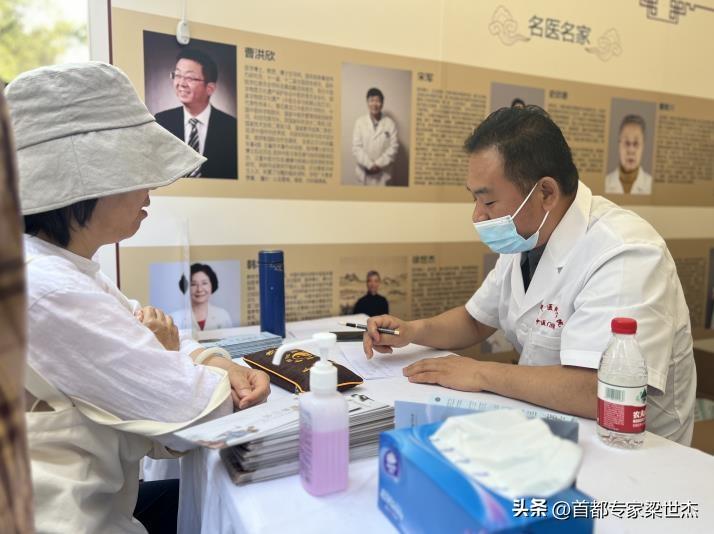
然而,臨牀上過分依賴器官病理的現象也時有發生。許多患者雖然主訴明顯,但“客觀”檢查卻無陽性所見,被判爲“沒病”或稱爲亞健康狀態。這種認識論上的偏差,源於對“實證”的過分重視和對症狀的輕視。他們認爲,只有形態學的“本質”纔可靠,而現象則最不可靠。然而,當病人自覺痛苦的時候,體內一定發生了某些理化性質的變化。檢查不出來,只能說明我們的檢測還不夠細緻,而微觀世界的複雜性是難於用簡單的方法闡明的。
現代醫學的檢測數據,雖然在一定程度上爲疾病的診斷和治療提供了參考,但其精確性和全面性仍然有待提高。許多檢測數據只是一個大致的參考範圍,並不具有絕對的確定性。它們更多地是指導西醫使用化學藥物的工具,而不一定適用於指導中藥的應用。我們不可神化其科學性,更不可盲目依賴其結論。
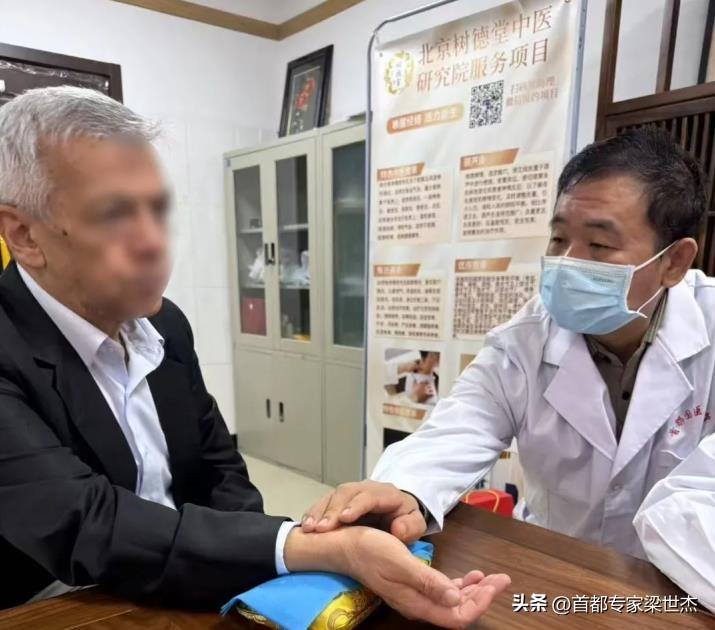
臨牀上,我們經常見到許多老年病人,因爲患有多種慢性病,而分別就診於不同的專家門診之間。一天之中使用的化學藥物一大把,已經是專家難於說清相互之間的作用結果,普通人更難於自行掌握和準確記憶。這種過度醫療的現象,不僅浪費了醫療資源,也給患者帶來了不必要的身體和經濟負擔。而中藥的成分雖然複雜,但在中醫的綜合考慮下,卻可以用很簡便的方法執簡馭繁。中醫以十分簡潔的語言,就可以標本相和,達到預想的治療效果。
同分異構在有機化學中是非常多見的現象。生命也存在着“左旋現象”,如左旋多巴、左旋合黴素、左旋咪唑才具有治療作用,而右旋的則沒有生物活性。這說明了物質的結構和排列方式對其性質和功能有着決定性的影響。同一個磁盤,可以錄入不同的內容,可以反覆使用,其作用的巨大差別僅僅是磁粉的不同排列造成的。其間並沒有特異物質的產生,但卻產生了截然不同的效果。這進一步證明了我們對物質世界的複雜性必須有足夠的認識。
在探索人體複雜性的過程中,器官病理學與中醫思維各自發揮着不可替代的作用。器官病理學以其精準的解剖和微觀分析,爲我們揭示了疾病的客觀依據;而中醫思維則以其獨特的整體觀和辨證施治,爲我們提供了治療疾病的另一種可能。兩者相互補充,相互促進,共同構成了人類醫學知識的完整體系。
我們應該認識到,無論是器官病理學還是中醫思維,都不是萬能的。它們都有其侷限性和不足之處。因此,在臨牀上,我們應該根據患者的具體情況,綜合運用各種醫學知識和技術,爲患者提供最佳的治療方案。同時,我們也應該保持對醫學知識的敬畏之心,不斷探索和學習新的醫學理念和技術,爲人類的健康事業貢獻自己的力量。
參考文獻:《中醫是善於改變微觀的醫學》作者:曹東義,《中醫藥通報》雜誌,2005年第5期。
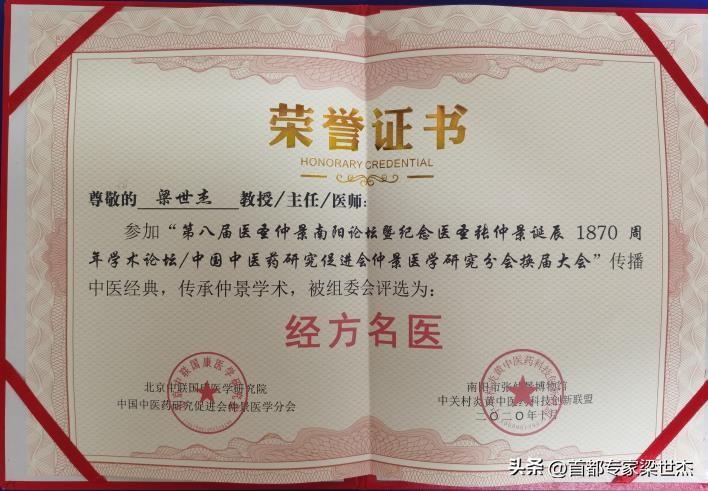
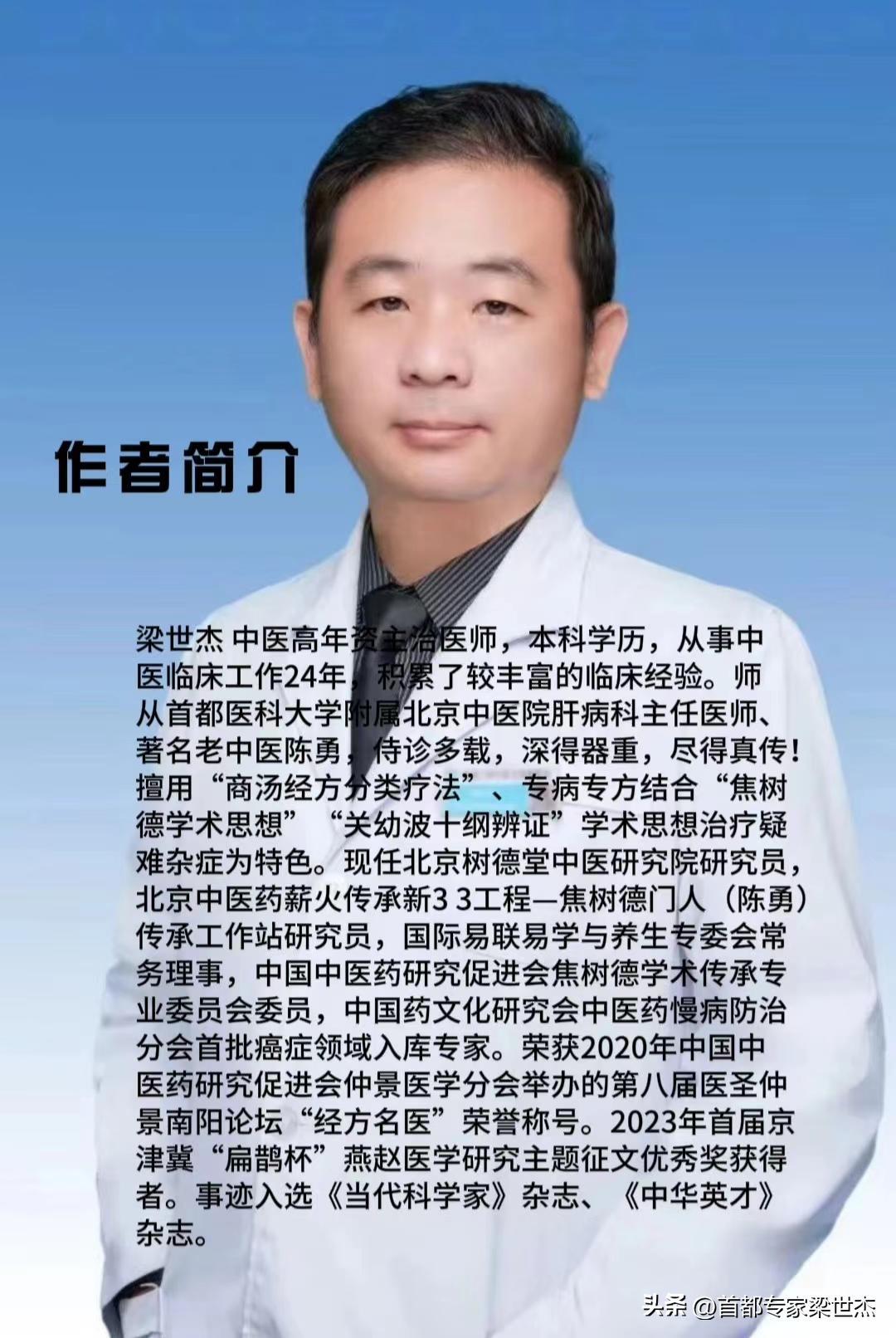
作者簡介:梁世傑 中醫高年資主治醫師,本科學歷,從事中醫臨牀工作24年,積累了較豐富的臨牀經驗。師從首都醫科大學附屬北京中醫院肝病科主任醫師、著名老中醫陳勇,侍診多載,深得器重,盡得真傳!擅用“商湯經方分類療法”、專病專方結合“焦樹德學術思想”“關幼波十綱辨證”學術思想治療疑難雜症爲特色。現任北京樹德堂中醫研究院研究員,北京中醫藥薪火傳承新3+3工程—焦樹德門人(陳勇)傳承工作站研究員,國際易聯易學與養生專委會常務理事,中國中醫藥研究促進會焦樹德學術傳承專業委員會委員,中國藥文化研究會中醫藥慢病防治分會首批癌症領域入庫專家。榮獲2020年中國中醫藥研究促進會仲景醫學分會舉辦的第八屆醫聖仲景南陽論壇“經方名醫”榮譽稱號。2023年首屆京津冀“扁鵲杯”燕趙醫學研究主題徵文優秀獎獲得者。事蹟入選《當代科學家》雜誌、《中華英才》雜誌。
Cao Dongyi: Organ Pathology and TCM Thinking - Exploring the Double Path of Human Complexity
In the vast universe of medicine, organ pathology and traditional Chinese medicine are like two bright stars, each illuminating the human quest for health. Organ pathology, as the cornerstone of modern medicine, provides a solid scientific basis for the diagnosis and treatment of diseases with its precise anatomy and microscopic analysis. TCM thinking, with its unique holistic view and dialectical treatment, demonstrates a deep understanding and mastery of the complexity of the human body. While the two may seem very different, they complement each other and together constitute a treasure trove of human medical knowledge.
We are firmly opposed to the use of the anatomy of organ form as the sole criterion for evaluating the value of traditional Chinese medicine. The value of TCM is not only in the description of organ morphology, but also in its comprehensive grasp and dynamic adjustment of human physiology and pathological states. However, this does not mean that we can ignore the important role of organ pathology in clinical diagnosis and treatment. In fact, whether it is pneumonia, dental decay or headaches and fever, the diagnosis and treatment of these diseases are inseparable from an in-depth understanding and analysis of the pathological changes of the organs. Organ pathology provides us with an objective basis for the occurrence of disease and is an indispensable foundation of clinical medicine.
The human body, as an open system with a great buffering capacity, has complex and close relationships among its organs and tissues. This complexity not only provides multiple possibilities for the treatment of diseases, but also puts higher demands on the precision of medicine. Modern medicine, while having a fairly clear understanding of the pathogenic microorganisms of various infections, still faces great challenges in diagnosing the cause at an early stage of the disease. Urgent conditions often do not allow doctors to wait until the pathogenic microorganism is fully identified before treating them, so in many cases clinical medicine can only speculate on the basis of experience. For other chronic complex conditions, few are able to accurately determine the internal and external factors. This further highlights the fundamental position of organ pathology in Chinese and Western clinical medicine.
However, clinical overdependence on organ pathology also occurs. Although many sufferers complain obviously, but "objective" the examination actually does not have the positive result, is judged as "does not have the disease" or is called the sub-state of health. This epistemological bias stems from an overemphasis on "empirical evidence" and a disregard for symptoms. They believe that only the "essence" of morphology is reliable, and that phenomena are the least reliable. However, when the patient is conscious of pain, certain physiological and chemical properties must have changed in the body. The failure to examine only means that our tests are not sufficiently detailed, and the complexity of the micro-world is difficult to explain in simple terms.
Detection data in modern medicine, although to a certain extent provides reference for the diagnosis and treatment of diseases, its accuracy and comprehensiveness still need to be improved. Many detection data are only a rough reference range and do not have absolute certainty. They are more of a tool for guiding Western medicine in the use of chemical drugs and are not necessarily suitable for guiding the application of Chinese medicine. We must not divine its scientificity, nor must we blindly rely on its conclusions.
Clinically, we often see many elderly patients who are referred to different specialist clinics because they have multiple chronic diseases. There are so many chemicals used in a day that experts are already struggling to explain the effects of each other, and the average person is even more difficult to master and accurately remember. This phenomenon of excessive medical care not only wastes medical resources, but also imposes unnecessary physical and financial burdens on patients. Although the composition of traditional Chinese medicine is complex, under the comprehensive consideration of traditional medicine, it can be used in a simple way to reduce complexity. In a very concise language, traditional Chinese medicine can reconcile specimens and achieve the desired therapeutic effect.
Isomerization is a very common phenomenon in organic chemistry. Life also has a "left-handed phenomenon," such as left-handed dopa, left-handedness methotrexate, and left-handedly midazole, which have therapeutic effects, while right-handed ones have no biological activity. This shows that the structure and arrangement of a substance has a decisive influence on its properties and function. The same disk can record different contents and can be used repeatedly, and the great differences in their effects are simply due to the different arrangements of magnetic powders. No specific substances were produced during this period, but they produced very different effects. This is further proof that we must be sufficiently aware of the complexity of the physical world.
In the process of exploring the complexity of the human body, organ pathology and traditional Chinese medicine thinking each play an irreplaceable role. Organ pathology, with its precise anatomy and microscopic analysis, reveals us the objective basis of disease. Traditional Chinese medicine, with its unique holistic view and dialectical treatment, provides us with another possibility for treating diseases. Both complement and promote each other, which together constitute the complete system of human medical knowledge.
We should recognize that neither organ pathology nor traditional Chinese medicine is a panacea. They all have their limitations and shortcomings. Therefore, in clinical settings, we should apply a variety of medical knowledge and technologies to provide the best treatment for the patient according to the specific conditions of the patient. At the same time, we should maintain the awe of medical knowledge, constantly explore and learn new medical concepts and technologies, and contribute our own strength to the cause of human health.
References: Traditional Chinese Medicine is Good at Transforming the Microsphere. Author: Cao Dongyi, Journal of Traditional Chinese medicine, No. 5, 2005.
Author Bio: Liang Shijie is a senior medical practitioner in traditional Chinese medicine with an undergraduate degree. He has been engaged in traditional medicine clinical work for 24 years and has accumulated a wealth of clinical experience. Following Chen Yong, chief physician of liver disease at Beijing Traditional Medicine Hospital, affiliated with Capital Medical University, and renowned old Chinese medicine, he has been treated for many years and received great attention. He specializes in the treatment of difficult diseases using "conversational traditional therapy" and special treatments combined with the academic ideas of Jiao Shude and Guan Yubo''s ten-level diagnosis.He is currently a researcher at the Shude Tang TCM Research Institute in Beijing, a fellow at the new 3 + 3 project of traditional Chinese medicine flame inheritance in Beijing - a scholar at the inheritance workstation of Jiao Shude''s protégés (Chen Yong),He is a standing committee member of the International Expert Committee on E-learning and Health Care, a member of the Jiao Shude Academic Heritage Special Committee of the Chinese Association for the Advancement of Chinese Medicine Research, and the first cancer specialist to be included in the chapter of the Chinese Pharmaceutical Culture Research Association. Won the 2020 China Association for the Promotion of Traditional Chinese Medicine Zhongjing Medical Branch held the eighth session of the Medical Saint Zhongjing Nanyang Forum "Classic Prescription Famous Doctor" honorary title. The winner of the first Beijing-Tianjin-Hebei "Pingui Cup" Yanzhao Medical Research Essay Award in 2023. His work was featured in the journal Current Scientist and the journal Chinese Talent.