曹東義:科學是獲得醫學智慧的手段,非真理的化身
自西風東漸,歐洲文明湧入中國,科學這位“賽先生”便被我們賦予了太多的期望與崇拜。人們將其視爲真理的化身,正確的代名詞,彷彿只要披上了科學的外衣,一切便都有了不可質疑的權威性。然而,這種對科學的盲目崇拜,不僅誤解了科學的本質,也害了科學本身。
科學,究其本質,只是人類探索未知的一種手段。它用今天的結論否定昨天的認識,用明天的事實否定今天的結論,從而使人類的認識不斷接近真理。這是一個動態的過程,一個不斷試錯、不斷修正的過程。科學探索不斷進步,但其結論之中有許多是不正確的認識。這是因爲,科學是要不斷犯錯誤的,不允許科學犯錯誤,就是不允許科學探索未知,就是禁錮科學研究,就是提倡科學造假、科學腐敗。
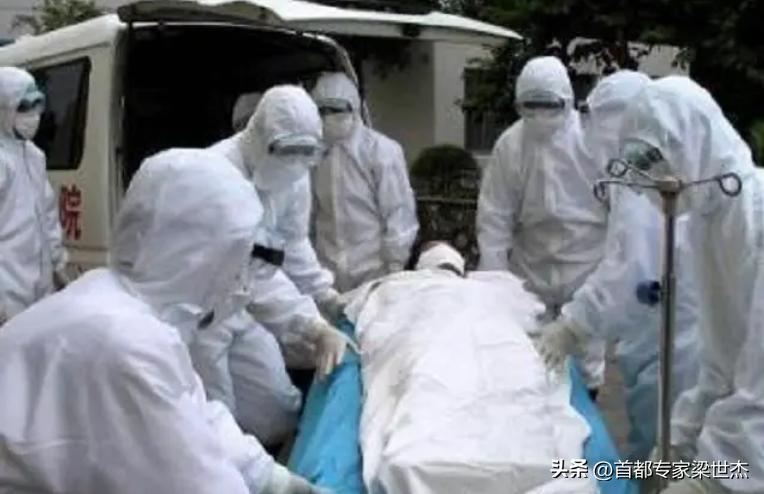
SARS的爆發,便是一個生動的例子。在SARS初期,我國的科學家將其命名爲“非典型肺炎”,這是一種很不確切的、陳舊的稱謂。基於這種認識,我們制定了各種措施,然而,這一“科學依據”卻是錯誤的。當世界衛生組織正式向全世界發出警報,將這一新發的肺炎命名爲SARS,並指出其屬於目前爲止最爲嚴重的肺炎時,我們仍然堅持我們的“科學觀點”,這導致了在國際上的尷尬和被動。這一事件,充分暴露了我們對科學結論的盲目崇拜和缺乏批判性思維。
中國疾病預防控制中心病毒學首席研究員、中國工程院院士洪濤曾坦言,自己在科學研究上遭遇的大多是失敗,很少遇到成功。他告誡身邊的學人,遇到挫折、批評,仍要繼續走下去。洪濤院士的這番話,是對科學本質的深刻理解。科學研究是一個從謬誤走向真理的過程,它允許失敗,允許錯誤,因爲這正是科學探索的必經之路。
然而,在我們的觀念中,科學卻被賦予了太多的神祕色彩和不容置疑的權威性。任何東西,只要被認爲不是科學的,就大有必須改正或淘汰的必要。這種觀念,使得我們對科學結論產生了過高的期望,要求它必須正確,必須先進,必須具有創新性、獨特性。在這種高期望值之下,學術腐敗和急功近利的浮躁情緒應運而生。
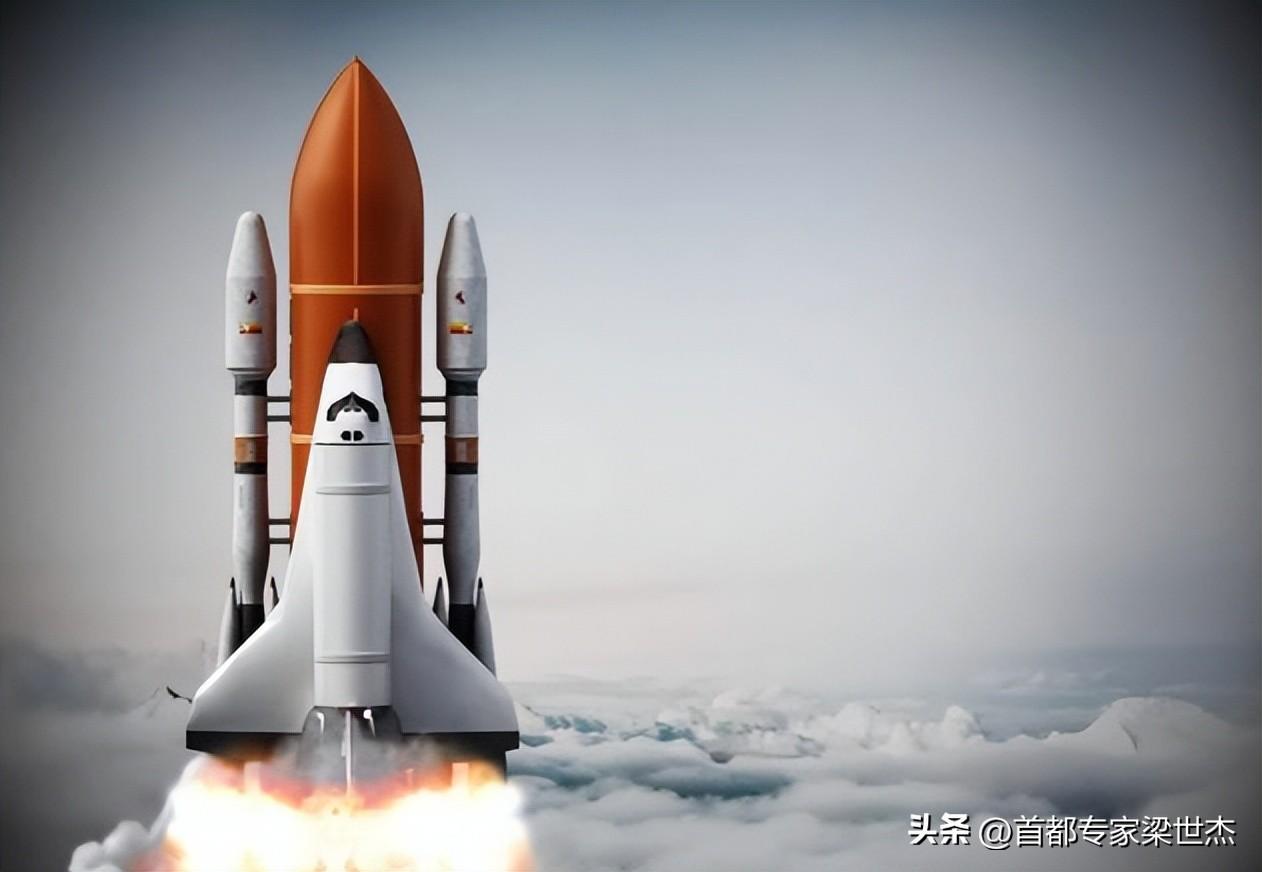
我們不禁要問:科學真的是無所不能、有求必應的菩薩嗎?真的是代表正確、代表真理的形容詞嗎?答案顯然是否定的。人不能超越歷史,不能避免時代的侷限,也不能永遠正確。就連一代偉人毛澤東、周恩來都曾提出過中國將來要走世界統一的拼音文字的道路,這是歷史和技術的侷限造成的。如果他們活到現在,看到漢文字在計算機裏的輸入速度遠遠超過英文,看到人類語言學家對於漢文字的新認識,他們一定會爲漢文字的優秀結構而驕傲。
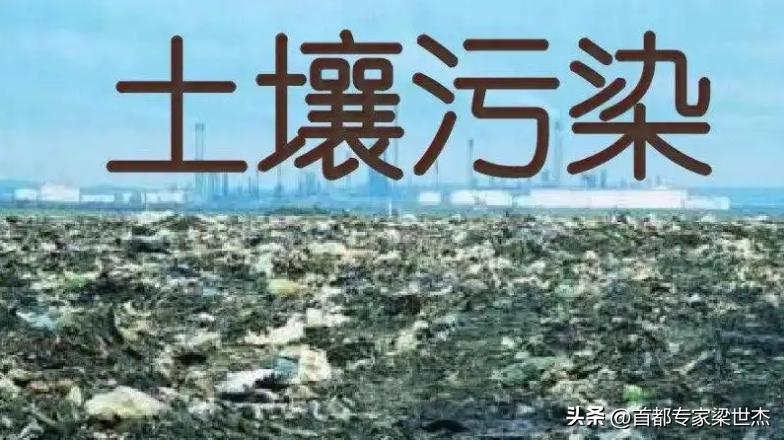
再以農藥滴滴涕爲例,它曾經因爲發明而獲得諾貝爾獎,後來卻因對環境造成了嚴重的危害而被禁止生產。人們用化學合成的方法造出了7000多種化學藥品,由於各種原因已經有6000種被淘汰了。這些被淘汰的化學藥品,哪一個不是當初的科學成果呢?如果科學是正確、先進的代名詞,甚至可以等同於真理,那麼科學爲什麼還需要發展?爲什麼科學還需要不斷進步?
這是因爲,科學不是真理的化身,不是正確的代名詞。它只是一種探索未知的手段,一種不斷試錯、不斷修正的過程。在這個過程中,我們會遇到挫折,會遇到失敗,但正是這些挫折和失敗,推動着我們不斷前進,不斷接近真理。
因此,我們應該樹立正確的科學觀。科學不是神,不是萬能的救世主,它也會犯錯誤,也會走彎路。我們應該對科學保持一顆敬畏之心,但同時也要保持一顆批判之心。我們要勇於質疑科學結論,勇於探索未知領域,勇於承認自己的錯誤和不足。只有這樣,我們才能真正理解科學的本質,才能真正推動科學的進步和發展。
科學不是真理的化身,但它卻是我們探索真理的燈塔,是我們獲得醫學智慧的手段,讓我們懷揣着對科學的敬畏和批判之心,勇敢地走向未知的未來吧!
參考文獻:《中醫是善於改變微觀的醫學》作者:曹東義,《中醫藥通報》雜誌,2005年第5期。
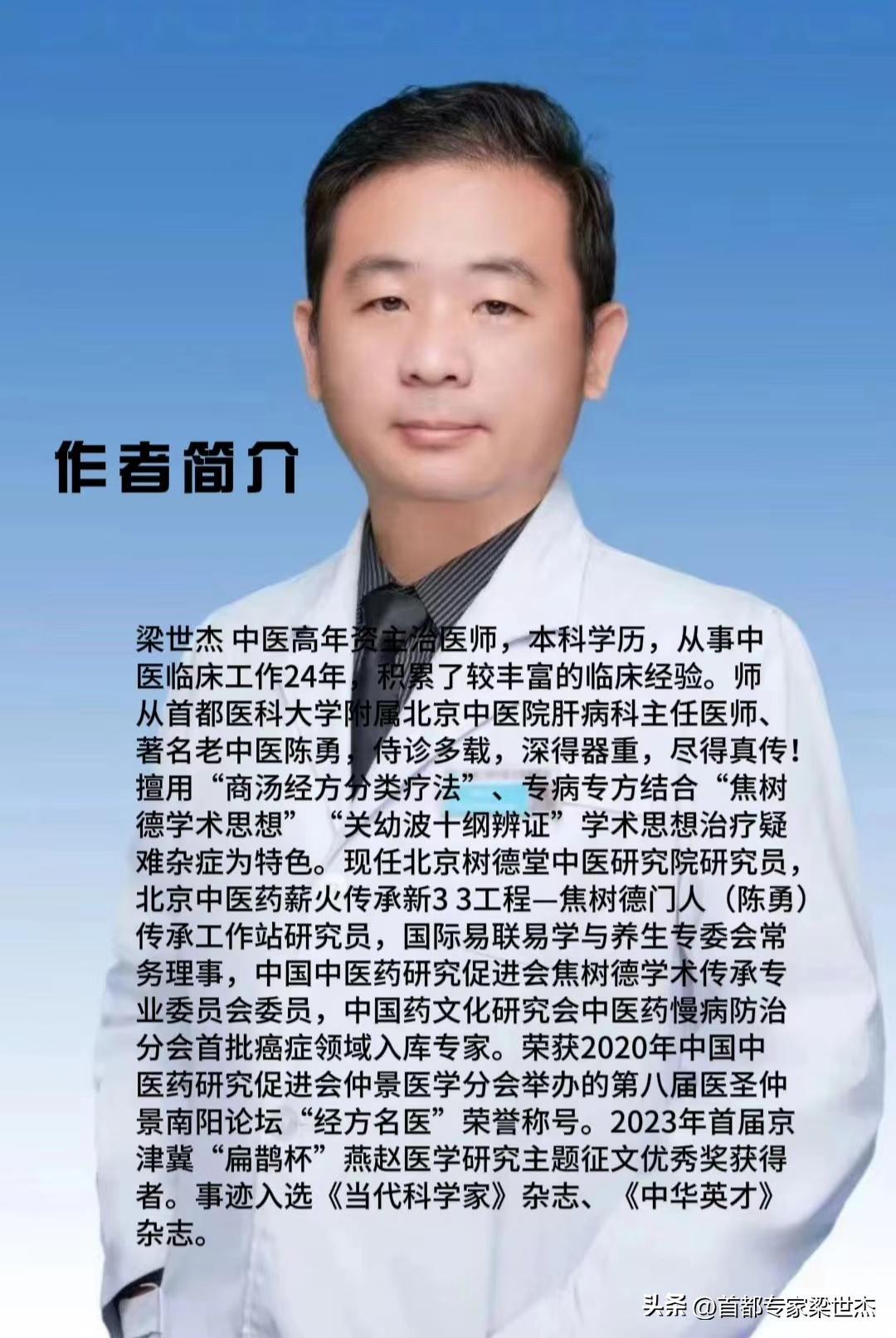
作者簡介:梁世傑 中醫高年資主治醫師,本科學歷,從事中醫臨牀工作24年,積累了較豐富的臨牀經驗。師從首都醫科大學附屬北京中醫院肝病科主任醫師、著名老中醫陳勇,侍診多載,深得器重,盡得真傳!擅用“商湯經方分類療法”、專病專方結合“焦樹德學術思想”“關幼波十綱辨證”學術思想治療疑難雜症爲特色。現任北京樹德堂中醫研究院研究員,北京中醫藥薪火傳承新3+3工程—焦樹德門人(陳勇)傳承工作站研究員,國際易聯易學與養生專委會常務理事,中國中醫藥研究促進會焦樹德學術傳承專業委員會委員,中國藥文化研究會中醫藥慢病防治分會首批癌症領域入庫專家。榮獲2020年中國中醫藥研究促進會仲景醫學分會舉辦的第八屆醫聖仲景南陽論壇“經方名醫”榮譽稱號。2023年首屆京津冀“扁鵲杯”燕趙醫學研究主題徵文優秀獎獲得者。事蹟入選《當代科學家》雜誌、《中華英才》雜誌。
Cao Dongyi: Science is a means of obtaining medical wisdom, the incarnation of non-truth
Since the west''s winds began to rise and European civilization flooded into China, science, "Mr. Said," has been given too much expectation and admiration. People regarded it as the embodiment of truth, the synonym for correctness, as if once under the guise of science everything would have unquestioned authority. However, this blind worship of science not only misunderstands the nature of science, but also harms science itself.
Science, by its very nature, is merely a means for man to explore the unknown. It negates yesterday''s knowledge with today''s conclusions and tomorrow''s facts, thus bringing human knowledge ever closer to the truth. It''s a dynamic process, a process of trial and error, constant correction. Scientific exploration continues to advance, but many of its conclusions are incorrect. This is because science is about constantly making mistakes. To not allow science to make mistakes is to not allow science in exploring the unknown, to imprison scientific research, to promote scientific falsification and scientific corruption.
The outbreak of SARS is a vivid example. In the early stage of SARS, Chinese scientists named it as "SARS," which is a very inaccurate and obsolete title. Based on this understanding, we have developed various measures, but this "scientific basis" is false. When the WHO officially alerted the world, naming the new case SARS, and pointing out that it was among the most serious to date, we stuck to our "view of science," which led to international embarrassment and passivity. This incident fully exposes our blind admiration of scientific conclusions and our lack of critical thinking.
Hong Tao, chief virology researcher at the Chinese Center for Disease Control and Prevention and an academician of the Chinese Academy of Engineering, has admitted that he has encountered most failures in scientific research and rarely succeeded. He warned the students around him to keep going in the face of setbacks and criticism. Professor Hong Tao''s remarks are a profound understanding of the nature of science. Scientific research is a process of moving from falsehood to truth. It allows for failure and allows for error, because that is the necessary path of scientific exploration.
However, science has been given too much mystery and indisputable authority in our perception. Anything that is considered not to be scientific has a strong need to be corrected or eliminated. This perception leads us to place undue expectations on scientific conclusions that must be correct, advanced, innovative and unique. Under such high expectations, academic corruption and a sense of impatience with a desire for profit arose.
We cannot help but ask: Is science really a miracle that is omnipotent and responsive? Are they really adjectives that represent the right, the truth? The answer is obviously no. One cannot go beyond history, cannot avoid the limitations of the times, and cannot always be right. Even a generation of great men, Mao Zedong and Zhou Enlai, had proposed that China would in the future follow the path of a world-unified Pinyin script, which was due to historical and technological limitations. If they lived to this day, and saw that Chinese characters were entering computers much faster than English, and saw the new understanding of Chinese characters by human linguists, they would be proud of their excellent structure.
Take the example of the pesticide DDT, which once won a Nobel Prize for its invention, but was later banned for causing serious harm to the environment. More than 7,000 chemicals have been manufactured using chemical synthesis, and 6,000 have been eliminated for various reasons. Which of these obsolete chemicals was not a scientific achievement? If science is synonymous with rightness, advancedness, or even the truth, then why does science need to evolve? Why does science need to keep advancing?
This is because science is not the embodiment of truth, nor is it synonymous with correctness. It is simply a means of exploring the unknown, a process of trial and error and constant correction. In the process, we will encounter setbacks and we will entail failures, but it is these setbacks and failures that drive us forward and towards the truth.
Therefore, we should establish a correct view of science. Science is not God, it is not an all-powerful Savior, and it can make mistakes and take detours. We should be awed by science, but at the same time we should be critical. We must have the courage to question scientific conclusions, to explore the unknown, and to admit our mistakes and shortcomings. Only in this way can we truly understand the nature of science and can we trually promote the progress and development of science.
Science is not the embodiment of truth, but it is a beacon of truth and a means of medical wisdom. Let us boldly walk to the unknown with awe and critique of science.
References: Traditional Chinese Medicine is Good at Transforming the Microsphere. Author: Cao Dongyi, Journal of Traditional Chinese medicine, No. 5, 2005.
Author Bio: Liang Shijie is a senior medical practitioner in traditional Chinese medicine with an undergraduate degree. He has been engaged in traditional medicine clinical work for 24 years and has accumulated a wealth of clinical experience. Following Chen Yong, chief physician of liver disease at Beijing Traditional Medicine Hospital, affiliated with Capital Medical University, and renowned old Chinese medicine, he has been treated for many years and received great attention. He specializes in the treatment of difficult diseases using "conversational traditional therapy" and special treatments combined with the academic ideas of Jiao Shude and Guan Yubo''s ten-level diagnosis.He is currently a researcher at the Shude Tang TCM Research Institute in Beijing, a fellow at the new 3 + 3 project of traditional Chinese medicine flame inheritance in Beijing - a scholar at the inheritance workstation of Jiao Shude''s protégés (Chen Yong),He is a standing committee member of the International Expert Committee on E-learning and Health Care, a member of the Jiao Shude Academic Heritage Special Committee of the Chinese Association for the Advancement of Chinese Medicine Research, and the first cancer specialist to be included in the chapter of the Chinese Pharmaceutical Culture Research Association. Won the 2020 China Association for the Promotion of Traditional Chinese Medicine Zhongjing Medical Branch held the eighth session of the Medical Saint Zhongjing Nanyang Forum "Classic Prescription Famous Doctor" honorary title. The winner of the first Beijing-Tianjin-Hebei "Pingui Cup" Yanzhao Medical Research Essay Award in 2023. His work was featured in the journal Current Scientist and the journal Chinese Talent.