曹東義:現代醫學的精確度——適度之美,無需窮盡
在浩瀚的醫學海洋中,我們如同一葉扁舟,不斷探索着人體的奧祕。生理與病理,這一對看似對立實則相依的概念,構成了醫學研究的核心。然而,當我們面對這無盡的探索之路時,是否應該一味追求精確度的極致?答案或許並非如此。
現代科學的發展,讓我們對人體有了前所未有的認識。我們可以精確測量身高、體重,甚至可以通過基因測序瞭解個體的遺傳信息。然而,這種精確度的追求,在生理病理的研究中,卻並非總是必要,甚至可能陷入誤區。
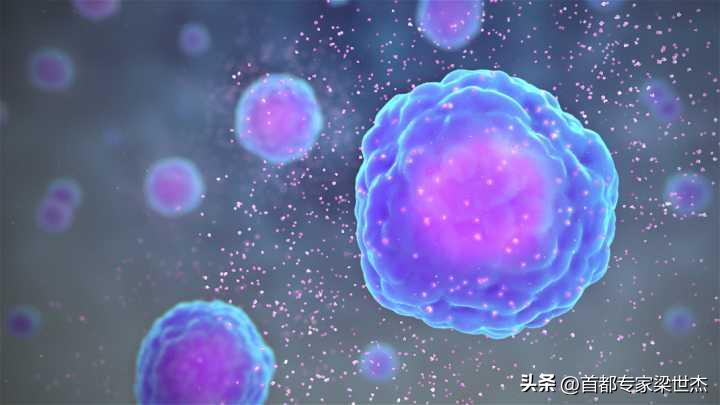
試想,我們是否真的需要將人體的體重精確到微克,或將身高精確到微米?這樣的精確度,對於醫學實踐而言,又有何實際意義?肌體組織中的一個炎症細胞,並不等同於炎症的存在;偶然發現的突變細胞,也不能貿然確診爲癌症。醫學,畢竟是一門實踐科學,它的目的在於治療疾病,而非僅僅滿足於理論上的精確。
再以抗菌素爲例,同一藥廠、同一車間生產的不同批次青黴素,爲何需要分別做皮試?這正是因爲,儘管我們對青黴素的化學結構瞭如指掌,也深知質量控制的重要性,但每一批次的藥物,仍然存在細微的差別。這種差別,可能源於生產過程中的微小波動,也可能源於藥物儲存條件的變化。這種無法完全控制的細微差別,正是醫學實踐中的不確定性之一。
我們每天攝入的食物,也是如此。谷肉果菜,各種營養素的含量,何曾有過精確的計量?我們從未按照每天多少微克的精確度來補充食物營養,卻依然能夠健康成長。這是因爲,人體本身就是一個複雜的自我調節系統,它能夠在一定程度上適應外界環境的變化,保持內環境的相對穩定。
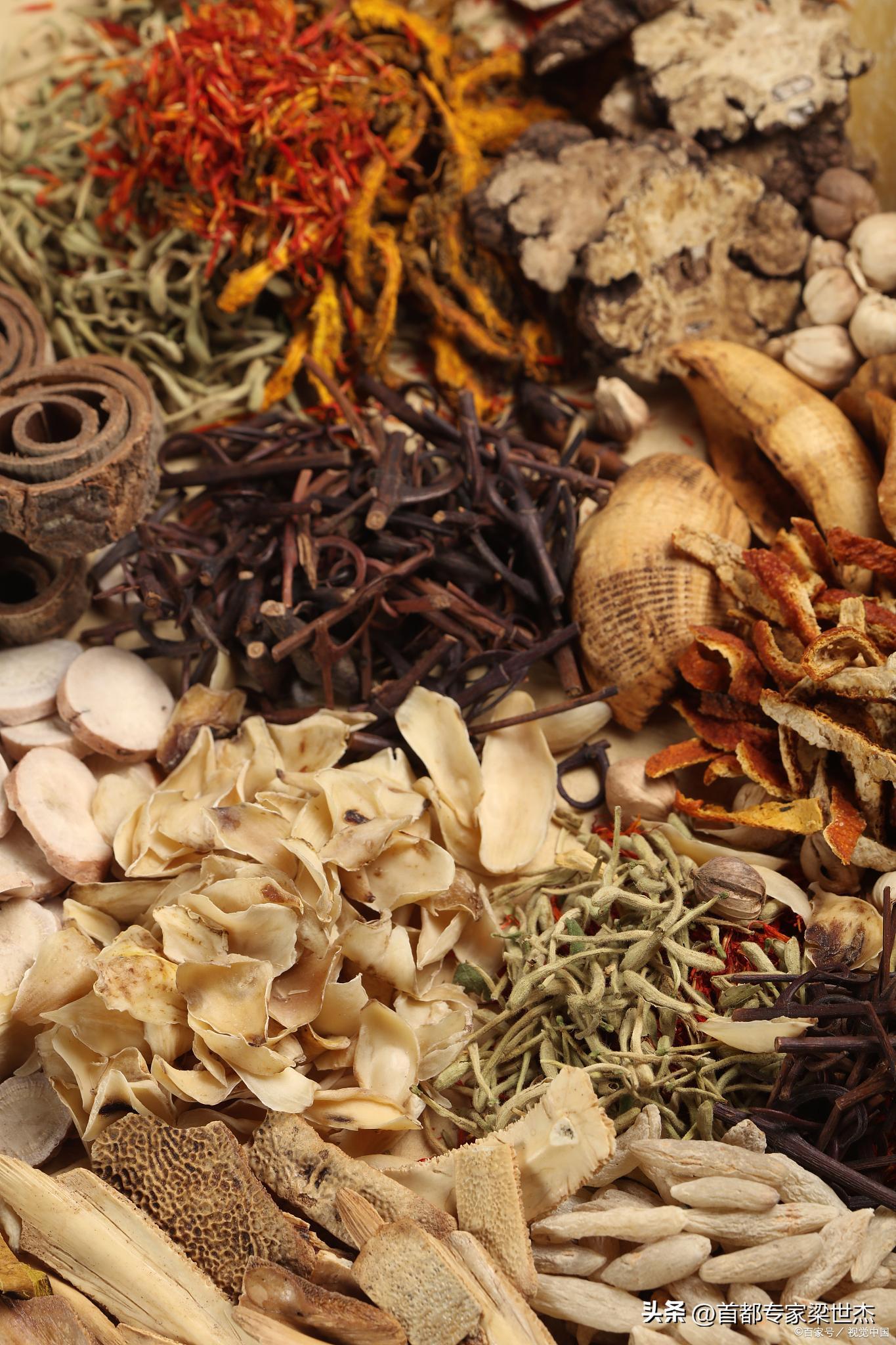
中草藥的應用,更是體現了這種適度精確度的智慧。每一味中草藥,都蘊含着幾十種甚至上百種成分。如果我們對每一味中藥都進行定性定量分析,再加以應用,那將是一項幾乎無法完成的任務。然而,中醫卻憑藉千年的經驗積累,通過辨證施治,實現了對疾病的有效治療。這正是因爲,中醫注重的是整體觀和辨證論治,而非僅僅侷限於單一成分的精確分析。
再來看器官的功能。肺臟,這個我們熟知的呼吸器官,其實還承擔着免疫調節、內分泌代謝、水電解質平衡、心臟血流調節等一系列功能。肺臟的疾病,可以影響全身;而身體其他部位的疾病,也可以影響肺臟。這種複雜的相互作用,已經遠遠超出了單一解剖概念所能解釋的範圍。心、腎等其他實質臟器,也莫不如此。它們的功能,隨着研究的深入,將會不斷被揭示和拓展。
生命科學的探索之路,還遠遠沒有走到盡頭。組蛋白與非組蛋白對基因開合的影響、細胞膜蛋白分子的結構狀態、膜蛋白表面多糖分子的複雜結構……這些領域的複雜性,已經遠遠超過了我們的想象。我們所能做的,只能是不斷接近真理,而無法完全掌握真理。
因此,在生理病理的研究中,我們應該追求的是一種適度的精確度。這種精確度,既能夠滿足醫學實踐的需要,又不會過於強求精細化分類的廣泛化。畢竟,醫學的目的是治療疾病、維護健康,而非僅僅滿足於理論上的完美和精確。
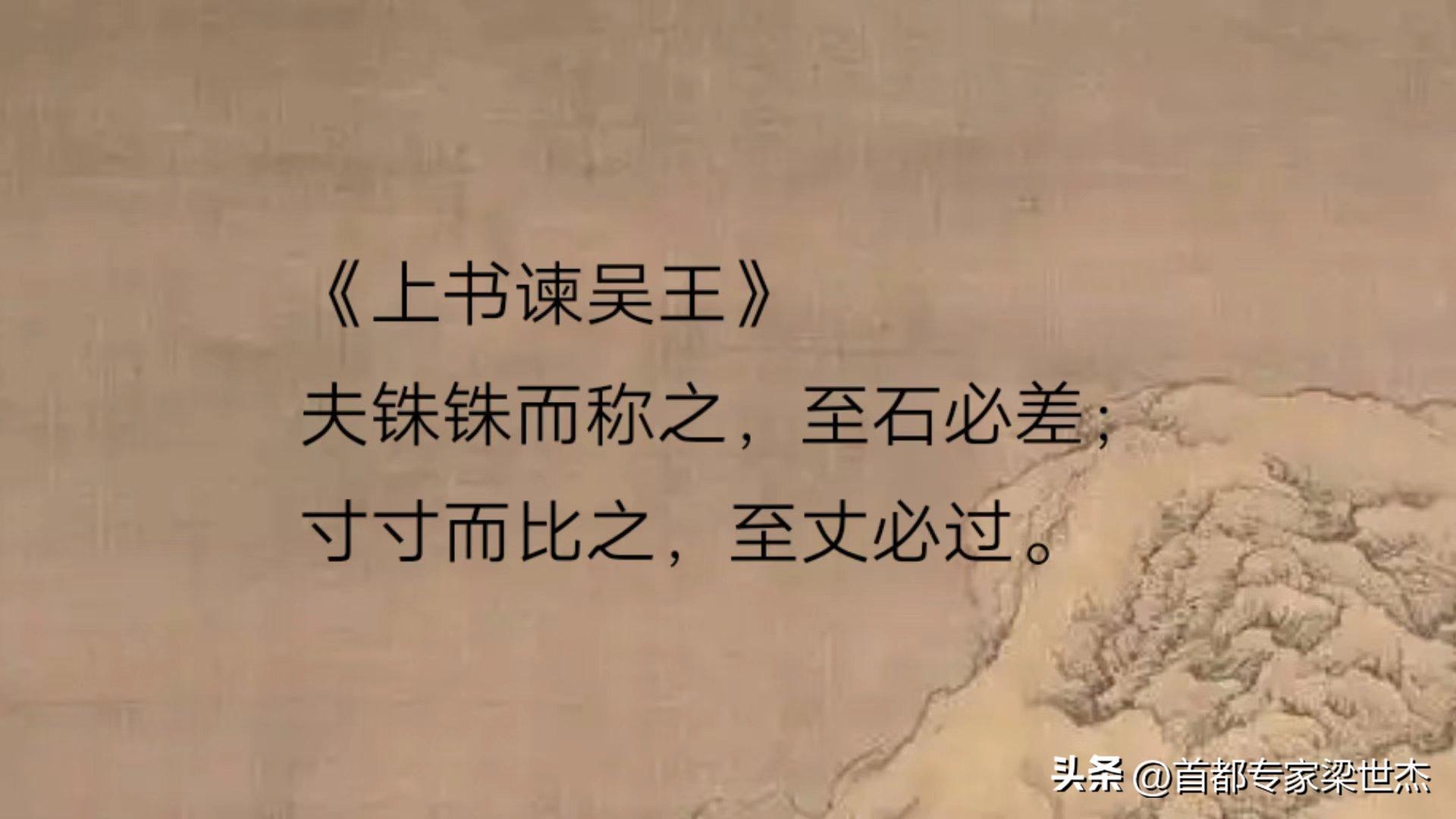
正如西漢枚乘在《上書諫吳王》中所言:“夫銖銖而稱之,至石必差;寸寸而比之,至丈必過。”不必要的精細,不僅是一種浪費,而且可能以極細微的單位稱量宏觀的物體,更易造成誤差。在醫學這條漫長而曲折的探索之路上,讓我們保持一顆謙遜而謹慎的心,追求適度之美,無需窮盡生理病理的每一個細微之處。因爲,真正的醫學智慧,往往就藏在那份適度與平衡之中。
參考文獻:《中醫是善於改變微觀的醫學》作者:曹東義,《中醫藥通報》雜誌,2005年第5期。
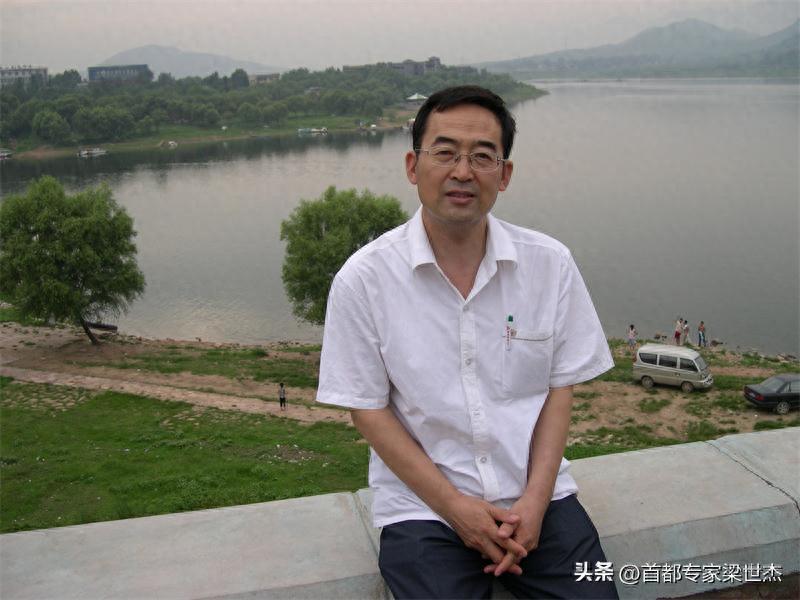
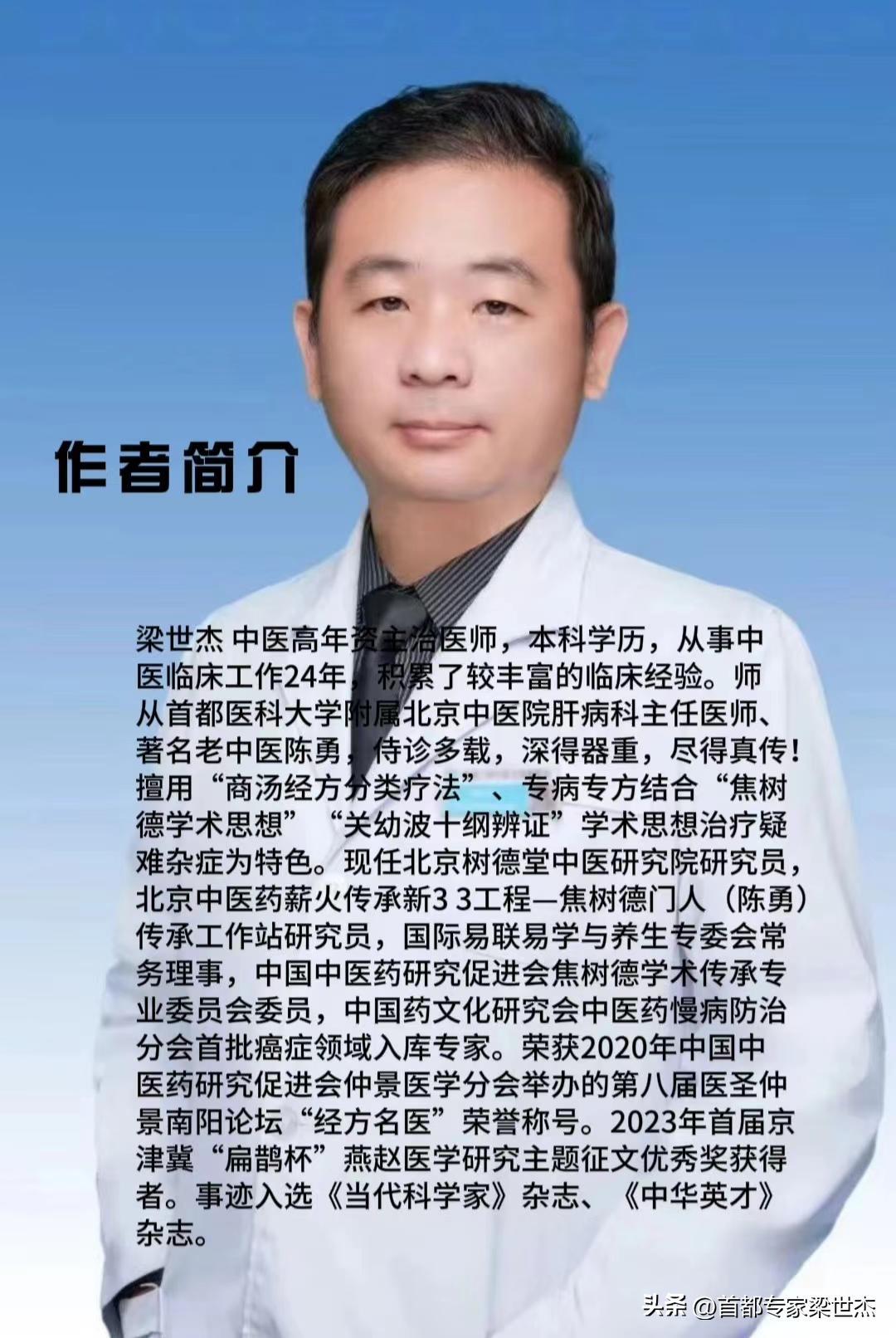
作者簡介:梁世傑 中醫高年資主治醫師,本科學歷,從事中醫臨牀工作24年,積累了較豐富的臨牀經驗。師從首都醫科大學附屬北京中醫院肝病科主任醫師、著名老中醫陳勇,侍診多載,深得器重,盡得真傳!擅用“商湯經方分類療法”、專病專方結合“焦樹德學術思想”“關幼波十綱辨證”學術思想治療疑難雜症爲特色。現任北京樹德堂中醫研究院研究員,北京中醫藥薪火傳承新3+3工程—焦樹德門人(陳勇)傳承工作站研究員,國際易聯易學與養生專委會常務理事,中國中醫藥研究促進會焦樹德學術傳承專業委員會委員,中國藥文化研究會中醫藥慢病防治分會首批癌症領域入庫專家。榮獲2020年中國中醫藥研究促進會仲景醫學分會舉辦的第八屆醫聖仲景南陽論壇“經方名醫”榮譽稱號。2023年首屆京津冀“扁鵲杯”燕趙醫學研究主題徵文優秀獎獲得者。事蹟入選《當代科學家》雜誌、《中華英才》雜誌。
Dong Yi Cao: The Precision of Modern Medicine - The Beauty of Moderation, Not Needing to Be exhausted
In the vast sea of medicine, we are like a flat boat, constantly exploring the mysteries of the human body. Physiology and pathology, a pair of seemingly opposing but dependent concepts, form the core of medical research. However, when we are faced with this endless road of exploration, should we simply pursue the extreme of accuracy? The answer may not be that way.
Modern science has given us an unprecedented understanding of the human body. We can accurately measure height, weight, and even learn about an individual''s genetic information through genetic sequencing. However, the pursuit of such precision is not always necessary in the study of physiological pathology, and may even fall into a misunderstanding.
Just imagine, do we really need to accurately measure the body''s weight to a microgram, or the height to a micron? What is the practical significance of such precision for medical practice? An inflammatory cell in tissue does not equal the presence of inflammation; A mutated cell found by chance cannot be diagnosed as cancer. Medicine is, after all, a practical science whose purpose is to cure diseases, not merely to be satisfied with theoretical precision.
Take antibiotics as an example. Why do different batches of penicillin produced in the same pharmaceutical factory and in the same workshop need to be tested separately? This is because, despite our knowledge of penicillin''s chemical structure and the importance of quality control, there are still subtle differences in each batch of drug. These differences may stem from small fluctuations in the production process or from changes in drug storage conditions. Such nuances, which cannot be fully controlled, are one of the uncertainties in medical practice.
The same is true of the food we eat every day. Has the content of various nutrients in grains and vegetables ever been accurately measured? We have never been able to supplement our food with the precision of how many micrograms a day we eat, yet we are still able to grow healthy. This is because the human body itself is a complex self-regulating system, which can adapt to a certain extent to changes in the external environment and maintain the relative stability of the internal environment.
The application of Chinese herbal medicines demonstrates this wisdom of moderate precision. Each Chinese herb contains dozens or even hundreds of ingredients. If we were to conduct qualitative quantitative analysis of every flavor of Chinese medicine and then apply it, it would be almost impossible. However, Traditional Chinese Medicine (TCM) has realized the effective treatment of the disease through differentiation of symptoms and signs. This is precisely because traditional Chinese medicine focuses on holistic view and dialectical treatment, rather than being limited to the precise analysis of a single component.
Let''s look at the function of the organs. The lungs, as we know them, also perform a series of functions such as immune regulation, endocrine metabolism, electrolyte balance, and cardiac blood flow regulation. Diseases in the lungs can affect the whole body; Diseases in other parts of the body can also affect the lungs. This complex interaction is far beyond the scope of a single anatomical concept. The same is true of other physical organs such as the heart and kidneys. Their functions will continue to be revealed and expanded as research progresses.
The path of life science exploration is far from over. Effect of histones and nonhistones on gene opening, structural state of cell membrane protein molecules, complex structure of polysaccharide molecules on the surface of membrane proteins. The complexity of these areas is far greater than we can imagine. All we can do is to keep getting closer to the truth, but not to fully grasp it.
Therefore, in the study of physiological pathology, we should strive for a degree of precision. This degree of accuracy can meet the needs of medical practice without requiring too much extensive classification. After all, the purpose of medicine is to treat disease and maintain health, not merely to be satisfied with theoretical perfection and precision.
As Meqin, in the Western Han Dynasty, said in the First Lecture to the King of Wu:“Whoever calls it a penny and a half will be poor as a stone; Compare it inches by inch, and the highest man will pass.”Unnecessary refinement is not only a waste, but also may measure macroscopic objects in very tiny units, making them more likely to cause errors. On the long and tortuous journey of medicine, let us maintain a humble and cautious heart and pursue modest beauty without exhausting every nuance of physiological pathologies. For true medical wisdom is often hidden in moderation and balance.
References: Traditional Chinese Medicine is Good at Transforming the Microsphere. Author: Cao Dongyi, Journal of Traditional Chinese medicine, No. 5, 2005.
Author Bio: Liang Shijie is a senior medical practitioner in traditional Chinese medicine with an undergraduate degree. He has been engaged in traditional medicine clinical work for 24 years and has accumulated a wealth of clinical experience. Following Chen Yong, chief physician of liver disease at Beijing Traditional Medicine Hospital, affiliated with Capital Medical University, and renowned old Chinese medicine, he has been treated for many years and received great attention. He specializes in the treatment of difficult diseases using "conversational traditional therapy" and special treatments combined with the academic ideas of Jiao Shude and Guan Yubo''s ten-level diagnosis.He is currently a researcher at the Shude Tang TCM Research Institute in Beijing, a fellow at the new 3 + 3 project of traditional Chinese medicine flame inheritance in Beijing - a scholar at the inheritance workstation of Jiao Shude''s protégés (Chen Yong),He is a standing committee member of the International Expert Committee on E-learning and Health Care, a member of the Jiao Shude Academic Heritage Special Committee of the Chinese Association for the Advancement of Chinese Medicine Research, and the first cancer specialist to be included in the chapter of the Chinese Pharmaceutical Culture Research Association. Won the 2020 China Association for the Promotion of Traditional Chinese Medicine Zhongjing Medical Branch held the eighth session of the Medical Saint Zhongjing Nanyang Forum "Classic Prescription Famous Doctor" honorary title. The winner of the first Beijing-Tianjin-Hebei "Pingui Cup" Yanzhao Medical Research Essay Award in 2023. His work was featured in the journal Current Scientist and the journal Chinese Talent.