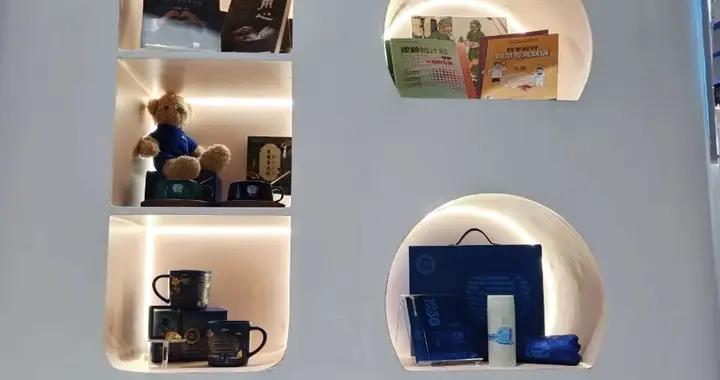
新時代下的中醫藥:廣收博採,包容並蓄,再創輝煌
在歷史的長河中,中醫藥猶如一顆璀璨的明珠,熠熠生輝,照亮了華夏兒女的健康之路。從古至今,中醫藥始終秉持着“廣收博採,包容並蓄”的精神,不斷吸收和融合外來藥物資源,使得中藥寶庫日益豐富,爲人類的健康事業做出了巨大貢獻。
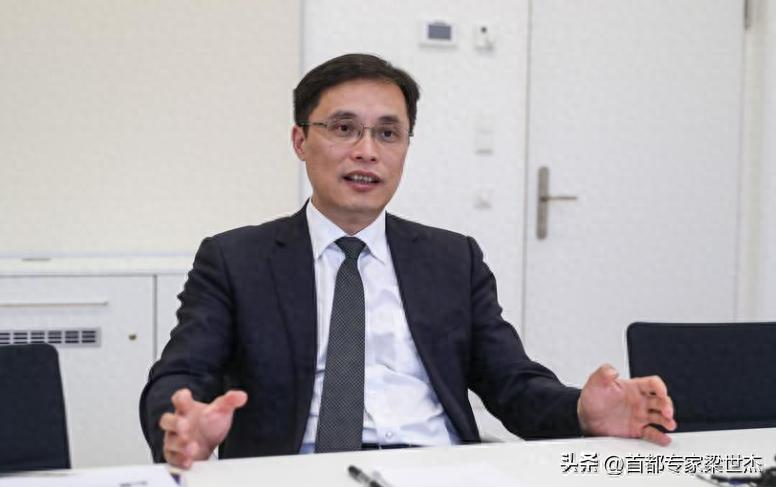
中國工程院院士、中國中醫科學院院長黃璐琦在主旨報告中曾指出:“中國歷史上繁榮昌盛時均有外來藥物資源的引入和利用,中藥寶庫都在不斷豐富。”的確如此,翻閱《本草綱目》、《經史證類備急本草》等經典本草著作,我們不難發現,其中記載了許多外來中藥,如番紅花、番瀉葉、蘆薈、乳香、沒藥等。這些外來藥物,如同異域的使者,跨越千山萬水,將不同的文化和智慧融入中醫藥的殿堂,共同譜寫着人類健康的新篇章。
如今,中國正站在新時代的潮頭,經濟飛速發展,人民生活水平顯著提高,對醫療資源的需求也日益增長。面對這一歷史性的機遇和挑戰,中醫藥如何繼續發揚光大,爲人類健康事業做出更大的貢獻?黃璐琦院士給出了明確的答案:行動以新時代中國特色社會主義思想爲指引,胸懷中華民族偉大復興的戰略全局,面對世界百年未有之大變局,中醫藥必須堅持“廣收博採,包容並蓄”的精神,不斷開拓創新。
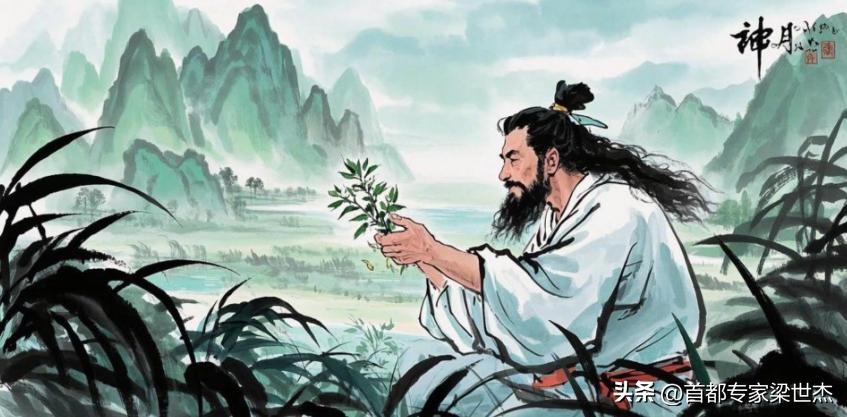
“神農嘗百草”是中醫藥傳承千年的佳話,而在新時代,我們更需要的是“新時代神農再嘗百草”的勇氣和智慧。這裏的“嘗”,不僅僅是品嚐草藥的味道,更是要守正創新地運用現代科學技術與方法,對中醫藥進行深入研究和探索。比如,利用基因測序技術揭示中藥的遺傳密碼,運用大數據分析優化中藥的配伍和劑量,通過智能製造技術提升中藥的生產效率和質量……這些現代科技的應用,將爲中醫藥的發展注入新的活力。
而“百草”的範疇,在新時代也變得更加廣泛。它不僅包括我們熟知的中藥材,還涵蓋了全球範圍內的藥物資源。隨着全球化的深入發展,越來越多的外國藥物進入我們的視野,它們或許有着與中藥不同的作用機制和療效特點,但同樣可以爲人類的健康服務。因此,我們應該以開放的心態去接納和學習這些外來藥物,將其與中藥相結合,共同構建更加完善的醫療體系。
舉個例子來說,青蒿素的發現就是中醫藥與現代科技相結合的典範。屠呦呦研究員從古代醫籍中受到啓發,通過大量的實驗和研究,最終從青蒿中提取出了具有高效抗瘧作用的青蒿素。這一發現不僅挽救了數百萬人的生命,也爲中醫藥的現代化發展開闢了新的道路。
當然,中醫藥的開放融合並不是一帆風順的。在吸收外來藥物的過程中,我們必須要保持清醒的頭腦和嚴謹的態度,確保藥物的安全性和有效性。同時,我們也要加強國際交流與合作,共同推動中醫藥的國際化進程。
總之,新時代的中醫藥必須要堅持“廣收博採,包容並蓄”的精神,不斷開拓創新,才能爲人類健康事業做出更大的貢獻。讓我們攜手並進,共同書寫中醫藥發展的新篇章!讓中醫藥的智慧和光芒照亮更多人的生命之路!
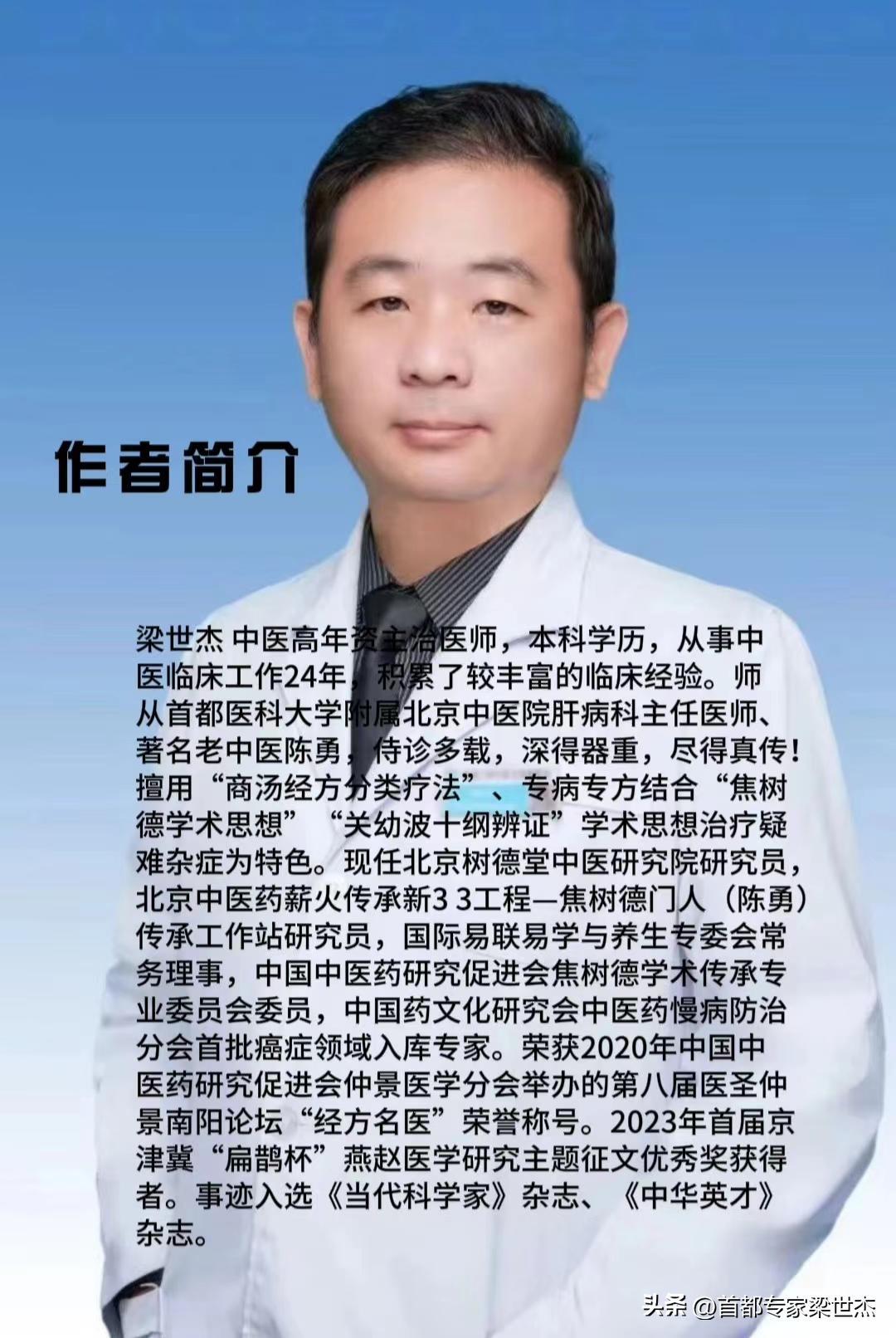
作者簡介:梁世傑 中醫高年資主治醫師,本科學歷,從事中醫臨牀工作24年,積累了較豐富的臨牀經驗。師從首都醫科大學附屬北京中醫院肝病科主任醫師、著名老中醫陳勇,侍診多載,深得器重,盡得真傳!擅用“商湯經方分類療法”、專病專方結合“焦樹德學術思想”“關幼波十綱辨證”學術思想治療疑難雜症爲特色。現任北京樹德堂中醫研究院研究員,北京中醫藥薪火傳承新3+3工程—焦樹德門人(陳勇)傳承工作站研究員,國際易聯易學與養生專委會常務理事,中國中醫藥研究促進會焦樹德學術傳承專業委員會委員,中國藥文化研究會中醫藥慢病防治分會首批癌症領域入庫專家。榮獲2020年中國中醫藥研究促進會仲景醫學分會舉辦的第八屆醫聖仲景南陽論壇“經方名醫”榮譽稱號。2023年首屆京津冀“扁鵲杯”燕趙醫學研究主題徵文優秀獎獲得者。事蹟入選《當代科學家》雜誌、《中華英才》雜誌。
Traditional Chinese medicine in a new era: Harvesting widely, embracing diversity and making new achievements
In the long history, Chinese medicine has been like a shining pearl, shining brightly, illuminating the path of health for the children of China. Since ancient times, traditional Chinese medicine has always adhered to the spirit of "broad sourcing and inclusiveness," continuously absorbing and integrating foreign drug resources, making the treasure trove of traditional medicine increasingly abundant and making a tremendous contribution to human health.
Huang Luqi, Academician of the Chinese Academy of Traditional Chinese Medicine and President of the Chinese Academy of Traditional Chinese Medicine, pointed out in her keynote speech: "In the prosperous times of China''s history, foreign medicinal resources have been introduced and utilized, and the treasure house of Chinese medicine has been continuously enriched." Indeed, when we leaf through classic herbal writings such as the Herbal Materia Medica and the Herbal Emergency Materia Medica, it is not difficult to discover that many exotic herbal remedies are documented in them, such as crocus, paracetamol, aloe vera, lavender, and fenugreek. These foreign medicines, like exotic messengers, crossed thousands of mountains and waters, integrated different cultures and wisdom into the temple of Chinese medicine, and together written a new chapter in human health.
Today, China is standing at the dawn of a new era, with rapid economic development, significant improvement of people''s living standards, and increasing demand for medical resources. In the face of this historic opportunity and challenge, how can traditional Chinese medicine continue to be developed and make a greater contribution to human health? Academician Huang Luqi gave a clear answer: action is guided by the Thought on Socialism with Chinese Characteristics for a New Era. Bearing in mind the strategic overarching goal of the rejuvenation of the Chinese nation, and facing major changes unseen in the world in a century, traditional Chinese medicine must adhere to the spirit of "broad harvest, tolerance and inclusiveness" and continue to innovate.
"Shannon tastes a hundred plants" is a great story of traditional Chinese medicine that has been passed down for thousands of years, and in the new era, we need more of the courage and wisdom to "Shannon again tastes hundred flowers in the new year." The "taste" here is not only to taste the taste of herbal medicine, but also to conduct in-depth research and exploration of Chinese medicine using modern science, technology and methods in a consistent and innovative manner. For example, genetic sequencing technology is used to reveal the genetic code of traditional Chinese medicine, big data analysis is used to optimise the mixing and dosage of traditional medicine, and intelligent manufacturing technology improves the production efficiency and quality of traditional medicinal medicine. The application of these modern technologies will inject new vitality into the development of Chinese medicine.
The scope of "hundred plants" has become more extensive in the new era. It not only includes traditional Chinese medicines that are well known to us, but also covers pharmaceutical resources on a global scale. With the deep development of globalization, more and more foreign drugs enter our sights, which may have different mechanisms of action and efficacy characteristics from traditional Chinese medicine, but can also serve human health. Therefore, we should accept and learn from these foreign medicines with an open mind, combine them with Chinese medicine, and jointly build a better medical system.
For example, the discovery of artemisinin is an example of the integration of traditional Chinese medicine with modern science and technology. The researcher, Tu Youyou, was inspired by ancient medical texts, and through a large number of experiments and studies, eventually extracted artemisinin from artemisinin with high effective antimalarial effects. This discovery not only saved the lives of millions of people, but also opened up new avenues for the modern development of traditional Chinese medicine.
Of course, the open fusion of traditional Chinese medicine has not been smooth sailing. In the process of absorbing foreign drugs, we must maintain a clear mind and a strict attitude to ensure the safety and effectiveness of the drugs. At the same time, we should also strengthen international exchange and cooperation and jointly promote the internationalization of traditional Chinese medicine.
In short, Chinese medicine in the new era must adhere to the spirit of "broad harvest, tolerance and inclusiveness" and continue to innovate in order to make greater contributions to the cause of human health. Let us join hands to write a new chapter in the development of Chinese medicine! Let the wisdom and light of Chinese medicine illuminate the path of more people''s lives!
Author Bio: Liang Shijie is a senior medical practitioner in traditional Chinese medicine with an undergraduate degree. He has been engaged in traditional medicine clinical work for 24 years and has accumulated a wealth of clinical experience. Following Chen Yong, chief physician of liver disease at Beijing Traditional Medicine Hospital, affiliated with Capital Medical University, and renowned old Chinese medicine, he has been treated for many years and received great attention. He specializes in the treatment of difficult diseases using "conversational traditional therapy" and special treatments combined with the academic ideas of Jiao Shude and Guan Yubo''s ten-level diagnosis.He is currently a researcher at the Shude Tang TCM Research Institute in Beijing, a fellow at the new 3 + 3 project of traditional Chinese medicine flame inheritance in Beijing - a scholar at the inheritance workstation of Jiao Shude''s protégés (Chen Yong),He is a standing committee member of the International Expert Committee on E-learning and Health Care, a member of the Jiao Shude Academic Heritage Special Committee of the Chinese Association for the Advancement of Chinese Medicine Research, and the first cancer specialist to be included in the chapter of the Chinese Pharmaceutical Culture Research Association. Won the 2020 China Association for the Promotion of Traditional Chinese Medicine Zhongjing Medical Branch held the eighth session of the Medical Saint Zhongjing Nanyang Forum "Classic Prescription Famous Doctor" honorary title. The winner of the first Beijing-Tianjin-Hebei "Pingui Cup" Yanzhao Medical Research Essay Award in 2023. His work was featured in the journal Current Scientist and the journal Chinese Talent.