柔弱與堅強:《道德經》中的長壽之道與現代健美觀的反思
在浩瀚的中華文化寶庫中,《道德經》以其深邃的智慧和獨特的哲學視角,爲我們揭示了宇宙萬物的運行規律,也爲我們提供了關於人生、健康、長壽的深刻啓示。其中,“人之生也柔弱,其死也堅強。草木之生也柔脆,其死也枯槁。故堅強者死之徒,柔弱者生之徒。”這一句話,便蘊含着關於身體健康與長壽的深刻哲理。
這句話告訴我們,人在生的時候,身體是柔弱的,充滿了生機與活力;而當人死亡時,身體則變得僵硬、堅強。同樣,草木在生長的時候,枝葉柔脆,生機勃勃;一旦枯萎,便變得乾癟、枯槁。由此,老子得出了“堅強者死之徒,柔弱者生之徒”的結論,即過於剛強、僵硬往往與死亡相伴,而柔弱、柔韌則是生命的象徵,是長壽之道。
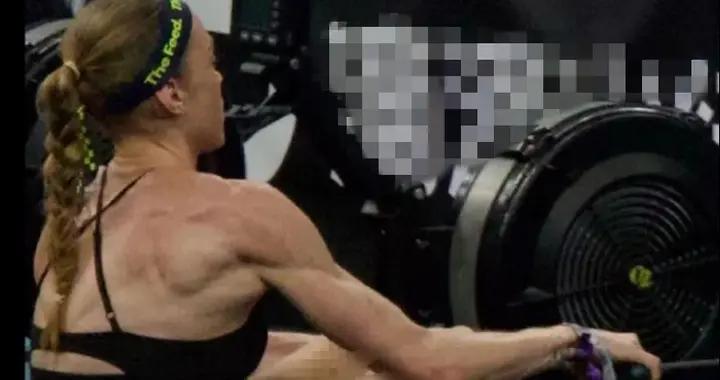
這一觀點,與現代西方健美觀所崇尚的“死肌肉”形成了鮮明的對比。在西方健美文化中,人們追求的是肌肉的塊頭、線條的硬朗,以及力量的極致展現。這種健美觀,無疑在一定程度上體現了人類對力量的崇拜和對美的追求。然而,當我們過於追求外在的強壯和硬朗時,卻往往忽視了身體內在的柔韌性和協調性,從而可能導致身體的失衡和健康的受損。
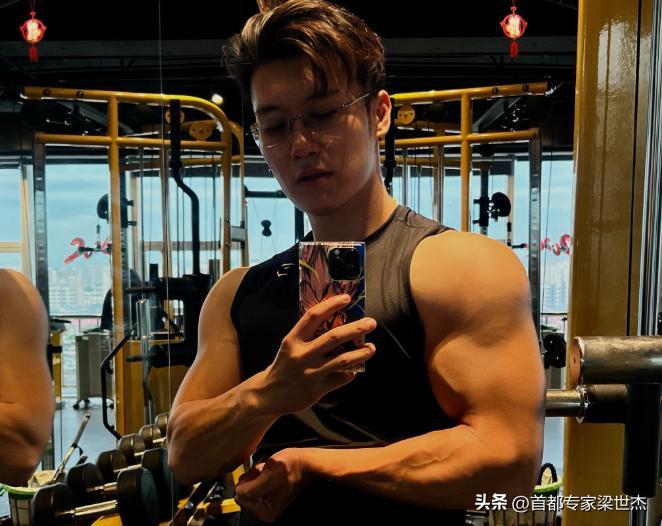
舉個例子,許多職業健美運動員,在追求肌肉塊頭和線條的過程中,往往需要進行高強度的訓練和嚴格的飲食控制。這種極端的訓練方式,雖然能夠在短時間內塑造出令人驚歎的肌肉形態,但長期下來,卻可能對身體造成不可逆轉的損傷。他們的身體可能變得過於僵硬,關節靈活性下降,甚至可能出現各種健康問題。這種以犧牲健康爲代價的健美觀,無疑與《道德經》中所倡導的長壽之道背道而馳。
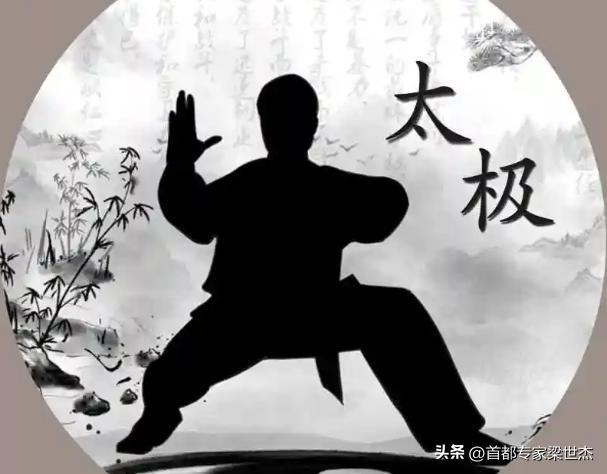
相反,那些注重身體柔韌性和協調性的人,往往能夠更好地保持身體的健康和活力。他們通過瑜伽、太極等柔和的運動方式,鍛鍊身體的柔韌性和平衡感,使身體保持一種自然、和諧的狀態。這種運動方式,不僅能夠增強身體的免疫力,預防疾病的發生,還能夠延緩身體的衰老過程,使人保持年輕和活力。
當然,我們並不是要完全否定西方健美觀的價值。適度的肌肉鍛鍊和力量訓練,對於增強身體素質和提高生活質量無疑是有益的。但是,我們應該明白,真正的健康並不僅僅體現在外在的肌肉和力量上,更體現在身體的內在平衡和協調性上。只有當我們注重身體的柔韌性和協調性,保持一種自然、和諧的狀態時,才能夠真正地實現長壽和健康。
因此,我們應該從《道德經》中汲取智慧,重新審視我們的健美觀。不要盲目追求外在的強壯和硬朗,而應該注重身體的內在平衡和協調性。通過柔和的運動方式和健康的生活方式,保持身體的柔韌性和活力,讓我們的生命之樹常青不衰。這,纔是《道德經》所倡導的長壽之道,也是我們應該追求的真正健康。
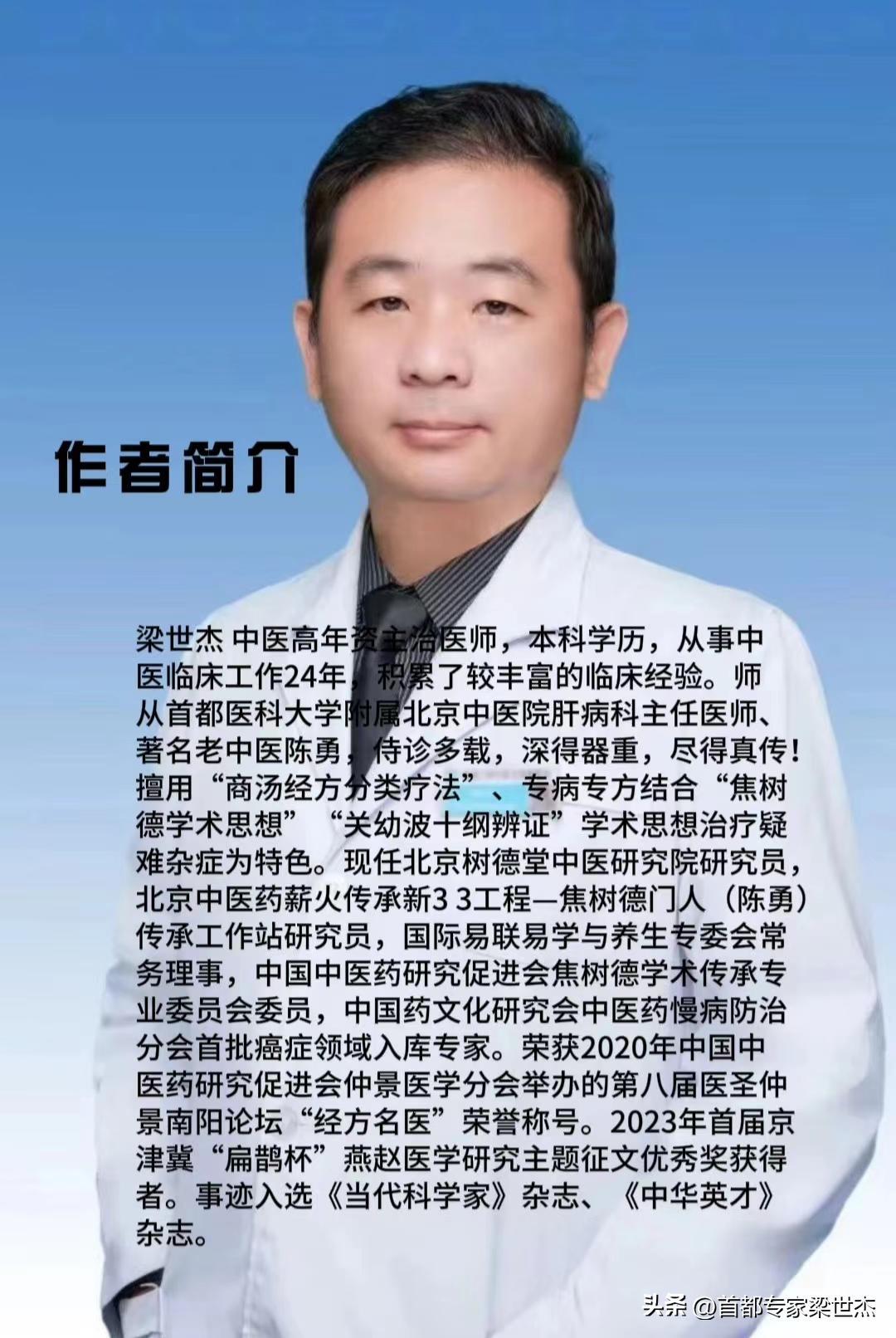
作者簡介:梁世傑 中醫高年資主治醫師,本科學歷,從事中醫臨牀工作24年,積累了較豐富的臨牀經驗。師從首都醫科大學附屬北京中醫院肝病科主任醫師、著名老中醫陳勇,侍診多載,深得器重,盡得真傳!擅用“商湯經方分類療法”、專病專方結合“焦樹德學術思想”“關幼波十綱辨證”學術思想治療疑難雜症爲特色。現任北京樹德堂中醫研究院研究員,北京中醫藥薪火傳承新3+3工程—焦樹德門人(陳勇)傳承工作站研究員,國際易聯易學與養生專委會常務理事,中國中醫藥研究促進會焦樹德學術傳承專業委員會委員,中國藥文化研究會中醫藥慢病防治分會首批癌症領域入庫專家。榮獲2020年中國中醫藥研究促進會仲景醫學分會舉辦的第八屆醫聖仲景南陽論壇“經方名醫”榮譽稱號。2023年首屆京津冀“扁鵲杯”燕趙醫學研究主題徵文優秀獎獲得者。事蹟入選《當代科學家》雜誌、《中華英才》雜誌。
Weakness and strength: The Tao Te Ching''s Way to Longevity and Reflections on Modern Fitness
In the vast treasure house of Chinese culture, Tao Te Ching, with its profound wisdom and unique philosophical perspective, reveals the laws of the universe and provides us with profound enlightenment on life, health and longevity. Among them,“Man''s life is also weak, and his death is strong. The life of grass is also fragile, and its death is weak. Thus a strong man dies, and a weak man lives.”This sentence contains a profound philosophy about physical health and longevity.
This sentence tells us that when man is alive, his body is weak and full of life and vitality. When you die, your body becomes stiff and strong. Likewise, when the grass grows, its branches are crisp and vibrant; Once it withers, it becomes dry and weak. Thus, Lao reached the conclusion that "strong people die, and weak people live," which means that being too strong and stiff often accompanies death, while weakness and flexibility are the symbol of life and the way to live long.
This view stands in stark contrast to the "dead muscles" espoused by modern Western bodybuilding. In the Western bodybuilding culture, people are seeking muscle mass, a firm line, and the ultimate display of strength. This view of bodybuilding undoubtedly reflects, to a certain extent, the worship of strength and the pursuit of beauty of human beings. However, when we pursue too much external strength and toughness, we often neglect the inner flexibility and coordination of the body, which can lead to imbalance and impairment of health.
For example, many professional bodybuilders often require high-intensity training and strict dietary controls in their quest for muscle mass and lines. This extreme form of training, while able to shape amazing muscles in a short period of time, can cause irreversible damage to the body in the long term. Their bodies may become too stiff, their joint flexibility decreases, and they may even develop a variety of health problems. This bodybuilding approach, which comes at the expense of health, is undoubtedly contrary to the philosophy of longevity advocated in the Tao Te Ching.
In contrast, those who focus on physical flexibility and coordination are often better able to maintain their body''s health and vitality. They exercise the flexibility and balance of the body through gentle exercises such as yoga and tai chi, so that the body maintains a natural and harmonious state. This mode of exercise can not only strengthen the body''s immunity and prevent the occurrence of diseases, but also slow the aging process of the body, so that people remain young and active.
Of course, we do not want to completely deny the value of Western Dingxi. Moderate muscle exercise and strength training are undoubtedly beneficial to enhance physical fitness and improve quality of life. However, we should understand that true health is not only in the external muscles and strength, but also in the internal balance and coordination of the body. Only when we focus on the flexibility and coordination of the body and maintain a natural, harmonious state can we truly achieve longevity and health.
Therefore, we should draw wisdom from the Tao Te Ching and re-examine our view of physical fitness. Instead of blindly pursuing external strength and stiffness, we should focus on the internal balance and coordination of the body. Through gentle exercise and a healthy lifestyle, we can keep our body supple and vibrant and keep our tree of life alive. This is the way the Tao Te Ching advocates longevity and the true health that we should pursue.
Author Bio: Liang Shijie is a senior medical practitioner in traditional Chinese medicine with an undergraduate degree. He has been engaged in traditional medicine clinical work for 24 years and has accumulated a wealth of clinical experience. Following Chen Yong, chief physician of liver disease at Beijing Traditional Medicine Hospital, affiliated with Capital Medical University, and renowned old Chinese medicine, he has been treated for many years and received great attention. He specializes in the treatment of difficult diseases using "conversational traditional therapy" and special treatments combined with the academic ideas of Jiao Shude and Guan Yubo''s ten-level diagnosis.He is currently a researcher at the Shude Tang TCM Research Institute in Beijing, a fellow at the new 3 + 3 project of traditional Chinese medicine flame inheritance in Beijing - a scholar at the inheritance workstation of Jiao Shude''s protégés (Chen Yong),He is a standing committee member of the International Expert Committee on E-learning and Health Care, a member of the Jiao Shude Academic Heritage Special Committee of the Chinese Association for the Advancement of Chinese Medicine Research, and the first cancer specialist to be included in the chapter of the Chinese Pharmaceutical Culture Research Association. Won the 2020 China Association for the Promotion of Traditional Chinese Medicine Zhongjing Medical Branch held the eighth session of the Medical Saint Zhongjing Nanyang Forum "Classic Prescription Famous Doctor" honorary title. The winner of the first Beijing-Tianjin-Hebei "Pingui Cup" Yanzhao Medical Research Essay Award in 2023. His work was featured in the journal Current Scientist and the journal Chinese Talent.