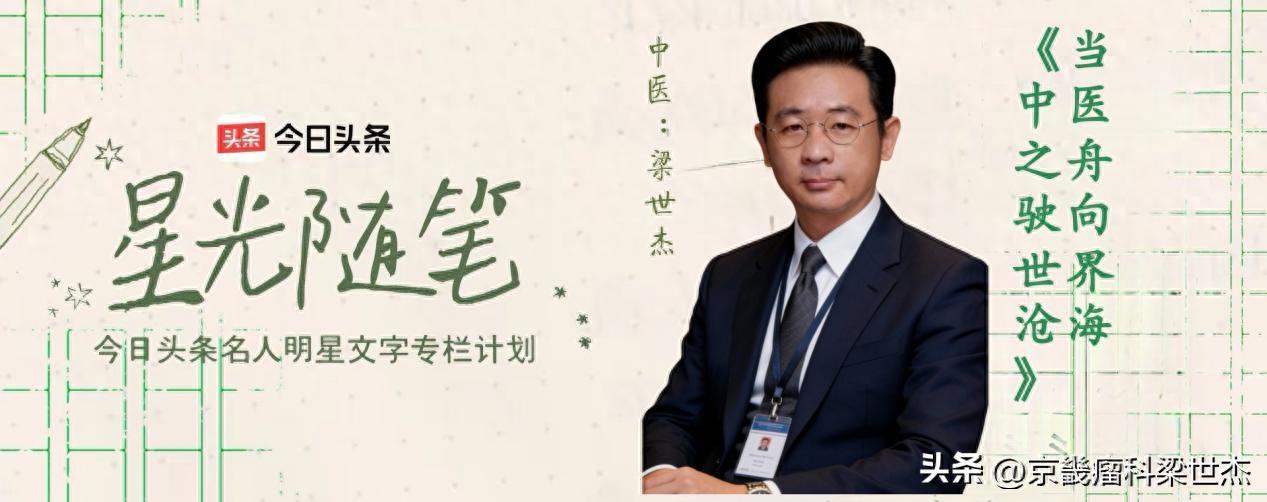
梁世傑:當中醫之舟駛向世界滄海
在這風雲變幻的時代,西學東漸的浪潮如洶湧波濤,拍打着古老東方的文化堤岸;科學主義的巨輪,在時代的海洋中橫衝直撞,所到之處,傳統文化的礁石紛紛被撞得粉碎;中美文化對抗的硝煙,瀰漫在世界的天空,似一場沒有硝煙卻激烈異常的戰爭。在這紛繁複雜的局勢下,中醫,這一承載着華夏民族數千年智慧與經驗的瑰寶,正面臨着前所未有的挑戰與機遇。
中醫,宛如一位歷經滄桑的老者,身披歲月的長袍,邁着沉穩而堅定的步伐,從遠古走來。它見證了朝代的更迭,歷經了戰火的洗禮,卻始終堅守着自己的初心,守護着華夏兒女的健康。然而,在當今這個快節奏、功利化的時代,中醫卻似乎被邊緣化了。據相關數據顯示,在我國的醫療市場中,西醫佔據了絕大部分的份額,中醫的佔比相對較小。在一些大城市,西醫醫院人滿爲患,而中醫診所卻門可羅雀。這不禁讓人痛心疾首,難道中醫真的要在這時代的洪流中逐漸消逝嗎?
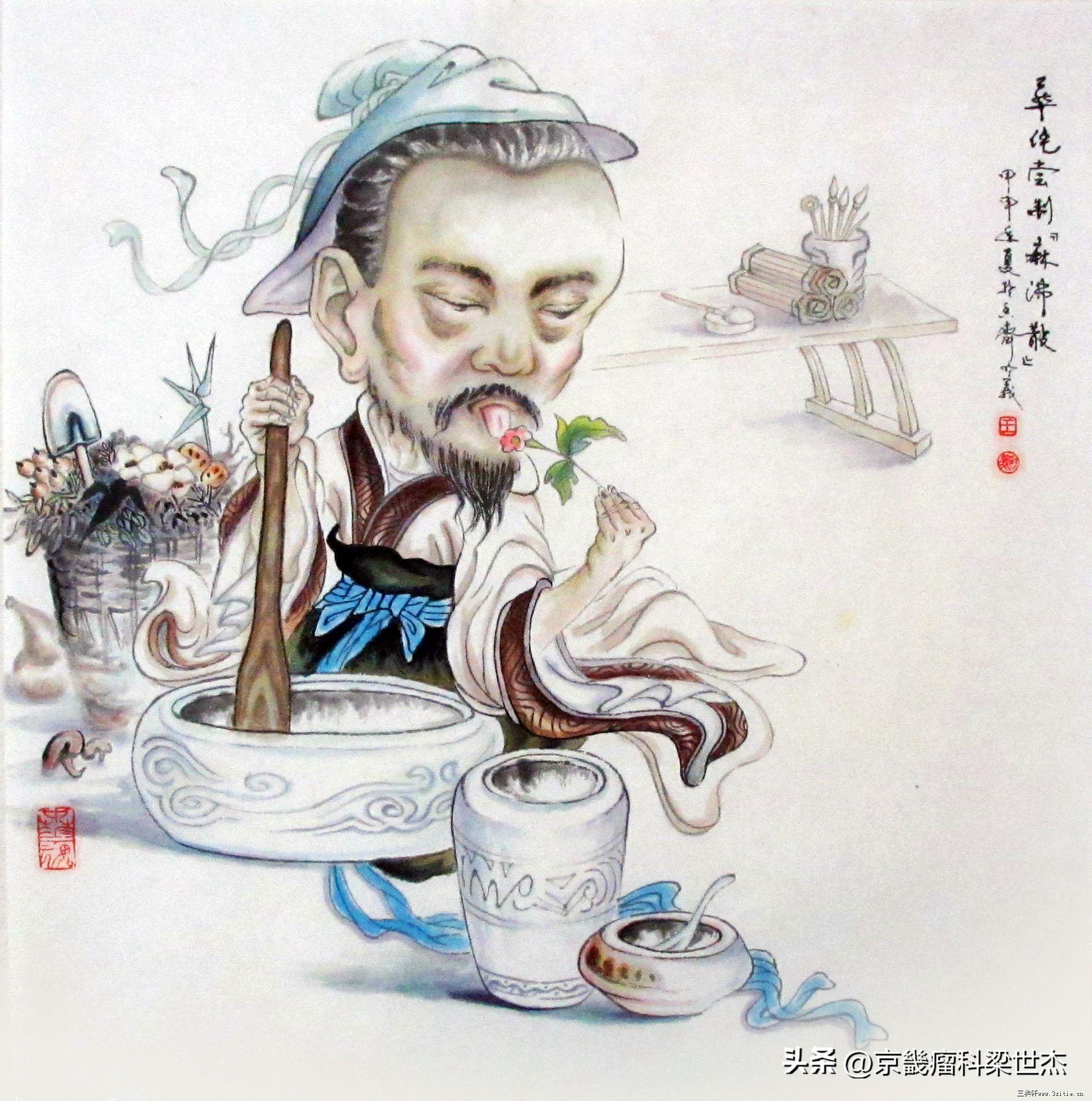
我們不妨把目光投向歷史的長河。在古代,中醫曾是中華民族的驕傲。華佗,這位醫術高明的神醫,他發明的麻沸散,比西方的麻醉藥早了整整一千六百多年;他創造的五禽戲,至今仍是人們強身健體的良方。張仲景,他的《傷寒雜病論》被譽爲“方書之祖”,爲後世中醫的發展奠定了堅實的基礎。李時珍,踏遍千山萬水,嚐遍百草,歷時二十七年寫成了《本草綱目》,這部鉅著不僅在國內廣爲流傳,還被翻譯成多種文字,傳播到了世界各地。這些中醫先輩們,用自己的智慧和汗水,爲中醫的發展做出了巨大的貢獻。他們就像一盞盞明燈,照亮了中醫前行的道路。
然而,如今的一些中醫人,卻在這時代的喧囂中迷失了方向。他們或是被西醫的繁華所吸引,放棄了中醫的傳承;或是爲了追求經濟利益,打着中醫的旗號,行着坑蒙拐騙之事。這些人,就像一羣迷失了方向的羔羊,在中醫的道路上越走越遠。他們不僅損害了中醫的聲譽,也讓廣大患者對中醫產生了懷疑和誤解。
還記得有一次,我遇到一位老中醫。他年逾古稀,卻依然精神矍鑠。他在一個小巷子裏開了一家小小的中醫診所,沒有華麗的裝修,沒有先進的設備,只有幾張破舊的桌椅和一排排裝滿中藥的藥櫃。但他卻用自己精湛的醫術,治癒了無數患者的疾病。有一位患者,患了多年的風溼病,四處求醫無果,抱着試一試的心態來到了他的診所。老中醫仔細地爲他診斷後,開了一副中藥方子。患者按照方子服用了一段時間後,病情竟然奇蹟般地好轉了。患者感激不已,送來了一面錦旗,上面寫着“妙手回春,醫德高尚”。老中醫看着錦旗,笑着說:“我這只是做了我應該做的事情,中醫的精髓就在於辯證論治,只要對症下藥,就能治好病。”
這位老中醫的話,讓我深受觸動。他就像中醫界的一股清流,堅守着自己的初心,傳承着中醫的文化。他讓我明白,中醫不是一種賺錢的工具,而是一種救死扶傷的使命;中醫不是一種過時的學問,而是一種蘊含着無限智慧的寶藏。
在傳統文化偉大復興的今天,中醫要出海,走向世界,這是時代賦予我們中醫人的使命和責任。我們不能坐以待斃,不能讓中醫這一瑰寶在我們這一代人手中失傳。我們要像古代的中醫先輩們一樣,勇敢地擔當起自己的文化和民族的責任,做好中醫和文化的宣傳、傳承、傳播。
我們要加強中醫的科普宣傳,讓更多的人瞭解中醫、認識中醫、信任中醫。可以通過舉辦中醫講座、開展中醫義診、製作中醫科普視頻等方式,向大衆普及中醫的知識和理念。讓中醫走進社區、走進學校、走進企業,讓中醫的種子在每一個人的心中生根發芽。
我們還要加強中醫的國際交流與合作,讓中醫走向世界。可以通過舉辦國際中醫學術會議、開展中醫國際合作項目、派遣中醫專家到國外講學等方式,向世界展示中醫的魅力和風采。讓中醫成爲連接中國與世界的橋樑,讓世界瞭解中國,讓中國走向世界。
當然,中醫走向世界並不是一帆風順的。我們會遇到各種各樣的困難和挑戰,比如文化差異、語言障礙、法律法規等。但我們不能因此而退縮,不能因爲害怕困難而放棄。我們要相信,只要我們堅持不懈地努力,就一定能夠克服困難,實現中醫走向世界的目標。
“路漫漫其修遠兮,吾將上下而求索。”中醫的傳承與發展之路,充滿了艱辛和挑戰,但也充滿了希望和機遇。讓我們中醫人攜手共進,以堅定的信念、無畏的勇氣、創新的思維,駕駛着中醫之舟,駛向世界的滄海。讓中醫這一古老而又年輕的醫學,在世界的舞臺上綻放出更加耀眼的光芒,爲人類的健康事業做出更大的貢獻!
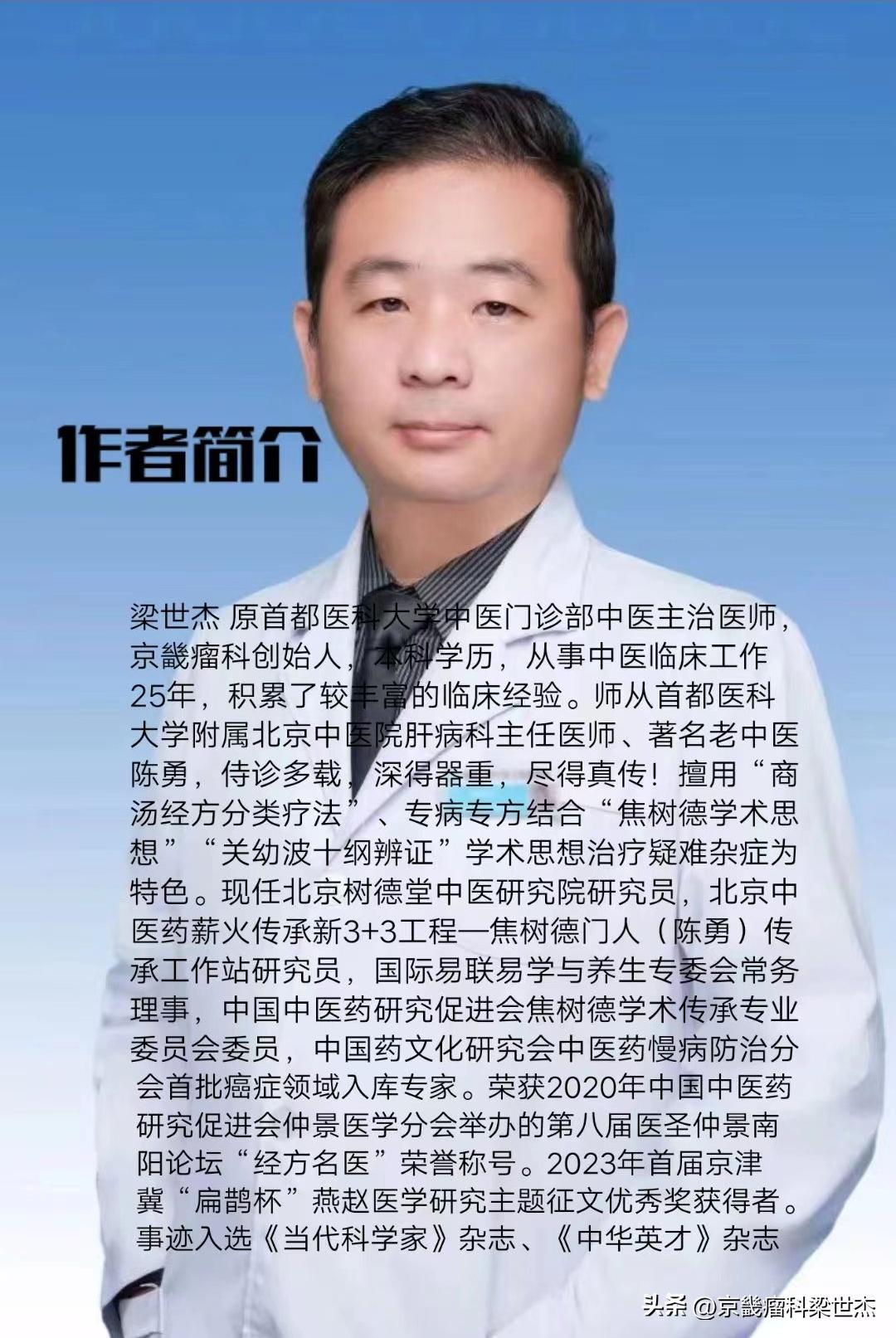
作者簡介:梁世傑 原首都醫科大學中醫門診部中醫主治醫師,京畿瘤科創始人,本科學歷,從事中醫臨牀工作25年,積累了較豐富的臨牀經驗。師從首都醫科大學附屬北京中醫院肝病科主任醫師、著名老中醫陳勇,侍診多載,深得器重,盡得真傳!擅用“商湯經方分類療法”、專病專方結合“焦樹德學術思想”“關幼波十綱辨證”學術思想治療疑難雜症爲特色。現任北京樹德堂中醫研究院研究員,北京中醫藥薪火傳承新3+3工程—焦樹德門人(陳勇)傳承工作站研究員,國際易聯易學與養生專委會常務理事,中國中醫藥研究促進會焦樹德學術傳承專業委員會委員,中國藥文化研究會中醫藥慢病防治分會首批癌症領域入庫專家。榮獲2020年中國中醫藥研究促進會仲景醫學分會舉辦的第八屆醫聖仲景南陽論壇“經方名醫”榮譽稱號。2023年首屆京津冀“扁鵲杯”燕趙醫學研究主題徵文優秀獎獲得者。事蹟入選《當代科學家》雜誌、《中華英才》雜誌。
Liang Shijie: When the boat of Chinese medicine sailed to the sea of the world
In these changing times, the tide of Western learning evolved like a rough swell of waves that struck the cultural banks of the ancient East. The giant ship of science went on a rampage through the sea of the times, and everywhere the reefs of traditional culture were crushed to pieces. The smoke of the cultural confrontation between China and the United States has filled the skies of the world, like a war without smoke but fierce and unusual. In this complex situation, traditional Chinese medicine, a treasure that carries thousands of years of wisdom and experience of the Chinese nation, is facing unprecedented challenges and opportunities.
Chinese medicine is like an old man who has passed through the years, wearing the robe of the years, and walking with steady and determined steps from ancient times. It has witnessed the change of dynasties and been baptised by war, but has always stood by its original aspiration and safeguarded the health of the children of China. However, in today''s fast-paced, utilitarian age, traditional Chinese medicine seems to be marginalized. According to relevant data, Western medicine occupies the vast majority of the share of the medical market in China, and traditional Chinese medicine accounts for a relatively small proportion. In some large cities, Western medicine hospitals are overcrowded, while traditional Chinese medicine clinics are closed to the public. This cannot help but cause heartache. Is traditional Chinese medicine really going to gradually disappear in the currents of this era?
Let us look to the long rivers of history. In ancient times, traditional Chinese medicine was the pride of the Chinese nation. Huamou, a brilliant healer, invented lethality more than 1,600 years before the drugs used in the West. His five-poultry play is still a good remedy for people''s health. Zhang Zhongjing, whose "Theory of Typhoid Anaemia" is known as "the father of Fang Shu," laying a solid foundation for the development of Chinese medicine in later generations. Li Shizhen, who has traveled through thousands of mountains and waters and tasted hundreds of plants, took 27 years to write "The Essential Grassbook." This great work has not only been widely circulated in China, but has also been translated into many languages and spread to all parts of the world. These forefathers of Chinese medicine, with their wisdom and sweat, made tremendous contributions to the development of Chinese medicine. They are like shining lights that illuminate the path of traditional Chinese medicine.
However, some of today''s Chinese medicine practitioners have lost their way in the tumult of this era. They may have been attracted to the flourishing of Western medicine and abandoned their traditional Chinese medicine. Or in pursuit of economic gain, in the name of traditional Chinese medicine, they engage in fraud and deception. These people, like a group of lost lambs, are going further and further down the road of traditional Chinese medicine. They have not only damaged the reputation of traditional Chinese medicine, but also caused doubt and misunderstanding among the general population of patients.
I remember once meeting an old Chinese medicine practitioner. He was more than old, but still alive and spirited. He opened a small Chinese medicine clinic in an alley. There were no fancy decorations, no advanced equipment, just a few dilapidated tables and chairs and rows of cabinets full of Chinese medicine. But he used his superb medical skills to cure countless patients'' diseases. One patient, who had suffered from rheumatic disease for many years and had sought no results, came to his clinic with the idea of trying. After carefully diagnosing him, the old Chinese medicine drew up a set of Chinese herbal remedies. After the patient took the remedy for a while, his condition miraculously improved. The patient was so grateful that he sent a commemorative flag that read, "Good hands return to spring, noble medical ethics." The old Chinese medicine patient looked at the medallion, smiled, and said, "I just did what I was supposed to do. The essence of Chinese medicine is dialectical treatment. As long as the right medicine is applied, the disease can be cured."
I was deeply touched by the words of this old Chinese medicine practitioner. He is like a clear stream in the field of traditional Chinese medicine, keeping to his original aspiration and inheriting the culture of traditional medicine. He made me understand that traditional Chinese medicine is not a tool for making money, but a mission to save the lives of the wounded. Chinese medicine is not an outdated science, but a treasure of infinite wisdom.
Today, in the great rejuvenation of traditional culture, Chinese medicine must go out to sea and go to the world, which is the mission and responsibility that the times have entrusted to us Chinese medicine practitioners. We cannot sit back and die, and we cannot allow this treasure of Chinese medicine to be lost in the hands of our generation. Like the ancient Chinese forefathers, we must courageously assume the responsibility of our own culture and nation, and do a good job of promoting, inheriting and disseminating Chinese medicine and culture.
We should strengthen the popularization of traditional Chinese medicine so that more people can understand, recognize and trust traditional Chinese Medicine. It is possible to popularize the knowledge and concept of traditional Chinese medicine to the public by organizing traditional Chinese medical lectures, conducting traditional medical consultations, and making traditional Chinese science popularization videos. Let traditional Chinese medicine go into the community, into schools, into enterprises, and let the seeds of traditional Chinese Medicine take root in the heart of everyone.
We also need to strengthen international exchanges and cooperation in traditional Chinese medicine so as to bring traditional Chinese Medicine to the world. It is possible to showcase the charm and beauty of traditional Chinese medicine to the world by organizing international academic conferences on traditional Chinese Medicine, conducting international cooperation projects on traditional medicine, and sending traditional Chinese experts to lecture abroad. Let traditional Chinese medicine become a bridge between China and the world, let the world understand China, and let China go to the world.
Of course, traditional Chinese medicine did not go all the way to the world. We will encounter all kinds of difficulties and challenges, such as cultural differences, language barriers, laws and regulations. But we cannot back down because of this, we cannot give up because we are afraid of difficulties. We must believe that as long as we work tirelessly, we will surely be able to overcome difficulties and achieve the goal of taking traditional Chinese medicine to the world.
"The road is long and long, and I will search up and down." The path of inheritance and development of traditional Chinese medicine is full of hardships and challenges, but it is also full of hope and opportunities. Let us Chinese medicine people work together to drive the boat of Chinese medicine to the sea of the world with firm conviction, fearless courage, and innovative thinking. Let traditional Chinese medicine, an ancient and young medicine, shine brighter on the world stage and make greater contributions to human health.
Author profile: Liang Shi-jie was a chief physician of traditional Chinese medicine at the Traditional Chinese Medicine Outpatient Clinic of Capital Medical University. He was the founder of Jingyi Tumor Clinic. He holds a bachelor’s degree and has been engaged in clinical work in traditional Chinese medicine for 25 years, accumulating extensive clinical experience. He studied under Chen Yong, a renowned senior traditional Chinese medicine practitioner at the Hepatology Department of Beijing Traditional Chinese Medicine Hospital affiliated to Capital Medical University. Over the years, he gained great respect and acquired genuine expertise. He specializes in using the “Shang Tang Classic Classification Therapy” and combining specific treatments for specific diseases with the “Jiao Shu-de Academic Thought” and the “Guan You-bo Ten-Principle Diagnosis” approach to treat complex medical conditions. He is currently a researcher at the Beijing Shu-de-Tang Traditional Chinese Medicine Research Institute and a researcher at the Beijing New 3+3 Project for the Inheritance of Traditional Chinese Medicine – Jiao Shu-de’s Disciples (Chen Yong) Heritage Workstation. He is a Standing director of the International Yi-lian Yi-xue and Health Preservation Committee and a member of the Committee for the Inheritance of Jiao Shu-de’s Academic Thought of the China Research Promotion Association for Traditional Chinese Medicine. He is also a member of the inaugural Cancer Expert Pool of the China Cultural Research Association for Traditional Chinese Medicine’s Prevention of Chronic Diseases. He was awarded the title of “Expert in Classic Prescriptions” at the Eighth Nanyang Forum of the Zhang Zhongjing Medical Division of the China Research Promotion Association in 2020. In 2023, he won the Excellence Award in the First Beijing-Tianjin-Hebei “Bian Que Cup” Yan-Zhao Medical Research Theme Essay Competition. His achievements have been featured in the magazines “Contemporary Scientists” and “China’s Elite”.