梁世傑:節奏脫節認知斷層,中醫蟄伏與重生
在這風馳電掣的時代,節奏就像脫繮的野馬,一路狂奔,把我們的生活攪得七零八落。節奏一旦脫節,認知便如那斷了線的風箏,在空中飄忽不定,最終消失在茫茫天際。中醫,這位在歷史長河中悠然漫步的老者,如今卻在這快節奏的時代裏,顯得有些步履蹣跚,暫時陷入了沒落的泥沼。
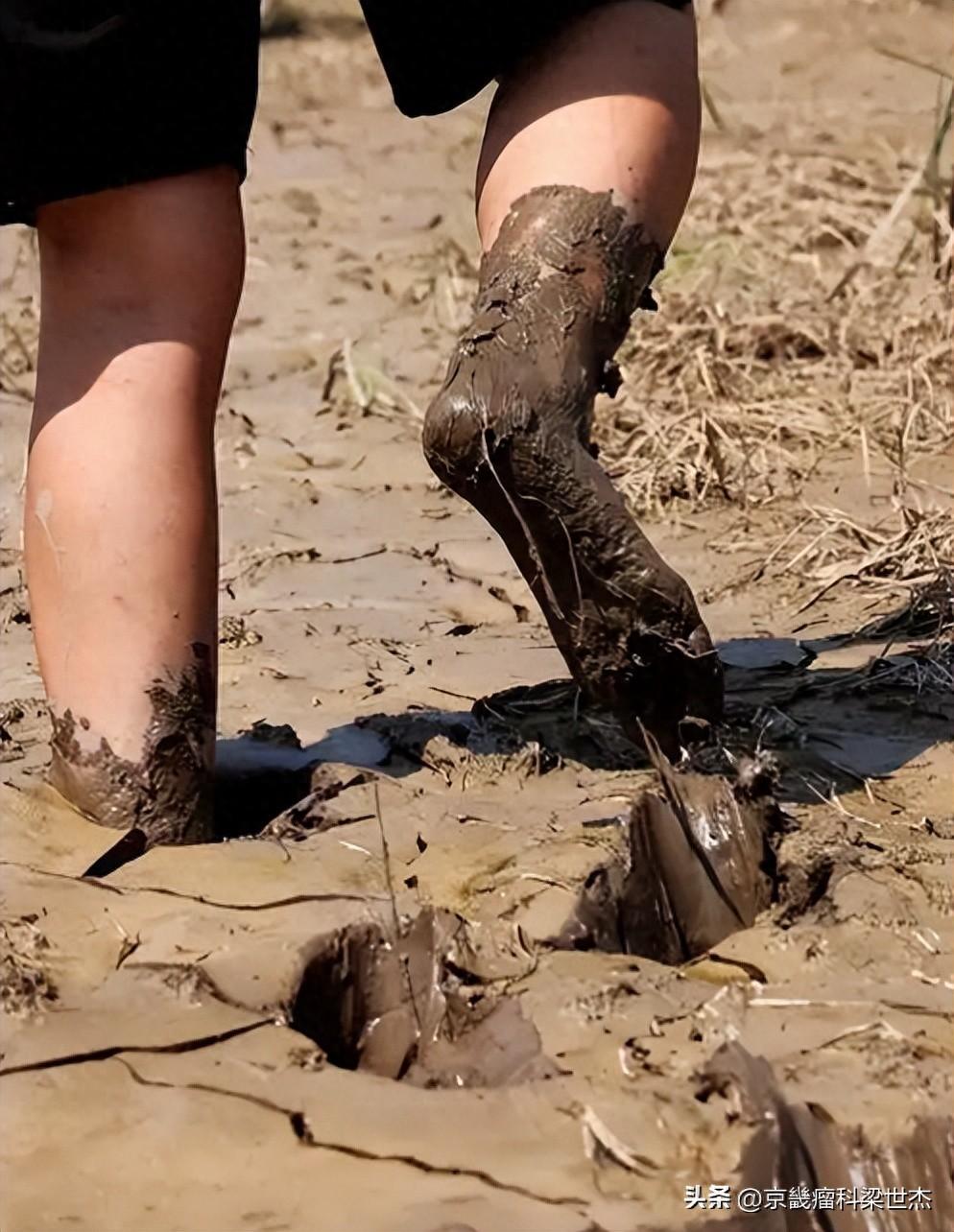
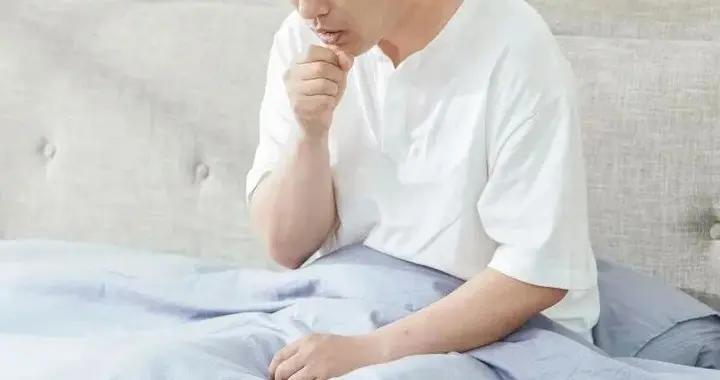
瞧瞧這當下的世道,人性就像被上了發條的鬧鐘,只認一個“快”字。感冒咳嗽了,恨不能立刻止咳,彷彿那咳嗽聲是刺耳的噪音,多一秒都難以忍受;發燒了,巴不得馬上退燒,彷彿那升高的體溫是即將引爆的炸彈,分秒必爭。大家要的,是那種立竿見影的效果,就像變魔術一樣,藥一喫下去,病就煙消雲散。
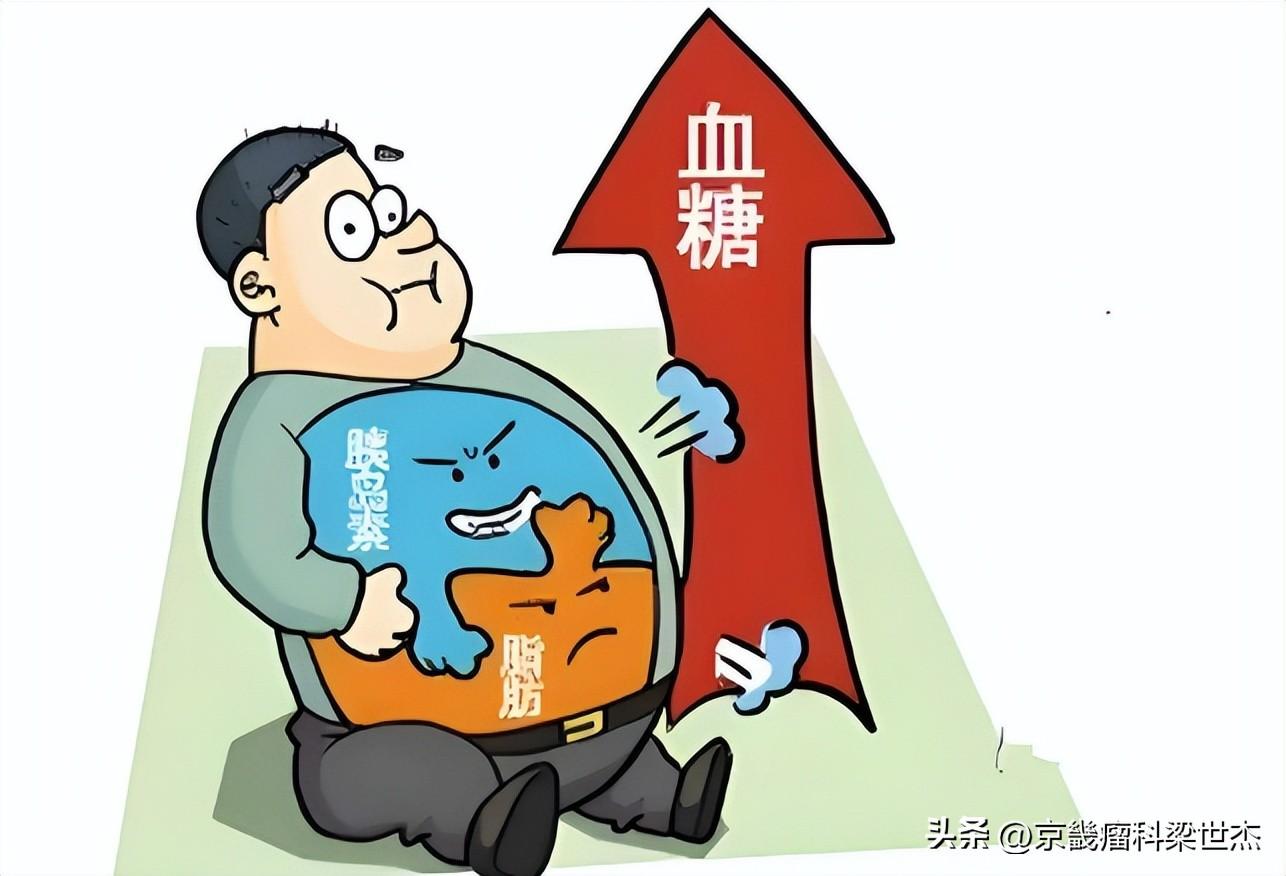
西醫呢,就像個精明的魔術師,一手緊緊掐着人們內心深處的恐懼,一手又巧妙地遞上一顆甜滋滋的糖丸。就拿糖尿病來說,這三個字一出口,就像一記重錘,能把人嚇得腿軟。西醫卻能迅速拿出各種藥物和先進的檢測手段,彷彿在告訴人們:“別怕,有我在,一切都在掌控之中。”據統計,近年來,我國糖尿病患者數量呈爆發式增長,而西醫在治療糖尿病方面的藥物研發和市場投入也日益增大,各種新型降糖藥、胰島素泵等不斷湧現,滿足了人們對快速控制病情的需求。
再看看中醫,面對同樣的病症,還在慢悠悠地說着消渴症,勸人少焦慮,多喝點水,出去走走曬曬太陽。這聽起來就像老奶奶的嘮叨,在這個快節奏的時代裏,顯得那麼不合時宜。人們哪還有耐心去聽這些,心裏想着:“我都病成這樣了,你還讓我慢悠悠地調理,這不是耽誤事兒嗎?”就好比一個人急着趕火車,你卻讓他先坐下來喝杯茶,慢慢欣賞沿途的風景,他哪會有這份閒情逸致呢?
中醫講究的是整體觀念和辨證論治,它那一套理論,就像一張錯綜複雜的大網,把人體的氣血陰陽五行、命運飲食、呼吸作息、情緒引導等都緊密地聯繫在一起。它認爲,人體是一個有機的整體,疾病的發生是內外因素相互作用的結果,治療疾病不能只盯着局部,而要從整體上進行調理。這就好比修理一臺複雜的機器,不能只換一個零件就了事,而要對整個機器進行全面的檢查和調試。
然而,在這個追求快速見效的時代,中醫的這套理論卻顯得有些“曲高和寡”。人們更願意相信那些能夠迅速緩解症狀的藥物和治療方法,而不願意花時間和精力去調理身體,改變不良的生活習慣。就像有人得了失眠症,西醫能迅速開出安眠藥,讓人立刻入睡;而中醫卻會建議你調整作息時間,放鬆心情,進行一些舒緩的運動,這需要長期的堅持和耐心。對於那些急於求成的人來說,中醫的方法就像蝸牛爬行,太慢了,他們根本等不及。
中醫現在就像一個被時代拋棄的孩子,孤獨地站在角落裏,看着西醫在舞臺上大放異彩。但中醫真的會就此消亡嗎?我看未必。中醫就像一顆深埋在地下的種子,雖然暫時被厚厚的泥土掩蓋,但只要時機成熟,它就會破土而出,茁壯成長。
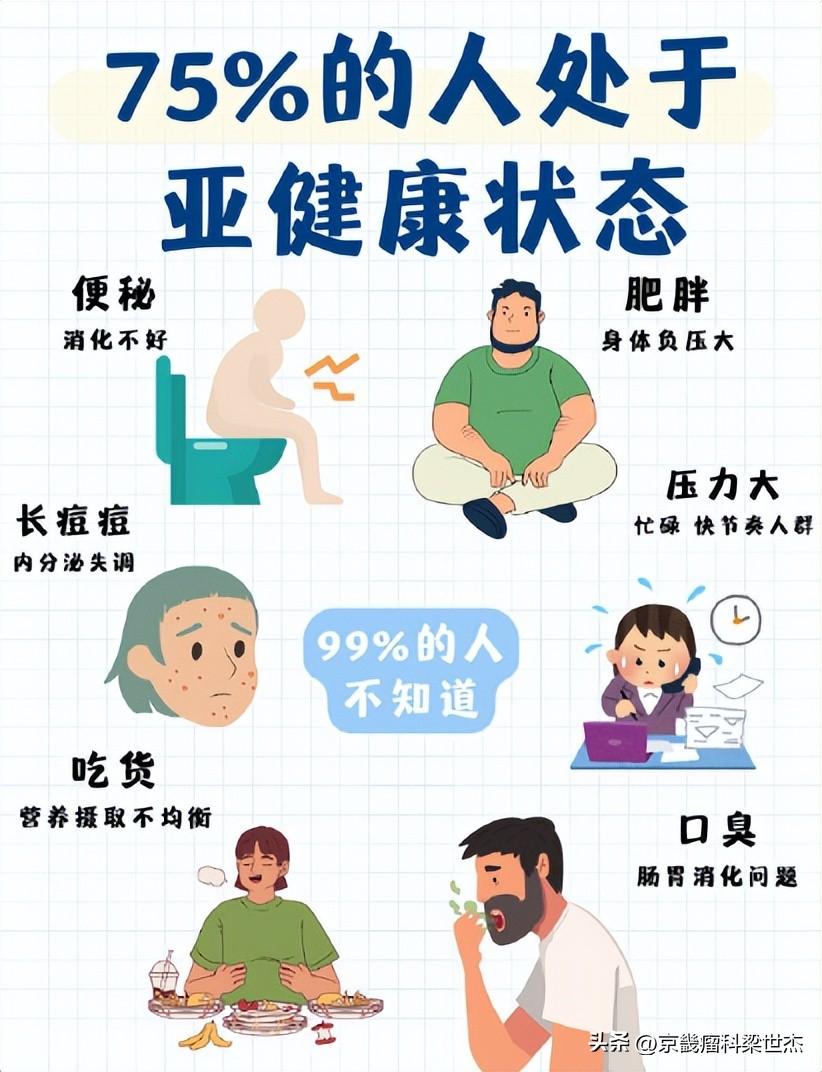
這個快節奏的時代,就像一場瘋狂的馬拉松,人們拼命地往前跑,爲了追求所謂的成功和幸福,不惜透支自己的身體和健康。他們喫着各種快餐食品,熬着一個個通宵,承受着巨大的工作壓力和精神負擔。久而久之,身體就像一臺過度運轉的機器,出現了各種各樣的故障。亞健康症狀成了常態,藥越喫越多,病卻越喫越重。據世界衛生組織的一項調查顯示,全球真正健康的人僅佔5%,有疾病的人佔20%,而75%的人處於亞健康狀態。在中國,這個比例更高,亞健康人羣已經超過了7億。
當人們在這個快節奏的時代裏被榨乾了最後一絲精力,疼夠了,怕夠了,累夠了,他們纔會突然醒悟過來,原來還有一種醫學,它不嚇唬你,不跟你打持久戰,而是讓你靜下來,慢下來,認識自己,迴歸自然。中醫就像一位慈祥的長者,用它那溫暖而深沉的智慧,撫慰着人們受傷的心靈和疲憊的身體。
中醫的真正實力,不在於它能夠迅速治癒某種疾病,而在於它所蘊含的健康智慧,貫穿在生活的每一個細節之中。它教會我們如何順應自然規律,如何調整自己的飲食和作息,如何保持內心的平靜和愉悅。這些看似簡單的方法,卻蘊含着深刻的哲理和無窮的智慧。
別哀嘆中醫今天的落魄,要看懂它明天的珍貴。在這個喧囂浮躁的世界裏,中醫就像一股清泉,滋潤着我們乾涸的心田;它又像一座燈塔,爲我們指引着健康的方向。讓我們給中醫一些時間和空間,讓它在這快節奏的時代裏慢慢轉身,重新煥發出勃勃生機。相信在不久的將來,中醫一定會以嶄新的姿態,再次屹立在世界的醫學之林,爲人類的健康事業做出更大的貢獻。
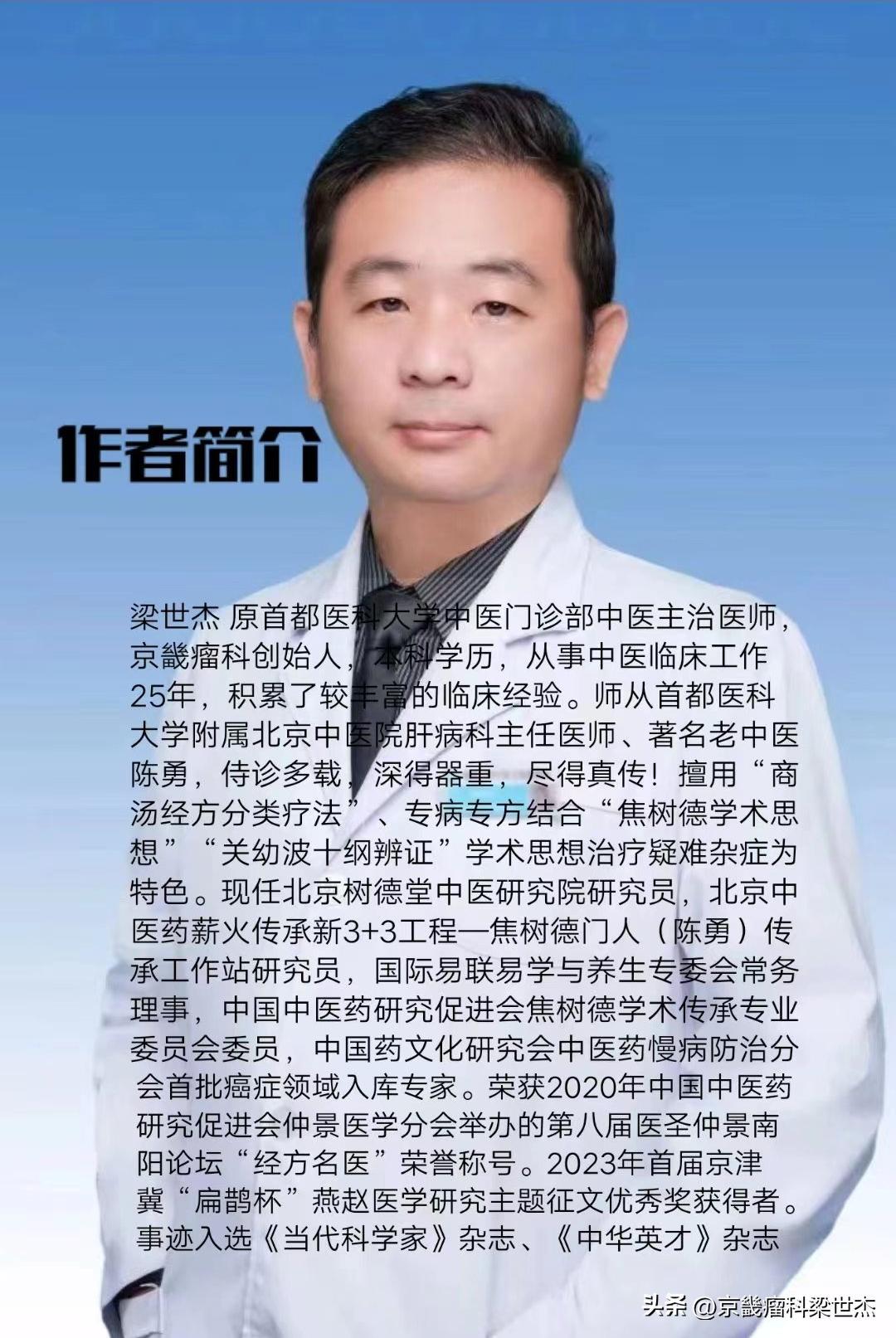
作者簡介:梁世傑 原首都醫科大學中醫門診部中醫主治醫師,京畿瘤科創始人,本科學歷,從事中醫臨牀工作25年,積累了較豐富的臨牀經驗。師從首都醫科大學附屬北京中醫院肝病科主任醫師、著名老中醫陳勇,侍診多載,深得器重,盡得真傳!擅用“商湯經方分類療法”、專病專方結合“焦樹德學術思想”“關幼波十綱辨證”學術思想治療疑難雜症爲特色。現任北京樹德堂中醫研究院研究員,北京中醫藥薪火傳承新3+3工程—焦樹德門人(陳勇)傳承工作站研究員,國際易聯易學與養生專委會常務理事,中國中醫藥研究促進會焦樹德學術傳承專業委員會委員,中國藥文化研究會中醫藥慢病防治分會首批癌症領域入庫專家。榮獲2020年中國中醫藥研究促進會仲景醫學分會舉辦的第八屆醫聖仲景南陽論壇“經方名醫”榮譽稱號。2023年首屆京津冀“扁鵲杯”燕趙醫學研究主題徵文優秀獎獲得者。事蹟入選《當代科學家》雜誌、《中華英才》雜誌。
Liang Shijie: rhythm disjunction and cognitive fault, traditional Chinese medicine for slumber and rebirth
In these fast-moving times, the rhythm is like a wild horse that breaks free and runs all the way, turning our lives upside down. Once the rhythm is out of sync, cognition becomes like a kite with a broken line, floating in the air and finally disappearing into the sky. Traditional Chinese medicine, an old man who has walked slowly through the long history, now appears to be faltering in this fast-paced age and has temporarily fallen into the mire of decline.
Looking at the current world, human nature is like an alarm clock that has been put on a note and recognizes only the word "fast." I had a cold and cough, and I couldn''t stop it immediately, as if the cough sound was a loud noise that wouldn''t be tolerated for another second. I had a fever and wanted it to go away immediately, as if the increased body temperature were a bomb about to be detonated in seconds. What everyone wants is the immediate effect, like magic. As soon as the medicine is taken, the illness evaporates.
Western medicine, like a shrewd magician, holds one hand tightly on people''s deepest fears, and in the other hand delicately hands out a sweet sugar pill. In the case of diabetes, when these three words are spoken, they are like a heavy hammer and can scare people to the feet. Western medicine, on the other hand, can quickly come up with various drugs and advanced tests, as if to tell people, "Don''t be afraid, I''m in control, everything is under control." According to statistics, in recent years, the number of diabetes patients in China has increased explosively, and Western medicine''s drug research and development and market investment in the treatment of diabetes has also increased, and various new glycemic drugs and insulin pumps have continued to emerge, meeting the demand for rapid control of the condition.
If you look at traditional Chinese medicine, in the face of the same condition, it is still slowly talking about quenching thirst, advising people to be less anxious, drink more water, and go out to the sun. It sounds like grandma''s nagging, and it seems so out of place in these fast-paced times. People don''t have the patience to listen to this, and think to themselves, "I''m so sick that you let me meditate. Isn''t that a delay?" Like a man who is anxious to catch a train, but you ask him to sit down for a cup of tea and slowly enjoy the scenery along the way, how can he have this leisurely pleasure?
TCM is concerned with holistic concepts and dialectical healing. Its theory is like an intricate web that closely ties together the body''s qi, blood, yin and yang, fate diet, breathing and exercise, and emotional guidance. It believes that the human body is an organic whole, that the occurrence of diseases is the result of the interaction of internal and external factors, and that treating diseases cannot only focus on the local area, but must be treated from the whole. This is like repairing a complex machine. You cannot just replace one part, but you must completely inspect and debug the entire machine.
However, in this era of searching for quick results, this theory of traditional Chinese medicine appears to be somewhat "high and weak." People are more willing to trust drugs and treatments that can quickly relieve symptoms than they are willing to spend time and effort conditioning their bodies and changing bad habits. In the same way that someone has insomnia, Western medicine can quickly prescribe a sleeping pill to get him to sleep immediately. Traditional Chinese medicine, on the other hand, will advise you to adjust your schedule, relax your mind, and do some soothing exercises, which require long-term persistence and patience. For those who are desperate for success, the Chinese medicine method is like a snail crawling, too slow for them to wait.
Chinese medicine is now like a child abandoned by the times, standing alone in the corner watching Western medicine shine on the stage. But will traditional Chinese medicine really die? I don''t think so. Chinese medicine is like a seed buried deep underground, although temporarily covered in thick dirt, but once the time is right, it will break out and thrive.
These fast-paced times are like a crazy marathon where people run desperately and overstretch their bodies and health in pursuit of so-called success and happiness. They eat a variety of fast food, stay up all night, and are under tremendous work pressure and mental burden. Over time, the body becomes like an overworked machine, with all kinds of failures. Sub-healthy symptoms became the norm, and the more medicines were taken, the more sick they became. According to a World Health Organization survey, only 5 percent of the world''s people are truly healthy, 20 percent are ill, and 75 percent are sub-healthy. In China, the proportion is even higher, with more than 700 million people suffering from sub-health.
When people are being squeezed out of their last bit of energy in these fast-paced times, Pain is enough, fear is enough and exhaustion is enough before they suddenly realize that there is another kind of medicine that doesn''t scare you, doesn ''t fight you for a long time, but makes you quiet, slow down, know yourself, and return to nature. Chinese medicine is like a kind elder, using its warm and deep wisdom to soothe people''s wounded hearts and tired bodies.
The true strength of traditional Chinese medicine is not that it can cure a certain disease quickly, but that it contains health wisdom that permeates every detail of life. It teaches us how to conform to the laws of nature, how to adjust our diet and routine, and how to maintain inner peace and pleasure. These seemingly simple methods contain profound philosophy and infinite wisdom.
Instead of lamenting the decline of Chinese medicine today, see how valuable it will be tomorrow. In this world of hustle and bustle, traditional Chinese medicine is like a spring that feeds our dry heart. It is also a beacon that guides us in the direction of health. Let us give Chinese medicine some time and space to slowly turn around in this fast-paced age and renew its vitality. I believe that in the near future, traditional Chinese medicine will once again remain in the world''s medical circle and make greater contributions to human health.
Author profile: Liang Shi-jie was a chief physician of traditional Chinese medicine at the Traditional Chinese Medicine Outpatient Clinic of Capital Medical University. He was the founder of Jingyi Tumor Clinic. He holds a bachelor’s degree and has been engaged in clinical work in traditional Chinese medicine for 25 years, accumulating extensive clinical experience. He studied under Chen Yong, a renowned senior traditional Chinese medicine practitioner at the Hepatology Department of Beijing Traditional Chinese Medicine Hospital affiliated to Capital Medical University. Over the years, he gained great respect and acquired genuine expertise. He specializes in using the “Shang Tang Classic Classification Therapy” and combining specific treatments for specific diseases with the “Jiao Shu-de Academic Thought” and the “Guan You-bo Ten-Principle Diagnosis” approach to treat complex medical conditions. He is currently a researcher at the Beijing Shu-de-Tang Traditional Chinese Medicine Research Institute and a researcher at the Beijing New 3+3 Project for the Inheritance of Traditional Chinese Medicine – Jiao Shu-de’s Disciples (Chen Yong) Heritage Workstation. He is a Standing director of the International Yi-lian Yi-xue and Health Preservation Committee and a member of the Committee for the Inheritance of Jiao Shu-de’s Academic Thought of the China Research Promotion Association for Traditional Chinese Medicine. He is also a member of the inaugural Cancer Expert Pool of the China Cultural Research Association for Traditional Chinese Medicine’s Prevention of Chronic Diseases. He was awarded the title of “Expert in Classic Prescriptions” at the Eighth Nanyang Forum of the Zhang Zhongjing Medical Division of the China Research Promotion Association in 2020. In 2023, he won the Excellence Award in the First Beijing-Tianjin-Hebei “Bian Que Cup” Yan-Zhao Medical Research Theme Essay Competition. His achievements have been featured in the magazines “Contemporary Scientists” and “China’s Elite”.