中醫處方:莫讓“亂評”擾了治病清淨
我行醫多年,深知中醫診療那可是有着獨特的一套,和西醫那完全是兩條道上跑的車,各有各的風景,各有各的門道。
就說那肺炎吧,西醫治療,不管怎麼折騰,抗生素基本是跑不了的。爲啥呢?因爲西醫走的是對抗療法的路子,就像兩軍對壘,直接拿着武器上去幹。不管是哪種抗生素,最後都得體現西醫這種“硬碰硬”的主體形式。就好比打仗,不管你用什麼戰術,最終都得靠槍炮來解決問題。
可中醫就不一樣啦,面對肺炎,那治療方法多了去了。是以咳嗽爲主,還是以喘爲主,或者是胸痛、發燒,每一種情況背後都有不同的病因和機理。這就好比一個神祕的寶藏,每一處都有它獨特的開啓方式。所以啊,針對不同的症狀,中醫能開出十幾種不同的處方思路。而且還得考慮這肺炎有沒有其他的兼證,便祕、腹脹、心慌、頭疼等等,這些都得一一考量。
中醫講究辨證論治,有八綱辨證、臟腑辨證、六經辨證、三焦辨證等等。根據這些理論,針對肺炎能開出各種各樣思路的藥方。什麼提壺揭蓋法、溫腎納氣法、清肺平肝法、調理脾胃法、通腑泄熱法、清宣肺熱法,多得數都數不過來。就像一個技藝高超的廚師,同樣的食材,能做出千變萬化的美味佳餚。
我常常聽人們調侃,同樣一個疾病或者症狀,100箇中醫能開出100個不同樣式的方子。這可不是瞎說,這正是中醫的特色所在。中醫流派衆多,經方派、時方派、龍沙派、中和派、扶陽派、中西匯通派,不下幾十個流派。每個流派就像一個獨特的門派,有着自己的獨門絕技和處方特色。這就好比江湖中的各大門派,各有各的武功祕籍,各有各的厲害之處。
既然中醫處方治病如此複雜多變、不拘一格,那無論是醫生還是外行,拿着處方評頭論足、褒貶不一,這可就有點不地道了。這就好比一羣不懂藝術的人,對着大師的畫作指指點點,說這不好那不好,這不是瞎起鬨嘛。這種行爲對醫生和患者都不厚道,很容易動搖患者的治療信心。就像在戰場上,士兵們正鼓足勇氣衝鋒陷陣,突然有人在旁邊說風涼話,說你們肯定打不贏,這士氣一下子就泄了。正應了那句話,壞人鼓動着糊塗人欺負好人。
我還碰到過個別患者,拿着處方到處發到網上,讓網友去評論、指責。這可真是有違良知、不明智的做法。你想啊,網友們大多都是外行,他們哪能搞清楚你到底是什麼問題。這就好比讓一羣不懂醫學的人給病人做手術,那不是拿生命開玩笑嘛。這種行爲產生的效果無非就是動搖患者的信心,醫生的名譽也容易受損,真是有多害而無一利。
我也經常有患者拿着某某幾級醫院的醫生處方來讓我看。我首先問的就是這個方子喫過沒有,感覺療效怎麼樣。如果療效好,那就繼續喫,就像找到了適合自己的鞋子,穿着舒服就接着穿。如果效果不好,那就去找這個大夫複診,讓大夫重新給改改方子。而不是直接劈頭蓋臉地亂加評議,這就像沒搞清楚狀況就亂髮脾氣,是很不明智、很不負責任的做法。
我曾經遇到過一個患者,得了慢性胃炎,找了一位中醫開了方子。喫了幾天覺得效果不明顯,就把方子發到網上,讓網友評論。網友們七嘴八舌,有的說這方子不行,有的說那味藥不該用。這患者聽了心裏更慌了,對醫生也產生了懷疑,治療信心大減。後來在我的勸說下,他又去找那位醫生複診,醫生根據他的情況調整了方子,堅持喫了一段時間,病情明顯好轉。這患者後悔不已,說當初不該聽網友的亂評論。
所以啊,大家要明白,中醫處方是醫生根據患者的具體情況精心調配的,就像一把鑰匙開一把鎖。我們不要輕易地去評論、指責,更不要拿着處方到處炫耀、求評。讓我們尊重中醫的診療特色,尊重醫生的勞動成果,給治病一個清淨的環境,這樣才能更好地恢復健康。畢竟,健康纔是我們最大的財富,可別讓那些無謂的評論擾了我們的治病之路。
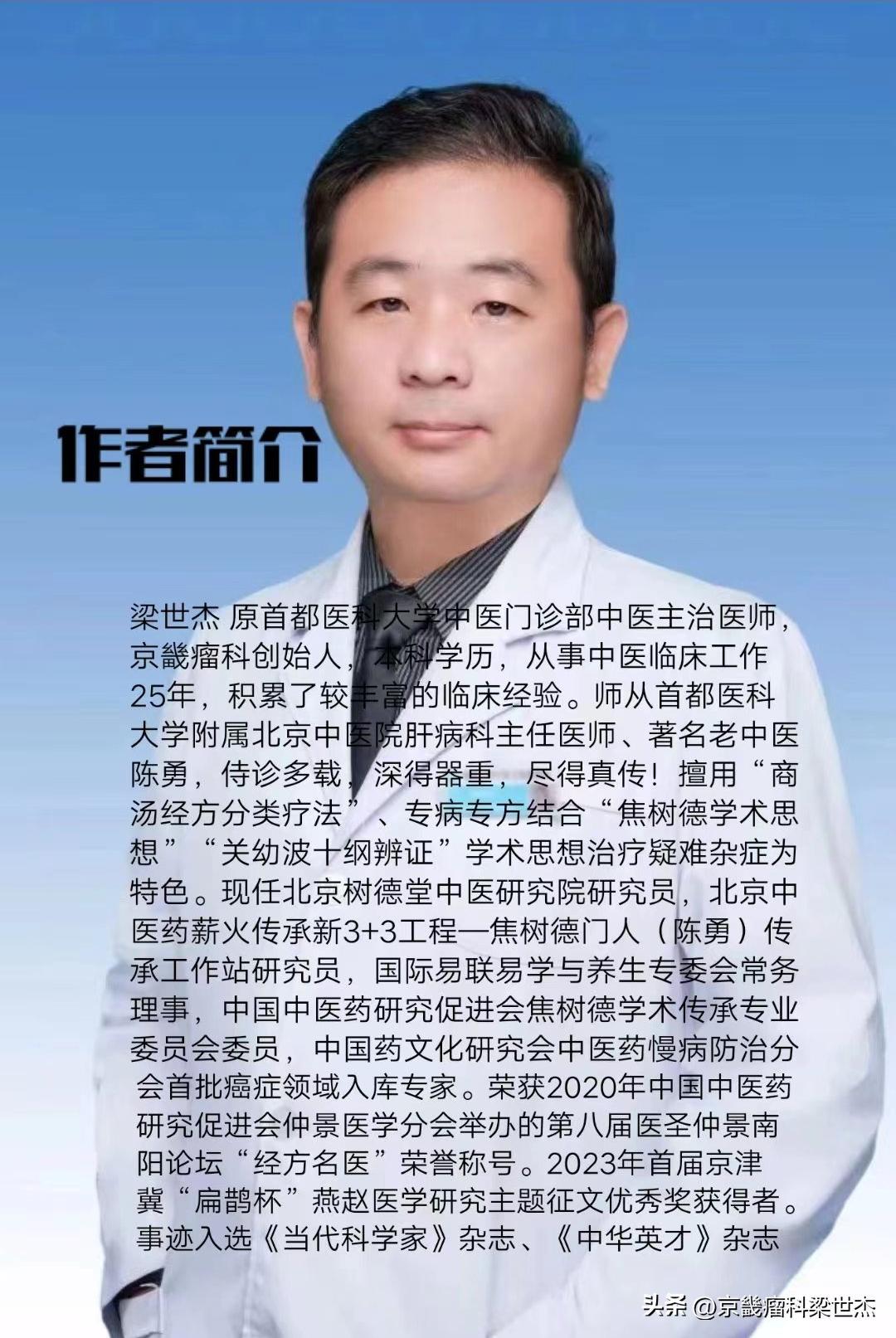
作者簡介:梁世傑 原首都醫科大學中醫門診部中醫主治醫師,京畿瘤科創始人,本科學歷,從事中醫臨牀工作25年,積累了較豐富的臨牀經驗。師從首都醫科大學附屬北京中醫院肝病科主任醫師、著名老中醫陳勇,侍診多載,深得器重,盡得真傳!擅用“商湯經方分類療法”、專病專方結合“焦樹德學術思想”“關幼波十綱辨證”學術思想治療疑難雜症爲特色。現任北京樹德堂中醫研究院研究員,北京中醫藥薪火傳承新3+3工程—焦樹德門人(陳勇)傳承工作站研究員,國際易聯易學與養生專委會常務理事,中國中醫藥研究促進會焦樹德學術傳承專業委員會委員,中國藥文化研究會中醫藥慢病防治分會首批癌症領域入庫專家。榮獲2020年中國中醫藥研究促進會仲景醫學分會舉辦的第八屆醫聖仲景南陽論壇“經方名醫”榮譽稱號。2023年首屆京津冀“扁鵲杯”燕趙醫學研究主題徵文優秀獎獲得者。事蹟入選《當代科學家》雜誌、《中華英才》雜誌。
Traditional Chinese Medicine Prescription: Do not let “misguided opinions” disturb the tranquility of healing.
Having practiced medicine for many years, I am well aware that traditional Chinese medicine has its own unique approach, which is quite different from Western medicine. Each has its own distinct characteristics and methods.
Take pneumonia as an example. Even with modern Western medicine, no matter how much effort is expended, antibiotics are essentially unavoidable. Why is that? Because Western medicine follows a path of confrontation therapy, akin to two armies facing each other and directly engaging with weapons. Regardless of the type of antibiotic used, it ultimately must embody the “direct confrontation” approach characteristic of Western medicine. It’s like warfare; no matter what tactics are employed, the resolution ultimately depends on firearms.
But traditional Chinese medicine is different. There are numerous treatment methods for pneumonia. Is the primary symptom coughing, or shortness of breath, or chest pain, fever? Each condition has its own distinct causes and mechanisms. It’s like a mysterious treasure, with each part having its unique way of being unlocked. Therefore, for different symptoms, traditional Chinese medicine can provide more than a dozen different treatment approaches. Additionally, one must consider whether the pneumonia has any accompanying conditions, such as constipation, abdominal distension, palpitations, headaches, and so on, which all need to be taken into account.
Traditional Chinese medicine emphasizes the principle of differential diagnosis and treatment. There are eight major diagnostic categories, internal organ diagnosis, six classic pattern diagnosis, and three-part diagnosis, among others. Based on these theories, a variety of treatment approaches can be devised for pneumonia. Techniques such as the “lifting the lid method,” warming the kidneys and filling the lungs, clearing the lungs and balancing the liver, regulating the spleen and stomach, clearing the intestines and dissipating heat, and clearing and promoting lung heat can be employed. It’s akin to a highly skilled chef who can transform the same ingredients into countless exquisite dishes.
I often hear people jokingly remark that for the same disease or symptom, 100 traditional Chinese doctors can prescribe 100 different types of remedies. This is not mere speculation; it is indeed a hallmark of traditional Chinese medicine. There are numerous schools of thought within traditional Chinese medicine, including the Classic Formula School, the Contemporary Formula School, the Longsha School, the Zhonghe School, the Support of Yang School, and the Integration of Chinese and Western Medicine School, among dozens of others. Each school is akin to a distinct sect, possessing its own unique techniques and prescription styles. It’s much like the various martial arts schools in the world, each with its own secret techniques and strengths.
Since traditional Chinese medicine prescriptions for treating illnesses are so complex and varied, and do not follow a rigid format, it would be somewhat unethical for either doctors or outsiders to scrutinize and criticize them. This is akin to a group of people who do not understand art pointing out flaws in a master’s painting, saying this is bad and that is bad. This is nothing more than senseless heckling. Such behavior is neither fair to doctors nor patients and can easily undermine the patient’s confidence in their treatment. Just as soldiers on the battlefield, who are brimming with courage and ready to charge into battle, are suddenly told by someone nearby that they will surely lose, their morale plummets. It’s akin to the saying that bad people encourage foolish people to harm good people.
I’ve also encountered individual patients who would share their prescriptions online, asking netizens to comment and criticize them. This truly goes against moral principles and is unwise. Think about it; most netizens are not experts. How could they possibly understand what your actual problem is? It’s like asking a group of people who don’t know anything about medicine to perform surgery on a patient. That would be playing with people’s lives. The effects of such behavior are nothing but to undermine patients’ confidence and potentially damage doctors’ reputations. It’s extremely harmful and has no benefits whatsoever.
I often have patients bring over prescriptions from doctors at certain-level hospitals for me to review. My initial question is whether the prescription has been taken and how the treatment is perceived. If the treatment is effective, then continue taking it; it’s like finding the right shoes that are comfortable to wear. If the effect is not good, then visit the doctor again for a re-evaluation and have the doctor modify the prescription. It would be unwise and irresponsible to make hasty judgments without fully understanding the situation, much like losing one’s temper without knowing the context.
I once encountered a patient who had chronic gastritis. He consulted a traditional Chinese medicine practitioner, who prescribed a remedy. After consuming it for a few days and noticing that the effects were not significant, he posted the prescription online for others to comment on. The netizens were divided, with some saying the remedy was ineffective and others arguing that a particular ingredient should not have been used. This only added to the patient’s anxiety and led him to question the doctor’s abilities, significantly reducing his confidence in the treatment. Eventually, with my persuasion, he returned to see the same doctor for a re-evaluation. The doctor adjusted the prescription based on the patient’s condition, and after continuing to take the medication for some time, the patient’s condition improved noticeably. The patient deeply regretted not listening to the chaotic comments from the netizens.
So, everyone should understand that traditional Chinese medicine prescriptions are carefully formulated by doctors based on the specific conditions of each patient, much like using a key to open a lock. We should not easily comment or criticize, nor should we flaunt or seek opinions about these prescriptions. Let us respect the unique characteristics of traditional Chinese medicine treatments and the hard work of doctors. Providing a peaceful environment for treatment will help us recover better. After all, health is our greatest asset. Let us not let trivial comments interfere with our path to recovery.
Author profile: Liang Shi-jie was a chief physician of traditional Chinese medicine at the Traditional Chinese Medicine Outpatient Clinic of Capital Medical University. He was the founder of Jingyi Tumor Clinic. He holds a bachelor’s degree and has been engaged in clinical work in traditional Chinese medicine for 25 years, accumulating extensive clinical experience. He studied under Chen Yong, a renowned senior traditional Chinese medicine practitioner at the Hepatology Department of Beijing Traditional Chinese Medicine Hospital affiliated to Capital Medical University. Over the years, he gained great respect and acquired genuine expertise. He specializes in using the “Shang Tang Classic Classification Therapy” and combining specific treatments for specific diseases with the “Jiao Shu-de Academic Thought” and the “Guan You-bo Ten-Principle Diagnosis” approach to treat complex medical conditions. He is currently a researcher at the Beijing Shu-de-Tang Traditional Chinese Medicine Research Institute and a researcher at the Beijing New 3+3 Project for the Inheritance of Traditional Chinese Medicine – Jiao Shu-de’s Disciples (Chen Yong) Heritage Workstation. He is a Standing director of the International Yi-lian Yi-xue and Health Preservation Committee and a member of the Committee for the Inheritance of Jiao Shu-de’s Academic Thought of the China Research Promotion Association for Traditional Chinese Medicine. He is also a member of the inaugural Cancer Expert Pool of the China Cultural Research Association for Traditional Chinese Medicine’s Prevention of Chronic Diseases. He was awarded the title of “Expert in Classic Prescriptions” at the Eighth Nanyang Forum of the Zhang Zhongjing Medical Division of the China Research Promotion Association in 2020. In 2023, he won the Excellence Award in the First Beijing-Tianjin-Hebei “Bian Que Cup” Yan-Zhao Medical Research Theme Essay Competition. His achievements have been featured in the magazines “Contemporary Scientists” and “China’s Elite”.