慢病治療:循規律、定療程,開啓康復新徵程
在當今社會,慢性病如同隱匿在暗處的“健康殺手”,悄無聲息地侵蝕着人們的身體。據世界衛生組織統計,全球慢性病死亡人數佔總死亡人數的比例持續攀升,在我國,慢性病也已成爲居民健康的主要威脅,其導致的疾病負擔佔總疾病負擔的近70%。面對如此嚴峻的形勢,如何科學、有效地治療慢性病,成爲了醫學領域亟待攻克的重要課題。梁世傑主任憑藉其深厚的醫學造詣和豐富的臨牀經驗,爲慢病患者量身定製了一套服藥療程方案,猶如在黑暗中點亮了一盞明燈,爲患者帶來了康復的希望。
療程設定:精準考量,因齡而異
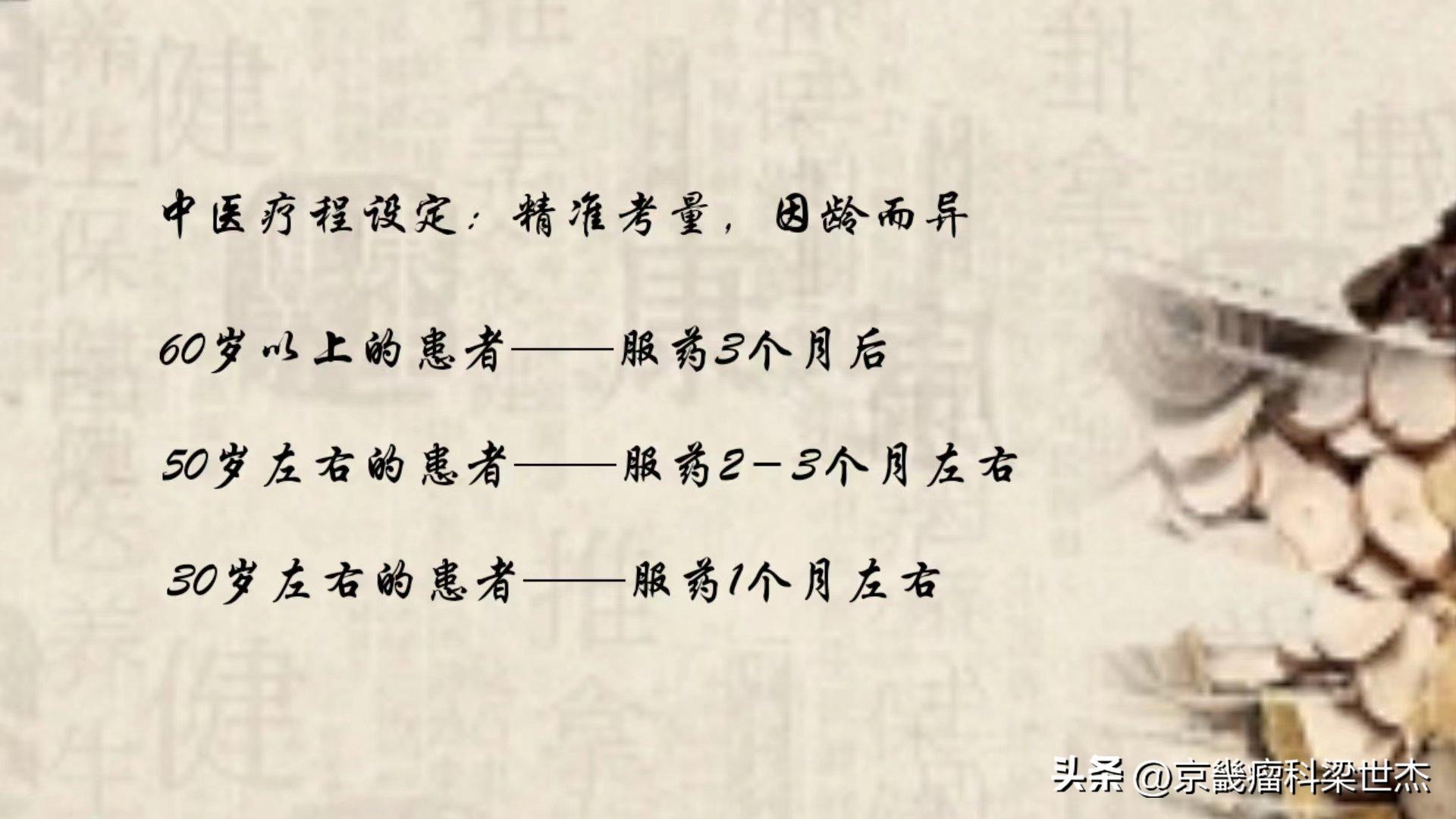
對於慢性病新患者而言,醫生對其身體敏感程度、中藥耐受和康復能力往往知之甚少。然而,爲了能讓患者更好地配合治療,儘快看到康復效果,增強治療依從性,一個科學合理的治療療程參考時間就顯得尤爲重要。梁世傑主任在總結大量診療康復經驗的基礎上,針對不同年齡段的患者,設定了大致的服藥療程參考時間。
一般而言,30歲左右的患者,身體機能較爲旺盛,新陳代謝較快,對藥物的吸收和反應也相對較好。因此,服藥一個月左右,往往就能看到明顯的效果,體力逐漸恢復,氣血和脈象也趨於正常。這就好比一輛性能良好的汽車,稍微加點油就能快速行駛。例如,一位32歲的慢性疲勞綜合徵患者,在按照梁主任的療程服藥一個月後,原本總是感到疲憊不堪、精神萎靡的狀態得到了極大改善,能夠充滿活力地投入到工作和生活中。
50歲左右的患者,身體開始逐漸走下坡路,各項機能有所衰退,對藥物的耐受和反應也不如年輕人。所以,服藥療程需要延長至兩個月左右。在這個階段,中藥能夠慢慢調理身體,恢復氣血和脈象,緩解慢性病的症狀。有位51歲的高血壓患者,在服用中藥兩個月後,血壓逐漸穩定,頭暈、頭痛等不適症狀也明顯減輕。
而50歲以上的患者,身體機能進一步下降,恢復過程更爲緩慢。因此,服藥療程大概在2 - 3個月。雖然時間較長,但只要堅持治療,也能取得不錯的效果。一位65歲的糖尿病患者,在服用中藥三個月後,血糖控制更加穩定,身體的不適感也大大減少。
這個療程方案主要針對氣血虧虛、陰陽不足的慢病患者設計。中醫認爲,氣血是人體生命活動的物質基礎,氣血充足則身體康健,氣血虧虛則百病叢生。當氣血恢復以後,許多慢性病的症狀會自動得到緩解,身體的機能也能達到80%以上的恢復。這就如同給一棵枯萎的樹木澆水施肥,當樹木吸收了足夠的養分後,就會重新煥發生機。
後續調理:指標異常,持續守護
當患者經過一個療程的治療後,氣血充足,脈象恢復,身體已無明顯不適,但依舊有一些西醫影像學檢查出來的疾病指標或化驗指標超出正常範圍時,是否還需要繼續治療呢?梁世傑主任給出的答案是肯定的。他建議用中醫藥繼續調理,但治療參考時間不超過三個月。
西醫的影像學檢查和化驗指標能夠爲我們提供身體內部的具體信息,雖然患者身體症狀消失,但指標異常可能意味着身體內部仍然存在一些潛在的問題。如果不及時進行調理,這些問題可能會逐漸積累,最終導致疾病復發或加重。例如,一位患者在經過兩個月的中藥治療後,身體感覺良好,但血脂指標仍然偏高。梁主任根據他的情況,調整了藥方,讓他繼續服用中藥三個月。在這三個月裏,患者的血脂指標逐漸恢復正常,身體狀況更加穩定。
此外,梁主任還建議每年春秋兩季,患者定期進行中藥調理,鞏固氣血,預防慢病在春秋兩季復發。春秋兩季氣候多變,是慢性病容易復發的季節。通過中藥調理,可以增強身體的抵抗力,消除病因,恢復影像學異常或化驗指標不達標的慢性病。這種慢病慢治的思想,更加符合疾病的康復規律。就像給房屋進行定期的維護和修繕,能夠延長房屋的使用壽命,讓房屋更加堅固耐用。
排除重大疾病:確保方案科學合理
需要特別強調的是,梁世傑主任設定的這套療程方案並非適用於所有慢性病患者。它須排除晚期癌症、尿毒症等其他重大依賴治療的疾病。晚期癌症是一種惡性程度極高的疾病,其發生和發展涉及到多個基因和信號通路的異常,目前依靠化療、放療、靶向治療、中醫等多種治療方法。尿毒症則是腎臟功能嚴重受損,需要進行透析或腎移植等治療。對於這些重大疾病,中藥調理只能作爲治療手段之一,往往需要中西醫結合治療共同發揮作用。
傳遞價值:以人爲本,共築健康防線
梁世傑主任的這套慢病患者服藥療程方案,充分體現了以人爲本的醫療理念。它不僅考慮了患者的年齡、身體狀況和疾病類型等因素,還注重治療的效果和患者的依從性。通過設定合理的療程時間,讓患者在治療過程中能夠看到明顯的效果,從而增強他們戰勝疾病的信心和決心。
在當今醫療環境日益複雜的今天,我們需要更多像梁世傑主任這樣的醫生,他們以嚴謹的科學態度、豐富的臨牀經驗和人文關懷,爲患者的健康保駕護航。同時,我們也希望廣大慢性病患者能夠積極配合醫生的治療,遵循療程方案,堅持治療。相信在醫生和患者的共同努力下,我們一定能夠戰勝慢性病,迎來更加健康美好的未來。
慢性病的治療是一場持久戰,需要我們持之以恆、堅持不懈。梁世傑主任的療程方案爲我們提供了一個科學的參考,讓我們在慢病治療的道路上少走彎路。讓我們攜手共進,遵循疾病康復規律,開啓慢病康復的新徵程。
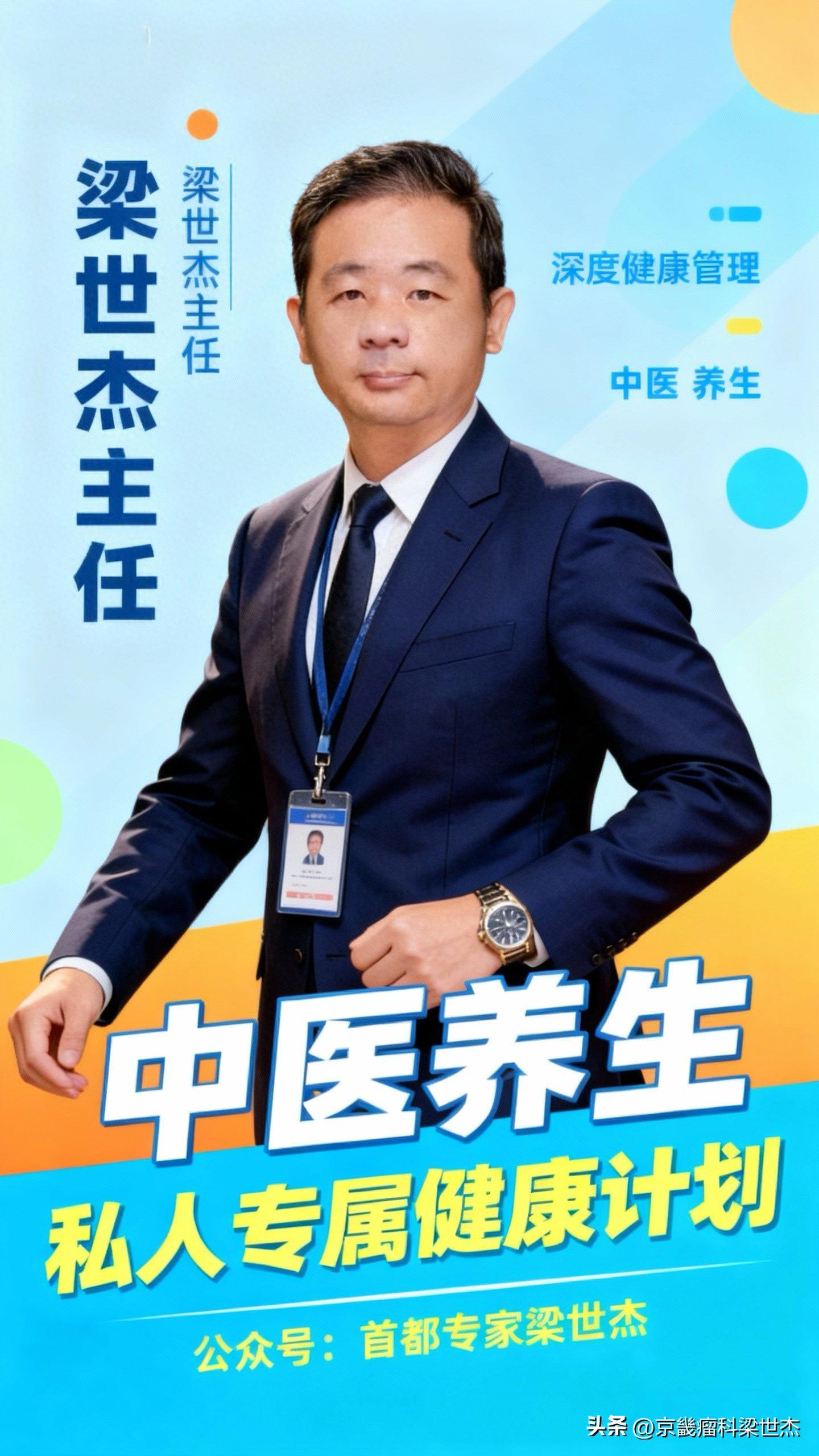
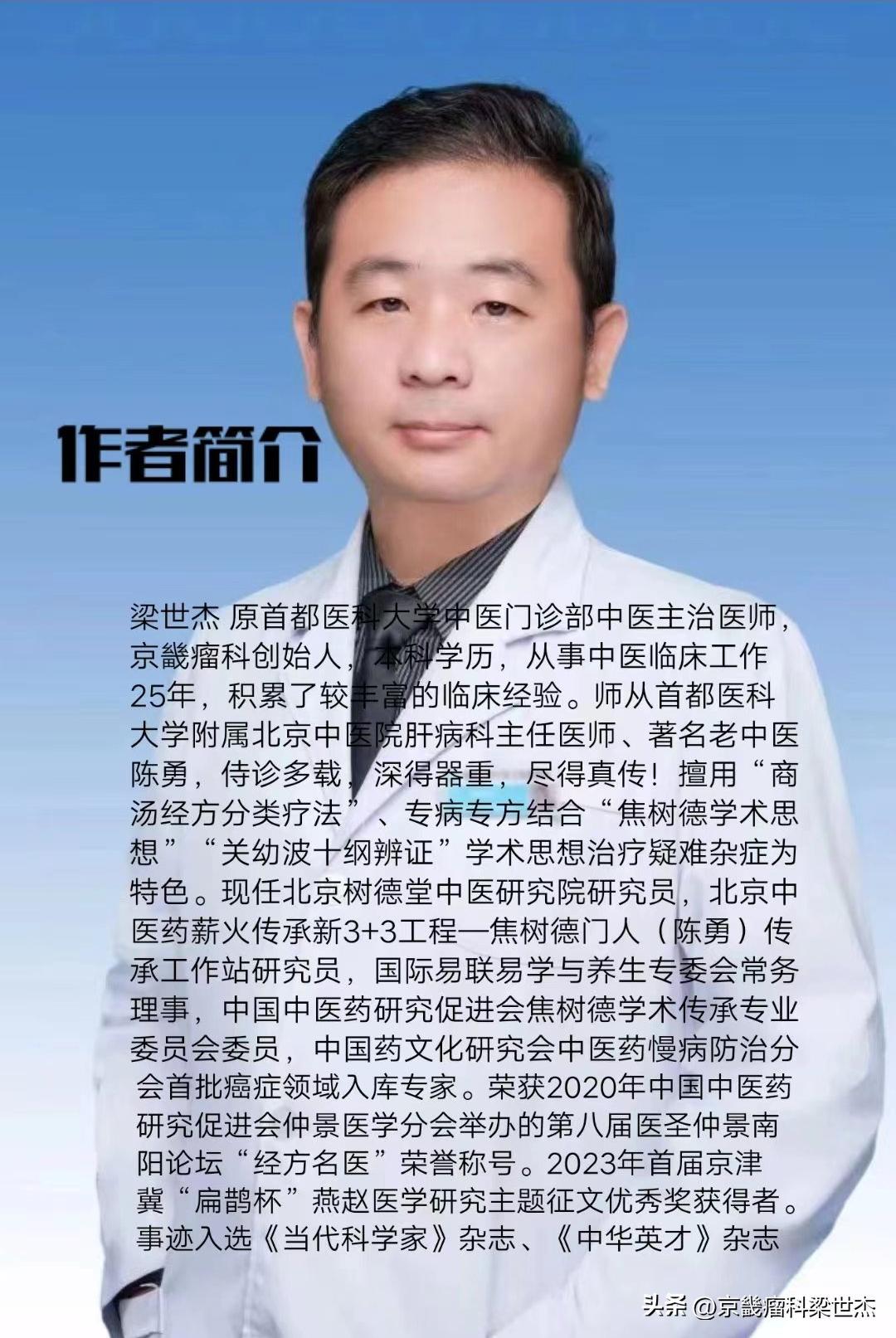
作者簡介:梁世傑 原首都醫科大學中醫門診部中醫主治醫師,京畿瘤科創始人,本科學歷,從事中醫臨牀工作25年,積累了較豐富的臨牀經驗。師從首都醫科大學附屬北京中醫院肝病科主任醫師、著名老中醫陳勇,侍診多載,深得器重,盡得真傳!擅用“商湯經方分類療法”、專病專方結合“焦樹德學術思想”“關幼波十綱辨證”學術思想治療疑難雜症爲特色。現任北京樹德堂中醫研究院研究員,北京中醫藥薪火傳承新3+3工程—焦樹德門人(陳勇)傳承工作站研究員,國際易聯易學與養生專委會常務理事,中國中醫藥研究促進會焦樹德學術傳承專業委員會委員,中國藥文化研究會中醫藥慢病防治分會首批癌症領域入庫專家。榮獲2020年中國中醫藥研究促進會仲景醫學分會舉辦的第八屆醫聖仲景南陽論壇“經方名醫”榮譽稱號。2023年首屆京津冀“扁鵲杯”燕趙醫學研究主題徵文優秀獎獲得者。事蹟入選《當代科學家》雜誌、《中華英才》雜誌。
Chronic disease treatment: a regular, defined course of treatment to begin a new journey of recovery
In today''s society, chronic diseases are like hidden "health killers" that silently eat away at people''s bodies. According to the World Health Organization, the proportion of deaths from chronic diseases in the world continues to climb, and in China, chronic illnesses have become the main threat to the health of the population, causing nearly 70% of the total disease burden. In the face of such a severe situation, how to treat chronic diseases scientifically and effectively has become an important issue to be overcome in the field of medicine. With his deep medical knowledge and extensive clinical experience, Director Liang Shijie has tailored a medication course for chronic patients, like a bright light in the dark, bringing hope for recovery.
Treatment Set: Precise Consideration, Different Depending on Age
For new patients with chronic diseases, doctors often know little about their physical sensitivity, their tolerance to traditional Chinese medicines and their ability to recover. However, in order to allow patients to better cooperate with treatment, see recovery as soon as possible, and enhance treatment adherence, a scientific and reasonable treatment course reference time is especially important. Dr. Liang Shijie, on the basis of accumulating a large number of clinical and rehabilitation experiences, set a rough reference time for medication duration for patients of different ages.
In general, patients around the age of 30 have a stronger body function, a faster metabolism, and a relatively good absorption and response to drugs. Therefore, after taking the medication for about a month, you can often see a noticeable effect, the physical strength gradually recovers, and the blood and blood pulse patterns also tend to be normal. It''s like a good-performing car that can drive fast with a little more fuel. For example, a 32-year-old patient with chronic fatigue syndrome, after taking the medication under Dr. Leung''s course for a month, his usual state of exhaustion and mental weakness improved dramatically and he was able to engage in work and life with vitality.
In patients around the age of 50, the body begins to gradually decline, various functions decline, and the tolerance and response to drugs are not as good as that of young people. Therefore, the course of medication needs to be extended to about two months. At this stage, Chinese medicine can slowly adjust the body, restore the qi, blood and pulse, and relieve the symptoms of chronic diseases. A 51-year-old patient with high blood pressure, after taking Chinese medicine for two months, his blood pressure gradually stabilized, and his discomfort symptoms such as dizziness and headaches were significantly reduced.
In patients over the age of 50, the physical functioning is further reduced and the recovery process is more slow. Therefore, the course of medication is approximately 2 to 3 months. Although it is a long time, as long as you adhere to the treatment, you can achieve good results. A 65-year-old diabetic had more stable blood sugar control and greatly reduced physical discomfort after taking Chinese medicine for three months.
This course of treatment is mainly designed for patients with chronic medical conditions such as hypoxia and lack of yin and yang. According to traditional Chinese medicine, qi and blood are the material basis of human life activities. Qi and blood are sufficient for the body to be healthy, and qi and blood deficient for all kinds of diseases. When the air and blood are restored, the symptoms of many chronic diseases will be automatically eased, and the body''s function can reach more than 80% recovery. It''s like watering and fertilizing a withered tree. When the tree has absorbed enough nutrients, it will become rejuvenated.
Follow-up conditioning: Indicators are abnormal, constant surveillance
When after a course of treatment, the patient has sufficient blood and oxygen, pulse patterns are restored, and there is no significant discomfort in the body, but there are still some indicators of disease or laboratory indicators identified by Western imaging that are beyond the normal range, does it need to continue treatment? Director Liang Shijie gave the answer yes. He suggested continuing the treatment with Chinese medicine, but the reference time for treatment should not exceed three months.
Western imaging tests and laboratory indicators can provide us with specific information about the inside of the body. Although the symptoms of the patient''s body disappear, abnormal indicators may mean that some underlying problems still exist inside the body. If not treated in time, these problems can gradually accumulate and eventually lead to a recurrence or aggravation of the disease. For example, one patient felt well after two months of traditional Chinese medicine treatment, but his blood lipid index was still high. Director Liang adjusted the prescription based on his condition and allowed him to continue taking Chinese medicine for three months. During these three months, the patient''s blood lipid indicators gradually returned to normal and his physical condition became more stable.
In addition, Director Liang also recommends that every year in the spring and autumn, patients regularly undergo traditional Chinese medicine to consolidate their qi and blood and prevent the recurrence of chronic diseases in the spring or autumn. The climate in spring and autumn is variable, and it is the season when chronic diseases easily return. Through traditional Chinese medicine, it is possible to strengthen the body''s resistance, eliminate the cause, and restore chronic diseases that are abnormal in imaging or test indicators. This idea of chronic disease treatment is more in line with the law of sickness recovery. Just like regular maintenance and repair of the house, it can extend the life of the house and make the house more durable.
Excluding major diseases: ensuring that programmes are scientifically sound
It is especially important to stress that the course of treatment established by Director Leung Shijie is not suitable for all patients with chronic diseases. It must exclude other diseases that rely heavily on treatment, such as advanced cancer and urea. Late-stage cancer is a disease with a high degree of malignancy. Its occurrence and development involve abnormalities of multiple genes and signaling pathways, and it currently relies on a variety of treatment methods such as chemotherapy, radiation therapy, targeted therapy, and traditional Chinese medicine. Uremia is a condition in which kidney function is severely impaired and requires treatment such as dialysis or kidney transplant. For these major diseases, traditional Chinese medicine can only be used as one of the means of treatment, and often requires a combination of Chinese and Western medicine to work together.
Delivering value: putting people first, building health lines together
Director Liang Shijie''s package of medication regimens for patients with chronic diseases fully reflects the concept of people-centered medicine. It not only takes into account factors such as the patient''s age, physical condition and type of disease, but also focuses on the effectiveness of treatment and patient compliance. By setting a reasonable course of treatment, patients can see significant results during treatment, thereby increasing their confidence and determination to overcome the disease.
In today''s increasingly complex healthcare environment, we need more physicians like Dr. Seiji Leung who safeguard the health of patients with a rigorous scientific attitude, extensive clinical experience and humane care. At the same time, we also hope that the majority of patients with chronic diseases can actively cooperate with the doctors'' treatment, follow the course of treatment and adhere to treatment. We believe that with the joint efforts of doctors and patients, we can defeat chronic diseases and usher in a healthier and better future.
The treatment of chronic diseases is a long-term battle that requires perseverance and persistence. Dr. Seiji Leung''s course of treatment provides us with a scientific reference that allows us to take fewer detours on the road to chronic disease treatment. Let us work together to follow the laws of sickness recovery and start a new journey of recovery from chronic diseases.
Author profile: Liang Shi-jie was a chief physician of traditional Chinese medicine at the Traditional Chinese Medicine Outpatient Clinic of Capital Medical University. He was the founder of Jingyi Tumor Clinic. He holds a bachelor’s degree and has been engaged in clinical work in traditional Chinese medicine for 25 years, accumulating extensive clinical experience. He studied under Chen Yong, a renowned senior traditional Chinese medicine practitioner at the Hepatology Department of Beijing Traditional Chinese Medicine Hospital affiliated to Capital Medical University. Over the years, he gained great respect and acquired genuine expertise. He specializes in using the “Shang Tang Classic Classification Therapy” and combining specific treatments for specific diseases with the “Jiao Shu-de Academic Thought” and the “Guan You-bo Ten-Principle Diagnosis” approach to treat complex medical conditions. He is currently a researcher at the Beijing Shu-de-Tang Traditional Chinese Medicine Research Institute and a researcher at the Beijing New 3+3 Project for the Inheritance of Traditional Chinese Medicine – Jiao Shu-de’s Disciples (Chen Yong) Heritage Workstation. He is a Standing director of the International Yi-lian Yi-xue and Health Preservation Committee and a member of the Committee for the Inheritance of Jiao Shu-de’s Academic Thought of the China Research Promotion Association for Traditional Chinese Medicine. He is also a member of the inaugural Cancer Expert Pool of the China Cultural Research Association for Traditional Chinese Medicine’s Prevention of Chronic Diseases. He was awarded the title of “Expert in Classic Prescriptions” at the Eighth Nanyang Forum of the Zhang Zhongjing Medical Division of the China Research Promotion Association in 2020. In 2023, he won the Excellence Award in the First Beijing-Tianjin-Hebei “Bian Que Cup” Yan-Zhao Medical Research Theme Essay Competition. His achievements have been featured in the magazines “Contemporary Scientists” and “China’s Elite”.